
Créé par Romane, le 20 juin 2026
Votre guide Ryo
Visit Tanzania: 12 exceptional places to discover
© Shutterstock
Article written in collaboration with Marco Vasco
Tanzania alone embodies the quintessence of East Africa. This exceptional country harbors some of the continent's most spectacular landscapes, where wildlife reigns supreme over pristine territories. From the snow-capped peaks of Kilimanjaro to Zanzibar's white sandy beaches, through the infinite plains of the Serengeti, each region reveals natural wonders that fascinate travelers from around the world. Whether you're a fan of unforgettable safaris, passionate about high-altitude hiking, or seeking relaxation on paradisiacal shores, Tanzania promises a tailor-made trip that will mark your memory.
Here's our selection of the 12 most beautiful places to visit in Tanzania, these exceptional destinations that make this magnificent country famous.
1. Kilimanjaro National Park
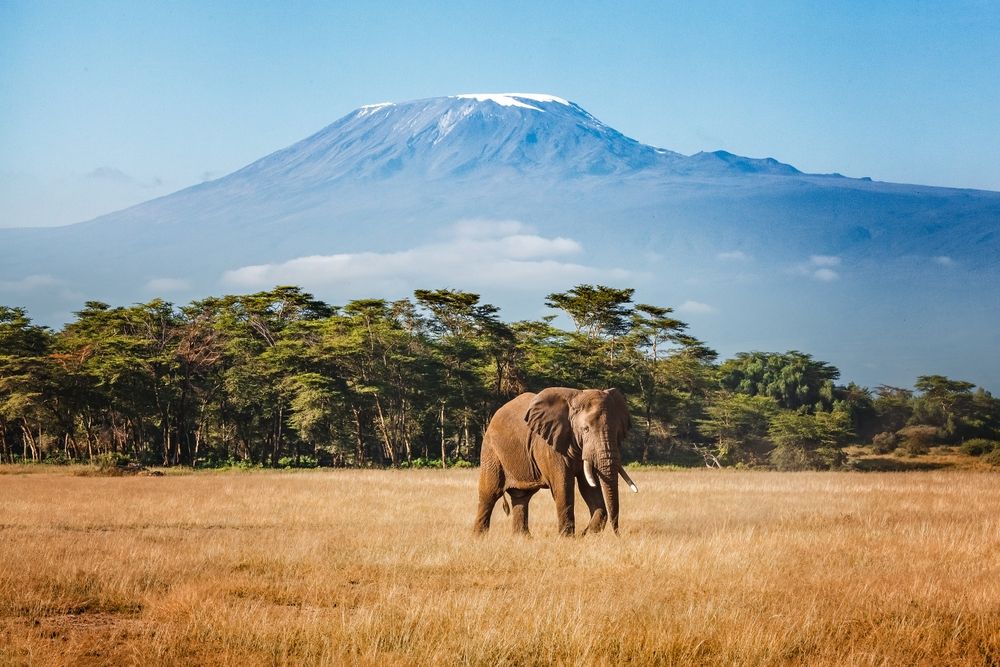
True emblem of Tanzania, Kilimanjaro stands as the roof of Africa with its 5,895 meters of altitude. This dormant volcano, whose Uhuru Peak summit is crowned with eternal snows, attracts thousands of climbers from all corners of the globe each year. The national park surrounding it protects remarkable biodiversity, where five distinct vegetation zones follow one another during the ascent.
Climbing Kilimanjaro represents an accessible challenge for motivated hikers, without requiring technical mountaineering skills. Several routes allow reaching the summit, including the Machame route and the Marangu route, each offering breathtaking panoramas of the Tanzanian plains. At sunrise from the crater, the spectacle of glittering glaciers dominating the African savanna constitutes an unforgettable experience that alone justifies a tailor-made trip to Tanzania.
Take a tailor-made trip to Tanzania
Tanzania lends itself wonderfully to personalized trips that allow harmoniously combining safaris in northern national parks, Kilimanjaro ascent for the most adventurous, cultural discovery and beach relaxation in Zanzibar. A tailor-made trip to Tanzania can begin with Arusha, natural gateway to the northern safari circuit. A few days in the Serengeti will allow witnessing the Great Migration according to the season, before discovering the Ngorongoro crater and its spectacular landscapes. Lake Manyara and Tarangire park will ideally complete this animal circuit. Travelers with more time can venture south to explore Ruaha park, before reaching Zanzibar's paradisiacal beaches for a relaxing conclusion. Tailor-made travel specialists design balanced itineraries adapted to your interests, pace and budget, including charming accommodations, experienced French-speaking guides and optimized logistics.
2. Serengeti National Park
Extending over more than 15,000 square kilometers, Serengeti National Park remains one of the world's most famous wildlife reserves. Its vast golden plains harbor Africa's most spectacular natural phenomenon: the Great Migration. Each year, more than two million wildebeest, accompanied by hundreds of thousands of zebras and gazelles, travel a 2,000-kilometer migration cycle in search of fresh pastures and water points.
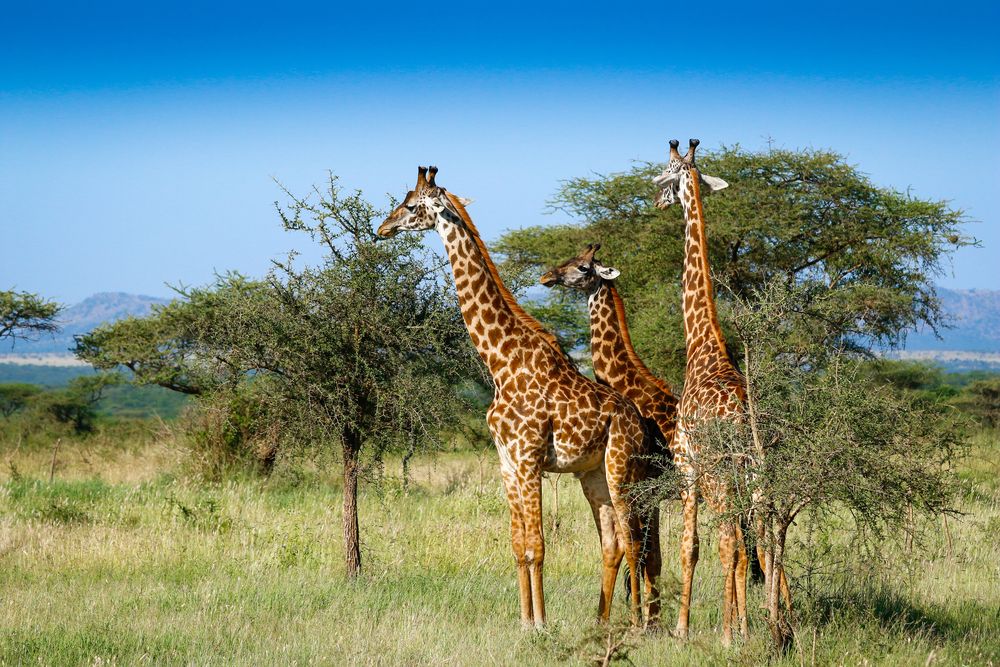
This perpetual migration offers grandiose scenes, notably during the perilous crossings of the Mara river between July and October, where crocodiles and predators watch the herds. The Serengeti also harbors an impressive concentration of big cats – lions, leopards, cheetahs – as well as elephants, giraffes, buffaloes and a multitude of antelope species. A safari in the Serengeti represents the quintessential African experience, one that transforms a simple trip to Tanzania into an extraordinary adventure.
3. Ngorongoro Crater
Listed as a UNESCO World Heritage site, Ngorongoro crater constitutes one of Africa's most remarkable natural wonders. This immense caldera of 20 kilometers in diameter formed about three million years ago during the collapse of an ancient volcano. Surrounded by steep walls culminating at 600 meters high, it creates a unique ecosystem where about 25,000 wild animals coexist.
The crater floor offers a mosaic of fascinating landscapes: green grasslands, acacia forests, alkaline lakes and swamps. This exceptional concentration of fauna allows observing the famous Big Five (lion, leopard, rhinoceros, elephant, buffalo) in a single safari day. Herds of zebras, wildebeest and antelopes graze peacefully under the gaze of predators, while pink flamingos tint the shores of Lake Magadi pink. Ngorongoro represents an essential stop on any tailor-made trip to Tanzania, offering a condensed safari experience in a spectacular natural setting.
4. Lake Natron
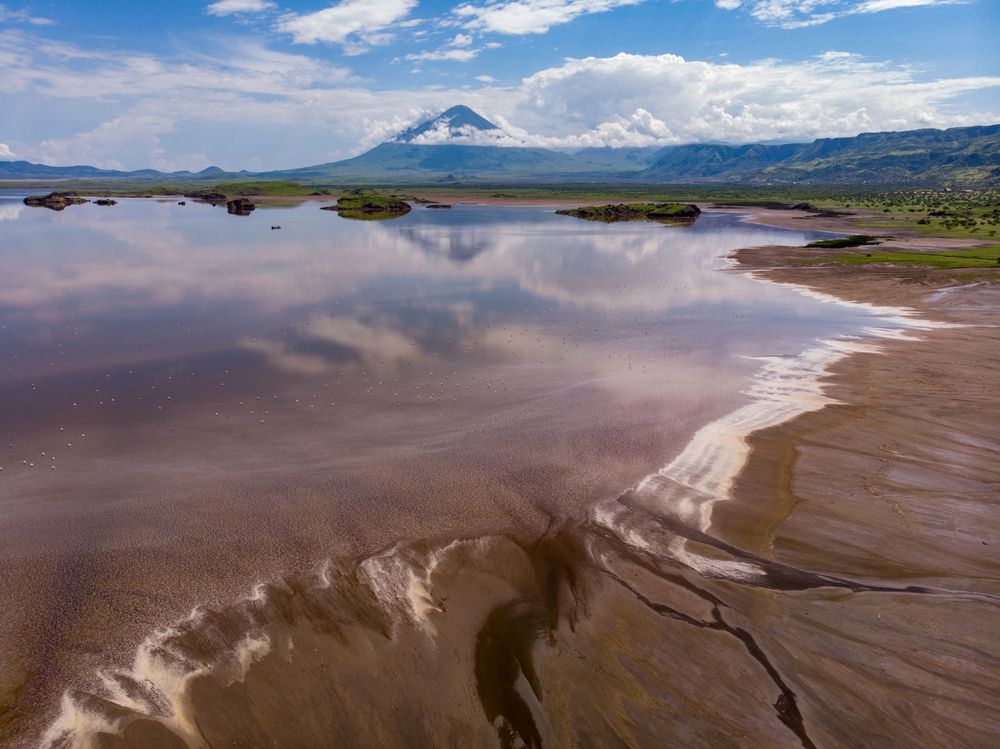
Located in the Rift Valley, Lake Natron fascinates with its unique and mysterious character. Its reddish waters, tinted by halophilic microorganisms and mineral deposits, create surreal landscapes evoking another planet. The water temperature can reach 60 degrees Celsius, while its extremely alkaline pH (up to 10.5) makes it one of the planet's most hostile environments.
Yet, this hostile lake harbors one of the world's most important flamingo breeding colonies. Between two and three million birds converge there to nest, taking advantage of the protection this inhospitable environment offers against predators. Natron deposits (sodium carbonate) sometimes crystallize animals that venture too close to the shores, creating petrified natural sculptures. This remarkable site, dominated by the Ol Doinyo Lengai volcano, offers exceptional photographic opportunities and constitutes an off-the-beaten-path experience during a tailor-made trip to Tanzania.
5. Zanzibar Archipelago and Stone Town
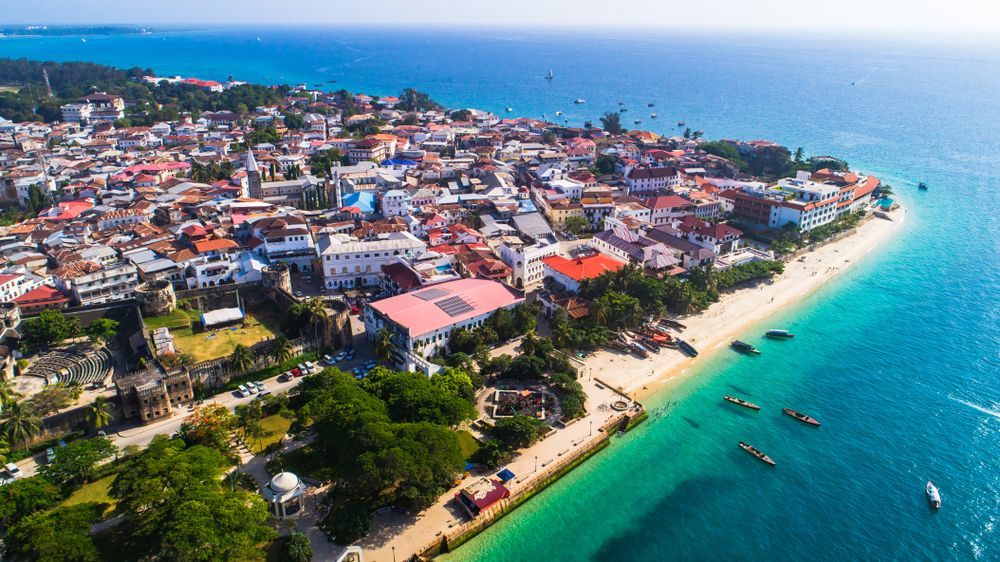
Off the East African coast, the Zanzibar archipelago offers an enchanted parenthesis after the intensity of continental safaris. Stone Town, the historic capital inscribed on UNESCO's World Heritage list, reveals a fascinating blend of Arab, Persian, Indian and European influences. Its narrow, labyrinthine alleys, lined with coral stone houses with carved doors, tell the story of spice trade and the Indian route.
Beyond cultural heritage, Zanzibar seduces with its paradisiacal beaches of powdery white sand bordered by turquoise waters. The coasts of Nungwi in the north, Paje and Jambiani in the east offer idyllic settings for diving, snorkeling or simply relaxing. The spice plantations in the interior, Jozani forests harboring endemic red colobus monkeys, and traditional fishing villages complete this archipelago's richness. Zanzibar constitutes the perfect conclusion to a tailor-made trip to Tanzania, combining authentic Swahili culture and tropical lounging.
6. Lake Manyara National Park
Nestled at the foot of the Rift Valley escarpment, Lake Manyara National Park surprises with its ecosystem diversity concentrated over only 330 square kilometers. Two-thirds of the park are covered by the alkaline lake itself, whose shores attract thousands of pink flamingos creating spectacular pink and white tableaux. The terrestrial part alternates between lush acacia forests, open grasslands and swamps.
Lake Manyara is particularly renowned for its tree-climbing lions, an unusual behavior that allows these felines to escape ground heat and insects while watching their prey. The park also harbors large concentrations of elephants, baboon troops, giraffes, buffaloes and more than 400 bird species. Its modest size allows comfortable exploration in one day, making it an ideal stop during a safari circuit in northern Tanzania. Its concentrated fauna richness and landscape originality fully justify its inclusion in any tailor-made trip to Tanzania.
7. Tarangire National Park
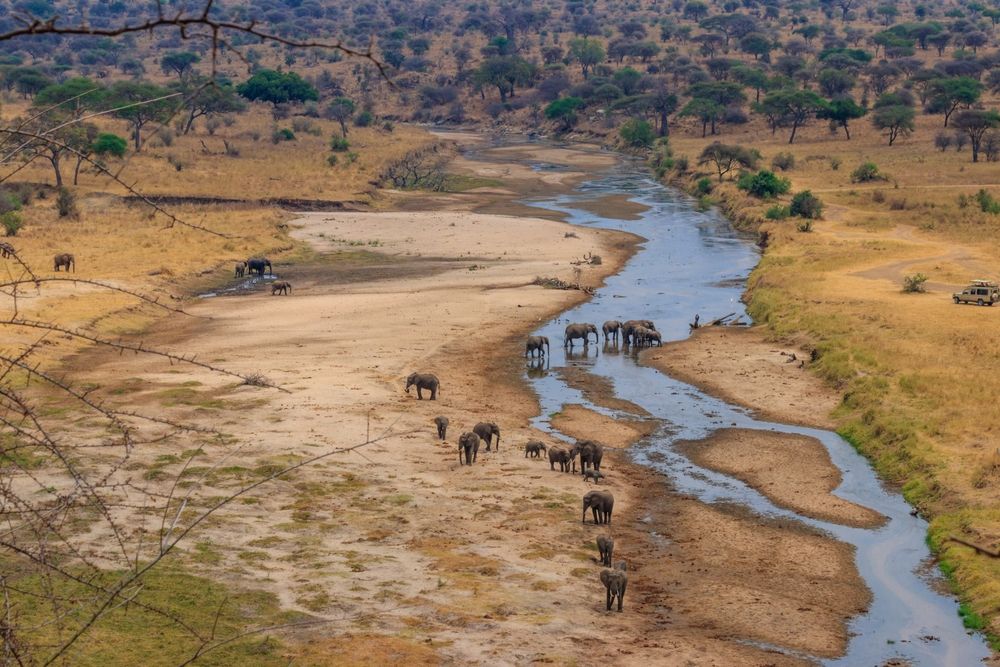
Tarangire National Park is distinguished by its savanna landscapes dotted with giant baobabs, these millenary trees with majestic silhouettes. During the dry season (from June to October), the park becomes the sanctuary of Tanzania's largest elephant concentration. Impressive herds sometimes counting more than 300 individuals converging towards the Tarangire river, the region's only permanent water source, can be observed.
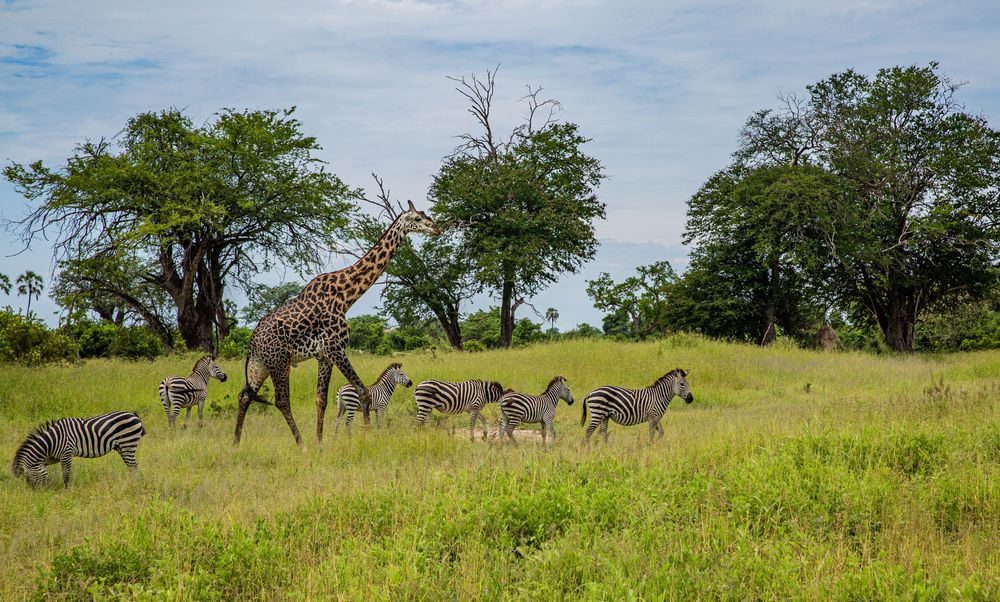
Beyond pachyderms, Tarangire harbors remarkable biodiversity: lions, leopards, cheetahs, wild dogs, Masai giraffes, oryx and kudu antelopes. Ornithologists will particularly appreciate this park which lists more than 550 bird species. The verdant swamps of the park's south contrast with the arid plains of the north, creating a mosaic of enchanting landscapes. Less frequented than the Serengeti or Ngorongoro, Tarangire offers a more intimate and authentic safari experience, far from overcrowded tourist circuits. This confidential dimension particularly seduces travelers seeking exclusivity during their tailor-made trip to Tanzania.
8. Ruaha National Park
In Tanzania's less explored south, Ruaha National Park stands as the country's largest with its 20,000 square kilometers of preserved wilderness. Crossed by the Great Ruaha river, this sanctuary harbors exceptional fauna in a setting of rugged hills, titanic baobabs and rolling savannas. Ruaha constitutes an essential bastion for East African elephant conservation, harboring a population estimated at more than 12,000 individuals.
The park is distinguished by its important predator population, notably considerable lion numbers and one of East Africa's last viable concentrations of wild dogs, this emblematic species critically endangered with extinction. Kudus, sable and roan antelopes, Masai giraffes and buffaloes complete this exceptional faunal tableau. Ruaha's relative remoteness guarantees an exclusive safari experience, far from crowds, ideal for experienced travelers wishing to discover an authentic and preserved Tanzania. Access is generally by charter flights from Arusha or Dar es Salaam, reinforcing the privileged character of this destination for a high-end tailor-made trip to Tanzania.
9. The City of Arusha
Nestled at the foot of Mount Meru at 1,400 meters altitude, Arusha asserts itself as the undisputed safari capital of East Africa. This dynamic city constitutes the privileged starting point for exploring the northern Tanzanian circuit's national parks: Serengeti, Ngorongoro, Tarangire and Lake Manyara. Its temperate climate, developed infrastructure and strategic position make it an essential logistical stop, but Arusha deserves attention for itself.
The city harbors several worthy attractions: the Cultural Heritage Centre presents authentic Tanzanian crafts, while the Arusha Declaration Museum recalls the city's historical role in Tanzanian independence and the birth of the Organization of African Unity. The central Maasai market offers a colorful immersion into local life, between stalls of perfumed spices, colorful kitenge fabrics and ebony wood sculptures. Gemstone markets allow admiring tanzanite, this blue gem endemic to the region. For nature lovers, Arusha National Park, thirty minutes from downtown, offers day safaris with giraffes, buffaloes and colobus monkeys. Arusha thus constitutes a pleasant introduction to acclimatize before diving into a tailor-made trip to Tanzania adventure.
10. Kendwa and Nungwi Beaches
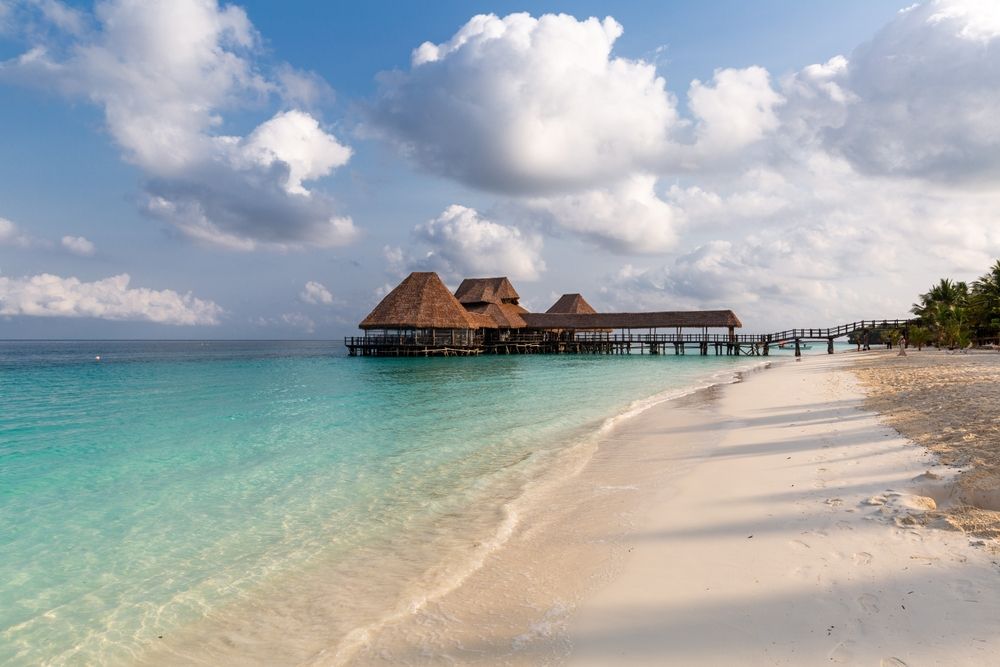
At the northern tip of Zanzibar's main island, Kendwa and Nungwi beaches represent the very essence of tropical paradise. These stretches of immaculate white sand bordered by palm trees are distinguished by a precious particularity: unlike most Zanzibar beaches subject to important tides, these allow swimming at any hour of the day in crystal-clear turquoise waters.
Kendwa seduces with its more peaceful atmosphere and spectacular sunsets, when the sun sets the Indian Ocean ablaze with orange and purple hues. Friendly beach bars offer fresh fruit cocktails with feet in the sand. Nungwi, slightly more lively, nevertheless retains its authenticity with its traditional fishing village where wooden dhows continue to cruise the waters. The exceptional seabeds around these beaches offer remarkable diving and snorkeling opportunities, with colorful coral reefs, sea turtles and schools of tropical fish. These paradisiacal shores constitute the ideal setting to recharge after the intensity of safaris, harmoniously completing a tailor-made trip to Tanzania.
11. The Fishing Village of Kizimkazi
On Zanzibar's south coast, the traditional village of Kizimkazi offers an authentic experience far from tourist agitation. This Swahili fishing hamlet preserves its ancestral way of life, with its colorful boats moored on white sand beaches and its traditional coral dwellings. Each morning, fishermen head to sea in their traditional dhows, perpetuating secular fishing techniques.
Kizimkazi is world-famous for its resident dolphin populations. Bottlenose dolphins and Indo-Pacific humpback dolphins regularly frequent these fish-rich waters. Boat excursions allow observing these graceful cetaceans in their natural environment, and with luck, swimming alongside them while respecting their tranquility. The village also houses the Shirazi mosque, one of East Africa's oldest Islamic buildings dating from 1107, a fascinating testimony to Arab and Persian influences in the archipelago. This combination of cultural authenticity, natural beauty and exceptional marine encounters makes Kizimkazi a memorable stop during a tailor-made trip to Tanzania.
12. Kuza Cave
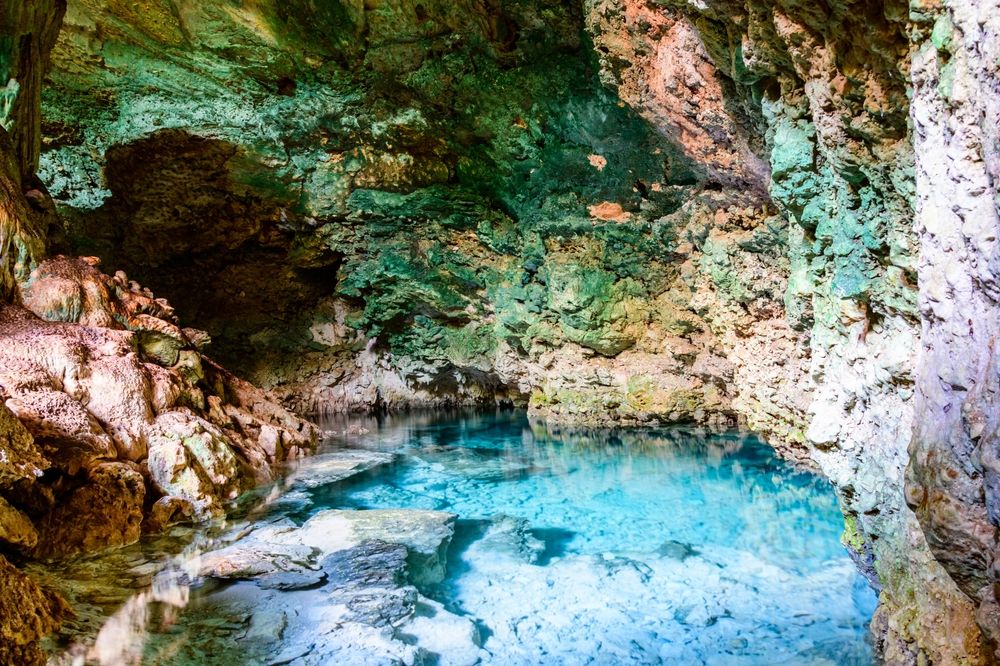
Between the villages of Jambiani and Paje on Zanzibar's east coast, Kuza Cave represents an unknown natural jewel that absolutely deserves a detour. This ancestral limestone cavity, once used as a worship place and refuge by local populations, opens in the heart of lush tropical vegetation. Access is via a descent of steep stairs carved into the rock, adding an adventurous dimension to the experience.
At the cave's bottom, a crystalline freshwater pool with emerald reflections invites a refreshing swim particularly welcome after Zanzibar's tropical heat. The water temperature, constant around 22 degrees, provides a deliciously invigorating sensation. Natural light plays filtering through the vault openings create a magical and mystical atmosphere. The site also houses a small cultural center presenting traditional Swahili life. This unusual escapade offers a striking contrast with beaches and constitutes an original activity to enrich your Zanzibar stay during a tailor-made trip to Tanzania.
In conclusion, Tanzania offers an exceptional palette of experiences that make it one of the most complete and captivating African destinations. From Kilimanjaro's snow-capped peaks to Zanzibar's seabeds, from the Serengeti's epic migrations to Ngorongoro's volcanic craters, every corner of the country reveals wonders that amaze travelers. Its wildlife richness, contrasting landscape beauty, cultural authenticity and warm hospitality forge imperishable memories. Whether you dream of observing the Big Five in their natural habitat, conquering the roof of Africa, immersing yourself in Swahili culture or simply recharging on dream beaches, Tanzania will fulfill all your expectations. To fully experience this extraordinary destination, nothing replaces a tailor-made trip to Tanzania designed according to your desires, which will guarantee you an authentic, comfortable and unforgettable adventure in the heart of East Africa.
Frequently Asked Questions
What is the best time to visit Tanzania?
The optimal period extends from June to October during the dry season, ideal for safaris with excellent animal visibility concentrated around water points. To observe the Great Migration in the Serengeti, favor July to September for spectacular river crossings, or January to March to witness wildebeest births in the park's south. Zanzibar can be visited pleasantly year-round, with preference for June to October and December to February.
How long should you plan for a trip to Tanzania?
A stay of 10 to 14 days constitutes an ideal duration to discover Tanzania's essentials. This allows combining a 4 to 6-day safari circuit in northern parks (Serengeti, Ngorongoro, Tarangire, Lake Manyara) with 4 to 5 days of relaxation in Zanzibar. Travelers with more time can add Kilimanjaro ascent (6 to 8 days) or explore southern parks like Ruaha.
What budget should you plan for a tailor-made trip to Tanzania?
Budget varies considerably according to desired comfort level, stay duration and chosen activities. For a quality tailor-made trip including safaris in comfortable lodges, domestic flights and Zanzibar stay, budget between 3,000 and 5,000 euros per person for 12 days. Safaris represent the main budget item due to park entrance fees, fuel and lodge accommodation. More economical options exist with camping and modest accommodations, while luxury lodges can carry the budget well beyond.
What vaccinations are necessary to travel to Tanzania?
Yellow fever vaccination is mandatory to enter Tanzania and must be done at least 10 days before departure. Hepatitis A and B, typhoid and tetanus vaccines are strongly recommended. Anti-malarial treatment is advised, particularly for low-altitude areas including Zanzibar and national parks. Consult your doctor or international vaccination center at least two months before departure to establish a protocol adapted to your personal situation.
Can you observe the Big Five in Tanzania?
Tanzania offers excellent opportunities to observe the Big Five (lion, leopard, rhinoceros, elephant, buffalo). Ngorongoro crater probably constitutes the best place to spot all five species in a single day. Black rhinoceros, the rarest and most threatened species, is mainly encountered in Ngorongoro and sometimes in the Serengeti. Elephants abound in Tarangire, lions dominate the Serengeti and Ngorongoro, while leopards, though discreet, can be observed with patience in all major parks.