
Créé par Emilie, le 20 juin 2026
Votre guide Ryo
Top 5 Trending Destinations in Southeast Asia for 2026
© Shutterstock
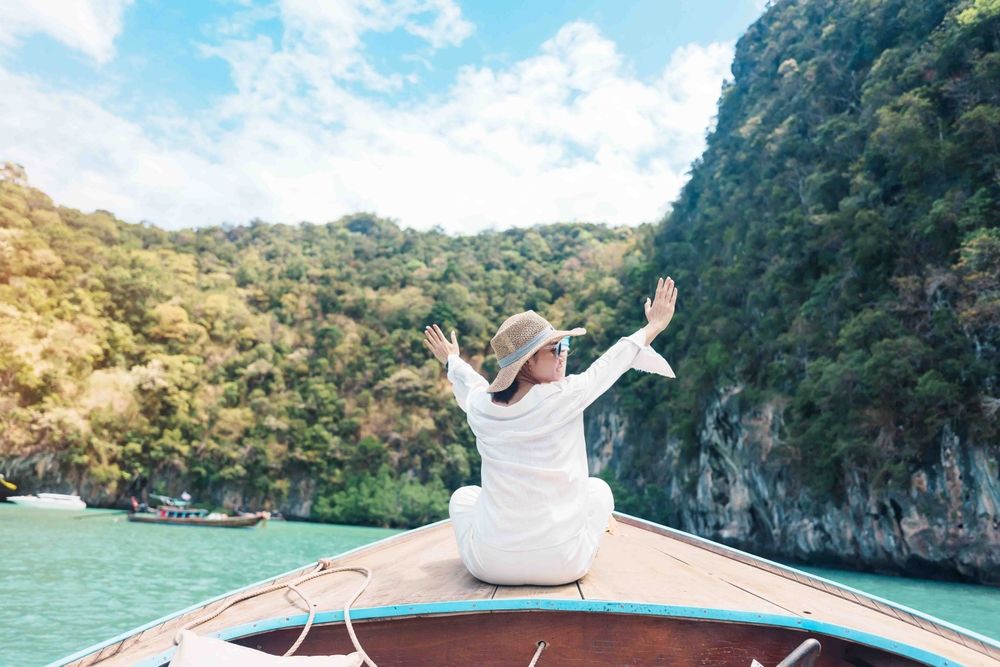
Southeast Asia has solidified its position as one of the world's most captivating travel regions, and 2026 promises to be an exceptional year for tourism in this zone. From pristine beaches to ancient temples, from bustling metropolises to UNESCO classified sites, these top 5 trending destinations in Southeast Asia for 2026 offer experiences that will leave you amazed. Whether you're seeking cultural immersion, culinary adventures or natural wonders, this guide to the best Southeast Asian destinations for 2026 will help you plan the trip of a lifetime. To organize your journey through these fascinating lands, don't hesitate to consult the Comptoir des Voyages agency.
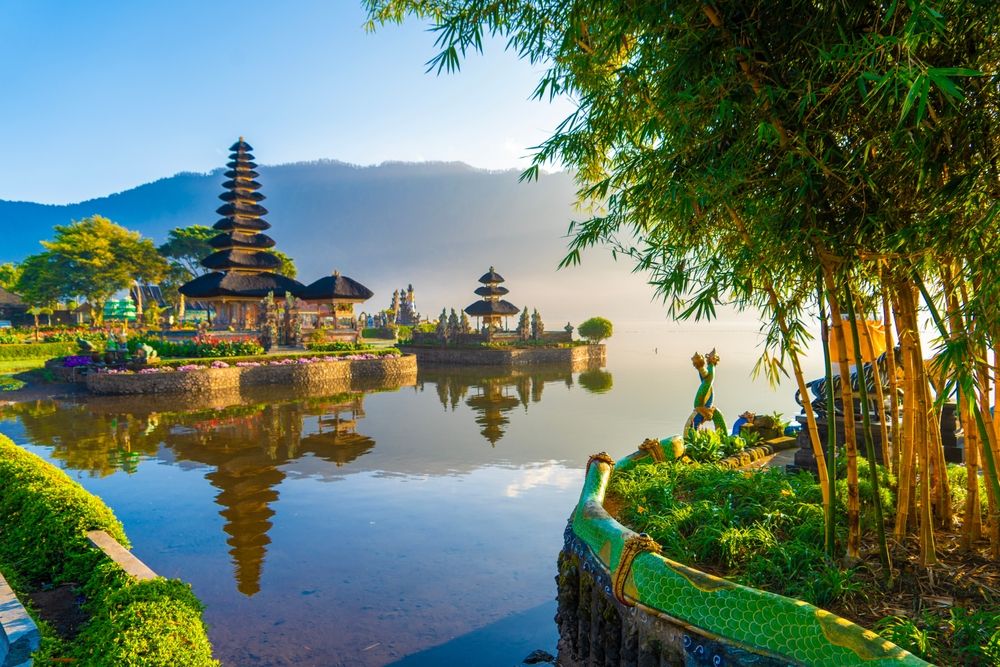
1. Bali, Indonesia: the world's #1 destination makes history
Bali has been crowned as the world's #1 destination for 2026, placing this Indonesian paradise above global icons like Paris and London. This recognition marks a historic moment for Southeast Asia and confirms what travelers have known for years: Bali is truly a living postcard.
The island's appeal lies in its extraordinary diversity. From Ubud's spiritual heart, with its Tegalalang rice terraces and sacred Monkey Forest (home to over 1,200 monkeys), to the spectacular Uluwatu temple perched on a cliff, Bali offers experiences that blend nature, culture and spirituality in perfect harmony. The Jatiluwih rice terraces, a UNESCO site, feature irrigation systems centuries old, while the iconic Tanah Lot temple, perched on a rocky formation in the sea, offers one of Asia's most photographed sunsets.
For beach lovers, Seminyak offers elegant resort complexes and vibrant nightlife, while Nusa Penida has become the most famous day trip from Bali, with Instagram spots like Kelingking beach and its T-Rex shaped cliff. Adventure enthusiasts can climb to the summit of Mount Batur to witness a breathtaking sunrise.
The island aims for 17 million tourist arrivals in 2026, testament to its enduring appeal. With the addition of nearby attractions like Komodo National Park (home to the famous Komodo dragons), Bali serves as the perfect gateway to explore Indonesia's natural wonders. The warm hospitality of the Balinese people, incredible food scene and wellness retreats offering yoga and traditional treatments make Bali one of the top 5 trending destinations in Southeast Asia for 2026.
In terms of accommodation, luxury resorts line the coastline while traditional guesthouses in Ubud offer intimate cultural experiences. Don't miss the opportunity to attend a traditional Balinese dance performance or participate in a temple ceremony to truly understand the island's deep spiritual roots.
2. Bangkok, Thailand: the city of angels welcomes the world
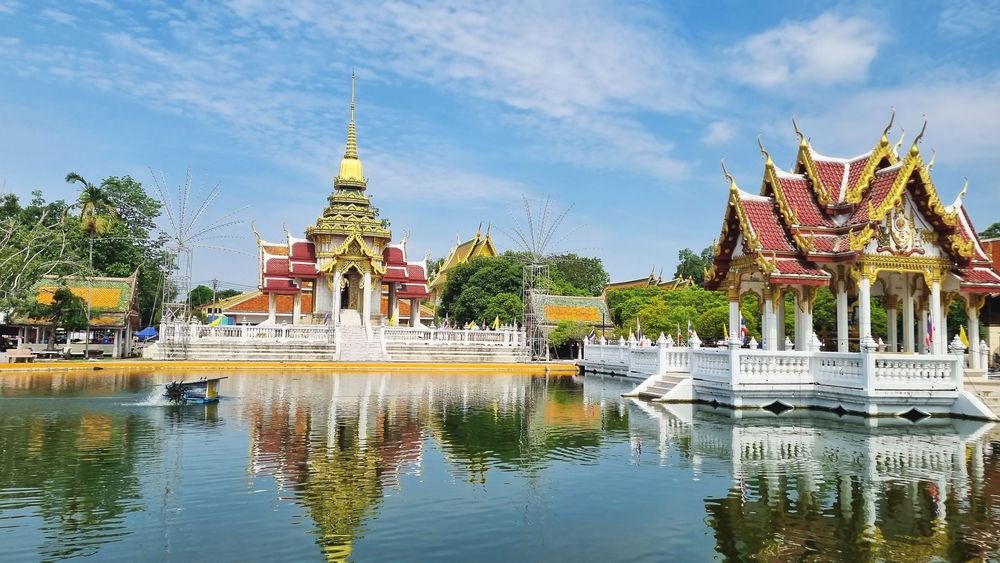
Bangkok continues to dominate as one of Asia's most visited cities, and for good reason. The Thai capital claimed the title of world's most visited city in 2025, surpassing even Paris and New York, and this momentum shows no signs of slowing in 2026. As one of the top 5 trending destinations in Southeast Asia for 2026, Bangkok perfectly balances ancient tradition and modern dynamism.
Download the audio guide circuit to discover Bangkok on foot and independently
Discover the City of Angels in a unique way with Ryo's audio guide itinerary for Bangkok. This 6.5 km circuit takes you through the heart of Thailand's capital in 2h40, with 22 commented points of interest. Explore the majestic Wat Pho and its 46-meter reclining Buddha, cross by boat to Wat Arun on the banks of the Chao Phraya, and immerse yourself in the unique atmosphere of the Royal Palace and Temple of the Emerald Buddha. The app guides you step by step with fascinating anecdotes about the history of the Kingdom of Siam and helps you understand Buddhist temple architecture. Download your circuit to visit Bangkok and let yourself be guided through the alleyways of the historic Phra Nakhon district, from the famous Khao San Road market to the Golden Jubilee monuments.
The Grand Palace complex, dating from 1785, remains Thailand's most important site. Within its walls, the Temple of the Emerald Buddha (Wat Phra Kaew) houses the country's most sacred Buddhist relic. The intricate details of golden spires, guardian demons and ornate pavilions make it a must-see attraction that requires several hours to be fully appreciated (admission ticket required, strict dress code).
Bangkok's temple circuit is extraordinary, with nearly 400 Buddhist temples scattered across the urban landscape. Wat Pho, one of the oldest temples, features an immense 46-meter reclining Buddha covered in gold leaf. Across the Chao Phraya river, Wat Arun (Temple of Dawn) rises majestically with its distinctive Khmer-style tower decorated with colorful porcelain. Wat Suthat, one of the six first-rank royal temples, reveals exceptional architectural beauty with its perfectly proportioned structures.
Beyond temples, Bangkok's vibrant street life captivates visitors. Khao San Road, though only 410 meters long, has become legendary among backpackers and travelers worldwide. For a more authentic local experience, explore the labyrinthine alleys of Chinatown (Yaowarat), where the aroma of sizzling street food fills the air and neon signs create magical atmosphere after nightfall.
The weekend Chatuchak market, with over 15,000 stalls, offers everything from vintage clothing to handcrafted ceramics. For a glimpse of traditional life, take a boat trip through Bangkok's canals (khlongs), earning the city its nickname "Venice of the Orient". The Damnoen Saduak floating market, about 80 kilometers away, offers a colorful glimpse of traditional commerce.
Modern Bangkok shines in areas like Sukhumvit, where glass towers house rooftop bars offering panoramic city views, and luxury shopping centers like Siam Paragon showcase contemporary Thailand. Don't miss the opportunity to enjoy a dinner cruise on the Chao Phraya river for an unforgettable perspective on illuminated temples and palaces. Discover Bangkok with the Ryo itinerary to miss nothing of this fascinating metropolis.
Day trips from Bangkok include the ancient capital of Ayutthaya, a UNESCO World Heritage site with magnificent temple ruins, and the seaside resort of Hua Hin, just three hours away, offering a relaxing coastal escape.
3. Hanoi, Vietnam: where heritage meets dynamism
Hanoi has emerged as Vietnam's cultural and historical heart, consistently ranking among Asia's top travel destinations. Vietnam's capital vibrates with timeless charm, where tree-lined boulevards recall its French colonial past while ancient temples and pagodas showcase heritage spanning over 1,000 years.
The Old Quarter, with its 36 ancient streets, each historically dedicated to a specific trade, remains Hanoi's beating heart. Wandering through these narrow alleys, you'll encounter silk merchants, silver artisans and countless street food vendors serving pho, bun cha and other Vietnamese specialties. The energy is palpable, with motorbikes weaving through crowds and vendors balancing fresh produce on bamboo poles.
Hoan Kiem Lake serves as the city's spiritual center. According to legend, a giant turtle living in the lake helped Emperor Le Loi defeat Chinese invaders in the 15th century by providing him with a magical sword. Today, the lake offers peaceful escape where locals practice tai chi at dawn and couples stroll along its shores at sunset. The red-painted Huc bridge leads to Ngoc Son temple on a small island, offering one of Hanoi's most picturesque views.
The Temple of Literature, Vietnam's first university dating from 1070, showcases traditional Vietnamese architecture and honors Confucian scholars. The Vietnam Museum of Ethnology offers fascinating insights into the country's 54 ethnic groups, with authentic reconstructed houses and cultural artifacts.
History enthusiasts shouldn't miss Ho Chi Minh's Mausoleum, where the Vietnamese revolutionary leader rests, and the nearby One Pillar Pagoda, an architectural marvel built on a single stone pillar rising from a lotus pond. Hoa Lo Prison, known as the "Hanoi Hilton" during the Vietnam War, offers sobering insight into the country's colonial and wartime past.
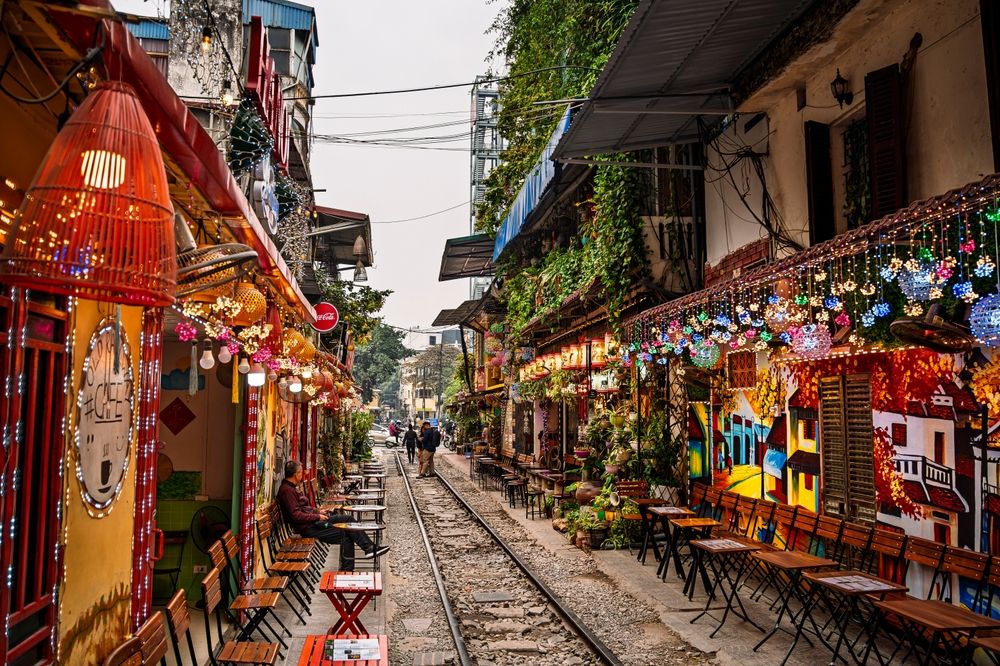
The Vietnamese Women's Museum celebrates women's role in Vietnamese society, while St. Joseph's Cathedral, built in 1886, stands as a beautiful example of French colonial religious architecture. For a unique experience, visit the famous train street, where railway tracks pass just centimeters from houses, creating an extraordinary spectacle when trains pass.
Hanoi's culinary scene is legendary. Join a food tour to sample bun cha (grilled pork with noodles), banh mi (Vietnamese sandwich), egg coffee and countless other delights. The Old Quarter night market comes alive on weekends, offering souvenirs, street food and entertainment.
Beyond the city, Ha Long Bay, a UNESCO World Heritage site with thousands of limestone karsts rising from emerald waters, lies just a few hours away. For a quieter alternative, Ninh Binh, often called "Ha Long Bay on land", offers stunning limestone cliffs and rice paddies to explore by boat. The mountain town of Sapa in northern Vietnam has become one of Asia's fastest-growing destinations for 2026, offering terraced rice fields and encounters with ethnic minority villages.
4. Singapore: the lion city's futuristic vision
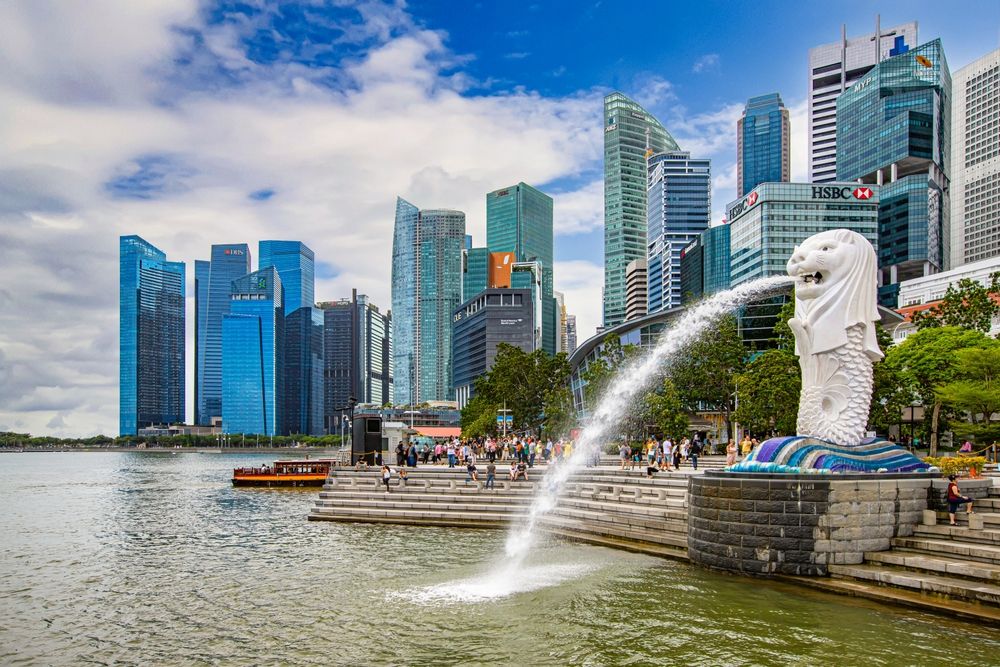
Singapore continues to redefine urban excellence, making it one of the top 5 trending destinations in Southeast Asia for 2026. This hyper-connected city-state harmoniously blends cutting-edge innovation with rich multicultural heritage, creating a unique experience in the region.
Gardens by the Bay, Singapore's horticultural masterpiece, has been named the city's #1 attraction. This 101-hectare park features the iconic Supertree Grove, where 25 to 50-meter vertical gardens create a futuristic forest that comes alive with a spectacular sound and light show every evening (free entry for outdoor gardens). The Cloud Forest conservatory houses the world's tallest indoor waterfall at 35 meters, surrounded by lush mountain vegetation, while the Flower Dome, the world's largest glass greenhouse, recreates Mediterranean and semi-arid climates with seasonal floral displays that change throughout the year.
The OCBC Skyway, a 128-meter aerial walkway suspended 22 meters above ground, connects the Supertrees and offers stunning Marina Bay views. Tickets for the conservatories (Cloud Forest and Flower Dome) cost about 30 SGD for adults, with combo packages available including Floral Fantasy (60 SGD for all three attractions).
Marina Bay Sands, with its iconic rooftop infinity pool and SkyPark offering 360-degree city views, has become Singapore's most recognizable landmark. The nearby Merlion statue, Singapore's mythical mascot with a lion's head and fish body, stands at Merlion Park overlooking the bay. The futuristic architecture of the lotus-shaped ArtScience Museum hosts world-class exhibitions.
Singapore's multicultural neighborhoods each tell a different story. Chinatown's colorful shophouses, traditional medicine shops and the ornate Buddha Tooth Relic Temple showcase Chinese heritage. Little India explodes with colors, aromas and energy, from Sri Veeramakaliamman temple to the bustling Tekka Centre market. The Arab Street quarter, centered around the Sultan Mosque with its distinctive golden dome, offers Middle Eastern restaurants, textile shops and trendy cafes in restored shophouses.
Sentosa Island offers family attractions including Universal Studios Singapore, S.E.A. Aquarium (one of the world's largest) and pristine beaches. The Southern Ridges hiking trail connects several parks and offers superb canopy walkways through lush greenery in the heart of the city.
For nature lovers, Singapore Zoo and Night Safari offer close encounters with wildlife in naturalistic habitats. The Botanic Gardens, Singapore's first UNESCO World Heritage site, features the magnificent National Orchid Garden with over 1,000 orchid species.
Singapore's hawker centers serve as the city's culinary soul, offering authentic affordable dishes like chicken rice, chili crab, laksa and char kway teow. Maxwell Food Centre, Lau Pa Sat and Newton Food Centre are among the most famous. For fine dining experiences, Singapore boasts numerous Michelin-starred restaurants showcasing cuisines from around the world.
Shopping ranges from luxury boutiques on Orchard Road to the electronic hub of Sim Lim Square. Clarke Quay's riverside restaurants and bars offer vibrant nightlife, while Marina Bay rooftop bars provide sophisticated cocktails with spectacular views.
Singapore's efficiency extends to its public transport system (MRT), making it easy to explore every corner of this compact island nation. The city's vision for 2026 focuses on sustainability, innovation and maintaining its position as Southeast Asia's most connected hub.
5. Luang Prabang, Laos: Asia's best-kept secret emerges
Travel industry experts and publications like TravelPulse have named Laos among the world's top destinations for 2026, with Luang Prabang leading this Southeast Asian nation's emergence onto the global scene. After years of being described as "one of Southeast Asia's best-kept secrets", experts predict 2026 will mark a turning point for this UNESCO-listed enchanted city.
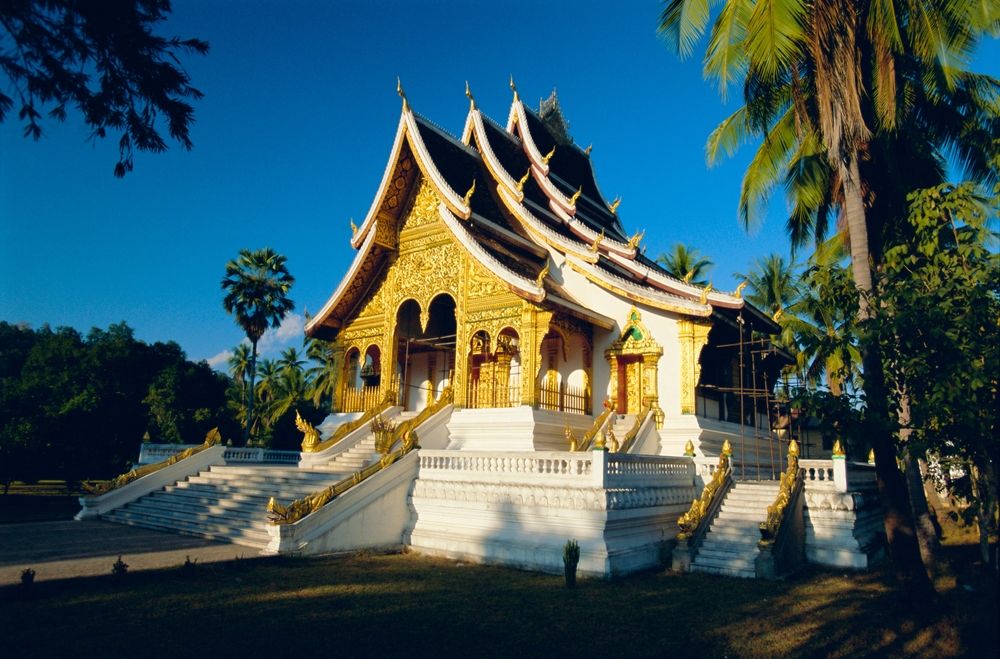
Nestled at the confluence of the Mekong and Nam Khan rivers, surrounded by mountains, Luang Prabang is the cultural soul of Laos. The entire city center was designated a UNESCO World Heritage site in 1995 for its exceptional preservation of traditional Lao urban architecture fused with French colonial influences. Golden Buddhist temples (over 30 in the city) create a skyline that glimmers under the tropical sun, while colonial-era villas painted in pastel hues line quiet, tree-lined streets.
The sacred alms ceremony (tak bat) remains one of Southeast Asia's most moving spiritual rituals. Each dawn, hundreds of Buddhist monks in saffron robes walk silently through the streets collecting offerings of sticky rice from devout locals and respectful visitors. This centuries-old tradition connects the present to ancient Buddhist customs and should be observed with appropriate respect (modest dress, no flash photography).
Wat Xieng Thong, built in 1560, is Luang Prabang's most beautiful temple. Its multi-tiered roofs that almost touch the ground illustrate classical Lao architecture, while elaborate mosaics depicting the tree of life cover the exterior walls. Inside, you'll find superb murals and golden Buddha images. The Royal Palace Museum, former home of Lao kings, now houses national treasures including the famous Phra Bang Buddha statue that gave the city its name.
Mount Phousi, a 100-meter hill in the city center, offers panoramic views of Luang Prabang and surrounding countryside. The 328-step climb passes several shrines and is particularly popular at sunset when the city's temples glow golden in the fading light. At the summit, That Chomsi stupa provides 360-degree views of the winding Mekong.
Kuang Si waterfalls, about 30 kilometers south of the city, cascade into multi-tiered turquoise pools where you can swim in crystal-clear water. The surrounding jungle and rope swings make it a perfect day trip. A bear rescue center near the falls cares for rescued Asiatic black bears from poachers.
A Mekong river boat trip leads to Pak Ou caves, filled with thousands of Buddha statues accumulated over centuries. Locals still bring offerings to this sacred pilgrimage site. Traditional villages line the riverbanks, where you can observe silk weaving, bamboo paper making and rice whiskey distilling.
The night market along Sisavangvong Road transforms the main street into a colorful bazaar selling hand-woven textiles, silverwork and local handicrafts. Unlike many Southeast Asian markets, the atmosphere remains relaxed and hassle-free. For local food, try khao soi (Lao noodle soup), laap (minced meat salad) and sticky rice served in traditional woven baskets.
Accommodation in Luang Prabang ranges from luxury heritage hotels in restored French colonial mansions to budget guesthouses with river views. The city's compact size makes everything walkable, contributing to its peaceful and timeless atmosphere.
The surrounding region offers opportunities for ethical elephant sanctuaries (where you observe rather than ride), village treks to minority communities and kayaking on the Nam Khan. The climate is most pleasant from November to February, with cooler temperatures and minimal rainfall.
Travel experts note that 2026 represents the ideal time to visit before mass tourism potentially changes Luang Prabang's authentic character. The Lao government aims for sustainable tourism growth while preserving the city's unique heritage and spiritual atmosphere.
In conclusion, these top 5 trending destinations in Southeast Asia for 2026 represent the diversity and richness that make this region one of the world's most captivating travel zones. From Bali's world-class beaches and spiritual heart to Bangkok's energetic urban landscape, from Hanoi's cultural depth to Singapore's futuristic vision, and from Luang Prabang's serene UNESCO heritage to countless other discoveries, Southeast Asia offers experiences that will transform your understanding of travel. Whether you're drawn to ancient temples, natural wonders, culinary adventures or modern prowess, these destinations promise memories that will last a lifetime. Don't forget to download the Ryo audio guide for Bangkok to make the most of your experience in Thailand's capital. The adventure of a lifetime awaits in these top 5 trending destinations in Southeast Asia for 2026.
Frequently Asked Questions
What's the best time to visit Southeast Asia in 2026?
The ideal period varies by destination. For Bangkok and central Thailand, November to March offers the most pleasant climate. Bali's dry season runs from April to October, though the island is visitable year-round. Hanoi is optimal from October to April when temperatures are cooler. Singapore has a tropical climate suitable for visits anytime, though December to June sees less rainfall. Luang Prabang shines from November to February with comfortable temperatures and clear skies.
How many days should I spend in each destination?
For a complete experience, plan 3-4 days for Bangkok to cover major temples, markets and a day trip to Ayutthaya. Bali deserves at least 5-7 days to explore Ubud, beaches and temples. Hanoi requires 3-4 days to discover the Old Quarter, museums and take a Ha Long Bay excursion. Singapore can be thoroughly explored in 2-3 days given its compact size. Luang Prabang's relaxed pace is perfect for 2-3 days of cultural immersion and nearby waterfall visits.
Is it safe to travel to Southeast Asia in 2026?
Yes, these five destinations are generally very safe for tourists. Singapore boasts one of the world's lowest crime rates. Thailand, Indonesia, Vietnam and Laos all have well-established tourism infrastructures with millions of visitors annually. Standard travel precautions apply: keep valuables secure, be aware of your surroundings and respect local customs. Take out comprehensive travel insurance before departure.
What's the approximate budget for visiting these destinations?
Budget varies significantly. Singapore is the most expensive (budget 100-150€ per day for mid-range travel). Bangkok, Hanoi and Luang Prabang offer excellent value (30-60€ per day for mid-range experiences including accommodation, meals and attractions). Bali sits in the middle (50-100€ per day depending on your style). Luxury travelers should budget much more, while backpackers can travel for less staying in hostels and eating at local stalls.
Do I need visas for these Southeast Asian countries?
Visa requirements depend on your nationality. Many Western passport holders receive visa-free entry or visa on arrival for Thailand (up to 30 days), Indonesia (up to 30 days), Singapore (up to 90 days) and Vietnam (check current e-visa requirements). Laos offers visa on arrival at international entry points. Always check current requirements from official embassy websites before traveling, as policies may change.