
Créé par Emilie, le 16 mai 2026
Votre guide Ryo
© Shutterstock
Glasgow has a habit of surprising visitors. Fly in expecting a gritty post-industrial city and you land in one of Europe's great cultural capitals, a place where a world-class art collection sits inside a red sandstone palace, free to enter, seven days a week, and where a Victorian necropolis watches over the oldest cathedral in mainland Scotland from a hill strewn with over 3,500 monuments. If you want to explore British cities with real depth and personality, Ryo's audio-guided walks across the United Kingdom are a strong starting point for planning your trip, and the Ryo team is steadily expanding its Ryocity catalogue with new self-paced narrated routes.
This list covers 30 things to do in Glasgow across every taste and budget, from the Burrell Collection's priceless medieval tapestries to a whisky distillery perched on the Clyde, from the city's legendary live music circuit to the quiet Victorian glasshouses of the Botanic Gardens. You'll find that the city's 23 free museums and galleries include some of the finest collections in the UK, that the West End café culture rivals anything in Edinburgh, and that 2026 brings the Commonwealth Games back to Scottish soil for the first time since 1986. Glasgow rewards curiosity. These thirty experiences are where to start.
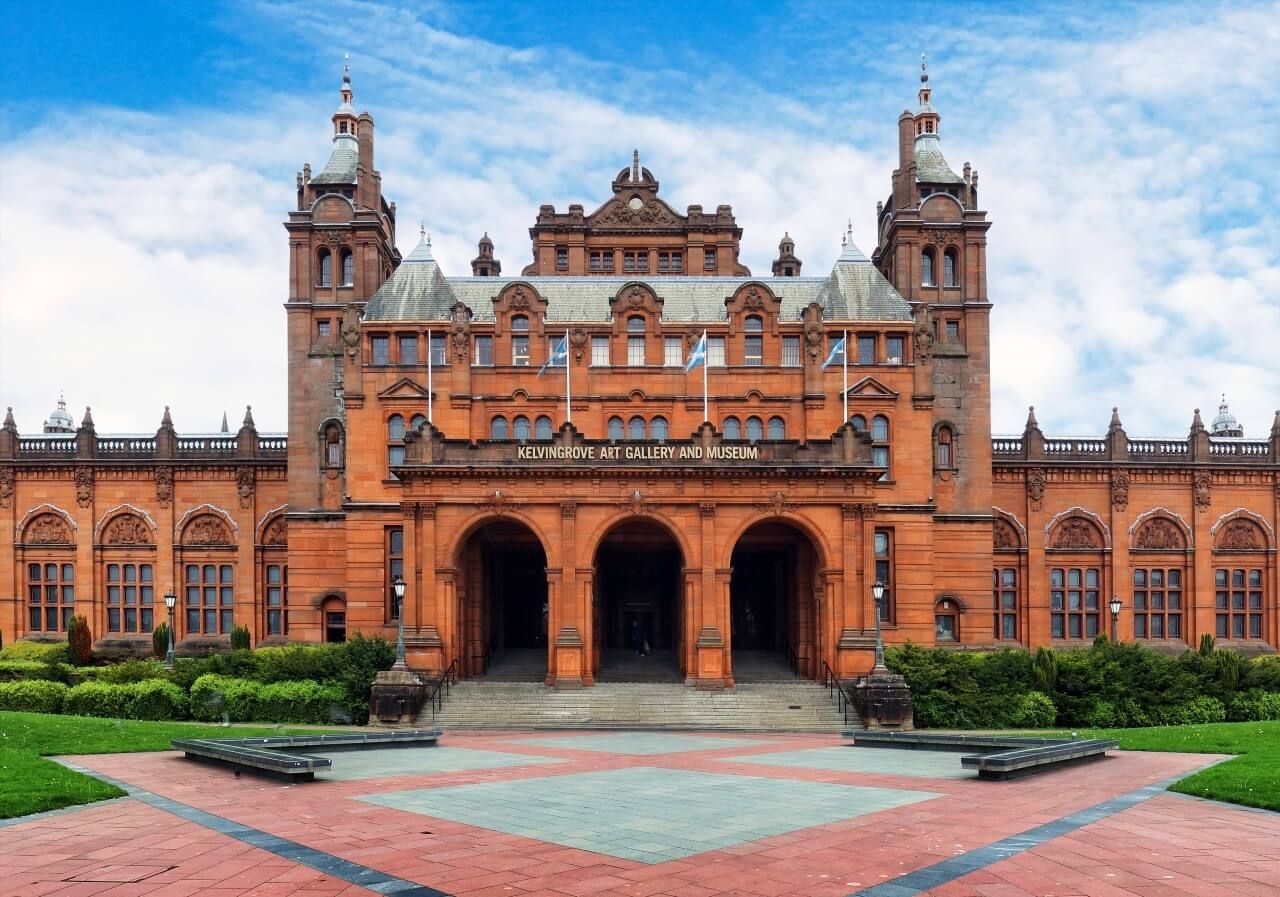
1. Kelvingrove Art Gallery and Museum
Kelvingrove Art Gallery and Museum (Argyle Street, Glasgow G3 8AG, rated 4.7/5 on Google (24 605 avis)) is the single most visited museum in Scotland outside Edinburgh, drawing over one million visitors each year into its Spanish Baroque sandstone halls, all without charging a penny for admission. The building itself was completed in 1901 and is consistently listed among the most beautiful in Britain: two towers, warm pink-red stone, arched doorways that open onto 22 themed galleries spread across two floors.
The collection spans Salvador Dalí's "Christ of Saint John of the Cross", one of the most reproduced paintings in Scottish history, alongside armour, natural history, ancient Egypt and a Spitfire suspended from the ceiling of the main hall. What makes Kelvingrove genuinely stand apart from comparable institutions is the curatorial boldness: Dalí hangs near a stuffed elephant named Sir Roger, donated to the city in 1900, and the juxtaposition feels entirely intentional rather than accidental. Plan at least two hours. The café in the east court is a decent option for lunch, and free organ recitals take place most days at 1 pm, arrive five minutes early for a seat.
2. The Burrell Collection
Sir William Burrell spent over seventy-five years assembling one of the most eclectic private art collections in British history before gifting it to the city of Glasgow in 1944 alongside his wife Constance. The result is the Burrell Collection (Pollok Country Park, Glasgow G43 1AT, rated 4.7/5 on Google (2 895 avis)), a purpose-built museum reopened in 2022 after a six-year renovation that cost £68.25 million and returned the building's famous floor-to-ceiling glass walls to their original clarity.
The 9,000-piece collection defies categorisation. Medieval stained glass from Germany and France floods the galleries with coloured light. Ancient Chinese ceramics from the Tang dynasty sit alongside Flemish tapestries and Rodin bronzes. Rembrandt, Cézanne and Degas are represented, but the Burrell is not a painting museum. Its strength is in the sheer breadth of civilisations on display. Entry is free, and the museum sits within Pollok Country Park, which means you can combine it with a walk through 361 acres of woodland before or after your visit. Allow two to three hours inside, more if you linger over the medieval room.
3. Walk the City Centre Mural Trail
Glasgow's City Centre Mural Trail has grown from a handful of commissioned pieces into one of the most extensive street art programmes in the UK, with over 30 large-scale murals across the city centre. Pick up a map at the tourist information point on George Square or simply follow the trail markers from St Enoch Square. The most photographed pieces include the giant portrait of Saint Mungo near the Cathedral and the Arches mural on Osborne Street. Walking the full route takes roughly ninety minutes at a comfortable pace.
4. Glasgow Cathedral
Standing on a slope above the city centre, Glasgow Cathedral (Castle Street, Glasgow G4 0QZ, rated 4.6/5 on Google (9 567 avis)) is the oldest cathedral in mainland Scotland and one of the best-preserved examples of Gothic architecture in Britain, it survived the Reformation largely intact at a time when most Scottish religious buildings were being stripped or destroyed. Building work began in the 12th century; the choir and lower church date from the 13th.
Entry is free. The lower church, or crypt, is the highlight: a vaulted chamber of extraordinary atmosphere, built around the tomb of St Mungo, Glasgow's patron saint and the city's founder. Decorative stone pillars fan outward in a canopy over the tomb, and the light coming through narrow windows creates conditions that photographers wait hours to catch. Immediately outside the cathedral, the Necropolis rises on a hill behind, a Victorian garden cemetery with around 50,000 burials across 37 acres that offers arguably the finest panoramic view over the city centre. The two sites together, cathedral and Necropolis, occupy the same hour and form one of Glasgow's most compelling pairings. Dress for wind on the hilltop.
The cathedral is closed on Sunday mornings during services. At any other time, allow forty-five minutes inside, and budget another forty-five for the Necropolis.
5. Explore the West End
The West End is Glasgow's most liveable quarter and the area where locals consistently send friends when asked for honest recommendations. Anchored by the University of Glasgow's dramatic Gothic tower at one end and the Botanic Gardens at the other, the neighbourhood rewards wandering rather than ticking items off a list.
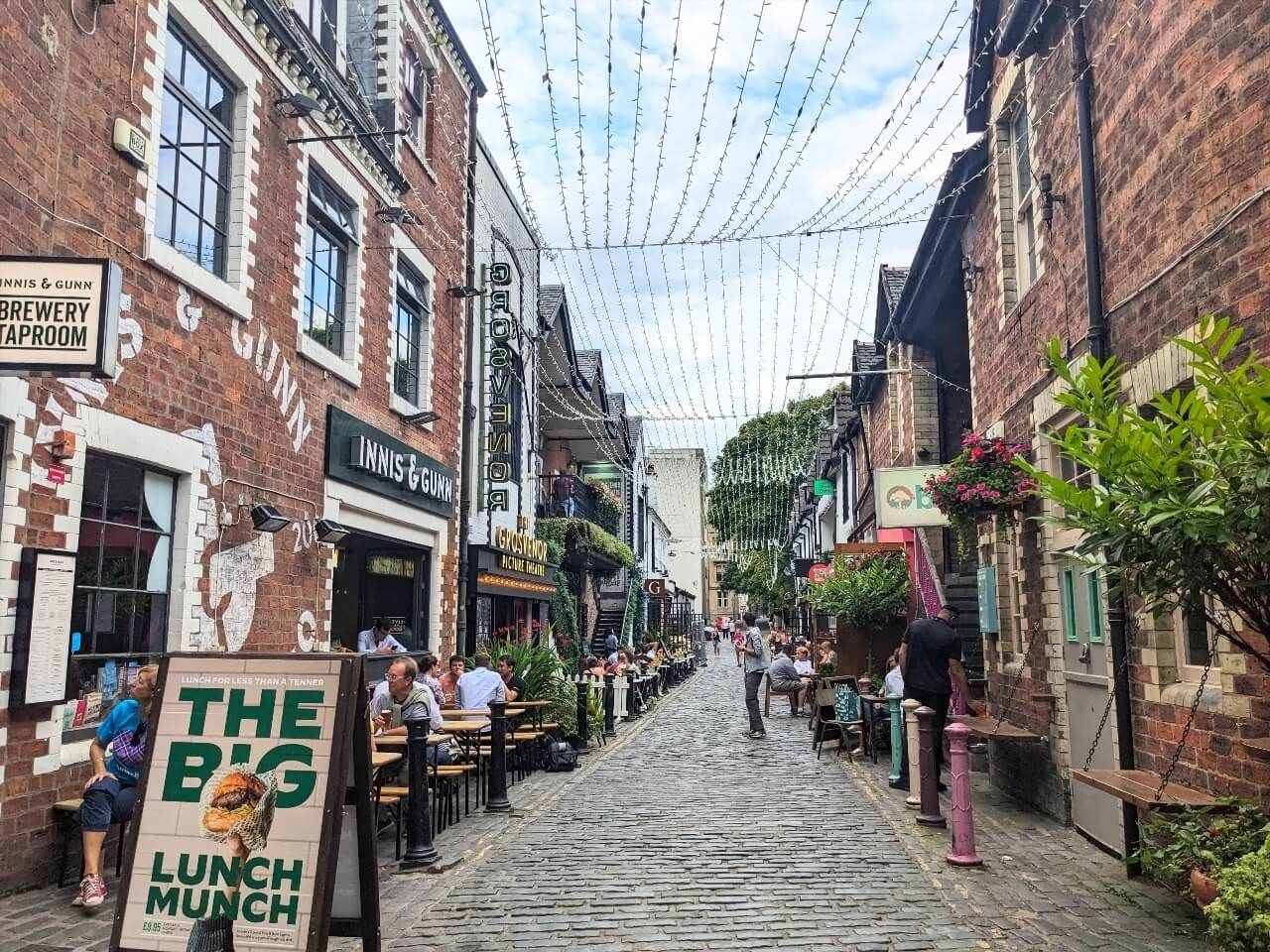
Byres Road is the main artery, a long commercial street packed with independent coffee shops, bookshops, bakeries and wine bars that feel genuinely local rather than curated for tourists. The Hillhead underground station is a useful transport hub if you're arriving from the city centre, and the neighbourhood is broadly walkable. Off the main drag, Ashton Lane (a cobbled alley just off Byres Road) concentrates some of the city's best bars and a cinema into about 80 metres of atmospheric space. Dowanhill, a residential grid of Victorian townhouses just uphill, is worth twenty minutes of aimless walking simply to appreciate Glasgow's domestic architecture at its best. The West End also holds two of the city's most important institutions: Kelvingrove and the Botanic Gardens, both covered separately in this list. The area lends itself naturally to a self-paced walking route, the kind of half-day a Ryo audio-guided Ryocity walk is built for, and following Byres Road from Kelvingrove to the Botanic Gardens with the river path back makes a satisfying loop.
6. Pollok Country Park
With 361 acres of mature woodland, formal gardens and the White Cart Water running through its southern edge, Pollok Country Park (2060 Pollokshaws Road, Glasgow G43 1AT, rated 4.6/5 on Google (8 388 avis)) is the largest urban park in Glasgow and regularly ranks among the best parks in the UK, it won the European Green Flag Award multiple years running.
The park's permanent residents include a herd of Highland cattle, Scotland's iconic shaggy long-horned breed, which graze freely in the lower meadows and are entirely comfortable with human company at a reasonable distance. The Pollok House, a Georgian mansion within the park, is managed by the National Trust for Scotland and contains a fine collection of Spanish paintings including works by El Greco and Goya. Entry to the house requires a ticket; the park itself is free. Walking routes range from a gentle twenty-minute loop around the formal gardens to a two-hour circuit through the full woodland. The Burrell Collection sits within the park's boundary, combining both in a single half-day visit is the most efficient way to experience Pollok.
The park is accessible by train from Glasgow Central to Pollokshaws West, a ten-minute ride. Last entrance to Pollok House is typically an hour before closing.
7. People's Palace and Winter Gardens
The People's Palace (Glasgow Green, Glasgow G40 1AT, rated 4.4/5 on Google (3 620 avis)) opened in 1898 as a cultural centre for the East End, a deliberate act of civic investment in one of the city's poorest areas. Today it houses Glasgow's social history collection, tracing the city's story from its industrial peak through the tobacco trade, shipbuilding and tenement life to the present day. Admission is free. The attached Winter Gardens, a vast Victorian glasshouse, provide an atmospheric backdrop and shelter on rainy days. Worth an hour, particularly for visitors with an interest in how ordinary Glaswegians actually lived.
8. The Clydeside Distillery
Glasgow is not traditionally a whisky city, that distinction belongs to the Highlands and Speyside, but the Clydeside Distillery (100 Stobcross Road, Glasgow G3 8QQ, rated 4.7/5 on Google (930 avis)) has been making a credible case for urban single malt since opening in 2017. The distillery occupies a converted Victorian pump house on the north bank of the Clyde, with views over the river through tall industrial windows.
Tours run daily and cover the full production process from mashing to maturation, ending with a tutored tasting of the distillery's core releases. The standard tour costs around £20 and lasts approximately 75 minutes. For whisky enthusiasts, the premium tasting experiences (from £45) include older expressions not available in the shop. The building itself is worth a look even if spirits don't interest you, the restored pump house architecture is among the best industrial preservation projects on the Clyde. The site also sits directly across from the SSE Hydro and the Scottish Event Campus, making it a logical pre-show stop for concert visitors.
9. Glasgow Necropolis
Descending the hill from Glasgow Cathedral, you'd walk right past one of the city's most extraordinary spaces if nobody told you to look up. The Glasgow Necropolis (Castle Street, Glasgow G4 0UZ, rated 4.7/5 on Google (1 261 avis)) was laid out in 1833 on a drumlin east of the Cathedral, modelled partly on Père Lachaise in Paris. The aim was to provide the city's Victorian merchant class with monuments equal to their ambitions, and they did not disappoint.
The hilltop is dominated by a column commemorating John Knox, the 16th-century reformer, erected in 1825 before the cemetery itself opened. From this vantage point, the view encompasses Glasgow Cathedral, the city centre skyline, and on clear days, the hills south of the Clyde. The monuments below range from modest headstones to extravagant Egyptian-revival mausoleums and Gothic obelisks paid for by merchants who had grown wealthy on tobacco, sugar and the slave trade, a tension the signage now acknowledges directly.
The Necropolis is open daily, free of charge, and guided tours run periodically through the summer months. These are genuinely worth attending: the guides carry archival photographs matching each tomb to the faces interred within, and the social history they narrate is as layered as the city itself. Walking up from the Cathedral takes ten minutes; the full self-guided circuit takes around forty-five.
10. Riverside Museum
Riverside Museum (100 Pointhouse Place, Glasgow G3 8RS, rated 4.7/5 on Google (20 529 avis)) sits at the confluence of the Kelvin and Clyde rivers inside a corrugated zinc building designed by Zaha Hadid. The museum covers transport history with particular depth on Glasgow's tram network and the city's shipbuilding industry, and it won the European Museum of the Year Award in 2013. Entry is free. The Tall Ship, a restored three-masted sailing vessel moored permanently outside, can be boarded separately and provides an immediate sense of the Clyde's maritime scale. Allow ninety minutes.
11. See a Show at the OVO Hydro
Capacity 14,300. That figure puts the OVO Hydro (Exhibition Way, Glasgow G3 8YW, rated 4.5/5 on Google (16 324 avis)) in the top five largest indoor arenas in Europe by attendance, and Glasgow's reputation as a live music city, routinely voted the best in the UK by industry surveys, makes it one of the most consistently programmed venues on the continent. The building itself opened in 2013 as part of the Scottish Event Campus, a bulbous titanium shell that catches the light over the Clyde in a way that photographs badly but reads impressively in person.
The arena hosts everything from major international pop tours to boxing, gymnastics and occasionally political conferences. For visitors planning a trip around a specific artist or event, checking the Hydro's programme early is advisable, major shows sell out months in advance. The campus also includes the SEC Centre, used for mid-size concerts and conferences, and the older Clyde Auditorium (nicknamed the Armadillo), which seats 3,000 and holds some of the city's most atmospheric smaller concerts. Pre-show dining options within walking distance include the Clydeside Distillery and several waterfront restaurants along Pacific Quay.
12. Glasgow Botanic Gardens
The Glasgow Botanic Gardens (730 Great Western Road, Glasgow G12 0UE, rated 4.7/5 on Google (14 868 avis)) cover 27 acres at the northern end of the West End, free to enter and open daily from 7 am until dusk. The gardens were established by the University of Glasgow in 1817 and transferred to the city corporation in 1891, by which point the collection had grown to include plants from across the British Empire.
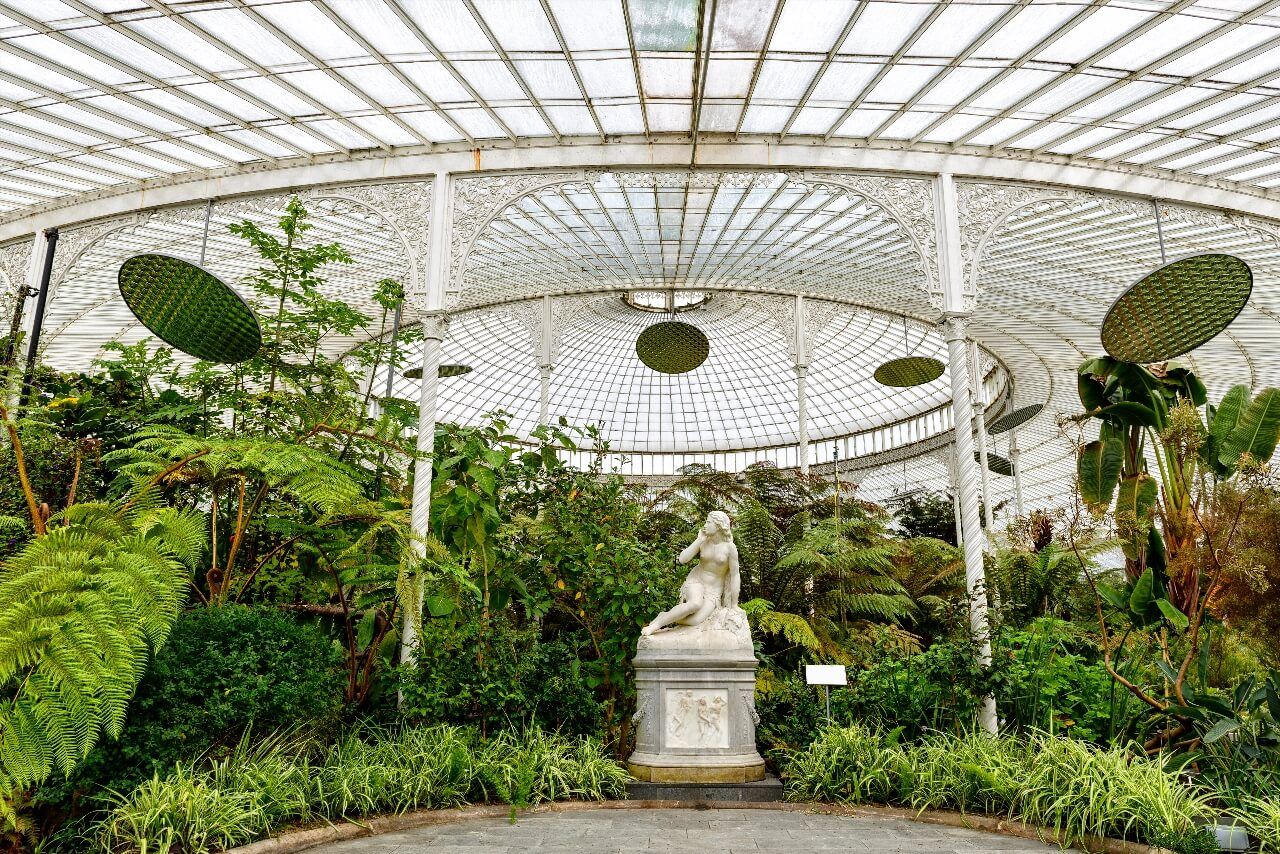
The outdoor planting is formally structured in the Victorian manner: herb garden, arboretum, chronological garden tracing plant evolution, and a long herbaceous border that peaks in July and August. For most visitors, though, the draw is the Kibble Palace, a cast-iron glasshouse constructed in 1873 that covers over 2,300 square metres of floor space under a curved white dome. The structure originally stood at Coulport on Loch Long, was dismantled and barged upriver to Glasgow, then reassembled here. Inside, the temperature stays around 13°C year-round, creating a microclimate suitable for tree ferns, palms and subtropical plants that grow to heights impossible outdoors in Scotland.
The Kibble Palace underwent a comprehensive three-year restoration completed in late 2006, during which the entire glasshouse was dismantled and rebuilt with significant portions of the original glazing replaced while preserving the ironwork structure. Natural light inside is now exceptional, and the combination of dappled green canopy, Victorian columns and misting systems creates an atmosphere unlike anything else in the city.
A second, larger glasshouse, the Main Range, holds tropical, arid and economic plant collections in a series of interconnected houses. The orchid house is the highlight for flowering plants; the cactus house rewards close attention to form. Allow at least ninety minutes if you plan to see both the outdoor gardens and the glasshouses properly. The gardens are busiest at weekends between 11 am and 2 pm; a Tuesday or Wednesday morning visit is significantly quieter.
13. Follow the Charles Rennie Mackintosh Trail
Charles Rennie Mackintosh, architect, designer, artist, spent nearly his entire career in Glasgow between the 1890s and 1914, leaving behind a body of work that shaped an entire visual language. The Mackintosh Trail connects his most significant surviving buildings across the city, most of which remain in active use.
The key stops are: the Scotland Street School Museum (free, south side of the river), a complete Mackintosh school building now preserved as a museum of education; the Mackintosh at the Willow, a restored version of the famous Willow Tea Rooms on Sauchiehall Street, where you can still take tea in rooms designed exactly as Mackintosh intended; and the House for an Art Lover in Bellahouston Park, built posthumously from Mackintosh's competition drawings of 1901. The Glasgow School of Art's Mackintosh Building suffered catastrophic fires in 2014 and 2018 and remains closed for reconstruction; expect work to continue into the late 2020s. The trail is walkable from the city centre with a short bus or taxi hop to the south-side sites.
14. The Tenement House
The Tenement House (145 Buccleuch Street, Glasgow G3 6QN, rated 4.6/5 on Google (1 112 avis)), managed by the National Trust for Scotland, is a first-floor flat left almost entirely untouched from the early 20th century. Agnes Toward lived here from 1911 to 1965, accumulating five decades of domestic objects, newspapers, medicine bottles, board games, without discarding any of them. The NTS acquired the property in 1982 and opened it as a museum of ordinary Glasgow life. It is the most unexpectedly moving experience on this list. Entry costs around £9 for adults; booking ahead in summer is sensible.
15. Glasgow Science Centre
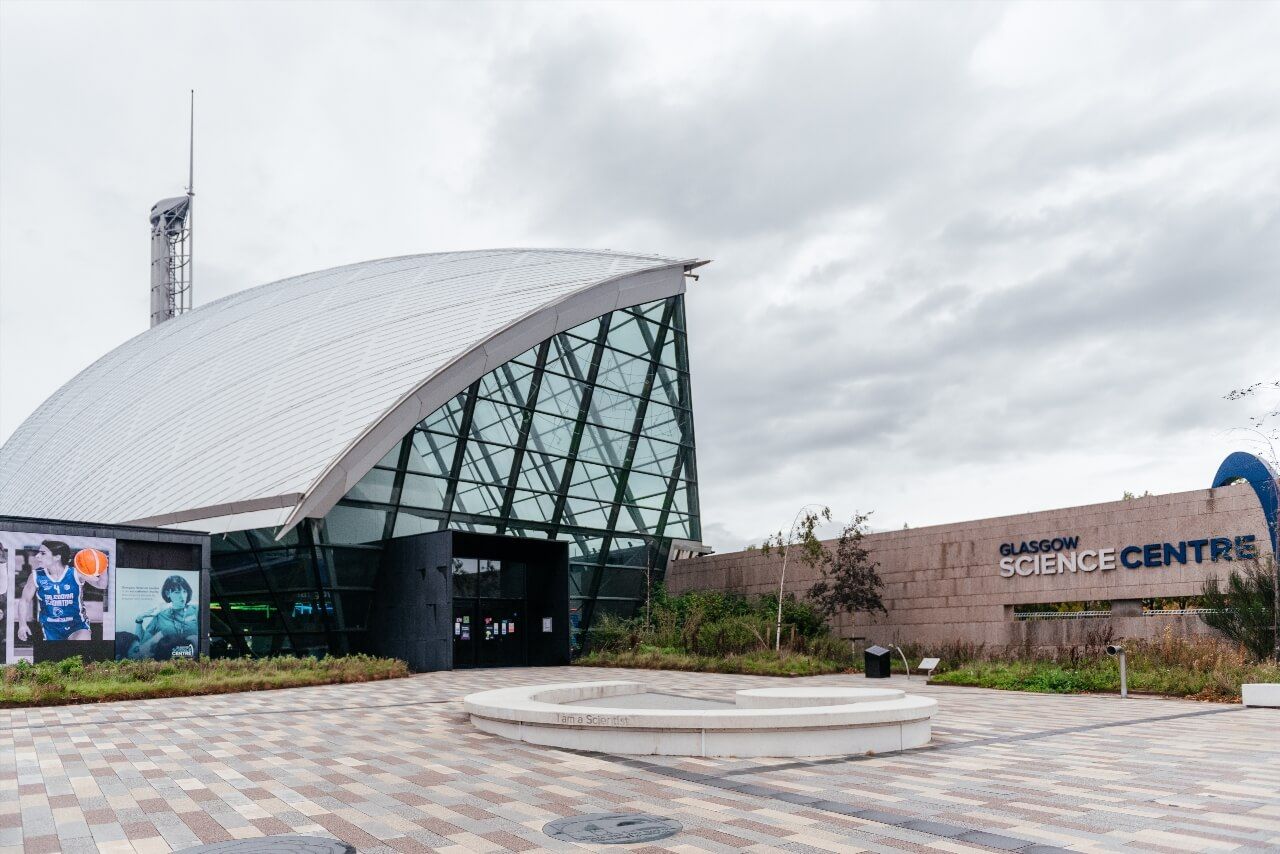
The Glasgow Science Centre (50 Pacific Quay, Glasgow G51 1EA, rated 4.6/5 on Google (7 967 avis)) occupies a titanium-clad crescent on the south bank of the Clyde, directly opposite the BBC Scotland building. Opened in 2001 as part of Glasgow's Pacific Quay regeneration, it has since established itself as one of the UK's leading interactive science museums, attracting around 350,000 visitors annually.
The main building houses three floors of interactive exhibits covering physics, biology, technology and environmental science. The design philosophy prioritises hands-on engagement over passive display, virtually everything can be touched, turned, operated or tested. The IMAX Theatre adjacent to the main building screens science and nature documentaries as well as commercial releases on a screen over 20 metres high. Separate admission applies to the IMAX and to the Glasgow Tower, a 127-metre rotating observation structure beside the main building. On a clear day the tower offers views to Ben Lomond and the Trossachs.
Admission to the main Science Centre building runs around £13 for adults, with family tickets available. The full complex, Science Centre, IMAX and Tower, can be combined for a discounted rate. Allow three to four hours for the complete experience, particularly if visiting with children. The South Side waterfront is pleasant for a walk before or after.
16. Merchant City
The Merchant City is Glasgow's most historically loaded neighbourhood, and walking it with some awareness of its past rewards the experience substantially. In the 18th century, this grid of streets east of George Square housed the warehouses and counting houses of the tobacco lords, merchants who had grown extraordinarily wealthy trading with colonial Virginia and Maryland. The names survive on the street signs: Virginia Street, Glassford Street (after John Glassford, one of the richest men in Britain in the 1760s), Buchanan Street (after Archibald Buchanan, another tobacco magnate).
The tobacco trade collapsed after American independence, but the physical infrastructure, the warehouses, the neoclassical facades, the wide gridded streets, survived and has since been repurposed. Today the Merchant City is one of Glasgow's primary dining and nightlife destinations, with the Trades Hall (1794, designed by Robert Adam) still operating as a functioning guildhall at its centre, and the Gallery of Modern Art (GoMA) occupying the former Royal Exchange building at the top of Royal Exchange Square.
GoMA is free to enter and houses contemporary Scottish and international art across four floors. The building is impossible to miss: a horse-mounted statue of the Duke of Wellington stands outside, and Glaswegians have placed a traffic cone on the Duke's head with such regularity that the council eventually gave up removing it, it is now semi-officially the city's most photographed monument.
The best time to explore Merchant City is on a weekend afternoon when the streets are active and most restaurants are open for lunch. The Drygate Brewery on Gallowgate (just beyond the official Merchant City boundary) is a useful endpoint, a working brewery with a cavernous taproom, guided tours and over a dozen taps of rotating craft beer.
17. Barrowland Ballroom
Barrowland Ballroom (244 Gallowgate, Glasgow G4 0TS, rated 4.7/5 on Google (5 040 avis)) holds 1,900 standing and has been rated by musicians from David Bowie to Radiohead as one of the best live music venues in the world. The reputation comes partly from the room's near-perfect acoustics, partly from the kinetic energy of Glasgow crowds, and partly from something harder to define, an accumulated history of great performances that audiences feel when they enter. No seated tier. No corporate sponsorship. The ballroom floor slopes gently toward the stage. Check the programme before your visit and build a date around it if you can.
18. The Lighthouse
The Lighthouse (11 Mitchell Lane, Glasgow G1 3NU, rated 4.3/5 on Google (2 799 avis)) is Scotland's Centre for Design and Architecture, housed inside Charles Rennie Mackintosh's first public commission, the building designed for the Glasgow Herald newspaper in 1895. Mitchell Lane is easy to miss from Buchanan Street, but the entrance is marked by a modest sign at the mouth of a narrow alley.
Inside, a spiral staircase winds up through the original Mackintosh water tower to an observation deck offering a low-level panorama over the city centre rooftops, not as dramatic as the Science Centre tower, but intimately placed and free to access once inside the building. The Lighthouse mounts rotating exhibitions on architecture, graphic design and urban planning, typically free or low-cost admission. The Mackintosh Interpretation Centre on the top floor is a useful starting point before embarking on the broader trail described in section 13. The building closes on Mondays.
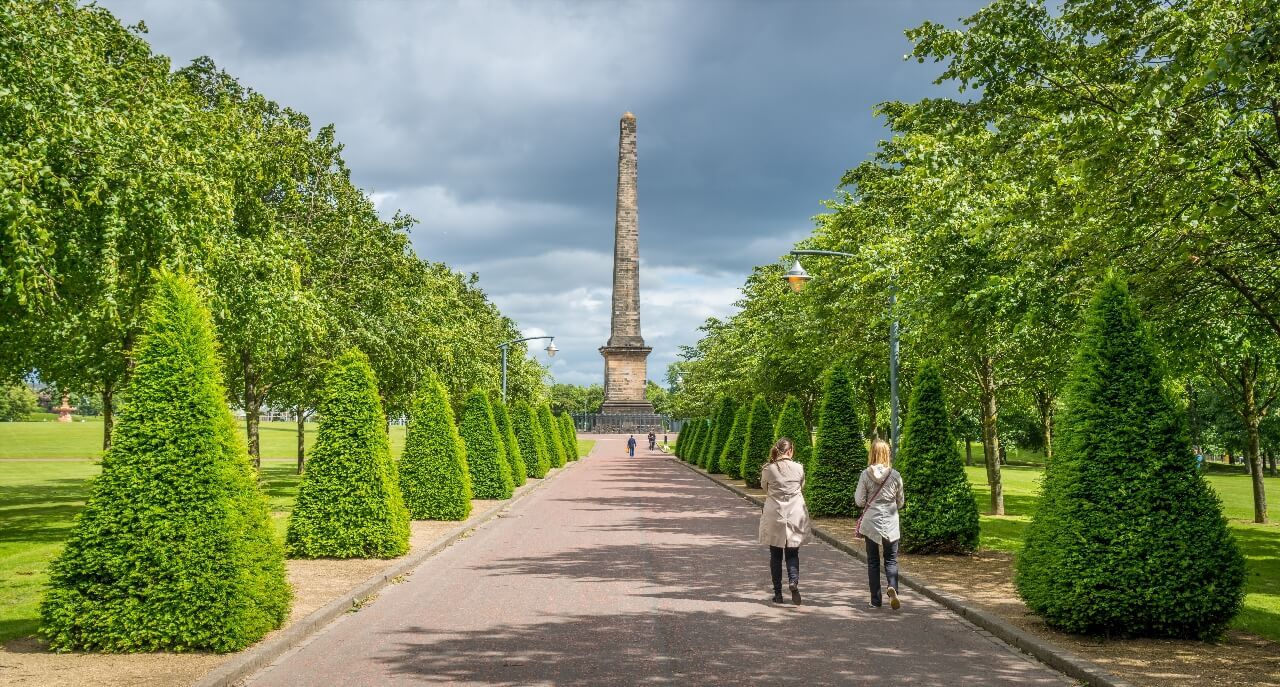
19. Glasgow Green
Glasgow Green (Greendyke Street, Glasgow G40 1AT, rated 4.6/5 on Google (11 716 avis)) is the oldest public park in Scotland, a common stretching along the north bank of the Clyde in the East End that has been in continuous public use since at least the 15th century. The land was used for grazing, washing and public assembly long before the concept of a municipal park existed.
Today the 55-acre green contains the People's Palace, the Victorian fountain that is the largest terracotta fountain ever made (the Doulton Fountain, originally built for the 1888 Glasgow International Exhibition by the Royal Doulton Company and relocated to its current spot in front of the People's Palace in 2004), a bandstand, a cricket pitch, and the McLennan Arch, a neoclassical gateway salvaged from a demolished building in the city centre and re-erected here in 1991.
Glasgow Green has historically been a site of political assembly. James Watt is said to have developed his ideas for the steam engine while walking here in 1765. The Chartist movement held large rallies on the Green in the 1840s. In 1919, over 60,000 workers gathered here during the forty-hours strike. Standing on the Green with some knowledge of this history changes the quality of the visit. It becomes something more than a pleasant riverside walk.
20. St Mungo's Museum of Religious Life and Art
St Mungo's Museum of Religious Life and Art (2 Castle Street, Glasgow G4 0RH, rated 4.4/5 on Google (608 avis)) sits directly opposite Glasgow Cathedral and is the only museum in the UK dedicated to exploring the role of religion in human life across all major world faiths. Entry is free.
The permanent collection spans three floors: a gallery of religious art including Salvador Dalí's St John of the Cross (the original hangs in Kelvingrove, but this museum displays extensive context and comparative material), a gallery exploring religious themes across everyday life worldwide, and a Scottish gallery tracing the country's religious history from Pictish standing stones to the present. The museum is careful to present all faiths with equivalent depth and respect, and the result is a space that consistently surprises visitors expecting a narrower focus. Outside, a Zen garden, one of the few authentic examples in Scotland, provides a genuinely quiet retreat beside the Cathedral.
21. Sharmanka Kinetic Theatre
Sharmanka Kinetic Theatre (103 Trongate, Glasgow G1 5HD, rated 4.8/5 on Google (468 avis)) is unlike anything else in Glasgow. Russian sculptor Eduard Bersudsky spent decades constructing an elaborate world of carved wooden figures and salvaged mechanical parts, wired together into automated tableaux that perform to music. The Glasgow performances run on scheduled showings, check times in advance, in a darkened room where the machines enact what Bersudsky calls a meditation on the human condition. Tickets cost around £9. It is the kind of experience that resists description but leaves a strong impression. Book ahead; sessions sell out.
22. Kelvin Walkway
The Kelvin Walkway (Kelvingrove Park, Glasgow G3 7RB, rated 4.7/5 on Google (13 996 avis)) follows the River Kelvin from Kelvingrove Park through the West End to the Botanic Gardens and beyond, covering around 7 kilometres of largely traffic-free path through one of Glasgow's most attractive urban landscapes. The route passes under Victorian stone bridges, through the university precinct and alongside stretches of the river where dippers and grey wagtails are resident year-round.
The section between Kelvingrove Park and the Botanic Gardens, roughly two kilometres, is the most scenic and can be walked comfortably in under an hour. The full walkway to Dawsholm Park takes around two hours at a moderate pace. This is primarily a local route rather than a tourist trail, which accounts for much of its appeal: you are sharing the path with dog walkers and cyclists rather than guided groups. Combine it with a coffee on Byres Road and an afternoon in the Botanic Gardens for a low-cost West End day. Wellies or waterproof footwear are recommended after heavy rain, when the path near the river becomes muddy in places.
23. Glasgow Women's Library
Founded in 1991 during the city's run as European Capital of Culture, the Glasgow Women's Library (23 Landressy Street, Glasgow G40 1BP, rated 5/5 on Google (41 avis)) is the only accredited museum in the UK dedicated to women's lives, histories and achievements. The collection holds over 30,000 items, books, periodicals, oral history recordings, personal archives, objects and artworks, and the library operates simultaneously as a museum, a lending library and a community organisation.
The permanent displays include material on the Scottish suffragette movement, the history of women in Glasgow's industries, and a rotating programme of exhibitions that has covered everything from feminist science fiction to the lives of Glasgow's immigrant communities. Entry to the museum galleries is free; lending membership is available on request. The building itself, a converted former bank on Landressy Street in the Bridgeton area, is a fifteen-minute bus ride from the city centre.
What makes the GWL particularly valuable as a visitor destination is its explicit commitment to accessibility: events and tours are consistently priced at or near zero, and the staff engage visitors in conversation rather than maintaining curatorial distance. If you visit on a Wednesday or Saturday when the library is at its busiest, you're likely to encounter a workshop, a reading group or a community event alongside the exhibitions. This is an institution that earns its status as a cultural landmark by being genuinely used.
24. The Barras Market
The Barras (244 Gallowgate, Glasgow G40 2HH, rated 4/5 on Google (3 193 avis)) (Gallowgate, Glasgow G40 2HH) is Glasgow's oldest and most characterful market, a weekend-only institution that has occupied the same corner of the East End since the 1920s. Margaret McIver established the original market on rented ground and eventually built the covered iron-framed halls that still define the site today. At its peak in the mid-20th century, the Barras attracted over 100,000 visitors every weekend.
The market runs on Saturdays and Sundays only, roughly from 10 am to 5 pm, though traders set up from early morning and the best time to arrive is before 11 am. The covered sections sell a mix of new goods, kitchen equipment, phone accessories, tools, fast fashion, while the outer stalls and surrounding streets fill up with second-hand dealers whose stock ranges from genuine vintage finds to 1970s paperbacks to items whose provenance requires no close examination.
The Barras' real draw is its atmosphere rather than its merchandise. The market operates on a completely different frequency from the West End's boutique retail: louder, more argumentative, more alive. Street food stalls cluster along Gallowgate; the smell of Lorne sausage rolls from the bakeries nearby is unavoidable. The Barrowland Ballroom (covered in section 17) sits on the same street, and the surrounding area contains several long-established East End pubs that open from morning.
In recent years, a separate creative market, BARRAS ART AND DESIGN (BAD), has colonised several of the old market buildings on a monthly basis, bringing together artists, makers and vintage dealers in a curated format that sits alongside rather than displacing the traditional stalls. The two coexist in a way that says something interesting about Glasgow's capacity to absorb the new without losing what already exists.
25. Eat on Ashton Lane
Ashton Lane (Ashton Lane, Glasgow G12 8SJ, rated 4.6/5 on Google (179 avis)) (off Byres Road, Glasgow G12 8SJ) is a cobbled alley roughly eighty metres long that concentrates more reliable dining and drinking options per square metre than almost any street in the city. Grosvenor Café at one end, the Ubiquitous Chip at the other, with a cinema, several bars and a clutch of restaurants in between. The Lane is busiest Thursday through Sunday evening. Come before 7 pm if you want a table without a reservation, or book a week ahead for the Chip on a Saturday.
26. Take a Clyde River Cruise
The River Clyde shaped Glasgow more profoundly than any other geographical feature, the city was built on its banks, powered by its tides, and enriched by the ships its workers launched into it. Seeing Glasgow from the water reorders your understanding of how the city fits together.
Clyde Cruises (Anderson Quay, Glasgow G3 8HA, rated 4.5/5 on Google (11 avis)) operates departures from Anderson Quay on a seasonal schedule running roughly from April to October. The standard sightseeing cruise lasts around ninety minutes and covers the route between the city centre and Clydebank, passing the Titan Crane (a Category A-listed cantilever crane at Clydebank that survived the Blitz), the Govan shipyard where vessels are still under construction, and the Erskine Bridge. Tickets run approximately £14-18 for adults depending on route and season. Charter options are available for groups.
For a longer, more ambitious trip, the Waverley, the last ocean-going paddle steamer in the world, operates excursions down the Clyde to Arran, Dunoon and Loch Goil from late spring through early autumn. Booking ahead is essential; Waverley sailings are popular and the vessel's historic status means repairs occasionally alter the schedule at short notice.
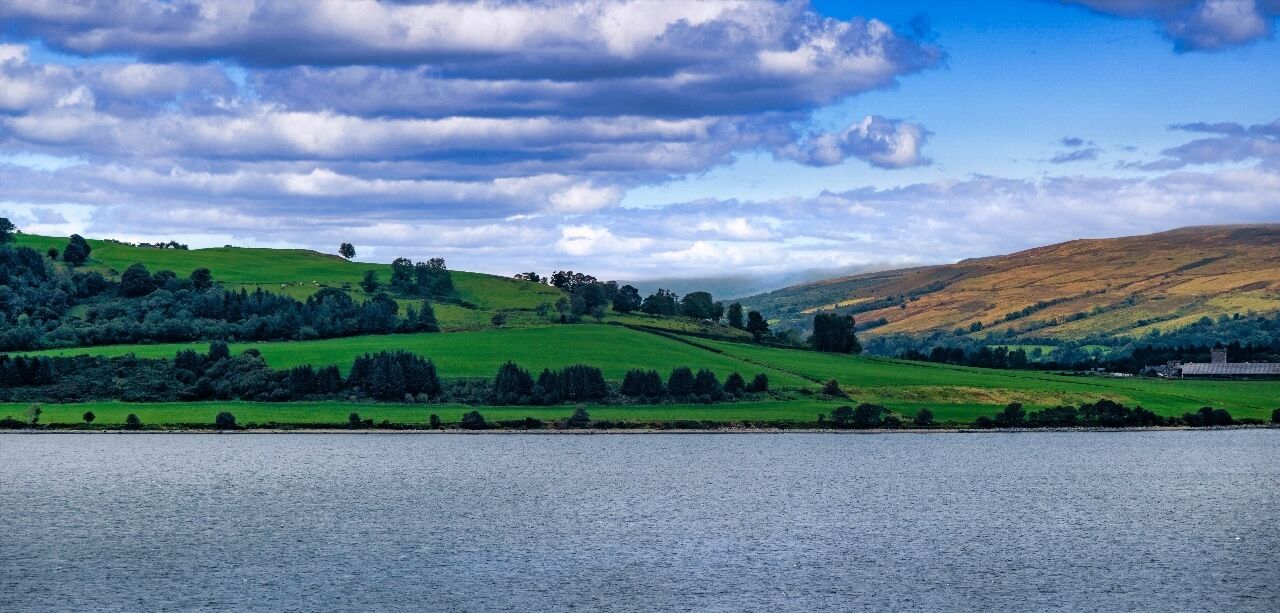
27. The Hidden Lane
Tucked between two tenement buildings on Argyle Street in Finnieston, The Hidden Lane (1103 Argyle Street, Glasgow G3 8ND, rated 4.7/5 on Google (890 reviews)) is a 250-metre covered passage that houses over 50 independent businesses, studios, workshops, galleries, a tearoom and a growing number of creative practitioners who use the space to make and sell simultaneously.
The lane is open to the public and free to explore. The mix of tenants changes relatively frequently, ceramicists, jewellers, illustrators, furniture restorers, yoga studios, a hand-rolled pasta maker, but the atmosphere of contained creative activity is consistent. The Hidden Lane Tearoom at the far end is a good reason in itself to make the detour: homemade cakes, loose-leaf teas, mismatched furniture and the genuine sense of a neighbourhood business that exists for its regulars rather than passing trade. Arriving on a weekend when studios are open for browsing is the best experience; on weekdays some units are closed to the public. Finding the entrance requires paying attention, look for the hand-painted sign set back from Argyle Street, easy to miss if you're walking quickly.
28. Glasgow Film Theatre
Glasgow Film Theatre (12 Rose Street, Glasgow G3 6RB, rated 4.7/5 on Google (2 027 avis)) is one of the UK's leading independent cinemas, operating since 1939 and now running three screens in a handsome art deco building one block off Sauchiehall Street. The programme leans toward repertory screenings, international cinema and new independent releases that don't reach the mainstream multiplexes, combined with a regular slate of director Q&As, festivals and special events. Tickets are cheaper than commercial cinemas. The GFT café-bar downstairs is a perfectly acceptable place to spend an afternoon, especially on the kind of wet Glasgow afternoon that arrives without warning.
29. Explore Finnieston
Finnieston (Argyle Street, Glasgow G3 8LX, rated 4.4/5 on Google (1 404 avis)) has undergone the most dramatic transformation of any Glasgow neighbourhood in the past fifteen years. What was a stretch of derelict industrial land between the city centre and the Clyde has become the most densely concentrated restaurant and bar district in the city.
The transformation is worth understanding in context. Finnieston's location, close to the SECC campus, the Hydro and the Clydeside Distillery, gave it natural footfall. Independent operators moved in early, before rents climbed. The result is a street where a Japanese whisky bar sits beside a wood-fired bakery, a natural wine shop and a serious ramen restaurant, all within a few minutes' walk. Notable addresses include Ox and Finch (shared plates, one of the most consistently praised restaurants in Glasgow), Crabshakk (seafood, small and perpetually booked), and Porter and Rye (steakhouse). The Argyle Street Arches under the rail viaduct host club nights and pop-up markets. Finnieston rewards an evening rather than a quick look.
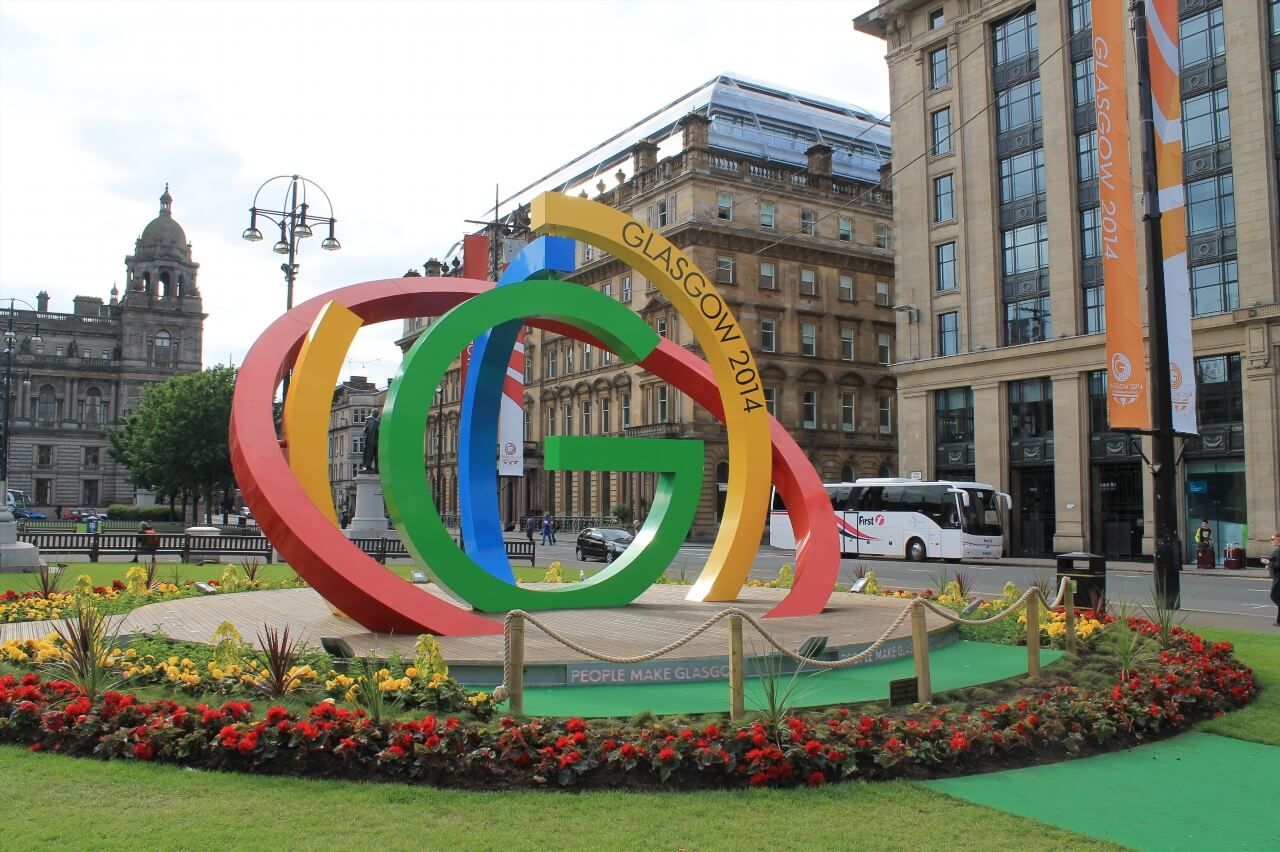
30. 2026 Commonwealth Games Venues
Glasgow is hosting the 2026 Commonwealth Games from 23 July to 2 August, marking forty years since the city last held the event in 1986. The 2026 edition is a deliberately compact ten-sport programme, athletics, swimming, 3x3 basketball, track cycling, weightlifting, lawn bowls, artistic gymnastics, netball, boxing and judo, concentrated across four venues within an eight-mile corridor.
The athletics events take place at Scotstoun Stadium, freshly relaid with a world-class MONDO track for the occasion (capacity around 10,000). Swimming runs at Tollcross International Swimming Centre, a 50-metre pool that has already hosted multiple World and European championships. Track cycling and boxing share the Emirates Arena complex in the East End, which incorporates the Sir Chris Hoy Velodrome. The fourth venue, the Scottish Event Campus (SEC), covers gymnastics, judo, weightlifting, netball and 3x3 basketball, and the adjacent OVO Hydro hosts both the opening ceremony on 23 July and the closing ceremony on 2 August. Tickets went on sale in late 2025 and availability varies significantly by event; swimming and athletics finals are the most competitive. If you can't secure tickets, the Live Sites programme will broadcast competition across public spaces in the city centre, with food markets and entertainment accompanying each session. The Games are expected to bring over 250,000 additional visitors to Glasgow during the two-week period; book accommodation early if your visit overlaps with the Games.
FAQ
Is Glasgow worth visiting?
Glasgow is consistently underrated relative to Edinburgh but offers a genuine urban culture, music, food, art, architecture, at a scale and intensity that few British cities match. With 23 free museums and galleries including Kelvingrove, the Burrell Collection and Riverside Museum, it's also one of the most affordable major cities in the UK for culture tourism. Most first-time visitors who allow themselves more than a day leave wishing they'd stayed longer.
When is the best time to visit Glasgow?
July and August offer the best weather, the longest days and the liveliest outdoor scene, but they also bring the most visitors and the highest prices. May and June offer a strong balance: acceptable weather (Glasgow averages 16-18°C in June), fewer crowds and more availability at hotels. September and October can be beautiful, cool, clear and autumnal. Winter is wet and dark but not without appeal: the city's indoor culture (music, galleries, food) is unaffected, and hotel rates drop significantly.
What is Glasgow known for?
Glasgow is known for its Victorian and Edwardian architecture (one of the finest collections in Europe), its live music scene (consistently rated the UK's best), the architect Charles Rennie Mackintosh, its shipbuilding history on the Clyde, and its free world-class museums. The city's reputation for warmth, Glaswegians are notable for talking to strangers, is not tourist board myth. It reflects something real.
Is Glasgow expensive?
Less than you might expect for a city of this cultural density. The major museums and galleries are free. Public transport on the Subway (the third-oldest underground system in the world, opened 1896) costs under £2 per journey. Restaurants at every price point exist, but you can eat very well for £15-20 per head in most West End and Finnieston establishments. A mid-range hotel in the centre typically runs £80-130 per night outside peak season.
How many days do you need in Glasgow?
Two full days is the practical minimum to cover the major highlights without rushing. Three days allows a relaxed pace across the city centre, the West End and one or two outlying sites (Pollok Country Park, the Barras, the Clyde waterfront). If you have four or more days, consider day trips to Loch Lomond (less than 45 minutes by train from Glasgow Queen Street), Stirling Castle, or the Ayrshire coast via the Waverley paddle steamer.
Is Glasgow safe for tourists?
Yes. Glasgow has a historical reputation for urban toughness, largely earned in the post-war decades of industrial decline, but the city centre, West End, Merchant City and South Side are all thoroughly safe for visitors. Ordinary urban precautions apply at night in the city centre, particularly around the Sauchiehall Street bar district late on weekends. The East End areas around the Barras and Glasgow Green are perfectly fine during daylight hours and during market days.
What is the best free thing to do in Glasgow?
Kelvingrove Art Gallery and Museum. One million annual visitors, over 8,000 objects, the finest civic art collection in Scotland, and free entry every day of the year. If you have only one hour in Glasgow, spend it there.
Plan your Glasgow trip
Glasgow doesn't ask for your approval. The city operates on its own frequency, confident, unfiltered and genuinely welcoming in a way that feels earned rather than performed. From the Victorian grandeur of Kelvingrove to the organised chaos of the Barras weekend market, each of the thirty experiences on this list reflects a different facet of a place that has been reinventing itself for 800 years. If you arrive with two or three days, focus on the West End and the Cathedral district; if you have a week, the South Side museums and a Clyde cruise complete the picture.
The most rewarding way to walk the city remains on your own schedule, with a knowledgeable narration in your ear rather than a guide setting the pace. Ryo's audio-guided walks for UK destinations cover a growing list of British cities with self-paced Ryocity routes you can follow at your own rhythm, no group, no fixed schedule, just the city and the story of the streets beneath your feet. Ryo is actively scoping its Glasgow Ryocity for a future release, so check the Ryo destinations page before your trip in case the route has gone live.