

Créé par Emilie, le 20 juin 2026
Votre guide Ryo
Discover the 15 Must-See Places for Visiting England
© Shutterstock
England, a land of ancient traditions and romantic landscapes, fascinates travelers from around the world. Between medieval castles, prestigious university cities, and bucolic countryside, this country is full of treasures to discover. Whether you're a history buff, architecture enthusiast, or seeking pristine nature, visiting England will offer you unforgettable experiences. From the bustling streets of London to the wild cliffs of Cornwall, passing through the picturesque villages of the Cotswolds, each region reveals its unique character. Discover our selection of the 15 must-do things to explore England and immerse yourself in its distinctive atmosphere.
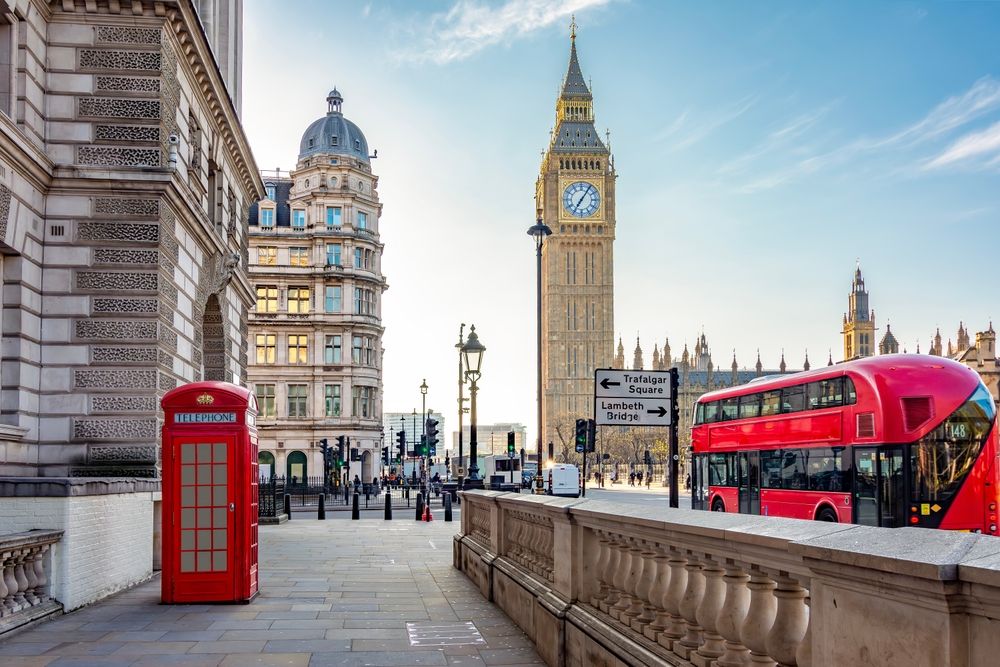
1. London, the Fascinating Capital
It's impossible to visit London without being dazzled by the richness of this global metropolis. The English capital concentrates centuries of history on every street corner. From the majestic Buckingham Palace, official residence of the royal family, to the legendary Big Ben that dominates Westminster Parliament, iconic monuments follow one another. The imposing Tower of London, guardian of the Crown Jewels, plunges you into the medieval history of the kingdom.
But London is also a resolutely modern city. Embark on the London Eye, this giant Ferris wheel offering breathtaking panoramic views over the Thames. Stroll through the trendy neighborhoods of Shoreditch and Camden Town, true temples of street art and alternative culture. Museum lovers will be delighted with the British Museum and its extraordinary collections, the National Gallery or the Tate Modern.
Download the audio-guided tour to discover London on foot and independently
For an in-depth discovery of the British capital, let yourself be guided by the Ryo itinerary dedicated to London. This audio-guided route takes you through the most beautiful neighborhoods of the city, from Buckingham Palace to Trafalgar Square, via Piccadilly Circus and Covent Garden. With 20 commented points of interest, you'll discover the fascinating history of the English capital while enjoying interactive navigation that adapts to your pace.
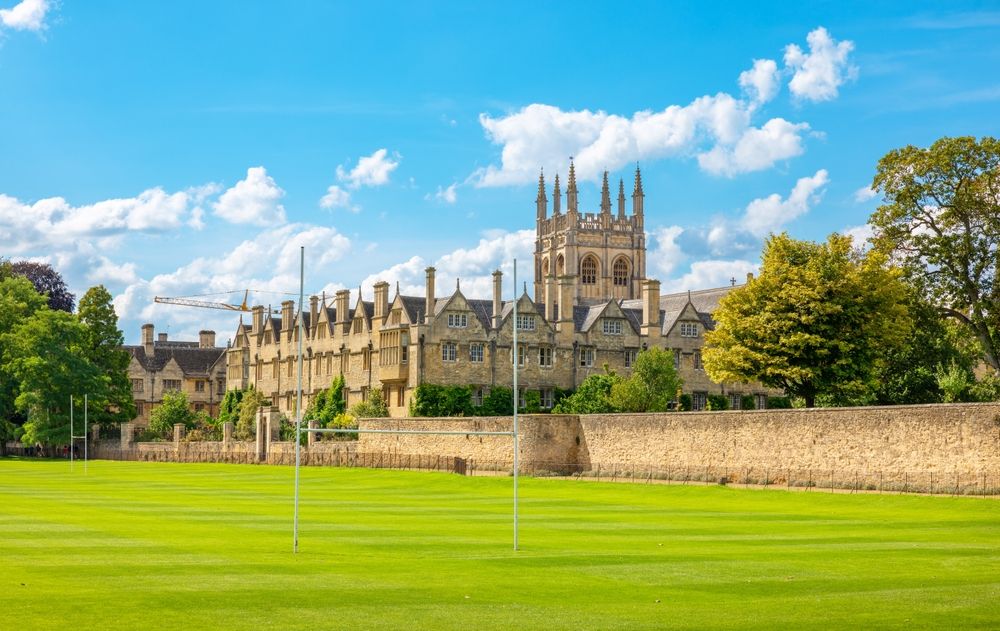
2. Oxford, the City of Dreaming Spires
Just an hour by train from London, visiting Oxford transports you to a prestigious academic universe. This emblematic university city houses Britain's oldest university, founded in the 12th century. Stroll through cobbled streets and admire the majestic Gothic architecture of the various colleges.
The Christ Church College (1 St Aldate's, Oxford OX1 1DP, rated 4.6/5 on Google for 12,000 reviews) is undoubtedly the most famous: its great hall inspired that of Hogwarts in the Harry Potter films. The Bodleian Library (Broad St, Oxford OX1 3BG, rated 4.7/5 on Google for 8,500 reviews), one of Europe's oldest, impresses with its 13 million volumes. Don't miss the Radcliffe Camera, this emblematic circular building that has become Oxford's symbol.
Thanks to the Ryo audio guide for Oxford, explore 26 points of interest in complete autonomy, from century-old colleges to the covered market, passing by the medieval castle and charming bridges over the Thames.
3. Stonehenge, the Megalithic Mystery
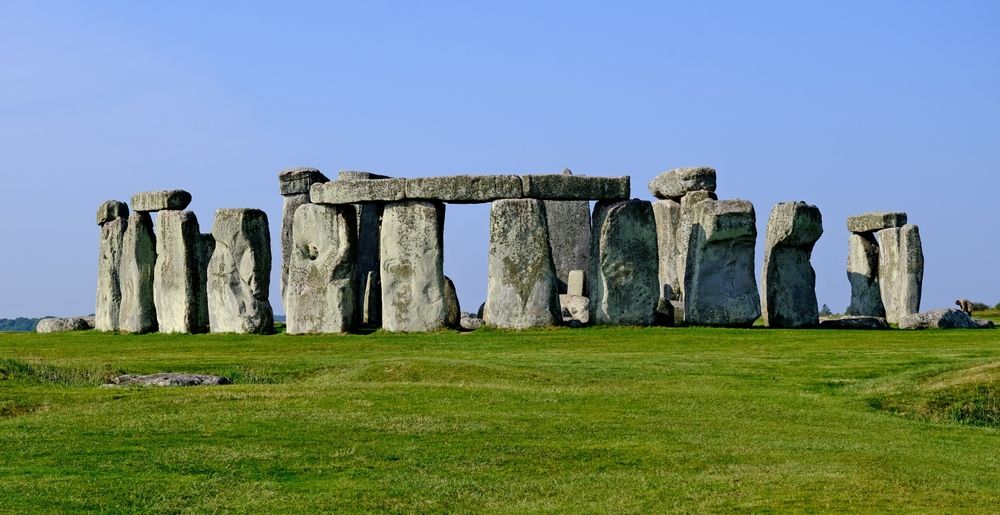
Two hours southwest of London stands one of the world's most enigmatic prehistoric sites. Stonehenge (Amesbury, Salisbury SP4 7DE, rated 4.4/5 on Google for 35,000 reviews) has fascinated for millennia with its circle of monumental stones erected more than 4,500 years ago. How did our ancestors manage to transport and erect these stone blocks weighing up to 25 tons? What was the function of this monument: astronomical observatory, religious temple, or healing place?
The visit to Stonehenge is particularly magical at the summer and winter solstices, when the sun aligns perfectly with the stones. The site, inscribed on UNESCO's World Heritage list, also offers a modern interpretation center where you'll discover the latest archaeological findings. Remember to book your tickets in advance, especially during high season, as the number of daily visitors is limited to preserve this treasure of humanity.
4. Bath, Georgian Elegance
Listed as a UNESCO World Heritage site, Bath is a spa town of exceptional beauty. Its harmonious Georgian architecture, built in honey-colored Bath stone, creates a unique atmosphere. The Roman Baths (Abbey Churchyard, Bath BA1 1LZ, rated 4.5/5 on Google for 28,000 reviews) form the historic heart of the city: these baths from Roman times are remarkably preserved and plunge you 2,000 years back in time.
Don't miss the Royal Crescent, this majestic crescent of 30 perfectly aligned Georgian houses, considered one of Europe's most beautiful architectural ensembles. Bath Abbey (Abbey Churchyard, Bath BA1 1LT, rated 4.7/5 on Google for 15,000 reviews) impresses with its Gothic stained glass windows and perpendicular architecture. Also enjoy the Thermae Bath Spa (Hot Bath St, Bath BA1 1SJ, rated 4.3/5 on Google for 6,200 reviews), where you can relax in natural thermal pools with panoramic views over the city.
5. The Cotswolds, Postcard English Countryside
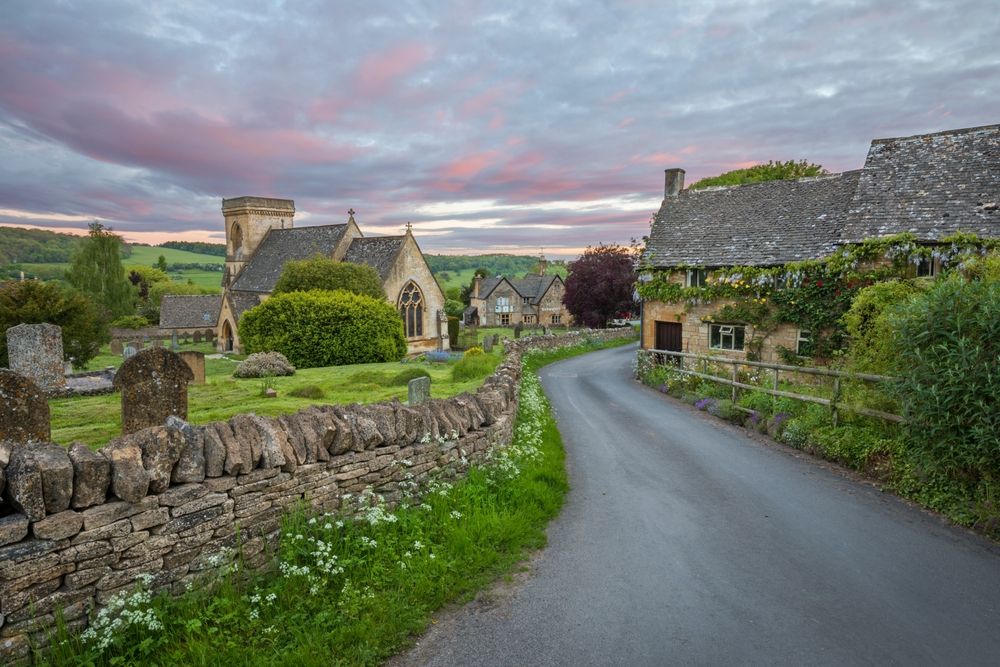
Stretching across six counties, the Cotswolds region embodies the ideal of the English countryside. Its gentle hills dotted with villages of honey-colored stone cottages seem frozen in time. Classified as an Area of Outstanding Natural Beauty, this region offers bucolic landscapes as far as the eye can see.
Among the must-see villages, Bibury is often described as England's most beautiful village, with its Arlington Row, alignment of 17th-century weavers' cottages. Bourton-on-the-Water, nicknamed the "Venice of the Cotswolds," charms with its stone bridges spanning the River Windrush. Castle Combe (Wiltshire SN14, rated 4.7/5 on Google for 9,000 reviews) attracts with its preserved authenticity, while Stow-on-the-Wold welcomes you with its medieval market square surrounded by antique shops.
The Cotswolds are ideally discovered on foot, on the numerous hiking trails that crisscross the region, or by car for an enchanting road trip through the quintessence of rural England.
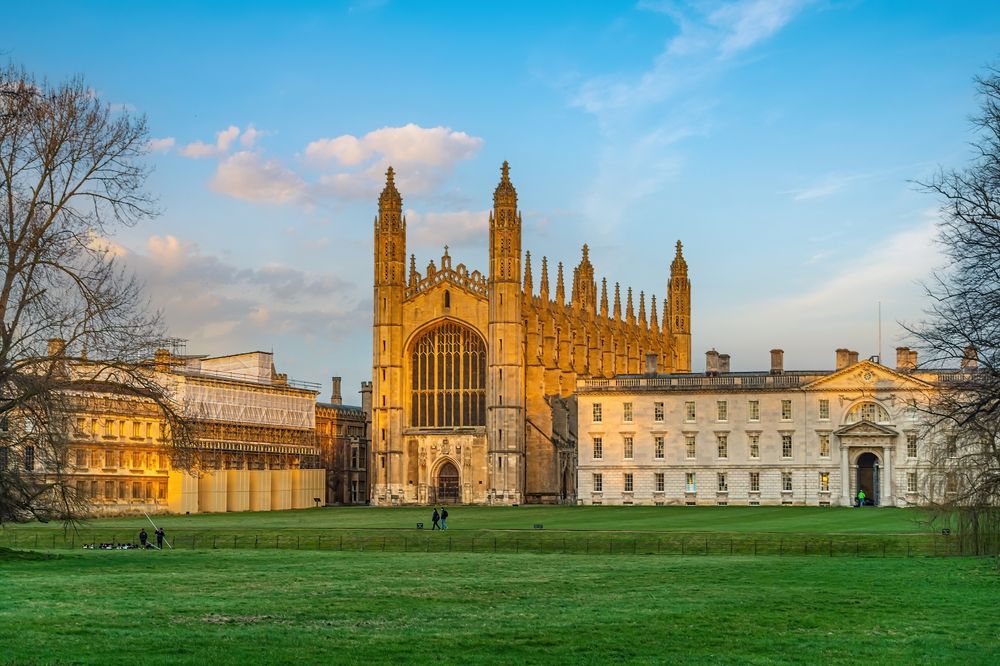
6. Cambridge, the Other University Jewel
Eternal rival of Oxford, Cambridge seduces with its romantic atmosphere and spectacular Gothic architecture. The University of Cambridge, founded in 1209, has seen geniuses like Isaac Newton, Stephen Hawking, and Charles Darwin pass through. King's College (King's Parade, Cambridge CB2 1ST, rated 4.7/5 on Google for 18,000 reviews) impresses with its perpendicular Gothic chapel, considered one of England's most beautiful medieval buildings.
The unmissable experience in Cambridge remains punting on the River Cam: these flat-bottomed boats propelled by poles allow you to admire the "backs," those luxuriant gardens bordering the rear of the colleges. Trinity College (Trinity St, Cambridge CB2 1TQ, rated 4.6/5 on Google for 7,500 reviews), the largest and richest of the colleges, also deserves a visit for its Great Court, the world's largest university courtyard.
7. The Lake District, Hikers' Paradise
Located in northwest England, the Lake District National Park (Windermere, Cumbria, rated 4.8/5 on Google for 25,000 reviews) is the country's largest national park. Its spectacular landscapes have inspired romantic poets like William Wordsworth. Sixteen shimmering lakes stretch between verdant mountains, creating breathtaking panoramas.
Windermere, England's largest natural lake, offers numerous water activities and picturesque cruises. For hikers, ascending Scafell Pike, England's highest peak (978 meters), represents a rewarding challenge with an incredible view at the summit. Charming villages like Ambleside, Grasmere, and Keswick make excellent bases for exploring the region. Don't forget to taste the famous Grasmere Gingerbread, local specialty since 1854, and visit Dove Cottage, Wordsworth's former residence turned museum.
8. Brighton, the Trendy Seaside Resort
Just an hour by train south of London, Brighton embodies the joie de vivre and bohemian spirit of the English seaside. Brighton Pier (Madeira Dr, Brighton BN2 1TW, rated 4.4/5 on Google for 42,000 reviews), with its vintage rides and fairground attractions, takes you back to the atmosphere of old-fashioned English holidays. The pebble beach welcomes bathers and walkers, while colorful beach huts add a picturesque touch.
The Royal Pavilion (4/5 Pavilion Buildings, Brighton BN1 1EE, rated 4.6/5 on Google for 16,000 reviews) is the city's flagship attraction: this former royal palace in exuberant Indo-Moorish style seems straight out of the Arabian Nights. Stroll through the Lanes, a maze of cobbled streets filled with independent shops, trendy cafés, and restaurants. The North Laine district, even more alternative, is full of vintage thrift stores, art galleries, and lively pubs. Brighton is also renowned for its dynamic LGBT+ scene and buzzing nightlife.
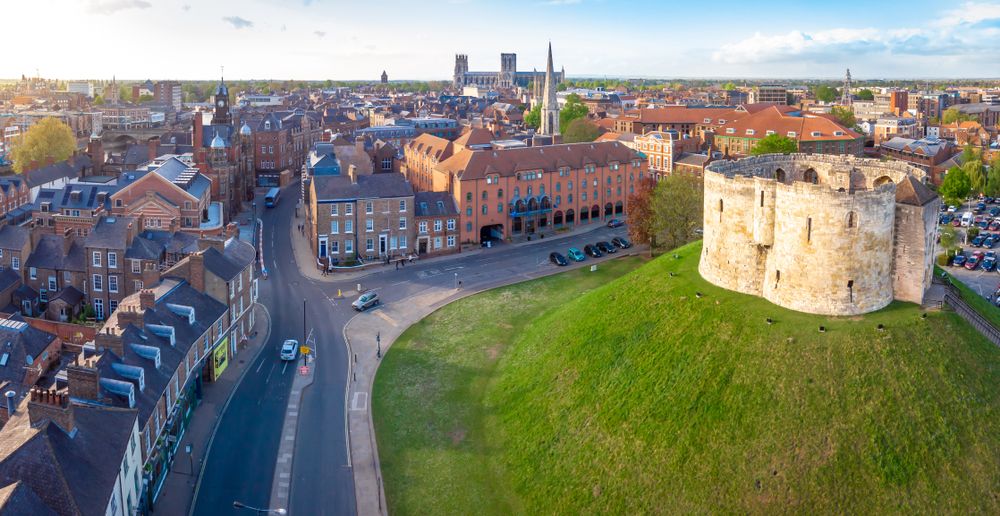
9. York, the Fortified Medieval City
Surrounded by perfectly preserved medieval ramparts, York transports you 2,000 years back in time. York Minster (Deangate, York YO1 7HH, rated 4.7/5 on Google for 32,000 reviews) is one of Northern Europe's largest Gothic cathedrals. Its exceptional medieval stained glass windows, notably the Great East Window, constitute the world's largest ensemble of medieval stained glass still in place.
Get lost in The Shambles (Market St, York YO1, rated 4.6/5 on Google for 18,000 reviews), this cobbled medieval street with half-timbered houses so close together that the upper floors almost touch. This picturesque street, which supposedly inspired Diagon Alley in Harry Potter, now houses artisan shops and tea rooms. The Jorvik Viking Centre (19 Coppergate, York YO1 9WT, rated 4.3/5 on Google for 8,500 reviews) plunges you into the daily life of Vikings who colonized York in the 9th century. Don't forget to walk the complete circuit of medieval ramparts (about 4 km) for an incredible view of the city.
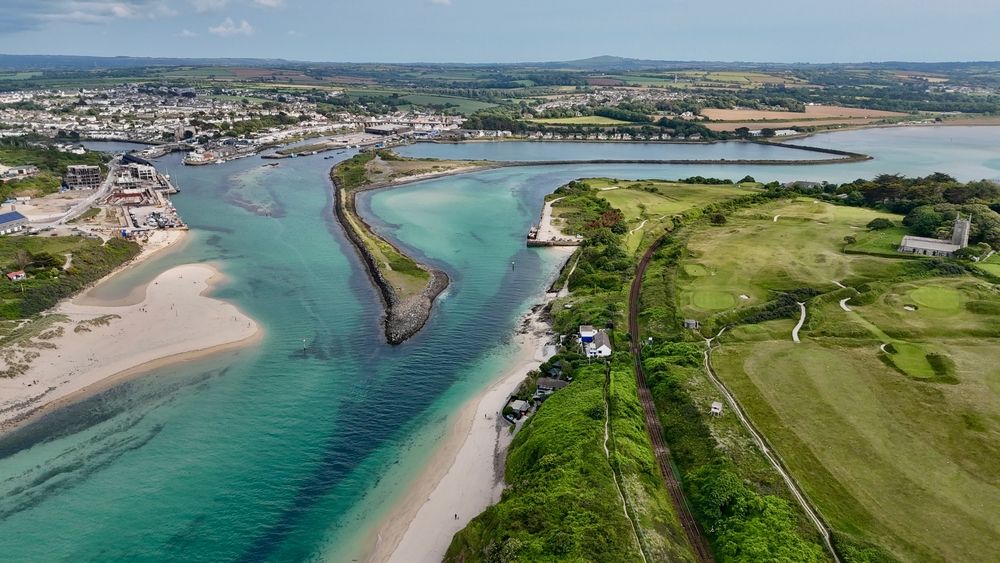
10. Cornwall, Between Sea and Legends
At England's southwestern tip, Cornwall offers spectacular coastal landscapes and unique cultural identity. St Michael's Mount (Marazion, Cornwall TR17 0HS, rated 4.6/5 on Google for 14,000 reviews), a medieval castle perched on a rocky islet accessible at low tide, evokes France's Mont-Saint-Michel.
Surf enthusiasts head to Newquay, Britain's surf capital with legendary beaches like Fistral Beach. The fishing village of St Ives (rated 4.7/5 on Google for 8,000 reviews) seduces with its narrow streets, art galleries, and exceptional light that has attracted many artists. The subtropical gardens of the Lost Gardens of Heligan (Pentewan, Cornwall PL26 6EN, rated 4.7/5 on Google for 15,000 reviews) and the futuristic Eden Project (Bodelva, Cornwall PL24 2SG, rated 4.6/5 on Google for 35,000 reviews) with its immense domes housing different ecosystems are also worth the detour.
For an authentic experience, explore the South West Coast Path, a spectacular coastal trail that winds along vertiginous cliffs and wild coves.
11. Windsor Castle, Royal Residence
Just 40 minutes by train from London, Windsor Castle (Windsor, Berkshire SL4 1NJ, rated 4.6/5 on Google for 45,000 reviews) is the world's largest inhabited castle and the British royal family's favorite residence. Built nearly 1,000 years ago by William the Conqueror, this majestic castle has crossed centuries while remaining an official royal residence.
The visit allows you to explore the sumptuous State Apartments, richly decorated with master paintings, period furniture, and royal treasures. St George's Chapel, a masterpiece of perpendicular Gothic architecture, is the burial place of many British monarchs, including Queen Elizabeth II. If you're lucky, you might witness the Changing of the Guard, a traditional military ceremony that takes place several times a week. The castle gardens also offer a pleasant walk with magnificent views over the Thames. Combine your visit with a discovery of charming Windsor town and its traditional shops.
12. Liverpool, Birthplace of the Beatles
Dynamic port city inscribed on UNESCO's World Heritage list, visiting Liverpool plunges you into British maritime and musical history. The Royal Albert Dock, complex of restored docks, houses fascinating museums, restaurants, and shops in an exceptional Victorian architectural setting.
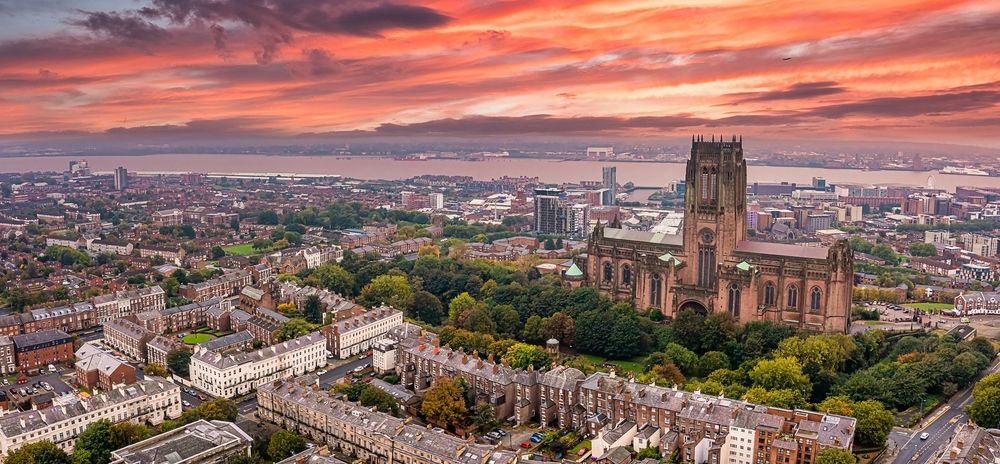
For fans of the Fab Four, Liverpool is an obligatory pilgrimage. The Beatles Story (Britannia Vaults, Albert Dock, Liverpool L3 4AD, rated 4.5/5 on Google for 12,000 reviews) traces the history of the world's most famous band. Don't miss the legendary Cavern Club (10 Mathew St, Liverpool L2 6RE, rated 4.6/5 on Google for 8,500 reviews), where the Beatles performed nearly 300 concerts. The Ryo circuit for Liverpool guides you through 25 emblematic points of interest in this vibrant city, from the Anglican cathedral to the historic docks.
Liverpool's two cathedrals deserve a visit: the Anglican Cathedral (St James' Mount, Liverpool L1 7AZ, rated 4.7/5 on Google for 12,000 reviews), the largest British cathedral, and the modern Catholic Metropolitan Cathedral (Mount Pleasant, Liverpool L3 5TQ, rated 4.6/5 on Google for 6,500 reviews) with its bold circular design.
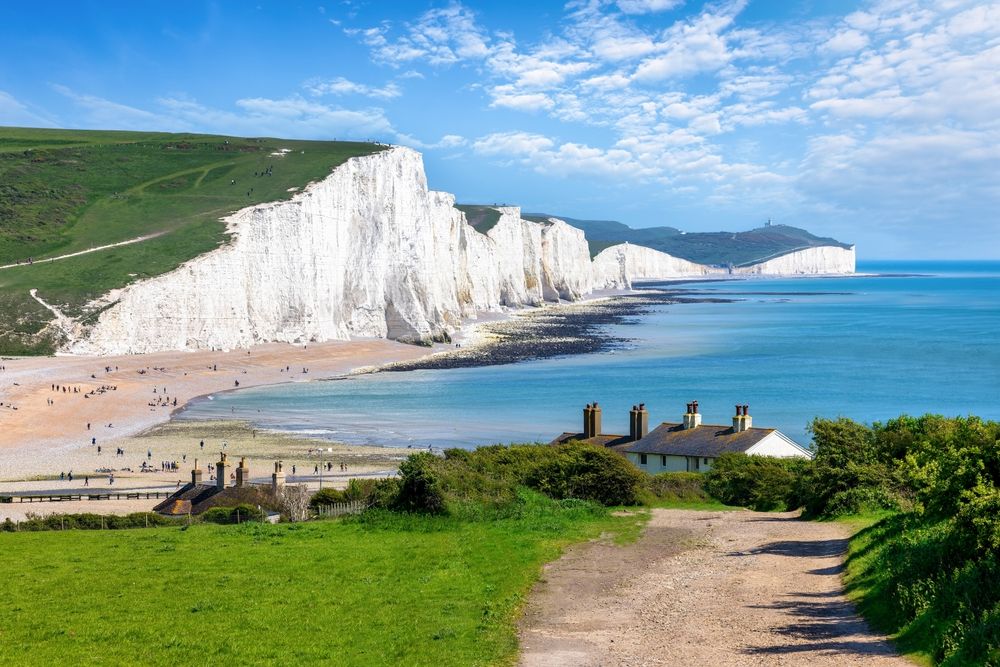
13. The Seven Sisters, Majestic Cliffs
On England's south coast, between Brighton and Eastbourne, the Seven Sisters (Seaford, East Sussex BN25, rated 4.8/5 on Google for 22,000 reviews) offer a striking natural spectacle. These seven white chalk cliffs that plunge vertically into the English Channel create a landscape of wild and preserved beauty.
The South Downs Way coastal path allows you to follow these cliffs and admire breathtaking panoramas. The hike from Seaford to Birling Gap (about 13 km round trip) is accessible and rewards walkers with spectacular views. Beachy Head, the highest point of the cliffs at 162 meters, is Britain's highest chalk cliff and offers a vertiginous viewpoint over the English Channel. On clear days, you can even see the French coast. The Beachy Head pub (Beachy Head Rd, Eastbourne BN20 7YA, rated 4.4/5 on Google for 3,500 reviews) makes an appreciated stop for refreshments facing the ocean.
14. The Peak District, First National Park
Created in 1951, the Peak District National Park (Bakewell, Derbyshire, rated 4.7/5 on Google for 18,000 reviews) was Britain's very first national park. Located in the heart of England, between Manchester and Sheffield, it offers contrasting landscapes between the wild heights of the Dark Peak to the north and the gentle limestone hills of the White Peak to the south.
Hiking enthusiasts will appreciate climbing Mam Tor, nicknamed the "Shivering Mountain," which peaks at 517 meters and offers spectacular panoramic views. The village of Castleton makes an ideal base for exploring the region's spectacular underground caves, notably Peak Cavern (Peak Cavern Rd, Castleton S33 8WS, rated 4.6/5 on Google for 2,800 reviews), known as the "Devil's Arse." The charming town of Bakewell, famous for its almond pudding, also deserves a gourmet stop. Don't miss the majestic Chatsworth House (Bakewell, Derbyshire DE45 1PP, rated 4.7/5 on Google for 25,000 reviews), sumptuous historic residence surrounded by exceptional landscaped gardens.
15. Canterbury, Pilgrimage City
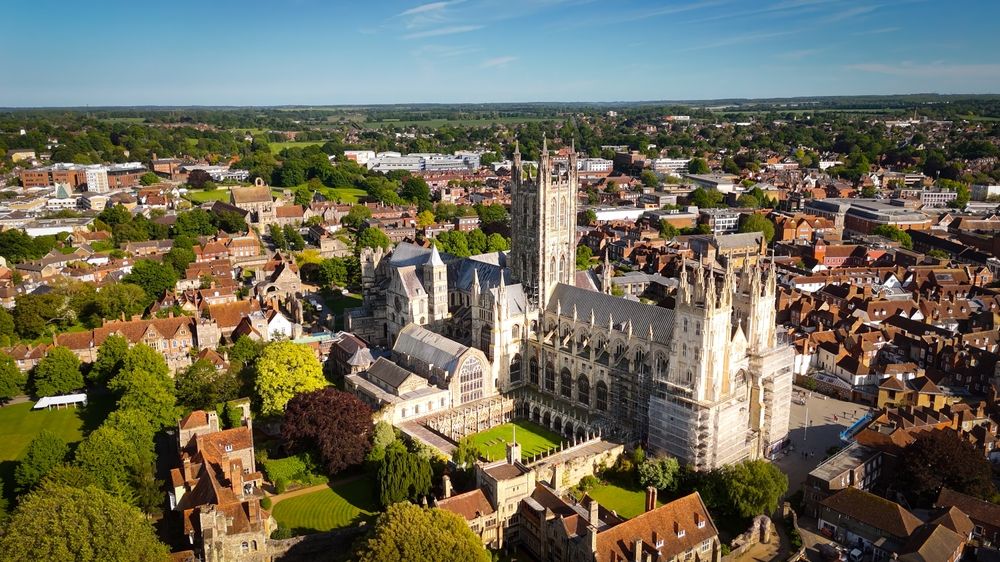
Medieval city with exceptional heritage, Canterbury is dominated by its majestic cathedral, one of England's oldest and most important Christian churches. Canterbury Cathedral (Cathedral House, 11 The Precincts, Canterbury CT1 2EH, rated 4.7/5 on Google for 16,000 reviews), inscribed on UNESCO's World Heritage list, has been the seat of the Archbishop Primate of England since 597. A pilgrimage site since the assassination of Thomas Becket in 1170, it inspired Geoffrey Chaucer's famous Canterbury Tales.
Canterbury's medieval center, largely pedestrianized, is best discovered on foot. The Roman and medieval ramparts still encircle part of the old town. Stroll along the River Stour, crossed by charming stone bridges, and explore cobbled streets lined with half-timbered houses. Canterbury Tales (St Margaret's St, Canterbury CT1 2TG, rated 4.3/5 on Google for 4,200 reviews) is an interactive attraction that recreates medieval England and Chaucer's stories. The ruins of St Augustine's Abbey (Longport, Canterbury CT1 1TF, rated 4.4/5 on Google for 1,800 reviews) testify to the beginnings of Christianity in England.
In conclusion, visiting England reveals a destination of unsuspected richness that goes well beyond clichés. From vibrant metropolises to bucolic villages, from medieval castles to spectacular coastal landscapes, each region unveils its unique character. London and Oxford remain must-sees for discovering British history and culture, while the Cotswolds and Lake District offer unforgettable nature escapes. History enthusiasts will be delighted by Stonehenge, Bath, or Canterbury, and sea lovers will find their happiness in Cornwall or Brighton. For optimal discovery, don't hesitate to use the Ryo audio-guided tours available for London, Oxford, and Liverpool, which allow you to explore these fascinating cities in complete autonomy. Whether you're planning a weekend or longer stay, England offers memorable experiences that will mark your journey across the Channel.
Frequently Asked Questions
What is the best time to visit England?
The best time to visit England extends from May to September, when temperatures are mildest and days are longest. July and August are the warmest months but also the most touristy. Spring (April-May) and early autumn (September-October) offer an excellent compromise with fewer crowds and magnificent landscapes. Always pack a raincoat and umbrella, as rain can occur at any time of year.
How many days are needed to visit England?
To discover England's essentials, plan at least one week. Allow 3-4 days for London, then 3-4 additional days to visit two or three other regions like Oxford, Bath, and the Cotswolds. For a more thorough discovery including northern England (Lake District, York, Liverpool), two weeks are ideal. A 10-day stay allows a good balance between must-sees and some countryside escapes.
Should you rent a car to visit England?
It depends on your itinerary. To visit only major cities like London, Oxford, Cambridge, or Liverpool, public transport is excellent and sufficient. However, to explore rural regions like the Cotswolds, Lake District, or Cornwall, a car is highly recommended for more freedom and autonomy. Remember, you drive on the left in England! Roads are generally well-maintained, but small country roads can be narrow and winding.
What documents are needed to visit England?
Since Brexit, European Union citizens must present a valid passport to enter England. An ID card is no longer sufficient. No visa is required for tourist stays under 6 months. Verify that your passport is valid for the entire duration of your stay. Also consider taking out travel insurance, as the European Health Insurance Card is no longer valid in the United Kingdom.
What currency is used in England?
England uses the pound sterling (£ or GBP). A tip: avoid changing your money at airports where rates are disadvantageous. Bank cards are widely accepted everywhere, but check the exchange fees applied by your bank for payments outside the euro zone. Some online banks offer cards with no foreign fees. For small expenses, it can be useful to have some cash, especially in rural villages or small shops.