
Créé par Emilie, le 16 mai 2026
Votre guide Ryo
© Shutterstock
Los Angeles defies the postcard version of itself within about fifteen minutes of arriving. Yes, the Hollywood Sign is real and the beaches are wide and golden, but the city that actually holds your attention is a patchwork of 88 distinct municipalities, from the earthy canyon trails of Griffith Park to the Baroque canvases of the Getty Center, perched above the Pacific like a citadel of art. The best things to do in Los Angeles are scattered across dozens of neighbourhoods, each with its own tempo, its own cuisine, its own reason to linger. If you want a structured way to experience the city's layered history and culture, Ryo's Los Angeles Ryocity audio guide is worth downloading before you leave the airport.
What you won't read anywhere else: the La Brea Tar Pits are still actively bubbling up fossils in the middle of a city park, the California Science Center houses a real NASA Space Shuttle standing upright in a custom pavilion, Warner Bros. Studio has original props from films you watched as a child, and the Hollywood Bowl has hosted everyone from the Beatles to Dudamel, a concert under those lights is a genuinely different experience from anything else in America. Twenty-five places follow, ranging from landmark institutions to spots that most first-time visitors walk straight past. This selection of the best things to do in Los Angeles is built around real neighbourhoods rather than a generic checklist, and pairs well with a Ryocity walking route when you want narrated context on the ground.
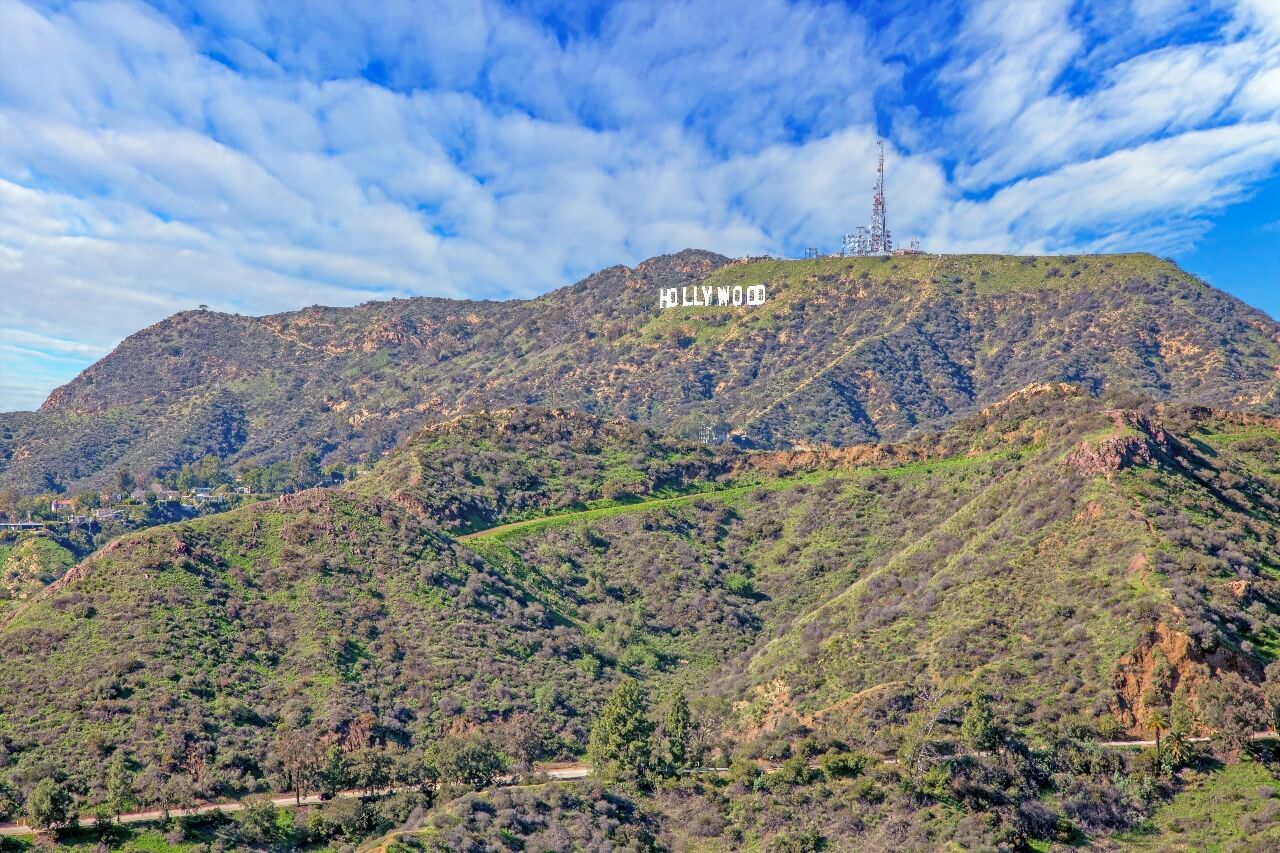
1. Hike to the Hollywood Sign
The Hollywood Sign (Mt Lee Dr, Los Angeles, CA 90068, rated 4.6/5 on Google (13 967 avis)) is one of the most photographed landmarks on the planet, but the real experience is not the photograph, it is the two-hour hike that brings you close enough to read the bolts on the letters. The letters themselves stand 13.7 metres tall and stretch across 137 metres of the Santa Monica Mountains, originally erected in 1923 as a real estate advertisement reading "Hollywoodland." The "land" was removed in 1949, and the entire structure was rebuilt in 1978 after decades of decay.
The most direct trail is the Brush Canyon Trail starting from Bronson Canyon, a roughly 6 km round trip with moderate elevation gain. If you want a panoramic view of the sign against the city below, the Griffith Observatory Trail to the east delivers one of the cleaner sight lines. Start before 9 a.m. on weekends, the parking lots fill fast, and the midday sun on these exposed hillside paths is genuinely brutal. Carry at least a litre of water. Dogs on leash are welcome.
The sign is lit at night but not accessible after dark, a recent anti-trespassing fencing project closed the upper trail access points that were previously popular with night hikers. Stick to daytime, and you will leave with both a great photograph and properly tired legs.
2. Explore Griffith Observatory
The Griffith Observatory (2800 E Observatory Rd, Los Angeles, CA 90027, rated 4.7/5 on Google (17 639 avis)) sits at 1,134 metres above sea level on the south face of Mount Hollywood, which puts the entire Los Angeles basin on display below it, downtown skyscrapers to the east, the ocean a silver stripe to the west, and on clear winter days, Catalina Island visible offshore. The building itself is a 1935 Art Deco landmark donated to the city by industrialist Griffith J. Griffith, who stipulated that it must remain free to enter. That deal still holds: admission to the building and its main exhibits costs nothing.
Inside, the Samuel Oschin Planetarium runs ticketed shows throughout the day, with the Zeiss projector capable of rendering 9,100 stars against the domed ceiling. The Tesla Coil in the main hall has been crackling with electricity since 1937. On the roof terrace, three public telescopes are available for free public viewing every clear evening from dusk until 9:45 p.m.. an astronomer is on site to help you orient.
James Dean filmed the knife fight scene from Rebel Without a Cause on the east lawn in 1955, and the observatory's silhouette appears in La La Land, lending the place a cinematic double-life that most visitors find genuinely moving. The hike up from the Greek Theatre parking lot takes about 25 minutes each way and saves you the parking headache. Alternatively, the Griffith Park shuttle runs on weekends from the main parking area.
If you are trying to understand Los Angeles as a whole, its geography, its scale, its peculiar relationship with clear sky, spending an afternoon here before everything else makes practical sense.
3. Walk Venice Beach Boardwalk
Venice Beach (Ocean Front Walk, Venice, CA 90291, rated 4.5/5 on Google (2 289 avis)) was developed in 1905 by Abbot Kinney, a tobacco millionaire who dredged 27 km of canals to recreate the Italian city he admired. Most of the canals were paved over for roads in the 1920s, but a small network survives a few blocks inland, the Venice Canals Historic District, where wooden footbridges arch over still waterways lined with roses and bougainvillea. It is possibly the quietest 15-minute walk available in all of Los Angeles.
The Boardwalk itself, Ocean Front Walk, operates at a different frequency entirely. Muscle Beach Outdoor Gym has been operating in some form since the 1930s and still draws serious athletes training in the open air. Street performers, portrait artists, and the occasional political orator line the path on weekend afternoons. Skate Plaza, a free outdoor skate park, runs parallel to the boardwalk and draws some of the best street skating in California.
The neighbourhood has gentrified considerably since the 1970s, and the stretch of Abbot Kinney Boulevard a few blocks inland is now one of the more interesting dining and retail streets in the city, with a Tuesday farmers market that locals treat as a weekly ritual. Come in the morning for the quiet canal walk, stay for lunch on Abbot Kinney, and return to the Boardwalk at sunset when the light turns everything amber.
4. Visit the Getty Center
The Getty Center (1200 Getty Center Dr, Los Angeles, CA 90049, rated 4.8/5 on Google (36 392 avis)) opened in December 1997 after a 14-year construction project costing $1.3 billion, making it one of the most expensive cultural buildings ever erected. The architect Richard Meier clad the hilltop campus in 16,000 tonnes of travertine quarried specifically from Bagni di Tivoli in Italy, the same source that supplied stone for the Colosseum. Parking costs $25, but admission to the permanent collection is free.
The collection itself spans four centuries of Western European painting, sculpture, and decorative arts, alongside one of the world's great collections of illuminated manuscripts. The J. Paul Getty Museum holds Van Gogh's Irises (1889), Rembrandt's The Abduction of Europa (1632), and James Ensor's Christ's Entry into Brussels in 1889, a painting so large it required its own gallery wall. The photography collection on the lower level is less visited but equally serious, with prints by Dorothea Lange and Edward Weston.
The Central Garden, designed by artist Robert Irwin, changes with the seasons, azaleas in spring, bougainvillea spilling over the stream channel in summer. Plan at least three hours for the galleries and another hour for the garden and the view. On clear days, the Pacific is visible to the southwest and downtown Los Angeles forms a clean horizon to the east.
Practical note: the tram from the parking structure to the museum runs every few minutes and takes about five minutes. If you arrive by bus (Metro Rapid 761 stops at the base), the tram is free. The café on the terrace overlooks the garden and is worth stopping at for lunch, booking a table through the Getty website is recommended on weekends.
5. Stroll Santa Monica Pier and Beach
Santa Monica Pier (200 Santa Monica Pier, Santa Monica, CA 90401, rated 4.6/5 on Google (132 318 avis)) has been jutting into the Pacific since 1909. It is the western terminus of Route 66, a fact marked by a modest sign near the end of the pier that functions as one of the most walked-past historic markers in America. The pier holds a small amusement park, Pacific Park, with a solar-powered Ferris wheel visible from miles inland. The rides are priced individually, which makes it easy to do just the Ferris wheel for the view.
The beach stretching north from the pier is Santa Monica State Beach, a broad expanse of fine sand backed by palm-lined Ocean Avenue. Volleyball courts run the length of the beach and can be rented by the hour. The South Bay Bicycle Trail begins here and runs 35 km south to Torrance, a flat, car-free path that is arguably the finest urban cycling route in the United States.
Third Street Promenade, three blocks east of the pier, is a pedestrianised shopping street with free live music on weekend evenings. The Santa Monica Farmers Market on Wednesday mornings (Arizona Avenue, between 2nd and 3rd) supplies many of the city's best restaurants and is worth visiting even if you are not buying, the variety of California produce on display is remarkable. Parking along the beachfront is metered and expensive on weekends; arriving by Metro E Line (Expo) is faster and significantly cheaper.
6. Discover the Getty Villa
While the Getty Center gets the larger crowds, the Getty Villa (17985 Pacific Coast Hwy, Pacific Palisades, CA 90272, rated 4.8/5 on Google (11 613 avis)) in Malibu occupies a different conceptual space entirely. Built between 1970 and 1974 to resemble a 1st-century Roman villa, specifically the Villa dei Papiri near Herculaneum, it houses the Getty's collection of ancient Greek, Roman, and Etruscan art: some 44,000 objects spanning 6,500 years of history.
The outdoor peristyle garden, centred on a long reflecting pool flanked by bronze figures, has the uncanny quality of feeling genuinely ancient despite being constructed in the 1970s. Highlights inside include a marble portrait of Emperor Caligula, a carved ivory plaque from 4th-century Rome, and the Lansdowne Herakles, a 2nd-century marble sculpture of Hercules that was excavated at Hadrian's Villa in Tivoli.
Admission is free, but timed entry tickets must be reserved in advance, they tend to run out for weekend mornings weeks ahead. The location on Pacific Coast Highway in Pacific Palisades means you can combine the visit with a drive north along the Malibu coast.
7. Tour Warner Bros. Studio
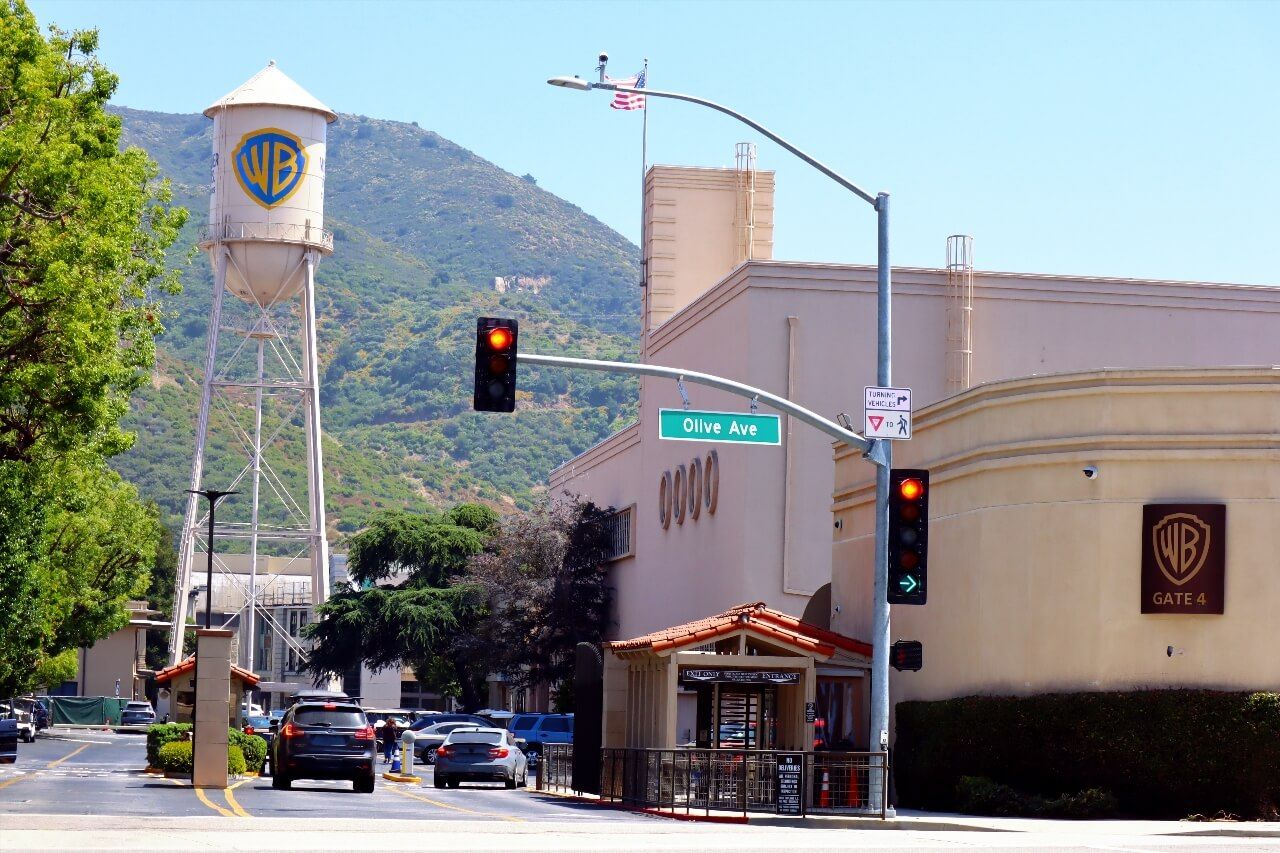
The Warner Bros. Studio Tour Hollywood (3400 W Riverside Dr, Burbank, CA 91505, rated 4.4/5 on Google (4 597 avis)) is one of the few places in Los Angeles where the mechanics of film production are genuinely on display rather than presented as nostalgia. The studio in Burbank has been in continuous operation since 1928 and currently produces more than 70 film and television projects per year. The standard tour runs approximately 3 hours and covers working backlot streets, active soundstages (when not in production), and the extensive prop and costume archives.
The backlot contains permanent standing sets, a generic New York brownstone block, a Midwestern town square, a European cobblestone street, that have appeared in hundreds of productions. Walking through them is disorienting in a specific way: the facades are architecturally convincing from the camera side and hollow scaffolding from behind. The New York Street set was originally built in 1929 and has been repainted and redressed continuously since then.
The prop archive buildings contain original set pieces from decades of production. There is a Batmobile from Batman Forever (1995), the original Central Perk couch and coffee table from Friends, and an entire room dedicated to Harry Potter productions. The Friends experience is among the most visited, the recreated apartment and coffee shop sets are available for photographs, and there is a section dedicated to behind-the-scenes production history.
Tickets are $70-$115 depending on tour type, and they must be booked in advance. The Deluxe Tour ($115) adds access to the water tank facility used for nautical sequences and a deeper archive walk-through. If you have a particular obsession with a specific Warner Bros. franchise, the standard tour covers most of the archival material anyway, the difference is largely time and depth in the restricted areas.
Practical note: the studio is in Burbank, not Hollywood, which confuses many visitors. From Hollywood, it is approximately 15 minutes by car via the 101 freeway north. Parking in the studio lot is free with tour validation.
If you want to plan a film-focused day in Hollywood, the Warner Bros. tour pairs naturally with a stop at the Hollywood Walk of Fame and the Hollywood Heritage Museum in the original Lasky-DeMille Barn (where the first feature shot in Hollywood, The Squaw Man, was edited in 1914). Time the Warner Bros. tour for mid-morning, the studio is quietest then, and the active production stages are more likely to be in use. The on-site Steven Spielberg Building archives are not on the public tour but their existence is the kind of detail tour guides share when you ask the right question. Bring a light layer, the sound stages are kept cold to protect the equipment, and you will appreciate it during the 15 minutes you spend inside one.
8. Visit the Natural History Museum of Los Angeles County
The Natural History Museum of Los Angeles County (900 Exposition Blvd, Los Angeles, CA 90007, rated 4.8/5 on Google (14 297 avis)) opened in 1913 and has been quietly accumulating one of the most comprehensive natural history collections in North America ever since, now numbering 35 million specimens and artefacts. It sits in Exposition Park near USC, alongside the California Science Center and the California African American Museum.
The dinosaur halls are the primary draw, displaying one of the only known T. rex growth series in the world, three specimens ranging from juvenile to adult, which allows visitors to observe how the animal changed physically as it matured. The Becoming Los Angeles exhibit covers 500 million years of the region's geological and ecological history, framing the city as a place with deep natural history rather than a recent human imposition on the landscape.
The museum's rooftop garden is one of the city's better-kept secrets, a native plant garden with views across Exposition Park that is included with standard admission. General admission is $18 for adults, free for children under 12. On the first Tuesday of every month, admission is free for everyone. The museum also operates an active fossil preparation lab visible through a glass wall, when preparators are working, you can watch them clean specimens under magnifying glasses in real time.
9. Wander Grand Central Market in Downtown LA
Grand Central Market (317 S Broadway, Los Angeles, CA 90013, rated 4.5/5 on Google (36 588 avis)) has occupied the ground floor of the Homer Laughlin Building on South Broadway since 1917, making it one of the oldest continuously operating public markets in California. The building itself is a 1897 Beaux-Arts landmark; the market inside has evolved from a neighbourhood grocery hub to one of the most concentrated and diverse eating destinations in Los Angeles.
The current vendor lineup runs from long-standing stalwarts to newer arrivals. Eggslut (Stall C-15) built its reputation here before becoming a global chain, the original counter is still the reference version. Wexler's Deli has been widely credited with reviving the Jewish deli tradition in Los Angeles, serving pastrami and corned beef made from whole cuts brined in-house. Sarita's Pupuseria has operated since the 1990s, representing the Salvadoran community that has shaped East LA's food culture for decades.
The market runs daily from 8 a.m. to 10 p.m. Arrival at opening time on a weekday guarantees a seat at any counter, by noon on weekends, the narrow aisles are shoulder-to-shoulder and wait times at the most popular stalls reach 30 minutes. If you are visiting on a weekday, go late morning; if on a weekend, arrive at 8 a.m. and eat breakfast.
The surrounding block of Broadway is also worth exploring. The Bradbury Building directly across the street (304 S Broadway) is a National Historic Landmark with a five-story Victorian atrium of cast iron and glazed tile that appeared in Blade Runner, it is open to the public free of charge during business hours, and most visitors walk straight past it without knowing.
10. See a Show at the Hollywood Bowl
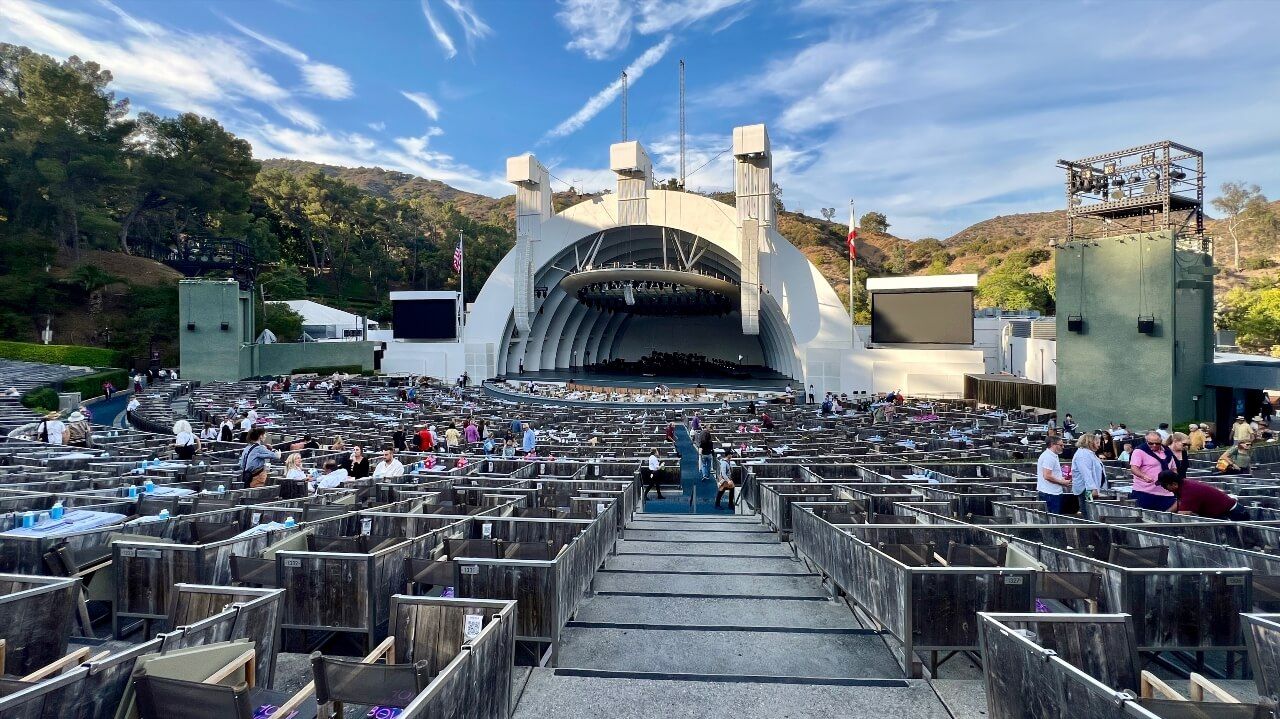
The Hollywood Bowl (2301 N Highland Ave, Los Angeles, CA 90068, rated 4.7/5 on Google (17 490 avis)) is an outdoor amphitheatre that has operated continuously since 1922, wedged into a natural bowl in the Santa Monica Mountains. It holds 17,500 people and is the largest natural outdoor amphitheatre in the United States. The Los Angeles Philharmonic performs its entire summer season here, running from June through September, alongside visiting orchestras, jazz acts, and rock concerts.
The summer schedule typically includes a handful of "Symphonies Under the Stars" evenings, where the programme combines classical repertoire with popular film scores, and these tend to sell out quickly. For a first visit, a Tuesday or Thursday concert in July or August offers a manageable crowd and ideal evening temperatures, the Bowl sits at 200 metres elevation and cools considerably after sunset.
The picnic tradition is a real one: you can bring your own food and wine into the amphitheatre. Vendors inside sell pre-assembled picnic boxes if you prefer not to plan ahead. The cheapest bench seats at the top of the bowl are $1 for some Philharmonic evenings, a remarkable price point for live orchestral music at this level. The Park & Ride program from remote lots is strongly recommended over driving directly, as Highland Avenue backs up significantly on concert nights.
11. Explore the Broad Museum
The Broad (rhymes with «road», not «odd») opened in September 2015 on Grand Avenue in downtown Los Angeles, immediately becoming one of the most visited contemporary art museums in the United States. The building, designed by Diller Scofidio + Renfro, has a perforated fibreglass outer skin that the architects describe as a «veil», daylight filters through it into the interior galleries in a way that changes through the day.
The permanent collection of Eli and Edythe Broad (221 S Grand Ave, Los Angeles, CA 90012, rated 4.7/5 on Google (17 703 avis)) holds more than 2,000 works by around 200 artists, with particularly deep holdings in Jeff Koons, Cindy Sherman, Jean-Michel Basquiat, and Kara Walker. Jeff Koons's Tulips (1995-2004), a cluster of five giant polished steel flower sculptures in magenta and yellow, occupies the lobby space with an almost aggressive cheerfulness. The lower level houses Yayoi Kusama's Infinity Mirrored Room, The Souls of Millions of Light Years Away, for which advance tickets book out weeks in advance.
General admission to the Broad's permanent collection is free, though reservations are required. The Kusama room requires a separate ticketed reservation. The Broad café on the ground floor has a rotating menu focused on California seasonal ingredients, worth pausing for coffee and the view of Grand Avenue.
12. Walk the Hollywood Walk of Fame
The Hollywood Walk of Fame (6925 Hollywood Blvd, Los Angeles, CA 90028, rated 4/5 on Google (61 177 avis)) stretches for 2.7 km along Hollywood Boulevard and Vine Street, with 2,700+ stars embedded in the terrazzo sidewalk. Each pink star bears a brass name plate and one of five symbols designating the recipient's medium: film, television, radio, recording, or live theatre. The first eight stars were installed in 1960, and the Hollywood Chamber of Commerce still adds roughly 20 to 30 new names every year through a public nomination process that requires the recipient to attend the unveiling and pay the production fee themselves.
The most famous section runs between Highland Avenue and Cahuenga Boulevard, where TCL Chinese Theatre (formerly Grauman's) stands. The cement courtyard in front holds hand and footprints from more than 200 celebrities dating back to 1927. The tradition is said to have begun accidentally when actress Norma Talmadge stepped in wet cement during construction, though accounts vary depending on which Hollywood historian you ask.
Walk the boulevard between roughly 10am and noon if you want to actually read the names underfoot without weaving around tour groups and costumed buskers. The eastern end near Vine Street is quieter, with stars belonging to early radio and television personalities you may not recognise, while the section in front of the Dolby Theatre (host venue for the Academy Awards) draws the heaviest foot traffic. The neighbouring El Capitan Theatre and Madame Tussauds add to the density of attractions, and the Walk is open 24 hours, so you can pair it with the Hollywood Bowl or a late dinner in Thai Town.
13. Visit the La Brea Tar Pits
The La Brea Tar Pits (5801 Wilshire Blvd, Los Angeles, CA 90036, rated 4.6/5 on Google (15 152 avis)) occupy a public park in the middle of the Miracle Mile district, surrounded by apartment buildings and the museum strip of Wilshire Boulevard. The tar, technically asphalt, a heavy petroleum byproduct, has been seeping to the surface here for 40,000 years, trapping and preserving the bones of animals that got stuck. Mammoths, sabretooth cats, dire wolves, and ground sloths are among the species recovered. The excavation is ongoing: Pit 91 continues to produce fossils, and visitors can watch the process during summer months.
The George C. Page Museum on the site displays more than 650 specimens and explains the geology of active tar seeps in detail. The exhibits are well-designed and genuinely engaging, the animatronic mammoth in the main hall captures the attention of younger visitors, but the real spectacle is the glass-walled palaeontology laboratory where you can watch fossil preparation in real time.
Outside the museum, Lake Pit, a large asphalt pool in the park, still bubbles actively with methane gas. A fibreglass mammoth family on the lake's edge, installed in 1968, has become one of the more beloved pieces of public art in Los Angeles. Admission to the George C. Page Museum is $20 for adults; the park itself and the observation of the outdoor tar pits is free. Combine with a visit to LACMA, which is a three-minute walk east along Wilshire.
14. Explore the Arts District
The Arts District occupies a roughly ten-block grid east of Little Tokyo in downtown Los Angeles, bounded by 1st Street to the north and the Los Angeles River to the east. Through the 1970s and 1980s, the neighbourhood's warehouses and rail yards attracted artists priced out of other districts, the same pattern that produced SoHo in New York and Shoreditch in London. The industrial infrastructure remains visible in the exposed brick and high ceilings of the buildings, even as the tenants have shifted considerably.
Hauser & Wirth Los Angeles on E 3rd Street is one of the largest private gallery spaces in the world, 9,000 square metres spread across seven indoor galleries and a substantial garden designed by landscape architect Piet Oudolf. Exhibitions rotate quarterly and cover the full range of contemporary art from painting to installation. Admission is free, and the Manuela restaurant inside is one of the more serious dining rooms in the area.
The street-art ecosystem here is legitimate rather than decorative, works by Retna, Augustine Kofie, and Cryptik have occupied the district's walls for years, some officially commissioned, others not. The best walking route runs along E 4th Street from Alameda to Mateo, then north on Mateo to Rose. Bavel, a Middle Eastern-inspired restaurant on Traction Avenue, is one of the hardest reservations in the city; walk-in spots at the bar open at 5 p.m. and tend to disappear within 20 minutes.
The Smorgasburg LA food market operates every Sunday morning at Row DTLA (767 S Alameda), bringing together roughly 50 independent food vendors. It runs from 10 a.m. to 4 p.m. and is free to enter, the quality of the food is consistently high and the price points are reasonable by Los Angeles standards.
15. Tour the USS Iowa Battleship
The USS Iowa (BB-61) is moored at the San Pedro waterfront in the Port of Los Angeles, serving as a floating naval museum. Launched in 1942, the Iowa is the lead ship of her class, the largest and final class of American battleships ever constructed. She served in World War II, the Korean War, and was reactivated during the Cold War. President Roosevelt crossed the Atlantic aboard her in 1943 for the Tehran Conference.
Self-guided tours cover multiple decks, from the main gun turrets, each housing three 16-inch guns capable of firing a 1,225 kg shell over 38 km, to the combat engagement centre used during her Cold War service. The crew quarters, mess halls, and sick bay are all accessible, giving a concrete sense of what it meant to live and work aboard a vessel housing 2,700 sailors.
Admission is $27.95 for adults. San Pedro is roughly 35 km south of downtown Los Angeles, a 40-minute drive or a Metro A Line journey to the San Pedro waterfront shuttle. Combining the Iowa visit with a walk through the Ports O' Call waterfront area, currently being redeveloped as West Harbor, makes the trip worthwhile.
16. Discover LACMA, Los Angeles County Museum of Art
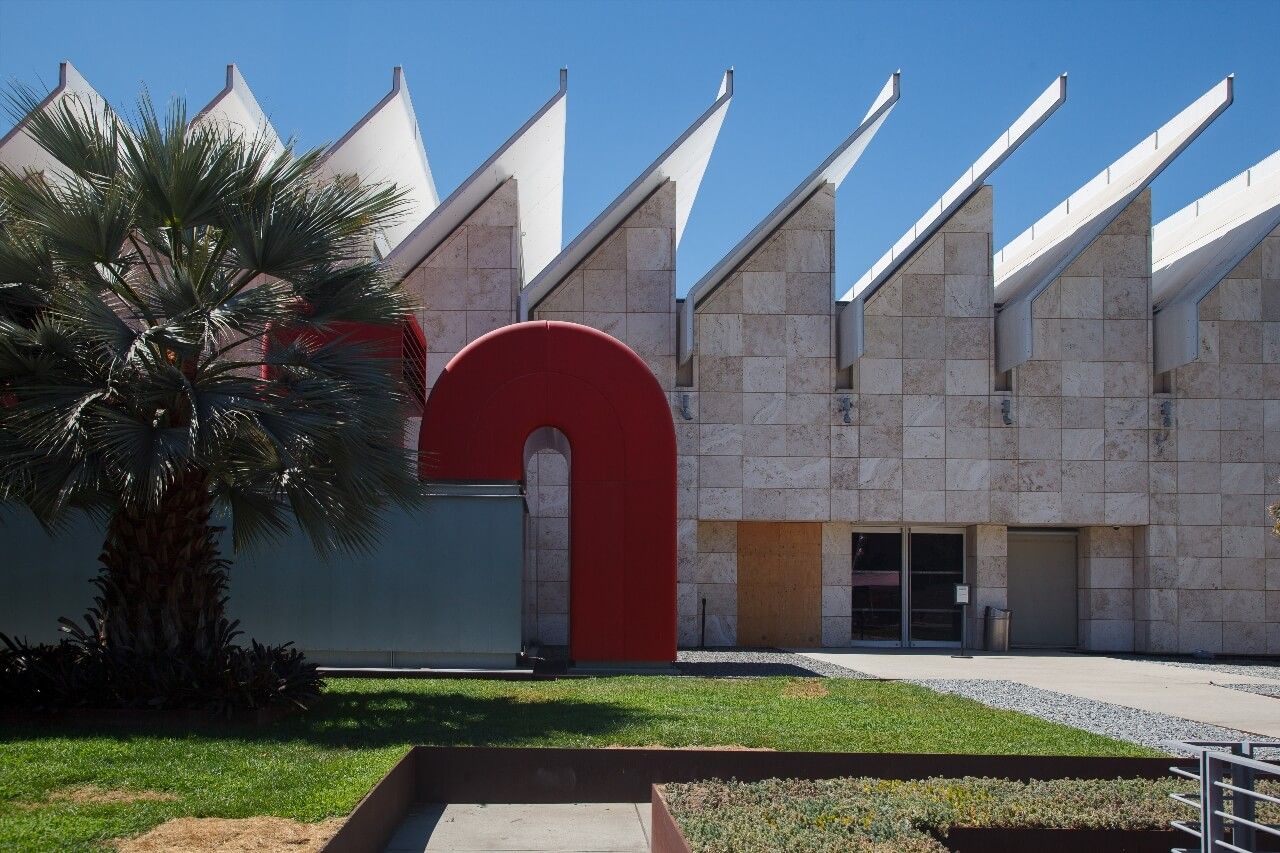
The Los Angeles County Museum of Art (LACMA (5905 Wilshire Blvd, Los Angeles, CA 90036, rated 4.6/5 on Google (20 650 avis))) is the largest art museum in the western United States, holding a permanent collection of more than 150,000 objects spanning 6,000 years of human art-making. The main campus occupies six buildings along Wilshire Boulevard, directly adjacent to the La Brea Tar Pits, a proximity that is occasionally noted in exhibits exploring California's deep prehistory alongside its cultural production.
The collection is genuinely encyclopaedic. The Pavilion for Japanese Art (Shin'enkan building) houses the Joe D. Price Collection of Edo-period art, scroll paintings, lacquerware, and ceramics considered among the finest assemblages of Japanese art outside Japan. The Islamic Art galleries cover 1,400 years of production across the full geographic span of the Islamic world. The European painting galleries hold Rubens, Rembrandt, Canaletto, and a particularly strong collection of German Expressionist work.
Outdoor on the south side of Wilshire Boulevard: Urban Light by Chris Burden, 202 restored cast-iron street lamps from the 1920s arranged in a grid, illuminated at dusk. This is probably the most photographed artwork in Los Angeles, and it is free to stand among the lamps at any hour.
Admission to LACMA's permanent collection is $25 for adults, free for LA County residents. The David Geffen Galleries, a new building by architect Peter Zumthor, have been under construction for several years and are expected to open by 2026, worth checking current status before your visit, as the opening will substantially expand available gallery space.
17. Visit Universal Studios Hollywood
Universal Studios Hollywood (100 Universal City Plaza, Universal City, CA 91608, rated 4.6/5 on Google (173 536 avis)) is both an active film and television production facility and a fully operational theme park, which makes it categorically different from the other major parks in Southern California. The tram tour of the working backlot, the Studio Tour, is the centrepiece experience, running approximately 55 minutes and passing through standing sets and behind active soundstages. The War of the Worlds set, left largely intact after Steven Spielberg's 2005 production, is among the most striking stops: a destroyed Boeing 747 lies in a debris field of crushed cars and collapsed buildings, weathered by two decades of California sun.
The Wizarding World of Harry Potter opened at Universal Hollywood in 2016 and occupies a section of the Upper Lot with reproductions of Hogsmeade village, the Hogwarts Express platform, and the Forbidden Journey ride inside a full-scale Hogwarts castle recreation. The butterbeer, a sweet, non-alcoholic butterscotch drink served warm or frozen, is a detail that visitors with children will hear about repeatedly.
Jurassic World, The Ride in the Lower Lot uses water-flume mechanics with animatronic dinosaurs and a final 26-metre drop, the largest drop of any water ride in the world when measured by height. The Secret Life of Pets: Off the Leash! in the Lower Lot is the most family-accessible ride for younger children.
General admission tickets start at $109, though online advance pricing and date-specific tickets can reduce this. Universal CityWalk, the shopping and dining complex outside the park gate, is free to enter and provides several hours of dining and entertainment independent of park admission, a useful option if you are meeting someone who has a pass and you do not. Parking is $45 for general lots.
Peak season runs from late June through August and over spring break, queue times for the major attractions routinely exceed 60 minutes on Saturdays. The park opens at 9 a.m. and the Studio Tour tends to have its shortest wait in the first 90 minutes of operation.
A practical tip the official site does not emphasise: the Studio Tour itself is unique to this Universal park , Orlando's Universal Studios does not have an equivalent working backlot ride. If your trip only includes one Universal property, this is the one with the genuine studio component, you ride through real production streets where Psycho, Jaws, and the Back to the Future town square were filmed. The Wizarding World of Harry Potter here is also notably more compact than Orlando's version, but the Hogwarts Castle and Forbidden Journey ride are identical, so the bones of the experience are intact. Go on a weekday in the off-season (mid-January through mid-March, or mid-September through October), single-rider lines on the headline attractions drop from over an hour to under 20 minutes.
18. Explore Beverly Hills and Rodeo Drive
Rodeo Drive (Rodeo Dr, Beverly Hills, CA 90210, rated 4.7/5 on Google (2 128 avis)) is a three-block stretch of retail real estate between Wilshire Boulevard and Santa Monica Boulevard that functions as a living catalogue of luxury fashion. Every significant European and American luxury brand maintains a flagship here, many in architecturally distinctive buildings, including the Frank Lloyd Wright-inspired Anderton Court shops at the northern end.
The Beverly Hills Civic Center, one block east of Rodeo, is an unexpectedly handsome cluster of Spanish Renaissance Revival buildings centred on a lush public garden. The adjacent Beverly Gardens Park runs for 1.9 km along Santa Monica Boulevard and contains the original Beverly Hills Sign, a classic photograph location, as well as a cactus garden and a rose garden with 5,000 plants representing 150 varieties.
Two Rodeo Drive (the cobblestone pedestrianised lane between Wilshire and Rodeo) was built in 1990 as a European-style shopping street and contains some of the less famous but equally interesting retailers. Window-shopping is the primary activity for most visitors, which is entirely legitimate, the architecture and display design are worth the walk regardless of purchasing intent. Lunch at one of the sidewalk cafés on Brighton Way offers a reasonable people-watching perch without the restaurant pricing of the main boulevard.
19. Kayak or Paddleboard in Marina del Rey
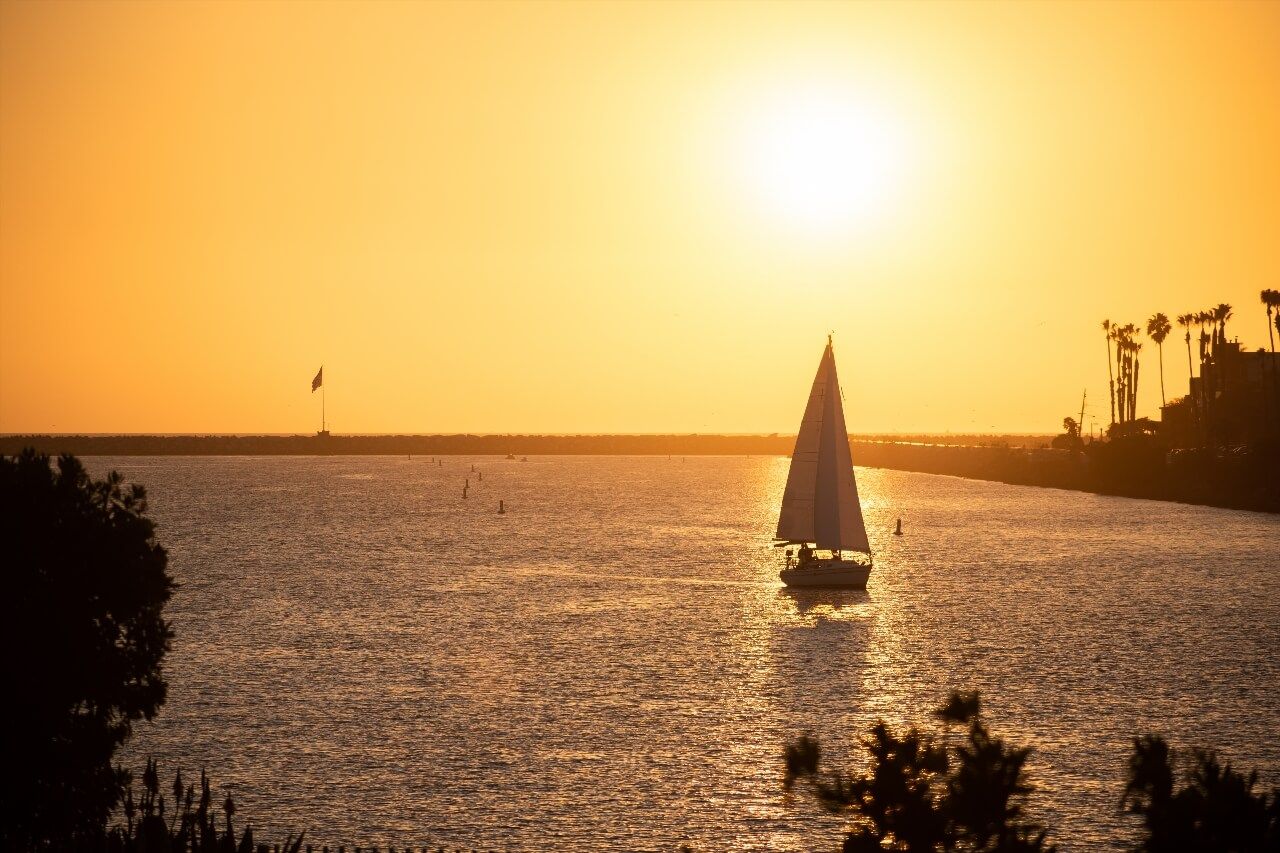
Marina del Rey (Marina del Rey, CA 90292, rated 4.8/5 on Google (203 avis)) is the largest man-made small-craft harbour in the United States, with 5,300 boat slips spread across a series of interconnected channels about 10 km south of Santa Monica. Several rental companies operate from Fisherman's Village and along Admiralty Way, offering kayaks and stand-up paddleboards by the hour with no prior experience required. Hourly rates typically sit around 20 to 30 US dollars for a single kayak and 30 to 40 for a paddleboard, with discounted half-day packages if you intend to spend the morning on the water.
The inner channels are sheltered and calm, suitable for complete beginners, and the outer harbour opens to Santa Monica Bay, where you get open-water paddling with views back toward the Marina skyline and north to the Santa Monica Mountains. Sea lions occasionally surface around the breakwater, particularly in the cooler months, and pelicans patrol the rock walls year-round.
If you have not paddled before, stay inside the main channel. The wind picks up in the afternoon, especially between two and five, so morning sessions are calmer and easier to enjoy. Free public launch ramps at Mothers Beach make this one of the few outdoor activities in Los Angeles where you do not need a car to access the water, the Metro bus 108 stops within a few blocks. A waterproof bag for keys and phone is the only piece of equipment worth bringing yourself.
20. Visit Olvera Street and El Pueblo de Los Angeles
Olvera Street (125 Paseo De La Plaza, Los Angeles, CA 90012, rated 4.5/5 on Google (29K reviews)) is a preserved Mexican market street in the oldest part of Los Angeles, running through the El Pueblo de Los Angeles Historical Monument near Union Station. The area encompasses 27 historic buildings on the original 1781 settlement site, including the Avila Adobe, built in 1818, it is the oldest surviving house in Los Angeles.
Olvera Street itself operates as a pedestrianised market street, with vendors selling handmade crafts, textiles, and Mexican street food from stalls that have occupied the same spots for decades. The La Placita Church (Our Lady Queen of Angels) at the north end of the plaza has been in continuous use since 1822 and still holds regular masses. The adjacent Biscailuz Building houses the Mexican Cultural Institute of Los Angeles, which mounts exhibitions on Mexican and Chicano art and history.
Olvera Street is most alive during the Día de los Muertos celebrations in late October and early November, and during Las Posadas in the weeks before Christmas, both deeply rooted community traditions that draw far more locals than tourists. Coming on a weekday morning, when the market is quieter and the historic buildings easier to appreciate, is a different but equally worthwhile experience.
21. Hike Runyon Canyon
Runyon Canyon Park (2000 N Fuller Ave, Los Angeles, CA 90046, rated 4.8/5 on Google (5 626 avis)) is a 65-hectare open space in the Hollywood Hills, free and open sunrise to sunset, with the main entrance at the northern end of Fuller Avenue. The upper ridge trail offers views from downtown to the Pacific on clear days and takes about 20 minutes from the trailhead at a moderate pace. Off-leash dogs are allowed in designated zones, which makes this one of the more sociable outdoor spaces in the city.
22. Tour the California Science Center
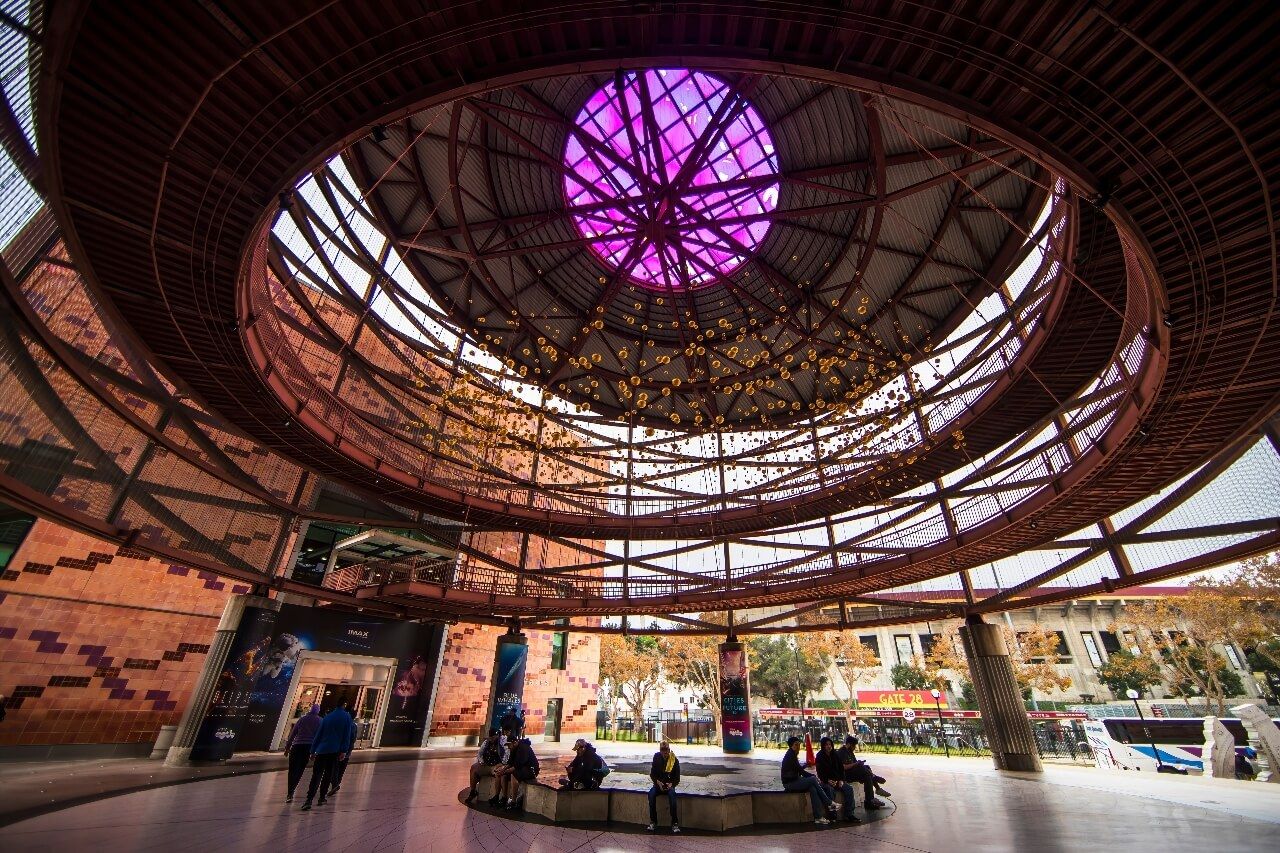
The California Science Center (700 Exposition Park Dr, Los Angeles, CA 90037, rated 4.7/5 on Google (20 157 avis)) in Exposition Park holds Space Shuttle Endeavour, one of only four remaining Space Shuttles in existence and the first to be displayed in its vertical launch configuration with the external fuel tank and solid rocket boosters attached. The Samuel Oschin Air and Space Center, purpose-built to house Endeavour upright, opened in October 2024 and provides one of the most striking museum experiences in the United States, the shuttle stands 56 metres tall in the new pavilion, nose pointing toward the ceiling, dwarfing visitors below.
Endeavour flew 25 missions between 1992 and 2011, logging 296 days in space and travelling more than 197 million kilometres. The display tells the story of each mission chronologically, with artefacts, mission photography, and audio testimony from crew members. The external tank (ET-94) is the only remaining flight-ready external tank in existence, it was never used in a launch and was transported from New Orleans to Los Angeles by barge and road in 2016.
Admission to the general Science Center exhibits is free. The Space Shuttle Experience exhibit requires a timed entry ticket, which is $10 for adults and must be booked online in advance, it consistently sells out days or weeks ahead. The IMAX theatre adjacent to the shuttle building shows a film about the shuttle programme that is genuinely moving if you have spent time with the actual vehicle first.
The Science Center also holds a reconstructed Ecosphere on the ground floor, a closed ecological system that has been running continuously since the museum acquired it. The ecology exhibits aimed at younger visitors are among the best-executed in the country. Plan a minimum of 2-3 hours for the shuttle exhibit alone.
23. Explore Malibu's Beaches and Wineries
Malibu stretches for 43 km along the Pacific Coast Highway northwest of Santa Monica, encompassing more than 20 named beaches and a wine appellation that most visitors to Los Angeles never discover. The Malibu Wine Safaris on Saddlerock Ranch take visitors through 500 acres of vineyard on an electric cart, with a giraffe named Stanley as the unofficial mascot, a genuinely absurd combination that somehow works.
Zuma Beach (30000 Pacific Coast Hwy, Malibu, CA 90265, rated 4.7/5 on Google (846 avis)) is the largest public beach in the Malibu area, with 1.6 km of open coastline, strong waves, and free parking along PCH. It is popular with surfers in the morning and families through the afternoon. El Matador State Beach, further north, is the photographically dramatic alternative, three distinct coves accessed by a steep trail, with sea stacks and rock arches framing the horizon.
For the wineries: Malibu Wine Hikes and Rosenthal Estate Malibu both offer tastings open to the public, with Rosenthal producing estate Chardonnay and Cabernet Sauvignon from vines planted in the 1980s. The Malibu appellation is designated as Malibu Coast AVA and benefits from Pacific fog mornings and dry afternoons, a microclimate that has produced increasingly serious wines over the past two decades. Combine a beach morning at El Matador with a late afternoon tasting at Rosenthal for a distinctly Californian day.
24. Visit the Hollywood Forever Cemetery
Hollywood Forever Cemetery (6000 Santa Monica Blvd, Los Angeles, CA 90038, rated 4.6/5 on Google (796 avis)) was founded in 1899 and is the final resting place of more film industry figures than any other site in the world. Among those buried here: Rudolph Valentino, Cecil B. DeMille, Judy Garland (ashes interred in 2017), Jayne Mansfield, Dee Dee Ramone, Chris Cornell, and Johnny Ramone, whose life-size bronze statue of him mid-power-chord stands near the cemetery's central lake.
The grounds themselves are genuinely beautiful: manicured lawns, reflecting pools, a Victorian chapel, and a mausoleum built in 1900 that contains some of the most elaborate private crypts in California. The cemetery's Fairbanks Lawn hosts outdoor cinema screenings on summer evenings, the Cinespia series, which projects classic films against the mausoleum wall, draws crowds that treat the event as a picnic occasion.
Admission to the cemetery grounds is free during daylight hours (8 a.m. to 5 p.m.). The small office at the entrance has printed maps with grave locations. The cemetery app provides GPS-guided tours of notable graves. Cinespia tickets typically cost $20-$30 and sell out for popular titles, check the schedule at cinespia.org and book at least a week ahead for summer screenings.
25. Watch Sunset from Mulholland Drive
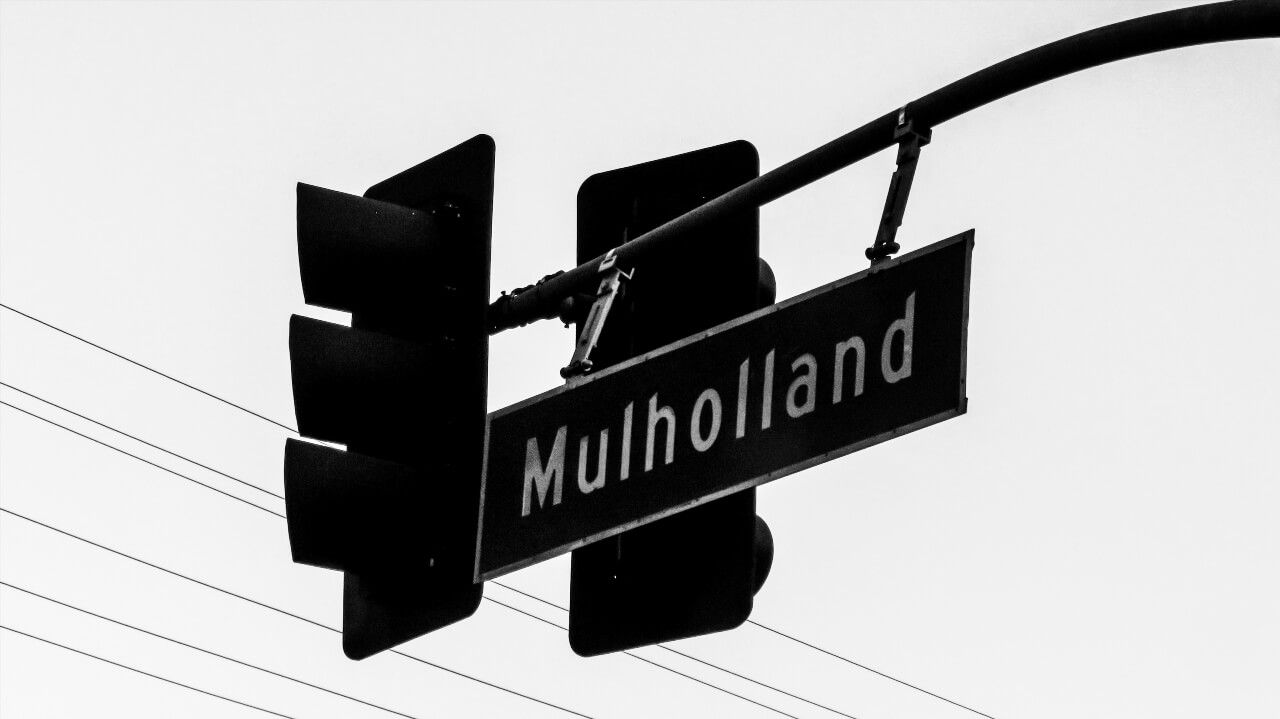
Mulholland Drive traces the ridgeline of the Santa Monica Mountains for 80 km, with a string of overlooks above the Los Angeles Basin and the San Fernando Valley. Park at Nancy Hoover Pohl Overlook or the Mulholland Scenic Overlook about 30 minutes before sunset, the city dims and brightens in layers as the light fades. It costs nothing and requires only a car and the awareness to stop.
FAQ
What is the best time of year to visit Los Angeles?
Los Angeles has one of the most consistent climates of any major city, with fewer than 35 days of measurable rainfall per year. The best months for outdoor activities are March through May (mild temperatures, occasional wildflowers after winter rains, lighter crowds than summer) and September through November (cooling from summer heat, clear skies, and the end of peak tourist season). July and August are warm and busy, with beach crowds at maximum. December and January bring the rainy season, short but occasionally heavy downpours, and the best chance of snow-dusted mountains visible from the city.
Do you need a car in Los Angeles?
A car makes most of the experiences listed here significantly more convenient, but it is not strictly necessary. The Metro Rail system connects downtown to Hollywood, the Westside (Santa Monica), and Exposition Park. The Metro E Line (Expo) runs from downtown to Santa Monica in around 50 minutes. Uber and Lyft are widely available and often faster than driving for cross-city trips during off-peak hours. For the Getty Villa, Malibu, Mulholland Drive, and Marina del Rey, a car or rideshare is the practical choice, public transit connections are poor.
How many days do you need in Los Angeles?
Five to seven days allows you to cover the major experiences without feeling rushed, one day for a Hollywood / Griffith Park circuit, one for the Westside (Getty Center, Santa Monica, Venice), one for downtown (Grand Central Market, LACMA, La Brea Tar Pits), one for a theme park, and a day or two for beaches, Malibu, or day trips. Three days is manageable but involves genuine trade-offs. Ten days or more allows the city to reveal itself at a less compressed pace, which is genuinely different.
What are the best free things to do in Los Angeles?
Several of the most significant experiences in the city are free: the Griffith Observatory (building and evening telescope viewing), the Getty Center permanent collection, the Broad Museum permanent collection, the Hollywood Walk of Fame, Runyon Canyon Park, Hollywood Forever Cemetery, Urban Light at LACMA (the street-lamp sculpture), and the outdoor tar pits in Hancock Park. The Natural History Museum and the California Science Center general exhibits are also free.
Is Los Angeles safe for tourists?
Los Angeles is a very large and economically diverse city, and safety varies considerably by neighbourhood. The areas most visited by tourists, Hollywood, Santa Monica, Beverly Hills, Griffith Park, Downtown's cultural corridor (LACMA, Grand Central Market, Broad), and the Arts District, are generally safe during daylight hours and early evenings. Exercise standard urban awareness after dark, particularly around Hollywood Boulevard east of Highland and in parts of downtown away from the main cultural institutions. Leave valuables out of sight in parked cars, vehicle break-ins are common throughout the city.
Can you do a day trip from Los Angeles?
Several significant destinations sit within 2 hours of Los Angeles: Santa Barbara is 2 hours north, a well-preserved Spanish Colonial city with a mission, wine country immediately to the east, and beaches. Joshua Tree National Park is approximately 2.5 hours east, accessible with an early start, the park is at its finest in spring (February-April, wildflower season) and autumn. San Diego is 2 hours south, with the zoo, Balboa Park, and Old Town as primary draws. Catalina Island requires a 75-minute ferry from Long Beach or San Pedro and offers snorkelling, hiking, and a remarkably quiet small town (Avalon) by Southern California standards.
Plan your Los Angeles trip
Los Angeles rewards patience. It takes more than a week to understand why so many people who arrive here for a year or two end up staying for decades. The best things to do in Los Angeles rarely cluster on a single neighbourhood map, which means the city is best treated as a series of self-contained day plans rather than one continuous itinerary: Hollywood and Griffith for the iconography, the Westside for the museums and the coast, Downtown for food and contemporary art, Malibu for the open ocean, and a theme park or studio tour slotted in wherever your group has the energy.
If you want a structured starting point, the Ryocity audio guide for Los Angeles layers cultural context and neighbourhood history over the walking routes, which helps orient first-time visitors before they commit a full day to a district. The Ryo app keeps the narration playing offline, so you do not need to burn cellular data while moving between Griffith Park, the Walk of Fame, and the Hollywood Bowl. Start with Griffith, the coast, and downtown in whatever order suits your jet lag, and build outward from there. By day three you will have a working sense of which parts of Los Angeles deserve more of your time, and Ryo's longer-form routes are ready when you want to dig deeper.