
Créé par Romane, le 26 mai 2026
Votre guide Ryo
© Shutterstock
Los Angeles doesn't ease you in gently. You step off the plane, hit the freeway, and within an hour you're looking at palm trees against a smog-pink sky wondering where on earth to start. The city sprawls across 470 square miles, stitches together a dozen distinct neighborhoods, and somehow manages to be a beach resort, a film studio, a world-class museum corridor, and a street-food capital all at once. Planning what to do here can feel paralyzing, which is exactly why this list cuts through the noise. Whether you have two days or two weeks, Ryo's audio-guided city experiences are a great starting point for navigating LA's most storied streets on your own terms.
What you'll find below goes well beyond the postcard version of the city. There's a tar pit in the middle of Hancock Park where mammoths got stuck 40,000 years ago, a free contemporary art museum in Westwood that rivals anything in New York, a 1901 funicular railway that covers just 298 feet of track, and a neighborhood bookstore so large it has a labyrinth painted on its floor. Thirty genuinely fun things to do in Los Angeles, from the iconic to the overlooked, with the practical details you need to actually pull each one off.
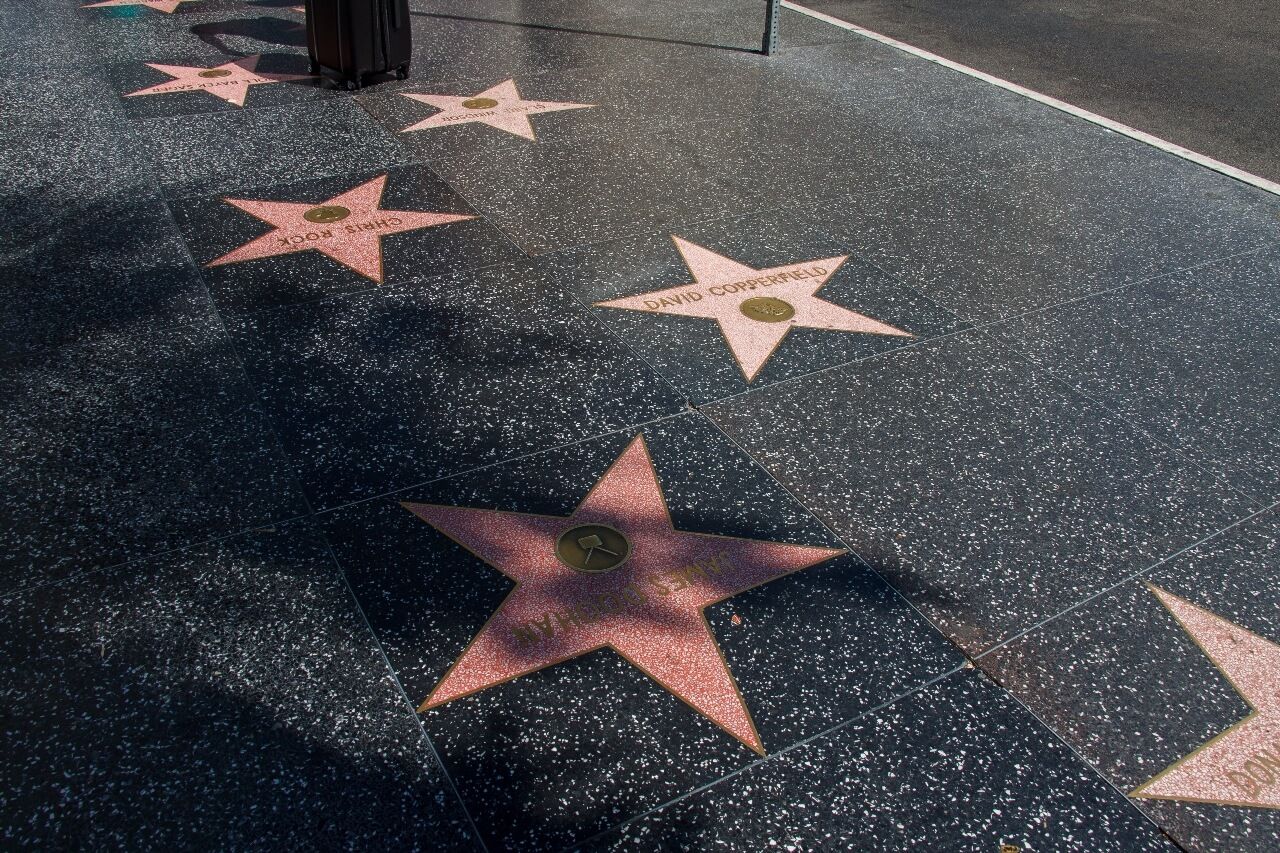
1. Walk the Hollywood Walk of Fame
The Hollywood Walk of Fame (Hollywood Blvd, Los Angeles, CA 90028, rated 4/5 on Google (61 177 avis)) stretches along Hollywood Boulevard and Vine Street for about 1.3 miles, and it contains over 2,800 brass stars embedded in pink terrazzo. Each star bears the name of a film, television, music, radio, or theater personality, sometimes the same person appears twice, in different categories.
The real pleasure here isn't hunting for any particular celebrity's name (though finding Muhammad Ali's star, deliberately placed on a wall rather than the ground so no one would walk on it, is a satisfying detour). It's the neighborhood itself. Grab a coffee from a side street café, look up at the TCL Chinese Theatre with its cement blocks stamped with handprints and footprints, and take in the architectural texture of a boulevard that has been simultaneously famous and slightly seedy for over a century.
Practical note: the area around the Walk gets very crowded on weekends between 11 a.m. and 3 p.m. Come on a Tuesday morning if you want the stars largely to yourself. A Ryo audio guide can fill in the backstories of specific stars and the boulevard's evolution as you walk.
2. Explore Griffith Observatory
Every list of things to do in Los Angeles includes Griffith Observatory (2800 E Observatory Rd, Los Angeles, CA 90027, rated 4.7/5 on Google (17 639 avis)), but very few explain why it's worth the trip even on a cloudy day. Built in 1935 and perched at 1,134 feet on the south face of Mount Hollywood, the Observatory was funded by Colonel Griffith J. Griffith's bequest to the city with the explicit condition that it remain free to the public forever. That condition still holds: admission to the building, the exhibits, and the rooftop telescopes is completely free.
The interior is denser than most visitors expect. There's a Tesla coil that fires lightning bolts on the hour, a Foucault pendulum that visibly demonstrates Earth's rotation, and a triple-beam coelostat on the roof that lets you observe the sun safely during daylight hours. The Samuel Oschin Planetarium inside runs ticketed shows throughout the day, the laser show « centered on the life of the universe » is the one most visitors enjoy, though the astronomy show aimed at families is equally good.
The views from the terrace are the other draw. On a clear day you can see the Pacific, Catalina Island, and the full expanse of the LA basin from downtown skyscrapers to the Santa Monica Mountains. The Hollywood Sign sits just above and to the west, this is the most photogenic angle you'll find without hiking to it directly.
Parking is limited and fills by 10 a.m. on weekends. The DASH Observatory bus runs from the Vermont/Sunset Metro stop on a loop, making it the smarter option if you're staying in Hollywood or Silver Lake.
3. Hike to the Hollywood Sign
The Hollywood Sign (Mount Lee Dr, Los Angeles, CA 90068, rated 4.6/5 on Google (13 967 avis)) is 45 feet tall, made of steel, and sits at an elevation of 1,670 feet in the Santa Monica Mountains. Getting close to it requires a hike, not a drive, the nearest road access was blocked precisely to prevent the kind of gridlock that plagued the area in the 1990s.
The most popular route is the Brush Canyon Trail from Griffith Park's Canyon Drive trailhead: about 6.4 miles round trip with 1,050 feet of elevation gain, moderate difficulty. You won't reach the letters themselves (they're fenced off), but you can get within a couple of hundred feet and circle above them on Mount Lee Drive for an unusual top-down view.
Start before 8 a.m. in summer. The canyon gets little shade and the trail is exposed. Bring at least 2 liters of water per person. Dogs are allowed on leash, and you'll see plenty of trail runners treating this as a daily commute.
4. Wander Venice Beach Boardwalk
Venice was designed in 1905 by developer Abbot Kinney as a recreation of the Italian city, complete with 16 miles of canals, gondolas, and Venetian-style arcades. Most of the canals were paved over in the 1920s to accommodate automobiles (the remaining Venice Canals Historic District covers just a few blocks), but the boardwalk spirit has never left.
Today Ocean Front Walk runs along the beach for about 2.5 miles and operates as a kind of open-air theater. On any given morning you'll pass bodybuilders at Muscle Beach (the original outdoor gym, operating since 1934), street vendors selling hand-painted skateboards, and artists with permanent gallery spots they've held for decades. The basketball courts at the north end, Hoops by the Beach, are among the most watched pickup games in the country.
The Venice Canals are ten minutes' walk from the boardwalk and well worth the detour. The residential streets around them feel entirely removed from the boardwalk chaos, with well-maintained bridges, ducks in the water, and enough architectural variety to fill an afternoon of slow walking.
Park on the side streets east of Lincoln Boulevard and walk in rather than fighting for the paid lots nearest the beach. Midweek mornings are noticeably quieter than any part of the weekend.
5. Visit the Getty Center
The Getty Center (1200 Getty Center Dr, Los Angeles, CA 90049, rated 4.8/5 on Google (36 392 avis)) opened in 1997 and the building itself, designed by Richard Meier in travertine and aluminum, set on a hilltop above Bel-Air, has become as talked about as the collection inside. The grounds are massive: you arrive by tram from the parking structure, walk through terraced gardens designed by artist Robert Irwin, and reach a complex of five pavilions arranged around a central courtyard.
Admission is free. Parking costs $25 per car. The collection spans European paintings, drawings, sculpture, manuscripts, and decorative arts from the Middle Ages to the 20th century. Highlights include Van Gogh's « Irises » (1889), Rembrandt's « The Abduction of Europa » (1632), and a room of French 18th-century furniture so complete it feels slightly disorienting.
Beyond the collection, the central garden alone justifies the trip: a stream crosses an azalea maze before flowing into a pool fringed with bougainvillea, with the city visible through the foliage below. The café terrace has arguably the best public view of Los Angeles available without paying a rooftop bar price.
Allow at least three hours if you want to cover the main pavilions without rushing. Timed-entry reservations are free and worth booking in advance, especially for weekend visits.
6. Tour Universal Studios Hollywood
Universal Studios Hollywood (100 Universal City Plaza, Universal City, CA 91608, rated 4.6/5 on Google (173 536 avis)) is not just a theme park, it's an operating film and television production studio that has been in continuous use since 1912, making it the oldest Hollywood studio still running. The studio tour, a tram ride through the back lot, remains the most authentic part of the visit: you pass actual standing sets, including the courthouse from Back to the Future, the Bates Motel from Psycho, and the flooded New York street that appears in dozens of films.
The rides are another matter entirely. The Wizarding World of Harry Potter opened in 2016 and now draws as much attention as anything else on the lot. The Hogwarts Express tram experience, Butterbeer (served hot or cold), and the interactive wand sections in Hogsmeade village are executed with an attention to detail that surprises even skeptical adults. The Jurassic World ride and Transformers: The Ride-3D are the other headliners.
Ticket prices start around $109 for a standard single-day ticket. The park gets crowded, and the secret most regular visitors know is to buy the Express Pass and arrive at opening, the two-hour window before noon is dramatically calmer than the afternoon rush. Annual passes exist and pay for themselves quickly if you plan to visit more than twice.
The Upper Lot and Lower Lot are connected by a series of escalators that take about four minutes to descend. Budget a full day: rushing Universal is its own form of defeat.
7. Explore the Broad Museum
The Broad opened on Grand Avenue in downtown Los Angeles in 2015 and quickly became one of the city's most-visited cultural institutions. Admission to the permanent collection is free, though timed passes are required and should be booked at least a week in advance on busy weekends.
The building's most striking feature before you get inside is the exterior: a honeycombed veil of fiberglass wraps the entire structure, designed by Diller Scofidio + Renfro to filter light without obstructing it. Inside, the collection of roughly 2,000 works spans postwar and contemporary art, with particular depth in Jeff Koons, Cindy Sherman, Jean-Michel Basquiat, and Barbara Kruger. Yayoi Kusama's « Infinity Mirrored Room » requires a separate timed-entry ticket but generates its own lines, book it separately if you want it.
The Broad (221 S Grand Ave, Los Angeles, CA 90012, rated 4.7/5 on Google (17 703 avis)) sits directly across from Walt Disney Concert Hall, making it an easy afternoon pair: contemporary art followed by a self-guided architectural tour of Frank Gehry's titanium exterior.
8. Bike from Santa Monica to Venice Beach
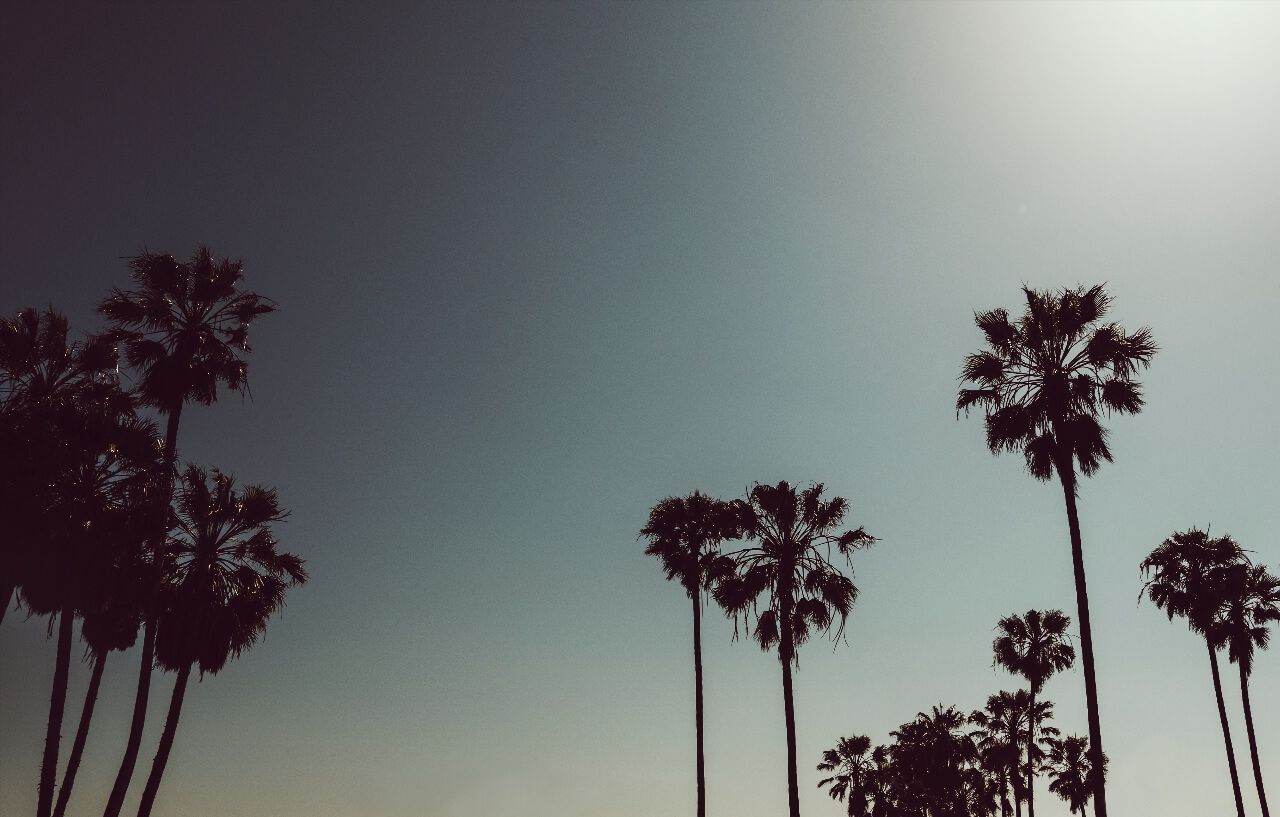
The Marvin Braude Bike Trail, known locally as The Strand, runs 22 miles along the coast, and the Santa Monica to Venice Beach (Ocean Front Walk, Venice, Los Angeles, CA 90291, rated 4.5/5 on Google (2 289 avis)) segment is the most popular stretch. Flat, paved, and almost entirely separated from car traffic, it takes about 25 minutes at a relaxed pace and passes some of the most recognizable scenery in the city.
Bike rentals are available at multiple spots along the Santa Monica Pier area, typically running $10 : 15 per hour. E-bikes cost a bit more but make the return trip (you're coming back into the wind from the south) considerably more pleasant. Go in the morning on a weekday: the path gets congested on weekend afternoons when pedestrians spill over from the sand.
The Santa Monica Pier itself is worth 20 minutes before you get on the bike, the Pacific Park Ferris wheel is one of the only solar-powered Ferris wheels in the world, and the pier has stood in this spot in various forms since 1909.
9. Visit the Natural History Museum of Los Angeles County
The Natural History Museum of Los Angeles County (900 Exposition Blvd, Los Angeles, CA 90007, rated 4.8/5 on Google (14 297 avis)) is the largest natural history museum in the western United States and sits in Exposition Park, steps from the USC campus. The collection spans 35 million specimens across geology, botany, zoology, and anthropology.
The Dinosaur Hall is the centerpiece: it holds 20 full dinosaur skeletons, including a mounted T. rex growth series, the only display in the world showing three growth stages of the same species side by side. The Gem and Mineral Hall has a 4,400-pound amethyst geode and a gold rush-era California gold collection. Admission runs $18 for adults, and the first Tuesday of each month is free for LA County residents.
The museum sits within walking distance of the California Science Center, where Space Shuttle Endeavour is displayed, worth adding to the same afternoon if you have the stamina.
10. Stroll Through The Last Bookstore
The Last Bookstore (453 S Spring St, Los Angeles, CA 90013, rated 4.7/5 on Google (12 634 avis)) occupies a 22,000-square-foot former bank building on Spring Street in downtown LA and has been operating since 2005. The bank vault in the basement functions as a used-book section, you browse among what once held deposits.
The upper floor is the real spectacle: arched tunnels built entirely from stacked books, a labyrinth painted on the floor, small galleries selling original art, and a vinyl record section that gets genuinely serious foot traffic from collectors. This is one of the few places in downtown LA where you can easily spend ninety minutes without spending a dollar.
Readings, signings, and the occasional zine fair happen on the mezzanine, check the events board near the front register on your way in. The store stays open until 10 p.m. Friday and Saturday, which makes it a useful late-evening stop if dinner in the Historic Core leaves you with time to kill before you head home.
11. Watch Sunset at the Santa Monica Pier
Santa Monica Pier (200 Santa Monica Pier, Santa Monica, CA 90401, rated 4.6/5 on Google (132 318 avis)) at sunset is one of those Los Angeles experiences that manages to be simultaneously touristy and genuinely moving. The western-facing orientation means the pier extends directly into the Pacific, and when the sky turns, the whole structure is silhouetted against it.
Arrive about 45 minutes before sunset to stake a spot at the end of the pier. The Ferris wheel lights up after dark, the carousel inside the building dates to 1922, and the fishing pier on the south side has been a working community fixture for local anglers for generations, you can watch people pull in mackerel and halibut while the sky performs above them.
For dinner after sunset, Ocean Avenue just north of the pier has several solid options. Or walk a few blocks to Main Street in Santa Monica for better food and a calmer atmosphere than the immediate pier area tends to offer after dark.
12. Take a Warner Bros. Studio Tour
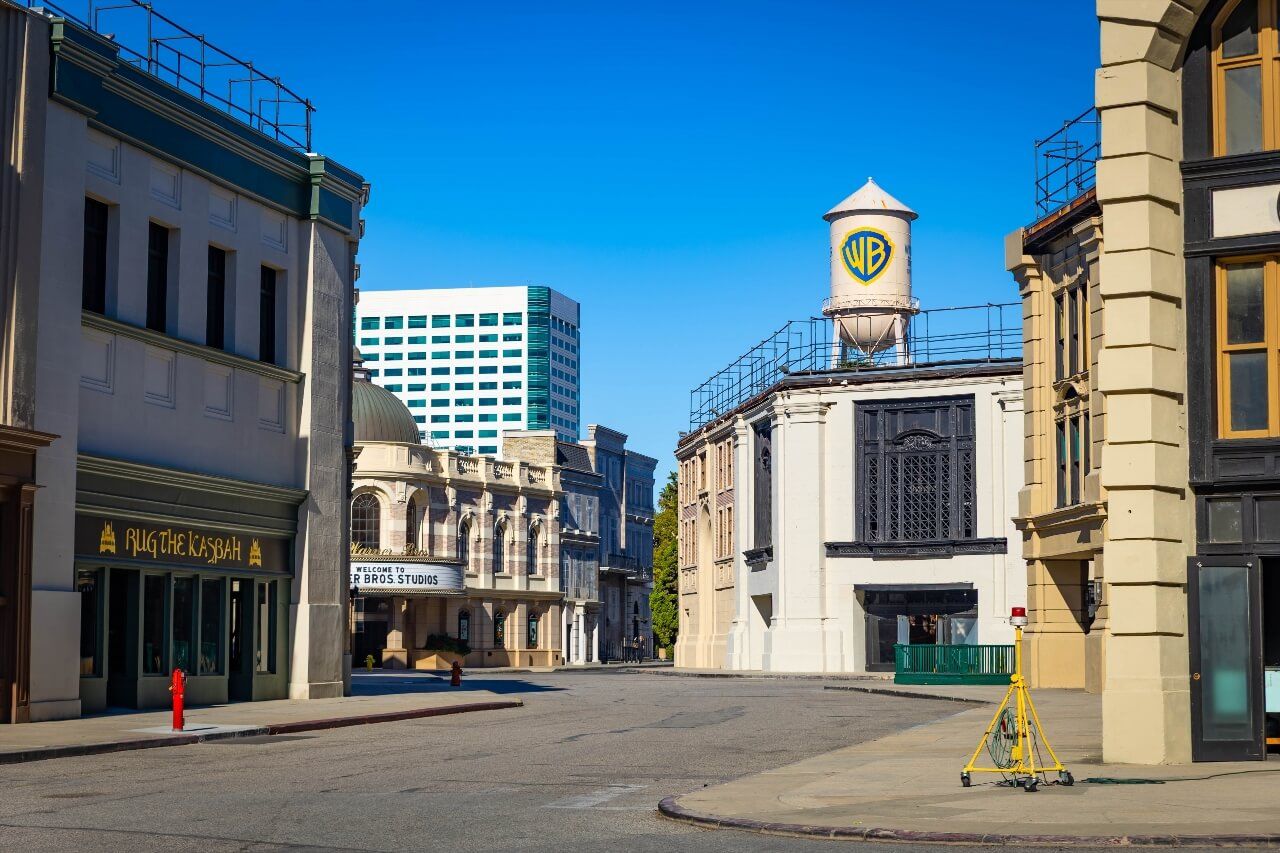
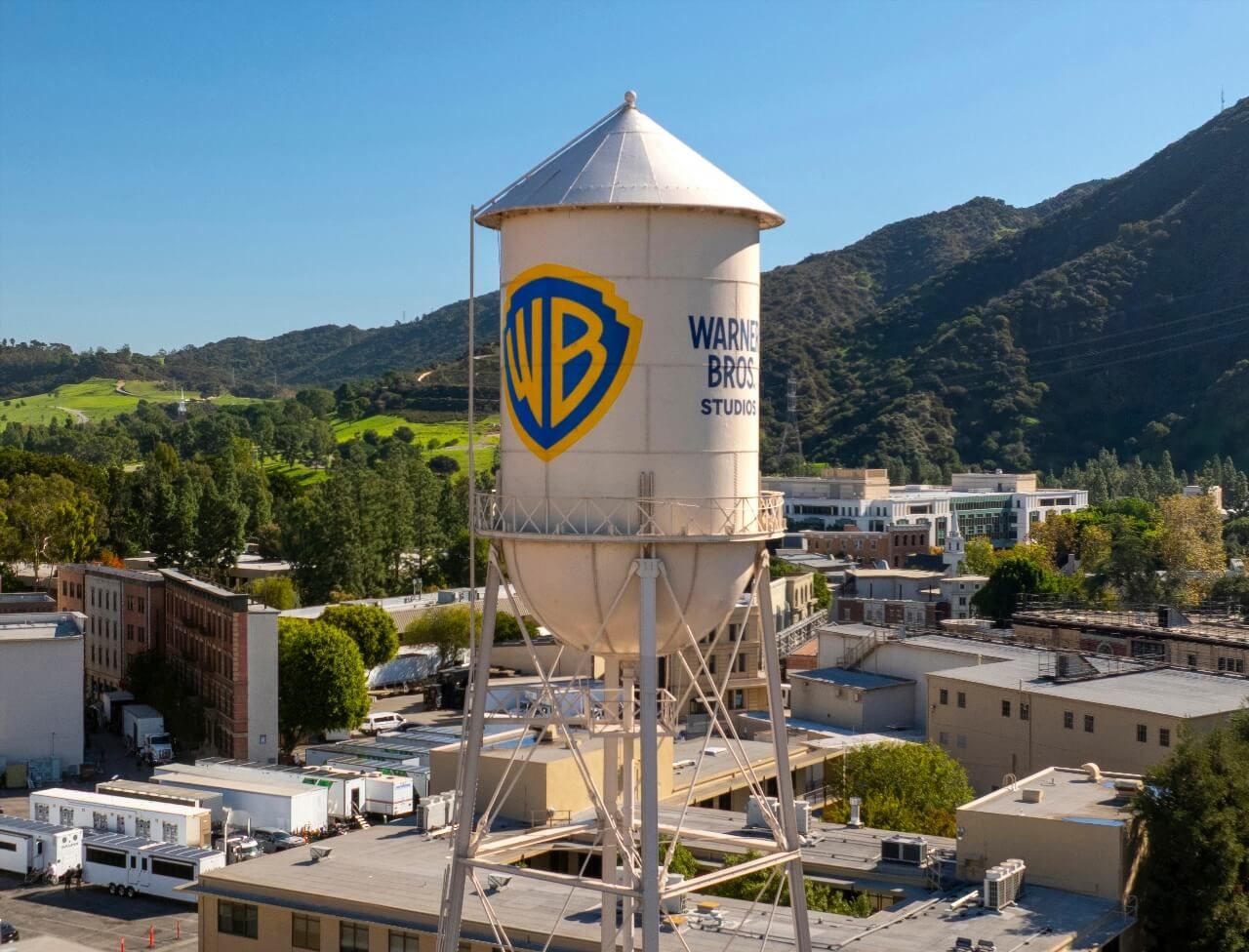
Of all the studio tours in Los Angeles, the Warner Bros. Studio Tour is the most substantive. This is a working lot, and the 2.5-hour tour takes you through active soundstages, backlot street sets, and warehouses full of props from productions as varied as Friends, The Batman, and Casablanca.
The tour begins with a short film introducing Warner Bros.' century-plus of history, then moves into electric carts for a loop of the backlot. You'll pass the New York Street set that appears in dozens of productions across decades, the exterior of the Central Perk café from Friends (yes, you can sit on the couch), and the Art Deco production offices from the 1930s that remain in daily use. Later sections go inside a working soundstage, the costume department, and the extensive prop warehouse, the sheer volume of objects held here, everything from antique furniture to fake food, is genuinely staggering.
Tickets run $69 per person for the standard tour; the Studio Tour Deluxe ($99) adds a dedicated guide and access to a few additional areas. Book online and arrive 15 minutes early, tours leave on schedule. Children under eight are not admitted on the standard tour.
The Harry Potter additions to the tour, the Great Hall set, the Fantastic Beasts costumes, a recreation of Dumbledore's office, have expanded significantly since 2023 and now occupy a full standalone wing. If this is a primary draw, check the tour map online before booking to confirm current hours for the HP sections.
The Burbank location is a 20-minute drive from Hollywood; parking on the Warner Bros. lot is $15 and validated with your tour ticket.
13. Discover the La Brea Tar Pits
There is something genuinely surreal about the La Brea Tar Pits (5801 Wilshire Blvd, Los Angeles, CA 90036, rated 4.6/5 on Google (15 152 avis)): an active prehistoric excavation site in the middle of Hancock Park, on Wilshire Boulevard, surrounded by apartment buildings and traffic. The asphalt seeps are still active, bubbles break the surface of the main lake continuously, and on a warm day you can smell the petroleum in the air.
The site has yielded over 3.5 million fossils dating from 10,000 to 40,000 years ago: mammoths, saber-toothed cats, dire wolves, short-faced bears, and a nearly complete skeleton of a human woman estimated to be 9,000 years old. Active excavation continues at Pit 91, visible through a viewing window during summer months when the dig team is in the field.
Admission to the Page Museum on site is $15 for adults. The outdoor grounds and the tar lake are free to visit. Combine this with LACMA (5905 Wilshire Blvd, Los Angeles, CA 90036, rated 4.6/5 on Google (20 650 avis)), which sits directly adjacent, for a full afternoon on Museum Row.
14. Explore the Arts District
The Arts District occupies a roughly 1-square-mile stretch east of downtown near the Los Angeles River and has become one of the more interesting urban neighborhoods in the city over the past decade. Former industrial warehouses now house art galleries, independent coffee roasters, ceramics studios, and breweries.
Hauser & Wirth is the flagship gallery here, a massive complex spread across a converted flour mill that stages international-caliber contemporary art exhibitions. Entry is free. Around it, the streets function as an open gallery of commissioned murals, some spanning entire building faces. Bestia and Bavel are the dining anchors of the neighborhood if you're planning a dinner to finish the afternoon.
The Arts District is most alive Thursday through Saturday. Sunday afternoons have a slower rhythm that suits browsing better than the lunch-crowd energy of a weekday. If you prefer a structured route through the murals, several walking-tour apps including Ryo offer audio narration that contextualizes the artists and the neighborhood's industrial past.
15. See the Murals on Melrose Avenue
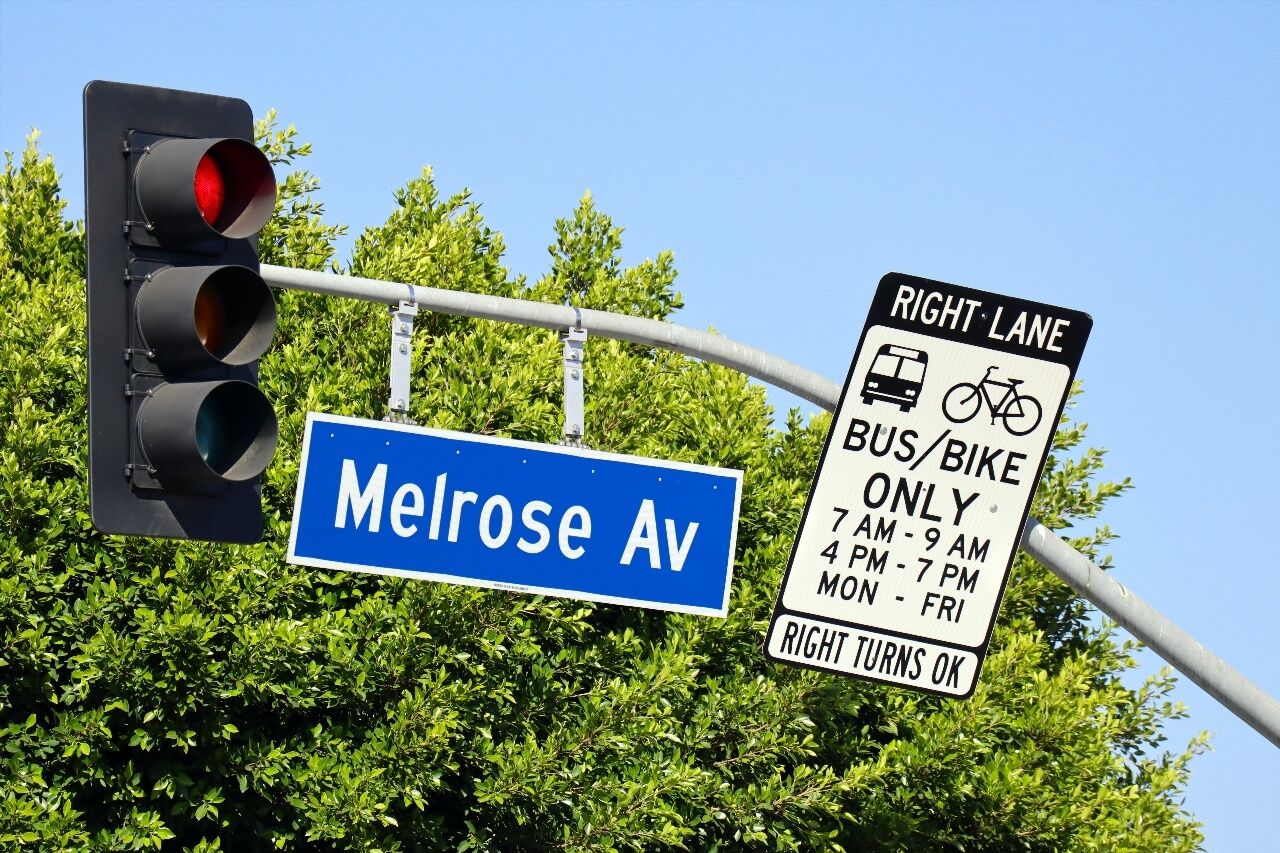
Melrose Avenue (Melrose Ave, Los Angeles, CA 90046, rated 4.4/5 on Google (12K avis)) between Fairfax and La Brea has functioned as one of LA's street-art corridors for years, but the density of commissioned and semi-permanent murals has increased sharply since 2018. The stretch around the Paul Smith pink wall draws a line of photographers on any given afternoon.
The murals are the attraction, but the stores are worth the walk too. Wasteland, Decades, and a handful of independent vintage shops make Melrose one of the better secondhand shopping streets in the city. Bring a tote bag.
16. Visit LACMA
The Los Angeles County Museum of Art is the largest art museum in the western United States, with a permanent collection of over 150,000 works spanning 6,000 years of human history. The campus on Wilshire Boulevard is undergoing a major renovation, the new building by Swiss architect Peter Zumthor has been under construction for several years, but the existing pavilions remain fully open and the collection is substantially on view.
The museum's outdoor icon, Chris Burden's « Urban Light » installation, 202 restored cast-iron streetlamps arranged in a grid, is free to visit at any hour and has become one of the most photographed spots in the city. It's particularly striking at dusk when the lamps begin to glow.
Inside, the depth of the collection rewards spending time in less-trafficked rooms. The South and Southeast Asian Art galleries house one of the most important collections of the type outside Asia. The Art of the Ancient Americas section is similarly undervisited and substantive. General admission is $25 for adults; LA County residents pay the same, but there are free admission days on the second Tuesday of each month.
The Pavilion for Japanese Art is a separate building designed by Bruce Goff specifically to display the collection in natural light, if you have any interest in Japanese art, screens, or architectural oddity, this building alone justifies the entrance fee.
Park in the underground lot beneath the museum ($16 with validation) or take the Metro Red Line to the Wilshire/Western station and walk four blocks west.
17. Eat Your Way Through Grand Central Market
Grand Central Market (317 S Broadway, Los Angeles, CA 90013, rated 4.5/5 on Google (36 588 avis)) has operated continuously since 1917 in a historic Broadway building in downtown LA, making it one of the oldest public markets in California. What began as a produce market has evolved into a food hall with around 40 vendors, covering a range of cuisines that reads as a cross-section of Los Angeles itself.
Egg Slut (the original location) generates the longest lines, but Sarita's Pupuseria (the oldest remaining vendor, run by the same family for over 40 years), Wexler's Deli, and Golden Road Brewing are all worth your time. The market is open daily and most vendors run from 8 a.m. to 9 p.m.
The building's original Angels Flight sign is visible on the outer wall, a reminder that the funicular railway once dropped passengers directly at the market's door. From the market, walk one block south to reach Angels Flight's current terminus.
18. Hike Runyon Canyon
Runyon Canyon Park (2000 N Fuller Ave, Los Angeles, CA 90046, rated 4.8/5 on Google (5 626 avis)) sits in the Hollywood Hills, about eight minutes' walk from the Hollywood & Highland Metro station. The park covers 160 acres and has two main loops: the easy lower trail (about a mile, paved in sections) and the steeper upper trail that climbs to Upper Runyon Canyon for a panoramic view of the city from the San Fernando Valley to the Pacific.
Runyon is one of LA's most reliably populated outdoor spaces. Off-leash dogs are permitted on the upper trail, and the people-watching is as much of an attraction as the scenery. Go early morning on weekdays for the most peaceful version of the experience. The canyon is free to enter and open daily from sunrise to sunset.
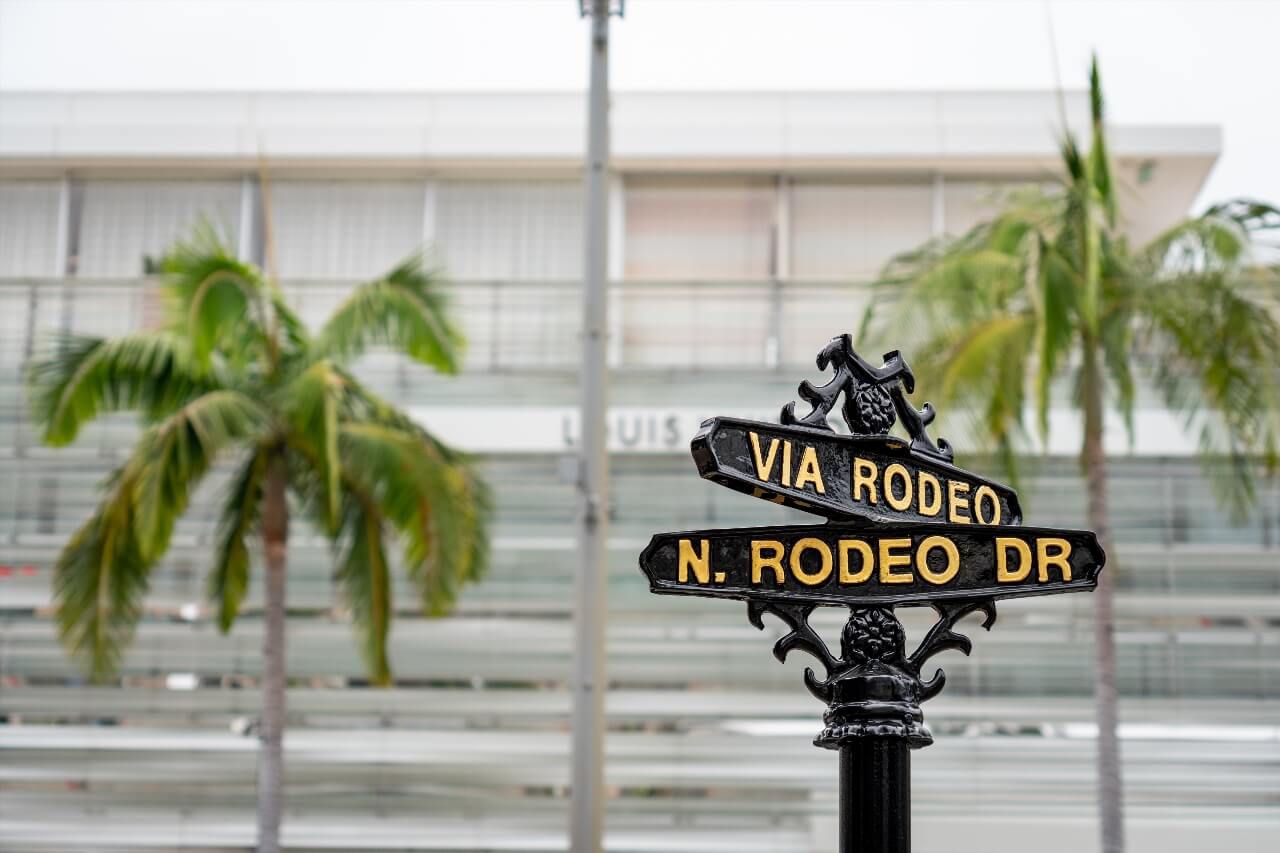
19. Explore Rodeo Drive
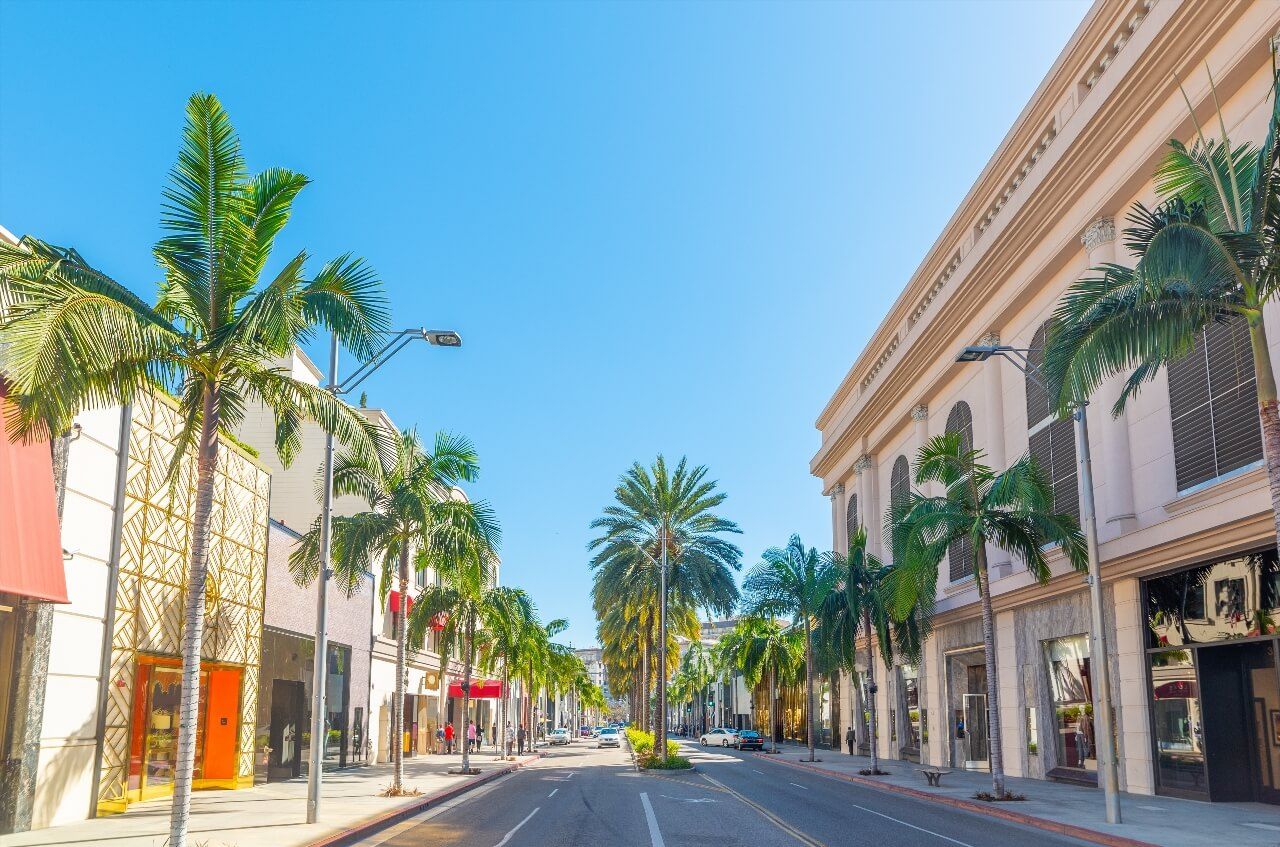
Rodeo Drive (Rodeo Dr, Beverly Hills, CA 90210, rated 4.7/5 on Google (2 128 avis)) in Beverly Hills covers just three blocks between Wilshire and Santa Monica boulevards, but those three blocks contain perhaps the highest concentration of luxury retail per square foot anywhere in the United States. Chanel, Hermès, Louis Vuitton, Cartier, Bvlgari, and Valentino anchor the main strip.
You don't need to spend money to enjoy it. The architecture alone, a mixture of European pastiche and California modernism, makes for a solid hour of walking. The Two Rodeo Drive complex at the corner of Wilshire looks like a small European street dropped into Beverly Hills, designed deliberately to evoke Cannes. There's nowhere in LA that so thoroughly commits to a fantasy version of somewhere else.
20. Catch a Show at the Hollywood Bowl
The Hollywood Bowl (2301 N Highland Ave, Los Angeles, CA 90068, rated 4.7/5 on Google (17 490 avis)) has operated as an outdoor amphitheater since 1922 and is one of the largest natural amphitheaters in the world. Seating capacity is around 17,500, and the season runs from June through September, predominantly classical music by the LA Philharmonic, but also jazz nights, pop acts, and film screenings with live orchestral accompaniment.
The logistics here are half the experience. Picnicking is not just permitted but actively encouraged: you can bring wine, cheese, and a full spread into the venue. Box seats (the closer, pricier sections) have a table surface; benches in the back require you to balance things on your lap. The Bowl's own restaurant opens for dinner before shows if you'd rather not pack your own food.
Ticket prices range from $1 (literally, the back benches for some classical performances) to $300+ for box seats at major pop events. The LA Phil's classical program is where the best value lies: reasonable prices, world-class musicianship, and the particular pleasure of hearing Mahler or Beethoven while the sun sets over the Hollywood Hills.
Parking at the Bowl is organized and plentiful, but the post-show exit can be slow. Arriving by shuttle from the Hollywood & Highland Metro station is the smarter choice for evening shows, the shuttle runs frequently and drops you directly at the gate.
21. Visit the Museum of Tolerance
The Museum of Tolerance (9786 W Pico Blvd, Los Angeles, CA 90035, rated 4.6/5 on Google (2 116 avis)) in West Los Angeles opened in 1993 and was developed by the Simon Wiesenthal Center. Its permanent exhibition addresses the history of the Holocaust and the civil rights movement in America, using first-person testimony, archival material, and immersive installations rather than static display cases.
Admission is $17.50 for adults. Visits are timed and guided, you move through the exhibition in a group, which helps calibrate the pace in sections that can be emotionally dense. Plan for two to three hours. The museum is not recommended for children under 10; for older children and teenagers, it's consistently rated one of the most significant educational experiences available in the city.
The museum recently expanded its digital archives section, which contains over 40 million pages of declassified documents and personal testimonies.
22. Discover Olvera Street
Olvera Street (Olvera St, Los Angeles, CA 90012, rated 4.6/5 on Google (32 avis)) in the center of El Pueblo de Los Ángeles Historic Monument is where the city began. The Avila Adobe, built in 1818, is the oldest surviving building in Los Angeles, and the block around it has been preserved as a Mexican marketplace since 1930.
The street functions as a kind of living museum: stalls sell handmade crafts, mariachi bands play on weekends, and the restaurants have been operating in family hands for generations. La Golondrina claims the distinction of being the oldest restaurant in Los Angeles. It's touristy, yes, but it's also genuinely old, and the adobe buildings and brick paving create a physical texture the rest of downtown entirely lacks.
Union Station, a 1939 Spanish Colonial Revival building considered one of the last great American railroad stations, is a three-minute walk from Olvera Street and worth twenty minutes of your time in its own right. This is the kind of layered, walkable history that a Ryocity-style self-guided audio tour brings to life best, queue up a narrated walk and the adobe walls suddenly have voices attached.
23. Take the Angels Flight Railway
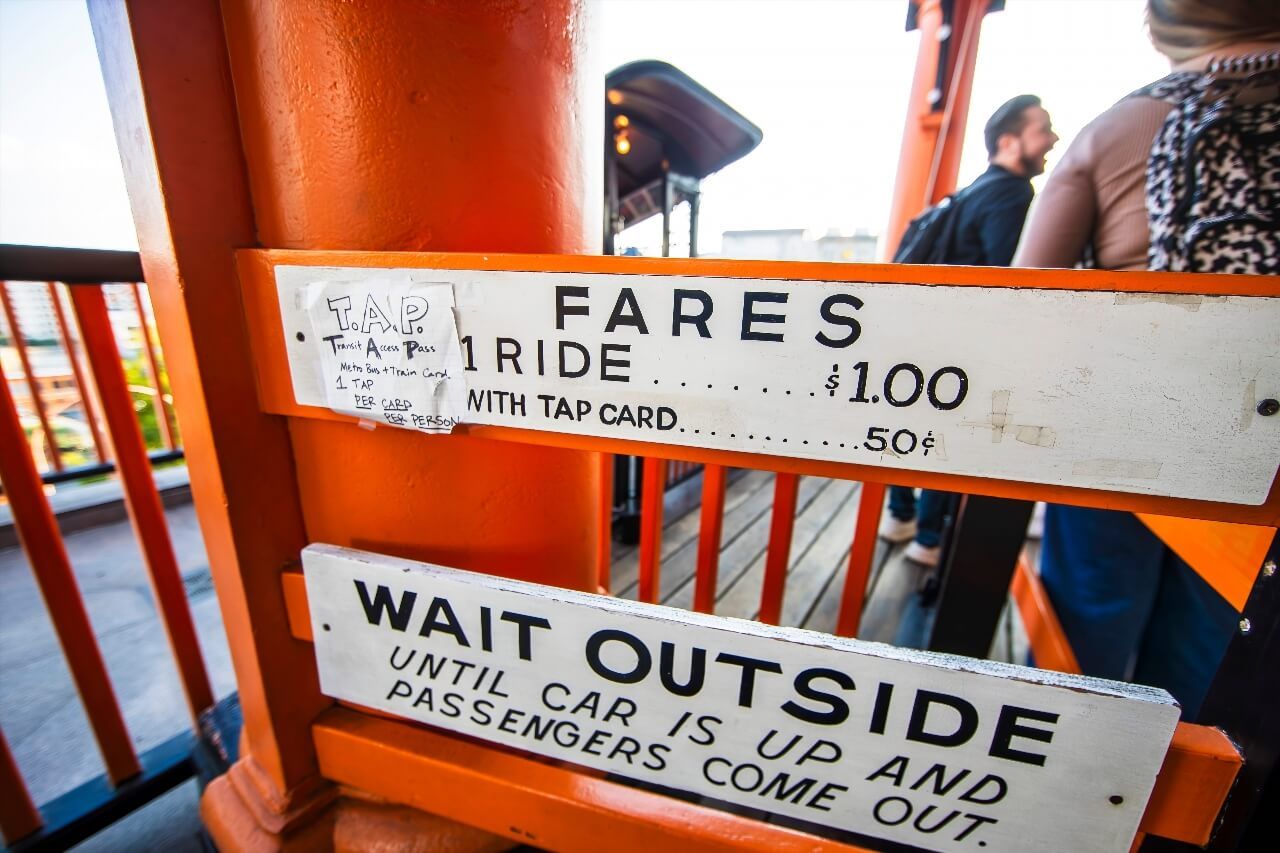
Angels Flight Railway (350 S Grand Ave, Los Angeles, CA 90071, rated 4.3/5 on Google (69 avis)) is a two-car funicular that runs 298 feet up Bunker Hill in downtown Los Angeles. Built originally in 1901, it has been rebuilt, relocated, and reopened multiple times, the current incarnation opened in 1996, and holds the distinction of being the shortest railway in the world.
The ride costs $1 each way and takes about 90 seconds. It connects Grand Central Market at the lower end to the top of Bunker Hill, where the Grand Park and the museum district begin. In terms of experience-per-dollar, this is one of the most efficient and quietly fun things to do in Los Angeles.
24. Explore the Hammer Museum
The Hammer Museum (10899 Wilshire Blvd, Los Angeles, CA 90024, rated 4.5/5 on Google (2 112 avis)) in Westwood is operated by UCLA and has been free to the public since 2018. Its focus is contemporary and modern art, with an emphasis on underrepresented artists and experimental exhibitions that wouldn't easily find space in a larger institution.
The permanent collection is modest, but the rotating exhibitions punch above their weight. The biennial « Made in L.A. » is one of the better surveys of Southern California art practice available, and the outdoor courtyard café is one of the more pleasant places in Westwood to spend a slow afternoon. Free, open Tuesday through Sunday.
25. Visit Descanso Gardens
Descanso Gardens (1418 Descanso Dr, La Cañada Flintridge, CA 91011, rated 4.7/5 on Google (10 515 avis)) in La Cañada Flintridge covers 150 acres in the foothills above Pasadena and operates as both a botanical garden and a significant conservation site. The California native plant section covers several acres and provides one of the most thorough introductions to the state's flora available anywhere in the LA area.
The camellia forest, planted on land that was once an oak woodland, contains over 600 camellia varieties and peaks in February and March. The Japanese garden and the rose collection (over 1,500 rose plants) cover different seasons, meaning the garden is worth visiting at almost any point in the year.
Admission is $12 for adults. The café on site serves decent food, and the gift shop is genuinely good for plant-oriented souvenirs. Allow two hours minimum, the scale of the gardens is larger than the entrance area suggests.
26. Take a Stars' Homes Tour
The celebrity home tour is one of LA's most enduring tourism formats and, done right, one of its more entertaining ones. Multiple operators run two-hour minibus tours through Beverly Hills, Bel-Air, and Holmby Hills, pointing out the gates, hedges, and driveways of current and former celebrity residents.
The appeal isn't the actual houses (which are mostly invisible behind walls) but the running commentary: stories about feuds, sales histories, architectural choices, and the occasional on-the-record anecdote from someone who once met the resident at a charity event. Tours run throughout the day and cost around $40 : 50 per person.
For a more low-key but still fun version, the Beverly Hills Public Library distributes a free map of historically significant homes. This covers less celebrity gossip but more architectural history, including several Paul Williams designs, Williams was a Black architect who designed dozens of landmark Beverly Hills properties in the mid-20th century despite not being permitted to buy a home in the neighborhoods where he worked.
27. Explore Manhattan Beach
Manhattan Beach sits about 20 miles south of downtown, just past LAX, and operates on a different frequency than the Santa Monica : Venice stretch. The town is quieter, the pier is smaller, and the sand is notably cleaner. The main strip of Manhattan Beach Boulevard running from Pacific Coast Highway to the pier has independent restaurants and cafés that feel genuinely local rather than tourist-facing.
The Manhattan Beach Open volleyball tournament, held every August since 1960, is one of the oldest and most prestigious beach volleyball events in the world. Outside of that window, the nets stay up and pickup games run continuously on the sand closest to the pier.
If you're going to commit to one LA beach beyond Santa Monica and Venice, Manhattan Beach is the right choice for most travelers: accessible by Metro (the C Line stops nearby), walkable, and substantially less chaotic.
28. Visit the Huntington Library and Gardens
The Huntington Library, Art Museum, and Botanical Gardens (1151 Oxford Rd, San Marino, CA 91108, rated 4.8/5 on Google (8 131 avis)) in San Marino is one of the most underappreciated cultural institutions in the country, and consistently so, because most Los Angeles visitors never make it to the 600-acre estate east of Pasadena.
Henry Huntington assembled his estate starting in 1903. The library now holds over 11 million items, including a Gutenberg Bible (one of the best-preserved copies in existence), a first folio of Shakespeare, and Thomas Gainsborough's « The Blue Boy », returned from exhibition in 2022 with new contextual framing that makes the painting's history considerably more interesting than it appeared when it was just a famous face on the wall.
The botanical gardens are what most regular visitors come for. Fifteen distinct garden areas cover the estate: the Desert Garden (one of the largest collections of mature cacti and succulents in the world), the Japanese Garden with its authentic tea house, a Chinese Garden built in collaboration with the city of Suzhou, and the Rose Garden with over 1,200 rose cultivars. The scale is disorienting in the best way, you can spend a full day here and still feel like you missed something.
Admission is $29 for adults on weekdays, $33 on weekends. Timed-entry tickets are required and book out several weeks in advance for spring weekends. The café and the tea room are both excellent; the tea room requires reservations.
29. Discover Koreatown's Food Scene
Koreatown (W Olympic Blvd, Los Angeles, CA 90006, rated 4.4/5 on Google (5K avis)) covers roughly four square miles west of downtown and contains one of the highest concentrations of restaurants per block in the city. This is not a tourist version of Korean food, it's a working neighborhood of approximately 120,000 people, and the restaurant culture reflects that.
The format most worth experiencing is Korean barbecue: you sit at a table with a built-in grill, order cuts of marinated pork belly, beef short rib (galbi), and thinly sliced brisket, and cook them yourself over charcoal. Park's BBQ on Vermont is the most frequently cited destination; Quarters Korean BBQ has the longest hours if you're arriving late. Both are worth the wait.
Beyond barbecue, Koreatown has strong options for Korean fried chicken (Kyochon is the reliable chain; Pelicana is the local alternative), cold noodles in summer, and a late-night tteokbokki and pajeon culture that runs well past midnight on weekends. The neighborhood also has a full nightlife strip around 6th Street that extends from 9 p.m. onward.
30. Watch a Taping of a Live TV Show
Los Angeles is the only city in the world where you can watch a comedy or talk show being filmed in real time, and where a significant percentage of those tapings are free to attend. TV Tickets and Audiences Unlimited distribute free tickets to active tapings for shows that are actively shooting, covering everything from game shows to sitcoms to late-night programs.
The experience is worth doing once for the production education alone: you'll see how long it actually takes to film a scene, what a studio audience coordinator does, how lighting and camera blocking work at speed, and why television comedy sounds different when you're in the room versus watching at home. Shows currently taping in 2026 include multiple game shows at CBS Television City (7800 Beverly Blvd, Los Angeles, CA 90036, rated 4.5/5 on Google (1 152 avis)) on Beverly Boulevard and late-night programs at studios in Burbank and Hollywood.
Book tickets 2 : 4 weeks in advance for the most popular shows. Standby lines exist but are unreliable for primetime tapings. Dress code is typically « smart casual », no logos, no shorts, no open-toed shoes, though requirements vary by production.
FAQ
What is the best time of year to visit Los Angeles?
Los Angeles has mild weather year-round, but the best months for outdoor activities are April through June and September through November. Summer (July : August) is hot inland, and the coast can be foggy in the morning, a phenomenon locals call « June Gloom » that often extends into early July. Winter is mild and mostly dry, with the added benefit of significantly fewer crowds at major attractions.
How do you get around Los Angeles without a car?
The Metro system covers far more of the city than most visitors realize. The A Line connects downtown to Santa Monica; the B/D Lines run through Hollywood and into the Valley; the E Line connects downtown to Culver City. For areas not well served by rail, the DASH shuttle buses cover tourist corridors like Griffith Park and the museum strip on Wilshire. Ride-share is practical for shorter trips between neighborhoods. Renting a car remains the most flexible option if you plan to cover outlying areas like San Marino, Malibu, or the South Bay.
Is Los Angeles expensive to visit?
It depends entirely on how you approach it. A significant number of the best things to do in the city are free: Griffith Observatory, the Getty Center, the Broad, the Hammer Museum, the walk along Venice Boardwalk, Runyon Canyon, and Griffith Park itself. Paid attractions like Universal Studios or the Huntington can add up quickly. Food ranges from affordable tacos at a Koreatown street stall to expensive tasting menus in West Hollywood. A mid-range daily budget of $100 : 150 per person (excluding accommodation) covers most activities with some left over.
What neighborhoods are best for first-time visitors?
Santa Monica and Venice Beach are the easiest entry points for first-timers: walkable, close to the coast, and well-connected by Metro. Hollywood is central and within range of Griffith Park and the observatory. Downtown LA puts you near Grand Central Market, the Arts District, Olvera Street, and the museums of Bunker Hill. Each of these functions as a base with its own character; most visitors do best picking one and committing to it rather than bouncing between neighborhoods daily.
Are there good day trips from Los Angeles?
Several. Santa Barbara is 90 miles north (about 2 hours by Amtrak Pacific Surfliner) and makes a very workable day trip combining beaches, a historic State Street, and the Santa Barbara Mission. Joshua Tree National Park is about 2.5 hours east and most rewarding in spring (wildflowers) or fall (bearable temperatures). San Diego is 2 hours south by car and a full-day commitment. Closer in, Malibu Creek State Park is 45 minutes from Hollywood and offers proper hiking in the Santa Monica Mountains.
Is it safe to travel around Los Angeles?
Los Angeles is a large city with the range of conditions that implies. The tourist-facing areas, Hollywood Boulevard, Santa Monica, Beverly Hills, Silver Lake, the Arts District, Koreatown, are all navigable with normal urban awareness. Skid Row, immediately east of Grand Central Market, is a concentrated area of homelessness and is better skirted than walked through, particularly at night. The Metro is safe during daytime hours; late-night subway travel is fine on the main lines but worth approaching with the same judgment you'd apply in any major city. Overall, visitors who stay in the main neighborhoods and apply ordinary common sense encounter no significant safety issues.
Los Angeles rewards the visitor who builds in slack time
The city's defining quality is scale, and scale requires a different kind of planning than a compact European city does. The 30 experiences above would take at least two weeks to cover at a reasonable pace. Pick your anchors (the Getty, Universal, the Hollywood Bowl, a beach), fill the rest with whatever speaks to your interests, and accept that you'll leave with a list for next time.
Ryo's audio-guided city experiences are available for dozens of destinations worldwide. If you're using Los Angeles as a jumping-off point for exploring further, whether that means a Ryo Ryocity tour in Europe before or after your trip, or using the Ryo app to discover lesser-known neighborhoods through narrative audio, the platform is designed exactly for the kind of self-directed travel that LA rewards.