
Créé par Emilie, le 14 mai 2026
Votre guide Ryo
© Shutterstock
There are plenty of things to do in Philadelphia, yet most visitors still see only a fraction of what the city offers. This is where the United States declared independence, where Rocky Balboa sprinted up 72 steps, and where a 2 a.m. cheesesteak counter still feels like a civic institution. Beneath the patriotic monuments and the Philly food clichés sits a city with world-class museums, a mural arts program covering over 4,000 walls, a neighborhood of Victorian boathouses lit at night like a film set, and one of the strangest medical museums in North America. If you want to explore the historic core on foot with expert audio storytelling, Ryo's Philadelphia audio guide walks you through the layers of the city at your own pace.
This guide covers 25 things to do in Philadelphia that go beyond the obvious: the Liberty Bell, yes, but also a prison where Al Capone once did time, a market that has operated continuously since 1893, a collection of 181 Renoirs assembled by a single eccentric millionaire, and an outdoor festival space floating on the Delaware River every summer. Whether you have a weekend or a full week, Philadelphia gives you something specific to remember at every turn.
1. Ring In History at the Liberty Bell Center
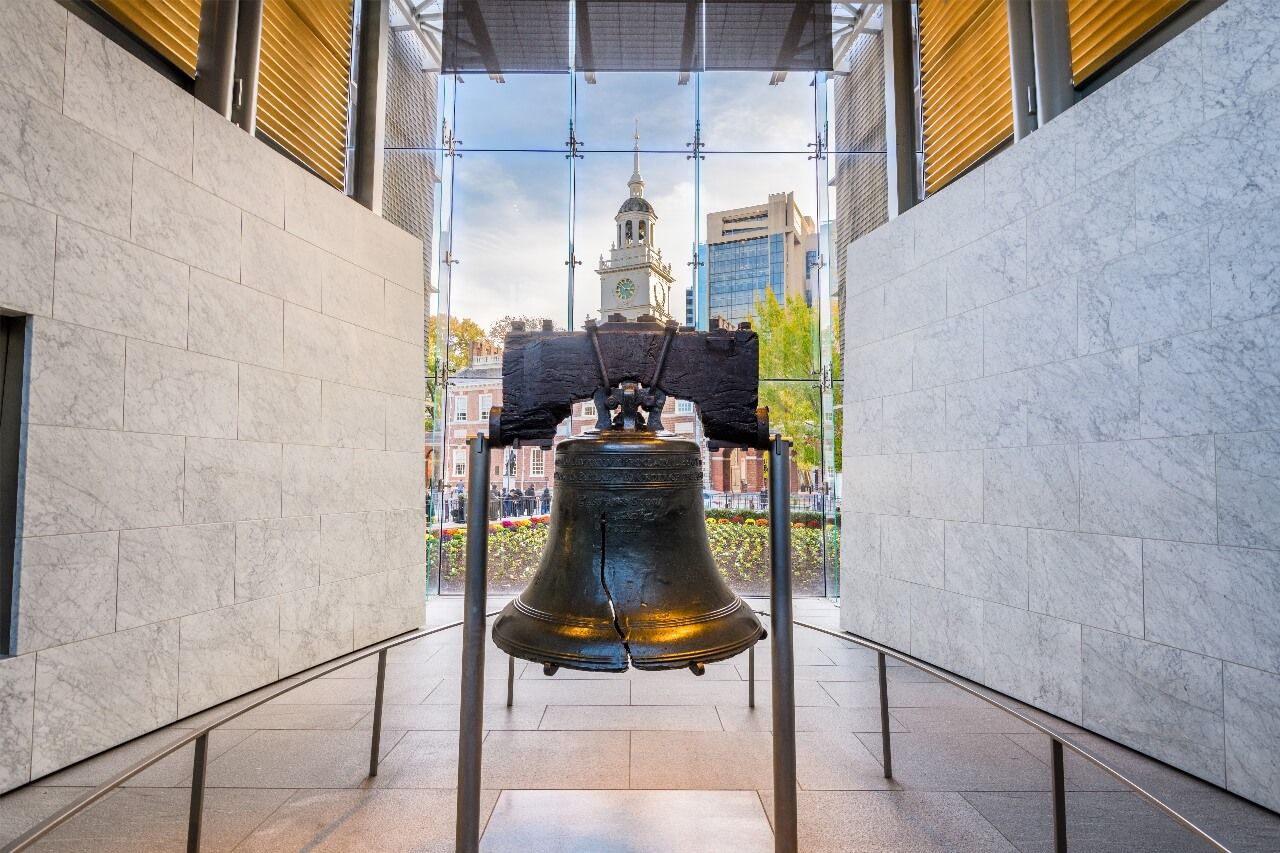
The Liberty Bell (526 Market St, Philadelphia PA 19106, rated 4.6/5 on Google (23 354 avis)) is the single most recognized symbol of American freedom, and seeing it in person is a different experience than any photograph suggests. The crack running from the bell's waist to its crown is wider than most people expect, almost three centimeters across, the result of a second, catastrophic ringing attempt in 1846. The bell itself weighs 2,080 pounds and was cast in London in 1752, though Philadelphia founders recast it twice after its original version cracked on the very first test ring.
Entry is free, but timed-entry passes are recommended during summer months when queues stretch around the block. The glass-walled center was deliberately designed so that the bell faces Independence Hall, the building where it once hung, creating a symbolic line of sight across Market Street. Plan 30 to 45 minutes here; the interpretive panels tracing the bell's journey from colonial icon to abolitionist symbol to civil rights emblem are worth reading in full.
2. Step Inside Independence Hall
If one building changed the world, Independence Hall (520 Chestnut St, Philadelphia PA 19106, rated 4.7/5 on Google (7 784 avis)) is a strong candidate. This is where the Declaration of Independence was adopted in July 1776 and where the U.S. Constitution was drafted in 1787. Standing in the Assembly Room, the actual chamber where delegates debated, argued, and eventually signed both documents, gives you a quiet sense of historical weight that few sites manage to deliver.
Free timed-entry tickets are required from March through December and sell out days in advance; book online through the National Park Service. Tours last approximately 35 minutes and are led by rangers who bring the 18th-century debates to life with sharp anecdotes, the story of Benjamin Franklin's closing speech, for instance, or the fact that the summer heat of 1787 forced delegates to keep windows shut against flies, making the drafting of the Constitution a physically grueling ordeal.
The hall is part of Independence National Historical Park, which also includes Carpenters' Hall, Congress Hall, and the First Bank of the United States. Budget at least half a day for the full block. The surrounding area, cobblestone streets, red-brick Georgian buildings, the quiet of Independence Mall, is Philadelphia at its most photogenic, and early morning visits before the tour groups arrive feel almost meditative. If you want context for each building, Ryo's Philadelphia audio guide ties the addresses together with the political drama that played out inside each one.
3. Lose an Afternoon at Reading Terminal Market
Open since 1893, Reading Terminal Market (51 N 12th St, Philadelphia PA 19107, rated 4.7/5 on Google (45 690 avis)) is not merely a food hall, it is a living document of Philadelphia's immigrant history and its ongoing appetite for good eating. More than 80 vendors operate under the vast iron-and-glass train shed that once sheltered the Reading Railroad's locomotives. Amish farmers from Lancaster County set up stalls Wednesday through Saturday, selling fresh scrapple, shoofly pie, and soft pretzels the size of dinner plates. A few stalls over, DiNic's roast pork sandwich has been named the best sandwich in America by the Travel Channel.
The diversity here is genuine rather than curated. You can move from a Vietnamese banh mi counter to a Greek gyro stand to a Jewish deli selling hand-sliced lox within about thirty feet. Weekend mornings are the busiest, arrive before 10 a.m. or after 2 p.m. to avoid the worst crowds at the hot-food counters. The market is open seven days a week, and Bassetts Ice Cream, signed on as the market's first tenant in 1892 and founded back in 1861, is the mandatory final stop regardless of the season.
For travelers, Reading Terminal Market is also a practical resource: it's steps from the Pennsylvania Convention Center and City Hall station, which makes it a logical first or last stop on any day in Center City.
4. Climb the Steps of the Philadelphia Museum of Art
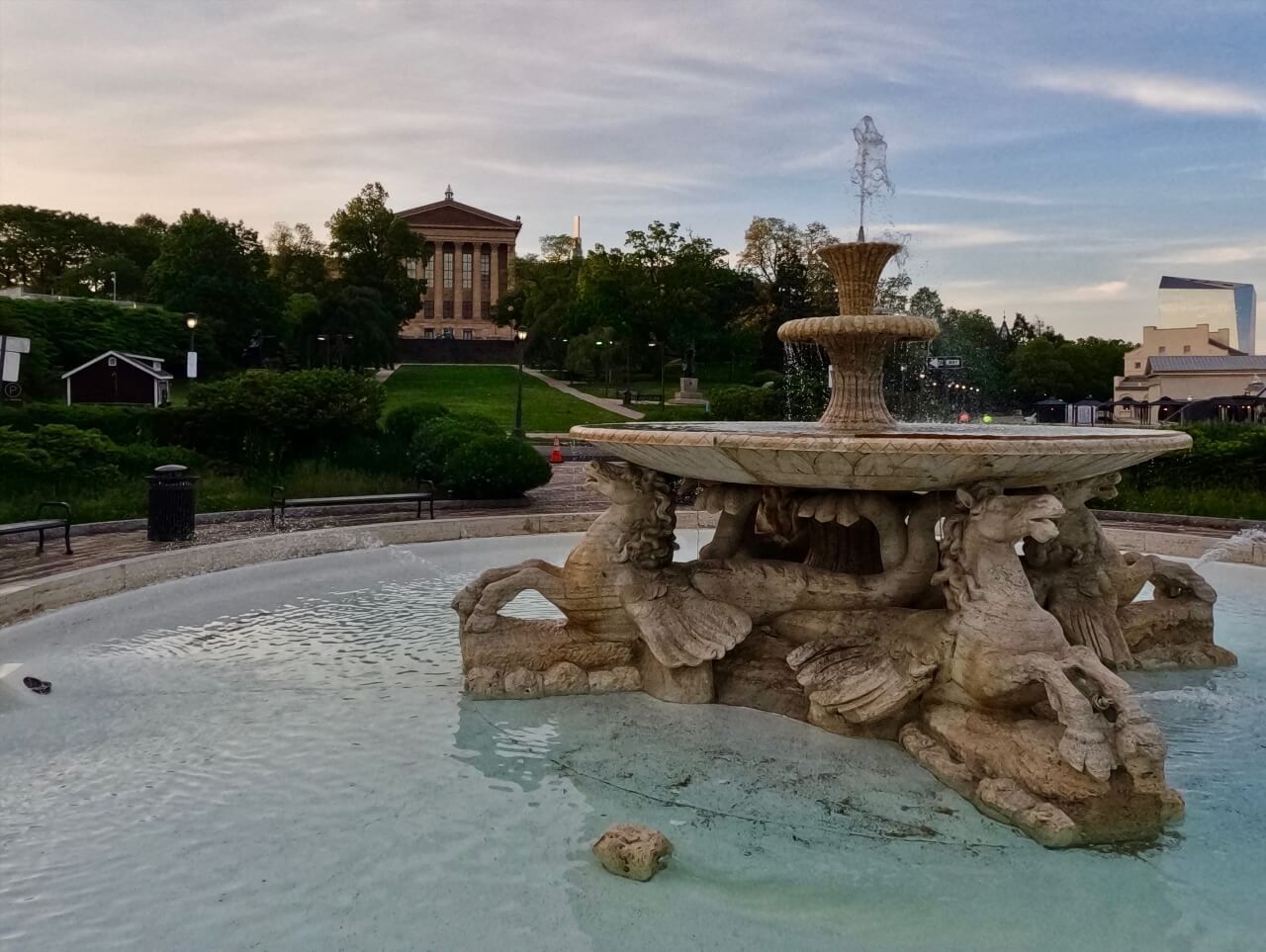
The Philadelphia Museum of Art (2600 Benjamin Franklin Pkwy, Philadelphia PA 19130, rated 4.8/5 on Google (23 045 avis)) sits at the top of the Benjamin Franklin Parkway like a Greek temple dropped into a Pennsylvania hillside, and its 72 steps have been climbed by millions of visitors who want to recreate the famous scene from Rocky. The steps are worth running, but the collection inside is the real reason to spend three to four hours here.
The permanent collection spans 240,000 objects across 200 galleries: medieval armor, Japanese tea houses, entire French Renaissance rooms transplanted stone by stone, Impressionist masterpieces, and a particularly strong collection of works by Marcel Duchamp. Philadelphia holds the largest Duchamp collection in the world, including his final, large-scale installation Étant donnés, visible only through two peepholes in a wooden door, an installation that catches most first-time visitors completely off guard.
General admission is $30 for adults, with pay-what-you-wish admission on the first Sunday of each month. The museum's Perelman Building across the street focuses on contemporary design, fashion, and works on paper, and is included with the main admission ticket. Allow time to sit on the steps at sunset when the Parkway lights up and the fountain below catches the evening light, one of Philadelphia's finest free views.
5. Explore Eastern State Penitentiary
Few places in Philadelphia combine architecture, history, and unease quite like Eastern State Penitentiary (2027 Fairmount Ave, Philadelphia PA 19130, rated 4.7/5 on Google (2 298 avis)). When it opened in 1829, it was the most expensive building ever constructed in the United States and a model exported to prisons across Europe and beyond. Its radical design, a hub-and-spoke layout where guards could see down every cellblock from a central rotunda, was meant to induce silent contemplation in its inmates. Instead, the isolation drove many of them to madness.
Al Capone was imprisoned here in 1929 and 1930, and his cell, furnished with oriental rugs, a wooden writing desk, and framed photographs, is preserved and open to view. By the time the prison closed in 1971, it held over 1,700 inmates in a facility designed for 250. Today, the crumbling cellblocks, vaulted ceilings, and peeling paint make it one of the most atmospheric historic sites in the country. Self-guided audio tours run daily, and the nighttime Halloween Terror Behind the Walls event (September through November) is one of the most popular seasonal events in the entire region.
Admission is $21 online or $23 at the door for adults. The combination of real history, architectural grandeur, and theatrical decay makes Eastern State a must-visit, and one that often surprises visitors who think they're not interested in prison history.
6. Walk Elfreth's Alley and Old City
Elfreth's Alley (124 Elfreth's Alley, Philadelphia PA 19106, rated 4.6/5 on Google (8K reviews)) holds the title of the oldest continuously inhabited residential street in the United States, with 33 houses dating from 1703 to 1836. The cobblestone lane is barely wide enough for two people to pass comfortably, and the Georgian and Federal-style row houses on either side have been home to craftspeople, merchants, and tradespeople for over 300 years. Two houses at the center of the alley are open as a small museum.
Elfreth's Alley is the anchor of Old City, Philadelphia's densest concentration of colonial-era buildings, but the neighborhood has evolved far beyond its historic core. Today it's packed with contemporary art galleries, independent restaurants, and cocktail bars occupying repurposed warehouses. First Fridays bring hundreds of gallery-goers to the neighborhood on the first Friday of every month, when most galleries stay open until 9 p.m. The combination of 18th-century streetscapes and a working creative scene makes Old City one of the most enjoyable neighborhoods to simply wander.
7. Get Lost in Philadelphia's Magic Gardens
Philadelphia's Magic Gardens (1020 South St, Philadelphia PA 19147, rated 4.6/5 on Google (5 620 avis)) is the life's work of mosaic artist Isaiah Zagar, who spent decades covering a series of lots and building facades along South Street with an obsessive, encyclopedic mosaic universe of tile fragments, bicycle wheels, bottles, mirrors, and found objects. The result is a half-acre labyrinth that is at once a folk art installation, a memoir, and one of the most visually overwhelming spaces in any American city.
The indoor galleries display Zagar's smaller works and explain the history of the project, including his legal battle to keep the outdoor installation after a landlord dispute threatened to demolish it. Admission is $15 for adults. Budget 45 to 60 minutes, and bring a phone with a full battery: every surface here rewards a slow look, and the light changes the colors dramatically depending on the time of day.
8. Explore 10,000 Years of History at the Penn Museum
The Penn Museum (3260 South St, Philadelphia PA 19104, rated 4.7/5 on Google (2 876 avis)) (University of Pennsylvania Museum of Archaeology and Anthropology) holds one of the world's great archaeological collections, and remains one of Philadelphia's most under-visited major attractions. The museum's galleries span ancient Egypt, Mesopotamia, the Maya, ancient Greece, China, and the Americas, with artifacts gathered through nearly 150 years of university-led excavations.
The highlight for many visitors is the Egyptian collection, anchored by the 12.5-ton Sphinx of Ramses II, the largest sphinx in the Western Hemisphere, and a burial chamber transported intact from Giza. The Mesopotamia gallery houses artifacts from ancient Ur, excavated by the museum's own teams in the 1920s and 30s, including jewelry from the Royal Cemetery and cuneiform tablets that predate the Bible by more than a millennium. A major new Egypt Galleries: Life and Afterlife wing is scheduled to open December 2026, with hundreds of additional objects on display. Admission is $20 for adults. The museum's café overlooks a pleasant courtyard, and the gift shop stocks some of the best archaeology-related books in the city.
9. Spend a Morning with 181 Renoirs at the Barnes Foundation
Albert C. Barnes was a Philadelphia doctor who made a fortune selling an antiseptic and spent it buying Impressionist and Post-Impressionist paintings at a time when most American collectors still thought French modernism was a joke. By his death in 1951, he had assembled 181 Renoirs, 69 Cézannes, 59 Matisses, and 46 Picassos, along with ironwork, furniture, and decorative objects, in an arrangement of his own devising that has never been rearranged since his death.
The Barnes Foundation (2025 Benjamin Franklin Pkwy, Philadelphia PA 19130, rated 4.7/5 on Google (4 566 avis)) moved from its original Merion, Pennsylvania location to the Benjamin Franklin Parkway in 2012, and the new building replicates the gallery rooms of the original almost exactly, same lighting, same wall color, same placement of every painting and object. Barnes's arrangements are deliberately unconventional: he hung works by subject and form rather than chronology or artist, juxtaposing Matisse cutouts with Pennsylvania Dutch ironwork and African sculpture with Cézanne still lifes. It reads as eccentric until you start to see the visual arguments he was making.
Admission is $30 for adults, timed reservations required, with free entry on the first Sunday of each month. Allow two hours minimum, the collection is dense and the rooms are small. The café on the ground floor is excellent. If you only visit one art museum in Philadelphia, make it this one.
For a deeper dive into Philadelphia's cultural corridor, the Ryo Philadelphia Ryocity audio guide covers the Parkway's major institutions with commentary that contextualizes each building and its collection.
10. Shop and Eat Through the Italian Market
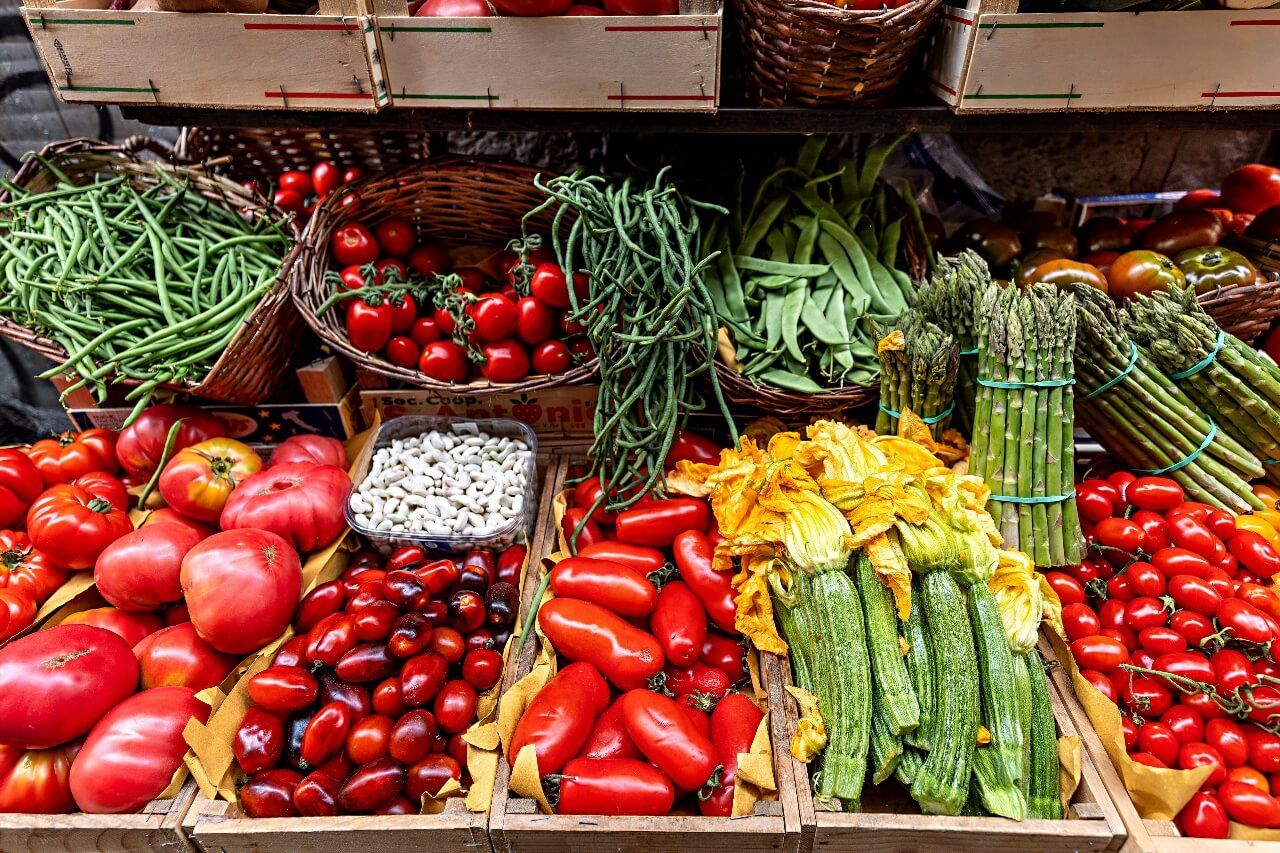
The Italian Market (900 S 9th St, Philadelphia PA 19147, rated 4.6/5 on Google (1 618 avis)) on 9th Street is the oldest and largest working outdoor market in the United States, a half-mile stretch of produce stands, butcher shops, cheese importers, and specialty food stores that has served South Philadelphia since the late 19th century. The market traces its roots to Italian immigrants who settled in the neighborhood beginning in the 1880s; today it reflects the newer immigrant communities, Mexican, Vietnamese, and Central American, who have moved into South Philly over the past three decades.
Di Bruno Bros. has been selling imported cheeses and cured meats here since 1939. Nearby, Fante's Kitchen Shop, a cookware store operating since 1906, stocks equipment for every culinary tradition imaginable. Weekend mornings are best for the full market experience, when awnings go up over the outdoor stalls and the sidewalks fill with regulars doing their weekly shopping. The neighborhood around the market has some of the best and most affordable dining in the city: a plate of pasta at a South Philly red-gravy restaurant, eaten at 6 p.m. with a carafe of house wine, is one of the city's quiet pleasures.
11. Spend a Day in Fairmount Park
Fairmount Park (Fairmount Park, Philadelphia PA 19130, rated 4.7/5 on Google (10K reviews)) is one of the largest urban park systems in the world, covering over 2,000 acres along both banks of the Schuylkill River and extending into Wissahickon Valley Park in the city's northwest. It contains more outdoor sculptures per capita than any other American city, dozens of historic mansions open for tours, miles of walking and cycling trails, and several major cultural institutions including the Philadelphia Zoo and the Mann Center for the Performing Arts.
The best starting point is Boathouse Row, a line of 15 Victorian boat clubs on the east bank of the Schuylkill just below the art museum. The boathouses are lit with thousands of lights after dark, creating one of Philadelphia's most romantic and photogenic scenes, a view that appears on postcards but still manages to surprise visitors who see it for the first time. The Schuylkill Banks trail runs along the river for miles and is excellent for cycling or a long walk.
Deeper into the park, Wissahickon Valley offers a completely different Philadelphia: miles of forested trails along a rocky creek, with covered bridges, historic inns, and almost complete silence once you're a few hundred meters from the nearest road. Renting a bike from one of the trail-head stations and spending a few hours in Wissahickon is one of the best ways to understand how a city this dense contains genuine wilderness within its borders.
12. Confront the Strange at the Mütter Museum
The Mütter Museum (19 S 22nd St, Philadelphia PA 19103, rated 4.6/5 on Google (6 494 avis)) at the College of Physicians of Philadelphia is not for everyone, and that is the entire point. Founded in 1858 as a teaching collection for medical students, it holds over 35,000 objects: preserved human specimens, anatomical models, medical instruments, and pathological oddities that range from unsettling to thought-provoking. The collection includes a slice of Albert Einstein's brain, the shared liver of the famous 19th-century conjoined twins Chang and Eng Bunker, a wall of 139 human skulls assembled by Viennese anatomist Joseph Hyrtl, and a 7.5-foot-long human colon removed from a man who died of chronic constipation in the 1890s.
The College of Physicians announced a $27 million expansion in late 2025, with construction set to begin in early 2026: a new glass-walled entrance, larger galleries, and a refreshed approach to consent and historical context for the human remains on display. Throughout construction, the core galleries remain open. Admission is $20 for adults. The museum attracts a broad mix of visitors: medical professionals, students, history enthusiasts, and people who find the human body endlessly compelling.
Philadelphians tend to either love this place intensely or decide firmly that it is not for them. If you have even a passing curiosity about medical history or anatomy, go. The Mütter forces a confrontation with mortality that ends up feeling, oddly, more humane than disturbing.
13. Sit at the Center of the City: Love Park and City Hall
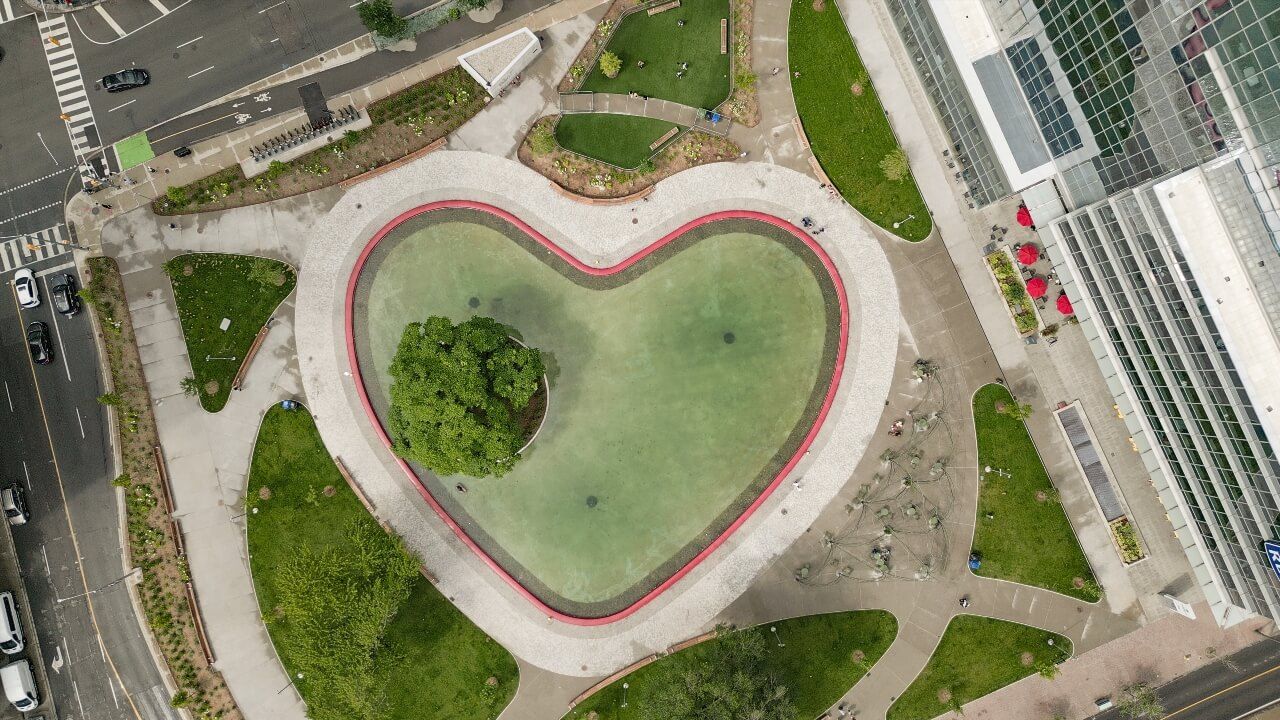
LOVE Park (1599 John F Kennedy Blvd, Philadelphia PA 19102, rated 4.5/5 on Google (15 765 avis)), formally John F. Kennedy Plaza, is the geographic and symbolic heart of Philadelphia, best known for the LOVE sculpture by Robert Indiana that has stood here, in various forms, since 1976. The plaza was redesigned and reopened in 2018 with a fountain, open lawn, and café, and it has become a gathering space rather than just a landmark.
Directly behind it, Philadelphia City Hall is the largest municipal building in the United States and the tallest free-standing masonry building in the world. Construction took 30 years, from 1871 to 1901. A bronze statue of William Penn atop the tower, by sculptor Alexander Milne Calder, reaches 548 feet above street level. Tower tours run daily and the observation deck offers panoramic views of the city and, on clear days, the Delaware River and New Jersey beyond. The ornate French Second Empire architecture rewards close inspection at street level: every surface is carved, and 250 Calder sculptures decorate the building inside and out.
14. Wonder at the Franklin Institute
The Franklin Institute (222 N 20th St, Philadelphia PA 19103, rated 4.6/5 on Google (13 705 avis)) is Philadelphia's flagship science museum and one of the oldest and most respected in the country, founded in 1824. Its permanent collection covers astronomy, aviation, physics, geology, earth science, and the history of technology, and includes a giant walk-through human heart (a full-room installation you walk through as though you are a blood cell) that has been here since 1954 and remains one of the most memorable educational exhibits in any American museum.
The Franklin Theater, a science film venue, and the Fels Planetarium, one of the oldest continuously operating planetariums in the country, are both included with general admission. The Benjamin Franklin National Memorial occupies the building's central rotunda: a 30-ton white marble statue of Franklin seated in a Roman-temple setting, modeled on the Lincoln Memorial. General admission is $29 for adults. Allow three hours, especially if you're visiting with curious kids or with adults who never outgrew their enthusiasm for how things work.
15. Read, Relax, and People-Watch at Rittenhouse Square
Rittenhouse Square (Rittenhouse Square, Philadelphia PA 19103, rated 4.7/5 on Google (11K reviews)) is Philadelphia's most elegant neighborhood park, a four-acre green space in the heart of a dense, upscale residential neighborhood that has been a social gathering point since the late 18th century. The square is lined with high-end restaurants, independent bookstores, and café terraces, and the park itself draws everyone from dog walkers to chess players to office workers eating lunch.
On summer weekends, the square hosts a farmers' market and occasional outdoor concerts. This is a neighborhood worth sitting in rather than just walking through: find a bench, order a coffee from one of the nearby cafés, and watch Philadelphia go about its Saturday. The surrounding streets (particularly Walnut Street west of Broad) offer some of the best independent retail in the city, and the side streets between Rittenhouse and Logan Square are full of small bistros and wine bars worth pausing for.
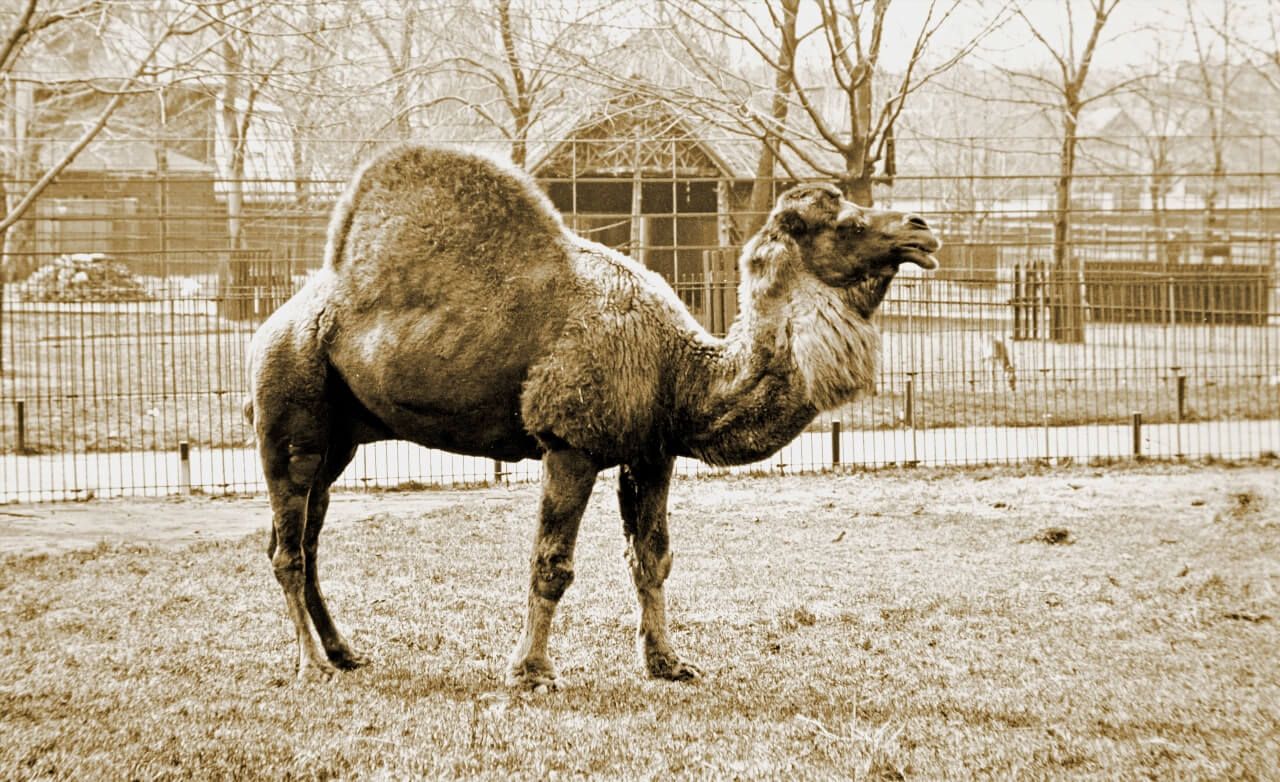
16. Visit America's First Zoo
The Philadelphia Zoo (3400 W Girard Ave, Philadelphia PA 19104, rated 4.5/5 on Google (22 459 avis)) opened in 1874, making it the oldest zoo in the United States. It sits on 42 acres in Fairmount Park and houses around 1,700 animals from more than 340 species, including rare white lions, Amur tigers, polar bears, and one of the most successful orangutan breeding programs in North America.
What sets Philadelphia Zoo apart, beyond its history, is Zoo360, a network of aerial mesh trails that allows great apes, big cats, and other animals to move freely above the visitor pathways. Watching a clouded leopard stroll across a mesh bridge thirty feet overhead is a surprise that distinguishes this zoo from more conventional facilities. The PECO Primate Reserve is one of the most recent major additions, a large naturalistic habitat where you can watch gorillas and orangutans interact at close range. Plan to arrive early; the animals are most active in the morning.
17. Board the Battleship New Jersey
Moored on the Camden waterfront across the Delaware River from Philadelphia, the Battleship New Jersey is the most decorated battleship in U.S. Navy history. Built in 1942, it served in World War II, Korea, Vietnam, and Lebanon, receiving 19 battle and campaign stars over its operational life. At 887 feet long, it is among the largest warships ever constructed, and touring it requires walking several miles of corridors, ladders, and decks.
Self-guided tours take two to three hours and cover the main deck, the bridge, the combat engagement center, the captain's quarters, and the engine rooms. The detail is extraordinary: crew bunks, mess halls, dental chairs, and communication rooms are all preserved essentially as they were during operation. An overnight program allows visitors to sleep aboard in authentic crew accommodations, one of the more memorable experiences available in the Philadelphia region. Adult admission is $30. Reach Camden via the PATCO Speedline from Center City in under ten minutes, the river crossing alone makes the trip worth it on a clear day.
18. Float Over the Delaware at Spruce Street Harbor Park
Every summer (typically May through September), the Spruce Street Harbor Park (301 S Columbus Blvd, Philadelphia PA 19106, rated 4.6/5 on Google (8 194 avis)) transforms the Delaware River waterfront into one of the most enjoyable outdoor spaces in Philadelphia. Hundreds of hammocks are strung between trees along the waterfront, food trucks and beer gardens line the promenade, and floating bars bob on the river.
Entry is free. The park is part of the broader Penn's Landing waterfront redevelopment, which has added skating rinks in winter and open-air concert spaces throughout the warm season. On a Friday evening in July with a cold local beer and a hammock facing the Benjamin Franklin Bridge, you get a version of Philadelphia that doesn't require a monument or museum to make an impression.
19. Discover Boathouse Row After Dark
Boathouse Row (1 Boathouse Row, Philadelphia PA 19130, rated 4.7/5 on Google (1 700 avis)) on the east bank of the Schuylkill River is one of Philadelphia's most distinctive visual signatures: 15 Victorian boathouses belonging to the city's historic rowing clubs, outlined in thousands of white LED lights that reflect off the water after dark. The scene appears on Philadelphia postcards, but the actual experience of walking the path beneath the illuminated boathouses on a fall evening is something photographs don't quite capture.
Daytime visits reveal the Victorian architecture and the activity of competitive rowing teams on the river. Philadelphia has one of the strongest rowing cultures in the United States, and you can often watch college and club teams training on the Schuylkill on weekend mornings. The Fairmount Water Works adjacent to Boathouse Row is a National Historic Landmark: a neoclassical pumping station built in 1815 that supplied Philadelphia's water supply for most of the 19th century and now operates as an environmental interpretive center.
20. Walk South Street and Its Side Streets
South Street (South Street, Philadelphia PA 19147, rated 4.4/5 on Google (5K reviews)) was Philadelphia's counterculture corridor in the 1960s and 70s, and while it has gentrified considerably, it retains an energy and visual personality that distinguishes it from the rest of Center City. The main strip between Broad and Front Streets is lined with tattoo studios, vintage clothing stores, cheap restaurants, record shops, and bars that have been there for decades.
The side streets heading south into Bella Vista and Queen Village reveal a quieter, residential Philadelphia of 19th-century row houses with elaborate painted stoops. Jim's Steaks South Street has been serving cheesesteaks at the corner of 4th and South since 1976; the line extends down the block on weekends but moves quickly. The neighborhood is also home to Philadelphia's Magic Gardens (see above), making a South Street afternoon a natural combination of street culture, art, and food. Evenings here are lively without being overwhelming, which makes it a reliable end to a full day in the city.
21. Understand the Constitution at the National Constitution Center
The National Constitution Center (525 Arch St, Philadelphia PA 19106, rated 4.6/5 on Google (2 648 avis)) on Independence Mall opened in 2003 as the first and only museum in the world dedicated exclusively to the United States Constitution. It is a more intellectually engaged experience than many visitors expect: less reverent shrine, more rigorous examination of a living document that continues to be interpreted, contested, and debated.
The signature exhibit, Freedom Rising, combines a 360-degree theatrical presentation narrated by a live actor with dramatic lighting and projections, a 17-minute show that traces the Constitution from its drafting through its most consequential Supreme Court cases. The museum also contains Signers' Hall, a room of 42 life-size bronze statues of the Constitutional Convention delegates that you can walk among. Admission is $20 for adults. The museum pairs naturally with a visit to Independence Hall (a short walk away) and makes the historical narrative considerably more accessible to visitors who are less familiar with American constitutional history.
Exploring this part of the city on foot with Ryo's Philadelphia audio guide gives each landmark on Independence Mall its proper historical weight: the audio stories connect the buildings to specific moments in the drafting and ratification process that most visitors never learn from the placards alone.
22. Follow Philadelphia's Mural Arts Program
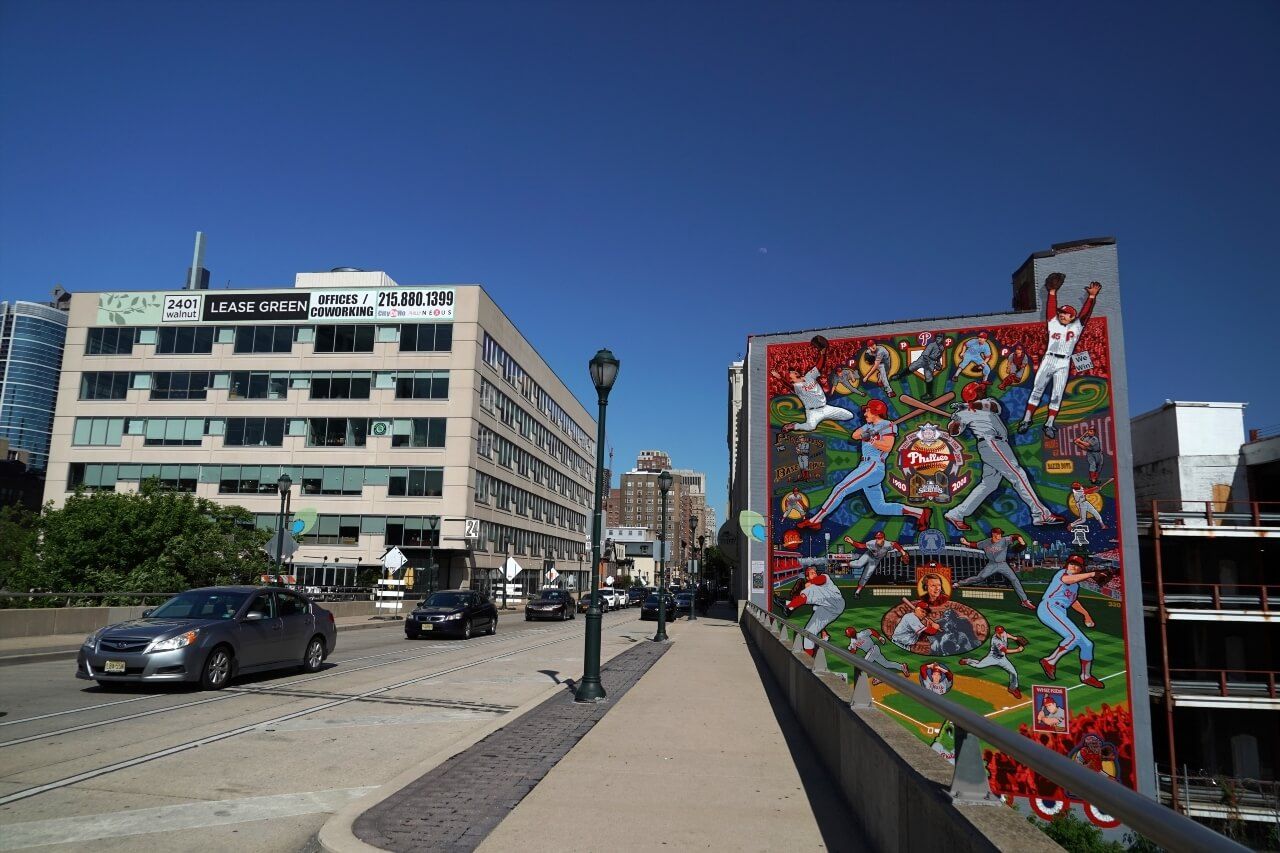
Philadelphia has more outdoor murals than any other American city, over 4,000 works covering building facades across every neighborhood, the result of the Mural Arts Program founded in 1984 as an anti-graffiti initiative that evolved into one of the largest public art programs in the world. The murals range from neighborhood portraits and abstract compositions to major works by internationally recognized artists.
The Mural Arts Program runs guided walking, cycling, and trolley tours of the murals several times per week. The North Broad Street corridor has the highest concentration of large-scale works; the Reading Viaduct and Callowhill neighborhoods have seen newer additions in the past decade. Even without a guided tour, downloading the Mural Arts map (free on their website) and walking a few blocks in any direction from Center City will bring you face to face with work that would be headline news in a gallery. This is one of Philadelphia's greatest civic assets, and it costs nothing to experience.
23. Go Back 65 Million Years at the Academy of Natural Sciences
The Academy of Natural Sciences of Drexel University (1900 Benjamin Franklin Pkwy, Philadelphia PA 19103, rated 4.6/5 on Google (3 942 avis)) is the oldest natural history museum in the Americas, founded in 1812. Its Dinosaur Hall has been delighting visitors since 1986 and contains mounted skeletons of Tyrannosaurus rex and Giganotosaurus, the only fully mounted Giganotosaurus on public display in the world, alongside a working fossil dig where children can excavate replica bones.
The Outside In gallery, a hands-on nature room with live turtles, fish, insects, and a butterfly garden, makes this one of the best options in the city for families with young children. The gem and mineral hall contains specimens of considerable rarity and beauty. Admission is $20 for adults, with pay-what-you-wish options for some weekday afternoons. Situated on the Benjamin Franklin Parkway between the Barnes Foundation and the Franklin Institute, the Academy fits naturally into a full day on the museum corridor without requiring a separate trip.
24. See a Garden Built for Spectacle at Longwood Gardens
Longwood Gardens (1001 Longwood Rd, Kennett Square PA 19348, rated 4.9/5 on Google (31 761 avis)), 35 miles southwest of Philadelphia in Kennett Square, is one of the world's great horticultural showpieces: 1,077 acres of outdoor gardens, meadows, and forests surrounding a 4.5-acre conservatory complex that houses 13 indoor gardens and roughly 859 different types of permanent plants. Pierre du Pont, the chemical industry magnate, transformed a Quaker farm into Longwood beginning in 1906, adding fountains, an open-air theater, and an indoor garden complex heated through Pennsylvania winters.
The Main Fountain Garden, restored and reopened in 2017 after a six-year renovation, operates most evenings in summer with choreographed water and light shows that draw thousands of visitors. The indoor conservatory is spectacular year-round: heated orangeries keep tropical plants blooming through January, and the Mediterranean house contains century-old specimens of rare palms and cycads. Admission is $30 for adults, with seasonal pricing variations. Longwood is reachable by train from Philadelphia's Thorndale SEPTA line; the journey takes about 45 minutes. It is not a quick stop, allow a full day.
25. Hear Live Music in a City Built on Sound
Philadelphia's contribution to American music goes far beyond the Philadelphia Sound of the 1970s, the lush orchestral soul of producers Gamble and Huff that defined the TSOP label. The city gave the world Dick Clark and American Bandstand (filmed here from 1952 to 1964), launched the careers of Hall and Oates, Patti LaBelle, and Boyz II Men, and has a current independent music scene of real quality across jazz, hip-hop, and indie rock.
World Cafe Live (3025 Walnut St, Philadelphia PA 19104, rated 4.7/5 on Google (2 322 avis)) in West Philadelphia is the best general-purpose live music venue in the city, a two-stage club connected to WXPN radio that books an impressive mix of national touring acts and local talent, with most tickets under $30. Chris' Jazz Café on Sansom Street has been the anchor of Philadelphia's jazz scene for decades, with live music most nights of the week and a menu that takes its food as seriously as its bookings. The Kimmel Cultural Campus on Broad Street houses the Philadelphia Orchestra, one of the five original major American orchestras, and offers student and last-minute tickets at dramatically reduced prices. Any evening in Philadelphia can be a musical one, from free summer concerts in Fairmount Park to late-night sets at South Street dive bars.
FAQ
What is Philadelphia most famous for?
Philadelphia is most famous as the birthplace of American democracy: it is where the Declaration of Independence was signed in 1776 and where the U.S. Constitution was drafted in 1787. The city is also known for its cheesesteak sandwiches, the Philadelphia Museum of Art and the Rocky steps, and the Liberty Bell. In music, Philadelphia is credited with creating the Philadelphia Soul sound of the 1970s, which influenced disco and R&B worldwide.
How many days do you need in Philadelphia?
Two full days is enough to see the major historic sites and one or two museums. Three to four days allows you to go deeper, covering Old City, a neighborhood or two (South Philly, Rittenhouse Square, Fishtown), at least two major museums, and a proper cheesesteak crawl. A week gives you time for day trips to Longwood Gardens and the Battleship New Jersey as well as the city itself.
Is Philadelphia walkable?
Yes, Center City Philadelphia is one of the most walkable urban cores in the United States. The historic district, Old City, South Street, Rittenhouse Square, and the Benjamin Franklin Parkway museums are all within comfortable walking distance of each other. The SEPTA subway and bus network covers neighborhoods further out, and bikeshare (Indego) stations are widespread. A car is not necessary for most Philadelphia itineraries.
What is the best neighborhood in Philadelphia to stay in?
For first-time visitors, Center City (between Broad Street and the Delaware River) puts you within walking distance of Independence Hall, Reading Terminal Market, and the major museums. Old City is atmospheric and convenient for historic sites. Rittenhouse Square is the best option for dining and nightlife within walking distance of your hotel. Fishtown and Northern Liberties are the best areas for independent restaurants, bars, and live music if you prefer a less touristy neighborhood.
What is a Philadelphia cheesesteak and where should I eat one?
A Philadelphia cheesesteak is thinly sliced ribeye beef cooked on a flat iron griddle and served on a long, soft Amoroso roll with either Cheez Whiz, provolone, or American cheese, and optionally fried onions. The two most famous spots are Pat's King of Steaks and Geno's Steaks, both at the corner of 9th Street and Passyunk Avenue in South Philadelphia, open 24 hours and directly across the street from each other. Jim's Steaks on South Street is the better option for most visitors, with a shorter line and consistently high quality.
Is Philadelphia safe for tourists?
The major tourist areas of Philadelphia, Old City, Center City, the Benjamin Franklin Parkway, South Street, and Rittenhouse Square, are safe for visitors and well-patrolled. Like any large American city, Philadelphia has neighborhoods with higher crime rates that are generally not on the tourist circuit. Standard urban precautions apply: be aware of your surroundings, keep valuables out of sight, and avoid displaying expensive equipment late at night in unfamiliar areas.
Philadelphia Is Better Explored Than Described
No list does full justice to Philadelphia. The city has a habit of revealing itself in unexpected moments: the view from the top of City Hall at dusk, a Sunday morning at Reading Terminal Market when the Amish farmers are setting up their stalls, the particular quiet of Elfreth's Alley in the early morning before the tour groups arrive. These are things you experience rather than read about.
If you want a starting point that brings the history alive as you walk, Ryo's Philadelphia audio guide uses location-based audio storytelling to connect you to what you're actually standing in front of, whether that's Independence Hall, the Barnes Foundation, or the murals of North Broad Street. Philadelphia gives back exactly what you put in: give it your time and your curiosity, and it returns the favor.