Walk
The City of Wonders
Rio de Janeiro, Brazil
Walk
The City of Wonders
Rio de Janeiro, Brazil
7.3 km
Distance
3h00
Durée
25
Audios
Loop
Parcours
Brazil is not discovered — it is felt. Between the spellbinding rhythms of carnival and the inhabited silence of the Amazonian forests, this continent-sized country invites you to slow down, to observe, to immerse yourself in a diversity of landscapes and cultures that leaves you speechless. From the Nordeste's white-sand beaches to the red earth of the Pantanal, every region tells a different story. To explore Brazil in depth, beyond the postcard views, the Ryo audio-guided tours accompany you through the great cities that reveal its most secret soul.
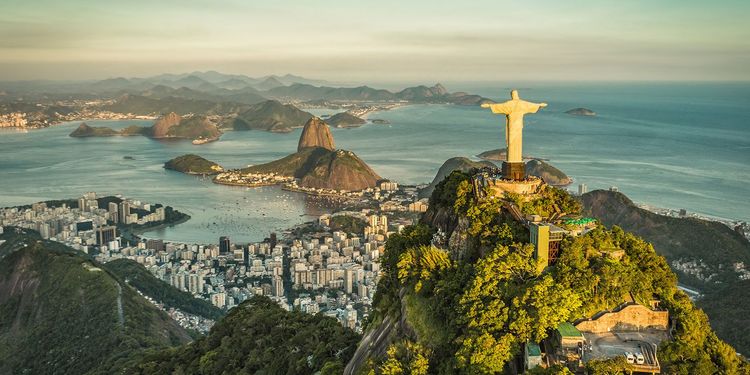
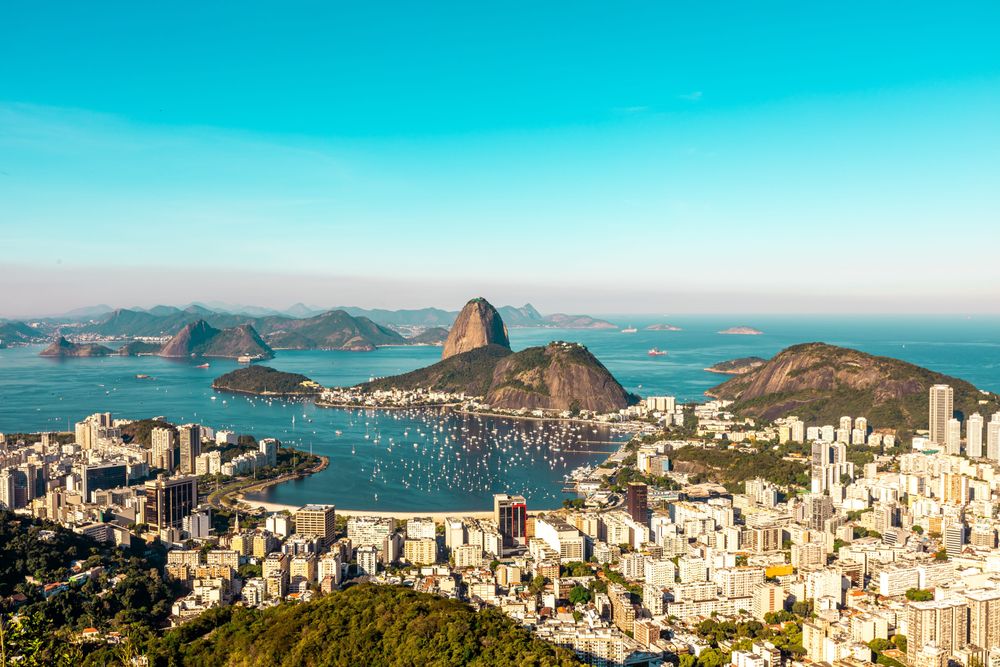
Some cities seize you at first glance. Rio de Janeiro is one of them. Nestled between the Atlantic and morros blanketed in tropical forest, the city unfolds an almost surreal beauty — from the golden curve of Ipanema to the silhouette of Christ the Redeemer towering above the clouds and the lively alleyways of Santa Teresa. Through Ryo's audio-guided tour dedicated to the Marvelous City, you learn to read the city differently: its contradictions, its overflowing energy, its daily rituals, the genius of its architecture, and the warmth of its people. Rio is not to be contemplated — it is to be lived.
Brazil reaches far beyond its most famous postcards. In the north, the Amazon unfurls one of the planet's vastest green lungs — a labyrinth of rivers and canopy where biodiversity defies comprehension. At the other end of the spectrum, the Nordeste captivates with its sweeping beaches, fishing villages, and the spectacular dunes of Lençóis Maranhenses National Park, where water gathers between ridges of white sand to form turquoise lakes. Further south, Iguaçu Falls, a UNESCO World Heritage Site, cascade in a curtain of water of breathtaking power. The Pantanal, a vast wetland at the heart of the continent, offers the finest conditions for observing extraordinary wildlife, from caimans to jaguars. Each region of Brazil is a journey in itself — and that is perhaps its greatest strength.
Brazil is a year-round destination, but seasons vary considerably by region. Generally speaking, the period from June to September corresponds to the dry season across much of the country, offering pleasant conditions for exploring cities in the South-East, the Pantanal, or the Amazon. The Nordeste, drier by nature, is best visited between July and January. If carnival is on your list, plan your departure for February or March depending on that year's calendar. It is always worth checking local conditions for the specific region you plan to visit.
Given the considerable distances between major destinations, flying remains the most practical way to cover the interior of the country. A dense domestic flight network connects the main cities. For more accessible regions or shorter legs, long-distance buses offer a comfortable and well-organised alternative. Within cities, public transport, ride-hailing apps, and walking allow you to explore neighbourhoods at your own pace — ideally accompanied by an audio-guided tour so you miss nothing of what lies behind the facades.
There is no single answer, as Brazil is a country of many microclimates. Generally speaking, the dry season — typically from June to September — is appreciated for its more stable weather in the Centre and South-East regions. Carnival lovers will want to time their trip for February or March, while the Nordeste is particularly pleasant outside its rainy season.
A short stay of one to two weeks allows you to explore one region or city in depth, such as Rio de Janeiro and its surroundings. To cover several iconic regions — the Nordeste, the Amazon, the Pantanal, and the South-East cities — you should plan for a month or more, given the significant distances involved. It is better to choose a few destinations and experience them fully than to skim across the country.
Flying remains the most efficient way to cover the great domestic distances, particularly to reach the Amazon or the Nordeste from the South-East. Long-distance buses, comfortable and frequent, are well suited to shorter journeys between nearby cities. Car rental can be considered for certain regional itineraries, especially in the Nordeste or around Iguaçu Falls.
Among the sites every traveller should experience are Christ the Redeemer and the beaches of Rio de Janeiro, Iguaçu Falls on the border with Argentina, the dunes and lakes of Lençóis Maranhenses, the ecological richness of the Pantanal, and the immersive magic of the Amazon rainforest. The cities of Salvador and Olinda captivate with their baroque heritage and vibrant Afro-Brazilian culture.
Brazilian cuisine is a reflection of its mixed heritage: indigenous, African, Portuguese, and European influences blend together harmoniously. Feijoada, a stew of black beans and smoked meats, is considered the national dish. Pão de queijo, small cheese breads, accompany every coffee break. In the Nordeste, flavours become spicier, while the Amazon offers unique freshwater fish and exotic fruits found nowhere else.






