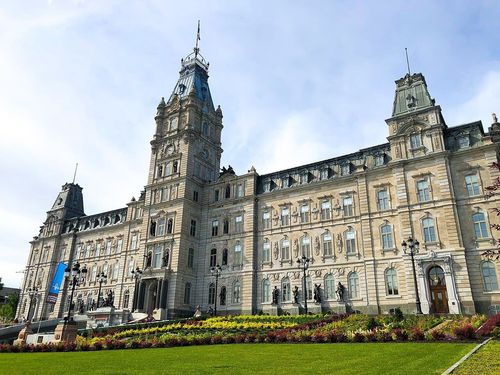
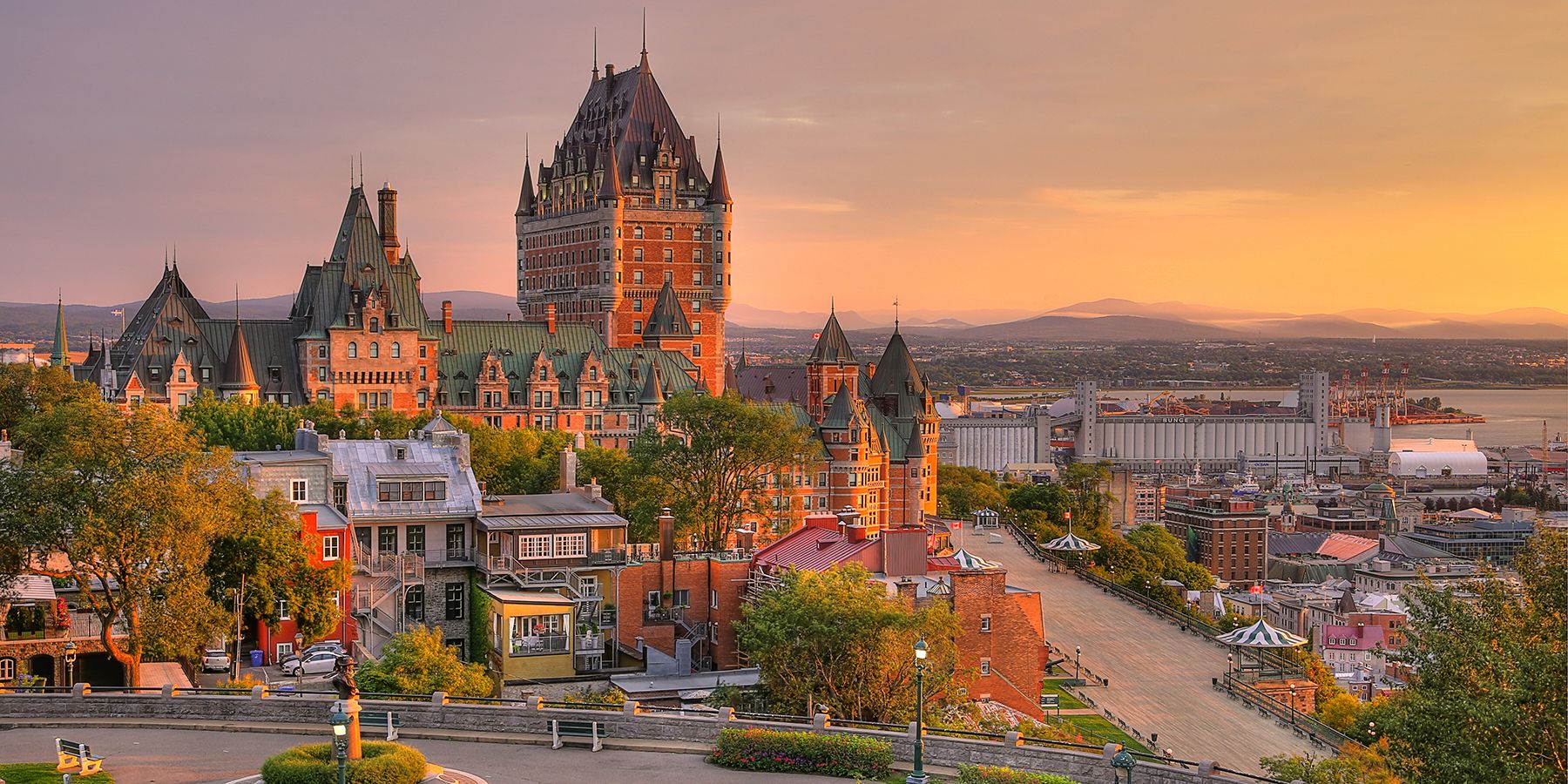
The Parliament Building
1/25

Créé par Emilie, le 20 mai 2026
Votre guide Ryo
Quebec, Canada
Whispers of the PastOn the banks of the St. Lawrence River, Quebec City captivates with its UNESCO-listed historic center and its uniquely European charm in North America. With its cobbled streets, fortifications, and iconic landmarks, the city immerses visitors in the history of New France.
The Parliament Building
1/25
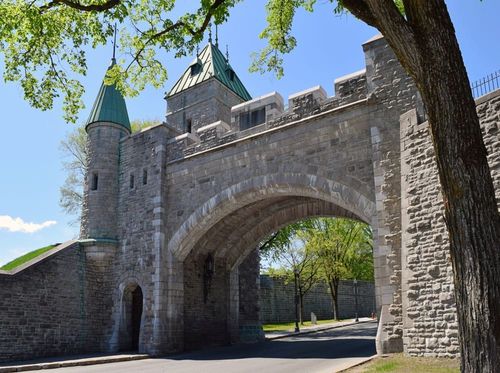
The Fortifications
2/25
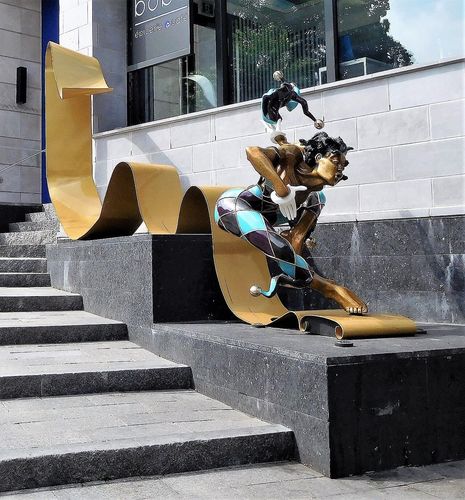
The Grand Welcome
3/25
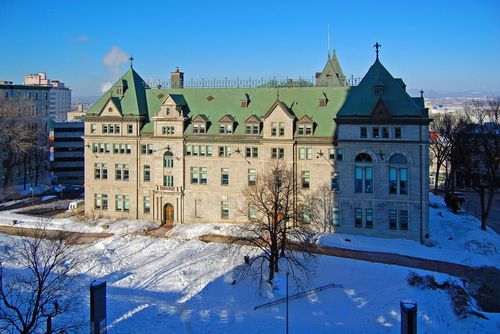
City Hall
4/25
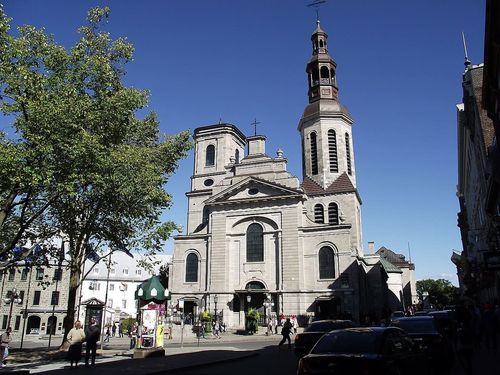
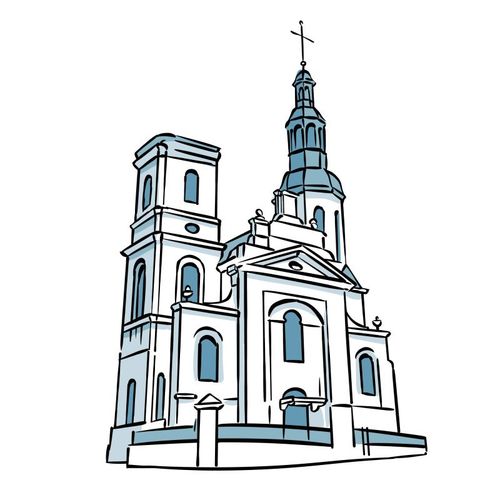
Notre-Dame de Québec Basilica-Cathedral
5/25

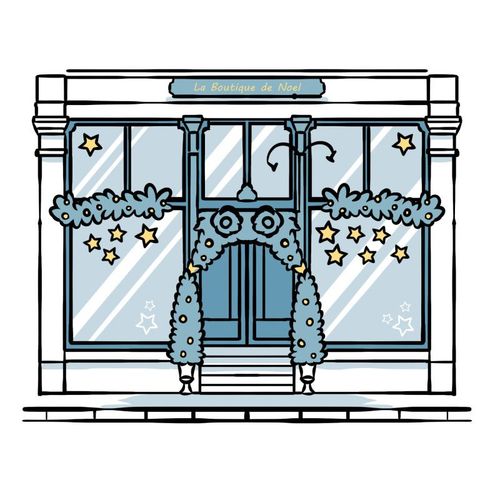
Quebec’s Christmas Boutique
6/25
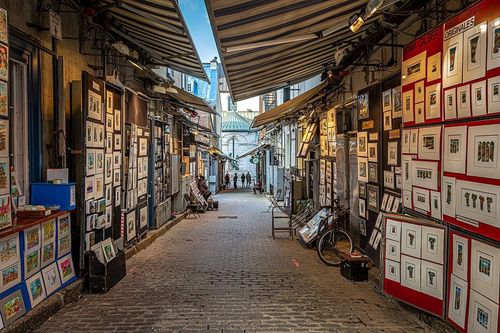
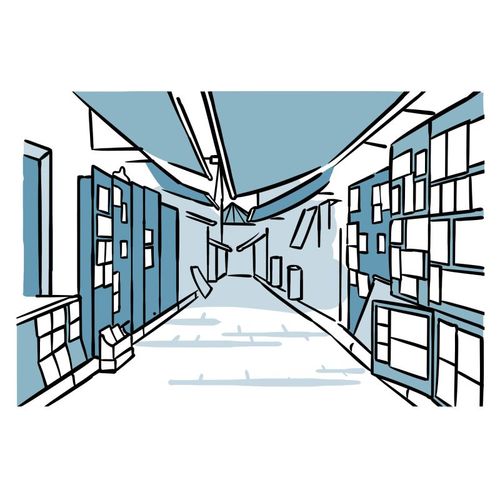
Rue du Trésor
7/25
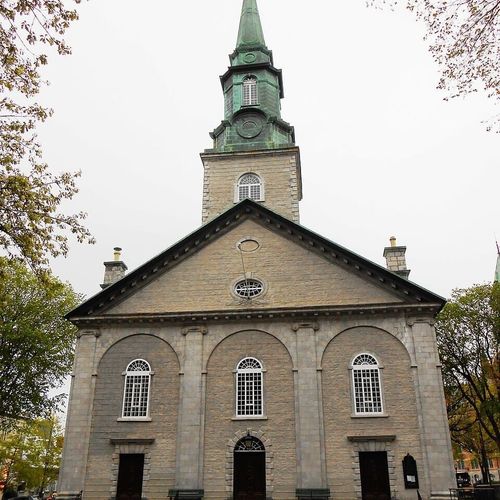
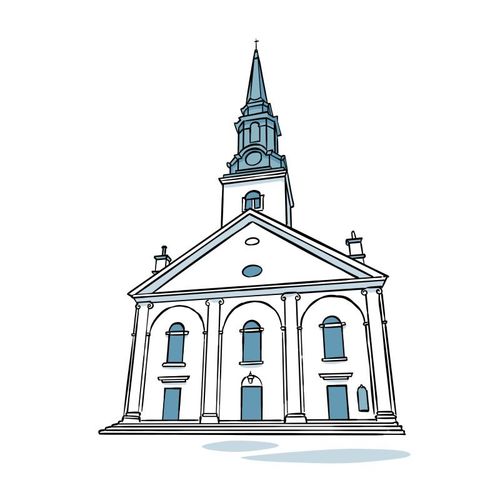
Holy Trinity Cathedral
8/25
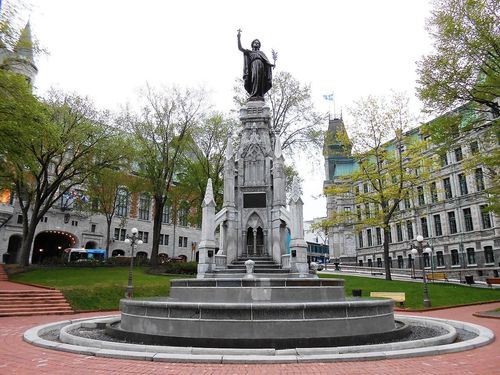
Place d’Armes
9/25

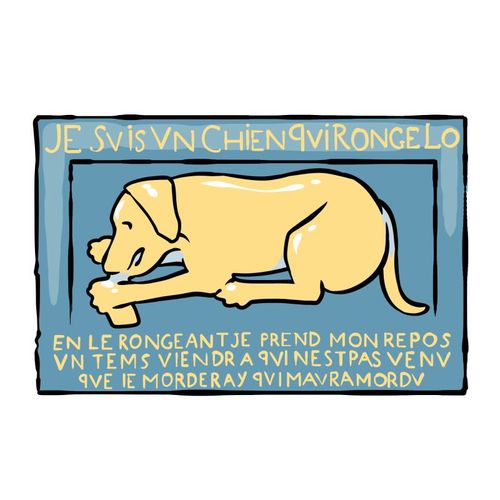
The Legend of the Golden Dog
10/25
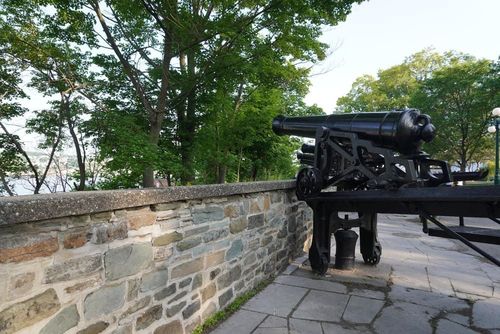
Montmorency Park
11/25
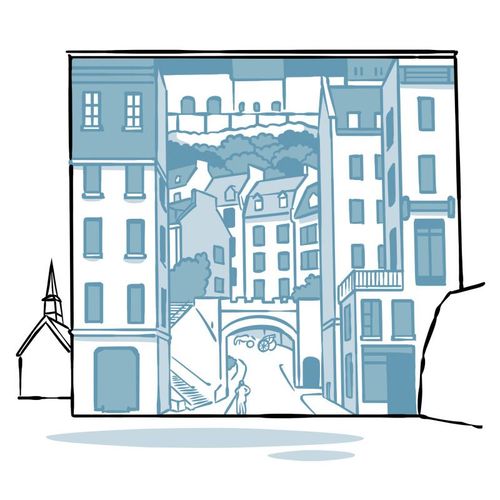
View from Upper Town
12/25
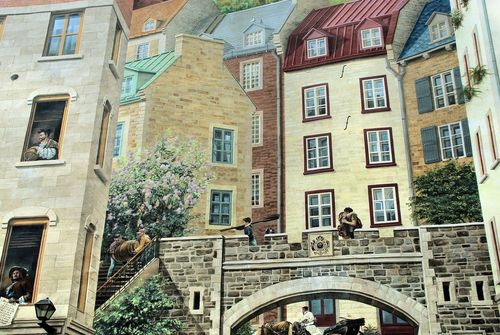
The Fresque des Québécois
13/25
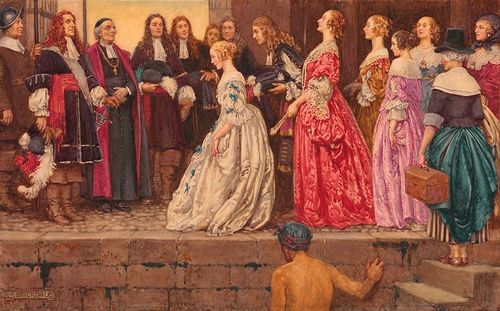
Les filles du Roy
14/25
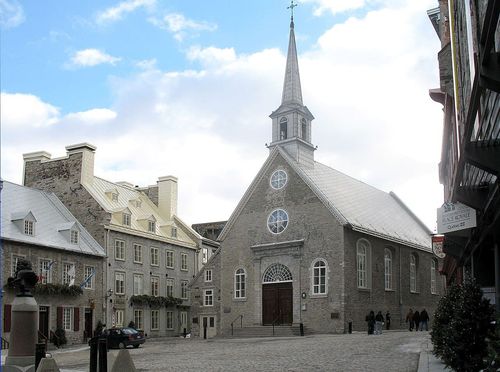
Place Royale
15/25
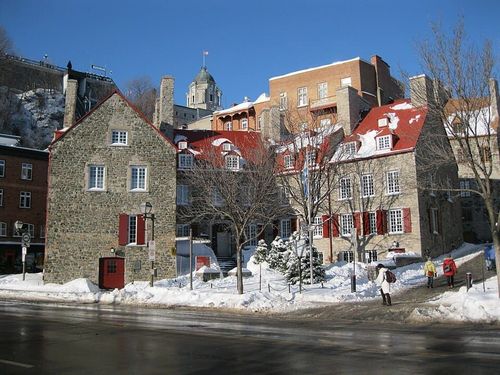
Maison Chevalier
16/25
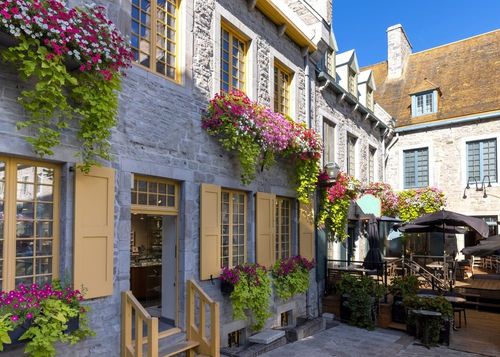
The Petit-Champlain District
17/25

Funicular or Breakneck Stairs
18/25
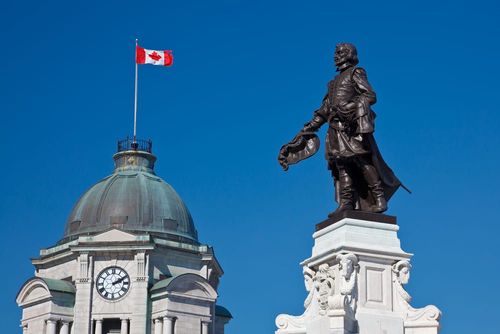
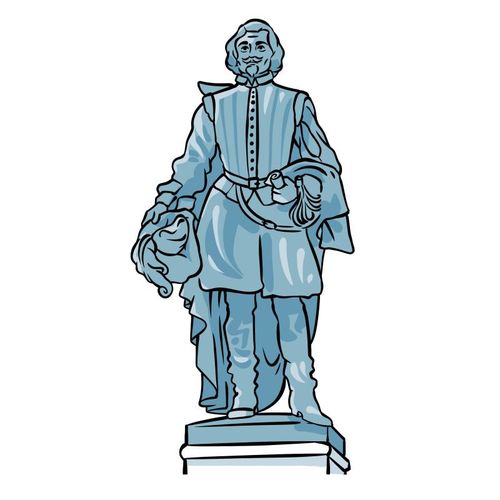
Samuel de Champlain
19/25
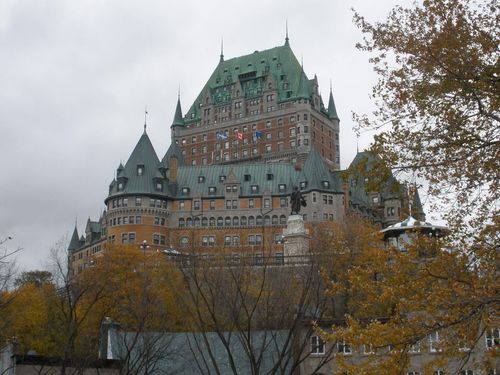
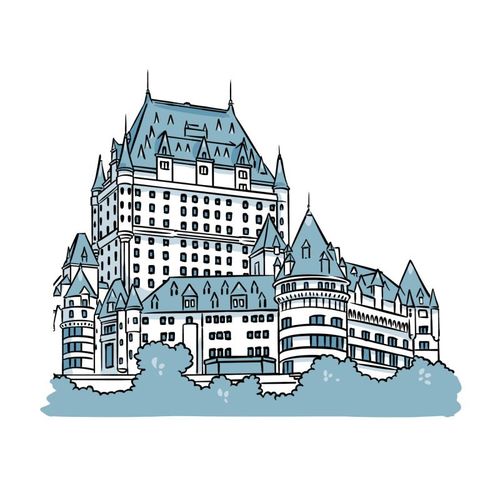
The Château Frontenac
20/25
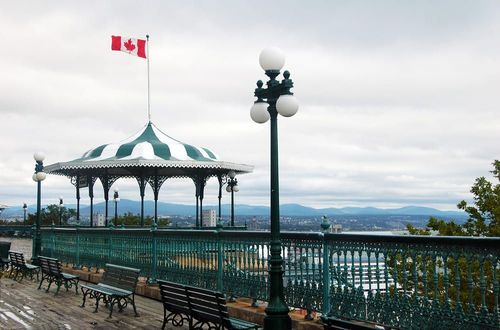
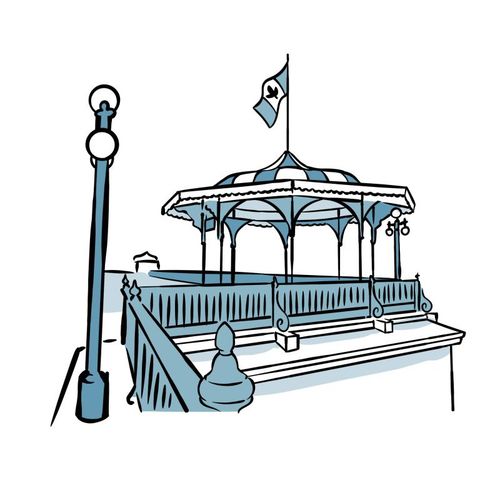
Dufferin Terrace
21/25
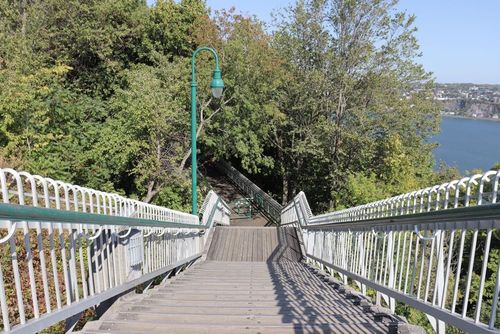
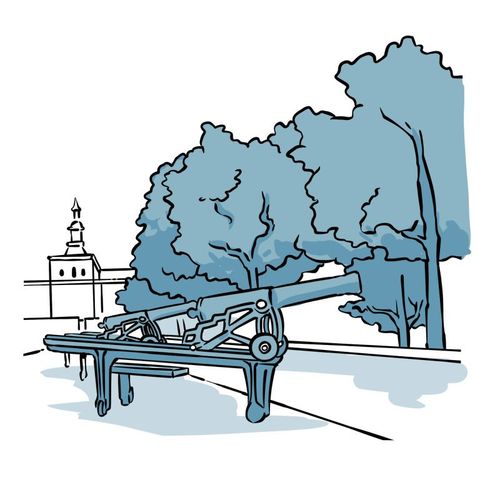
The Governors’ Promenade
22/25
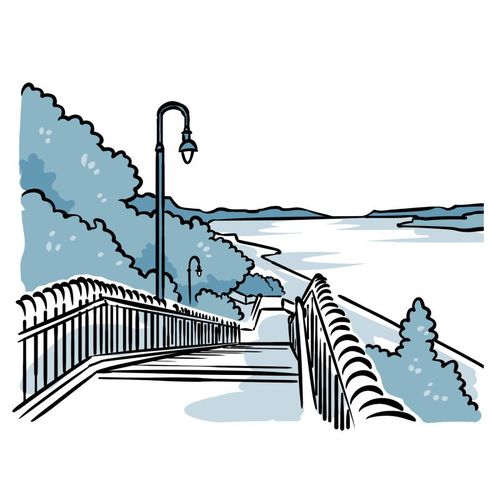
Saint Lawrence viewpoint
23/25
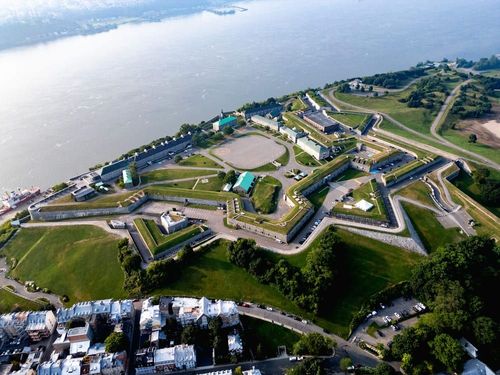
The Plains of Abraham and the Citadel of Quebec
24/25

Advice
25/25
Jan.
-12°
Feb.
-10°
March
-4°
April
5°
May
13°
June
18°
July
21°
Aug.
20°
Sept.
15°
Oct.
9°
Nov.
2°
Dec.
-8°
Quebec experiences a wide range of weather—from heavy snowfalls and sub-zero temperatures in winter to warm, sunny days in summer. Visiting Canada in the winter is a fabulous idea, and there’s plenty of outdoor activities to enjoy this magical season! In January, temperatures in nearby Montréal can dip to -15°C at night, with daytime highs around -5°C. Autumn brings pleasantly mild temperatures—this is what’s known as Indian summer. Although it happens regularly, it remains a meteorological phenomenon and is unpredictable. September’s temperatures are close to those of August, and November can see highs of up to 14°C. Spring is also a transitional season, with temperatures ranging between 7°C and 20°C. In summer, it’s warm, with comfortable highs of around 27°C in July. As for rain, precipitation levels are relatively steady throughout the year, with a peak of 104 mm in July and a low of 60 mm in February.
No need to worry about where to begin! Our tours are designed as a loop, so you can jump in wherever you are. The navigation system and audioguide will automatically adjust to your location. However, if you happen to be nearby, we do have a preferred starting point: The Parliament Building
George VI Ave Parking / Ave George-VI, Québec City, Québec G1R 3R2, Canada / The cheapest 12-hour parking in the city We don't recommend parking in Quebec, as most spots come with restrictions. Always check the signs carefully—some areas are reserved for residents with parking permits. These zones are marked by a red square in the bottom right corner of the sign, showing the permit zone number. Pay attention to the hours indicated. Some zones have limited parking durations, while others display dates and times for street cleaning or snow removal, depending on the season. During those times, you must move your vehicle—or risk having it towed. If you’re lucky enough to find a spot, keep in mind that (unless stated otherwise), street parking is free from 9 p.m. to 9 a.m.—and until 10 a.m. on Sundays. Perfect for a lie-in! In Quebec, it's illegal to park facing the opposite direction of traffic. If you're parking on a slope, you need to turn your wheels towards the curb. The local police are very strict about these rules—violations will certainly result in a fine. If you want to park outside the city centre, look for the Parc-O-Bus—free park-and-ride car parks with free shuttle buses! One small drawback: most of these close at 6 p.m. More info: https://www.rtcquebec.ca/parc-o-bus
Quebec uses the Canadian dollar. You can exchange some money before you leave to cover initial expenses, or wait until you arrive to exchange your money. Be aware that exchange rates are often less favourable at airports, so it's better to wait until you're in the city centre. That said, you don’t necessarily need to exchange money - you can withdraw Canadian dollars directly from ATMs. Just note that fees usually apply (exchange rate + ATM operator fees, typically $2 to $3). Another option is to pay directly by credit card. Each transaction will be subject to the exchange rate and any fees charged by your bank. Before deciding which option is best for you, check your bank's charges for foreign transactions. Don’t forget to notify your bank of your travel plans to avoid any unexpected issues with your card abroad. Tipping in Canada is part of the service culture. A good tip is usually between 15% and 20% if you were satisfied with the service, but a minimum of 10% is expected in most cases. Also, in Canada, prices are listed before tax. Since taxes vary by province, they are added at checkout. In Quebec, you can expect around 12 to 13% in taxes on top of the listed price. So, when planning your budget, make sure to account for both the tax and the tip!
Explorez le monde en totale liberté, à pied au cœur des villes ou au fil des routes. Nos guides audios transforment chaque destination en une découverte culturelle immersive et unique.