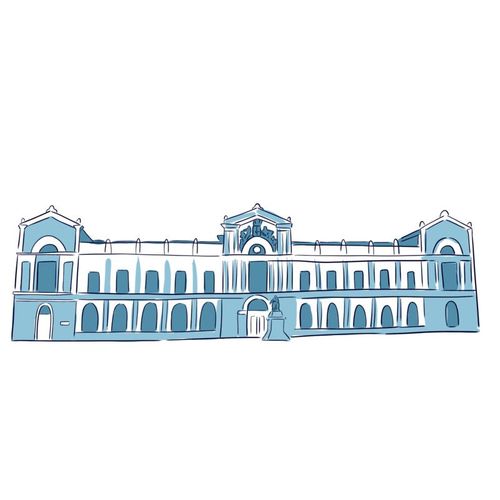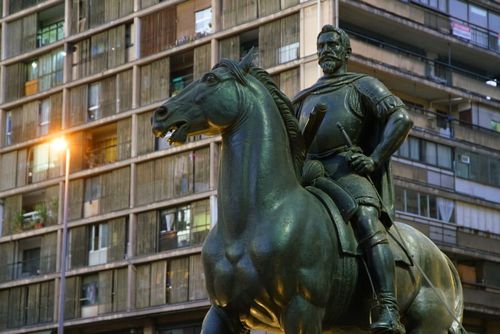
Plaza de Armas
1/27

Créé par Emilie, le 20 mai 2026
Votre guide Ryo
Santiago, Chile
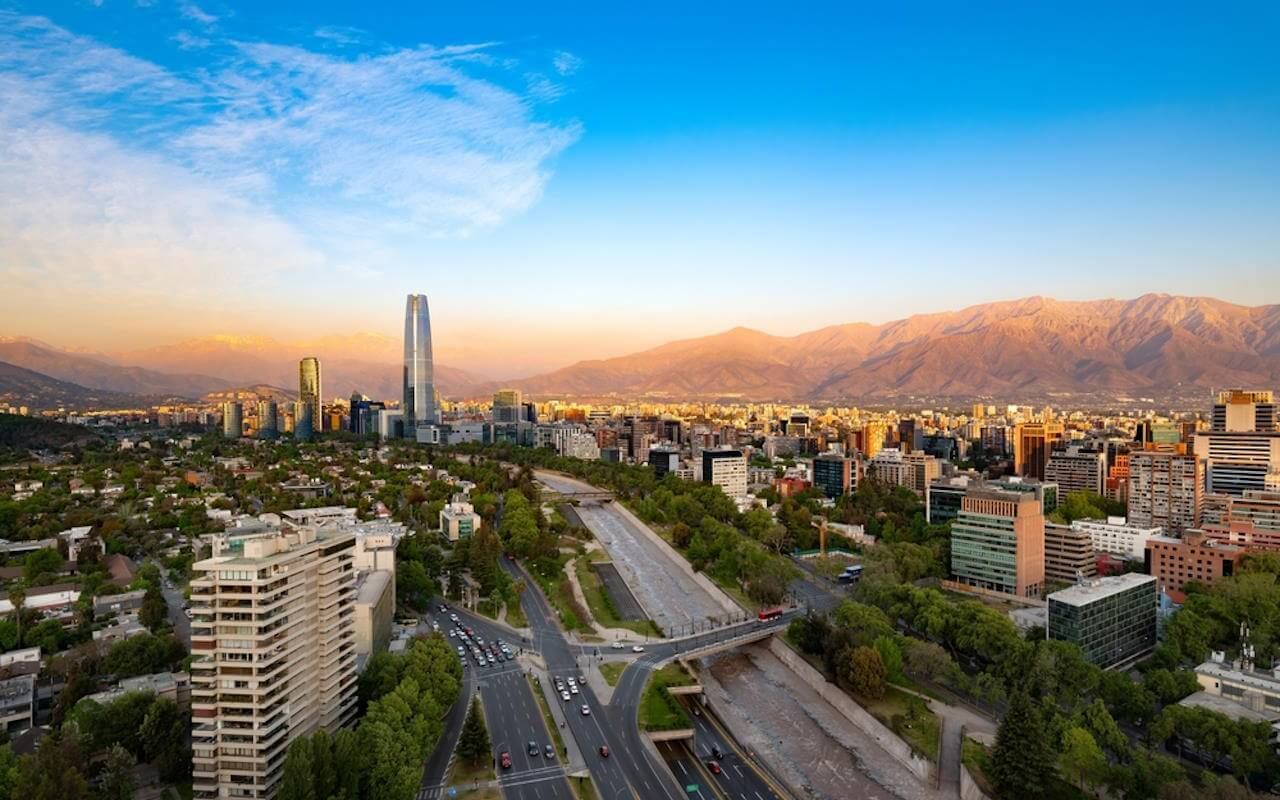
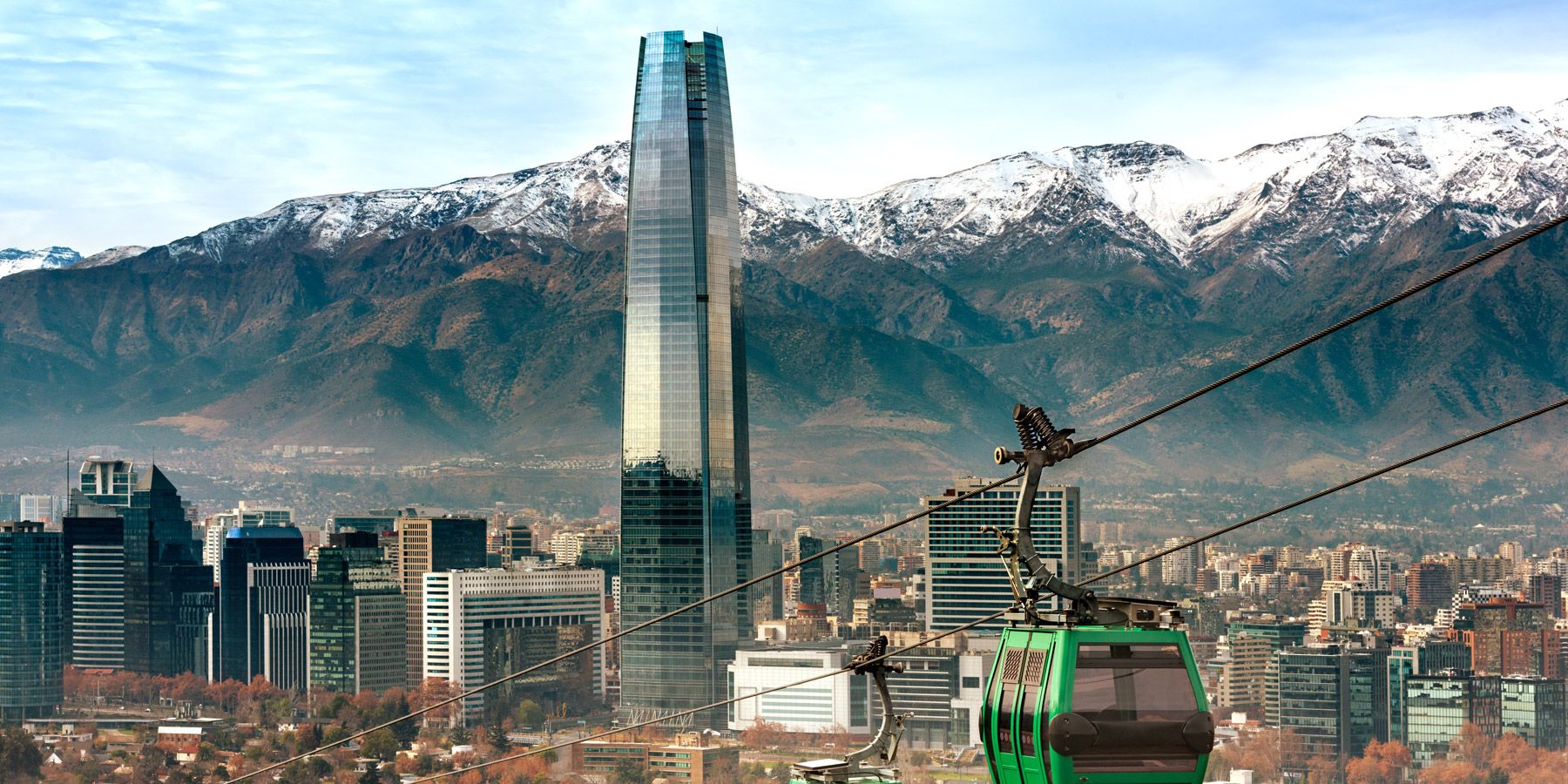
Between Ocean and AndesAt the foot of the Andes, Santiago combines colonial history with contemporary dynamism. With its contrasting neighborhoods, rich culture, and spectacular setting, the capital offers a complete immersion in modern-day Chile.
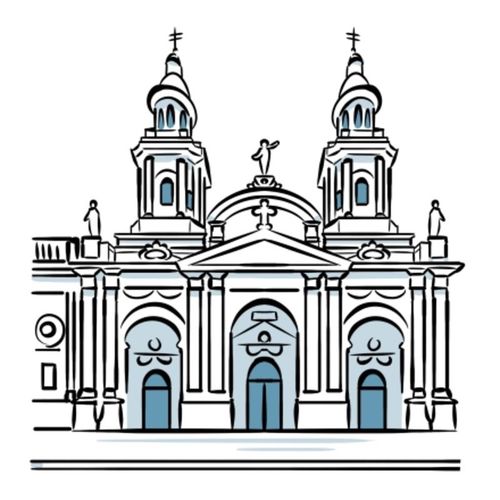
Plaza de Armas
1/27
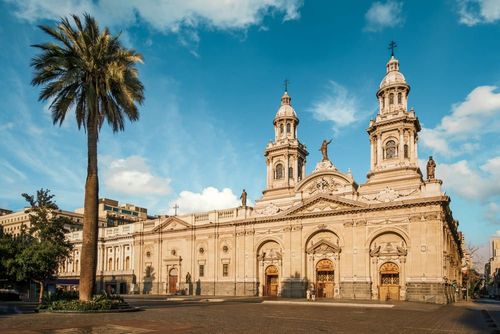
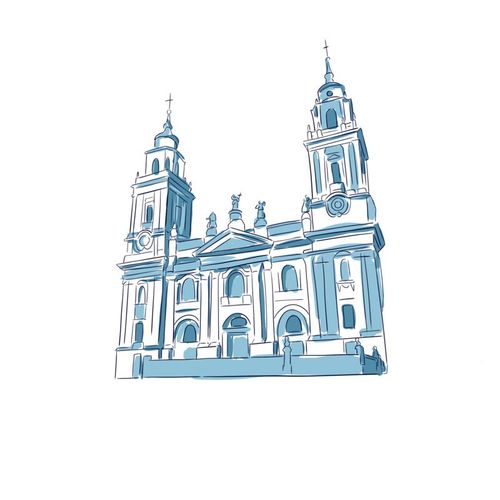
Metropolitan Cathedral of Santiago
2/27
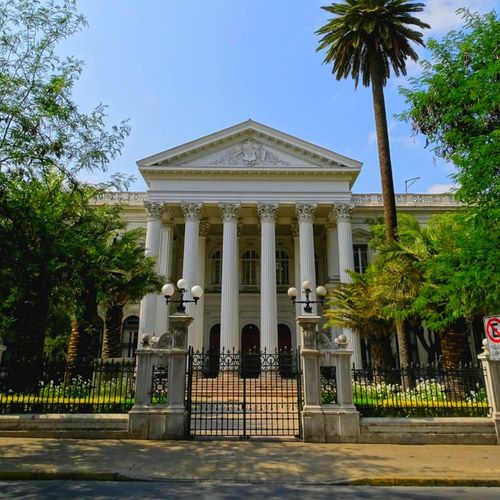
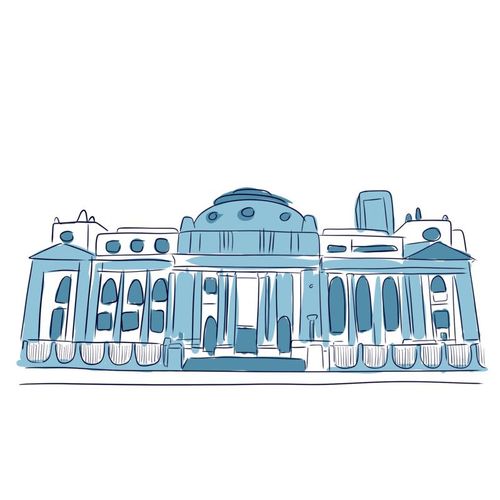
Former National Congress
3/27
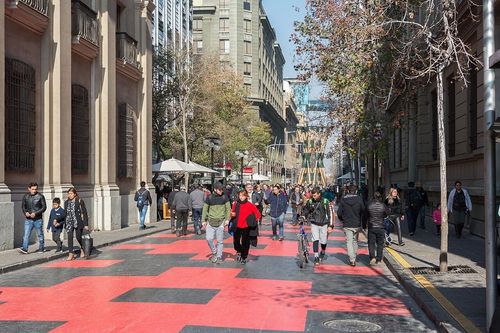
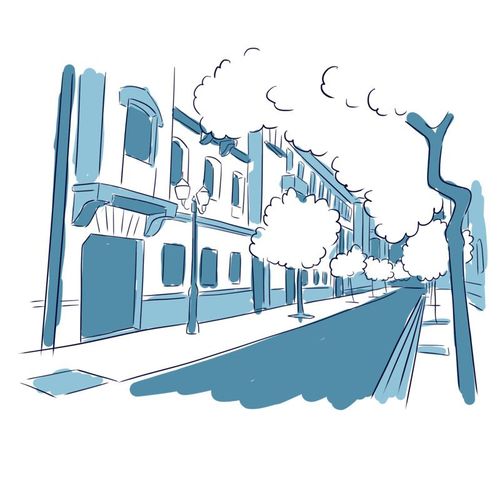
Paseo Bandera
4/27
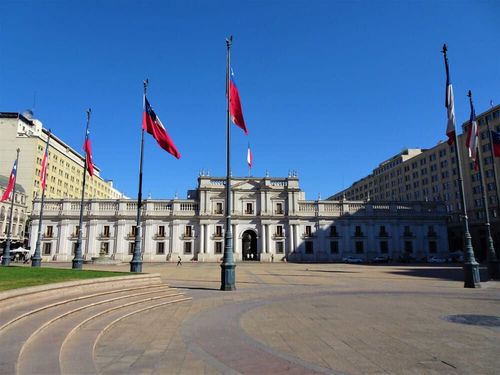
Plaza de la Constitución
5/27
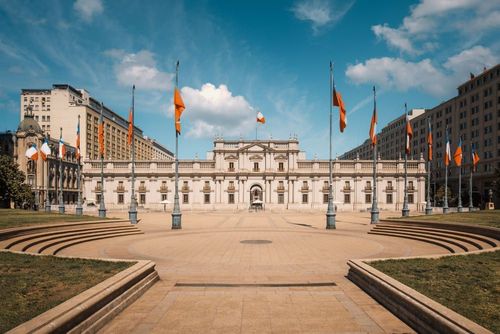
Palacio de la Moneda
6/27

Club de la Unión
7/27
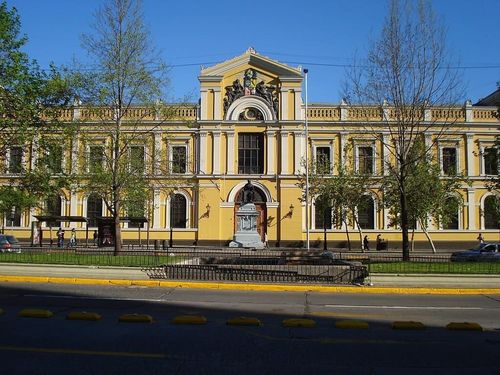
University of Chile
8/27
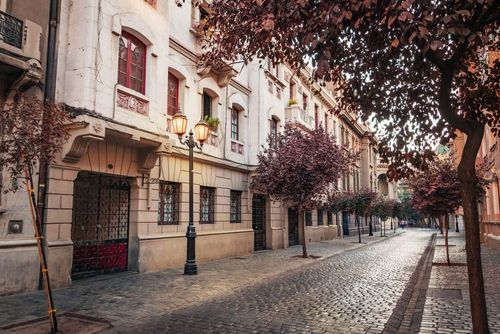
Paris/Londres
9/27
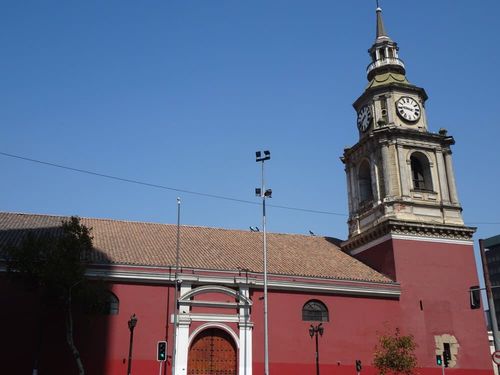
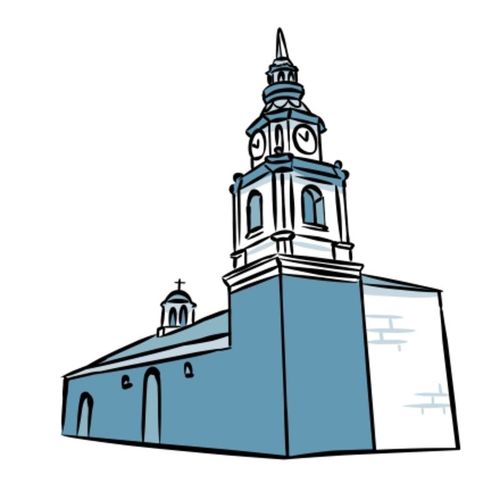
San Francisco Church
10/27
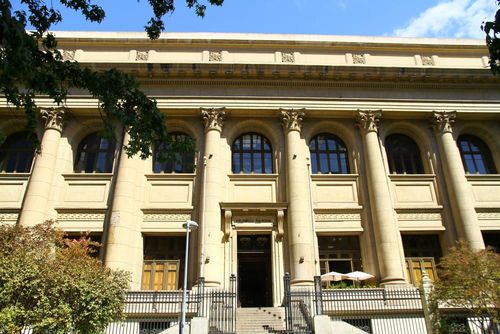
National Library of Chile
11/27
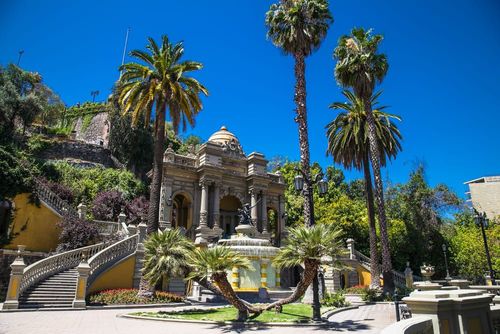
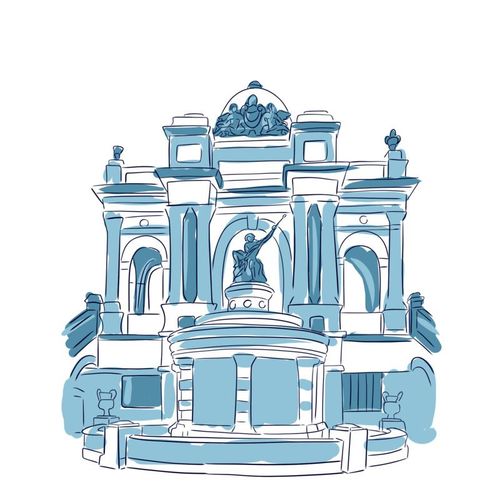
Neptune Terraces
12/27
Cerro Santa Lucia
13/27
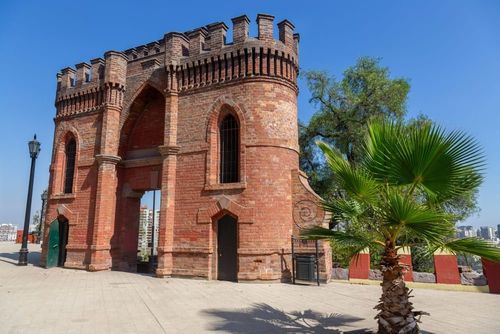
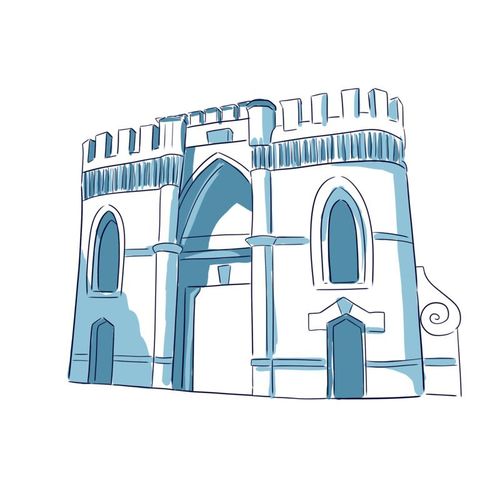
Hidalgo Castle
14/27

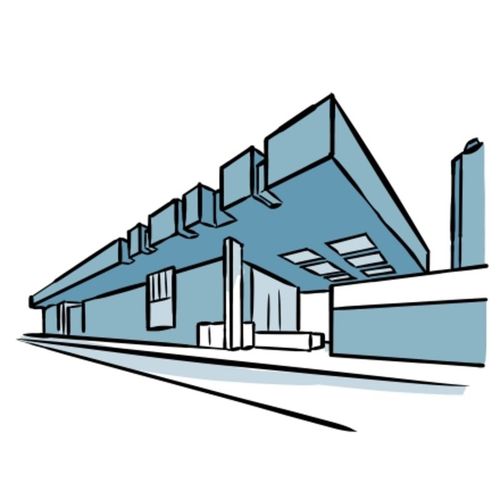
Gabriela Mistral Cultural Center
15/27
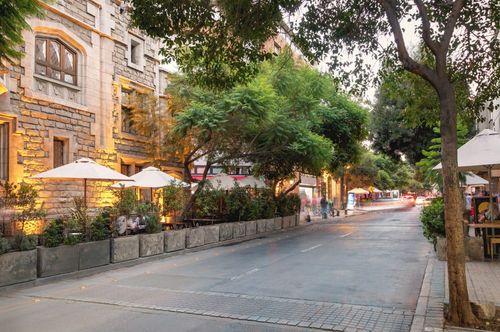
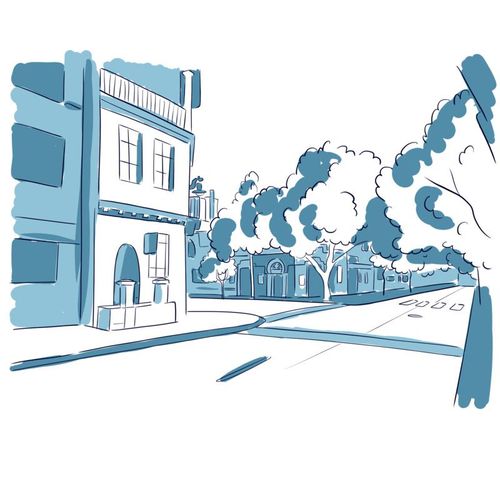
Lastarria District
16/27
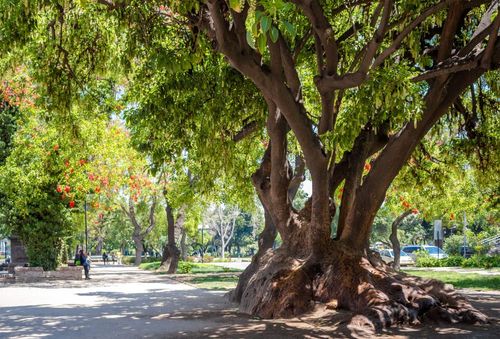
Parque Forestal
17/27
Rio Mapocho
18/27

Bellavista Neighborhood
19/27
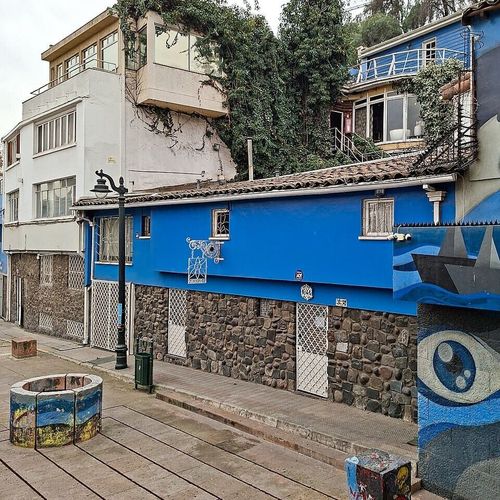
La Chascona – Pablo Neruda's House
20/27
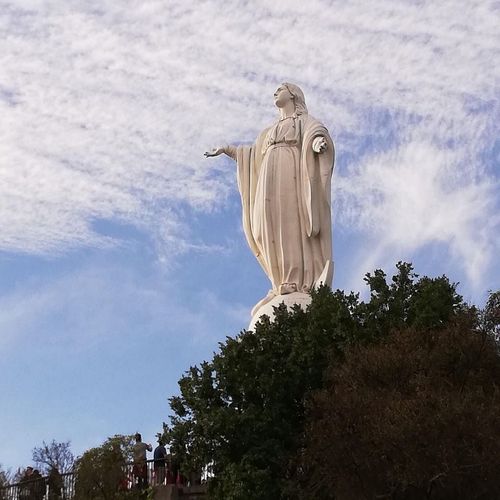
Cerro San Cristobal
21/27

Street art
22/27
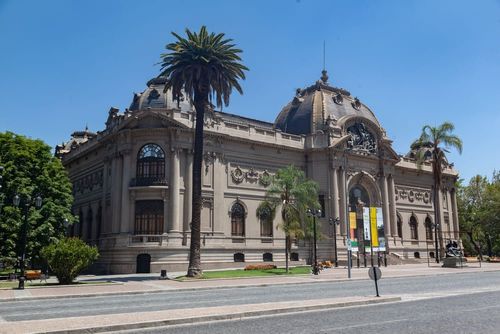
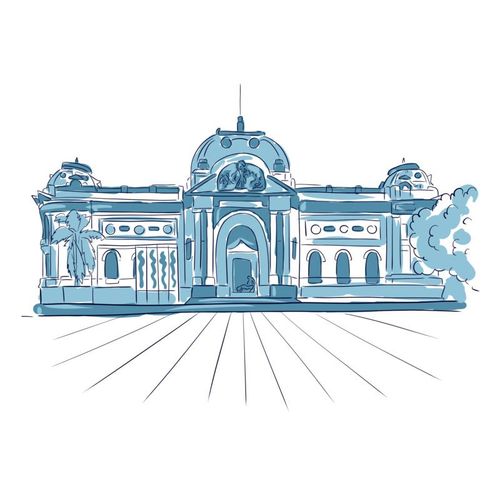
Museum of Fine Arts
23/27

Advice
24/27
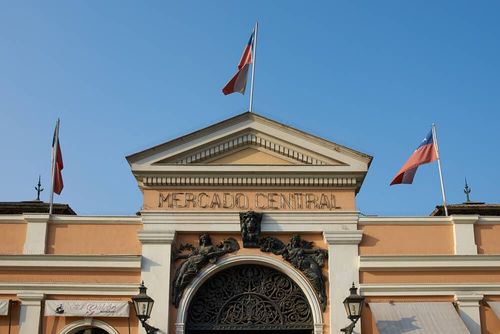
Mercado Central
25/27
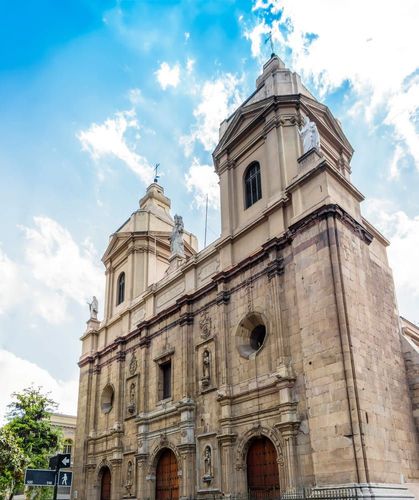
Santo Domingo Church
26/27

Santiago City Hall and Central Post Office
27/27
Jan.
29°
Feb.
28°
March
26°
April
22°
May
18°
June
15°
July
14°
Aug.
16°
Sept.
19°
Oct.
22°
Nov.
25°
Dec.
28°
Santiago has an almost Mediterranean climate. Winters (from June to August) are mild and wet, while summers (from December to February) are hot and dry. The rainiest months are June and July. For the rest of the year, you won't regret stopping in Santiago. Snow is rare in winter, even though the ski resorts are nearby, and both spring and autumn are very pleasant. Just a heads-up: in the peak of summer, it can get very (very) hot — though nights tend to stay cool.
No need to worry about where to begin! Our tours are designed as a loop, so you can jump in wherever you are. The navigation system and audioguide will automatically adjust to your location. However, if you happen to be nearby, we do have a preferred starting point: Plaza de Armas
Estacionamiento Catedral 1268 You're unlikely to have a car in Santiago. But if you do, avoid the city center as much as possible. Traffic is extremely heavy and can be unbearable. However, if you're driving and can't leave your car at your accommodation, you'll find covered, supervised parking lots — called estacionamientos — scattered throughout the city.
Santiago is very walkable. If you'd like to venture beyond the city center, you can use the well-developed public transportation network known as Transantiago. There are six metro lines and numerous buses. The Moovit app will be a great help in finding the quickest route. One tip though — avoid rush hour! You can also use the city’s bike-sharing system, which works just like Vélib, Vélov, and similar services. Lastly, taxis and Ubers are common and affordable options for getting around the city. Chile uses the Chilean peso (CLP). The exchange rate is low, so don’t be surprised if you have to pay 1,500 pesos for a coffee! In everyday speech, Chileans often say una luka for 1,000 CLP. You’ll also hear things like doce lukas for 12,000 CLP. Don’t worry — you’ll get used to it quickly! Coins come in 10, 50, 100, and 500 pesos, and banknotes in 1,000, 2,000, 5,000, 10,000, and 20,000 pesos. Another interesting fact — especially if you're heading to Argentina afterward, where cash is essential — is that you can withdraw US dollars from ATMs in Chile. Credit and debit cards are widely accepted, but make sure to notify your bank before you travel to avoid any issues. Also, check the fees your bank charges for transactions outside the eurozone. Note that a few euros are usually deducted with each ATM withdrawal, and the exact amount will be shown on the screen.
Explorez le monde en totale liberté, à pied au cœur des villes ou au fil des routes. Nos guides audios transforment chaque destination en une découverte culturelle immersive et unique.