People's Square
1/23

Créé par Romane, le 20 mai 2026
Votre guide Ryo
Shanghai, China
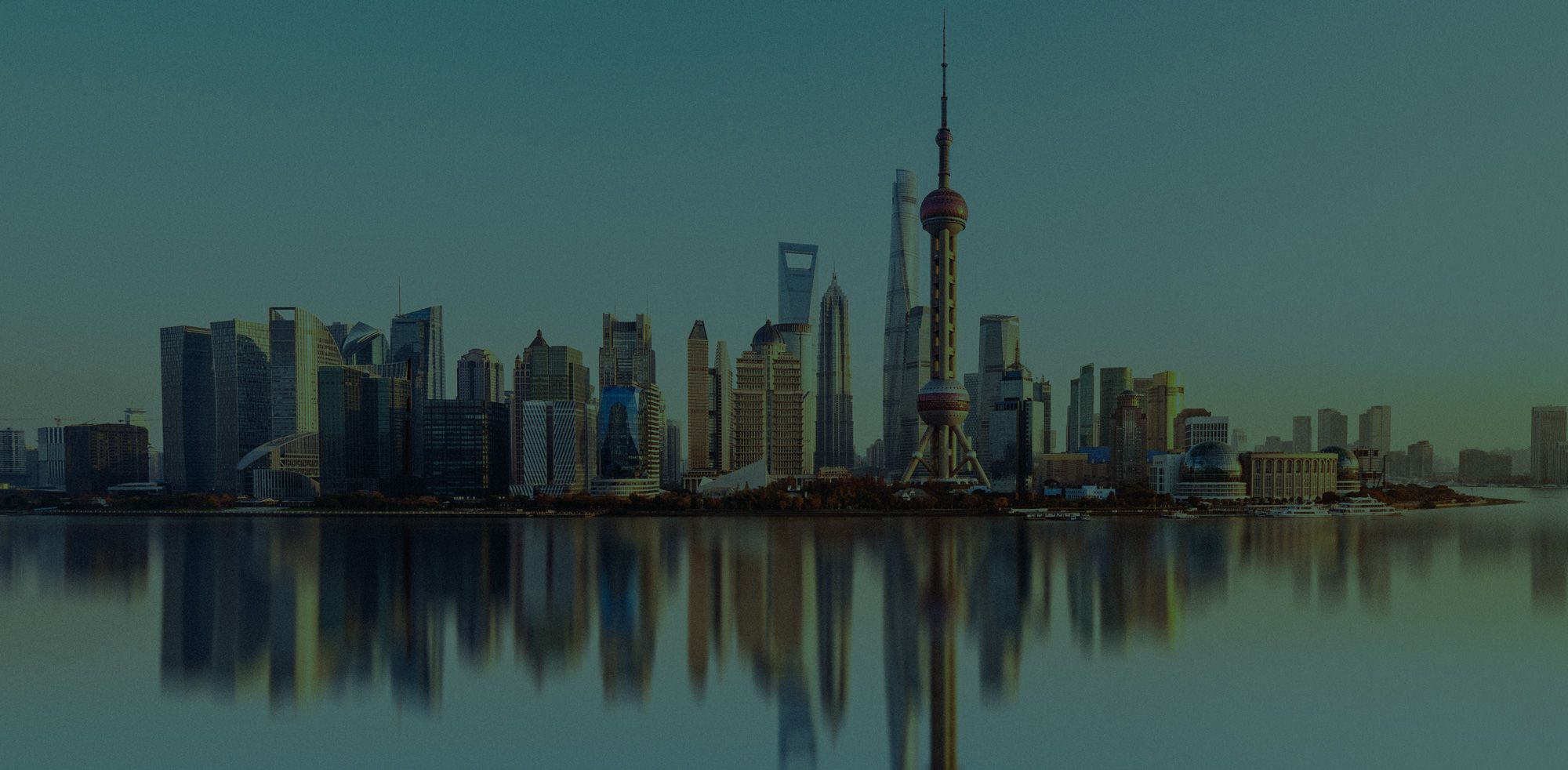
The City of ContrastsA vibrant metropolis, Shanghai displays an impressive historical heritage combined with spectacular modernity. With its historic neighborhoods, bold architecture, and cosmopolitan atmosphere, the city embodies the energy and variety of contemporary China.
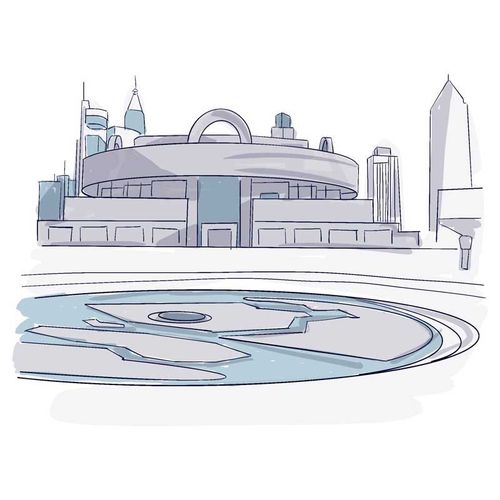
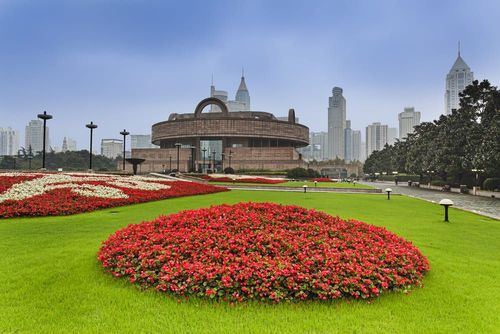
People's Square
1/23
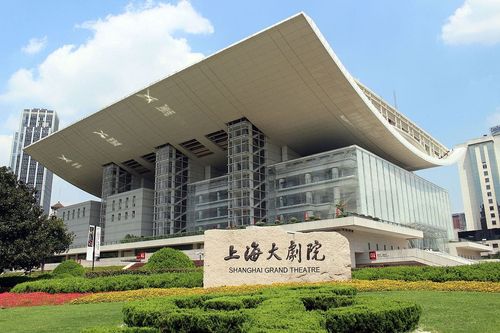
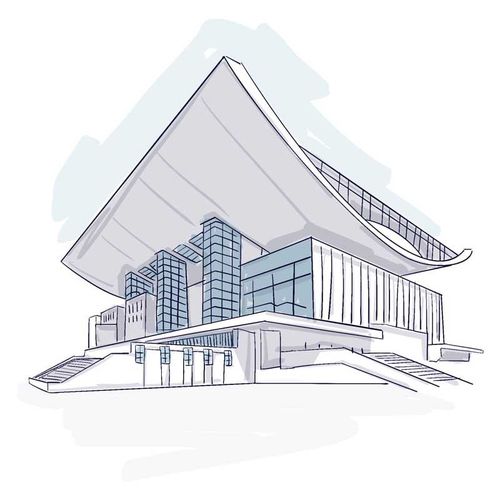
Grand Theatre
2/23
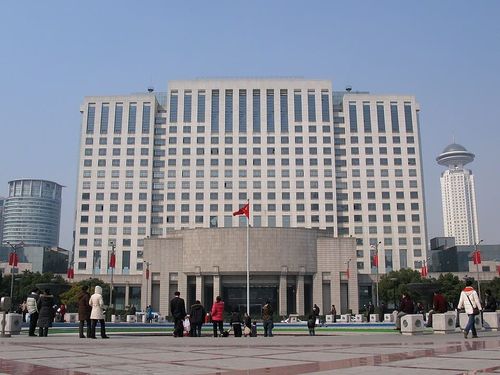
City Hall
3/23

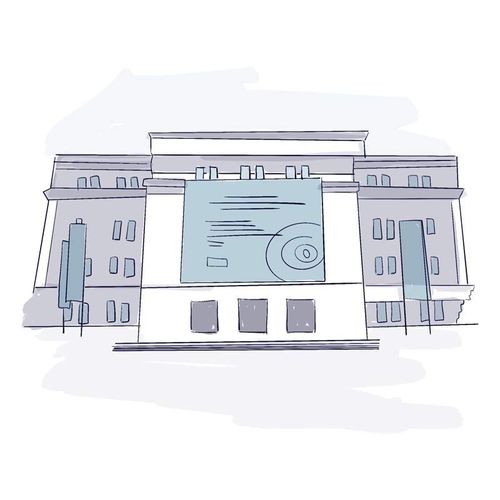
Urban Planning Exhibition Center
4/23
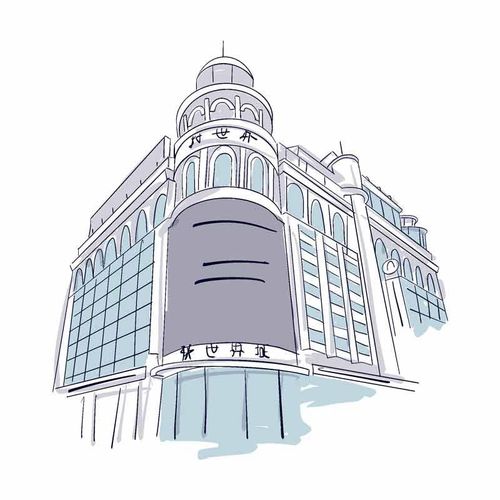
Madame Tussauds Museum
5/23
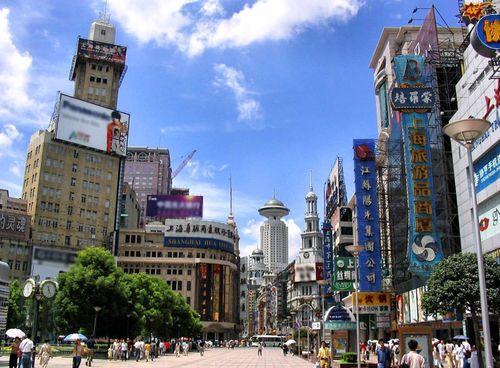
Nanjing Road
6/23

History
7/23
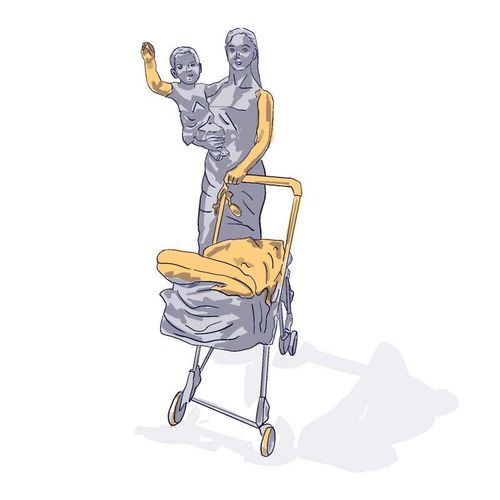
The Nanjing Road Statues
8/23
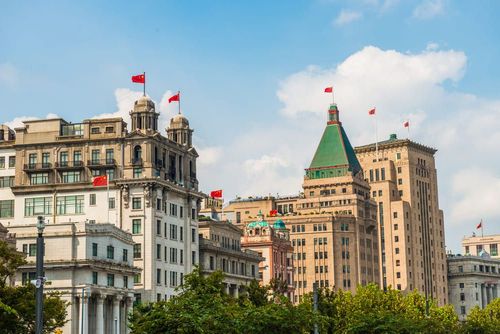
Peace Hotel
9/23
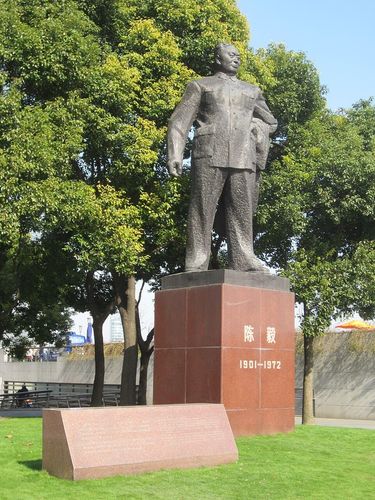
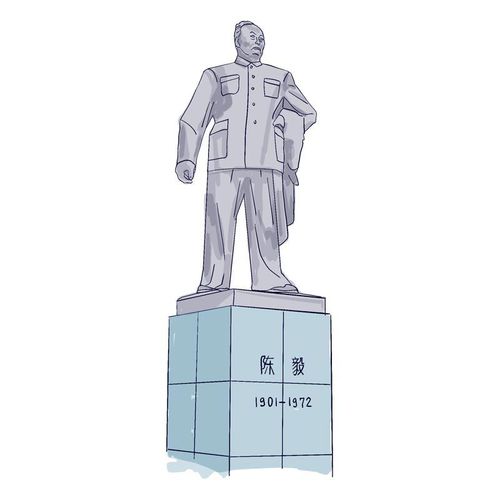
Chen Yi Square and Statue
10/23
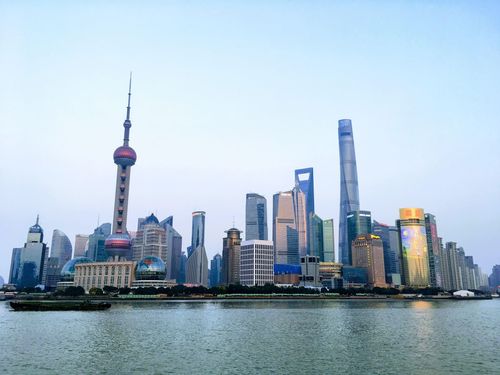
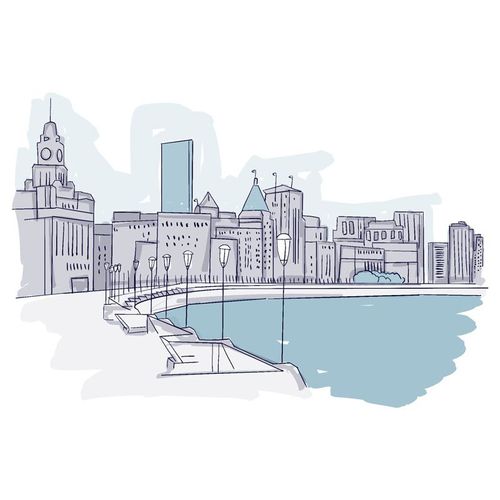
The Bund
11/23
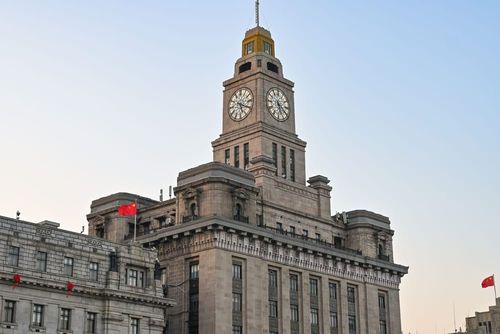
Customs House
12/23
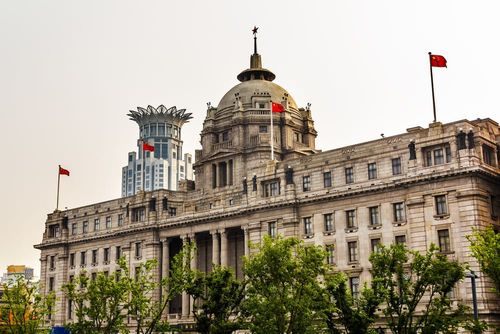
Former HSBC Building
13/23
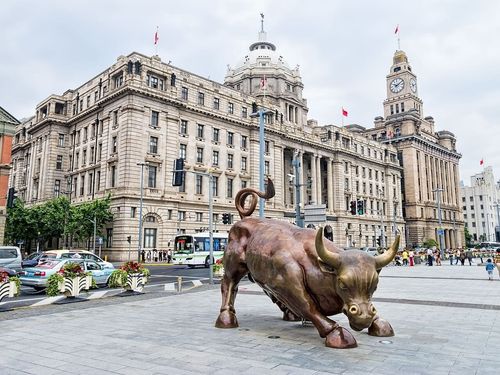
Bund Bull
14/23

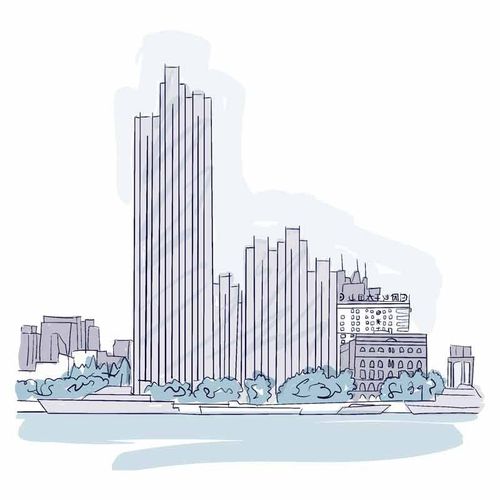
Viewpoint over the Pudong Skyline
15/23
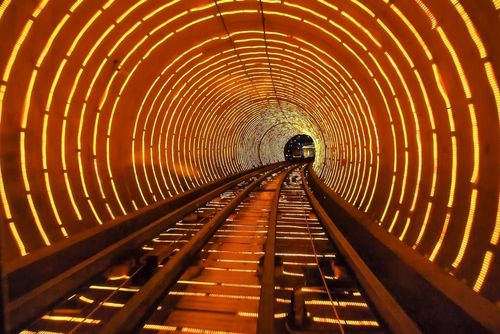
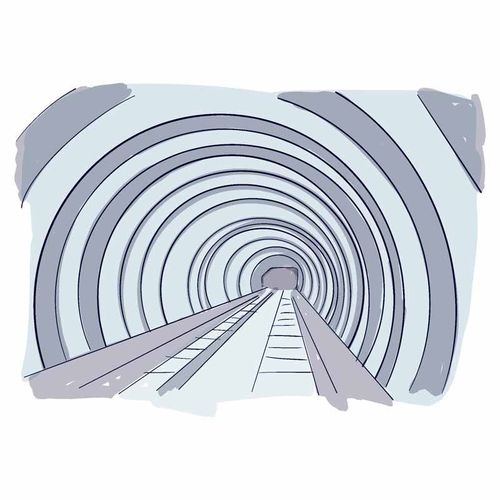
Bund Tunnel
16/23
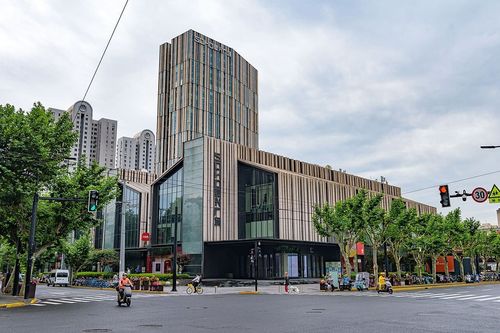
Soho
17/23
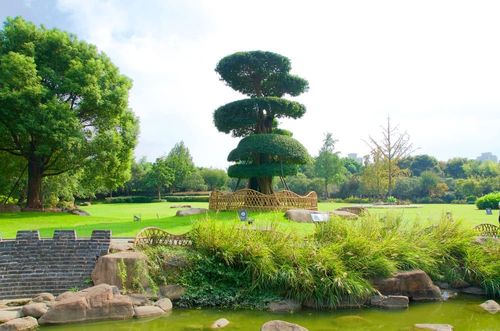
Gucheng Park
18/23
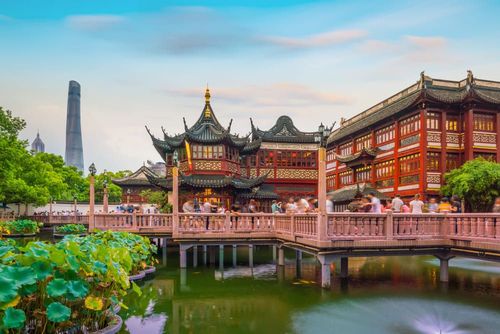
Yuyuan Old Street and Garden
19/23

Gastronomy
20/23
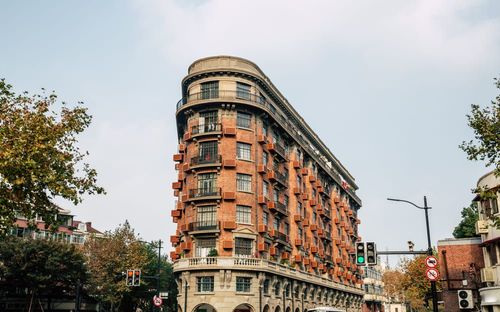
Former French Concession
21/23

Advice
22/23
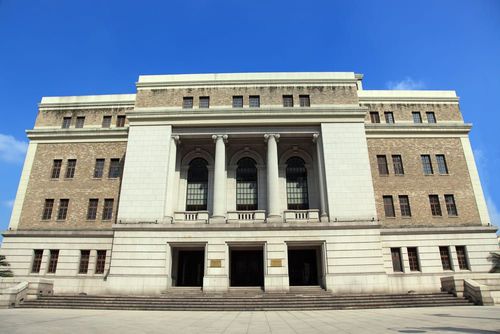
Shanghai Concert Hall
23/23
Jan.
6°
Feb.
8°
March
12°
April
17°
May
22°
June
26°
July
30°
Aug.
30°
Sept.
26°
Oct.
21°
Nov.
16°
Dec.
10°
The best time to visit Shanghai is from April to June and from September to November, when the weather is mild and pleasant. In spring, temperatures range between 15 and 25°C, the parks are in bloom and the air is clearer. Summer (June to September) is hot and humid, often above 30°C, with sudden showers and occasional typhoons. Autumn is the most enjoyable season, with blue skies, low humidity and temperatures between 18 and 26°C. In winter (December to February), the cold is damp and penetrating, around 3 to 10°C, and some buildings have limited central heating. In short, it is better to avoid the summer months due to the oppressive heat and favour spring or autumn, ideal for exploring the city, strolling along the Bund or wandering through the lanes of the former French Concession.
No need to worry about where to begin! Our tours are designed as a loop, so you can jump in wherever you are. The navigation system and audio-guide will automatically adjust to your location. However, if you happen to be nearby, we do have a preferred starting point: On People's Square, in front of the Shanghai Museum
Parking People’s Square – Wusheng Rd, Huangpu In Shanghai, parking is often a challenge: street spaces are scarce, paid and strictly monitored. It is therefore better to use underground car parks or those in shopping malls and hotels rather than risk a fine or towing. Caution is essential when driving, as traffic is dense and scooters or pedestrians do not always follow the rules. The city is equipped with an extensive camera network: speeding, running red lights or illegal stops are detected automatically, and fines are issued without human intervention. In addition, some central areas, especially within the inner ring road, are subject to traffic restrictions for vehicles registered outside Shanghai, particularly during peak hours. To avoid problems, it is best to plan your routes, respect traffic signs and favour official parking facilities.
There is a city pass for visiting Shanghai called the Shanghai Pass, available as a physical card or via the Alipay app. It allows you to pay for public transport, access several attractions and benefit from discounts in shops and restaurants. Alongside it, the standard Public Transportation Card is used only for travel, while some private passes such as the Go Shanghai Pass bundle entries to various attractions. The Shanghai Pass therefore remains the most practical and cost-effective option for a short stay. The official currency in Shanghai, as in the rest of China, is the renminbi yuan, abbreviated RMB. Its symbol is ¥, and its international code is CNY (Chinese Yuan).
Explorez le monde en totale liberté, à pied au cœur des villes ou au fil des routes. Nos guides audios transforment chaque destination en une découverte culturelle immersive et unique.