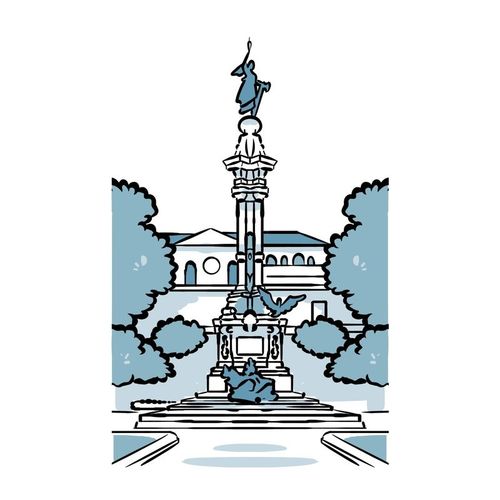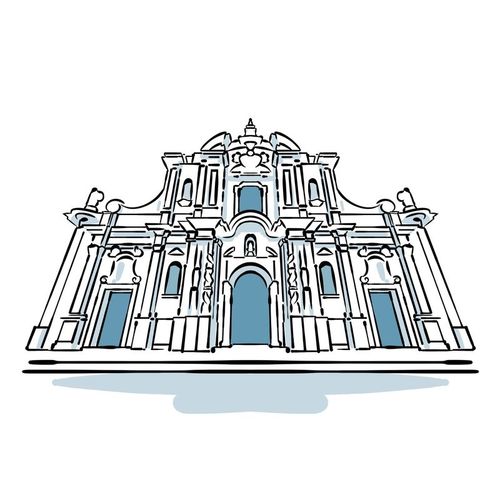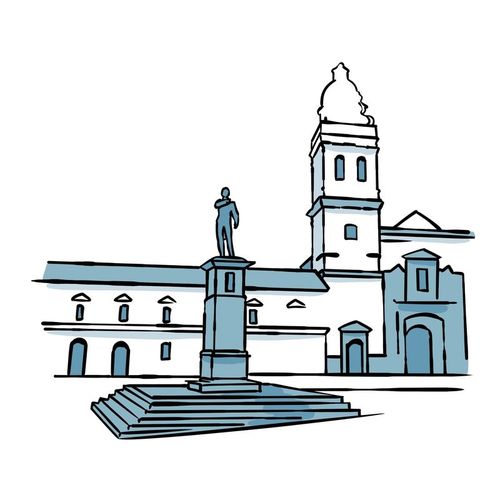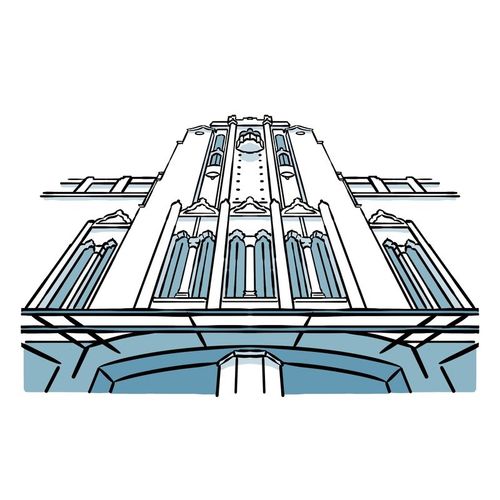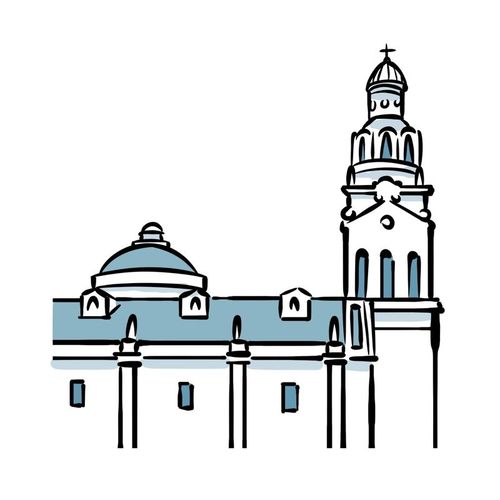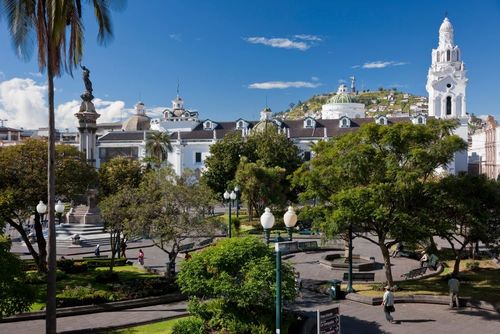
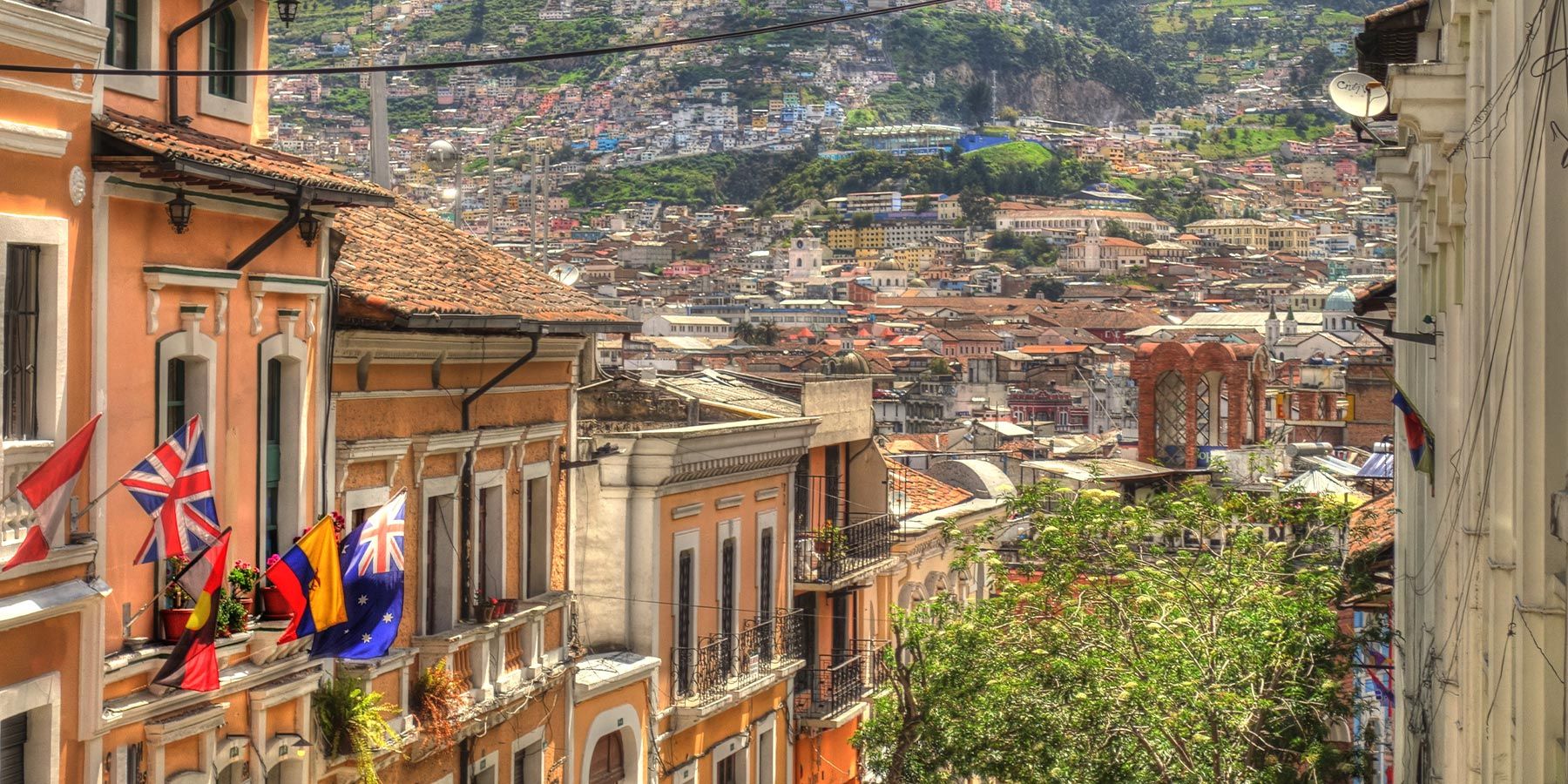
Plaza de la Independencia
1/20

Créé par Emilie, le 20 mai 2026
Votre guide Ryo
Quito, Ecuador
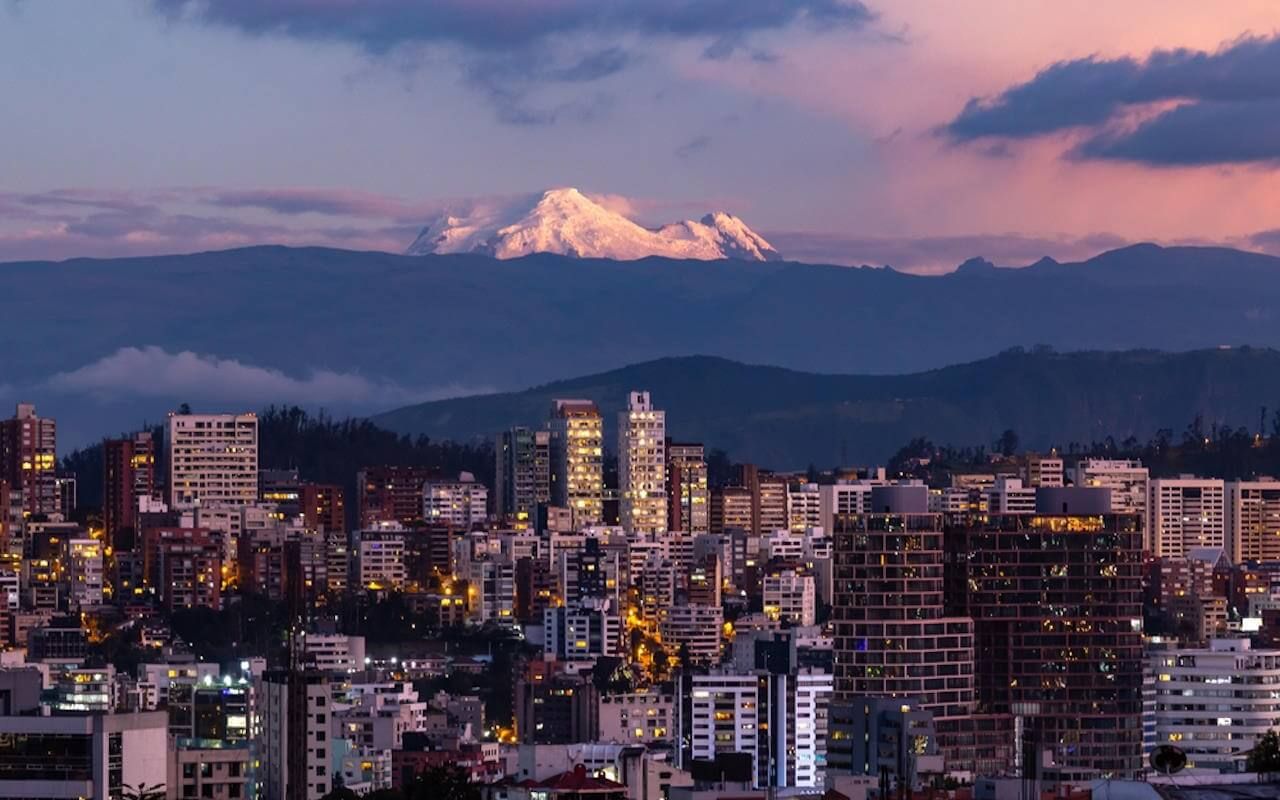
Lost in the AndesPerched at over 2,800 meters above sea level, Quito is home to one of the best-preserved historic centers in Latin America, listed as a UNESCO World Heritage Site. With its colonial architecture, Baroque art, and volcanic landscapes, the city blends heritage with spectacular natural surroundings.
Plaza de la Independencia
1/20
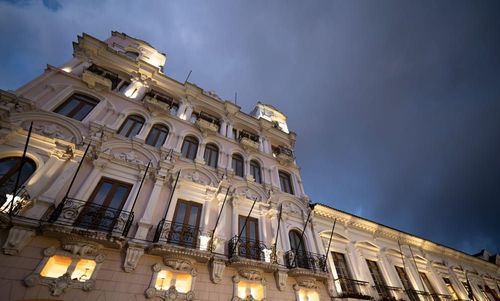
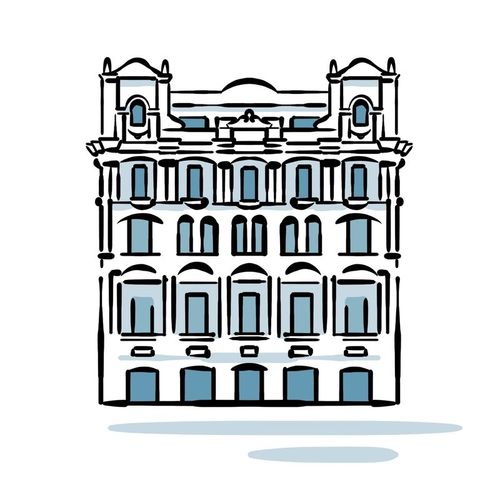
Archbishop's Palace
2/20
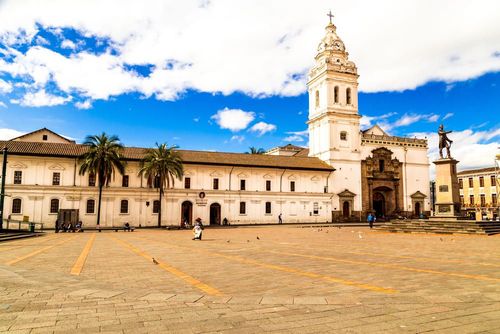
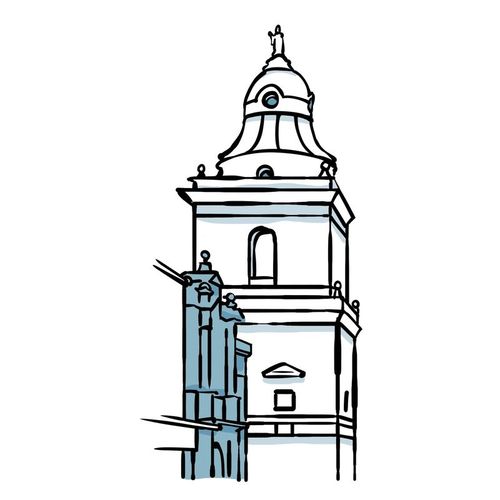
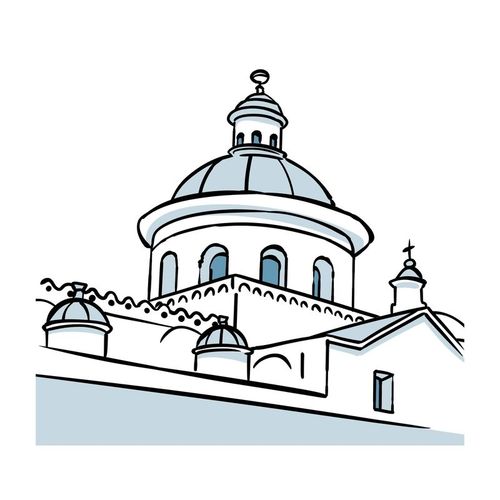
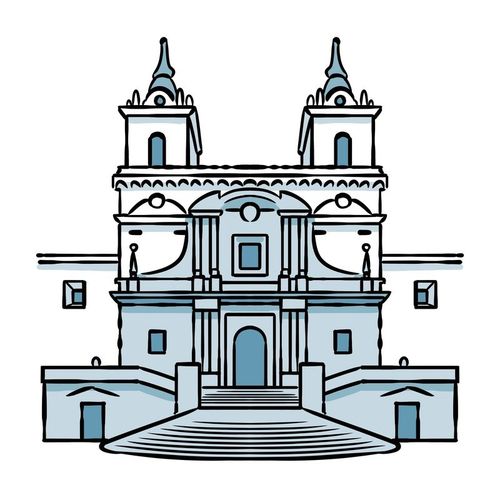
San Agustin Church
3/20
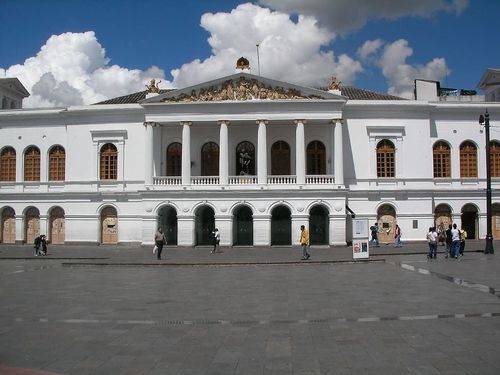
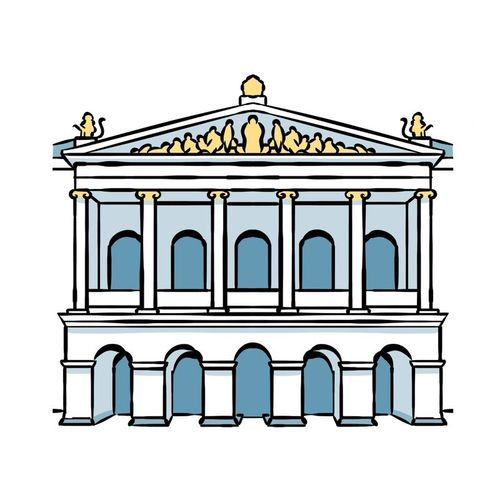
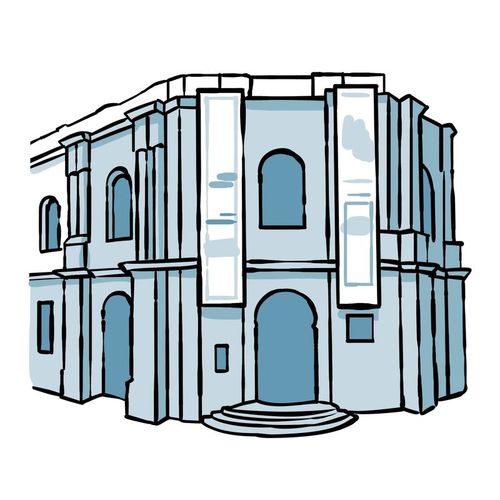
Teatro Sucre
4/20
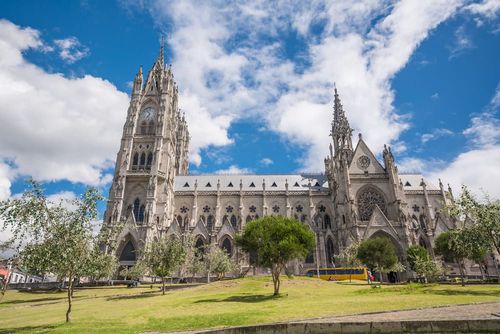
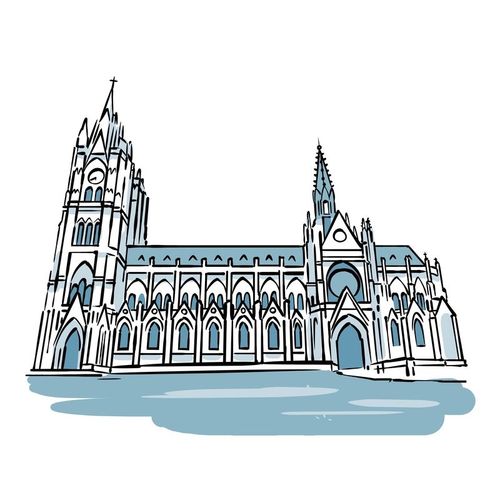
Basílica del Voto Nacional
5/20
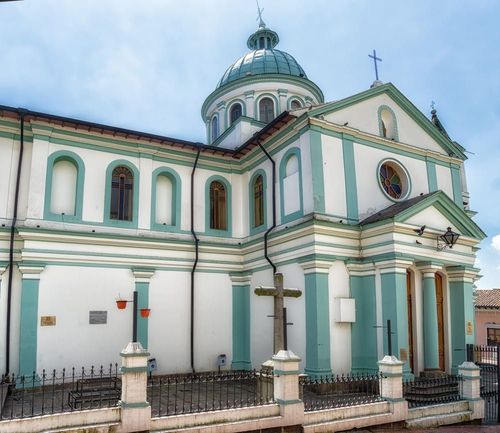
Santa Barbara Church
6/20
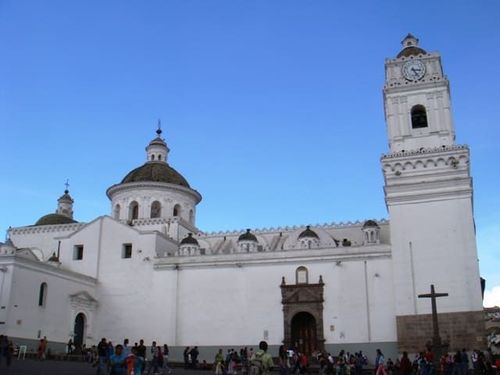
Maximo de la Merced Convent
7/20
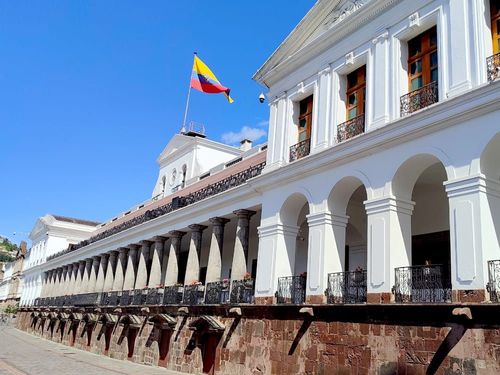
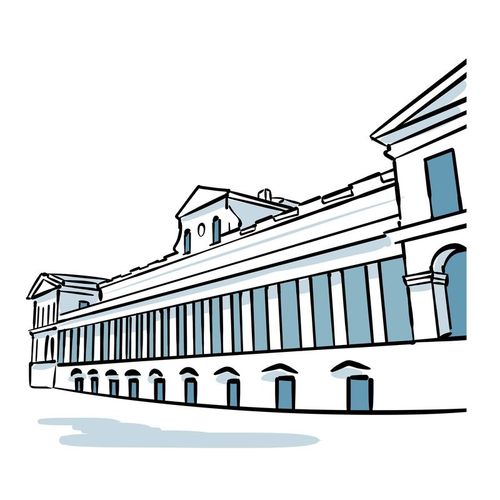
Carondelet Palace
8/20
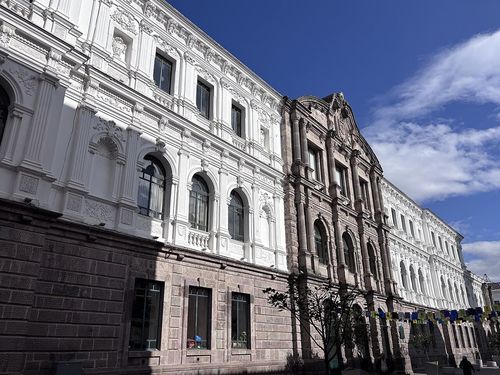
Metropolitan Cultural Center
9/20
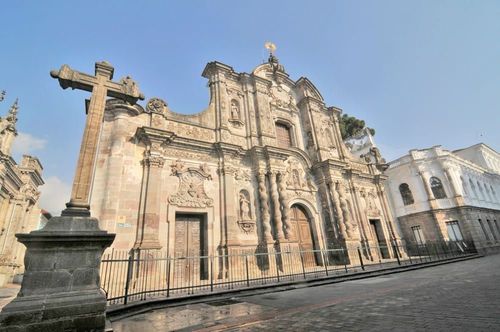
Iglesia de la Compañía de Jesús
10/20
El Tianguez Cultural Center
11/20
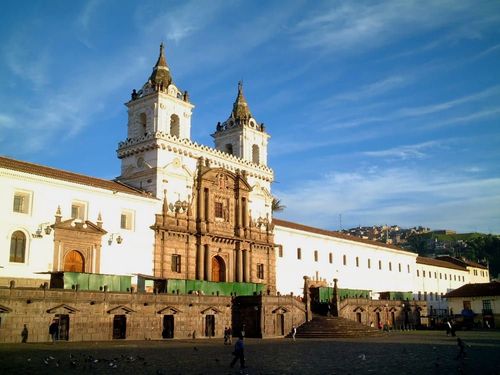
Iglesia de San Francisco
12/20
Mercado San Francisco
13/20
Okuda Mural
14/20
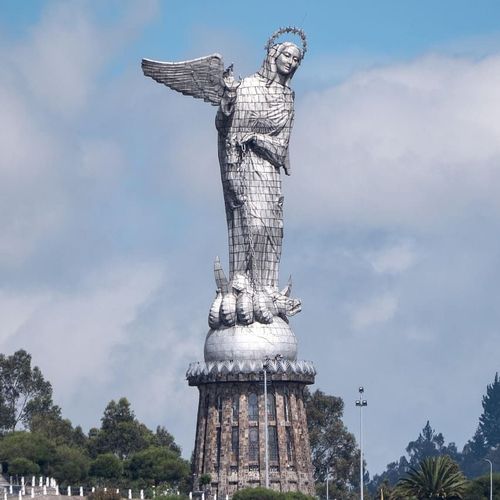
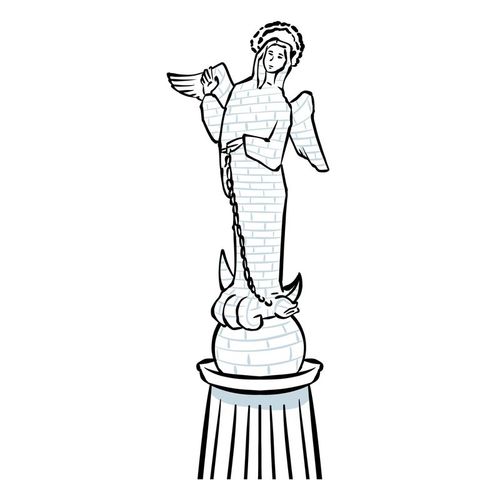
La Virgen del Panecillo
15/20
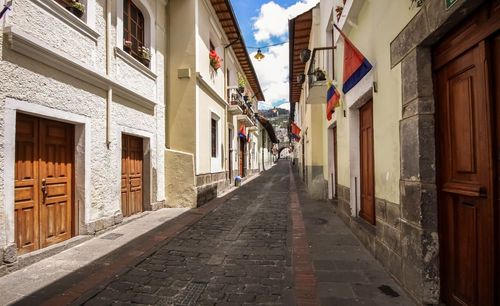
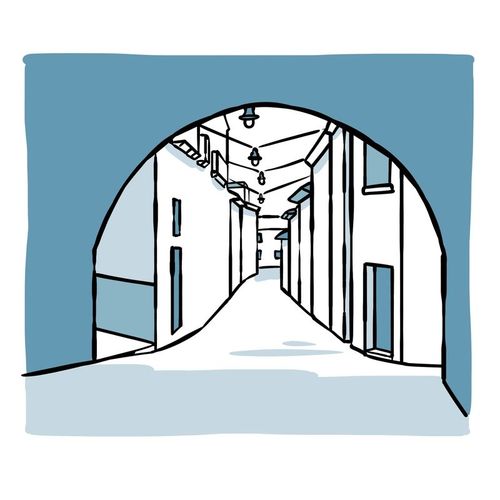
Calle la Ronda
16/20
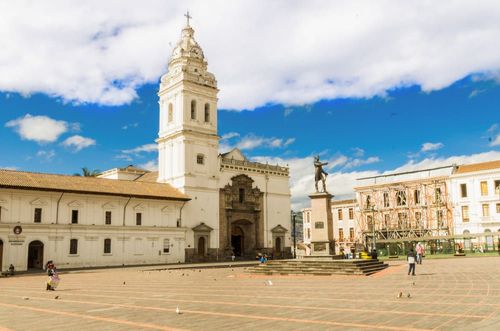
Plaza Santo Domingo
17/20
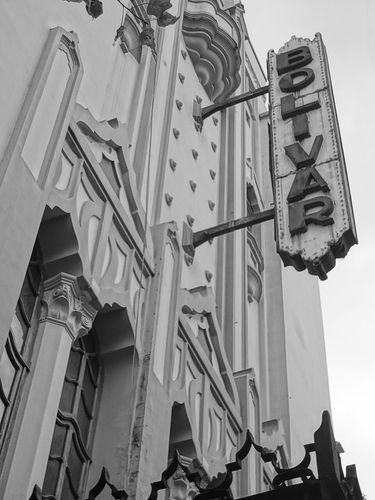
Bolívar Theater
18/20

Advice
19/20
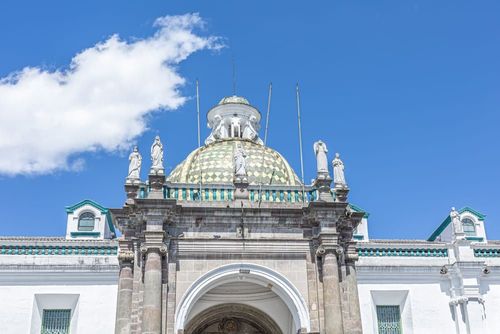
Metropolitan Cathedral
20/20
Jan.
14°
Feb.
14°
March
14°
April
14°
May
14°
June
14°
July
14°
Aug.
15°
Sept.
15°
Oct.
15°
Nov.
15°
Dec.
14°
Quito, at an altitude of 2,850 meters, enjoys a temperate or subtropical mountain climate. So, while it’s on the Equator, it’s high up in the mountains. Temperatures are spring-like year-round, with a relatively short dry season from June to mid-September, and a rainy season the rest of the year. March is generally the wettest month. The ideal time to visit the country is during our summer, when you’ll find temperatures around 20°C and plenty of sunshine.
No need to worry about where to begin! Our tours are designed as a loop, so you can jump in wherever you are. The navigation system and audioguide will automatically adjust to your location. However, if you happen to be nearby, we do have a preferred starting point: Plaza de la Independencia
Dowtown Parking, rue Vicente Leon N7-41 It’s unlikely you’ll be driving in Ecuador. But for the few brave souls who do have a car, we recommend leaving it at your hotel if possible. Few accommodations have their own parking, but most hotels offer access to secure partner parking lots. Never leave valuables in your car!
Contrary to what you might expect, Ecuador uses the US dollar (USD)! The country had its own currency until the year 2000—the sucre, named after General Sucre, the country’s liberator. But after the sucre collapsed, Ecuador adopted the US dollar to stabilize its economy. During your trip, you’ll mostly pay in cash. It’s best to use small bills, as large ones are often suspected of being counterfeit. You’ll also see sucre centavos still circulating alongside the dollar, with the same value to simplify small expenses. One sucre centavo equals one US cent. If you use your bank card, be aware that Ecuadorian banks charge a commission plus VAT when you withdraw cash. So, it’s ideal to bring your dollars from France to avoid poor exchange rates.
Explorez le monde en totale liberté, à pied au cœur des villes ou au fil des routes. Nos guides audios transforment chaque destination en une découverte culturelle immersive et unique.