


RyoCity
Capital of Porcelain
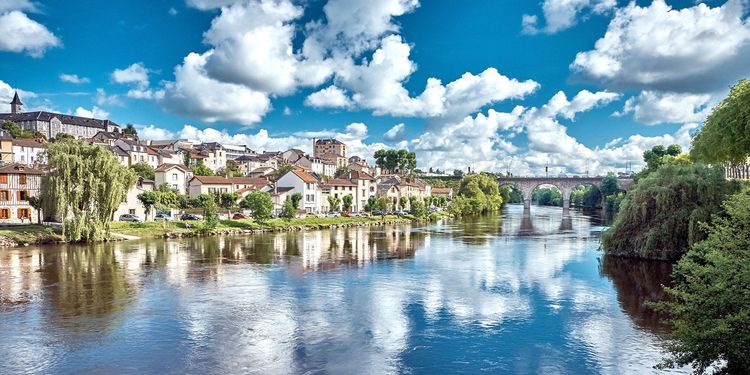
Limoges, France
RyoCity
Capital of Porcelain
Limoges, France
5.8 km
Distance
2h30
Durée
28
Audios
Boucle
Parcours
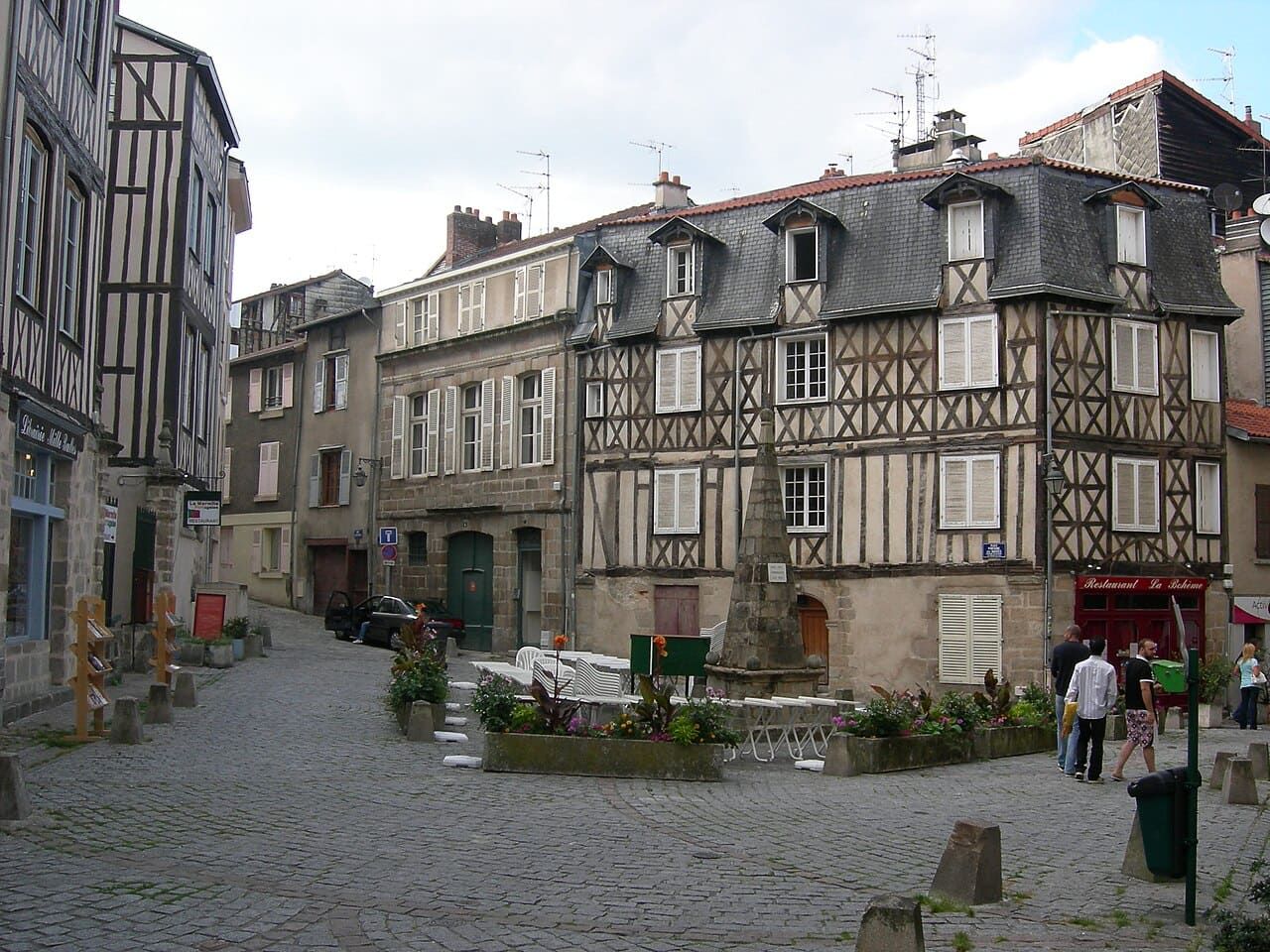
©Weygand CC BY-SA 3.0. <https://creativecommons.org/licenses/by-sa/3.0/deed.fr>via Wikipedia Commons
You’re now standing in front of the Fontaine des Barres, a pyramid-shaped fountain that dates back to the 17th century. It sits at the heart of the square that shares its name, surrounded by charming Renaissance-style buildings that give the area a distinctive character. You’re in what was once known as the Château quarter, named for the medieval castle that once stood nearby. Back then, Limoges was divided into two parts: the Château district, ruled by the lords and viscounts from their fortress, and the Cité district near the cathedral, which was under the authority of the bishops. In the center of this square there used to be a well, covered with iron bars to prevent accidents—and that’s where the fountain gets its name: des Barres. In 1615, the well was transformed into the fountain you see today, topped with a small pyramid. It became a communal gathering spot where people would fetch water and catch up on local news. In the 19th century, the spouts were replaced with a tap, but the fountain itself remained. After more than 400 years in place, it’s now listed as a Historic Monument and fits beautifully into the backdrop of Limoges’ old town, surrounded by its half-timbered houses and centuries of history.