





RyoCity
Between Myth and Authenticity
Saint-Tropez, France
RyoCity
Between Myth and Authenticity
Saint-Tropez, France
3 km
Distance
1h15
Durée
22
Audios
Boucle
Parcours
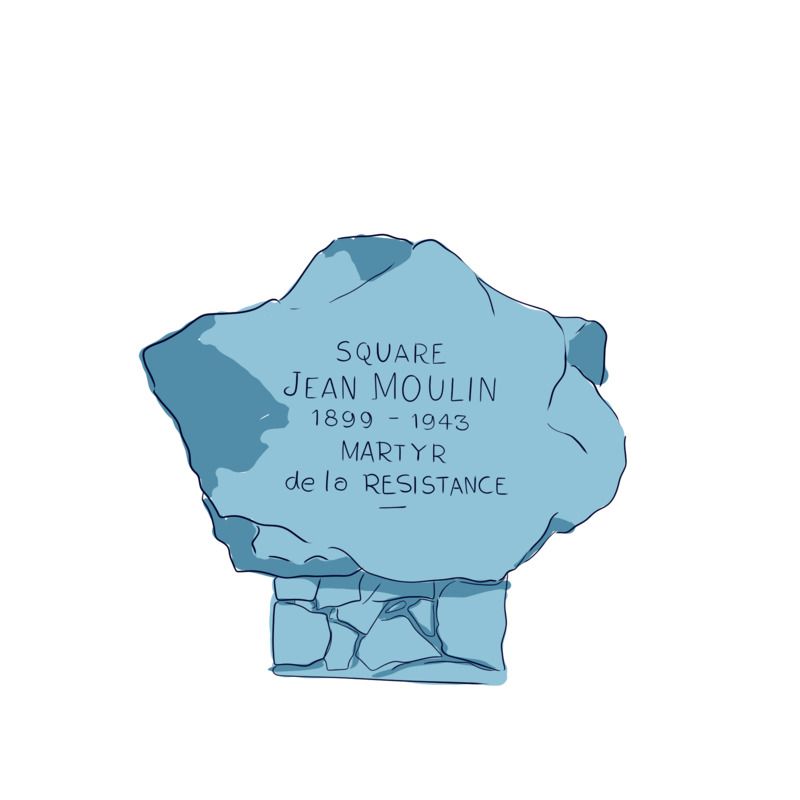
At the corner of Place des Lices stands a memorial to Jean Moulin, one of the great figures of the French Resistance during the Second World War. His name may be less familiar to foreign visitors than that of Charles de Gaulle, yet his role was every bit as crucial. Moulin was a senior civil servant, prefect of Chartres in 1940, who refused to collaborate with the Nazi occupiers. Arrested and mistreated, he chose resistance instead. Soon after, he made his way to London to join General de Gaulle. His mission was to unite the many Resistance movements, which were often divided and scattered. Thanks to him, the National Council of the Resistance was formed in 1943, giving the French struggle a single voice. That same year, Jean Moulin was captured by the Gestapo and died without ever betraying a word, becoming one of the most powerful symbols of courage and sacrifice. But why a statue here, in Saint-Tropez? Because Provence and the Var coastline played a decisive role in Liberation. In August 1944, Allied troops landed on the beaches of Cavalaire, Saint-Raphaël, and Pampelonne, just a few kilometers away. These operations, known as the Provence landings, opened the way for the liberation of southern France. This monument therefore pays a double tribute: to Jean Moulin himself, a national hero of the Resistance, and more broadly to the memory of all those who fought to restore freedom to Provence, and to France. Take a moment to notice the contrast: around you, pétanque balls clatter, the market buzzes, laughter carries through the air—and in the middle of this lightheartedness, a statue quietly reminds us that the peace we enjoy today came at a heavy price.
