





RyoCity
Isle of Kings
Palma de Mallorca, Spain
RyoCity
Isle of Kings
Palma de Mallorca, Spain
5 km
Distance
2h00
Durée
26
Audios
Boucle
Parcours
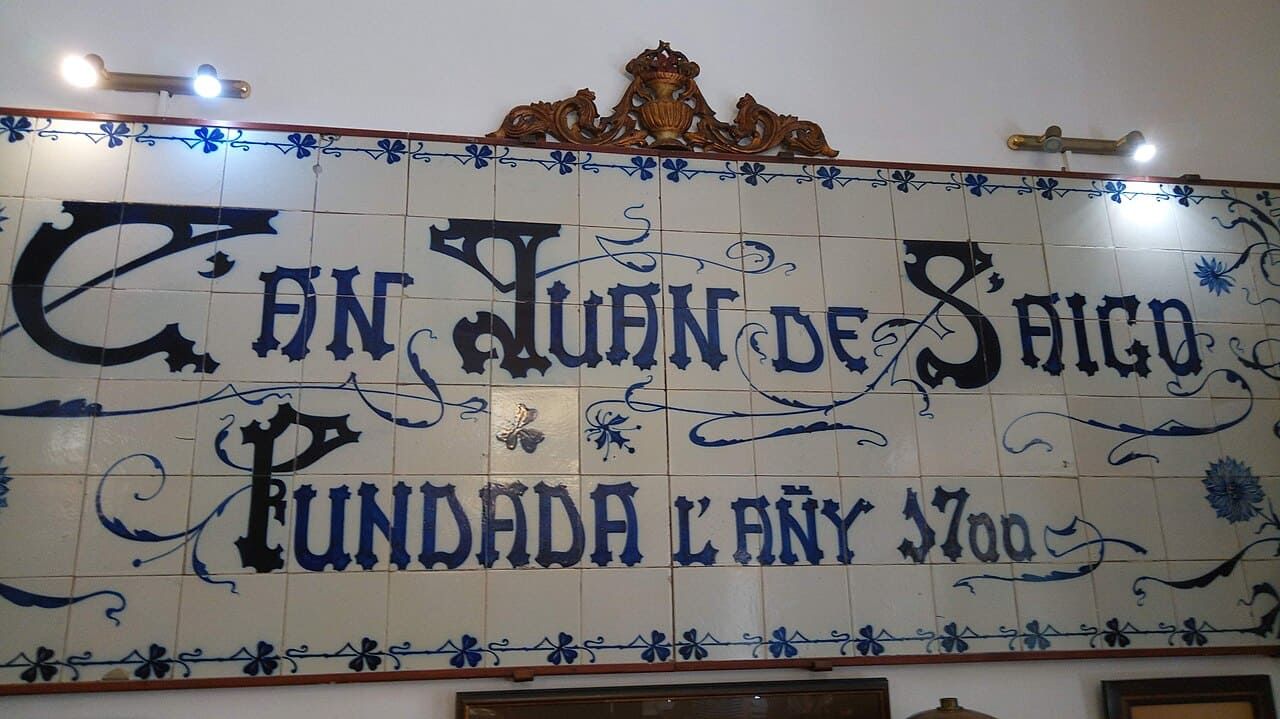
©Joan Gené - CC BY-SA 4.0 <https://creativecommons.org/licenses/by-sa/4.0/deed.fr>via Wikipedia Commons
Ok, so you can’t leave Palma without tasting one of its sweet specialities! The Can Joan de S'Aigo chocolate shop is absolutely legendary in Mallorca - it's been welcoming customers since 1700 without ever closing down! The café is named after its founder, Joan de S’Aigo, who used to hire men to accompany him during winter into the Serra de Tramuntana mountains to collect snow and store it in what were known as snow houses. Back then, these were structures dug into the mountain, where snow was stockpiled to provide ice in the spring, which was then sold to households across the island. One day, Joan de S’Aigo had the brilliant idea of mixing this ice with fresh fruit or almonds, therefore inventing sorbet! Later, he began selling hot chocolate and ensaimadas, opening one of the very first chocolate shops in Europe. In 2018, Café Joan de S’Aigo was added to Palma’s official register of emblematic stores, a label created by the municipality to honour the city’s historical and cultural heritage. So this place is just so typical, offering a nostalgic trip to a bygone era. Whether you stay here or go elsewhere, don’t leave without tasting an ensaïmada. It’s a snail-shaped brioche, topped with powdered sugar and tastes like orange blossom. It’s a recipe you’d typically find in Majorca, with uncertain origins dating more than four centuries back. Today, Mallorcan ensaïmadas are considered part of the island’s cultural heritage and even have a protected designation of origin. You must also take a sip from the famous horchata, a refreshing summer drink made from an ancient recipe using barley. This cold plant-based milk has Arabic origins, and its main ingredient, chufa (also called tiger nut), was widely cultivated in the Valencia region as early as the 8th century, during the first Muslim conquests. Today, horchata refers more broadly to any beverage made from plant-based ingredients, not just chufa. If you’re not familiar with this tuber, it’s normal—it’s native to Spain, which remains the world’s top producer.
