





RyoCity
The Little Land of the Mediterranean
Valencia, Spain
RyoCity
The Little Land of the Mediterranean
Valencia, Spain
4.7 km
Distance
2h00
Durée
27
Audios
Boucle
Parcours
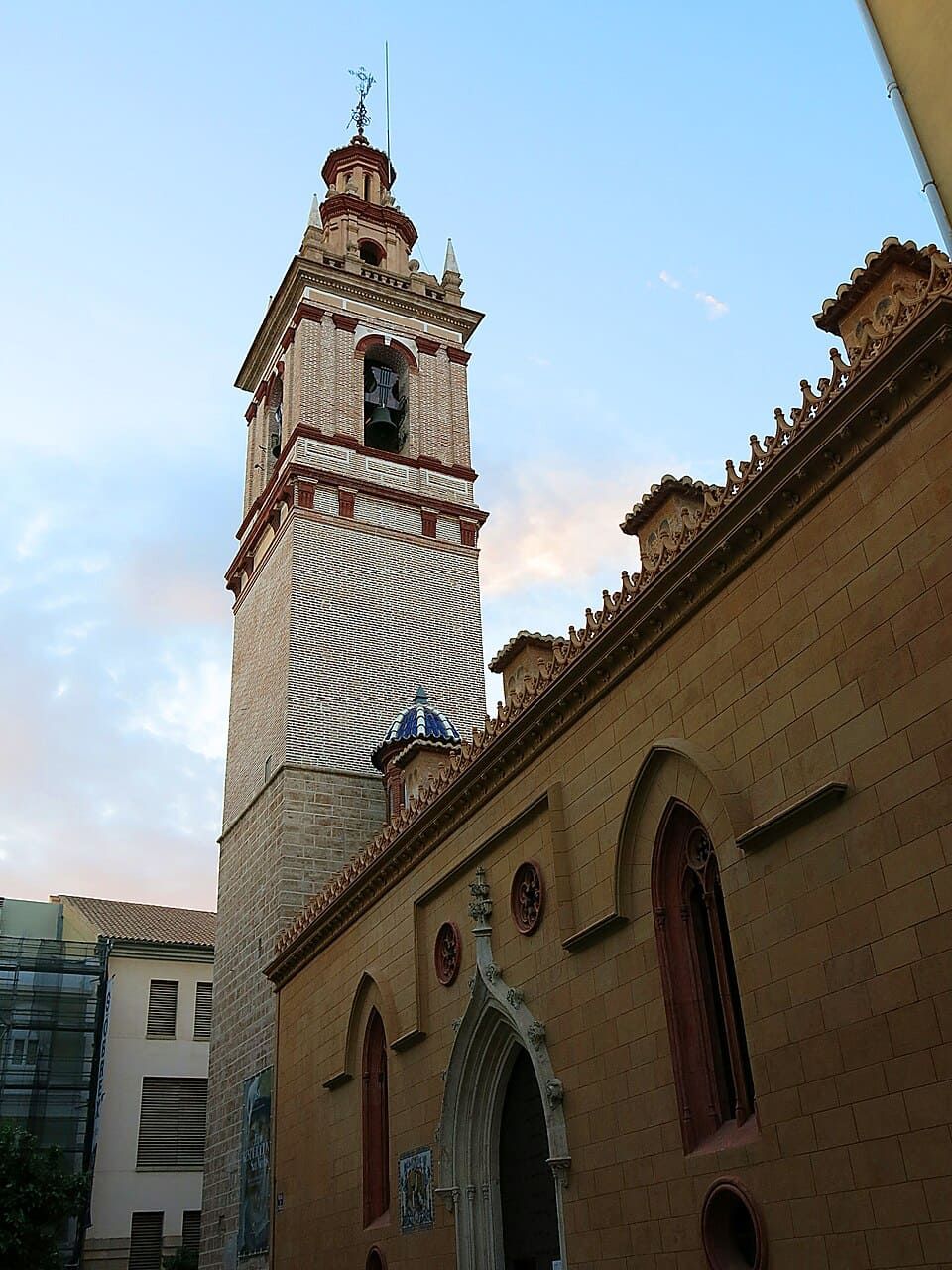
©Enric - CC BY-SA 4.0 <https://creativecommons.org/licenses/by-sa/4.0/deed.fr>via Wikipedia Commons
Even if it doesn’t look like it, the Church of San Nicolás de Bari and San Pedro is one of the most fascinating gems in the city. Valencia is known for its breathtaking buildings, hidden details and beautiful viewpoints—and this church is no exception. Built around 1242, it’s one of the city’s first twelve Christian parishes, built after King James I of Aragon conquered the city, marking the end of Muslim rule in the region. The church was renovated between 1419 and 1455 by a local noble family, and underwent a complete transformation in the 17th century. Its interior was covered in Baroque decorations and frescoes depicting scenes from the lives of San Nicolás and San Pedro. These frescoes span the entire ceiling, and visitors take a while to admire them—snapping a photo or two while following each scene unfolding above them. This stunning artwork was further enhanced in 2016. Thanks to its incredible beauty, the church is now nicknamed the “Sistine Chapel of Valencia.” This site used to be a Roman temple where local deities were worshipped. Valencia itself was founded by Roman settlers in 138 BC. During the Islamic period, the building was converted into a mosque, and after the Christian reconquest, it was granted to the Dominican Order by King James I. Can you guess who the patron saint of the Dominicans was? San Nicolás Obispo of course, whom the church is named after. There’s also a legend about the altar dedicated to Saint Peter Martyr of Verona. It’s said that a miracle happened right here—a newborn was saved, and the church has been a sacred place of safety and protection ever since. To truly appreciate its splendor, you’ll need to step inside—provided that it’s open when you pass by.
