




RyoCity
Suspended between Sky and Peaks
Ronda, Spain
RyoCity
Suspended between Sky and Peaks
Ronda, Spain
2.6 km
Distance
1h15
Durée
27
Audios
Boucle
Parcours
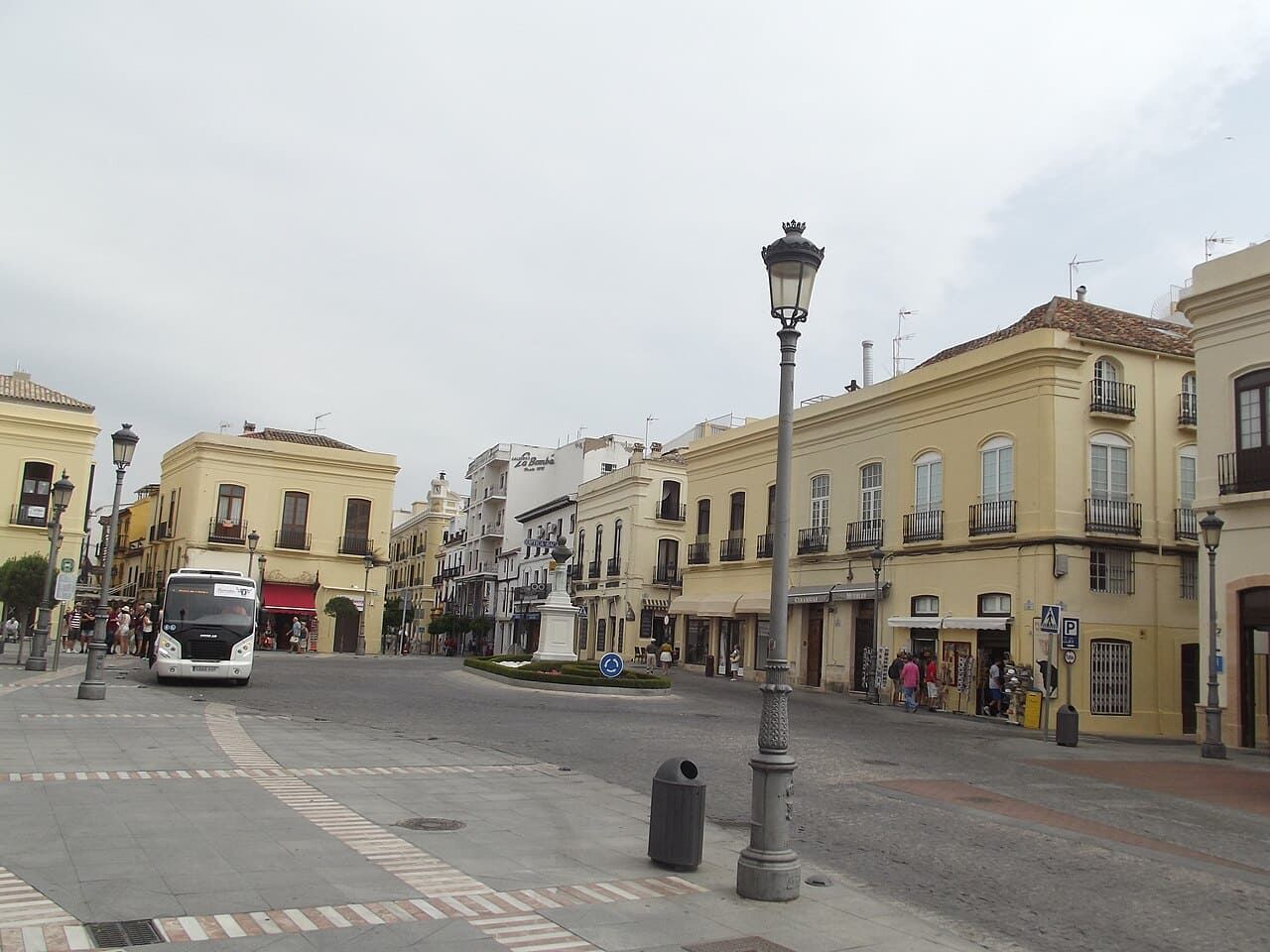
©Elliott Brown - CC BY-SA 2.0
You are now standing in one of Ronda’s most emblematic spaces, a square perched on the very edge of the Tajo canyon and linking the old town with the more modern part of the city. The building that dominates it is the former Town Hall, built in the eighteenth century over the old arcades of the square and later transformed into the Parador de Ronda, a hotel in a spectacular position above the gorge with direct views of the New Bridge. At the centre of the square you’ll see the bust of Antonio de los Ríos Rosas, a politician born in Ronda who served several times as president of the Spanish Congress of Deputies in the nineteenth century. The Plaza de España also holds a place in both literary and political history: in For Whom the Bell Tolls, Ernest Hemingway sets here the violent events of the Spanish Civil War, when prisoners were gathered in the Town Hall before being thrown into the canyon below. Today, renovated with granite paving and animated by terraces, cafés and a steady flow of visitors, the square remains one of Ronda’s main social meeting points.
