





RyoCity
Hollywood, Where Stars Are Born
Los Angeles, United States
RyoCity
Hollywood, Where Stars Are Born
Los Angeles, United States
1 km
Distance
45 min
Durée
16
Audios
Boucle
Parcours
©Jllm06 BY-SA 4.0.
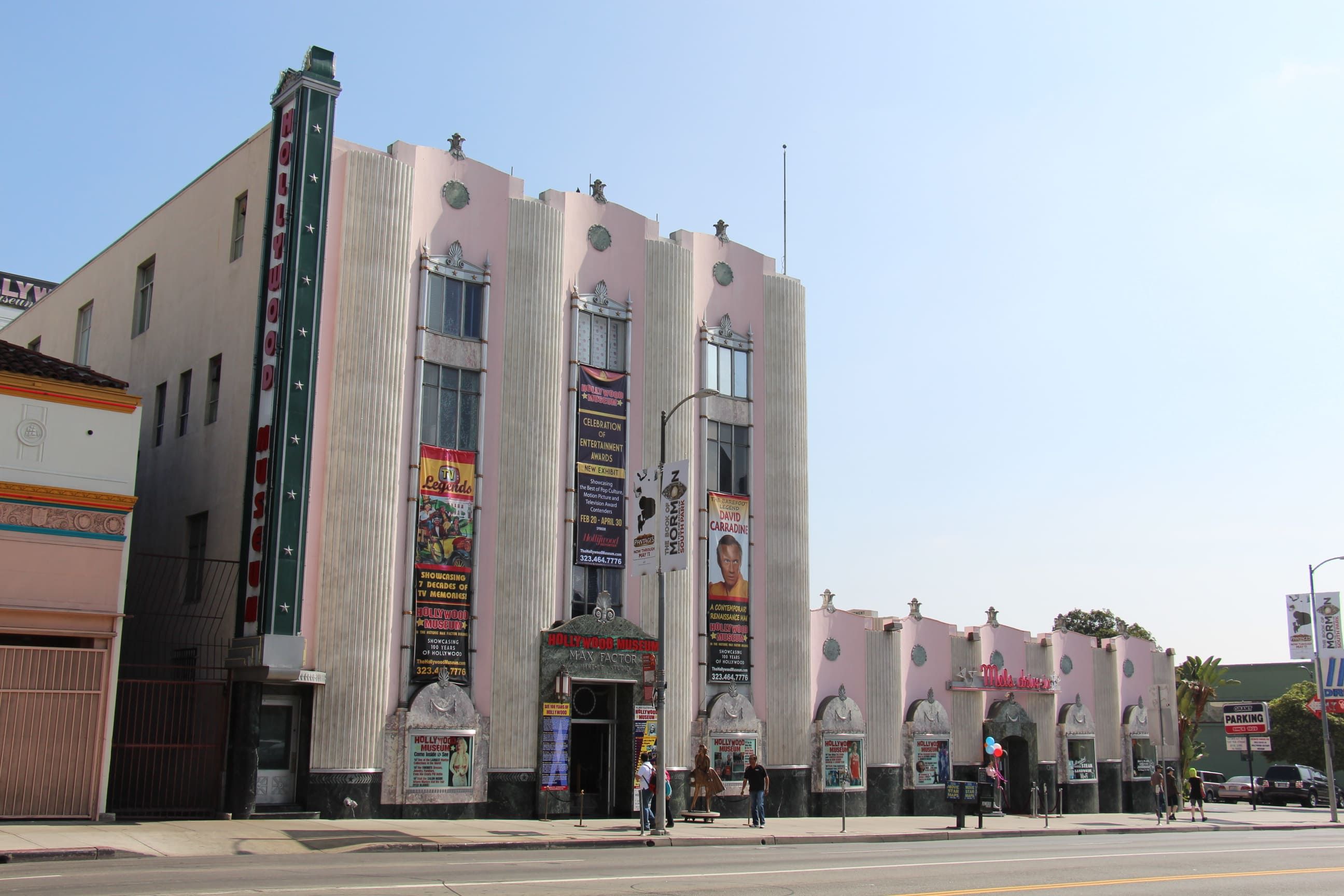
From here, you can take in a couple of remarkable landmarks. First, the towering First National Bank of Hollywood, once the tallest building in all of Los Angeles. Completed in 1928, it blends Art Deco and Neo-Gothic architecture, earning it designation as a Historic-Cultural Monument. For decades, it housed various banks and stood as an iconic presence on Hollywood Boulevard. Today, however, the building has been vacant for over fifteen years—too costly to renovate—marking the legacy of Hollywood: a once-glorious skyscraper from the Golden Age, now a silent giant amid the bustling street. To your right, the scene is very different: the Hollywood Museum, housed in the legendary former Max Factor Building. Built in 1928 by Hollywood’s iconic makeup artist Max Factor, this was the temple of glamour for movie stars. Here, Marilyn Monroe became blonde, Lucille Ball perfected her famous red hair, and countless other stars were transformed before stepping in front of the camera. Max Factor is considered the father of modern makeup, creating techniques for film and, for the first time, making cosmetics acceptable for the general public. After decades and multiple owners, the building was purchased in 1994 and underwent nearly ten years of restoration, reopening in 2003 as Hollywood’s official museum. Spread over four floors, it now houses more than 10,000 authentic items: original costumes, props from cult films, legendary cars, and the world’s largest collection devoted to Marilyn Monroe, including her wardrobe, limousine, and even her makeup chair. Downstairs, the atmosphere shifts dramatically in the “Dungeon of Doom,” dedicated to horror films, featuring Hannibal Lecter’s actual cell, classic monsters, and terrifying film sets. In short, the Hollywood Museum is both a tribute to the Golden Age, a treasure trove of authentic memorabilia, and a journey through the entire history of cinema.
