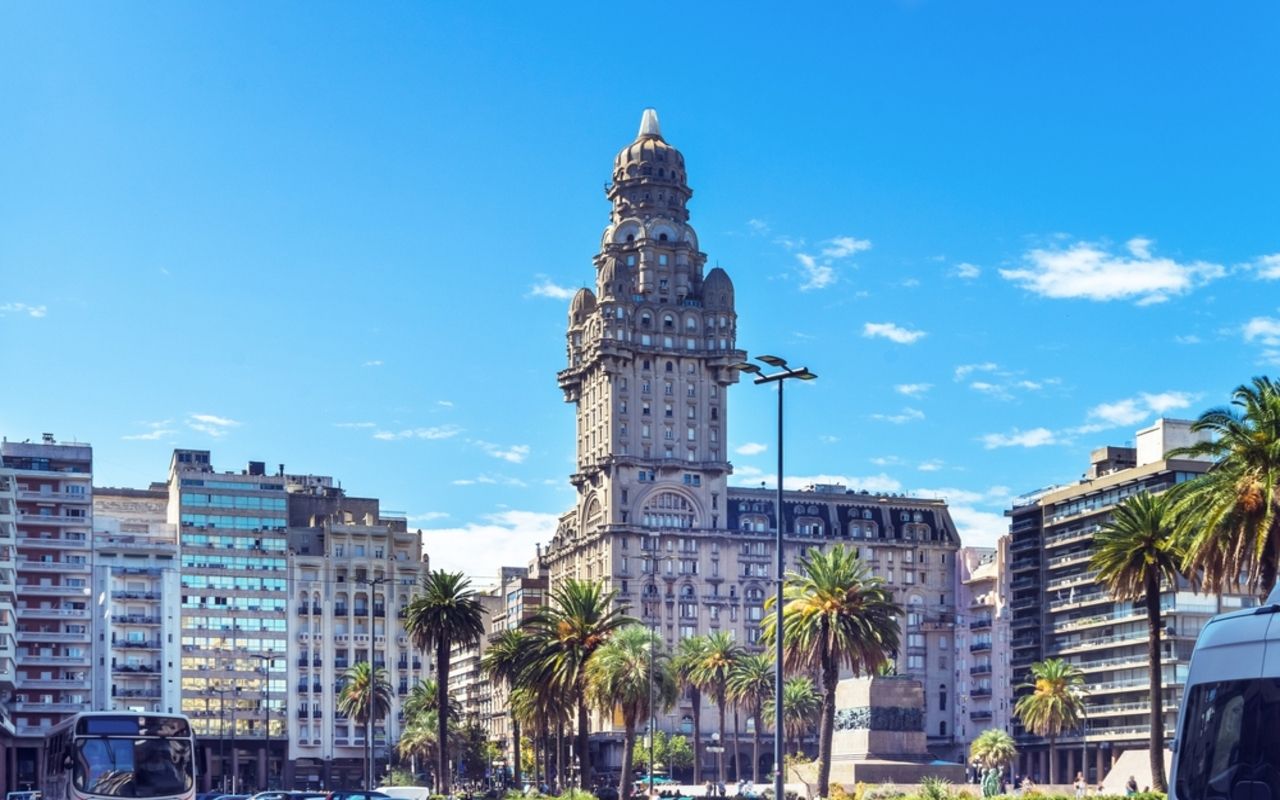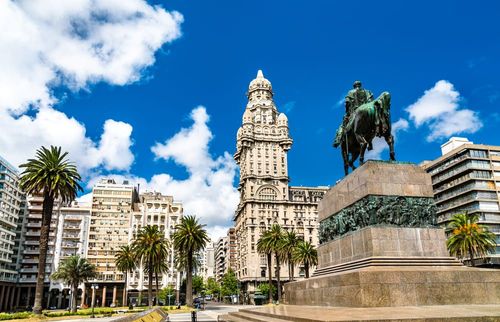
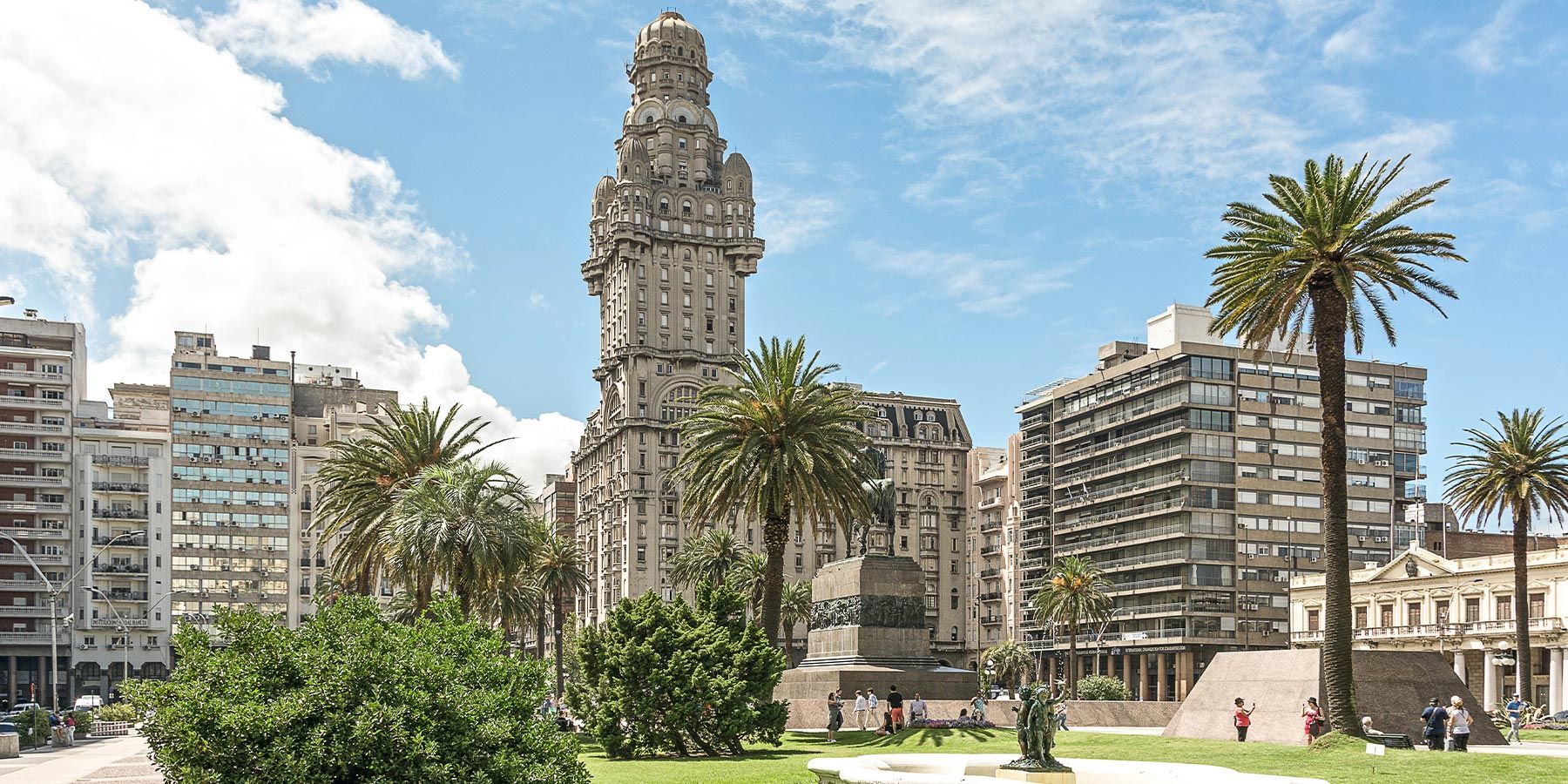
Plaza Independencia
1/20

Créé par Emilie, le 20 mai 2026
Votre guide Ryo
Montevideo, Uruguay
The Sixth Mountain From East to WestThe capital of Uruguay, Montevideo embraces a relaxed and authentic atmosphere, far from the pace of its larger neighboring metropolises. With its beaches, historic districts, and local culture, the city reflects a simple and warm way of life and welcomes you with open arms.
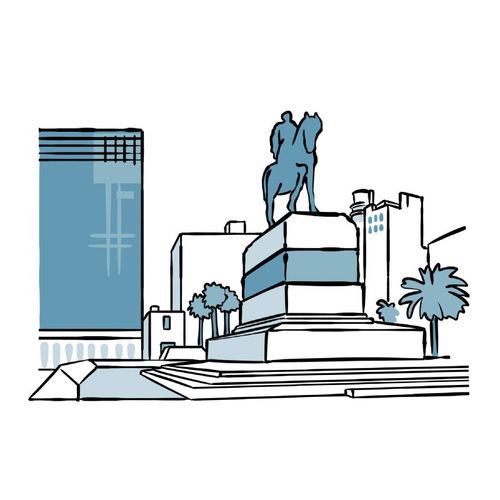
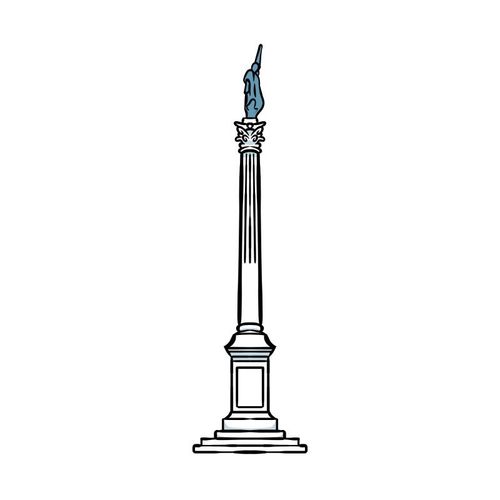
Plaza Independencia
1/20
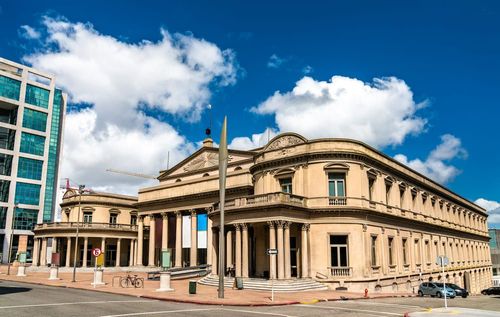
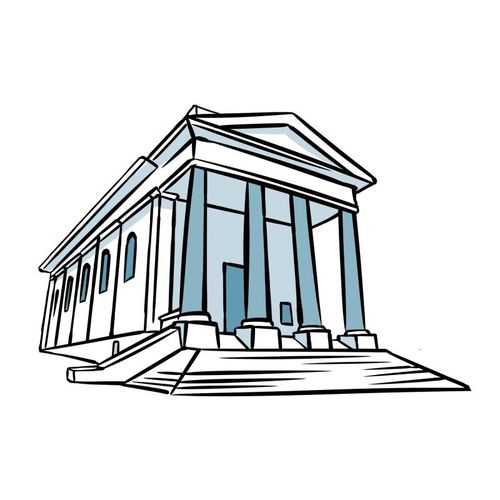
Solis Theatre
2/20
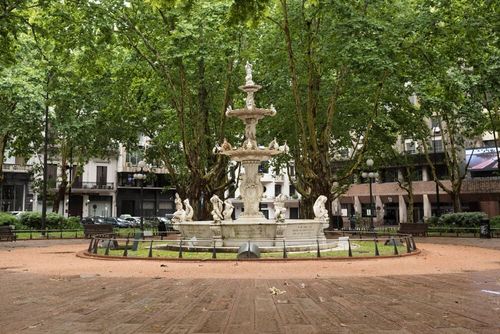
Plaza de la Constitución
3/20
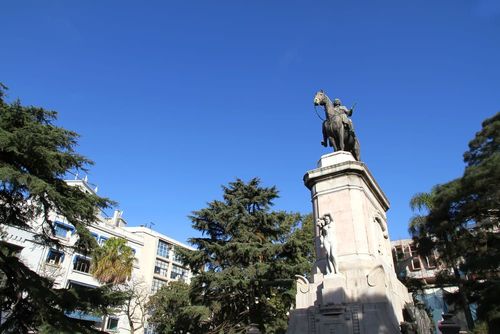
Plaza Zabala
4/20
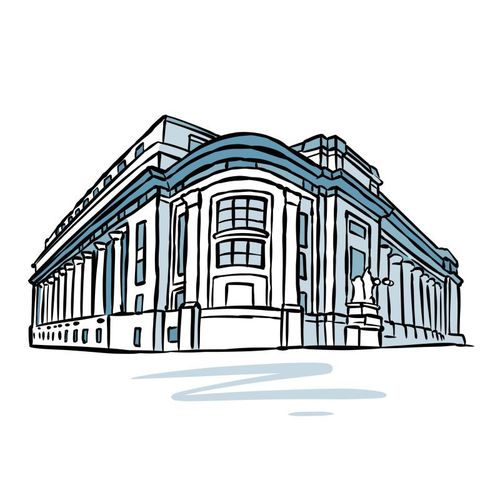
Banco de la República
5/20

Mercado del puerto
6/20
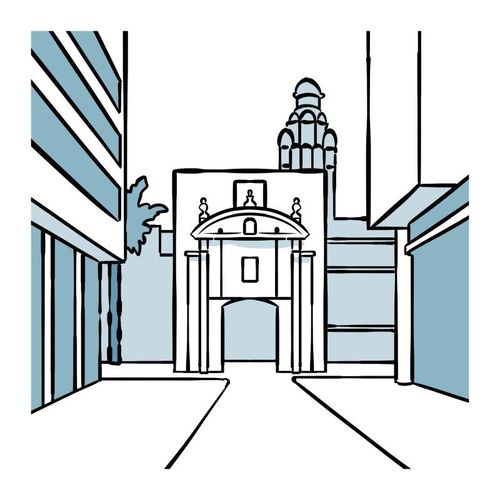
Sarandí pedestrian street
7/20
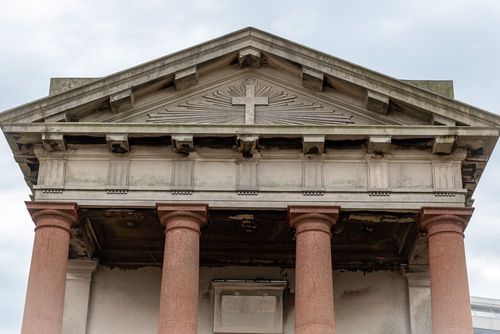
Anglican Church (Templo Inglés)
8/20
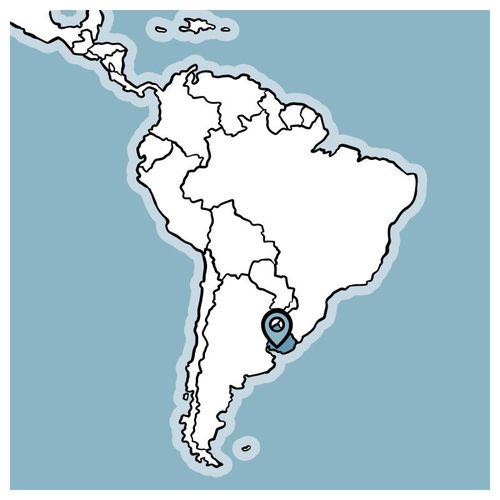
Origin of the name Montevideo
9/20
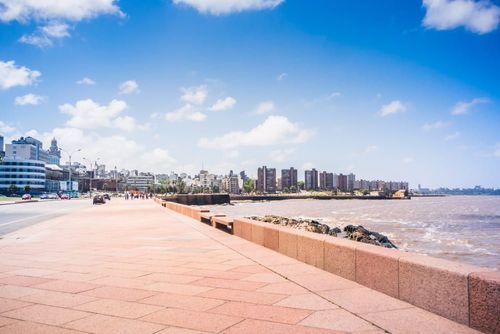
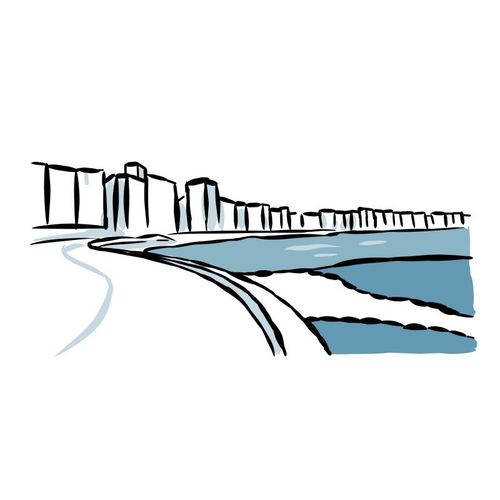
The Rambla
10/20

Río de la Plata
11/20

The Story of Tango
12/20
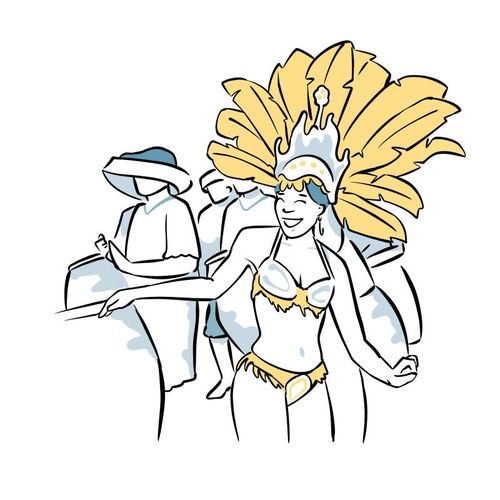
Carnival in Uruguay
13/20
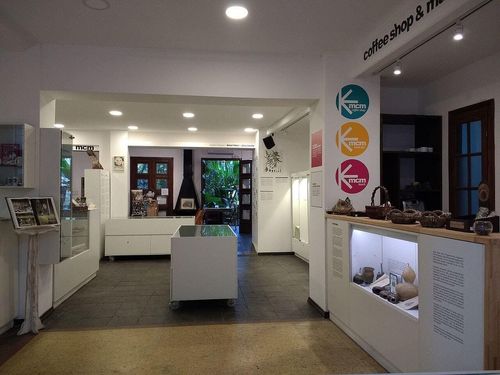
The Cannabis Museum
14/20

Advice
15/20
Montevideo from Above
16/20

A Seat with Carlos Gardel
17/20
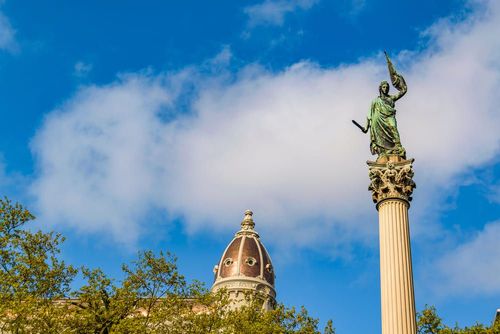
Plaza de la Cagancha
18/20
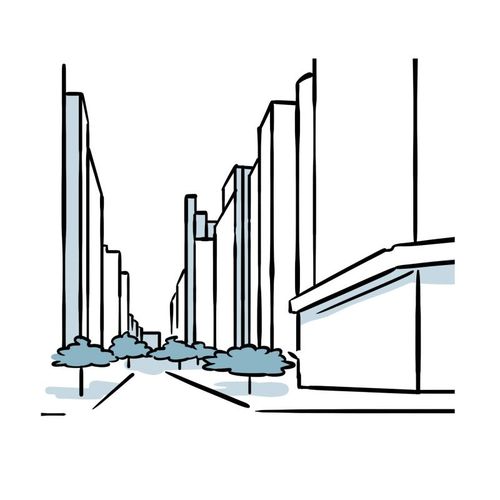
Avenida 18 de Julio
19/20
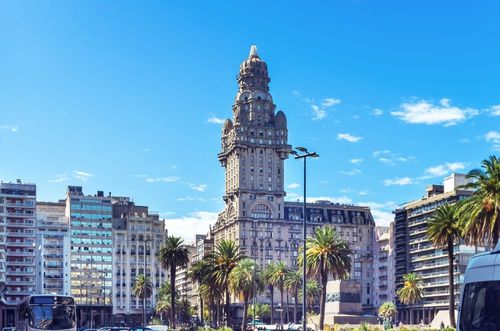
Palacio Salvo
20/20
Jan.
27°
Feb.
27°
March
25°
April
21°
May
17°
June
14°
July
13°
Aug.
14°
Sept.
16°
Oct.
19°
Nov.
22°
Dec.
25°
Uruguay has a temperate climate, with hot summers and cold, humid winters. Keep in mind that seasons are reversed compared to the Northern Hemisphere. If you visit in August expecting summer, you’ll be in for an unpleasant surprise. Winter in Uruguay—roughly June to September—is really best avoided. It’s chilly, often rainy, and not ideal for a seaside destination. Summer, on the other hand, is lovely. We recommend visiting Uruguay between December and March. January is peak holiday season for locals, so the capital feels empty while the beaches are packed. February, which is Carnival month, is especially worth considering for a visit to Montevideo—cultural life bursts into full swing.
No need to worry about where to begin! Our tours are designed as a loop, so you can jump in wherever you are. The navigation system and audio-guide will automatically adjust to your location. However, if you happen to be nearby, we do have a preferred starting point: : Plaza Independenzia
Cathedral Covered Parking, Rincón 517 Parking in Montevideo is generally not a problem. You’ll find paid, supervised parking lots throughout the city. Don’t be surprised if some of them look more like vacant lots than the underground garages you might be used to—they’re perfectly normal here. There’s usually one or more attendants on site, and they’ll often keep your keys so they can move your car if needed. Another thing to know: if you park in the street, you’ll likely notice people wearing municipal vests who will “help” you park by giving you hand signals as you back in. It might feel a bit strange at first, but there’s no avoiding it—they’ll stay until you’re fully parked. These are the cuidacoches—literally “car keepers.” When you return to your car, it’s customary to give them a small tip. It’s not mandatory, but it’s definitely expected and highly recommended.
Uruguay uses the Uruguayan peso, or UYU. The currency is stable and closely linked to the US dollar. In fact, you can even withdraw US dollars from most ATMs, which can be handy if you’re planning to cross over to Argentina.
Explorez le monde en totale liberté, à pied au cœur des villes ou au fil des routes. Nos guides audios transforment chaque destination en une découverte culturelle immersive et unique.