
Créé par Romane, le 7 mai 2026
Votre guide Ryo
© Shutterstock
Buenos Aires, Argentina's vibrant capital, exudes an energy that captivates travelers from the moment they arrive. Dubbed the "Paris of South America," this cosmopolitan metropolis perfectly blends European elegance with Latin American passion, creating an intoxicating atmosphere you won't find anywhere else in the world. From the cobblestone streets of San Telmo to the colorful houses of La Boca, from world-class museums to sensual tango performances, Buenos Aires offers a multitude of experiences that will leave you spellbound.
Whether you're drawn to the city's rich cultural heritage, its legendary culinary scene, or its electrifying nightlife, Argentina's capital promises unforgettable moments at every turn. Each neighborhood in the city tells its own story, inviting visitors to explore the different facets of porteña life, from the refinement of Recoleta to the bohemian spirit of Palermo. Let's dive into the best things to do in Buenos Aires to help you make the most of your visit to this extraordinary South American gem.
1. Explore the Colorful Streets of La Boca and Caminito
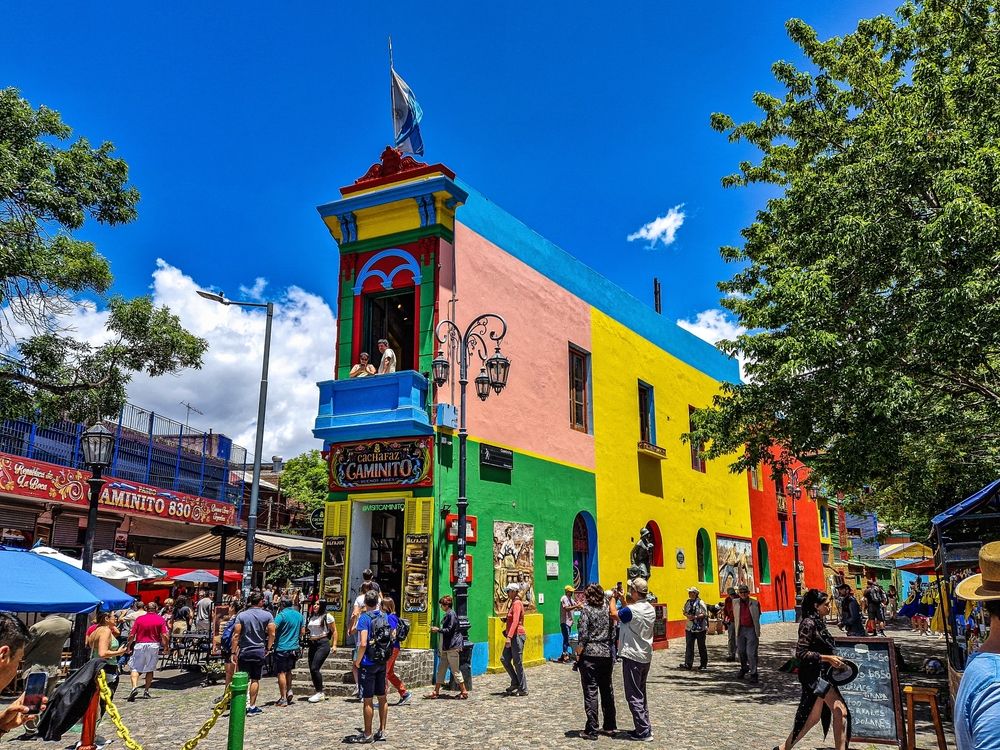
No visit to Buenos Aires would be complete without discovering the vibrant neighborhood of La Boca. This popular district located at the mouth of the Riachuelo River is famous for its brightly colored houses, passionate tango performances, and deeply rooted Italian heritage. The heart of La Boca beats strongest along Caminito, a pedestrian street that has become one of the city's most photographed locations.
Strolling through this open-air museum, you'll discover that these colorful buildings weren't always so picturesque. In the 1830s, Italian immigrants who had settled here built their homes from materials salvaged from nearby shipyards, painting them with leftover boat paint, a tradition that local artist Benito Quinquela Martín revived in the 20th century, transforming the neighborhood into the vibrant spectacle it is today.
Beyond the Instagram-worthy facades, La Boca offers authentic street tango performances, local artists selling their works, and restaurants where you can sample traditional Argentine cuisine while watching dancers perform. Don't miss the opportunity to visit the Museo de la Pasión Boquense, located beneath the stands of La Bombonera stadium, home to the legendary Boca Juniors football club. This museum offers a fascinating insight into Argentine football culture and the almost religious devotion fans have for their team.
Practical tip: while Caminito is safe during the day, stick to the main tourist area and avoid venturing into surrounding streets, especially after nightfall. The neighborhood has an authentic character, but it also faces socio-economic challenges.
2. Get Lost in the Bohemian Atmosphere of San Telmo
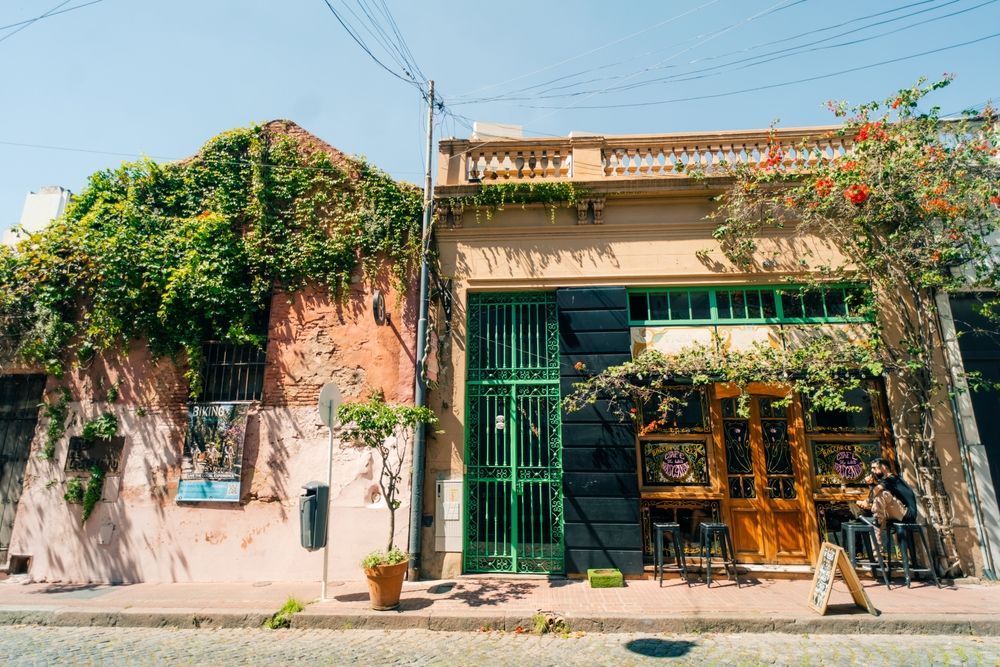
San Telmo is where the soul of Buenos Aires truly reveals itself. This historic neighborhood, one of the city's oldest, exudes bohemian charm with its cobblestone streets, antique shops, atmospheric cafés, and intimate tango bars. Once home to the city's elite until a yellow fever epidemic in the late 19th century drove them north to Recoleta and Palermo, San Telmo became a refuge for artists, musicians, and working-class families.
Today, the neighborhood maintains its authentic character while welcoming visitors who want to experience traditional porteño life. Walking through San Telmo is like stepping back in time: colonial buildings, wrought-iron balconies, and hidden courtyards (conventillos) tell the stories of past generations. The neighborhood comes alive on Sundays, when the famous San Telmo Fair transforms Plaza Dorrego and surrounding streets into a bustling market for antiques and handicrafts. Street artists, tango dancers, and musicians create an electric atmosphere that perfectly reflects Buenos Aires' creative spirit.
For an immersive culinary experience, consider joining a gastronomic tour through San Telmo. These tours typically include stops at historic bars like Bar El Federal (one of the city's oldest establishments), the bustling San Telmo market where you can sample incredible empanadas and tamales, and traditional parrillas (steakhouses) where legendary Argentine beef is grilled to perfection. The Ryo audio guide also highlights several remarkable locations in this captivating neighborhood.
Where to eat: the San Telmo Market (Mercado de San Telmo), located at 963 Defensa, offers authentic empanadas and other local specialties in a historic covered market.
3. Pay Homage at Recoleta Cemetery
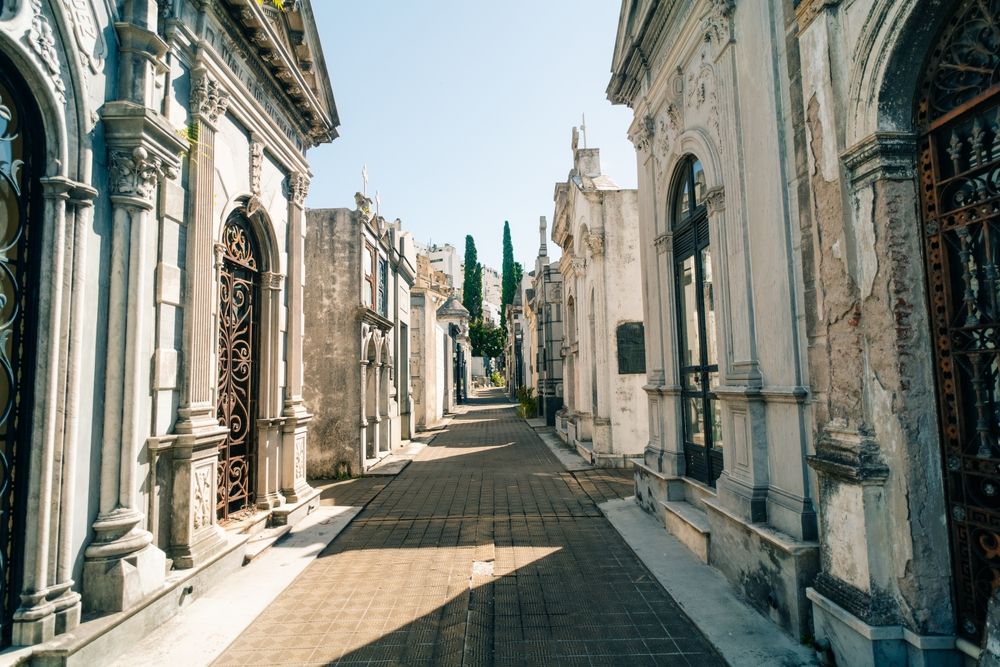
It may seem unusual to recommend a cemetery as a must-see attraction, but Recoleta Cemetery truly doesn't resemble any other burial ground in the world. Opened in 1822 as Buenos Aires' first public cemetery, this necropolis has become the eternal resting place of Argentina's most famous and influential figures, including presidents, Nobel Prize winners, military heroes, and cultural icons.
Walking through Recoleta Cemetery is like exploring an open-air museum of ornate mausoleums and elaborate sculptures. The maze of narrow pathways is lined with more than 6,400 tombs featuring varied architectural styles, from Art Nouveau to Neo-Gothic, Egyptian-inspired crypts to Baroque masterpieces. Each monument tells a story of wealth, power, and the families who shaped Argentina's history.
The cemetery's most visited tomb is that of Eva "Evita" Perón, the beloved first lady whose life and legacy continue to fascinate people worldwide. Her simple black tomb, located in the Duarte family vault, is usually adorned with flowers and tributes from admirers. The cemetery also houses the remains of several Argentine presidents, Napoleon Bonaparte's granddaughter, and numerous other historical figures. Pick up a free map at the entrance to help you navigate and locate the most important tombs. Guided tours are available if you want to learn more about the history of these impressive monuments.
Location: Junín 1760, Recoleta, Buenos Aires (free admission, open daily from 8 AM to 6 PM)
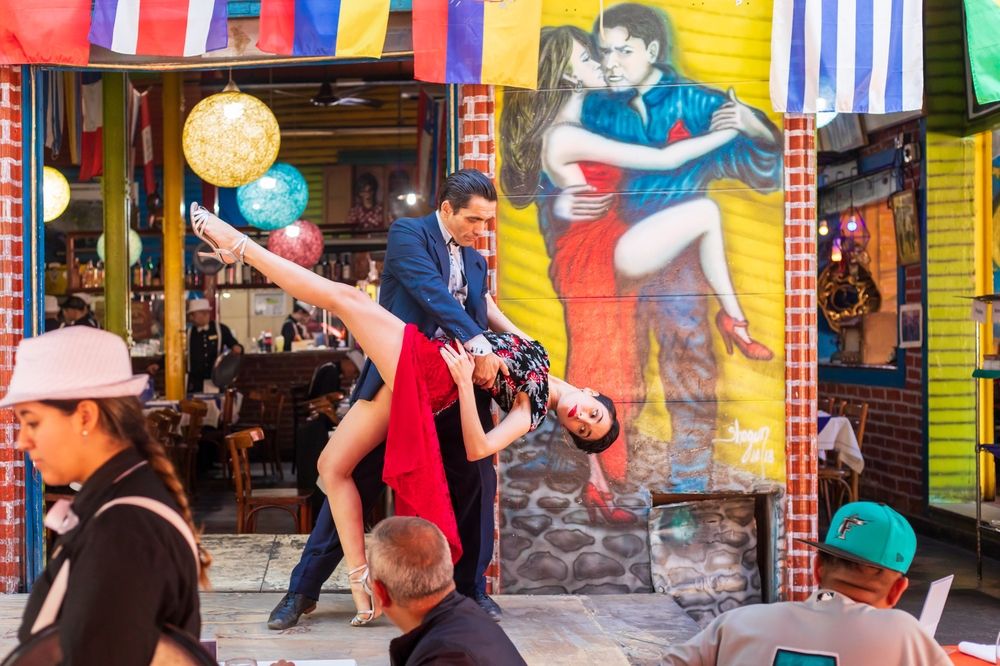
4. Immerse Yourself in Tango Culture
In Buenos Aires, tango is more than just a dance: it's the beating heart of the city's cultural identity. Born in the working-class neighborhoods of Buenos Aires in the late 19th century, this passionate dance is the product of a blend of African, European, and indigenous influences. Today, tango remains deeply rooted in porteño life, and experiencing it should be at the top of your Buenos Aires to-do list.
Several options are available to experience tango in Buenos Aires. For a refined theatrical experience, attend a tango dinner show at one of the city's renowned venues, such as Café Tortoni (Avenida de Mayo 825, rated 4.0/5 on Google with over 8,500 reviews), El Querandi, or Café de los Angelitos. These shows feature professional dancers in elaborate costumes, live orchestras, and multi-course meals that provide a comprehensive introduction to tango's evolution over the decades.
For a more authentic experience, visit a milonga, a dance hall where locals gather to dance tango. These venues range from casual neighborhood halls to elegant ballrooms, and many welcome beginners who want to try (or test their feet at) tango. You can take lessons during the day at numerous tango schools throughout the city, particularly in San Telmo and Palermo. If you follow the Ryo Buenos Aires walking tour, you'll pass several historic tango venues that played crucial roles in the dance's development.
Don't miss the chance to watch impromptu tango performances on the streets of San Telmo or La Boca, where dancers perform for tips and create magical moments against the backdrop of Buenos Aires' historic architecture.
5. Marvel at the Architectural Splendor of Teatro Colón
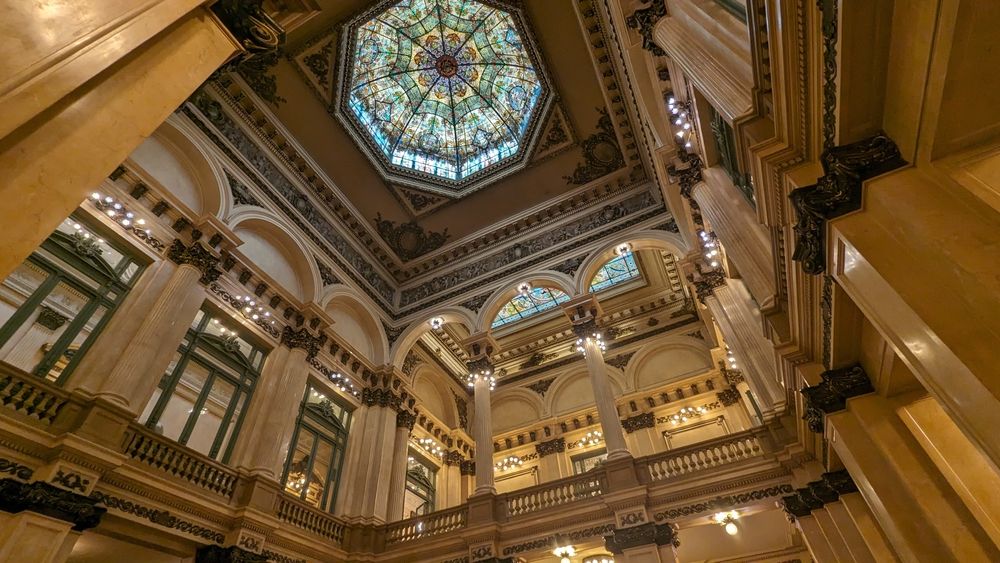
Teatro Colón ranks among the world's most beautiful opera houses, regularly appearing in rankings alongside Milan's La Scala, Vienna State Opera, and the Palais Garnier in Paris. This architectural masterpiece opened in 1908 after 20 years of construction and represents the pinnacle of Buenos Aires' Belle Époque era, when the city aspired to rival European capitals in cultural sophistication.
The theater's exterior combines Italian and French Renaissance styles, but the true magic happens inside. The horseshoe-shaped auditorium can accommodate 2,478 people across multiple levels and is crowned by a magnificent dome painted by Raúl Soldi. Its acoustics are legendary: Teatro Colón is regularly ranked among the world's top five concert halls for sound quality. Throughout its history, the theater has hosted performances by Luciano Pavarotti, Maria Callas, Arturo Toscanini, Igor Stravinsky, and countless other luminaries of classical music, opera, and ballet.
If you can't attend a performance during your visit (tickets are often sold out months in advance), guided tours of the theater are offered daily and come highly recommended. These tours take you backstage to see workshops where sets and costumes are created, visit rehearsal rooms, explore the building's architectural details, and stand on the famous stage. The theater also houses a museum displaying historical costumes, photographs, and memorabilia from past performances.
Location: Cerrito 628, Buenos Aires (the theater is featured in the Ryo audio tour itinerary)
6. Discover World-Class Art at MALBA
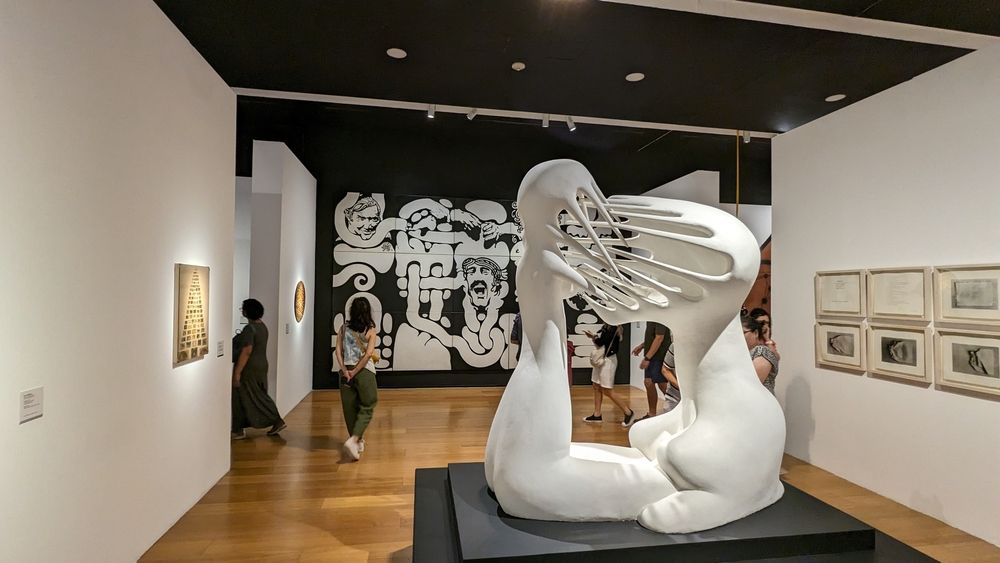
The Museo de Arte Latinoamericano de Buenos Aires (MALBA) offers one of the most comprehensive collections of Latin American art in the world. This stunning contemporary building located in Palermo houses permanent and temporary exhibitions featuring works by Frida Kahlo, Diego Rivera, Fernando Botero, Tarsila do Amaral, and other icons of Latin American modernism and contemporary art.
MALBA's permanent collection spans from the early 20th century to the present day, providing essential context for understanding Latin America's artistic evolution and the social, political, and cultural movements that have shaped the continent. The museum also hosts special exhibitions, film screenings in its cinematheque, and cultural events that make it a nerve center for Buenos Aires' intellectual and artistic community.
Even if you're not a big museum enthusiast, MALBA deserves a visit. The carefully curated exhibitions tell fascinating stories about Latin American identity, history, and creativity. The museum's bookstore offers an excellent selection of art books, and the café provides a pleasant space to reflect on what you've seen. Allow at least 2-3 hours to properly explore the collection.
Location: Av. Figueroa Alcorta 3415, Palermo, Buenos Aires (Check current exhibitions at malba.org.ar)
7. Stroll Through the Elegant Streets of Palermo
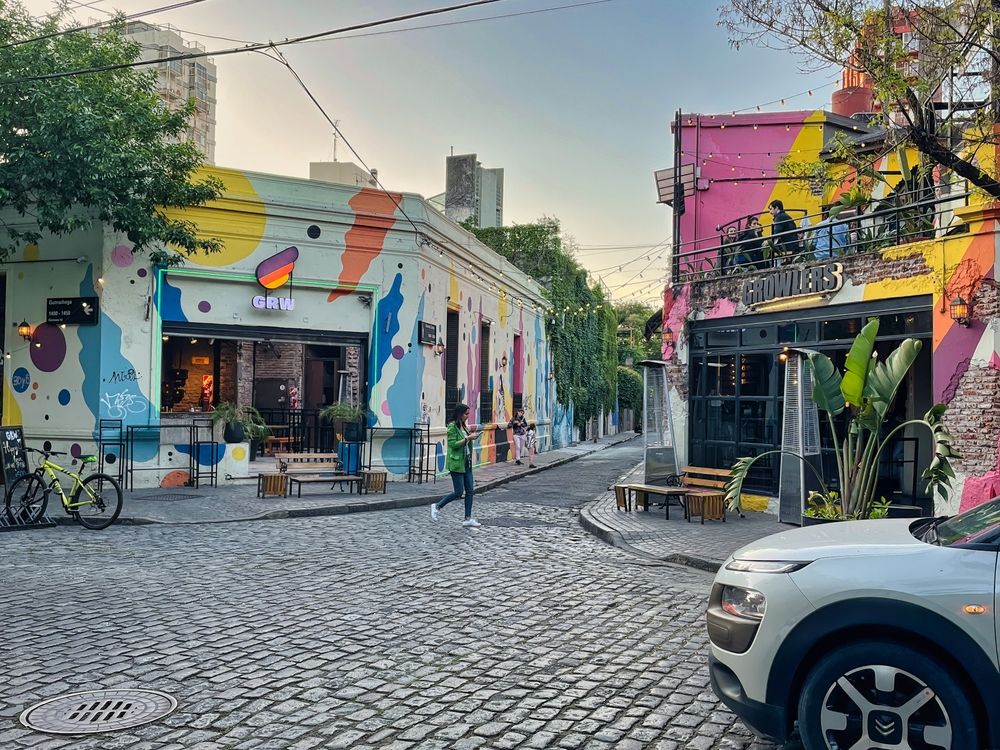
Palermo is Buenos Aires' largest and most diverse neighborhood, subdivided into distinct areas that each offer unique experiences. This is where modern Buenos Aires flourishes: trendy restaurants, cocktail bars, boutiques, street art, parks, and vibrant nightlife that attracts both locals and visitors.
Palermo Soho (officially part of Palermo Viejo) exudes a bohemian chic atmosphere with its tree-lined streets, independent boutiques, vintage shops, and some of the city's best restaurants and cafés. The neighborhood is perfect for aimless wandering, discovering hidden treasures around every corner. Palermo Hollywood, named after the concentration of audiovisual production companies, has become the city's gastronomic center, with innovative restaurants pushing the boundaries of Argentine cuisine.
Don't miss the Bosques de Palermo (Palermo Woods), a vast urban park designed by French landscape architect Carlos Thays. This green oasis includes the Japanese Gardens (Jardín Japonés), the Rose Garden (El Rosedal), several lakes where you can rent paddle boats, and wide paths perfect for jogging or cycling. To discover contemporary Argentine art, visit the Museo de Arte Moderno de Buenos Aires (MAMBA) and explore the vibrant urban art scene on streets like Calle Santa Rosa.
As night falls, Palermo transforms into a party hub. Bars like La Favorita (a cantina filled with eclectic artwork) and Rey de Copas offer everything from craft beers to creative cocktails, in atmospheres ranging from casual to energetic. Let the Ryo itinerary guide you through other remarkable neighborhoods while taking time to return to Palermo to enjoy its nightlife.
8. Discover the Modern Waterfront of Puerto Madero
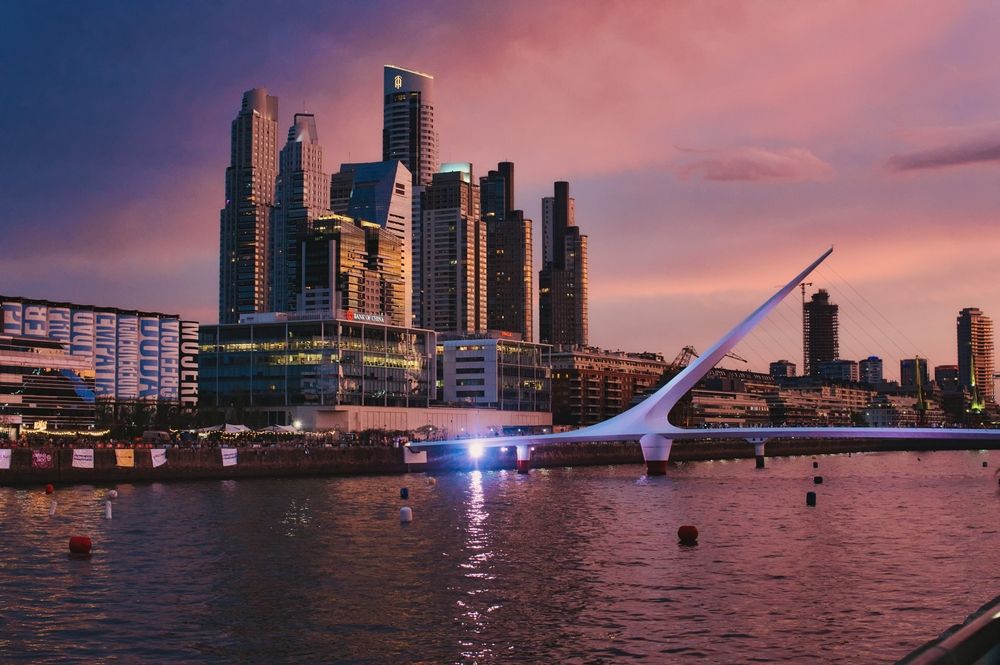
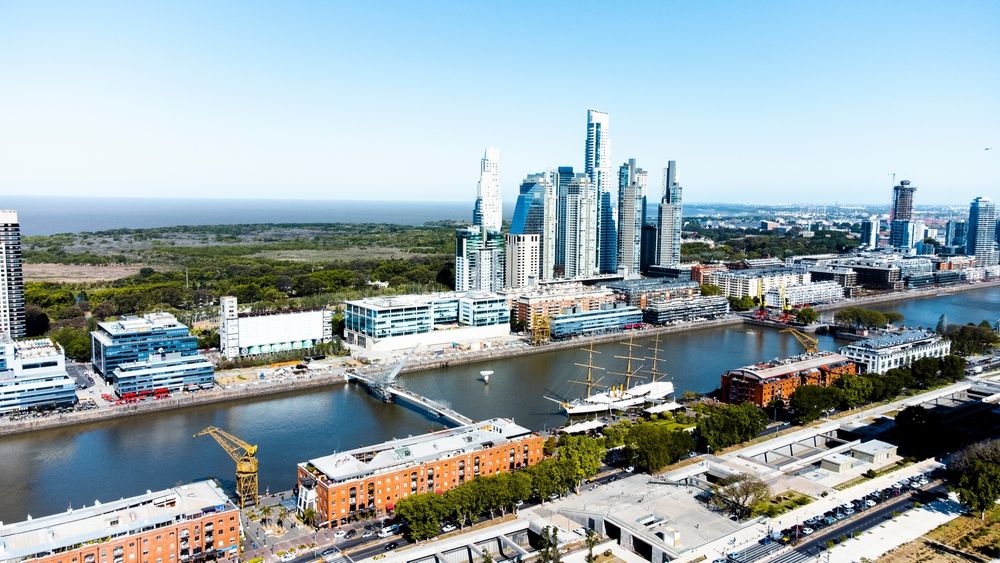
Puerto Madero embodies Buenos Aires' successful urban renewal. Once an abandoned port district with derelict warehouses, this area underwent massive transformation in the 1990s to become the city's most modern and upscale neighborhood. Today, Puerto Madero houses converted lofts, high-end restaurants, corporate offices, and waterfront promenades that attract joggers, families, and couples.
A walk along the diques (docks) offers beautiful views and a refreshing contrast to the historic neighborhoods. The Puente de la Mujer (Women's Bridge), designed by renowned architect Santiago Calatrava, is an impressive white pedestrian bridge that pivots to allow boats to pass. The Fragata Presidente Sarmiento, the Argentine Navy's first training ship that circumnavigated the world 40 times, is now a floating museum you can visit.
Behind Puerto Madero lies the Reserva Ecológica Costanera Sur, a 350-hectare ecological reserve that offers a surprising natural escape from the urban environment. This protected wetland, created from landfill and abandoned construction projects, now houses diverse wildlife and offers walking and cycling trails through different ecosystems. It's particularly popular on weekends with porteños looking to reconnect with nature without leaving the city.
Puerto Madero also houses several renowned restaurants where you can sample Argentine beef while enjoying views over the city skyline. While the neighborhood lacks the historic charm of San Telmo or La Boca, it demonstrates Buenos Aires' contemporary ambitions and offers a safe, clean space for evening strolls.
9. Visit the Historic Heart of Plaza de Mayo
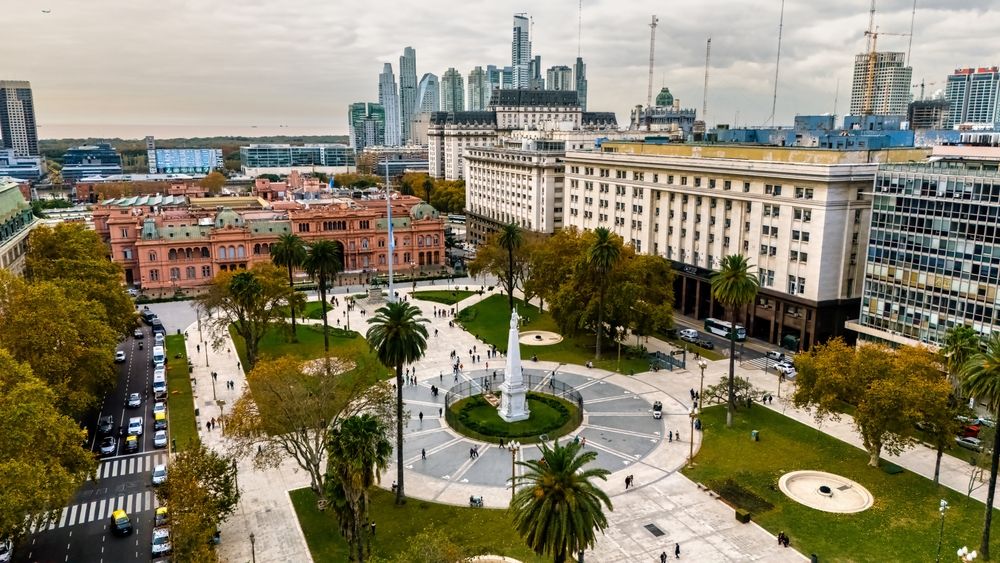
Plaza de Mayo has been the political and social center of Buenos Aires since the city's founding. This historic square, surrounded by important government buildings, has witnessed countless pivotal moments in Argentine history, from independence celebrations to military coups, from Evita's famous speeches to demonstrations by the Mothers of Plaza de Mayo demanding justice for their children who disappeared during Argentina's military dictatorship.
The most remarkable building overlooking the square is the Casa Rosada (Pink House), the presidential palace and seat of the Argentine government. The building's distinctive pink color has given rise to various theories: some say it represents the blend of opposing political parties (red for federalists, white for unitarians), while others claim it's simply a 19th-century decorative trend. From the Casa Rosada's balcony, Juan Perón and Eva Perón addressed massive crowds and, more recently, Argentina's national football team celebrated World Cup victories with ecstatic supporters.
The square also houses the Cabildo (the colonial town hall, now a museum), the Metropolitan Cathedral where you can visit General José de San Martín's tomb (hero of Argentine independence), and the Pirámide de Mayo monument at the square's center. The Ryo walking tour provides detailed historical information about Plaza de Mayo and its surrounding monuments, helping you understand the different layers of history behind this symbolic space.
Tip: free guided tours of the Casa Rosada are offered on weekends, but you must register in advance on their website.
10. Indulge in Argentina's Legendary Cuisine
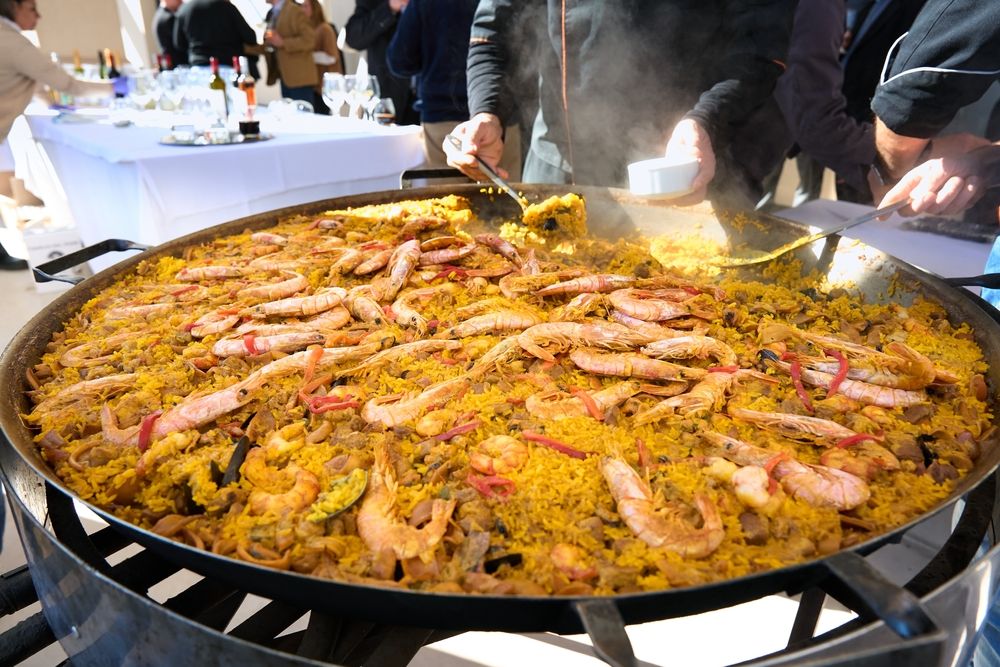
Buenos Aires is a food lover's paradise, and no visit is complete without immersing yourself in the city's extraordinary culinary offerings. Argentine cuisine is centered on exceptional beef: the country's grass-fed cattle produce some of the world's finest meat, and porteños have perfected the art of barbecuing. A traditional asado (barbecue) is more than just a meal; it's a social ritual that brings families and friends together for hours of eating, drinking, and conversation.
For your first asado experience, visit a traditional parrilla like Don Julio in Palermo (Guatemala 4699, rated 4.6/5 on Google with over 30,000 reviews) or La Brigada in San Telmo (Estados Unidos 465, rated 4.6/5 on Google with over 6,000 reviews). Order a bife de chorizo (sirloin steak) or ojo de bife (ribeye) cooked to your preference. Argentinians typically prefer their meat jugoso (medium-rare). Don't forget to try other cuts like entraña (skirt steak), mollejas (sweetbreads), and morcilla (blood sausage).
But Buenos Aires' food scene extends far beyond beef. Empanadas are ubiquitous: these savory pastries come with countless fillings (beef, chicken, ham and cheese, humita corn) and vary by region. Pizza is another local obsession, influenced by Italian immigration, with Buenos Aires-specific styles like fugazza (thick pizza topped with onions) and fainá (chickpea flour flatbread). For the ultimate indulgence, treat yourself to dulce de leche in all its forms: alfajores (filled cookies), facturas (pastries), or simply spread on toasted bread.
The city's café culture is equally important. Historic cafés like Café Tortoni (Avenida de Mayo 825, founded in 1858) offer glimpses into Buenos Aires' past while serving excellent coffees and pastries. Ice cream (helado) is also highly prized here. Look for artisanal heladerías to discover handcrafted flavors that rival those found in Italy.
11. Shop for Leather Goods and Crafts at San Telmo Market
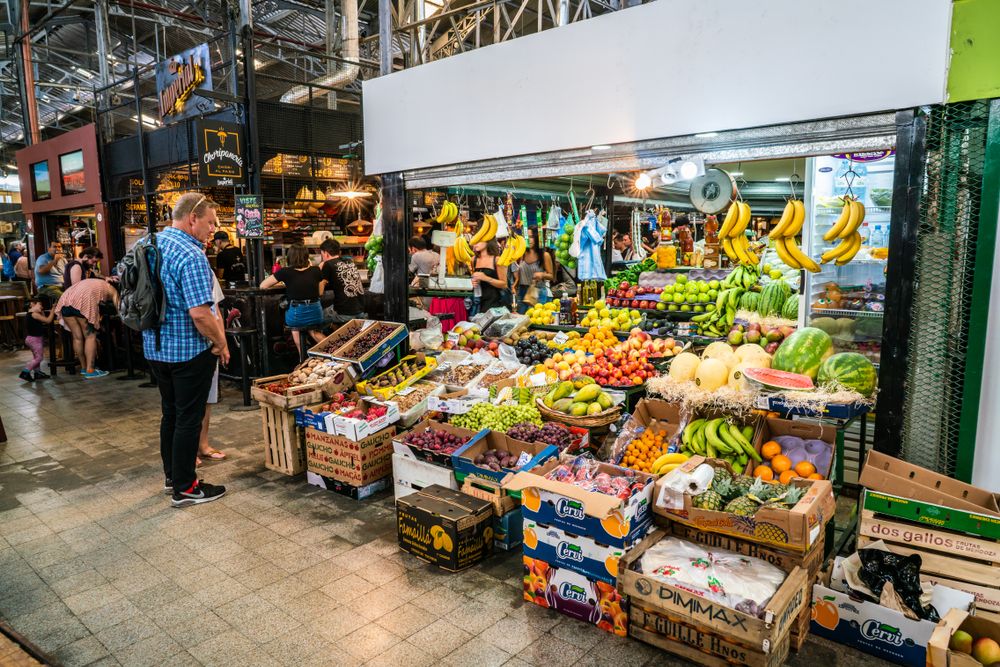
Argentina is renowned for its high-quality leather products, and Buenos Aires offers countless opportunities to purchase beautiful leather goods at reasonable prices. San Telmo Market (Mercado de San Telmo), located at 963 Defensa, is an excellent starting point. This historic covered market, dating from 1897, combines food stalls where locals buy fresh produce with antique dealers and artisans selling leather belts, bags, wallets, and clothing.
For high-end leather goods, visit Arandu in Recoleta, a family business founded in 1987 that offers handcrafted items of exceptional quality, including saddles (their original specialty), belts, clothing, rugs, and art objects. The shop spans multiple floors and offers insight into gaucho (Argentine cowboy) culture through photographs and artwork displayed throughout.
Beyond leather, look for maté gourds (the vessel used to drink yerba maté tea, highly prized in Argentina): Otras Yerbas, in San Telmo market, offers a wide selection and knowledgeable staff. Argentine wine is another excellent purchase: the country's malbecs have gained international acclaim and you'll find them at much better prices than abroad. Specialized wine shops and bodegas throughout the city can help you choose bottles to take home or ship internationally.
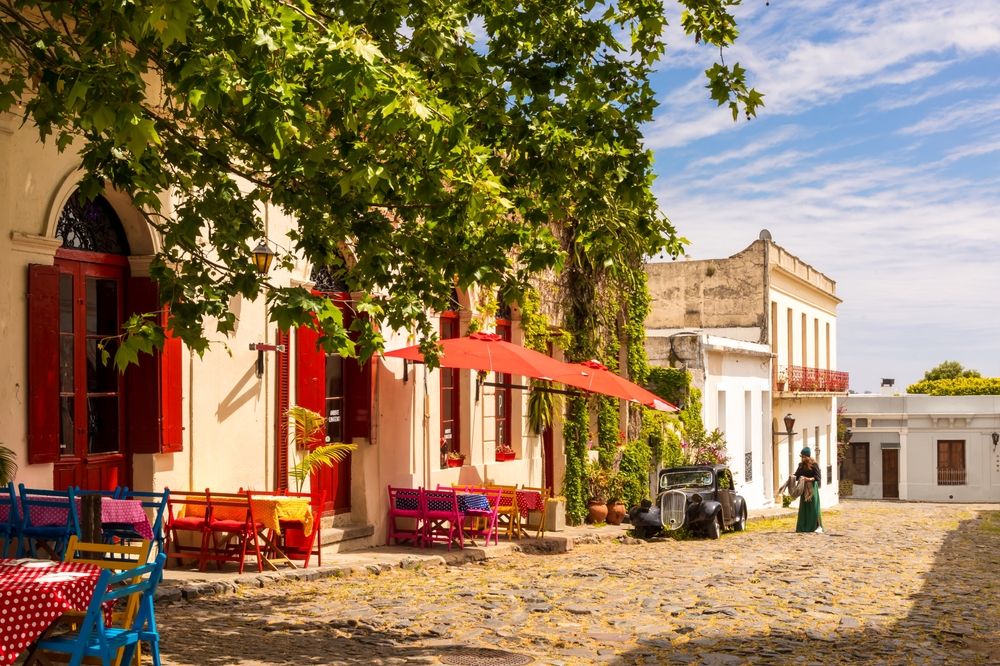
12. Take a Day Trip to Colonia del Sacramento, Uruguay
If you have an extra day in your Buenos Aires itinerary, consider a day trip across the Río de la Plata to Colonia del Sacramento, Uruguay. This charming colonial town, a UNESCO World Heritage site, offers a complete change of pace from Buenos Aires' urban energy. The ferry ride takes just one hour, making it an easy and enriching excursion.
Colonia's historic quarter (Barrio Histórico) seems frozen in time, with cobblestone streets, Portuguese and Spanish colonial architecture, colorful houses, and a relaxed atmosphere worlds away from Buenos Aires despite the proximity. Don't miss Calle de los Suspiros (Street of Sighs), which has preserved its original cobblestones and traditional houses. The town also features several small museums, antique shops, and waterfront restaurants where you can sample Uruguayan specialties while watching the sunset over the river.
Several ferry companies operate daily connections between Buenos Aires and Colonia, with Buquebus being the most popular. You can book round-trip ferry tickets that include walking tours, or simply explore the town on your own. If you want to enhance your visit with a special meal, book a table at Charco Bistro to enjoy sea views and excellent cuisine before taking your ferry back to Buenos Aires.
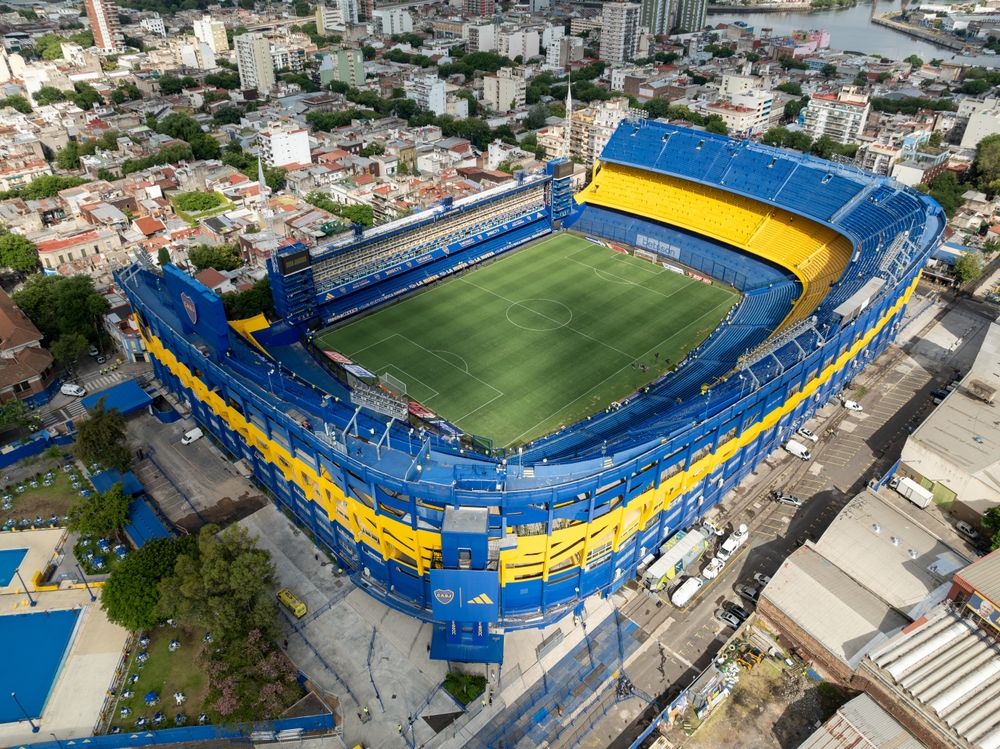
13. Attend a Football Match at La Bombonera
In Argentina, football isn't just a sport; it's a religion, and attending a match at La Bombonera, Boca Juniors' iconic stadium, is a once-in-a-lifetime experience. The stadium earned its nickname "La Bombonera" (the chocolate box) due to its steep stands that create an incredibly compact and intimidating atmosphere that opposing teams have learned to fear.
The passion, chants, and colors of Argentine supporters create palpable electric energy from the moment you approach the stadium. However, getting tickets as a tourist isn't easy. For security reasons, only supporters of the home team are allowed to attend matches, and most tickets are reserved for club members (socios). Companies like Landing Pad specialize in obtaining tickets for tourists and provide transportation to and from the stadium, making the experience both accessible and safe.
If you can't attend a match (or prefer a calmer experience), you can visit La Bombonera and the Museo de la Pasión Boquense, located beneath the stands. This excellent museum traces Boca Juniors' history, pays tribute to legendary players like Diego Maradona (who played for Boca), displays historic jerseys and trophies, and explains football's deep cultural significance in Argentine society.
Important: football rivalries run deep in Argentina, particularly between Boca Juniors and River Plate (known as the Superclásico). Never wear opposing team colors in a team's neighborhood, as this is not only disrespectful but also potentially dangerous.
14. Explore the Architectural Wonder of Palacio Barolo
Palacio Barolo is one of Buenos Aires' most fascinating buildings, an architectural masterpiece inspired by Dante's Divine Comedy. Commissioned by Italian businessman Luis Barolo and designed by architect Mario Palanti, this 1923 building was the tallest in South America upon completion and remains one of the city's most iconic landmarks.
The building's design contains countless references to Dante's epic poem. It stands 100 meters tall and is divided into three sections representing hell, purgatory, and paradise. The ground floor and basement (hell) feature decorative elements inspired by the underworld. The middle floors (purgatory) represent purification, while the upper floors and lighthouse (paradise) symbolize access to heaven. Even specific dimensions correspond to verses from the Divine Comedy: the building has 22 floors (corresponding to the poem's structure) and contains numerous esoteric symbols.
Guided tours of Palacio Barolo are offered and highly recommended. You'll explore the building's interior, discover its symbolism, and climb to the lighthouse at the top for spectacular 360-degree views of Buenos Aires. The tour offers fascinating insight into the visionary (some would say obsessive) design that went into creating this unique structure. The Ryo Buenos Aires itinerary stops at this architectural gem and provides information about its significance in the urban landscape.
Location: Avenida de Mayo 1370, Monserrat, Buenos Aires (book tours at palaciobarolo.com)
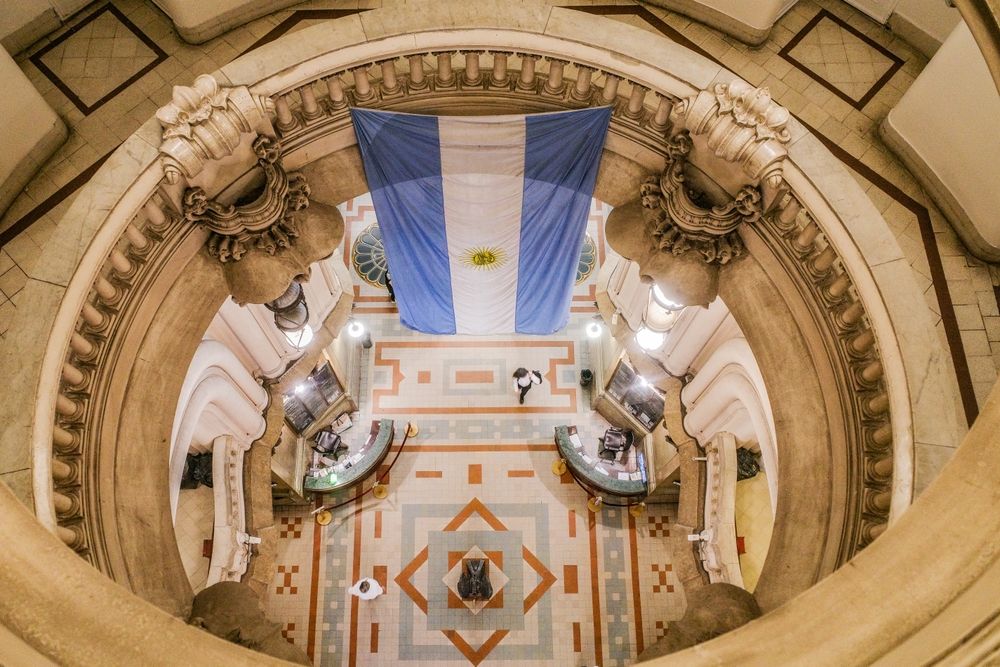
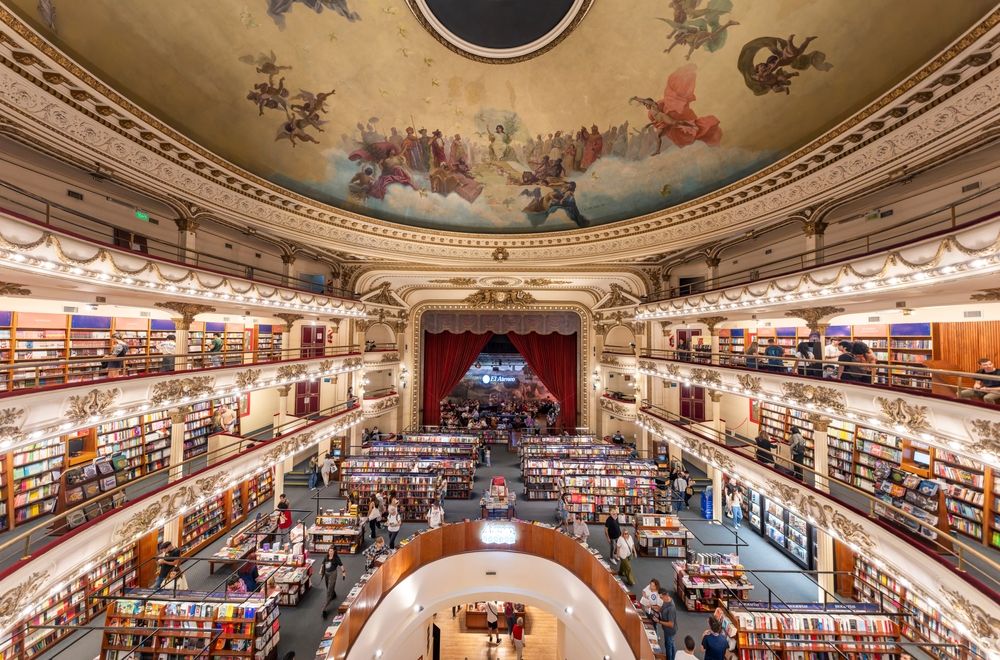
15. Browse Books at El Ateneo Grand Splendid
El Ateneo Grand Splendid regularly appears in rankings of the world's most beautiful bookstores, and a single visit is enough to understand why. This stunning bookstore occupies a converted 1919 theater, which has preserved its richly decorated original architecture (frescoed ceilings, balconies, decorative moldings, and red stage curtains), while the former seats have been replaced with bookshelves.
Designed by architects Peró and Torres Armengol, the building opened as Teatro Gran Splendid, hosting theatrical performances, ballets, films, and even operating its own radio station. In 2000, the Ateneo bookstore chain transformed it into a bookstore, carefully preserving heritage elements while adapting the space to its new function. The former stage now houses a café where you can sit and admire the architectural details while enjoying coffee and pastries.
Whether you're a bibliophile or not, El Ateneo Grand Splendid deserves a visit if only to experience this magnificent space. The bookstore offers hundreds of thousands of titles across multiple floors, including many books in English and beautiful illustrated books about Argentina. Even if you don't buy anything, spending time in this exceptional environment is a unique and quintessentially porteña experience.
Location: Av. Santa Fe 1860, Recoleta, Buenos Aires (open daily until about 10 PM on weekdays)
16. Sip Maté and Embrace the Local Ritual
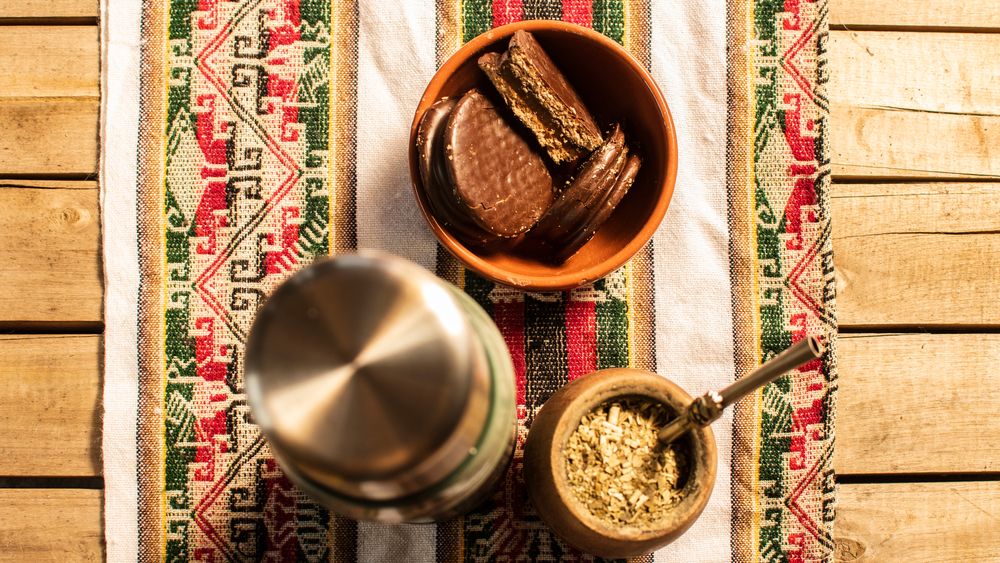
You'll see porteños everywhere carrying a gourd, thermos, and bombilla (metal straw): this isn't a hipster trend, but rather Argentina's most cherished ritual. Maté (pronounced MAH-teh) is a caffeinated herbal tea made from yerba maté leaves, traditionally drunk from a hollowed gourd using a metal filtering straw. This drink is deeply embedded in Argentine culture as a social practice that brings people together.
Drinking maté follows certain protocol: it's always shared in a circle, with one person (the cebador) preparing and filling the gourd with hot water before passing it around. You drink it all at once and return the gourd to the cebador for the next person. Saying "gracias" means you don't want any more; otherwise, simply return the gourd without comment.
Even if you don't immediately appreciate maté's bitter, slightly herbal taste, participating in this ritual allows you to experience local culture and immerse yourself in Argentine social life. You can buy your own maté set (gourd, bombilla, and yerba) at Buenos Aires markets. The Ryo app can guide you through neighborhoods where you'll find these essential Argentine items.
Practical Tips for Visiting Buenos Aires
Best time to visit: Buenos Aires is in the Southern Hemisphere, so seasons are reversed. Summer (December-February) can be extremely hot and humid, with temperatures often exceeding 30°C (86°F). Winter (June-August) is mild but can be damp and cool. The best times to visit are the shoulder seasons: spring (September-November) and autumn (March-May) offer pleasant temperatures and fewer crowds.
Getting around: Buenos Aires has an extensive public transport network including the Subte (subway), buses (colectivos), and affordable taxis and Uber. Buy a SUBE card (available at metro stations and kiosks) to pay for public transport. The city is quite sprawling, so it's better to use transport rather than walk everywhere. Hop-on-hop-off bus tours can be useful for getting oriented on your first day.
Money matters: Argentina's economy is notorious for its complexity, with multiple exchange rates. While credit cards are increasingly accepted, cash remains king in many places. Check exchange rates before your trip, as the situation changes frequently. ATMs are plentiful, but withdrawal limits may be low. Always have small bills on hand, as getting change can be difficult.
Safety: Buenos Aires is generally safe for tourists, especially in popular neighborhoods like Palermo, Recoleta, San Telmo (during the day), and Puerto Madero. Use common sense: don't display expensive jewelry or electronics, be aware of your surroundings, and avoid walking alone in unfamiliar neighborhoods late at night. Be particularly vigilant in crowded places like markets and public transport, where pickpockets operate.
Language: while English is spoken in many tourist establishments, learning a few basic Spanish phrases will significantly enhance your experience. Porteños (Buenos Aires residents) speak a particular Spanish dialect influenced by Italian and with unique vocabulary. Download a translation app or Spanish phrasebook to help you communicate.
Tipping: Tipping is common in Buenos Aires. In restaurants, 10% is standard, with 15-20% for exceptional service. Round up taxi fares or add 10%. Tour guides typically receive 10-15% of the tour price.
In conclusion, Buenos Aires offers an extraordinary blend of European sophistication and Latin American passion that makes it one of South America's most captivating destinations. From the colorful streets of La Boca to the elegant boulevards of Recoleta, from intimate tango performances to world-class museums, from legendary steakhouses to hidden neighborhood cafés, the city rewards curiosity and open-mindedness. While you could spend weeks exploring Buenos Aires' varied neighborhoods and attractions, a few days will be enough to enchant you with its unique character. To make the most of your experience and discover the stories behind the city's iconic monuments, download the Ryo Buenos Aires audio tour and let yourself be seduced by Argentina's magnificent capital.
What's the best time of year to visit Buenos Aires?
The best times to visit Buenos Aires are spring (September-November) and autumn (March-May), when temperatures are pleasant, ranging between 15-25°C (59-77°F). These shoulder seasons offer comfortable weather for walking and exploring the city without summer's extreme heat or winter's humidity. Summer (December-February) can be uncomfortably hot, with temperatures often exceeding 30°C (86°F), while winter (June-August) brings cooler, damp conditions that can feel chilly.
How many days should you plan for visiting Buenos Aires?
To see Buenos Aires' main attractions, plan at least 3-4 full days. This will give you time to explore different neighborhoods (San Telmo, La Boca, Palermo, Recoleta), visit major attractions like Recoleta Cemetery and Teatro Colón, attend a tango show, enjoy the cuisine, and soak up the porteño atmosphere. However, the city rewards longer stays: a week or more allows you to discover hidden gems, take day trips, and truly appreciate Buenos Aires' cultural diversity at a relaxed pace.
Is Buenos Aires a safe city for tourists?
Buenos Aires is generally a safe city for tourists, especially in popular neighborhoods like Palermo, Recoleta, Puerto Madero, and San Telmo during the day. As in any major city, common sense applies: be aware of your surroundings, don't display valuables, watch for pickpockets in crowded areas, and avoid poorly lit streets at night. Some neighborhoods outside the main tourist areas should be avoided, particularly after dark. Most visitors encounter no problems when taking reasonable precautions.
What is Buenos Aires famous for?
Buenos Aires is world-famous for several things: tango (both the dance and musical genre born here), its exceptional beef and asado (barbecue) tradition, stunning European-influenced architecture, vibrant cultural scene with world-class theaters and museums, passionate football culture, historic cafés, and its unique blend of Latin American and European identities. The city is also celebrated for its literary heritage (Jorge Luis Borges, Julio Cortázar), political history (Evita Perón), and distinctive neighborhoods, each with its own character.
Do I need to speak Spanish in Buenos Aires?
While not absolutely necessary, knowing some basic Spanish phrases will significantly enhance your experience. In tourist areas, hotels, and upscale restaurants, you'll often find English speakers. However, many local restaurants, shops, markets, and transport staff speak little to no English. Porteños appreciate visitors who make an effort to communicate in Spanish, even imperfectly. Download a translation app and learn basic phrases for greetings, ordering food, and asking directions. This small effort will open doors and lead to more authentic interactions.