© Shutterstock
 Votre guide Ryo
The 16 Most Beautiful Places to Visit in Austria
Austria ranks among Central Europe's most fascinating destinations. Between its imperial cities steeped in history, its picturesque alpine villages, and its breathtaking mountain landscapes, this country offers remarkable diversity. Whether you're an enthusiast of baroque architecture, a hiking passionate, or simply seeking a change of scenery, Austria will seduce you. From Vienna's majestic palaces to the snowy peaks of Tyrol, passing through the crystalline lakes of Salzkammergut, each region reveals its unique character. Discover in this article the 16 most beautiful places to visit in Austria for an unforgettable journey.
1. Vienna, the imperial capital
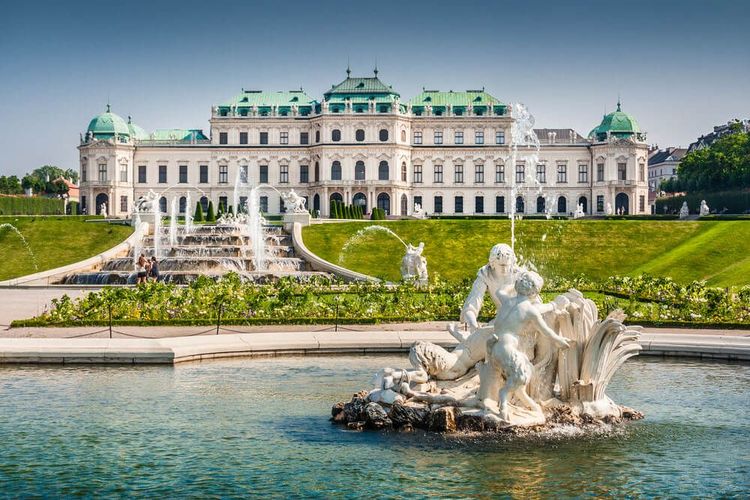
Impossible to visit Austria without discovering Vienna, its sumptuous capital. Former residence of the powerful Habsburg dynasty, the city breathes history and imperial grandeur on every street corner. Schönbrunn Palace (Schönbrunner Schloßstraße 47, 1130 Wien, rated 4.6/5 on Google for 44,309 reviews) remains one of Europe's most visited monuments. This summer residence of Austrian emperors, with its 1,441 rooms and French gardens, testifies to the splendor of the baroque era.
Vienna's historic center, inscribed as a UNESCO World Heritage site, also houses the Hofburg Palace, the former winter residence of the Habsburgs, as well as Belvedere Palace which today houses an impressive collection of Austrian art. St. Stephen's Cathedral (Stephansdom), with its multicolored glazed tile roof, has majestically dominated the city since the Middle Ages. Don't miss the famous Ringstrasse either, this circular avenue lined with monumental buildings like the State Opera and Parliament.
Download the audio-guided circuit to discover Vienna on foot and independently
To explore Vienna in depth, the Ryo audio-guided itinerary allows you to discover the treasures of the Austrian capital at your own pace. This 7.9 km route leads you through the historic quarters, from imperial palaces to legendary Viennese cafés, passing by unmissable museums. Thanks to 26 commented points of interest, you'll understand the soul of this city that saw the birth of Mozart, Beethoven and Freud. Let yourself be guided in your Vienna visit and immerse yourself in the unique atmosphere of this cultural metropolis.
2. Hallstatt, the postcard village
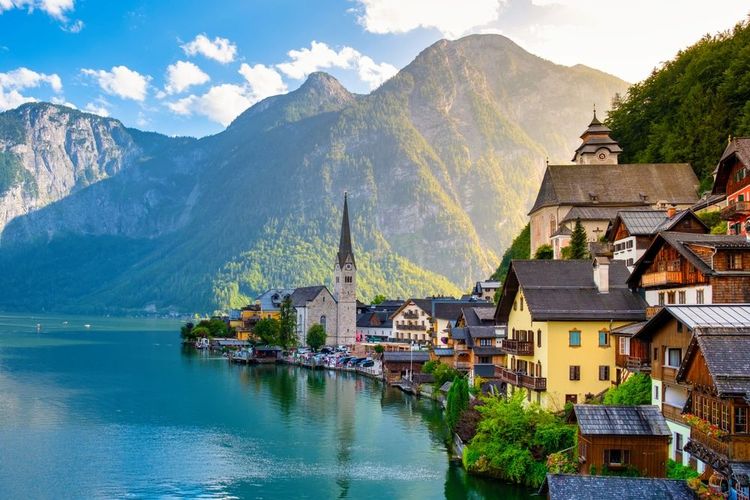
Nestled on the shores of Lake Hallstättersee, in the Salzkammergut region, Hallstatt (4830 Hallstatt, rated 4.7/5 on Google for over 15,000 reviews) is one of the world's most photographed villages. Its colorful half-timbered houses reflect in the lake's crystalline waters, creating a fairytale-worthy magical setting. Inscribed as a UNESCO World Heritage site since 1997, this alpine village embodies the quintessence of Austrian charm.
Hallstatt's history dates back over 7,000 years, when salt extraction already made the region wealthy. You can actually visit Hallstatt's ancient salt mines, the world's oldest salt mines still in operation. The village also houses a unique ossuary, St. Michael's Chapel, where over 1,200 skulls are preserved painted according to a centuries-old tradition. To enjoy an exceptional panoramic view of the village and lake, take the funicular up to the Salzberg viewpoint.
3. Salzkammergut, the lake region
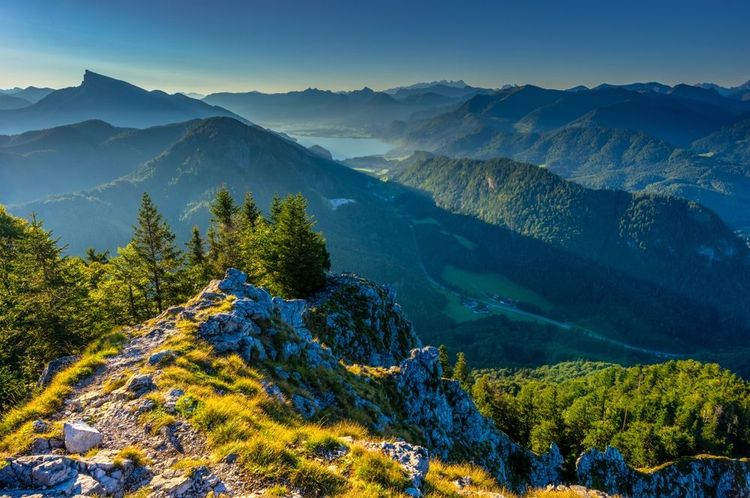
The Salzkammergut region spans three Austrian provinces and counts no fewer than 76 alpine lakes. This mountainous region offers breathtakingly beautiful landscapes, where deep blue lakes contrast with verdant peaks and steep cliffs. Lake Mondsee, made famous by the movie 'The Sound of Music,' attracts water sports enthusiasts thanks to its relatively warm waters.
The village of Sankt Wolfgang (5360 Sankt Wolfgang im Salzkammergut, rated 4.7/5 on Google) constitutes another jewel of Salzkammergut. With its Gothic pilgrimage church and picturesque streets, it rivals Hallstatt in charm. Hikers will particularly appreciate the numerous marked trails that cross the region, offering exceptional panoramas of the lakes and surrounding mountains. Don't miss Lake Gosau, one of Austria's most beautiful mountain lakes, with the Dachstein massif as a backdrop.
4. The Dachstein massif and its glaciers
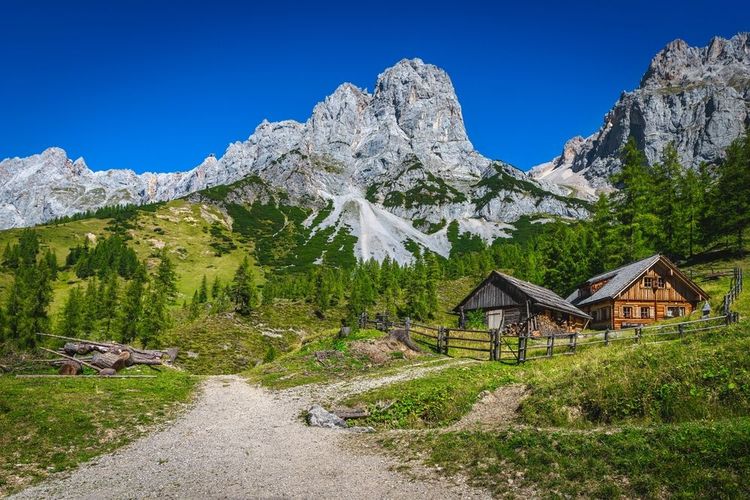
The Dachstein massif (4831 Obertraun, rated 4.7/5 on Google) peaks at 2,995 meters altitude and constitutes one of Austria's most spectacular natural sites. From the village of Obertraun, a modern cable car transports you to the heart of this glacial massif. The main attraction remains the Dachstein ice caves, of which the Rieseneishhle (giant ice cave) impresses with its natural sculptures of millennial ice.
At the summit, the '5 Fingers' panoramic platform offers a vertiginous experience with its plunging view over Lake Hallstättersee and the surrounding Alps. The most daring can also test the 'Treppe ins Nichts' (stairway to nothingness), a stairway suspended in the void with a transparent glass floor. In summer, Dachstein becomes hikers' paradise with its high-altitude trails offering breathtaking views. In winter, it's the Dachstein ski area that attracts winter sports enthusiasts.
5. Salzburg, Mozart's city
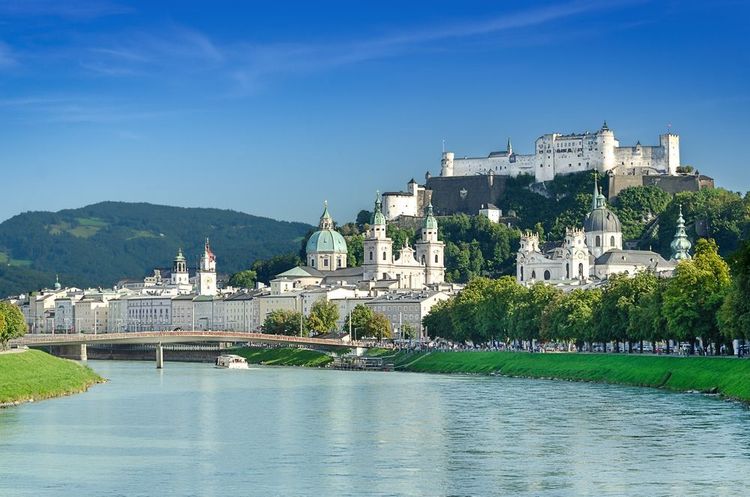
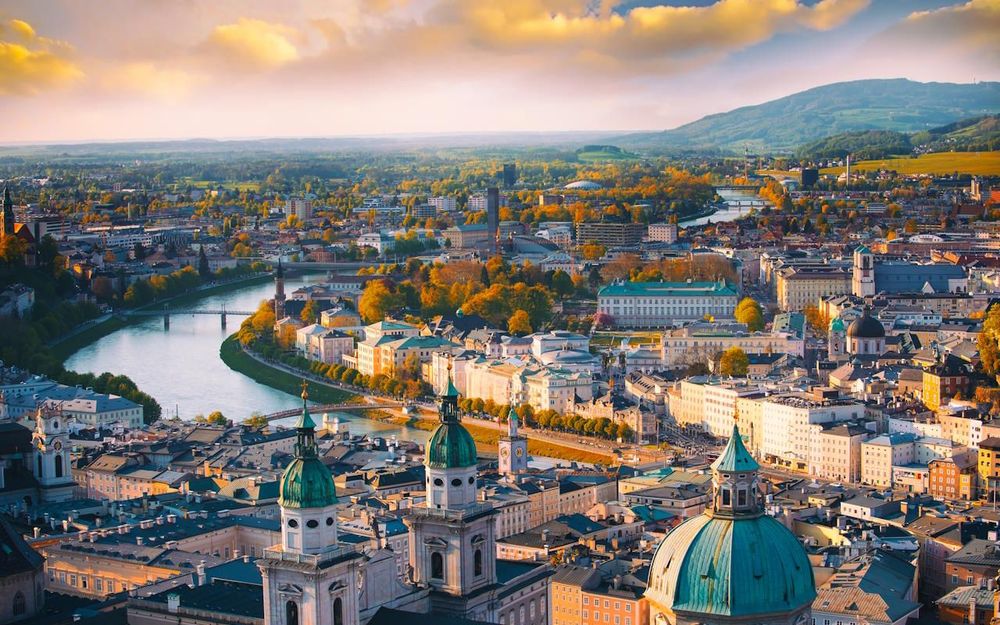
Austria's fourth city, Salzburg is world-renowned for being the birthplace of Wolfgang Amadeus Mozart in 1756. The baroque old town, inscribed as a UNESCO World Heritage site, nestles at the foot of Mount Mönchsberg, dominated by the imposing Hohensalzburg Fortress (Mönchsberg 34, 5020 Salzburg, rated 4.5/5 on Google for over 30,000 reviews). This medieval citadel, one of the largest and best-preserved in Europe, offers an exceptional panorama over the city and the Alps.
Stroll through Getreidegasse, the historic shopping street with colorful facades and wrought-iron signs, where Mozart's birthplace is located. Salzburg Cathedral, a baroque masterpiece, and Mirabell Palace gardens constitute other must-sees. Every summer, the Salzburg Festival attracts music lovers from around the world to celebrate classical music and opera. The Ryo Salzburg itinerary allows you to discover all these treasures with 26 audio guides on a 4.3 km route.
6. The Grossglockner alpine road
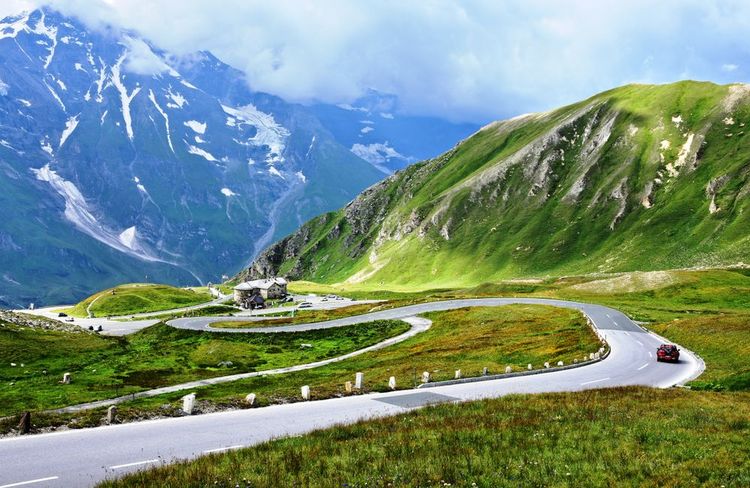
The Grossglockner alpine road (Großglockner Hochalpenstraße) ranks among the world's most beautiful mountain roads. Open only from May to November, this 48-kilometer panoramic route connects the Salzburg region to Carinthia by crossing a pass at 2,571 meters altitude. It features 36 hairpin bends and offers breathtaking viewpoints over the snowy peaks of Hohe Tauern National Park.
The Grossglockner (3,798 m, rated 4.8/5 on Google), Austria's highest peak, majestically dominates the landscape. Throughout the route, you'll find parking areas, developed viewpoints, high-altitude restaurants, and information centers about alpine flora and fauna. It's the ideal place to observe marmots in their natural habitat. Hikers can take several mountain trails starting from the road, while athletic cyclists consider this ascent a major challenge.
7. Hochosterwitz Castle in Carinthia
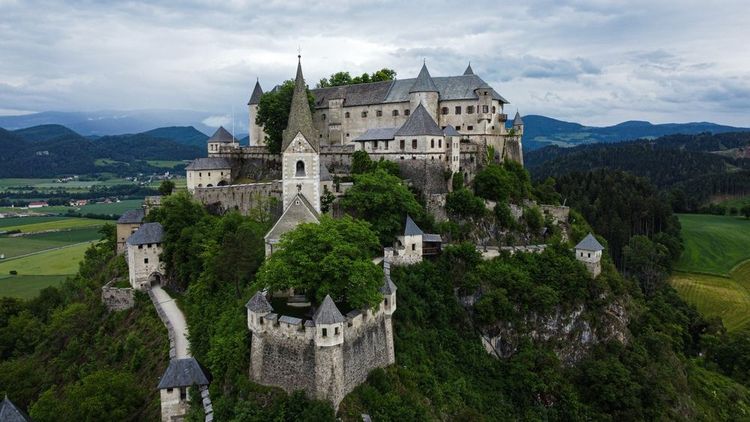
Perched on a 175-meter-high rocky outcrop, Hochosterwitz Castle (Hochosterwitz 1, 9314 Launsdorf, rated 4.7/5 on Google for over 8,000 reviews) is one of Europe's most impressive medieval castles. Located in Carinthia, not far from Klagenfurt city, this fortress seems to emerge straight from a medieval film. To access the fortress, you must pass through 14 successive fortified gates, each equipped with ingenious defense systems.
Built in the 9th century and expanded in the 16th century, the castle has managed to preserve its authentic medieval character. From its ramparts, the view embraces the entire surrounding valley and extends to the Alps. The most courageous can climb the 620 meters of path on foot, but an elevator also provides access to the summit. Inside, the museum traces the fascinating history of the castle and its lords, while the armory presents an impressive collection of medieval weapons and armor.
8. Graz, capital of Styria
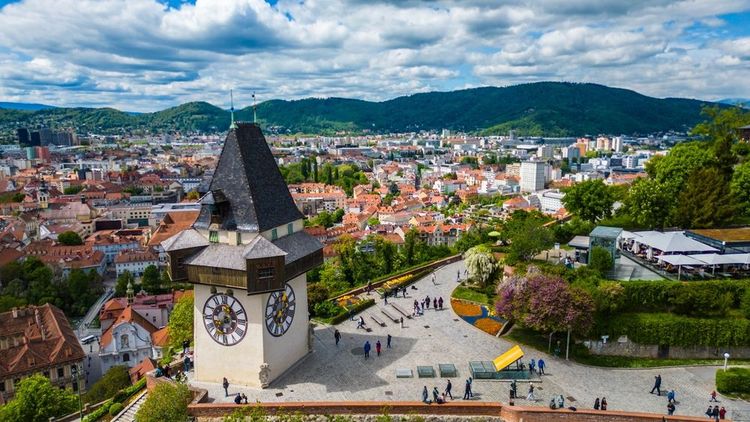
Austria's second city after Vienna, Graz possesses a very distinct character. Its old town, inscribed as a UNESCO World Heritage site, presents one of Central Europe's most beautiful Renaissance architectural ensembles. Schlossberg, the hill dominating the city, offers a remarkable panorama and houses the famous Clock Tower (Uhrturm), symbol of Graz. You can access it by funicular or take the stairs for the more athletic.
Graz also distinguishes itself through its bold contemporary architecture. The Kunsthaus Graz (Lendkai 1, 8020 Graz, rated 4.3/5 on Google), nicknamed the 'Friendly Alien' due to its futuristic shape, spectacularly contrasts with the surrounding historic buildings. Eggenberg Palace (Eggenberger Allee 90, 8020 Graz, rated 4.6/5 on Google), a baroque masterpiece located on the city's outskirts, also deserves a visit for its sumptuous gardens and richly decorated halls. Graz is also renowned for its gastronomy and traditional cafés.
9. Grüner See, the ephemeral green lake
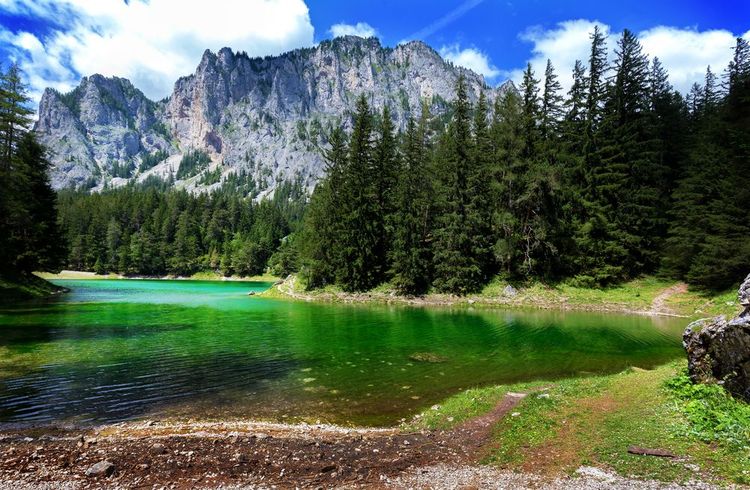
The Grüner See (Green Lake, 8612 Tragöß-Sankt Katharein, rated 4.6/5 on Google) constitutes one of Austria's most astonishing natural phenomena. Located at the foot of the Hochschwab massif in Styria, this lake has the particularity of filling only in spring, during snowmelt. In winter, the site is just a natural park with hiking trails and only a few meters of water.
But in spring and early summer, glacier melt transforms this park into a lake with a depth that can reach 12 meters. What makes Grüner See absolutely unique is that the park's benches, bridges, and paths then find themselves submerged under crystalline water of magnificent emerald green. Divers from around the world come to admire this surreal spectacle of flowering meadows and underwater paths. The best time to visit Grüner See is in June, when the water level reaches its maximum and underwater visibility is optimal.
10. Tyrol and its alpine valleys
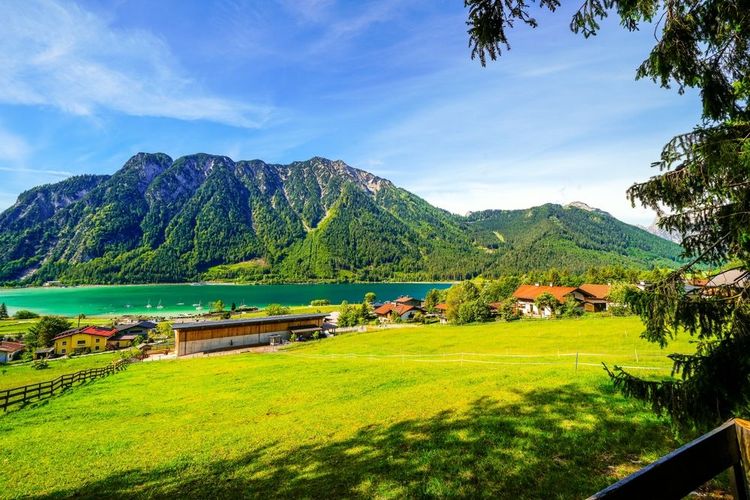
Tyrol embodies alpine Austria par excellence. This mountainous region, crossed by the Inn, is the country's most visited thanks to its grandiose landscapes, preserved traditions, and world-renowned ski areas. In winter, Tyrol welcomes millions of skiers on hundreds of kilometers of perfectly maintained slopes. Resorts like Kitzbühel, Sölden or Ischgl rank among the Alps' most prestigious.
But Tyrol reveals all its splendor in summer, when verdant alpine pastures are adorned with wild flowers and hiking trails become accessible. Tyrolean villages, with their wooden chalets with flowered balconies and onion-domed churches, have preserved their traditional architecture. The Ötztal valley, with its glaciers and peaks over 3,000 meters, offers infinite possibilities for hiking and mountaineering. Achensee, Tyrol's largest lake, seduces with its turquoise waters and spectacular mountain setting.
11. Innsbruck, capital of the Alps
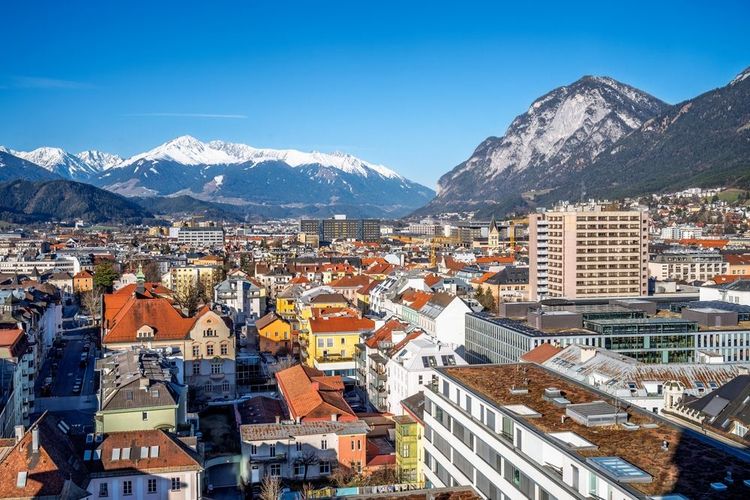
Nestled in a valley at the heart of the Tyrolean Alps, Innsbruck wonderfully combines urban charm and alpine splendor. The medieval old town, with its colorful houses with fresco-decorated facades, contrasts with the snowy peaks surrounding it. The Golden Roof (Goldenes Dachl), a Gothic balcony covered with 2,657 gilded copper tiles, constitutes the city's symbol. This loggia was built by Emperor Maximilian I in the 15th century.
The Imperial Palace of Innsbruck (Rennweg 1, 6020 Innsbruck, rated 4.5/5 on Google) testifies to the city's prestigious past, former Habsburg residence. But Innsbruck particularly distinguishes itself through its direct access to the mountains: in just a few minutes by cable car from the city center, you find yourself at 2,256 meters altitude on the Nordkette, with a breathtaking panoramic view of the Alps. In winter, you can even ski in the morning and stroll through the historic center's streets in the afternoon. The Bergisel ski jump, an architectural masterpiece by Zaha Hadid, also offers a spectacular view of the city.
12. Linz, the Danube city
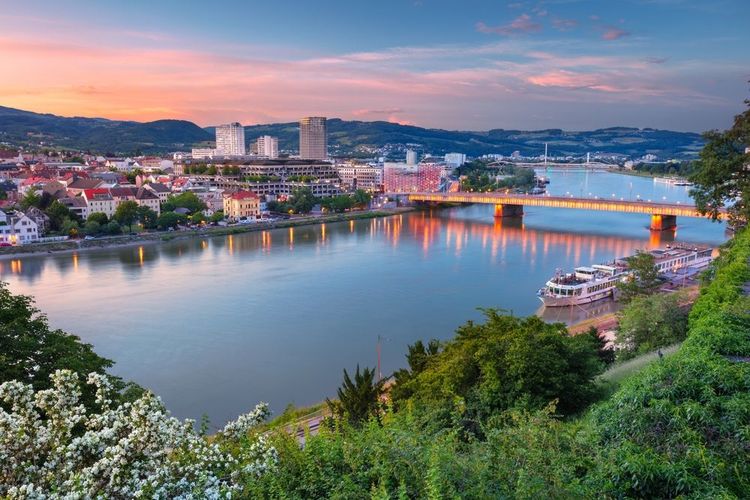
Austria's third city, Linz surprises with its dynamism and modernity. Located on the Danube's banks in Upper Austria, it has managed to reinvent itself by becoming a capital of contemporary culture and technological innovation. Hauptplatz, one of Europe's largest medieval squares, constitutes the city's historic heart with its Renaissance buildings and traditional cafés.
The Mariendom Cathedral (Herrenstraße 26, 4020 Linz, rated 4.6/5 on Google) is Austria's largest cathedral and can accommodate up to 20,000 people. Its bell tower offers an exceptional panorama over the entire city and the Danube. Linz has also made a name for itself in contemporary art with the Ars Electronica Center, an interactive museum dedicated to new technologies, and the Lentos Kunstmuseum, which houses a remarkable collection of modern art. Linz Castle, perched on a hill, offers a museum dedicated to Upper Austria's history.
13. Melk Abbey on the Danube
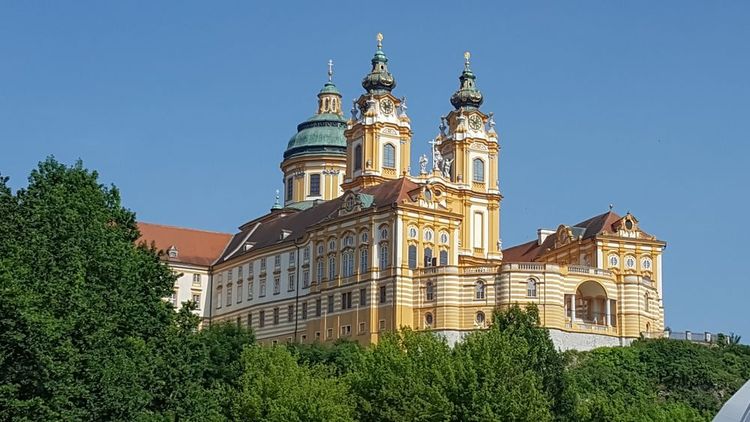
Built on a rocky outcrop overlooking the Danube, Melk Benedictine Abbey (Abt-Berthold-Dietmayr-Straße 1, 3390 Melk, rated 4.6/5 on Google for over 15,000 reviews) represents one of the most beautiful examples of Austrian baroque. Located about an hour from Vienna, this millennial abbey was rebuilt in the early 18th century in a flamboyant baroque style. Its ochre facades and its position dominating the river make it one of Austria's most photographed monuments.
The abbey's interior impresses with its decorative richness. The abbey church, with its frescoes, gilded stuccos and monumental organ, constitutes a baroque art masterpiece. But the real marvel remains the library, which counts over 100,000 volumes including precious medieval manuscripts. This sumptuous hall, decorated with frescoes representing theological virtues, ranks among the world's most beautiful historic libraries. The imperial apartments, transformed into a museum, allow understanding the abbey's history and its role in Austrian intellectual life. The panoramic terrace offers a magnificent view of the Wachau valley, a wine region inscribed as a UNESCO World Heritage site.
14. Feldkirch, medieval jewel of Vorarlberg
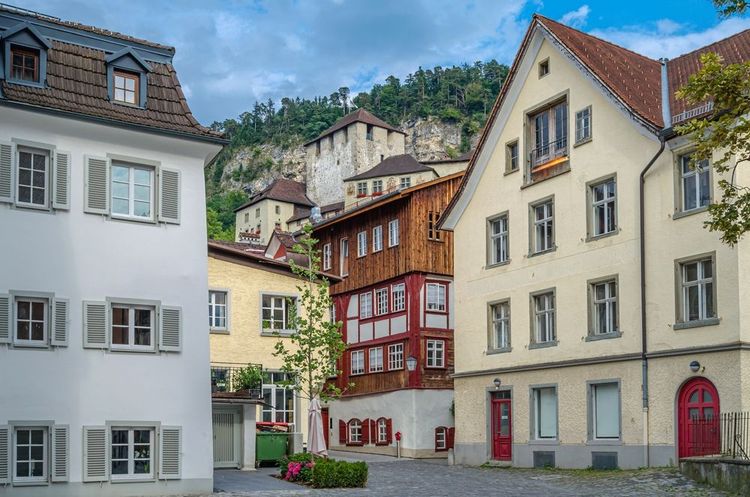
Located in Austria's far west, at the Swiss and Liechtenstein border, Feldkirch (6800 Feldkirch, rated 4.6/5 on Google) is Vorarlberg's best-preserved medieval town. Classified as a historic monument and inscribed as a UNESCO World Heritage site, it has retained its old-world charm with its ramparts, cobblestone streets and half-timbered houses with colorful facades.
The Schattenburg Castle (Burggasse 1, 6800 Feldkirch, rated 4.6/5 on Google), a medieval fortress dominating the old town, houses a fascinating museum dedicated to regional history. The Cat Tower (Katzenturm), a remnant of the ancient fortifications, and St. Nicholas Cathedral, a Romanesque masterpiece, rank among the city's emblematic monuments. Feldkirch particularly comes alive in summer during the Poolbar Festival, a musical event attracting over 20,000 visitors for six weeks. The old town, with its medieval arcades and shaded squares, invites strolling and discovering local craftsmanship.
15. Bregenz and Lake Constance
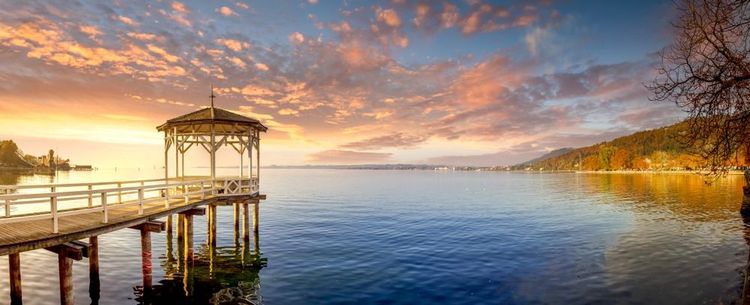
Capital of Vorarlberg, Bregenz (6900 Bregenz, rated 4.5/5 on Google) benefits from an exceptional location on the eastern shore of Lake Constance (Bodensee), at the foot of the Alps. This unique position offers an enchanting setting where Austrian, German and Swiss influences blend. The upper old town, perched on the hill, has preserved its medieval character with its narrow streets and ancient houses.
Bregenz is world-renowned for its Bregenz Festival (Bregenzer Festspiele), which takes place every summer from July to August. The particularity of this opera and classical music festival lies in its monumental floating stage installed on the lake, the Seebühne. This spectacular stage, renewed every two years, can accommodate up to 7,000 spectators and offers grandiose sets. The performances, with the lake and mountains as backdrop at sunset, create an unforgettable magical atmosphere. Outside the festival, Bregenz seduces with its lakeside walks, its modern art museum (Kunsthaus Bregenz) and the Pfänder cable car which offers an exceptional panorama over Lake Constance and the Alps.
16. Saint-Florian Abbey near Linz
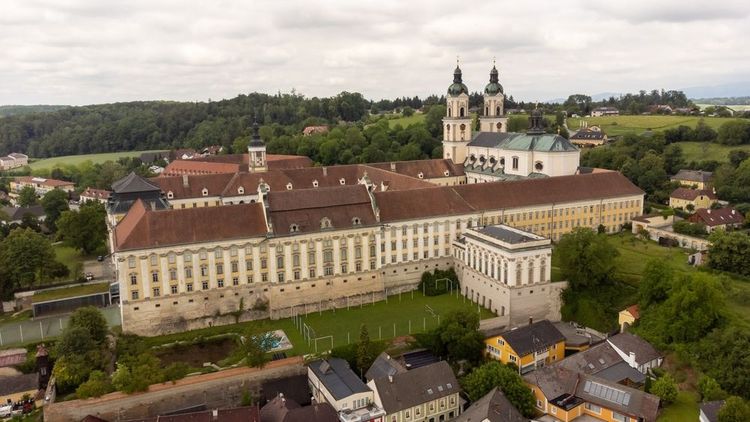
Located about fifteen kilometers south of Linz, Saint-Florian Abbey (Stiftstraße 1, 4490 Sankt Florian, rated 4.7/5 on Google) is Austria's largest and most prestigious baroque abbey. Founded in the 8th century, it's part of the world's oldest abbeys still in operation. The current building, rebuilt between 1686 and 1751, impresses with its monumental dimensions and the richness of its baroque decoration.
Saint-Florian's library ranks among Europe's most beautiful, with over 150,000 volumes including precious medieval manuscripts. Its sumptuous halls, decorated with frescoes and gilded stuccos, seem straight out of an imperial palace. The abbey church, with its exuberant baroque interior, houses the famous Bruckner organ. Composer Anton Bruckner, who was organist at Saint-Florian, actually rests in the church crypt, under his beloved organ. The abbey counts 7,343 organ pipes, making it one of Austria's largest instruments. The princely apartments and marble hall testify to the splendor with which the prince-abbots lived. Organ concerts regularly organized allow appreciating the church's exceptional acoustics and the instrument's power.
In conclusion, Austria offers a remarkable diversity of destinations that will seduce all types of travelers. From Vienna's imperial palaces to Tyrol's alpine villages, passing through Salzkammergut's crystalline lakes and the baroque abbeys of the Danube valley, each region reveals its unique character. Whether you're a history enthusiast, nature passionate, or simply seeking beautiful landscapes, these 16 places constitute essential stops for discovering the Austrian soul. Don't hesitate to use the Ryo audio-guided itineraries to explore cities like Vienna or Salzburg in depth and fully enjoy your trip to Austria.
Frequently asked questions about the most beautiful places to visit in Austria
What is the best time to visit Austria?
The ideal period to visit Austria depends on your interests. To discover cities and alpine landscapes in summer, favor June to September months, when the weather is pleasant and all tourist sites are open. If you're a winter sports enthusiast, December to March is perfect for enjoying Tyrol's ski areas. Spring (April-May) offers the advantage of fewer tourists and mild temperatures, ideal for hiking.
How many days are needed to visit Austria?
To have a good overview of Austria, plan at least one week. This will allow you to discover Vienna (2-3 days), Salzburg (1-2 days), the Salzkammergut region with Hallstatt (1-2 days) and Tyrol with Innsbruck (1-2 days). If you have 10 to 15 days, you can explore each region more deeply and include lesser-known but equally charming sites like Graz, Linz or the Danube valley abbeys.
How to travel between Austria's different regions?
Austria has an excellent transport network. Train (ÖBB) is the most practical and comfortable way to connect major cities, with frequent connections and magnificent landscapes along the way. To explore mountainous regions and isolated villages like Hallstatt, car rental offers more freedom. Major Austrian cities are also well served by long-distance bus companies. In the Alps, numerous cable cars and mountain trains facilitate access to high-altitude sites.
Can you visit Austria on a limited budget?
Yes, it's possible to visit Austria with a moderate budget. Favor youth hostels or family guesthouses rather than luxury hotels. Many natural sites like Salzkammergut lakes or hiking trails are free. In cities, opt for the Vienna City Card or Salzburg Card which offer substantial discounts on transport and museums. Supermarkets offer quality products at reasonable prices, and many restaurants offer advantageous lunch menus. Avoid high tourist season periods to benefit from more attractive rates.
Is Austria suitable for family travel?
Austria is an ideal destination for families. Children will love castles like Schönbrunn or Hochosterwitz, Dachstein ice caves, and the numerous outdoor activities offered in the Alps. Austrian cities are safe and have excellent family facilities. Many museums offer fun tours for children. Public transport is efficient and often free for young children. In summer as in winter, possibilities for family activities are infinite, from hiking to skiing through water parks and zoos.