

Créé par Emilie, le 20 juin 2026
Votre guide Ryo
Visit Aigues-Mortes: 8 must-see attractions
© Shutterstock
Nestled in the heart of the Camargue in the Gard region, Aigues-Mortes stands as a perfectly preserved medieval jewel. This fortified city, founded by Saint Louis in the 13th century, instantly transports you back to the time of the Crusades with its imposing ramparts that encircle the town for more than 1.6 kilometers. Between exceptional historical heritage and breathtaking Camargue landscapes, visiting Aigues-Mortes promises a memorable getaway where history, culture and nature blend together. From the pink-tinted salt flats to the cobbled streets of the historic center, every corner of this unique city tells a fascinating story.
Download the audio-guided tour to discover the Camargue on foot and independently
To explore Aigues-Mortes and the Camargue region in an immersive and enriching way, opt for the Ryo audio-guided itinerary dedicated to the Camargue. This self-guided tour allows you to discover at your own pace the treasures of Aigues-Mortes and its surroundings, with captivating audio commentary that brings to life every monument, every street and every panorama. Ryo accompanies you in your discovery of the exceptional heritage of this medieval city and its surrounding natural wonders.
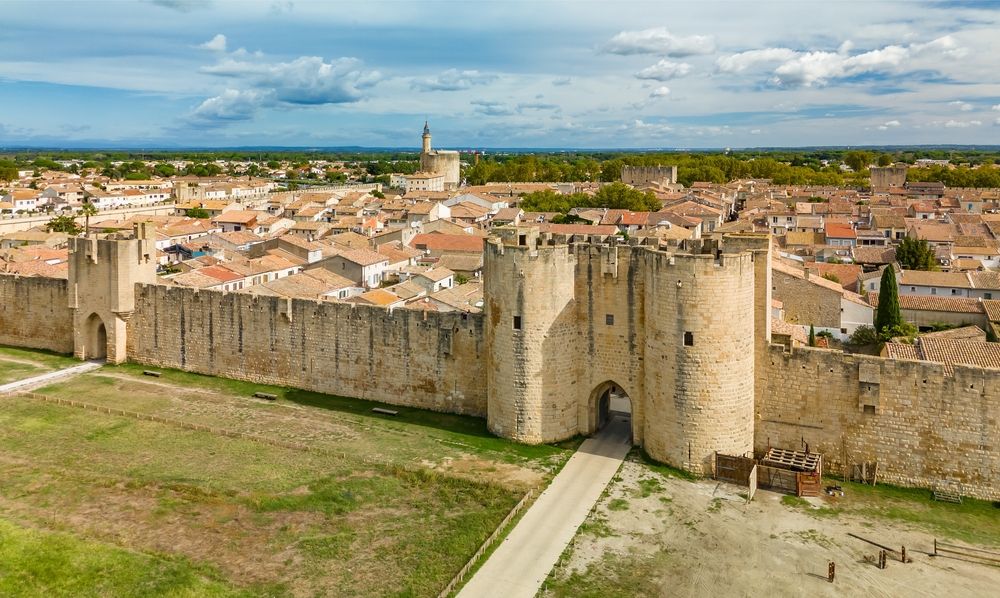
1. Walk along the medieval ramparts of Aigues-Mortes
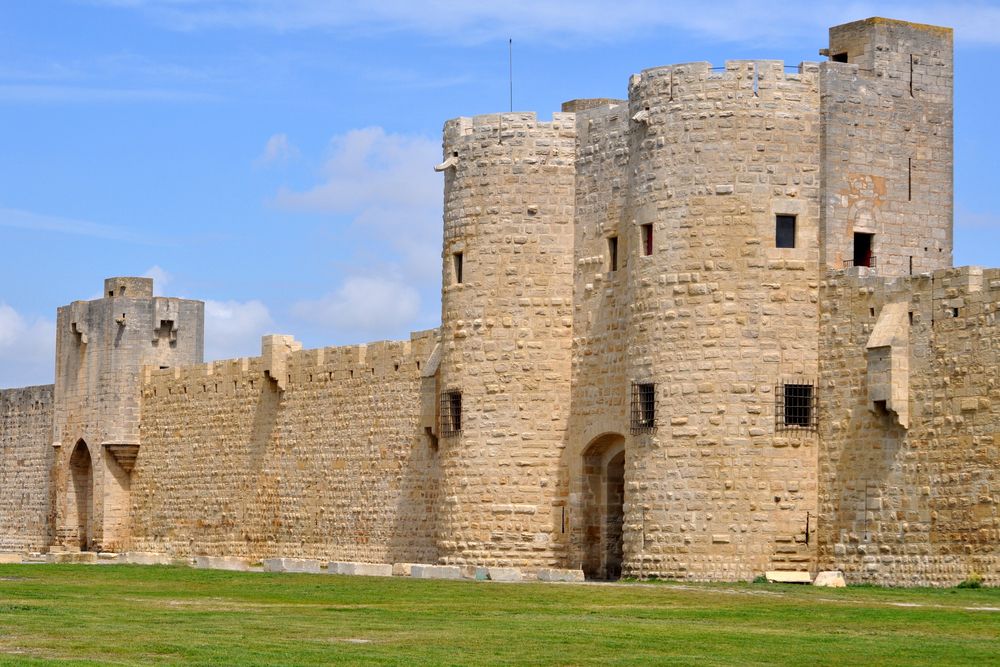
The ramparts of Aigues-Mortes are the city's main attraction and offer an unforgettable experience. Built in the 13th century under the reign of Saint Louis, these exceptionally well-preserved fortifications extend over 1,640 meters and feature no fewer than twenty defensive towers. The walk along the rampart walk literally transports you back to the Middle Ages, offering spectacular views of the surrounding Camargue at every step.
From the top of these ramparts, you'll discover breathtaking views over the pink-tinted salt flats that stretch as far as the eye can see to the south of the city. On clear days, the Mediterranean sparkles on the horizon. Access to the ramparts is from the Constance Tower and several tour options are available: self-guided visit with audioguide, guided commentary tour, or thematic visits organized regularly. Allow about an hour and a half to complete the full circuit while taking time to admire the landscapes and soak up the unique atmosphere of this classified historic monument.
Access to the Tours and Ramparts of Aigues-Mortes (Place Anatole France, 30220 Aigues-Mortes, rated 4.5/5 on Google for over 2,900 reviews) allows you to understand all the medieval defensive ingenuity.
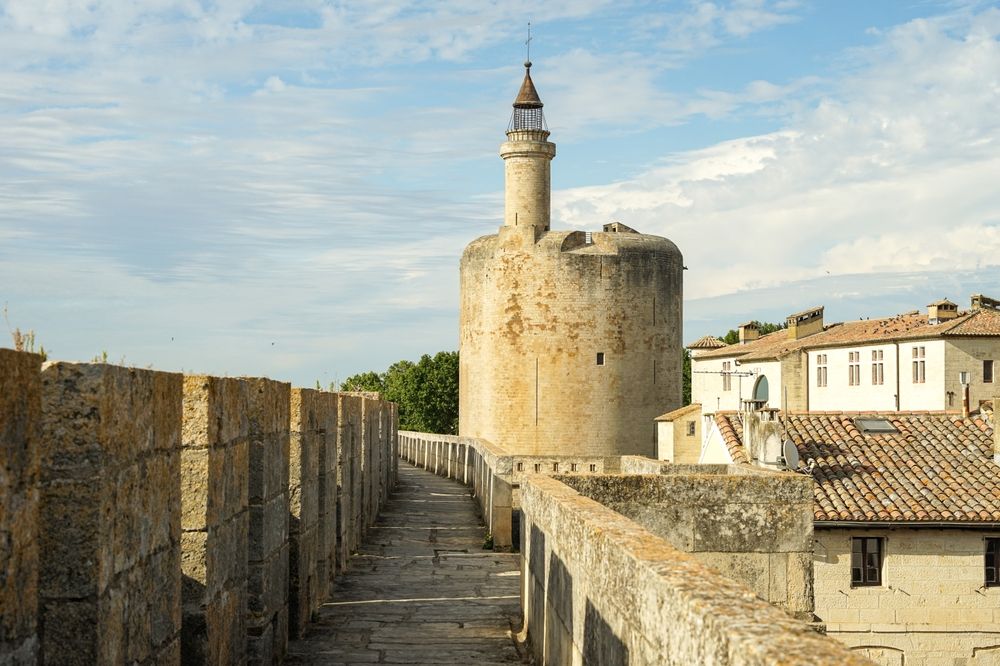
2. Discover the Constance Tower, witness to history
The Constance Tower majestically dominates the northwest corner of the Aigues-Mortes ramparts. This impressive cylindrical construction, 22 meters in diameter and 40 meters high, served successively as a royal keep, lighthouse and prison. It was precisely its prison role that marked French history: many Protestants were imprisoned there after the revocation of the Edict of Nantes in 1685.
The most poignant story remains that of Marie Durand, imprisoned for 38 years in this tower for her Protestant faith. On the walls of the guards' room, you can still see the word "résister" (resist) carved in stone, a moving testimony to the determination of the Huguenot prisoners. The tower visit takes you through several vaulted rooms before accessing the summit terrace which offers an absolutely breathtaking 360-degree panorama over the fortified city, the Camargue and the surrounding ponds.
Don't miss exploring each level of this emblematic tower during your visit. The permanent exhibitions trace the fascinating history of this monument that symbolizes both royal power and religious resistance.
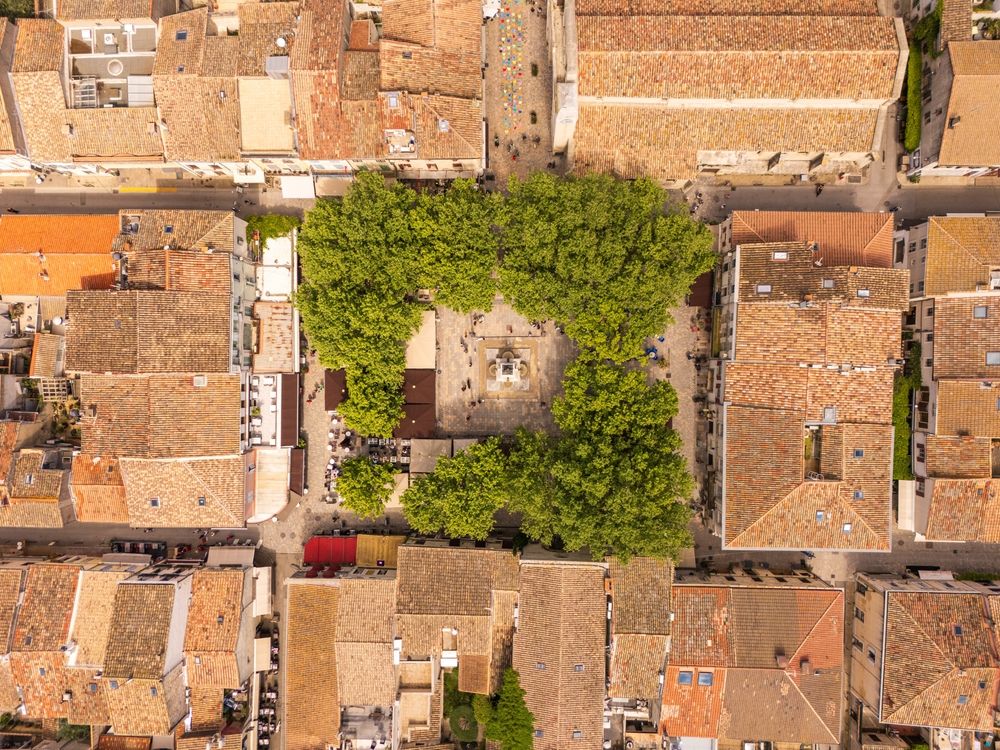
3. Stroll around Place Saint-Louis, the historic heart of the city
Place Saint-Louis has been the true beating heart of Aigues-Mortes since its foundation. This elegant esplanade owes its name to King Louis IX, known as Saint Louis, founder of the city in 1240. Surrounded by typically Mediterranean colored facades, welcoming terraces and artisan shops, it perfectly embodies the art of living in southern France.
At the center of the square stands proudly the equestrian statue of Saint Louis, a work by sculptor James Pradier inaugurated in 1849. This monument pays tribute to the crusader king who made Aigues-Mortes the embarkation port for his two crusades to the Holy Land. Around the square, you'll discover several remarkable buildings including the Chapel of the White Penitents and the Chapel of the Grey Penitents, witnesses to the intense religious life that animated the city.
It is also on this square that the Aigues-Mortes Tourist Office (Place Saint-Louis, 30220 Aigues-Mortes, rated 4.2/5 on Google for about 150 reviews) is located, the ideal starting point to organize your day of visits. The numerous cafés and restaurants installed under the arcades invite you to take a pleasant break while watching the ballet of visitors. Place Saint-Louis is particularly lively in the early evening, when the golden light of the sunset enhances the ochre facades and the terraces fill with tourists and locals who come to enjoy the Mediterranean mildness.
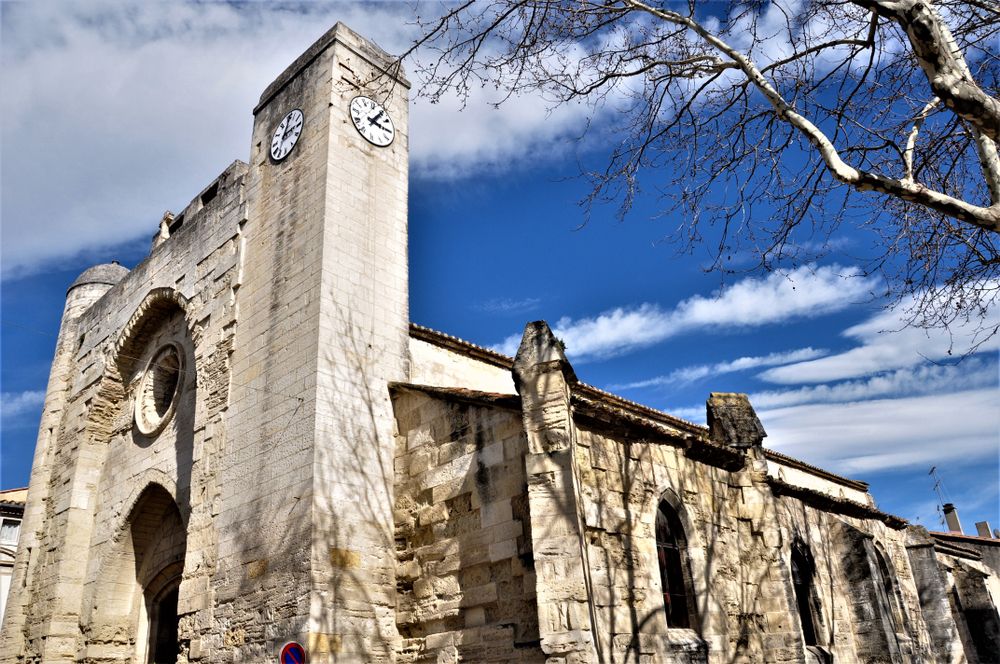
4. Admire the Church of Notre-Dame-des-Sablons
The Church of Notre-Dame-des-Sablons represents an unmissable monument during your visit to Aigues-Mortes. Built in the 13th century at the initiative of Saint Louis to accompany the foundation of the city, this church has crossed the centuries and experienced a turbulent history. Its southern Gothic architecture, characterized by Cistercian sobriety, contrasts with the usual splendors of churches of the time.
The building takes its name from the quicksand on which it was built, a remarkable architectural challenge for the time. Over the centuries, the church suffered numerous damages: pillaged by Protestants in 1575, it lost its bell tower which collapsed in 1634, then was transformed into a salt warehouse during the French Revolution. It was only in the 19th century that it regained its religious function, before being entirely restored in the 1960s.
Inside, don't miss the magnificent contemporary stained glass windows created in 1991 by artists Claude Viallat and Bernard Dhonneur. These modern creations bring a touch of color and light that enhances the austerity of the stone walls. The church also houses several religious artworks and its remarkable organ. Located in the city center, in immediate proximity to Place Saint-Louis, the Church of Notre-Dame-des-Sablons (Rue Jean Jaurès, 30220 Aigues-Mortes, rated 4.4/5 on Google for about 120 reviews) amply deserves a visit, whether you are a believer or simply a lover of architecture and history.

5. Explore the Aigues-Mortes salt flats and their pink lagoons
The Aigues-Mortes salt flats offer an absolutely fascinating natural spectacle and constitute one of the most memorable experiences to enjoy during your stay. These vast stretches of water with colors ranging from candy pink to deep red spread over more than 10,000 hectares at the gates of the medieval city. This extraordinary coloration comes from a micro-algae, Dunaliella salina, which develops in very salty waters and produces beta-carotene to protect itself from the sun.
Several options are available to discover this unique site. The tourist train is the most classic and family-friendly option, taking you to the heart of the salt tables with instructive commentary on salt exploitation and local biodiversity. The more athletic can opt for a bike ride on the paths that cross the salt flats, while thrill seekers will prefer the 4×4 safari. Whatever option you choose, you'll be amazed by the surreal landscapes of the camelles (these white salt mountains that rise several meters high) and by the ornithological richness of the site.
The salt flats indeed welcome more than 200 bird species, including the famous pink flamingo that has made its home in these shallow waters rich in food. Spring and summer offer the best conditions to observe these elegant waders by the thousands. The Aigues-Mortes Salt Flats site (Route du Grau-du-Roi, 30220 Aigues-Mortes, rated 4.1/5 on Google for over 4,500 reviews) also offers a museum dedicated to salt where you'll learn everything about the millenary history of this exploitation and the salt worker's trade.
6. Visit the chapels of the Grey and White Penitents
Aigues-Mortes houses two remarkable chapels that testify to the religious fervor that animated the city in the 16th and 17th centuries. The Chapel of the Grey Penitents, built in the 14th century on the foundations of an old convent, is one of the oldest religious buildings in the Gard. This lay brotherhood devoted itself to charitable works and spiritual accompaniment of the faithful. The building, restored many times after the destruction during the Wars of Religion, preserves precious architectural elements including a baroque altarpiece signed by Jean Sabatier.
The Chapel of the White Penitents presents a more sumptuous character. Built in 1668 following a schism within the Grey Penitents brotherhood, it displays an affirmed baroque style with its richly ornamented decorations. The interior contains an exceptional artistic treasure: a large canvas by Xavier Sigalon representing Pentecost, visible behind the high altar. This monumental work perfectly illustrates the talent of this 19th-century artist from the region.
Both chapels narrowly escaped revolutionary vandalism and were transformed into civil buildings before regaining their religious vocation in the 19th century. Today, they regularly host temporary exhibitions and concerts, thus perpetuating their role as living cultural venues. The Chapel of the Grey Penitents (Rue de la République, 30220 Aigues-Mortes) and the Chapel of the White Penitents (Place Saint-Louis, 30220 Aigues-Mortes, rated 4.5/5 on Google for about 80 reviews) are generally visited as part of guided tours organized by the Tourist Office, an excellent way to understand the complex religious history of the city.
7. Taste the culinary specialties of Aigues-Mortes
Visiting Aigues-Mortes would not be complete without a gastronomic discovery of its regional specialties. The city benefits from an exceptional terroir, between Camargue and Mediterranean, which offers unique products. The undisputed star of local tables remains the Aigues-Mortes fougasse, a soft and golden brioche delicately scented with orange blossom. This traditional delicacy is enjoyed at breakfast or for a snack, and several artisanal bakeries perpetuate the ancestral recipe.
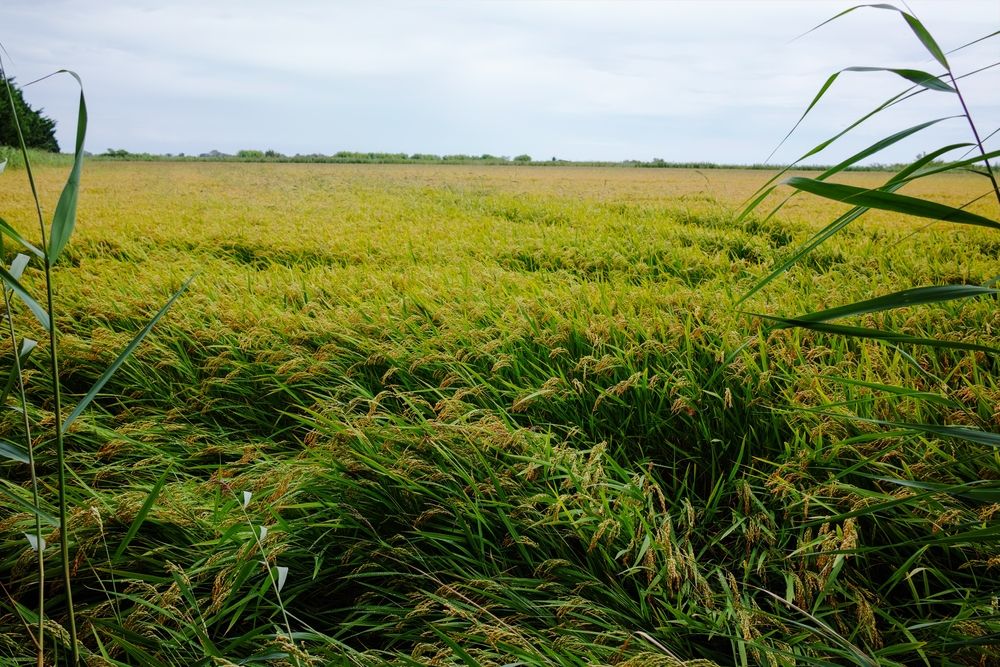
Camargue rice, cultivated in the surrounding rice fields since the Middle Ages, accompanies many local dishes. Definitely try the bull gardiane, this stew slowly simmered with Camargue bull meat, black olives and red wine, traditionally served with rice. Meat lovers will also appreciate sausages and terrines made from bull, a tasty and dietary meat.
The salt from Aigues-Mortes, harvested in the neighboring salt flats, deserves special mention. This artisanal sea salt, rich in magnesium and trace elements, comes in several varieties: fleur de sel, grey salt, pink salt... Specialized shops also offer flavored salts with Provençal herbs or Espelette pepper, perfect as gourmet souvenirs. Wine-wise, the Sables de Camargue vineyards produce characterful IGP wines, notably rosé gris de gris unique in the world, cultivated on sand. Numerous restaurants bordering Place Saint-Louis or nestled in the medieval streets will allow you to savor these delights while enjoying the unique atmosphere of the fortified city.
8. Take a cruise on the Camargue canals
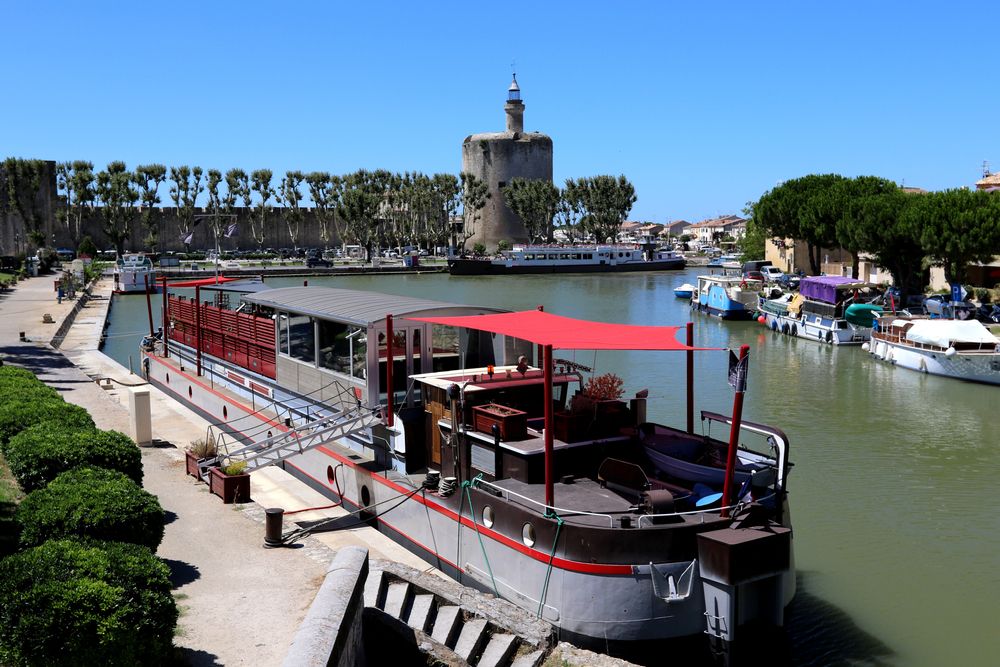
To magnificently complete your discovery of Aigues-Mortes, a cruise on the Camargue canals is essential as an unmissable experience. Departing from the Aigues-Mortes marina, several companies offer boat excursions that take you to discover the wild and preserved landscapes of the Petite Camargue gardoise. These river walks, generally lasting two hours, offer a unique viewpoint on the region and allow you to approach local wildlife in its natural habitat.
Along the water, you'll navigate between ponds, marshes and reed beds, observing grey herons, egrets, pink flamingos and maybe even European beavers if luck is on your side. Most circuits include a stop at a traditional manade where you'll discover Camargue bulls in semi-freedom and the white horses emblematic of the region. Passionate guides share their knowledge of the fragile Camargue ecosystem, bullfighting traditions and the fascinating history of these amphibious lands shaped by man since Antiquity.
For visitors seeking autonomy, know that several rental companies offer boats without permits, allowing you to freely explore the canals at your own pace. This option particularly appeals to families and groups of friends wishing to live a more personal adventure. Sunset cruises offer magical moments, when the low light sets the landscapes ablaze with gold and purple. Several companies operate from the Aigues-Mortes Marina (Quai des Croisades, 30220 Aigues-Mortes), and departures are frequent from March to October. Remember to book during high season, particularly during summer months. In conclusion, Aigues-Mortes reveals itself as an exceptional destination that harmoniously combines historical heritage and natural wonders. Between its perfectly preserved medieval ramparts, its Constance Tower steeped in history, its salt flats with unreal colors and its savory culinary traditions, the city offers a rich and varied palette of experiences. Every street, every monument tells a fragment of French history, while the surrounding Camargue landscapes invite contemplation and discovery of wild nature. Whether you're passionate about history, a lover of beautiful landscapes, a curious gourmet or simply seeking an exotic getaway in southern France, Aigues-Mortes will seduce you with its authenticity and timeless charm. To fully enjoy your stay, don't hesitate to follow the Ryo audio-guided itinerary which will considerably enrich your experience of this pearl of the Gard Camargue.
FAQ: Everything you need to know to visit Aigues-Mortes
What is the best time to visit Aigues-Mortes?
Spring (April-May) and autumn (September-October) are the ideal periods to visit Aigues-Mortes. Temperatures are pleasant, tourist crowds moderate, and it's the best time to observe the pink salt flats in all their splendor. Summer offers the advantage of long sunny days and numerous activities, but the heat can be intense and crowds important. Winter, quieter, allows you to enjoy the city in a peaceful atmosphere, although some attractions have reduced hours.
How much time should you plan to visit Aigues-Mortes?
A full day allows you to comfortably discover the main sites of Aigues-Mortes: allow 2 hours for the rampart tour and Constance Tower visit, 1.5 hours to stroll in the historic center and visit churches and chapels, 2 to 3 hours for the salt flats excursion. If you also want to take a canal cruise and enjoy restaurants, plan two days, or even a full weekend to also explore the surrounding Camargue areas without rushing.
Where to park in Aigues-Mortes?
Several paid parking areas surround the medieval city, notably the Porte de la Gardette parking (closest to the center), Anatole France parking and Remparts parking. Rates vary according to season and duration, expect about 5 to 8 euros per day. In high season, arrive early in the morning to find a space easily. Free shuttles connect some outlying parking areas to the city center during summer. Parking is strictly regulated in the old town to preserve the heritage.
Can you visit Aigues-Mortes with children?
Aigues-Mortes is a very family-friendly destination. Children generally love exploring the medieval ramparts and climbing the Constance Tower, feeling like real knights. The salt flats visit by small train fascinates them, as does observing pink flamingos. Many restaurants offer children's menus, and the pedestrian streets of the center allow safe strolling. However, consider that the complete rampart tour can be tiring for very young children. Remember to bring water, a hat in summer, and don't hesitate to take regular breaks.
What specialties should you bring back from Aigues-Mortes?
Essential gourmet souvenirs include Aigues-Mortes fougasse (to enjoy fresh or in dry biscuit form), Camargue salt in all its variations (fleur de sel, pink salt, flavored salts), Sables de Camargue wines (notably rosé gris de gris), products made from Camargue bull (sausages, terrines), Camargue rice in different varieties, and artisanal products with Provençal herbs. City center shops also abound with local crafts, natural soaps and cosmetic products with Camargue salt.