© Shutterstock
 Votre guide Ryo
Specialties of Aix-en-Provence: 15 Flavors to Know Before You Go (2026)
The specialties of Aix-en-Provence are not meant to be consumed in a hurry. The city of 40 fountains has built, over the centuries, a culinary tradition whose richness extends far beyond the calisson alone, even if this golden almond paste remains the city's undisputed ambassador. Whether you are arriving for a gourmet weekend or a long stay, this guide to the specialties of Aix-en-Provence gives you the right products, the right addresses, and the pitfalls to avoid. Explore the Ryo audio guide of Aix-en-Provence and you will quickly understand that every fountain, every mansion on the cours Mirabeau, every narrow alley in the Mazarin quarter tells a story that often ends at the table. The specialties of Aix-en-Provence are rooted in an exceptional Provençal terroir: olive oil from the Alpilles, sun-drenched vegetables from the Bouches-du-Rhône, dried herbs that perfume the markets from Monday morning, wines from the Palette appellation produced two kilometers from the city center. This guide takes you from slow-simmered daube to Sisteron lamb and on to farm cheeses wrapped in chestnut leaves, passing through rosé wines, artisanal tapenades, and the addresses where you can order a real calisson without being fooled by an industrial imitation.
The Calisson d'Aix, Six Centuries of Almond Paste
Some sweets define a city. In Aix, it is the calisson. This oblong boat-shaped almond paste confection, glazed with a fine white royal icing, transcends the status of a mere sweet to become an identity marker as much as a culinary specialty. The first written mention dates to 1473, on the occasion of King René's marriage to Jeanne de Laval, celebrated in the cathedral of Saint-Sauveur. Five and a half centuries later, the recipe has not fundamentally changed: the calisson remains the first of Aix-en-Provence's specialties that anyone spontaneously mentions.
The traditional calisson is made of two thirds white almonds (mainly local variety) and one third candied melon, to which sugar syrup and a few drops of orange blossom water are added. The mixture is ground into a paste, spread on a sheet of unleavened bread, covered with royal icing, and cut into diamond shapes. The production remains largely manual at serious confectioners: the hand pressing the calisson before baking leaves a slight imprint that distinguishes an artisanal product from an industrial one.
The name "calisson d'Aix" has been the subject of a protection initiative pursued for years by the Union des Fabricants du Calisson d'Aix, which filed an application for Protected Geographical Indication (PGI) with the authorities to require that production take place within a precise geographical area around Aix. Pending the full completion of this recognition, the producers' specification already governs the recipe and the provenance. The association currently lists around fifteen approved houses. Among the most renowned: Roy René, founded in 1920, with a shop on the cours Mirabeau; Léonard Parli (35 Avenue Victor Hugo, 13100 Aix-en-Provence, rated 4.5/5 on Google with 229 reviews), the oldest house still in operation (1874), established on avenue Victor Hugo for five generations; and La Cure Gourmande, more recent but rigorous in its sourcing of Provençal almonds.
Calissons keep for about three weeks at room temperature, in their original box. To bring them home, choose wooden or metal gift boxes that better protect against humidity. A 500-gram package runs around 18–22 euros depending on the house. Avoid the promotional deals at 8 euros per kilo found at some tourist markets: the almonds used are generally not Provençal, and the melon is replaced by glucose-fructose syrup.
One final note: Calisson Day is celebrated every first Sunday of September during a solemn blessing at the cathedral of Saint-Sauveur, a tradition dating back to 1630 when the city was spared from the plague. Confectioners then offer calissons to the faithful, a unique opportunity to taste one in a historic setting.
Provençal Daube, the Dish That Simmers for Hours
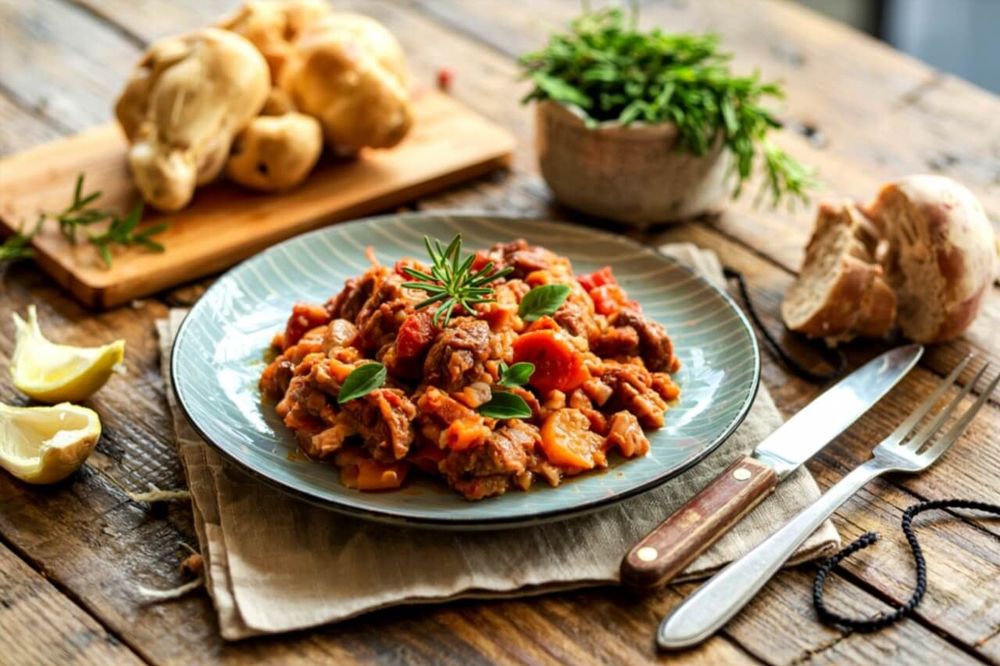
If the calisson is Aix's sweet postcard, the Provençal daube is its main course. This stew of marinated beef slowly braised in red wine, traditionally in a terracotta daubière — a rounded pot whose particular shape concentrates steam — is Provence's quintessential winter dish. There is not a single Aix kitchen that does not have its own recipe, handed down with the same devotion as a family secret.
The base barely varies: chuck or beef cheek, marinated for 24 hours in a full-bodied red wine (Côtes du Rhône or, for purists, Palette AOP), with carrots, onions, garlic, thyme, bay leaves, cloves, and dried orange zest. The cooking lasts between four and six hours over very low heat. The collagen in the chuck dissolves gradually to create a naturally bound sauce of silky richness. Some Aix families add black olives, others smoked lardons, and a few a handful of rehydrated porcini mushrooms. These variations are the subject of passionate debates in the butcher shops of the Richelme market (Place Richelme, 13100 Aix-en-Provence, rated 4.8/5 on Google with 39 reviews).
To enjoy an authentic daube in Aix, you need to plan ahead: good restaurants rarely offer it as a permanent menu item. It is a winter daily special, served with fresh tagliatelle or homemade gnocchi. Restaurant Jacquou le Croquant in the old town has been a solid benchmark for several decades. The address is unpretentious, the room small, the prices reasonable — exactly the right signs.
One distinction worth knowing: Provençal daube differs from the Avignon daube (which uses mutton) and the Nice daube (where Bellet wine replaces the Côtes du Rhône). In Aix, some cooks incorporate sausage meat at the start of cooking to thicken the broth, a lesser-known practice that dates back to 19th-century recipes recorded in the notebooks of the Société de Gastronomie de Provence.
If you want to cook your own daube, the cours d'Estienne d'Orves market (Tuesday and Thursday mornings) offers the best selection of braising cuts. Provençal butchers cut chuck into thicker pieces than their Parisian counterparts — a subtle difference that changes the final result: the meat remains firm at the center while melting on the surface.
Tapenade, Provence's Black Spread on Toasted Bread
Tapenade is one of the rare Mediterranean condiments whose inventor is precisely known. In 1880, Chef Meynier of the restaurant La Maison Dorée in Marseille combined pounded black olives, capers (tapèno in Provençal, hence the name), oil-packed anchovies, and olive oil into a dark, powerful paste. The recipe traveled quickly to Aix and took up permanent residence there.
Traditional tapenade therefore contains black olives (preferably the tanche variety from Les Baux-de-Provence), capers, salt-packed anchovy fillets, garlic, and olive oil. Everything is ground in a mortar — never in an electric blender for purists — yielding a coarser, more honest texture. The blender version is faster but produces a paste that is too smooth and loses the chew of the olives.
Several variations circulate in Provence. Green tapenade uses green olives instead of black, sometimes with mint or basil. "Royal tapenade" enriches the preparation with canned tuna. These variations are enjoyable but should not overshadow the original, which you will find in jars in all the fine food shops of Aix. Beware of industrial versions diluted with sunflower oil: the difference in taste is immediately apparent.
At the table, tapenade accompanies raw vegetables, toasted bread at aperitif time, pasta, or grilled white fish. It also features in some sauces for braised meats. It is one of the simplest culinary souvenirs to bring back from Aix: a well-sealed jar keeps for several weeks in the refrigerator.
Provençal Olive Oil, the Ingredient Behind Everything Else
No specialty from Aix can be understood without olive oil. It is the transversal ingredient, the fat of Provençal cooking since Antiquity. Provence produces several recognized appellations: olives from Les Baux-de-Provence (AOP), from Haute-Provence (AOP), and from the Alpilles, whose groves stretch less than 40 kilometers northwest of Aix.
The varieties grown in the Aix region are mainly the salonenque (for its fruity sweetness), the aglandau (for its vegetal bitterness and peppery character), and the grossane (for table olives). The blending of these varieties gives Provençal olive oils their complexity: a suave first sip, a lightly peppery finish that rises in the throat, characteristic of oils with a high polyphenol content.
At the cours Mirabeau market (Cours Mirabeau, 13100 Aix-en-Provence, rated 3.9/5 on Google with 22 reviews) on Sunday mornings, several producers sell their output directly. Prices range between 12 and 18 euros per liter for a quality cold-pressed oil. The mention "first cold pressing" on the label is now nearly universal; instead, look at the harvest date (ideally the autumn before your purchase) and the stated free acidity (below 0.8% for an extra virgin).
Several mills in the surrounding area offer tours and tastings. The Moulin de Caseneuve in Puyricard, a few kilometers north of Aix, is one of the most accessible. The tasting is generally free and educational, a chance to understand how the color of the harvest (green or black depending on ripeness) influences the profile of the finished oil.
Bouillabaisse and Provençal Fish: What to Eat from the Sea in Aix
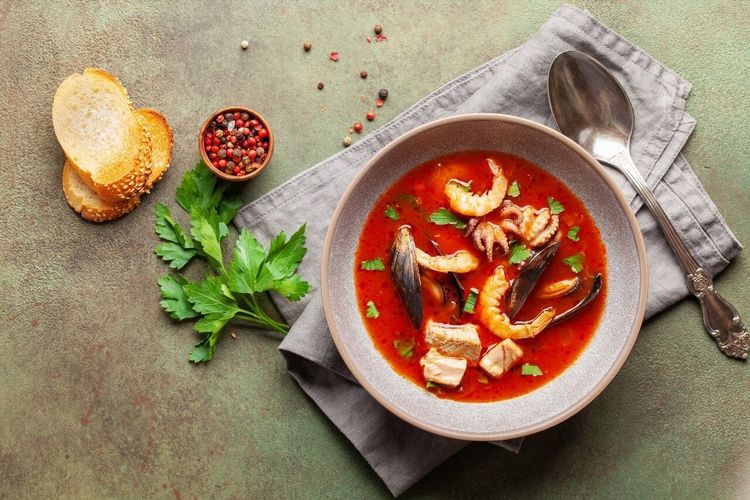
Aix-en-Provence is about thirty kilometers from Marseille and less than an hour from the Étang de Berre. The presence of fish and seafood in Aix's cuisine is therefore anything but artificial: it is a well-documented tradition, even if the city is not coastal. The historical connection with the sea ran through merchants who brought up produce from the Vieux-Port de Marseille every morning.
Bouillabaisse remains the queen of Provençal fish recipes, even though its origins are more Marseillais than Aixois. In Aix, you will find it in a few serious restaurants, often as a tasting menu that must be ordered in advance. A proper bouillabaisse includes at least four to six species of rock fish (scorpionfish, gurnard, weever, John Dory, conger eel), cooked successively in a saffron broth, and is served in two courses: the broth as a starter with garlic-rubbed croutons and rouille, and the fish as the main course. Expect to pay between 55 and 75 euros per person for an authentic version.
But the Aix table is not limited to bouillabaisse. Brandade de morue holds an important place: a purée of desalted salt cod mixed with olive oil and sometimes mashed potato, gratinéed in the oven. It is a hearty, generous home dish found in traditional brasseries as an evening special. The fish soup in the Aix style, lighter than its Marseille equivalent, is made with blended reef fish passed through a fine sieve, served with rouille and grated cheese.
Sardines also find their place: grilled whole in the oven or on a plancha at summer meals, accompanied by a simple squeeze of lemon and Camargue fleur de sel. Poutargue (boutargue in Provençal), dried and pressed mullet roe, is a more discreet specialty but present in Aix's fine food shops: grated over pasta with olive oil, it brings a concentrated, intensely briny marine flavor that is absolutely remarkable.
To eat quality fish in Aix, the rule is simple: ask about the provenance. A restaurant that cannot tell you where its fish comes from is working with farmed or imported products. Those that mention Sète, Martigues, or the Vieux-Port de Marseille deserve your trust.
Provençal Stuffed Vegetables, Market Produce Elevated to a Main Course
Petits farcis are the perfect illustration of Provençal cooking in its relationship with the market: take the most abundant vegetables of the season, hollow them out carefully, fill them with a savory stuffing, and cook them slowly in the oven until golden. The result is a starter or a complete dish that smells of thyme, tomato, and roasted meat.
The vegetables traditionally stuffed in Aix follow the market calendar: tomatoes (the most common), round zucchini, red and yellow bell peppers, eggplant, and sweet onions in summer. The stuffing varies by family and cook: a base of sausage meat or ground beef mixed with day-old bread soaked in milk, garlic, parsley, sometimes ricotta or a whole egg to bind. Vegetarian restaurants offer stuffings based on rice, mushrooms, and fresh herbs.
The cooking is long and slow: at least one hour at 160°C, until the stuffing is cooked through and the vegetable skin wrinkles slightly on the sides, taking on a copper color. Petits farcis are eaten warm, never piping hot, with a drizzle of olive oil and a few basil leaves. It is a dish that lends itself to advance preparation and reheats perfectly, which explains its popularity among Provençal caterers.
At the covered market of Les Prêcheurs (Place des Prêcheurs, 13100 Aix-en-Provence, rated 4.6/5 on Google with 201 reviews), several market gardeners sell round zucchini specifically cultivated for stuffing — their firm flesh holds up better during long cooking than ordinary elongated zucchini. The kind of detail you only learn at the market, by talking with the producer.
Soupe au Pistou, an End-of-Summer Ritual
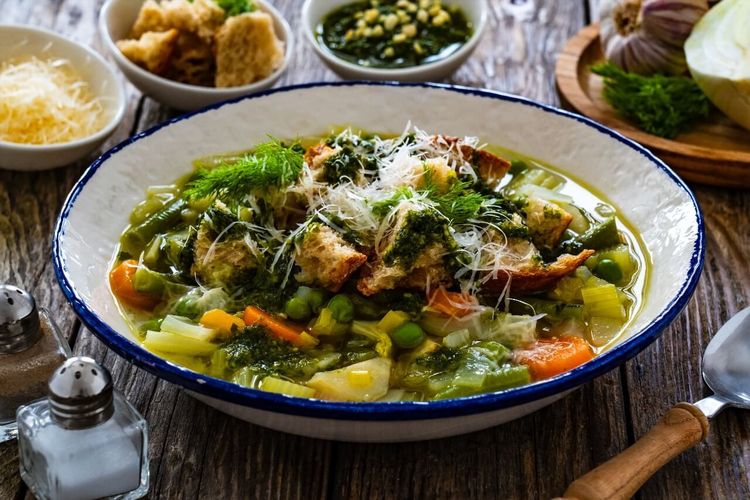
Every year, as soon as the first basil plants potted in May reach their full fragrance under the Provençal sun, Aix kitchens prepare the soupe au pistou. This Provençal minestrone — green beans, white beans, zucchini, tomatoes, vermicelli — is generously drizzled with pistou, a condiment made from fresh basil pounded in a mortar with garlic, salt, olive oil, and sometimes Parmesan. Without pistou, it is a vegetable soup. With it, it is an experience, and one of the most eagerly anticipated specialties of Aix-en-Provence in summer.
The etymology is direct: pista in Provençal means "to pound, to crush." Provençal pistou is therefore a cousin of Genoese pesto, with two notable differences: no pine nuts in the traditional Provençal version, and the basil used is the small-leaved variety, more fragrant and less anise-like than the large Italian basil.
The soupe au pistou is prepared in August and September, when three varieties of beans are simultaneously available at Aix markets. The complete version incorporates pink coco beans, extra-fine green beans, and lingot white beans, to which diced butternut squash is added in autumn. The vermicelli are added at the very end of cooking so they remain al dente.
It is one of the simplest dishes to recreate at home after a stay in Aix, provided you bring back fresh Provençal basil — or better yet, a few potted plants. Look at the covered market for the variety known as "basilic fin vert d'Aix," with its small, highly fragrant leaves, distinct from the large-leafed varieties found in supermarkets.
The Soupe au Pistou festival organized each summer by several communes in the Bouches-du-Rhône (including some close to Aix) is an opportunity to taste dozens of versions and vote for the best. An event worth adding to your calendar if you visit the region in July or August.
The Provençal Navette, a Dry Biscuit with an Orange Blossom Scent
Less well known than the calisson but just as ancient, the navette is an elongated boat-shaped biscuit (hence its name, after the weaver's shuttle), flavored with orange blossom water and lightly sweetened. Its texture is dry and crumbly, meant to be dipped in black coffee or a glass of sweet wine.
Provence's most famous navette comes from the Four des Navettes in Marseille, on rue Sainte, where it has been made since 1781. But Aix adopted and adapted the recipe decades ago, and several bakeries offer their own version. The Aix navette is sometimes slightly different: softer at the center, with a light sugar glaze and, depending on the artisan, an addition of lemon zest or almond powder.
Tradition holds that navettes are blessed on Candlemas (February 2nd) and kept throughout the year for good luck. This practice, dating back to the 19th century, has helped keep navette production alive even outside the Christmas season. You will find them in artisan bakeries throughout Aix all year round, in packets of 12 or 24, at a modest price (5–7 euros per packet).
Bring navettes home in your luggage: they handle a journey of several days without trouble, provided you keep them in their airtight packaging away from humidity. Their shelf life is several weeks.
Provençal White Nougat, Honey and Almonds Bound by History
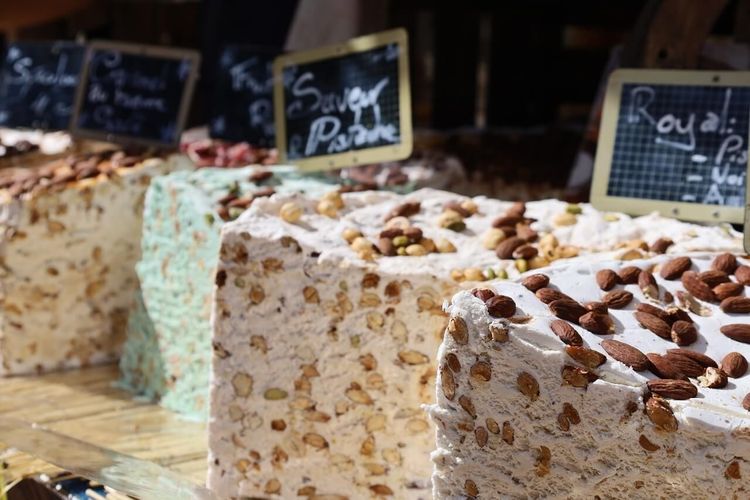
Provençal white nougat was not born in Aix but it is one of the city's most representative sweets. Its production relies on three regionally excellent ingredients: lavender or garrigue honey from Haute-Provence, almonds from the Bouches-du-Rhône or the Var, and egg whites whipped to stiff peaks, which give the nougat its characteristically airy texture.
Making nougat requires precise cooking of the honey to 145°C ("hard crack" stage), followed by progressive whisking with the beaten egg whites, the addition of almonds and candied fruit, and finally molding between sheets of unleavened bread. It is a confectioner's craft that tolerates no approximation: a few degrees too many on the honey and the nougat becomes brittle as glass; a few degrees too few and it stays soft and sticky.
In Aix, nougat comes in a soft version (called "mou") and a firm version (called "dur"). The soft version, more recent, is the favorite of children and lovers of melt-in-the-mouth sweets. The hard, traditional version is broken by hand into small pieces and gradually releases its aromas of honey and toasted almond.
Several confectioners offer original flavors: nougat with lavender, Sicilian pistachios, red fruits, or chocolate. These creations are delicious, but the classic honey-almond-vanilla version remains the benchmark to taste first. The Aix Christmas markets, set up around the Hôtel de Ville in December, concentrate several artisanal nougat stalls — the best time to compare producers, and a fine excuse to work through the old town from one fountain to the next with our audio-guided tour.
Provençal Cheeses: Banon, Brousse, and Pélardon
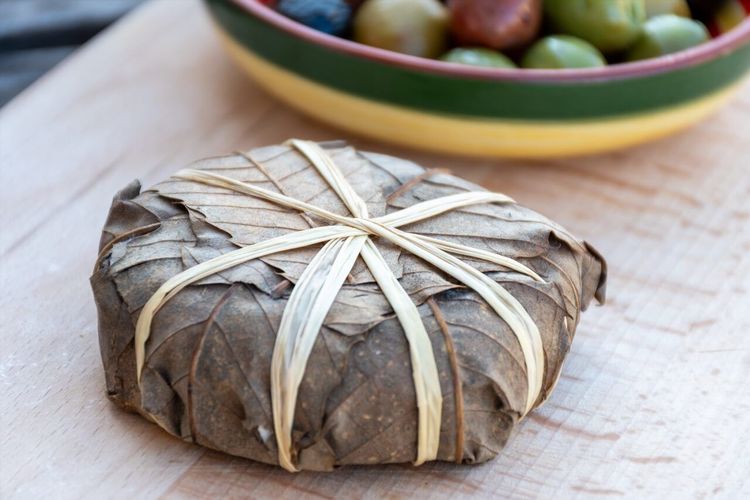
Provence is not the first cheese-making region of France in the popular imagination, and yet its goat and sheep cheeses are among the most flavorful in the country. Around Aix-en-Provence, three cheeses deserve particular attention.
Banon is the best known and the only one to hold an AOP designation (awarded in 2003). This small raw goat's milk cheese, round and weighing about 100 grams, is wrapped in chestnut leaves tied with a strip of raffia, giving it its distinctive shape and allowing it to ripen gradually in its natural packaging. Banon comes from the high plateaus of Haute-Provence, two hours from Aix, but is present at all the city's markets. Its flavor evolves with aging: young (2 weeks), it is milky and mild; mature (4 to 6 weeks), it becomes creamy beneath the leaf, with a slight animal tang that connoisseurs seek out.
Brousse du Rove is more obscure but extraordinary. Produced by a handful of families in the hills between Aix and Marseille, this brousse (the Provençal equivalent of fresh ricotta) is made from the milk of Rove goats, a hardy breed with corkscrew horns perfectly adapted to the Provençal scrubland. Its texture is light, almost airy; its flavor delicate, with a vegetal note reminiscent of dry herbs. It is eaten plain, with a drizzle of olive oil and fresh herbs, or as a dessert with lavender honey.
Pélardon completes the trio. A goat's milk cheese from the neighboring Languedoc (AOP since 2000), it naturally spills over into Provençal markets. Small white discs of soft cheese, quality pélardons have a thin, lightly bluish rind and a melting ivory paste. In Aix, look for producers from the Gard or the Hérault who sell directly at the cours Mirabeau market.
Herbes de Provence and Aix Markets: Where to Buy What
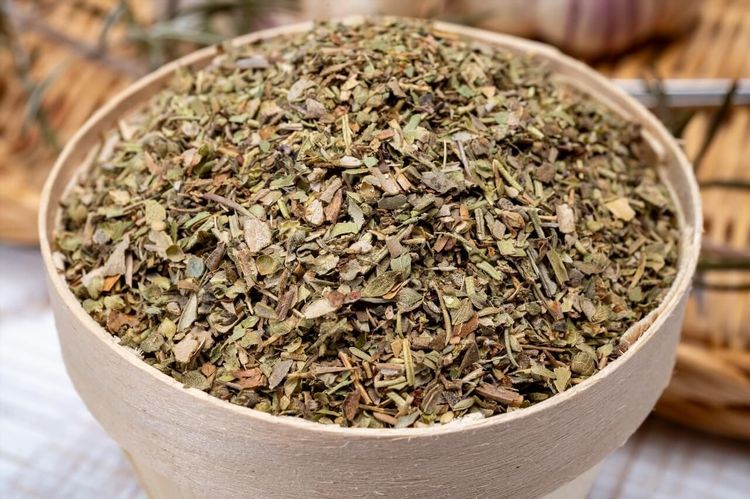
Herbes de Provence do not grow in plastic sachets. At the Aix markets, you will find them dried in hand-tied bundles, sold by producers who harvest the garrigue thyme, hillside rosemary, wild savory, bay laurel, and Provençal oregano themselves. The difference from industrial blends is immediately apparent to the nose: there is simply no comparison.
The market scene in Aix-en-Provence is organized around several complementary sites. The Richelme market (every morning except Monday) is the most central, set on the square of the same name next to the town hall. It is the locals' neighborhood market, small but selective: fruits and vegetables from local producers, cheeses, herbs. The cours Mirabeau market (Tuesday, Thursday, and Saturday) is larger and more touristy but retains a fine section of regional products. The Place de la Madeleine market (Tuesday and Thursday) specializes in fresh produce: free-range poultry, rabbits, Mediterranean fish.
For truffles, Aix-en-Provence is an excellent starting point. Regional truffle markets are held from November to March, notably in Aups (Var), Richerenches (Vaucluse), and Rognes, a village 20 kilometers from Aix that hosts a well-regarded truffle market every Saturday of the season. The black truffle (Tuber melanosporum) grows naturally in the pubescent oak forests of the surrounding hills.
At the Aix markets, here is what to buy and where:
- Dried herb bundles: local producer stalls at the Richelme market, on the east side of the square. Price: 3–5 euros per bundle of thyme or rosemary.
- Olive oil direct from the producer: cours Mirabeau market on Saturday morning; Les Baux producers usually set up around the middle of the cours.
- Artisanal calissons: Roy René and Léonard Parli shops (avoid market resellers).
- Haute-Provence lavender honey: several beekeepers present at the cours market on Thursday and Saturday.
- Farm cheeses: mobile cheese stalls at the Place de la Madeleine market on Tuesday.
- Palette AOP wine: directly at Château Simone (Meyreuil, 6 km from Aix) or at the Cave du Roy René in the city.
Regional Wines: Palette, Coteaux d'Aix, and Luberon
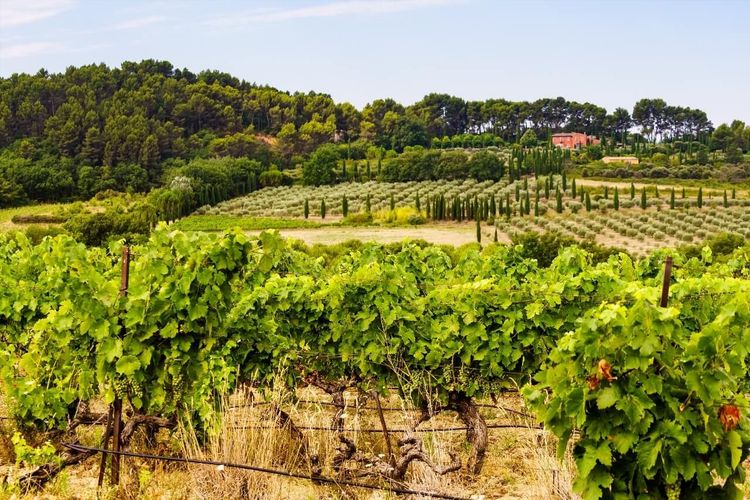
Aix-en-Provence sits at the heart of an exceptional wine-growing area. Three major appellations surround the city and deserve to be approached seriously rather than skimmed in a tourist wine cellar.
The Palette AOP appellation is the most discreet and the closest: it covers only about fifty hectares (around 48 ha) spread across the communes of Le Tholonet, Meyreuil, and Aix, a few kilometers east of the city center. It is one of the smallest appellations in France, very largely dominated by Château Simone, the property of the Rougier family since 1830. Palette wines — white, rosé, and red — are produced from a blend of ancient Provençal grape varieties (clairette, grenache, mourvèdre, muscat) that give them a remarkable personality, aged for a long time in oak barrels according to traditions inherited from the 19th century. The red Palette can easily be kept for ten years; the white is one of the most complex in Provence.
The Coteaux d'Aix-en-Provence AOP covers a much larger territory (several thousand hectares), stretching from the Montagne Sainte-Victoire to the Alpilles. The appellation is known primarily for its rosés — dry, pale, with notes of red fruits and citrus — but its syrah and cabernet sauvignon-based reds deserve to be better known. Several reference estates: Château de Beaupré (Saint-Cannat), Domaine de la Brillane (400 Route de Couteron, 13640 Rognes, rated 4.1/5 on Google with 78 reviews) (Aix, route de Couteron), and Château Vignelaure (Rians) for its structured reds.
The Luberon AOP, an hour north of Aix, completes the picture with fresher wines produced at higher altitude. The cooler nights of the Luberon provide a natural acidity that distinguishes its rosés and whites from those of the Coteaux d'Aix. Château Val Joanis and Domaine de Fontenille are two estates that combine quality with the possibility of a summer visit.
For a structured tasting around Aix, several wine shops in the city center offer a solid selection from all the regional appellations at reasonable prices, with staff trained to guide your choices. If you visit in July, the Festival d'Aix-en-Provence (international opera festival), held notably in the Théâtre de l'Archevêché, is an opportunity to sample local wines on the fringes of performances — a context hard to beat.
Where to Eat Aix Specialties: Addresses and Tips
To enjoy the specialties of Aix-en-Provence under the best conditions, it helps to know the city's geography: dining in Aix is a two-speed affair. Along the cours Mirabeau and the tourist streets surrounding it, a portion of restaurants content themselves with serving standardized products at inflated prices. But ten minutes' walk north or east, in the Mazarin quarter, Bourg Saint-Loup, or around the place des Cardeurs, quality rises significantly and prices remain reasonable. The golden rule: avoid laminated menus with photos and look for hand-written chalkboards.
Le Zinc d'Hugo (rue Lieutaud) has been one of the most consistent addresses for market-driven cuisine for several years. Set lunch menu at 17–22 euros, evening menu centered on local products. Beef daube is offered regularly in winter, soupe au pistou in season. Reservation recommended on Thursday and Friday evenings.
La Fromagerie du Passage (passage Agard, near the cours Mirabeau) is as much a cheese cellar as a restaurant. Marble tables, a board of local and regional cheeses, Provençal charcuterie, natural wines from the Coteaux d'Aix. A place to compose your own Provençal plate from brousse du Rove, banon, pélardon, Corsican coppa, and artisan bread. Expect 20–30 euros for a full meal.
Jacquou le Croquant (2 Rue de la Couronne, 13100 Aix-en-Provence, rated 4.2/5 on Google with 920 reviews) (rue de la Couronne) is the benchmark for traditional slow-cooked dishes. Small room, bistro atmosphere, rotating daily specials by season. The daube, Swiss chard gratin, stuffed vegetables, and soupe au pistou have been carefully prepared here for several decades. No online menu, no online booking — you must call or stop by.
Le Formal (rue Espariat) steps up a notch in gastronomic terms. Provençal gastronomic cuisine in a refined setting, intelligent food-and-wine pairings with local appellations. This is the address for quality bouillabaisse, sea bass in a salt crust, and desserts based on a revisited calisson. Tasting menu around 55–75 euros; reservation essential.
For informal tastings, the place des Cardeurs brings together several good tapas bars and fine food shops offering aperitif boards (tapenade, cheeses, Corsican and Provençal charcuterie, olive oil) at affordable prices. It is the ideal spot for a light meal after a day at the market.
The cours Mirabeau market on Saturday morning is itself a gastronomic experience: several producers set up small tasting tables. You sample the olive oil, slice the cheese, open jars of tapenade. On Sunday, quality food trucks park near the place de la Rotonde.
Markets and Fine Food Shops: Taking Aix Home in Your Luggage
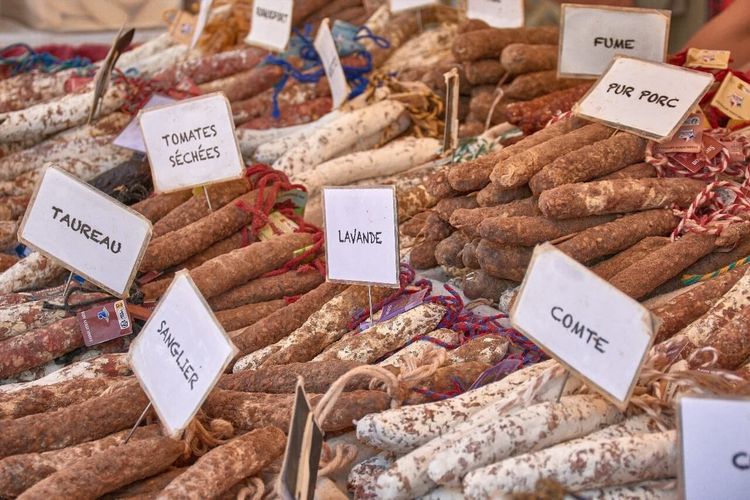
The problem with the specialties of Aix is that you want them everywhere back home. The good news: most products travel easily and can be found at the right addresses for less than airport shop prices.
For calissons, buy directly from Roy René (10 Rue Clémenceau, 13100 Aix-en-Provence, rated 3.6/5 on Google with 18 reviews) or Léonard Parli: their travel gift boxes are designed for the journey. Avoid calisson displays in supermarkets and train stations — the quality difference is incomparable.
For olive oil, two options. The first: buy directly from a producer at the Saturday morning market (wrap a bottle in clothing inside your suitcase). The second: stop by a fine food shop in the center, such as Lou Canestèu (rue Aumône Vieille), which selects the best regional oils and often offers small travel-size formats.
Artisanal tapenade is available in Aix fine food shops in several versions: traditional black tapenade, green tapenade, tuna tapenade. The jars travel without problem in checked luggage.
For dried herbs, the simplest approach is to buy them at the market in their natural bundles and slip them into a canvas bag. If you prefer pre-packaged, look for brands that use locally air-dried herbs — a guarantee that large food companies do not always provide.
Palette wines present a logistical challenge: Château Simone sells mainly at the cellar door or through wine merchants, and its wines are rare. If you visit the estate, the quantities you can purchase on-site may be limited depending on the annual production stock. For Coteaux d'Aix wines, several estates ship within France and Europe — a practical option if you are traveling in summer with limited luggage.
One last suggestion: Provençal fig jam and quince paste from the Richelme market artisans make the perfect accompaniment to a Provençal cheese board. Small jars, modest prices (4–6 euros), remarkable flavors.



FAQ
What is the most iconic specialty of Aix-en-Provence?
The calisson d'Aix is undoubtedly the most iconic specialty of the city. This confection made of almond paste and candied melon, whose name is the subject of a protection process (PGI) led by local makers, has been documented in Aix since at least 1473. A visit to the city is unthinkable without tasting one at Roy René or Léonard Parli, two benchmark establishments. Beyond the calisson, Aix is also the city of Provençal daube, artisanal tapenade, and olive oils from Les Baux-de-Provence, but the calisson remains the most universally recognized symbol.
Where can I buy authentic calissons in Aix-en-Provence?
Go to Roy René and Léonard Parli (avenue Victor Hugo), the two most reputable artisanal houses, each with over a century of history. Calissons sold outside these specialist shops (supermarkets, tourist kiosks) are often industrially produced using almonds from Spain or Portugal and substitute glucose. The price of an artisanal calisson is around 4–5 euros per 100 grams; if the price is significantly lower, ask questions about the origin of the almonds.
When are the markets held in Aix-en-Provence?
The Richelme market operates every morning except Monday. The cours Mirabeau market is held on Tuesday, Thursday, and Saturday mornings. The Place de la Madeleine market welcomes producers on Tuesday and Thursday. The busiest and most complete market remains the Saturday morning one on the cours Mirabeau, which brings together local producers and food artisans in a particularly lively atmosphere. Arrive before 9am for the best selection of fresh cheeses and producer vegetables.
What wine should I drink with the specialties of Aix-en-Provence?
The natural pairing is the Palette AOP from Château Simone to accompany cooked dishes (daube, stuffed vegetables, cheeses). For grilled fish and seafood, a white Coteaux d'Aix or a dry Provençal rosé is the obvious choice. With the calisson and sweet treats, a muscat de Beaumes-de-Venise or a lightly sweet white from the Luberon works perfectly. If you had to choose just one local bottle, the white from Château Simone, rare and complex, is the most memorable wine experience in the region.
Is Bouillabaisse Really a Specialty of Aix-en-Provence?
Bouillabaisse is first and foremost a Marseille specialty: it was codified in Marseille, and that is where the best examples are found. In Aix, it is offered in some gastronomic restaurants, but it is not at the heart of the city's culinary identity. The truly Aix specialties are the calisson, Provençal daube, stuffed vegetables, pistou, and almond-based confections. Authentic bouillabaisse requires fresh morning rock fish — a more natural supply for Vieux-Port de Marseille restaurants than for those in Aix.
Can I Visit Local Producers Around Aix-en-Provence?
Yes, and it is one of the best ways to understand the terroir. Château Simone (Meyreuil, 6 km from Aix) welcomes visitors for tastings, most often by appointment. The Moulin de Caseneuve (Puyricard, north of Aix) offers tours and olive oil tastings. The truffle markets of Rognes (20 km) are accessible from November to March. For a complete overview of the local terroir, the Ryo audio guide of Aix-en-Provence takes you through the city's streets with stories about the culinary history of each neighborhood — a smart way to prepare your producer visits.
Conclusion
The table of Aix-en-Provence is one of the most coherent in France: every product traces its origin to an identifiable terroir within an hour's drive, every specialty is rooted in a documented history. From the calissons of King René to the discreet wines of Palette, from banon cheeses wrapped in their chestnut leaves to olive oils pressed in the mills of the Alpilles, there is here a continuity between landscape and plate that few French cities can claim with such legitimacy. To taste the specialties of Aix-en-Provence is to read the terroir directly on your plate.
To go further in discovering Aix-en-Provence — its fountains, its mansions, its artists' studios, and its markets — the Ryo audio guide of Aix-en-Provence accompanies you over 3.8 kilometers with 24 audio stories about the history and culture of the city of fountains. A way to weave gastronomy and heritage together for a complete visit.
À lire également