

Créé par Romane, le 20 juin 2026
Votre guide Ryo
Visit the Lavezzi Islands by boat from Corsica
© Shutterstock
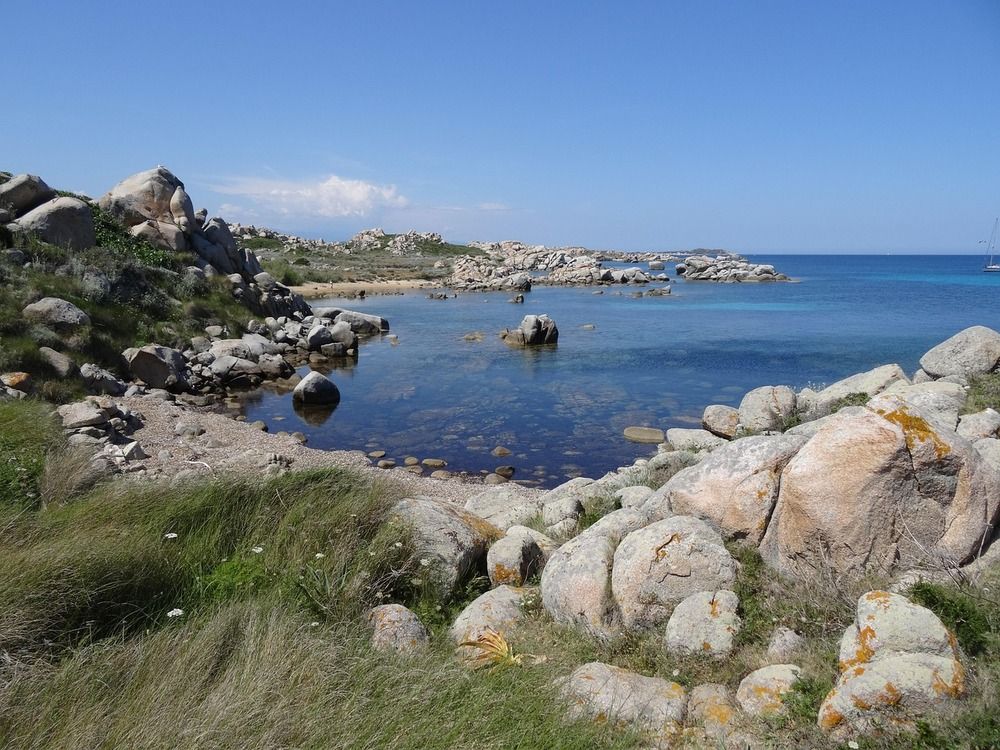
Off the coast of Bonifacio, at the extreme south of Corsica, lies a true jewel of the Mediterranean: the Lavezzi Islands archipelago. This group of granite islets, classified as a nature reserve for over 40 years, offers visitors a breathtaking natural spectacle. Turquoise waters, rocks sculpted by the elements, and fine sandy beaches compose a paradisiacal setting accessible only by boat. Embark on an unforgettable maritime excursion to discover this Mediterranean biodiversity sanctuary, where the tragic history of the frigate La Sémillante mingles with the wild beauty of Corsican landscapes.
Presentation of the Lavezzi Islands archipelago
The Lavezzi Islands archipelago constitutes one of the best-preserved natural treasures of the Mediterranean. Located just ten kilometers southeast of Bonifacio, this ensemble of 23 granite islands and islets forms the southernmost point of mainland France. Since 1982, this exceptional territory has enjoyed the status of a nature reserve within the Bouches de Bonifacio, guaranteeing the protection of a unique ecosystem.
The main islands of the archipelago each offer their own character. Lavezzu Island, the largest and the only one accessible to the public, extends over approximately 65 hectares of wild landscapes. A few cables away, Cavallo Island, nicknamed 'the billionaires' island,' harbors sumptuous private villas visible from the sea. The islets Ratino, Piana and Sperduto complete this grandiose tableau where granite sculpted by wind and waves creates amazing forms.
The unique geology of these islands fascinates visitors: enormous blocks of pink granite rounded by erosion create a lunar landscape contrasting with the intense blue of the Mediterranean. This rock, over 300 million years old, tells the tumultuous geological history of Corsica and Sardinia, once united before separating.
How to reach the Lavezzi Islands by boat
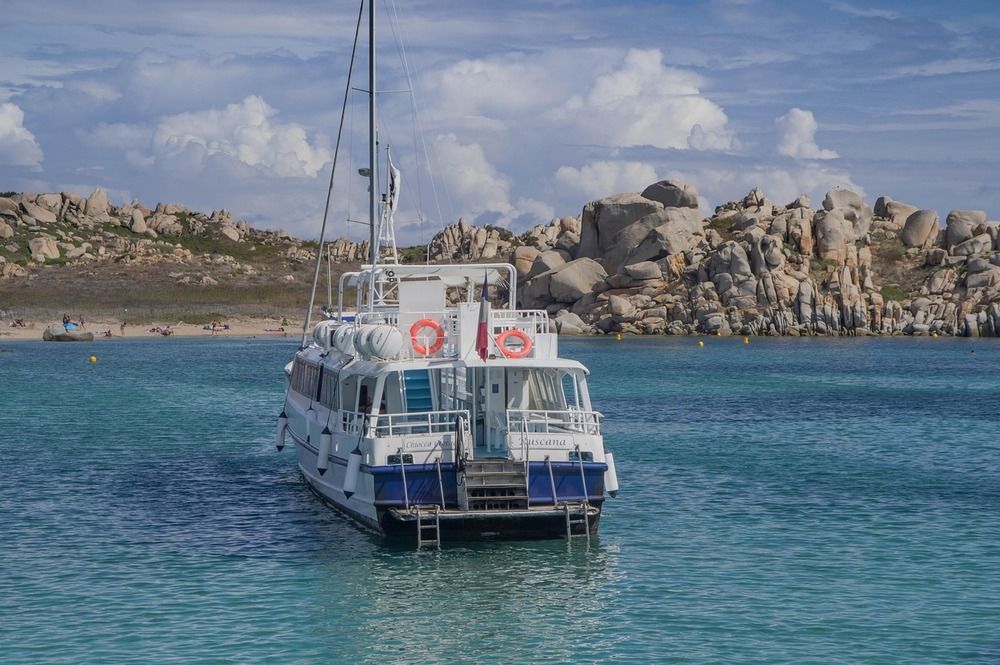
Access to the Lavezzi Islands is exclusively by sea, which preserves the wild character of the archipelago. Two Corsican towns offer regular departures: Bonifacio and Porto-Vecchio, each offering different excursion formulas.
1. Maritime shuttles departing from Bonifacio
The Société des Promenades en Mer de Bonifacio (SPMB) has provided the connection between Bonifacio port and Lavezzu Island for over 40 years. The crossing only takes 20 to 30 minutes, allowing you to admire the vertiginous white limestone cliffs of the citadel that rise more than 70 meters above the sea. During the summer high season (July-August), departures occur every half hour between 9:30 AM and 3:30 PM, with regular returns from 12:30 PM.
Download the audio-guided circuit to discover Ajaccio on foot and independently
If you plan to Visit Ajaccio during your stay in Corsica, the Ryo app offers a complete audio-guided itinerary to explore the imperial city in total autonomy. Discover the 18 major points of interest of the Corsican capital, from Bonaparte House to the Citadel, passing by Port Tino Rossi and Santa-Maria Assunta cathedral, thanks to captivating historical commentaries and authentic anecdotes about Napoleon's birthplace.
Shuttle prices vary according to age: count approximately 35 to 37 euros per adult, 32.50 euros for students, 27.50 euros for young people from 13 to 17 years, and 17.50 euros for children from 4 to 12 years. Those under 4 generally travel for free. Important: tickets cannot be reserved in advance, you'll have to buy them directly at the ticket office at the port. Arrive early in high season to guarantee your place, as boat capacity is limited.
2. Full-day organized excursions
Several maritime companies offer complete cruises including the discovery of the Lavezzi Islands in a broader circuit. These full-day excursions also allow you to admire Bonifacio's cliffs and caves, Pertusato cape, Sperone gulf and sometimes Cavallo island from the sea. The average price is around 120 euros per person, generally with breakfast and lunch included.
These outings offer several advantages: swimming stops in paradisiacal coves, guided commentary on the region's history and geology, and the opportunity to practice snorkeling in crystal-clear waters. Smaller boats allow you to get as close as possible to spectacular rock formations and sea caves, notably the famous Corsica-shaped cave.
3. Departures from Porto-Vecchio
If you're staying in Porto-Vecchio, several companies like Chiocca Croisières or Porto-Vecchio Croisières organize excursions to the Lavezzi Islands. The crossing takes about an hour and a half, but the itinerary allows you to sail along the magnificent beaches of Palombaggia and Santa Giulia. Count about 75 euros for the round trip, generally with a meal included in the full-day formula.
4. Practical advice for booking
Weather conditions in the Mediterranean can be capricious, even in midsummer. Schedules and departures may be modified or even canceled in case of heavy swells or strong wind, frequent in this sector renowned as dangerous for navigation. Plan some flexibility in your schedule and check weather conditions the day before your excursion.
For those who want more freedom, renting a private boat or a rigid inflatable boat with skipper is an excellent alternative. This option allows you to choose your schedules, your swimming spots and the duration of your stay on the island. Several companies in Bonifacio offer this service, with rates starting around 400 euros for a half day.
The crossing to the Lavezzi Islands: a spectacle in itself
Navigation between Bonifacio and the Lavezzi Islands is already a memorable experience. From the departure from the port, the imposing white limestone cliffs of the citadel offer a grandiose spectacle. These natural walls, crowned by Genoese fortifications, plunge vertically into a deep blue sea, creating a striking contrast.
The boat then follows the south coast of Corsica, revealing breathtaking landscapes. Pertusato cape marks the southernmost point of the island, while the magnificent Sperone gulf displays its turquoise waters bordered by white sand beaches. Along the way, experienced skippers share their knowledge of these waters renowned for being among the most dangerous in the Mediterranean. Countless reefs at surface level and powerful marine currents have caused numerous shipwrecks over the centuries.
As you approach the archipelago, the landscape changes dramatically. The characteristic granite formations of the Lavezzi emerge progressively from the sea, their rounded forms sculpted by millennia of erosion. The water takes on even more spectacular hues, oscillating between brilliant turquoise and emerald green in shallow areas. This color palette is explained by the exceptional clarity of the water and the shallow sandy bottoms that reflect sunlight.
During the commented return crossing, guides share fascinating anecdotes about the Bouches de Bonifacio nature reserve and its unique ecosystem. You'll learn more about the exceptional marine fauna, conservation efforts and geological features that make this archipelago a recognized natural site at European level.
What to do and see on Lavezzu Island
Once disembarked on Lavezzu Island, a true natural paradise opens up to you. This main island of the archipelago, the only one accessible to the public, offers a multitude of activities for all tastes, from lounging on idyllic beaches to discovering its poignant historical heritage.
1. Island tour via the marked trail
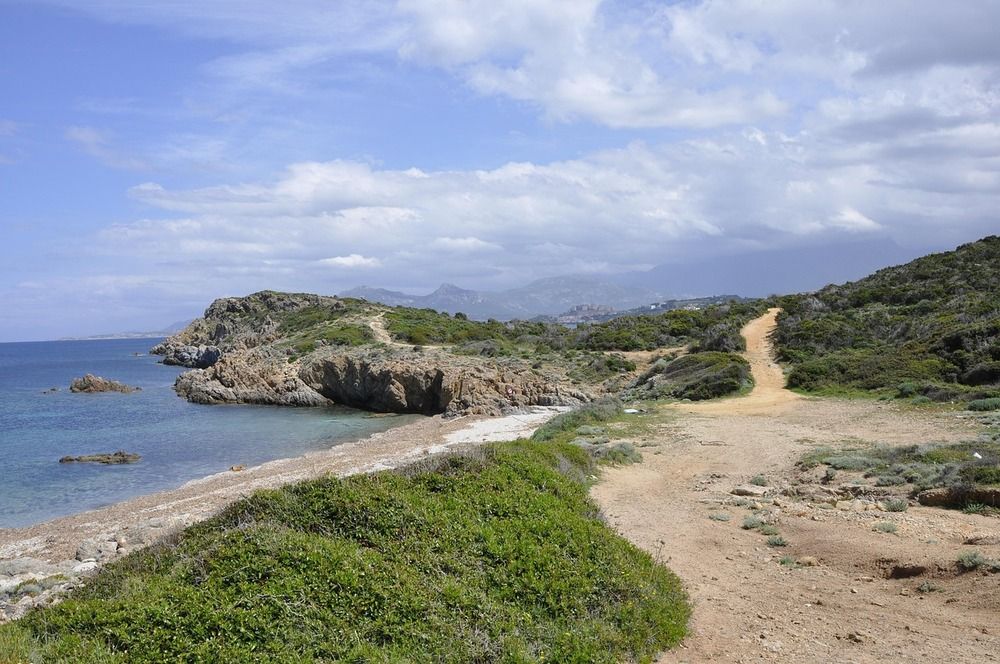
A marked hiking trail allows you to make a complete tour of the island in about an hour of leisurely walking. This easy hike, accessible to all levels, reveals the diversity of Lavezzu's landscapes. The path winds between imposing granite blocks, regularly offering spectacular viewpoints over the sea and surrounding islets.
Along the walk, you'll discover rock formations with amazing shapes, some evoking animals or faces. Budding geologists will appreciate observing up close the differential erosion of granite, which creates these fascinating natural sculptures. Don't forget your camera: opportunities for exceptional shots are countless, especially when the sun makes the mica crystals contained in the rock sparkle.
Caution, it is strictly forbidden to leave the marked trails. This rule, essential for preserving the fragile ecosystem, is controlled by nature reserve guards. The Mediterranean vegetation that covers the island includes rare and protected species, some endemic to the archipelago.
2. The paradisiacal beaches of Lavezzu Island
Lavezzu Island harbors several extraordinary beaches, each offering its unique character. Achiarina beach (or Cala Achiarina) ranks among the most spectacular, with its immaculate white sand and translucent turquoise waters. This small protected cove is an ideal spot for family swimming, with its shallow sandy bottoms extending for several dozen meters.
Cala Lazarina, more intimate, seduces with its peaceful atmosphere and large granite blocks that frame a stretch of golden sand. The water there is exceptionally clear, allowing you to observe the seabed even without a mask. It's also an excellent spot for snorkeling, with rich marine life evolving among the submerged rocks.
The small beach of Chiesa, more secluded and difficult to access, rewards adventurous hikers with an even wilder and more preserved atmosphere. Its name refers to the chapel dedicated to the victims of La Sémillante shipwreck located nearby.
Absolutely plan your beach equipment: parasol or UV-protective tent, sufficient water, and picnic, as there are no shops or infrastructure on the island. The nature reserve forbids any construction. Sunscreen is essential, as shade is rare on these desert islets. Favor biodegradable sunscreen to preserve the fragile marine ecosystem.
3. Snorkeling and underwater trail
The crystal-clear waters surrounding Lavezzu Island offer exceptional conditions for snorkeling. The Office de l'Environnement de la Corse (OEC) has created an educational underwater trail that constitutes one of the archipelago's star attractions.
This free activity, supervised by instructor guides during high season, lasts about an hour and equipment (mask, snorkel and floating information board) is provided. The route allows you to discover the richness of Mediterranean underwater fauna and flora: colorful fish like peacock wrasses, damselfish and white seabreams, as well as starfish, sea urchins, anemones and, with a bit of luck, octopi hidden among the rocks.
Posidonia meadows, true lungs of the Mediterranean, carpet certain areas of the seabed. This endemic marine plant, classified as a protected species, plays a crucial role in water oxygenation and constitutes an essential habitat for numerous species. Guides explain the importance of this ecosystem and the threats weighing on it.
For more experienced divers, scuba diving spots accessible from clubs in Bonifacio allow exploration of spectacular drop-offs and wrecks, including some remains of La Sémillante shipwreck resting at 40 meters deep.
4. Historical heritage: marine cemeteries and monuments
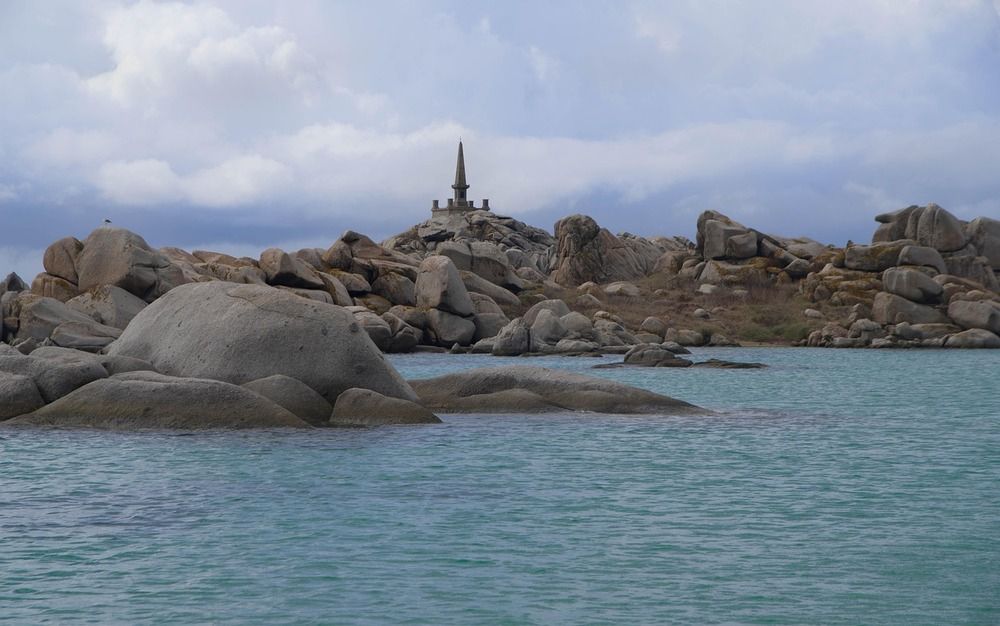
Beyond its natural beauty, Lavezzu Island carries the memory of one of the greatest maritime tragedies in French history. On February 15, 1855, the frigate La Sémillante, transporting 773 men to the Crimean War, broke apart on the reefs during a storm of exceptional violence. There were no survivors.
Two marine cemeteries were built on the island to receive the remains of victims found in the days following the shipwreck. A granite pyramid, erected in homage to these sailors and soldiers, stands solemnly facing the sea. A commemorative altar completes this poignant memorial site, regularly adorned with flowers by moved visitors.
The visit to these history-laden places reminds us of the danger of these waters and the courage of the men who faced them over the centuries. Explanatory panels tell the story of the shipwreck and pay tribute to the victims of this catastrophe that profoundly marked Corsica and all of France.
Older archaeological remains also testify to millennial human presence on the archipelago: traces of a Roman port, ruins of a 7th-century chapel and remains of sheepfolds witness discontinuous occupation through the ages.
Fauna and flora of the Lavezzi Islands
The Bouches de Bonifacio nature reserve, of which the Lavezzi Islands are the jewel, harbors exceptional marine and terrestrial biodiversity. This strict protection status, in force since 1982, has preserved a unique ecosystem in the Mediterranean.
The terrestrial flora of the archipelago has adapted to extreme conditions: violent wind, summer drought, salt spray and poor rocky soil. Mediterranean scrubland reigns supreme, with its procession of resistant shrubs like mastic tree, myrtle, rockrose and strawberry tree. In spring, the island adorns itself with bright colors thanks to the flowering of immortelles, wild rosemary and numerous endemic orchids.
Some rare plant species are found nowhere else in the world, making the Lavezzi a site of major botanical interest. Botanists have identified several endemic subspecies, uniquely adapted to these extreme living conditions.
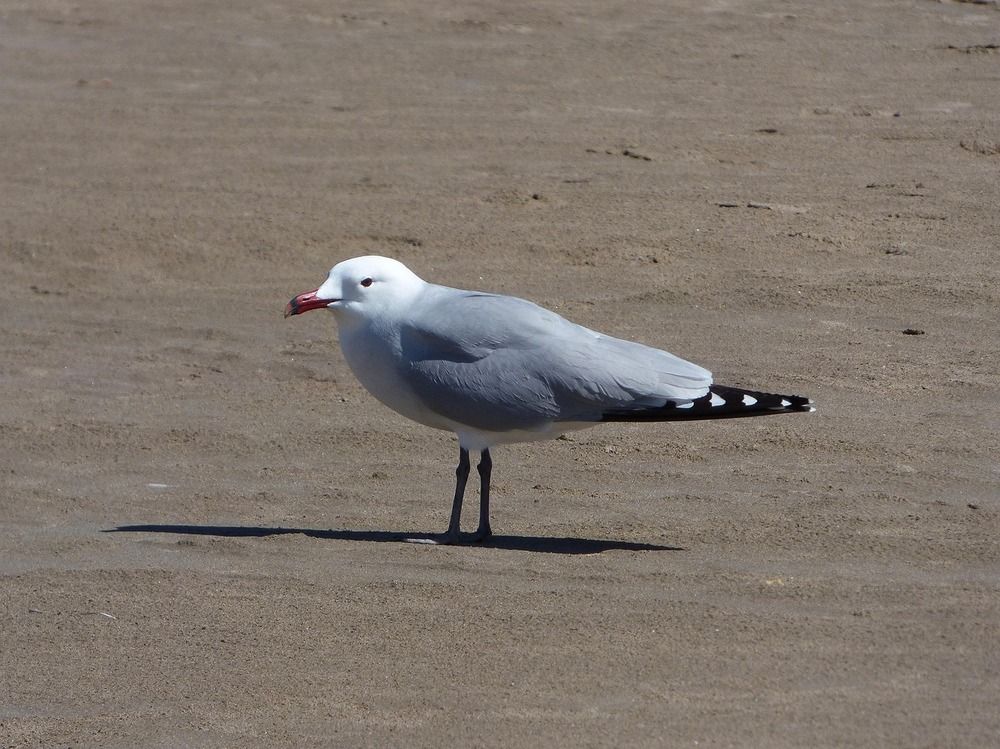
Ornithological fauna constitutes one of the reserve's major assets. Important colonies of seabirds nest on the islets: yellow-legged gulls, laughing gulls, Audouin's gulls (threatened species), crested cormorants and even a few pairs of peregrine falcons. Spring and autumn see the passage of numerous migrants that stop over on the archipelago during their Mediterranean crossings.
Underwater, marine life thrives in the limpid waters. Besides classic rock fish (white seabreams, sea bass, sea breams), you can observe brown groupers, corvina and, with great luck, rays and loggerhead turtles that regularly frequent the posidonia meadows. Red and yellow gorgonians carpet certain drop-offs, creating fairy-tale underwater landscapes appreciated by divers.
Marine mammals are not rare in these waters. Dolphins, notably bottlenose dolphins and striped dolphins, regularly evolve in the Bouches de Bonifacio. During your boat crossing, keep your eyes open: these curious cetaceans sometimes approach boats to the delight of passengers.
Rules and recommendations for visiting the nature reserve
Visiting the Lavezzi Islands involves strict respect for regulations designed to preserve this exceptional natural heritage. The Bouches de Bonifacio nature reserve imposes several essential rules that all visitors must scrupulously respect under penalty of fines that can amount to several hundred euros.
It is strictly forbidden to leave marked trails, pick any plants, disturb wildlife (birds, lizards), climb certain fragile signaled rocks, fish, free dive with fins outside authorized areas, and of course abandon any waste. Domestic animals are not admitted on the island to protect nesting species.
Wild camping and fires are obviously prohibited. Private boats must respect organized mooring areas and speed limits. The specific anchoring system helps preserve posidonia meadows from damage caused by traditional anchors.
To fully enjoy your visit while respecting the environment, favor an early morning visit in summer to avoid crowds and intense afternoon heat. Take suitable hiking shoes, as the rocky trail can be slippery. A cap, biodegradable sunscreen and sufficient water are essential.
Don't forget your personal snorkeling equipment: although equipment is provided for the underwater trail, having your own mask and snorkel allows you to freely explore the coves at your own pace. A waterproof bag is practical for protecting phone, camera and documents during swims.
When to visit the Lavezzi Islands
The choice of period to visit the Lavezzi Islands greatly influences the quality of the experience. While the archipelago's beauty remains constant throughout the year, certain seasons present undeniable advantages.
The summer high season, from July to August, offers the best weather conditions with maximum sunshine and generally calm and warm sea (water temperature can reach 26°C). However, it's also the busiest period. Shuttles regularly fill up and the island welcomes several hundred visitors simultaneously, which can harm the impression of wild nature.
Spring (May-June) and early autumn (September-early October) constitute ideal periods to visit the Lavezzi. The weather generally remains excellent, the sea is still pleasantly warm, and above all, the crowds are significantly lower. In June and September, you can enjoy almost deserted beaches and a much more authentic atmosphere. Accommodation rates in Bonifacio are also more attractive outside high season.
Spring presents the additional advantage of spectacular Corsican scrubland flowering. The island becomes covered with colorful flowers and the scents of rosemary, myrtle and immortelle perfume the air. It's also the best period for bird watching, with the arrival of migrants and nesting of local species.
Off season (October to April), weather conditions become more unpredictable. Maritime connections are reduced or even interrupted during winter. However, during beautiful autumn or late winter days, visiting the Lavezzi offers a unique experience of solitude and authenticity, almost mystical. Definitely check marine weather forecasts before planning an outing in low season.
Where to stay to visit the Lavezzi Islands
Bonifacio constitutes the ideal base for exploring the Lavezzi Islands. This thousand-year-old city perched on its vertiginous cliffs offers a wide range of accommodations for all budgets, from campsites to luxury hotels including charming bed and breakfasts.
The historic center of the citadel is full of authentic guest houses installed in former Genoese residences. Staying in the old town allows you to enjoy Bonifacio's unique atmosphere in the evening, when day-trippers have left and medieval streets regain their tranquility. Many restaurants offering excellent Corsican cuisine concentrate in this area.
Neighborhoods near the port offer the advantage of proximity to Lavezzi shuttle boarding points. Several modern hotels with marina views allow you to embark in the morning without time loss. Porto-Vecchio, second option for reaching the Lavezzi, also attracts with its dynamism and exceptional beaches like Palombaggia and Santa Giulia.
If you wish to explore South Corsica more broadly during your stay, Visit Ajaccio is an essential stop. The Corsican capital, located about two hours drive from Bonifacio, offers a totally different atmosphere with its Napoleonic heritage, colorful market and urban beaches. The Ryo app will guide you through the imperial city's streets for an in-depth discovery of its hidden treasures.
For a more economical stay, several quality campsites dot the surroundings of Bonifacio, some even offering panoramic views of the cliffs and sea. Booking well in advance in high season is strongly recommended, as accommodations quickly fill up between July and August.
Other natural sites to discover in the surroundings
The Bonifacio region harbors other natural wonders that deserve a detour during your stay in extreme southern Corsica.
Sperone gulf, visible during the crossing to the Lavezzi, harbors one of Corsica's most beautiful beaches. Petit Sperone, with its turquoise lagoon and famous restaurant on stilts, constitutes an idyllic setting for a relaxing day. Road access, although difficult, rewards visitors with breathtaking coastal landscapes.
Rondinara beach, about thirty kilometers north, regularly features in rankings of Europe's most beautiful beaches. Its perfectly designed shell shape and crystal-clear waters make it an exceptional swimming spot, particularly suitable for families with young children thanks to its shallow depths.
Bonifacio's cliffs deserve exploration from land. Several coastal trails, including the famous coastal path, offer vertiginous panoramas of the citadel, Mediterranean and, on clear days, Sardinian coasts just 12 kilometers away. Pertusato lighthouse, accessible after an hour's hike, constitutes a popular walking destination for hikers.
The Escalier du Roy d'Aragon (Staircase of the King of Aragon), carved into the cliff according to legend in a single night by Aragonese troops during the 1420 siege, impresses with its verticality. Its 187 steps connect the upper town to sea level while offering spectacular views of the limestone cliffs.
Bonifacio's sea caves, accessible only by boat, fascinate with their dimensions and light effects. Dragon cave, Saint-Antoine cave and especially Sdragonato cave, whose ceiling hole draws Corsica's silhouette, constitute essential stops on sea circuits.
In conclusion, visiting the Lavezzi Islands by boat represents much more than a simple maritime excursion: it's an immersion into one of the Mediterranean's last natural sanctuaries, where the raw beauty of granite landscapes combines with the richness of a preserved ecosystem and the weight of history. Whether you choose a simple shuttle crossing to enjoy paradisiacal beaches, a complete cruise to discover all the wonders of the Bouches de Bonifacio, or an in-depth exploration of underwater fauna with the aquatic trail, the Lavezzi archipelago will mark you durably. Don't forget to complete your discovery of South Corsica by exploring the magnificent Bonifacio citadel and, why not, pushing on to Visit Ajaccio thanks to the Ryo audio-guided circuit for a complete immersion into the Corsican soul, between imperial history and Mediterranean sweetness.
Frequently Asked Questions
How much time should you plan to visit the Lavezzi Islands?
For a complete visit to Lavezzu Island, plan at least 3 to 4 hours on site. This time allows you to take the island tour via the marked trail (about 1 hour), enjoy a swim and relaxing moment on a beach, and visit historical sites (marine cemeteries and monuments). If you want to practice snorkeling or explore several coves, a half-day or full day would be ideal. The last return shuttles generally depart in mid or late afternoon depending on the season.
Can you swim everywhere around the Lavezzi Islands?
Yes, swimming is authorized all around Lavezzu Island, respecting nature reserve rules. Waters are generally calm and shallow near beaches, which is ideal for families. However, beware of currents between islets during tide changes, and stay cautious near rocky areas. The most pleasant spots for swimming are at Cala Achiarina, Cala Lazarina and Chiesa beach. Snorkeling is particularly recommended in these areas where marine life is abundant.
Are there restaurants or shops on the Lavezzi Islands?
No, there are no shops, restaurants, bars or tourist infrastructure on Lavezzu Island. The nature reserve status prohibits any permanent construction to preserve the archipelago's wild character. It is therefore absolutely essential to bring everything you'll need for the day: sufficient water (at least 2 liters per person in summer), food, sunscreen, hat, and of course your picnic. Also plan a bag to take back all your waste, as there are no trash bins on the island.
Are the Lavezzi Islands accessible to people with reduced mobility?
Unfortunately, the Lavezzi Islands are not suitable for people with reduced mobility. Access to the island from boats can be difficult, and once there, the main trail consists of rocks and uneven areas without specific facilities. There are no access ramps or paved paths. The beaches themselves are often accessible only after crossing rocky passages. If you have mobility difficulties, it's better to choose a boat cruise that allows you to admire the archipelago from the sea with swimming stops in more easily accessible areas.
What is the best time to go to the Lavezzi Islands in summer?
The first morning shuttle (generally between 9 and 9:30 AM) is by far the best option in high season. It allows you to arrive on the island before the crowds and enjoy beaches and coves in a still preserved atmosphere. Morning light is also ideal for photography and snorkeling. Moreover, you'll benefit from more pleasant temperatures, particularly appreciable during the island hike. From 11 AM-12 PM in July-August, crowds become heavy and the island can welcome several hundred visitors simultaneously. Remember to arrive early at the ticket office on Bonifacio port as places on the first shuttles sell out quickly.