
Créé par Emilie, le 20 juin 2026
Votre guide Ryo
Visit Ain: 15 Must-Do Things
© Shutterstock
Nestled between Lyon and Switzerland, Ain is a multi-faceted department that is well worth the detour. Between classified medieval villages, Jura summits, crystal-clear lakes and exceptional Gothic heritage, this territory of the Auvergne-Rhône-Alpes region reserves surprises at every turn. Whether you're a fan of mountain hiking, passionate about history or simply seeking nature escapes, Ain will seduce you with its diversity and authenticity.
From the cobbled streets of Pérouges to the spectacular waterfalls of Bugey, passing through the peaceful ponds of Dombes, every corner of Ain tells a unique story. The department also offers generous gastronomy, with its famous Bresse chickens, character cheeses and Bugey wines. Ready to discover this unknown gem? Here is our selection of 15 absolutely essential things to do in Ain.
1. Pérouges, the medieval city
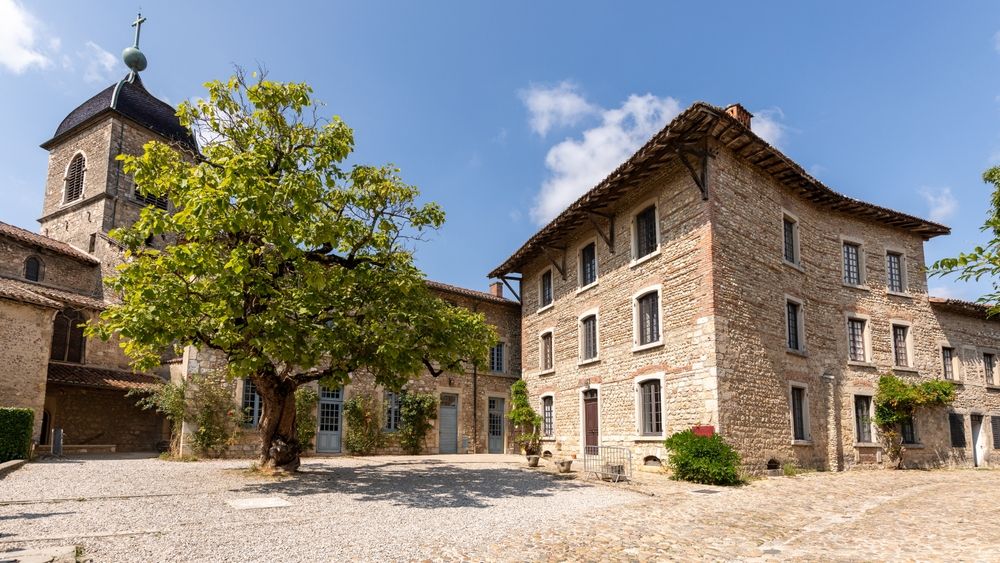
Classified among the Most Beautiful Villages of France, Pérouges is an absolutely essential stop during your visit to Ain. This fortified medieval city, perched on a hill, seems to have crossed the centuries without aging a day. As soon as you pass through the Upper Gate, you're transported to the Middle Ages.
Stroll through its cobbled streets, admire the stone houses with flowered facades, and soak up this unique atmosphere. The Tilleul square, the village's true heart, is bordered by remarkable medieval buildings. Don't miss the fortress-church Sainte-Marie-Madeleine and its heritage treasures. Gourmets will stop at the famous Auberge de Pérouges to taste the famous sugar galette, a local specialty for generations.
Note that Pérouges has served as a backdrop for many films and series, including "The Three Musketeers" and "Angélique, Marquise des Anges". This inhabited village still has about eighty residents who perpetuate artisan traditions. Access to the village is free and open all year round.
2. The royal monastery of Brou in Bourg-en-Bresse
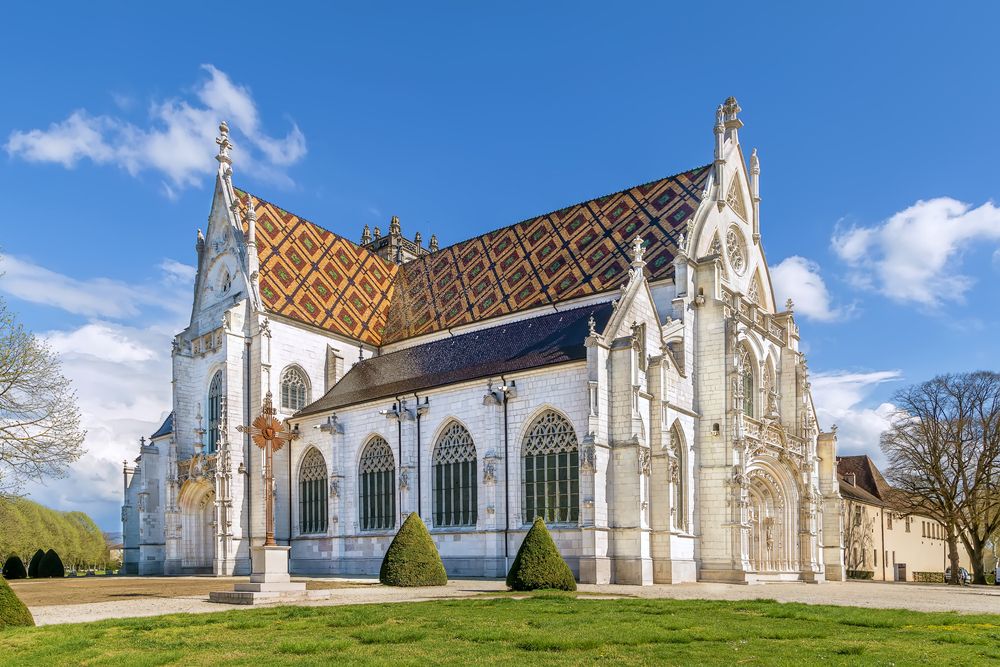
A true jewel of flamboyant Gothic architecture, the royal monastery of Brou is undoubtedly one of the most beautiful monuments in Ain. Located in Bourg-en-Bresse, this architectural masterpiece was built in the early 16th century by Margaret of Austria in memory of her husband Philibert the Handsome.
The monastery church will amaze you with the fineness of its sculptures, its soaring vaults and especially its three princely tombs in Carrara marble, considered masterpieces of Renaissance sculpture. The perfectly preserved cloisters invite contemplation and offer a haven of peace in the heart of the city. The municipal museum installed in the monastery presents a beautiful collection of Flemish and French paintings from the 16th to 20th centuries.
(63 Boulevard de Brou, 01000 Bourg-en-Bresse, rated 4.6/5 on Google for 3,200 reviews)
3. The Bird Park in Villars-les-Dombes
In the heart of the Dombes with a thousand ponds, the Bird Park of Villars-les-Dombes is one of the largest ornithological parks in Europe. On 35 hectares within a 380-hectare nature reserve, this exceptional site houses nearly 3,000 birds representing more than 300 species from around the world.
The visit route, which takes about 4 to 5 hours, takes you through different themed areas reproducing the natural habitats of birds: the valley of raptors, the flamingo lagoon, the South American pampa, or the area dedicated to Humboldt penguins. The free-flying bird shows are particularly impressive and will delight young and old alike.
The park also offers a high-altitude route with panoramic views over the Dombes region and, on clear days, Mont Blanc. A perfect day for families wishing to combine discovery, wonder and awareness of species protection.
(Bird Park, 01330 Villars-les-Dombes, rated 4.2/5 on Google for 6,400 reviews)
4. The Glandieu waterfall
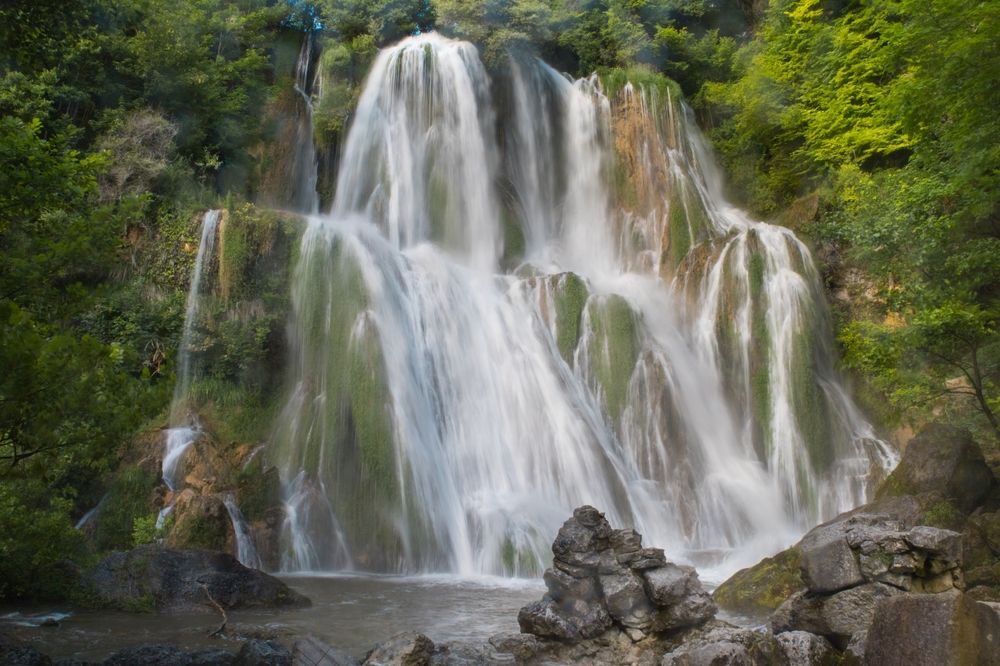
A striking natural spectacle, the Glandieu waterfall is one of the most beautiful waterfalls in Ain. Located in Brégnier-Cordon in Bugey, this waterfall springs from more than 60 meters high directly at the roadside, making it one of the most accessible in the region.
Classified as a Sensitive Natural Area, the waterfall changes face with the seasons. Impressive in spring during snow melt and after thunderstorms, it can reduce to a simple trickle of water in summer. In winter, the spectacle is equally magical when the waters freeze into a sparkling curtain of ice.
A developed educational trail, the "Water Trail", allows you to discover the site and its ecological riches. Swimming is strictly forbidden to preserve this fragile ecosystem. A small parking area allows you to park in immediate proximity to admire this natural jewel.
(Hameau de Glandieu, 01300 Brégnier-Cordon, rated 4.5/5 on Google for 2,100 reviews)
5. The Grand Colombier
The highest point of the southern Jura massif, the Grand Colombier offers one of the most beautiful panoramas in the region. At 1,534 meters altitude, this legendary summit is prized by hikers and cyclists who come to challenge its vertiginous slopes.
At the summit, in clear weather, the 360-degree view is simply breathtaking: Lake Geneva, Geneva, the Bernese Alps, Mont Blanc, Vanoise, Bauges, the Belledonne massif, and even the Jura massif unfold before your eyes. The site has several orientation tables to help you identify the surrounding peaks.
For cyclists, the ascent of Grand Colombier is a must, made famous by the Tour de France. The two slopes offer different challenges: the slope from Culoz is renowned for its fearsome gradients (up to 22%!), while the one from Artemare is more regular. In winter, the site transforms into a Nordic domain appreciated by cross-country skiers.
6. The Cerdon caves
A true journey to the center of the earth, the Cerdon caves constitute an exceptional natural site spanning the communes of Labalme and Cerdon. This underground network of 3,700 meters long has been carved by water over millions of years, creating galleries, majestic halls and spectacular geological formations.
The cave visit combines geological discovery and time travel: the site also houses a remarkable prehistoric archaeological deposit. An 80-minute route takes you through the mountain from one side to the other, to emerge in the open air after admiring stalactites, stalagmites and limestone draperies. The constant temperature of 12°C inside offers welcome coolness in summer.
Outside, the prehistoric leisure park allows you to extend the experience with participatory workshops: flint knapping, spear thrower shooting, fire lighting... A fun and educational outing ideal for the whole family.
(Cerdon Caves, 01450 Labalme, rated 4.6/5 on Google for 2,800 reviews)
7. Lake Nantua
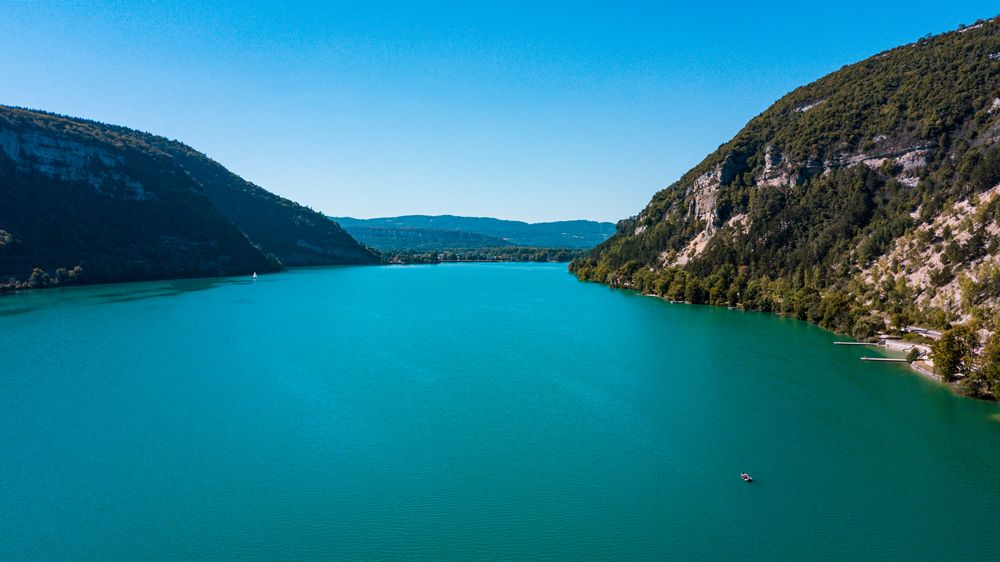
Nestled in the heart of the Haut-Bugey mountains, Lake Nantua is a natural lake of glacial origin that stretches for 2.7 kilometers. Its deep blue waters, framed by limestone cliffs and green forests, make it a resort appreciated since the 19th century.
The lake offers many water activities: swimming on the supervised beach, pedal boats, paddleboarding, canoeing-kayaking, and even scuba diving for enthusiasts of aquatic depths. The walk around the lake on foot (about 7 km) is a pleasant stroll accessible to all, offering multiple viewpoints over this enchanting body of water.
Fishermen will appreciate the lake's fish richness: pike, perch, trout and Arctic char thrive there. The town of Nantua, which borders the lake, is renowned for its pike quenelles, an essential gastronomic specialty to taste in one of the local restaurants.
8. The Retord plateau
Perched at over 1,000 meters altitude, the Retord plateau is a true natural balcony over the Alps. This vast expanse of meadows and forests, easily accessible from Lyon or Geneva, offers an exceptional playground for nature lovers and outdoor activity enthusiasts.
In winter, the plateau transforms into a renowned Nordic domain with more than 100 kilometers of cross-country ski trails, marked snowshoe routes, and even biathlon and dog sledding possibilities. The family resort is particularly suitable for beginners and children.
In summer, the plateau reveals other charms: hiking through flowering alpine meadows, mountain biking on numerous trails, climbing on surrounding cliffs, and paragliding to admire the panorama from the air. The biodiversity is remarkable, with preserved fauna and flora that the most observant can discover.
9. Châtillon-sur-Chalaronne
Labeled "Small City of Character", Châtillon-sur-Chalaronne is a charming medieval town located in the heart of Dombes. Crossed by the Chalaronne river and its flowery canals, the town has preserved remarkable architectural heritage that testifies to its rich past.
Stroll through the streets lined with half-timbered houses, admire the 15th-century halls where the traditional market is still held every Saturday morning, and wander along the shaded riverbanks. The remains of ramparts and fortified gates recall the strategic importance of the city in the Middle Ages.
Don't miss the Miniature Train Museum, one of the largest in Europe with more than 200 meters of animated models representing railway life scenes. The former medieval hospital and its 18th-century apothecary are also worth the detour.
(Place de la République, 01400 Châtillon-sur-Chalaronne, rated 4.3/5 on Google for 1,200 reviews)
10. The Valserine and its gorges
A tumultuous river originating in the Jura massif, the Valserine has carved spectacular gorges in the limestone over millennia. This wild valley offers breathtaking landscapes and remarkable natural sites.
The route along the Valserine reveals several geological curiosities: the losses of the Valserine, where the river disappears into the karst underground, the Devil's Bridge, a natural arch spanning the waters, and the Stone Bridge, a rock formation sculpted by erosion. These sites are accessible by marked hiking trails that wind along the river.
The Valserine is also prized by fly fishermen, who come to tease brown trout in its fast-flowing and crystal-clear waters. The gorges offer an ideal setting for canyoning in summer, with several routes adapted to different skill levels.
11. The Miribel-Jonage park
At the gates of Lyon, the Grand Parc de Miribel-Jonage is a true green lung of 2,200 hectares. Built on an artificial island, this urban nature park combines biodiversity preservation and leisure space for the greatest pleasure of visitors.
The park offers a multitude of activities: supervised swimming on several fine sand beaches, water sports (sailing, canoeing-kayaking, windsurfing), tree climbing courses, 18-hole golf, mountain biking, horse riding, fishing... There's something for all tastes and all ages!
The park also plays a major ecological role by serving as a buffer zone in case of Rhône flooding and as a drinking water reservoir for the Lyon metropolitan area. Several ornithological observatories allow you to observe the many bird species that have taken up residence in this biodiversity haven.
12. Lake Sylans
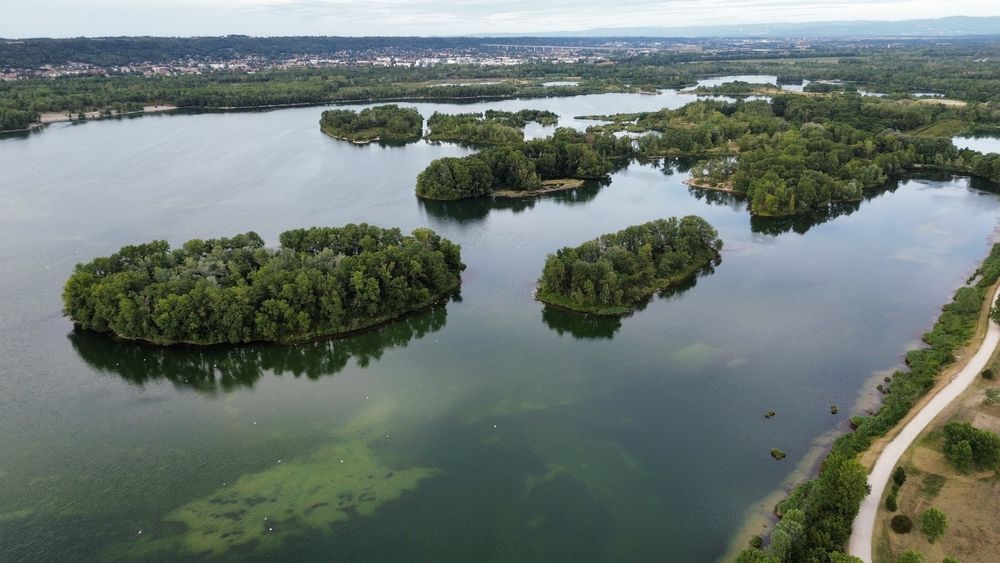
Nestled in a cluse in the heart of Bugey, Lake Sylans is a small natural jewel of glacial origin. This peaceful 17-hectare body of water is surrounded by wooded cliffs that give it a wild and preserved charm.
The lake is a paradise for fishermen, who find there a varied fish population: pike, carp, roach, perch, bream and whitefish. Shore or boat fishing is particularly pleasant in this bucolic setting. Boats can be rented on site to explore the lake and enjoy the surrounding calm.
In summer, the lake also offers swimming opportunities in its refreshing waters. A trail goes around the lake (about 3 km), allowing for a digestive family walk while admiring the reflections of cliffs on the water. The site has picnic areas to extend the day.
13. The Lavours marsh nature reserve
France's largest alkaline peat bog, the Lavours marsh nature reserve extends over 500 hectares at the foot of Grand Colombier. This exceptional wetland houses remarkable biodiversity and constitutes an ornithological site of European importance.
A boardwalk trail of more than one kilometer, accessible to all, allows you to discover this fragile ecosystem without disturbing it. Educational panels line the route and explain the marsh formation, its singular fauna and flora. Observatories and telescopes allow you to admire the many bird species that nest or stopover in the marsh.
Among the emblematic species, you can observe the great bittern, purple heron, marsh harrier, and even the very rare whiskered tern. In spring, wild orchids bloom by the thousands, offering a colorful spectacle to visitors. Guided tours are regularly organized by the reserve managers.
(Lavours Nature Reserve, 01350 Ceyzérieu, rated 4.7/5 on Google for 650 reviews)
14. The character villages of Bugey
Beyond Pérouges, Ain contains other charming villages that deserve a detour. Bugey, the mountainous region of the south of the department, houses several architectural and heritage gems.
In Ars-sur-Formans, the neo-Byzantine basilica and sanctuary dedicated to the Curé d'Ars attract thousands of pilgrims each year. Belley, former capital of Bugey, seduces with its Saint-Jean-Baptiste cathedral and its private mansions. The medieval village of Trévoux, former capital of the principality of Dombes, offers an enriching walk between its castle, its ramparts and its half-timbered houses.
Don't forget Ambronay and its thousand-year-old Benedictine abbey, renowned for its baroque music festival, or Meximieux and its medieval arcades. Each village tells a page of history and reveals the authentic soul of Ain.
15. The Bugey vineyards and the Wine Route
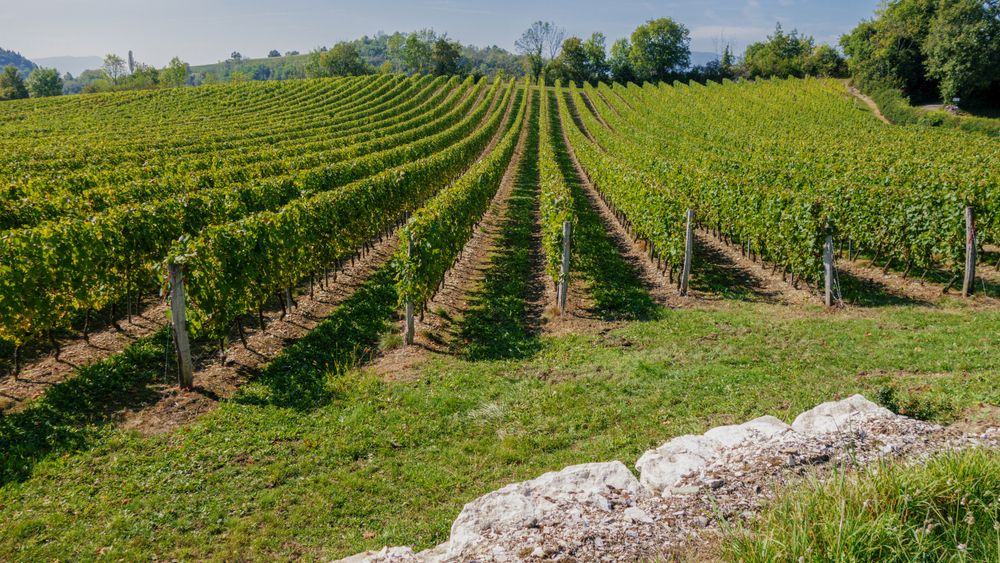
Little known to the general public, the Bugey vineyards nevertheless produce high-quality wines, benefiting from an AOC since 2009. On the steep slopes overlooking the Rhône and its tributaries, winegrowers cultivate local grape varieties that produce remarkable white, red, rosé and especially sparkling wines.
The Bugey Wine Route winds through wine villages: Montagnieu and its terraced vines, Cerdon famous for its ancestral rosé method, Manicle and its vaulted cellars, or Vongnes and its panoramic view over the vineyard. Many estates open their doors for tastings and to share their know-how.
Combine this wine discovery with visits to troglodyte caves, meetings with passionate winegrowers, and gourmet stops at local inns where Bugey wines sublimate regional specialties. An authentic and convivial experience that reveals a little-known facet of Ain.
How to get to Ain?
Ain enjoys a privileged geographical location that makes it easily accessible from major French and European cities. To reach the department, several options are available depending on your starting point and preferences.
By plane, Lyon-Saint-Exupéry international airport is the closest gateway, located only 40 kilometers from Bourg-en-Bresse. From there, you can rent a car or take shuttles that serve the main cities of the department. Geneva airport, in Switzerland, is also an interesting alternative for accessing northern Ain.
By train, Lyon Part-Dieu station receives TGVs from all over France. From Lyon, TERs regularly serve Bourg-en-Bresse, Ambérieu-en-Bugey, Bellegarde-sur-Valserine and Nantua. The Lyon-Bourg-en-Bresse journey takes only about an hour.
By car, the highway network allows easy access to Ain: the A42 connects Lyon to Pont-d'Ain, the A40 crosses the department towards Geneva and Chamonix, while the A39 goes down towards Jura and Franche-Comté. Once there, the car remains the most practical means of transport to travel around and discover the department's multiple sites of interest.
Where to stay in Ain?
Ain offers a varied and quality accommodation offer, adapted to all budgets and all types of stays. Whether you're looking for a comfortable hotel, an authentic rural gîte, a warm bed and breakfast or a nature camping, you'll find your happiness.
Bourg-en-Bresse, prefecture of the department, concentrates the largest hotel offer with establishments of all categories. The city is an excellent base camp to explore the department. Rates are generally reasonable, but remember to book in advance during summer or major events.
For a more authentic experience, opt for a stay in one of the many rural gîtes or bed and breakfasts scattered in charming villages. Dombes, Bugey and Pays de Gex offer beautiful opportunities for character accommodations, often in old farms tastefully renovated. These accommodations allow privileged contact with locals and discovery of local traditions.
Outdoor enthusiasts will appreciate the campgrounds located by lakes or in the middle of nature, particularly in Nantua, on the Hauteville-Lompnes plateau, or in Dombes. Some offer mobile home or chalet rentals for more comfort.
Finally, for a romantic stay or special occasion, some castles and prestigious residences open their doors to visitors, offering an exceptional setting and high-end services. Some communes like Pérouges, Divonne-les-Bains or Belley also have charming hotels in historic buildings.
Use an accommodation comparison site to find the option best suited to your needs and budget. Whatever your choice, the warm welcome and hospitality of Ain will make your stay unforgettable.
In conclusion, Ain is a destination that deserves to be known, far from the beaten tourist paths. Between exceptional heritage, preserved nature, generous gastronomy and varied activities, the department offers a palette of experiences that will seduce all traveler profiles. Whether you come for a weekend getaway or longer holidays, Ain reserves authentic moments and memorable discoveries. So, ready to explore this jewel of Auvergne-Rhône-Alpes?
FAQ: Visiting Ain
What is the best time to visit Ain?
Ain can be visited pleasantly all year round. Spring (April-June) and autumn (September-October) offer mild temperatures ideal for hiking and cultural visits. Summer is perfect for enjoying lakes and water activities. Winter transforms the Bugey mountains into a playground for Nordic sports enthusiasts.
How many days are needed to visit Ain?
To discover the main sites of Ain, plan at least 3 to 4 days. An extended weekend allows you to visit Pérouges, Brou monastery and the Bird Park. For a more complete exploration including Bugey, lakes and nature activities, a week is not too much.
Is Ain suitable for families with children?
Absolutely! Ain is a family destination par excellence. The Bird Park, Cerdon caves with their prehistoric workshops, leisure bases by lakes, and numerous nature activities will please children of all ages. Moreover, the territory remains preserved from mass tourism, which guarantees authentic discoveries.
What are the gastronomic specialties of Ain not to miss?
Ain is a land of gastronomy. Don't miss the AOC Bresse chicken, Nantua pike quenelles, Pérouges waffles and galettes, local cheeses (Bleu de Gex, Comté), parsley frog legs, and of course Bugey wines, especially Cerdon ancestral method. Bugey charcuterie is also worth the detour.
Can you visit Ain without a car?
Although a car is the most practical way to explore the department, it's possible to discover certain sites by public transport. The TER network serves the main cities (Bourg-en-Bresse, Bellegarde, Nantua, Ambérieu). However, to access perched villages, natural sites and fully enjoy your stay, car rental is highly recommended.