

Créé par Romane, le 20 juin 2026
Votre guide Ryo
The Most Beautiful Villages to Visit Around Dijon
© Shutterstock
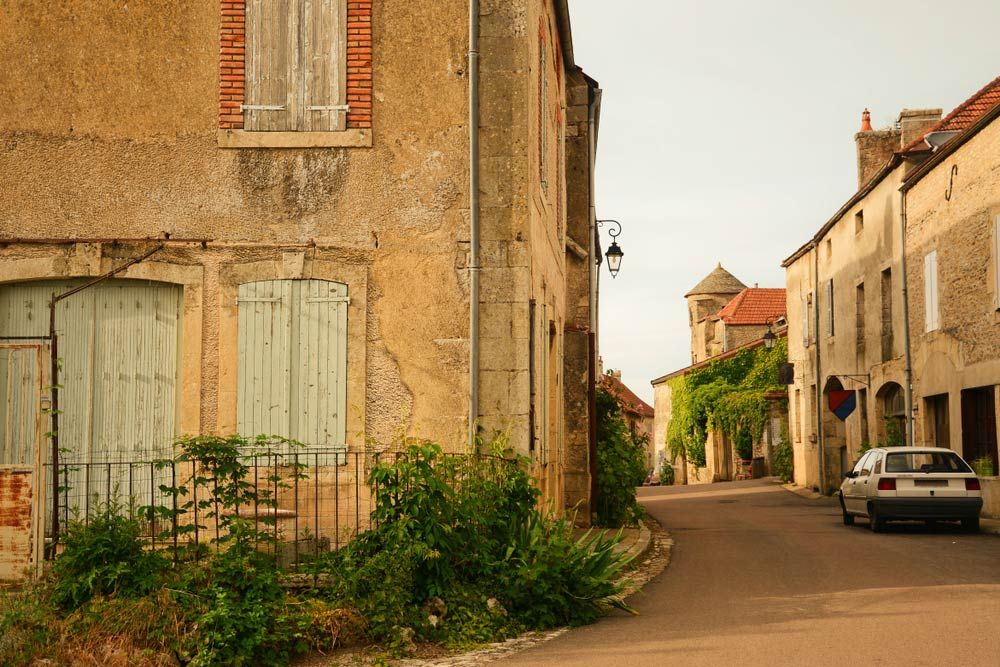
Flavigny-sur-Ozerain: the village of a thousand flavors
60 kilometers from Dijon, Flavigny-sur-Ozerain is a medieval village perched on a rocky spur. Famous for its anise sweets, this 8th-century fortified town has preserved its authentic character.
The Benedictine abbey today houses the workshop for making the famous Flavigny anise sweets (2 Rue de l'Abbaye, 21150 Flavigny-sur-Ozerain). Visitors can discover the secrets of making these little white treats in an exceptional historical setting.
The ramparts offer panoramic views over the Ozerain valley, while the medieval streets invite leisurely strolls. Don't hesitate to follow the Ryo itinerary for a complete discovery of this history-rich region.
Châteauneuf-en-Auxois: the medieval fortress
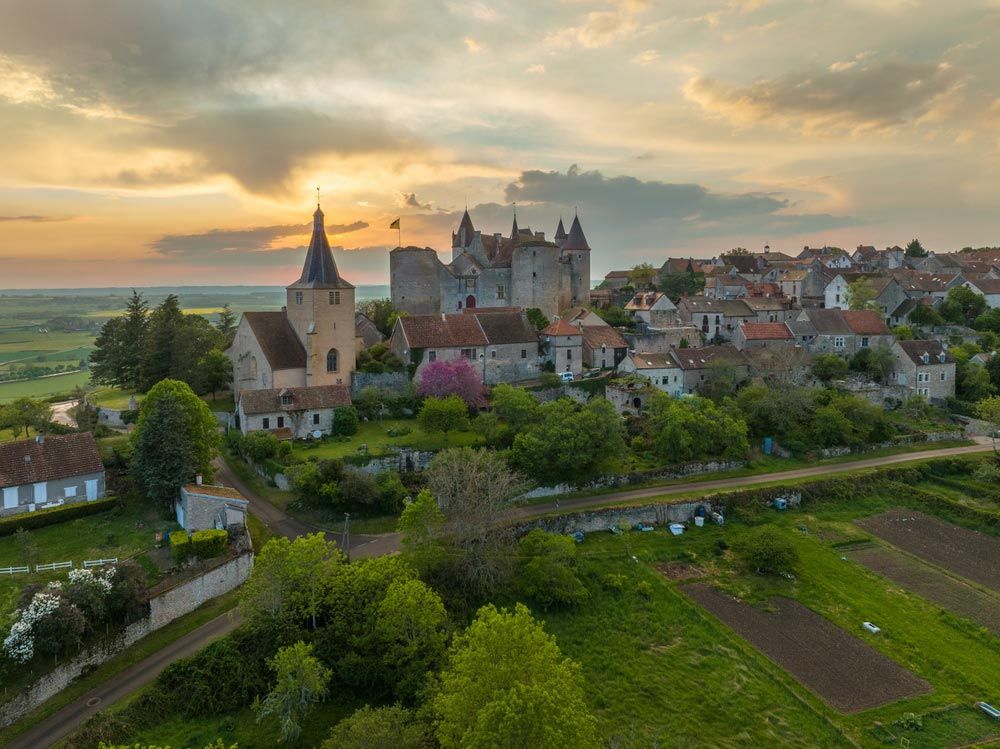
About 50 kilometers from Dijon, Châteauneuf-en-Auxois majestically overlooks the Burgundy canal valley. This village, classified among the "Most Beautiful Villages of France", offers exceptional panoramic views from its 12th-century castle.
The cobbled streets wind between half-timbered houses and Renaissance residences, creating a unique atmosphere. The fortress, once home to the powerful lords of Châteauneuf, still watches over the hills of Auxois.
Download the audio-guided tour to discover Dijon on foot independently
Take advantage of your visit to the region to also explore Dijon with a complete itinerary that will take you through the historic streets of the Burgundian capital. This 3.5 km audio-guided tour will help you discover the city's 25 must-see sites in 1h30, from Notre-Dame church to the Palace of the Dukes of Burgundy.
Semur-en-Auxois: the fortified medieval city
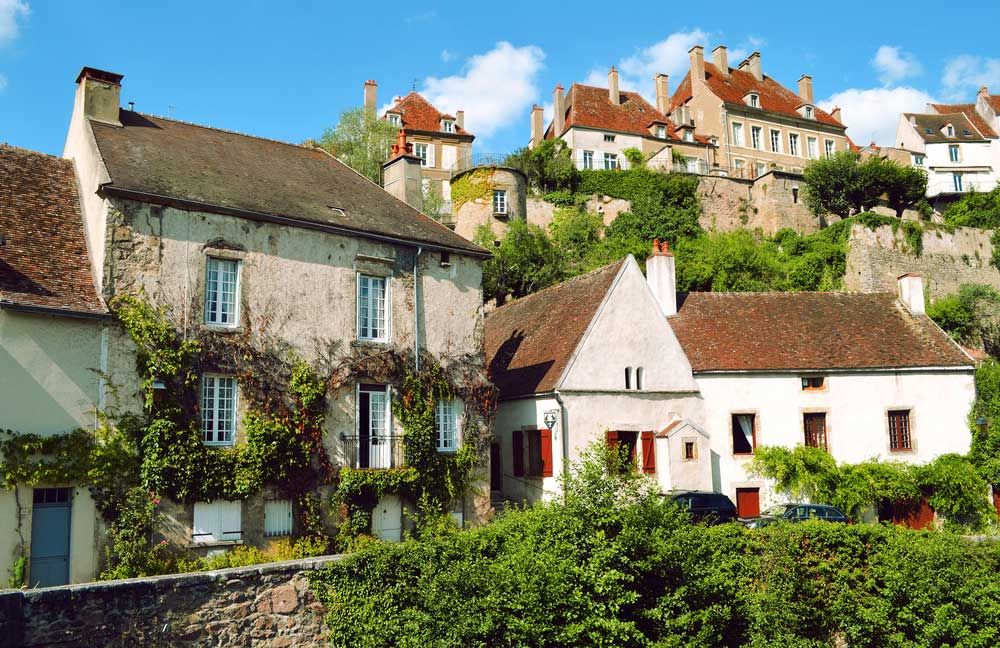
About sixty kilometers from Dijon, Semur-en-Auxois stands proudly on a rocky spur surrounded by the meanders of the Armançon. This fortified medieval city impresses with its four 14th-century round towers.
The Pont Joly offers the most beautiful perspective on the upper town, with its ramparts and Notre-Dame collegiate church. The cobbled streets of the historic center house half-timbered houses and Renaissance mansions that testify to the city's rich past.
Beaune: the capital of Burgundy wines
The Hospices de Beaune, with their polychrome glazed tile roof, constitute one of Burgundy's most photographed monuments. This jewel of flamboyant Gothic architecture today houses a museum tracing the history of the charitable institution founded in 1443.
The historic center, surrounded by ramparts, reveals architectural treasures at every street corner. The vaulted cellars extend for several kilometers under the city, testifying to Beaune's centuries-old wine-making vocation.
Meursault: between vineyards and heritage
In the heart of the Côte de Beaune, Meursault (21190 Meursault) charms with its traditional winemaking architecture. This wine village renowned for its exceptional white wines preserves remarkable architectural heritage.
The Château de Meursault, an 11th-century building, offers guided tours and tastings in a historic setting. The typical winemaker houses, with their vaulted cellars and interior courtyards, testify to the region's wine prosperity.
Vézelay: the eternal hill
Although located in Yonne, Vézelay deserves a prominent place in this tour of the most beautiful villages around Dijon. This medieval city, classified as a UNESCO World Heritage site, crowns an inspired hill for centuries.
The Basilica of Sainte-Foy and Sainte-Marie, starting point for Santiago de Compostela, dominates the village with its Romanesque towers. The winemaker houses are terraced on the slopes, creating a harmonious urban landscape.
Noyers-sur-Serein: the little Burgundian Carcassonne
Noyers-sur-Serein nestles in a meander of the Serein, surrounded by its medieval ramparts. This 13th-century town, classified among the Most Beautiful Villages of France, charms with its preserved architecture.
The towers and fortified gates frame a maze of cobbled streets lined with half-timbered houses. The Place du Marché-au-Blé, with its Gothic arcades, forms the beating heart of this charming small town.
The wine villages of Côte de Beaune
Pommard: the village of aging wines
First village on the Route des Grands Crus between Beaune and Santenay, Pommard (21630 Pommard) showcases its Pinot Noir vineyards. The historic center reveals old winemaker houses and century-old cellars.
Puligny-Montrachet: temple of great whites
Puligny-Montrachet (21190 Puligny-Montrachet) is world-renowned for its exceptional white wines. This wine village of 400 inhabitants maintains its authenticity in the heart of an exceptional terroir.
Volnay: perched on its hill
Volnay offers exceptional panoramic views over the Saône plain from its sloping vineyards. This small wine village produces red wines of remarkable finesse.
Chablis: the golden gate of Burgundy
In northern Burgundy, Chablis (89800 Chablis) constitutes one of the region's most prestigious appellations. This small town of 2,151 inhabitants has given its name to the famous dry white wine.
The historic center, organized around the collegiate church of Saint-Martin, reveals preserved architectural heritage. Cellars and wine estates open their doors to reveal the secrets of Chablis wine production.
Bèze: the village of sacred springs
Bèze, a small village in Côte-d'Or, takes its name from the river that has its source in the commune. This charming town houses Gallo-Roman remains and remarkable architectural heritage.
The Benedictine abbey founded in the 6th century has marked local history. The springs of Bèze, in a preserved natural setting, invite contemplation.
Practical tips for your visits
Best time to visit
The most beautiful villages around Dijon are ideally discovered in spring (May-June) and autumn (September-October), when the vineyards display their most beautiful colors.
Transport and access
Most of these villages are accessible by car from Dijon in less than an hour. To optimize your travels, follow the Ryo itineraries that will efficiently guide you from one site to another.
Accommodation and dining
Each village offers suitable accommodation options, from authentic bed and breakfasts to charming hotels. Local restaurants highlight Burgundian gastronomy and regional wines.
In conclusion, the most beautiful villages around Dijon offer a condensed version of the Burgundian way of life. Between architectural heritage, wine traditions and bucolic landscapes, these destinations reveal the multiple facets of a region rich in history and flavors. Whether you're an enthusiast of medieval architecture, passionate about wines or simply seeking authenticity, these villages will charm you with their timeless appeal. Don't hesitate to follow a Ryo itinerary for an optimal discovery of these Burgundian treasures.
FAQ
How far are the most beautiful villages around Dijon?
The closest villages like Beaune are 45 minutes by car, while the most distant like Vézelay require about 1h30 drive from Dijon.
How much time should you plan to visit these villages?
Allow half a day for small villages like Flavigny-sur-Ozerain and a full day for larger destinations like Beaune or Vézelay.
Can you visit several villages in one day?
It's possible to combine 2-3 nearby villages during the same outing, particularly those of Côte de Beaune (Meursault, Pommard, Puligny-Montrachet).
When to visit wine villages for the harvest?
The harvest generally takes place from late September to early October, a festive period when wine villages are particularly lively.
Are the villages accessible by public transport?
Some villages like Beaune are served by public transport, but a car remains the most practical means to freely explore the region.