

Créé par Romane, le 20 juin 2026
Votre guide Ryo
The 26 Must-See Things to Do in PACA
© Shutterstock
The Provence-Alpes-Côte d'Azur region is a true Mediterranean jewel that fascinates with its exceptional diversity. From the golden beaches of the French Riviera to the snow-capped peaks of the Alps, through the lavender fields of the Valensole plateau and the perched villages of the Luberon, PACA offers a palette of unforgettable experiences. This blessed land, immortalized by Cézanne and Van Gogh, seduces with its unique art of living, its millennial heritage and its breathtaking landscapes. Here is our selection of 26 must-see places that make this region one of the most prized destinations in the world.
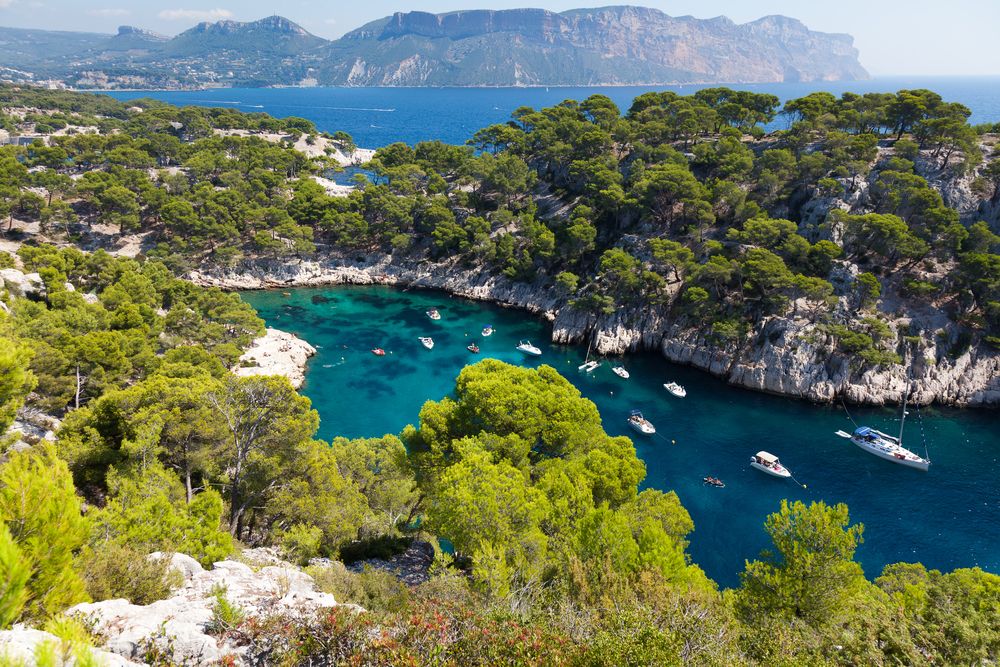
1. The Calanques of Marseille and Cassis
The calanques of Marseille and Cassis constitute one of Europe's most spectacular natural jewels. These Mediterranean fjords, with turquoise waters contrasting with white limestone cliffs, offer breathtaking panoramas. The Calanques National Park, created in 2012, protects this exceptional heritage where land and sea merge over more than 520 km². The calanques of En-Vau, Sormiou or Sugiton are natural wonders accessible by hiking trails or by boat from Marseille.
2. The Valensole Plateau and its Lavender Fields
The Valensole plateau, a true purple sea extending over more than 800 km², embodies the postcard image of Provence. From mid-June to mid-July, this region of the Alpes-de-Haute-Provence transforms into a life-sized impressionist painting. The fields of true lavender and lavandin extend as far as the eye can see, creating a hypnotic landscape enhanced by the intoxicating fragrance of the flowers. Photography enthusiasts will find exceptional settings here, particularly at sunrise and sunset.
3. The Verdon Gorges
Nicknamed the "Grand Canyon of Europe," the Verdon gorges offer a striking natural spectacle. This 25-kilometer-long fissure up to 700 meters deep was carved by the Verdon river with its unique emerald green waters. The scenic roads of the right bank and left bank allow you to admire these vertiginous landscapes, while the more adventurous can try rafting, canoeing or climbing. The lakes of Sainte-Croix and Esparron complete this grandiose setting.
4. The Palace of the Popes in Avignon
Emblematic monument of Avignon, the Palace of the Popes testifies to the grandeur of the papacy in the 14th century. This Gothic fortress, the largest Gothic palace in the world, was the residence of nine successive popes. Its imposing towers, remarkable frescoes and grand audience hall fascinate visitors. The famous Avignon Bridge (Pont Saint-Bénézet) completes this exceptional historical discovery. Let yourself be guided in your exploration with the Ryo audio-guided tour for Avignon.
Download the audio-guided tour to discover Avignon on foot and independently
Explore the City of the Popes with our audio itinerary for Avignon that will take you through the historic streets, from the majestic Palace of the Popes to the gardens of Rocher des Doms, passing through the perfectly preserved ramparts. This 5.4 km route lets you discover 2000 years of history in 2h10 with 27 fascinating audioguides.
5. Nice and the Promenade des Anglais
Nice, capital of the French Riviera, seduces with its Mediterranean elegance. The legendary Promenade des Anglais runs along the Baie des Anges for 7 kilometers, offering a breathtaking view of the Mediterranean. Old Nice, with its colorful streets and Provençal markets, contrasts with the magnificence of the Belle Époque palaces. The Château hill offers exceptional panoramas, while the numerous museums (Matisse, Chagall, Masséna) enrich this cultural discovery. For a complete visit, follow the Ryo itinerary for Nice.
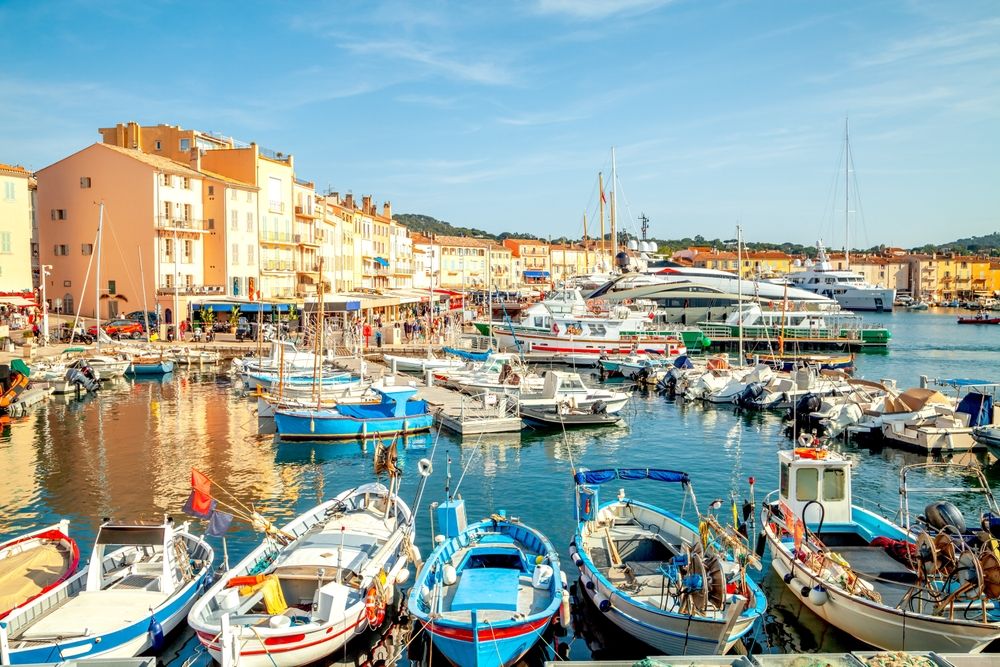
6. Saint-Tropez and the Mediterranean Myth
Saint-Tropez embodies the Mediterranean art of living and the glamour of the French Riviera. The former fishing village, immortalized by Brigitte Bardot, has managed to preserve its Provençal charm despite its worldwide fame. The Old Port with its luxury yachts, the colorful streets of the historic center and the famous Pampelonne beaches constitute the must-sees. The Annonciade museum houses a remarkable collection of modern art. Discover the secrets of this mythical city with the Ryo audio-guided tour of Saint-Tropez.
7. Les Baux-de-Provence
Classified among the Most Beautiful Villages of France, Les Baux-de-Provence sits majestically on a rocky spur of the Alpilles. This medieval village, with its perfectly restored white stone houses, offers exceptional panoramas over the Camargue and the Crau plain. The ruined castle, the old quarries transformed into Carrières de Lumières offering grandiose multimedia shows, and the numerous art galleries make this place a cultural and historical must-see of Provence.
8. Sénanque Abbey
Nestled in a secret valley near Gordes, Sénanque Abbey represents one of the jewels of Cistercian art in Provence. Founded in 1148, this Romanesque abbey with pure lines is surrounded by lavender fields that create, in July, a picture of striking beauty. The Cistercian monks who still live there perpetuate a millennial tradition. The visit to the abbey church, cloister and dormitory reveals the stripped and harmonious architecture of the Cistercian order.
9. Mont Ventoux
Nicknamed the "Giant of Provence," Mont Ventoux rises to 1,912 meters and majestically dominates the region. This mythical cycling mountain, legendary stage of the Tour de France, offers exceptional panoramas from its bare summit. In clear weather, the view extends from the Alps to the Mediterranean. The slopes of Ventoux shelter remarkable flora and picturesque villages like Malaucène or Bédoin. The ascent, whether on foot, by bike or by car, constitutes an unforgettable experience.
10. Aix-en-Provence and Montagne Sainte-Victoire
Aix-en-Provence, elegant city of a thousand fountains, charms with its exceptional architectural heritage. The Cours Mirabeau, lined with centuries-old plane trees and historic cafes, the old town with its 17th and 18th-century mansions, and the colorful markets create a unique atmosphere. Montagne Sainte-Victoire, immortalized by Cézanne in his numerous paintings, offers magnificent hikes and splendid panoramas. Cézanne's studio perpetuates the memory of the master of modern art. For a complete discovery, follow the Ryo audio-guided itinerary for Aix-en-Provence.
Download the audio-guided tour to discover Aix-en-Provence on foot and independently
Walk through the city of fountains with our audio tour for Aix-en-Provence that takes you from Place de la Rotonde to the Mazarin quarter, passing through Cours Mirabeau and Saint-Sauveur Cathedral. This 3.8 km walk reveals the secrets of the city of Aix in 2h20 with 24 captivating audioguides.
11. Cannes and La Croisette
Cannes, international showcase of cinema, fascinates with its elegance and refinement. La Croisette, prestigious promenade lined with palaces and luxury boutiques, offers a breathtaking view of the bay and the Lérins Islands. The Palais des Festivals, theater of the famous Cannes Festival, the Old Port with its sumptuous yachts, and Le Suquet (old town) with its picturesque streets complete this glamorous discovery. The Lérins Islands, just minutes away by boat, offer a Mediterranean haven of peace.
12. Marseille and Notre-Dame de la Garde
Marseille, millennial Phocaean city, surprises with its diversity and authenticity. Notre-Dame de la Garde, "Bonne Mère" of the Marseillais, dominates the city from its hill and offers exceptional panorama over the city and the Mediterranean. The Old Port, beating heart of the city, the Panier district with its colorful facades, and the MuCEM (Museum of Civilizations of Europe and the Mediterranean) illustrate Marseille's cultural richness. The Ryo audio-guided tour of Marseille helps you discover all these treasures.
13. The Hyères Islands (Porquerolles, Port-Cros, Le Levant)
The Hyères islands, nicknamed the "Golden Islands," constitute a preserved Mediterranean paradise. Porquerolles, the largest, seduces with its white sand beaches, botanical trails and picturesque village. Port-Cros, marine national park, offers exceptional underwater environments and remarkable flora. Le Levant, wilder, attracts naturism and tranquility enthusiasts. These islands, accessible from Hyères, Toulon or Le Lavandou, allow you to discover an authentic and preserved Mediterranean.
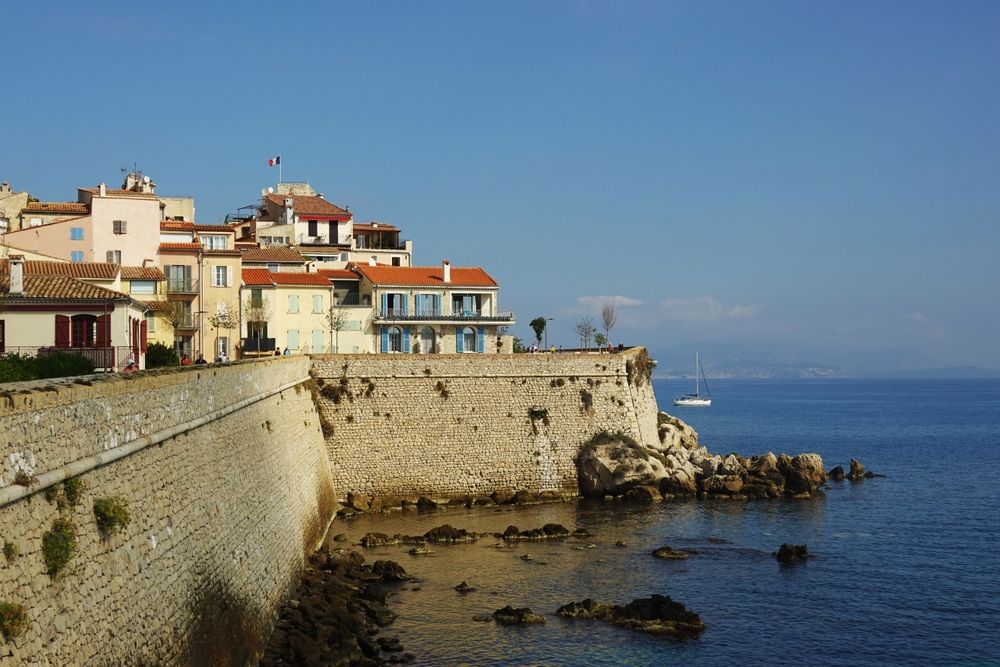
14. Antibes and Cap d'Antibes
Antibes, ancient Greek city, charms with its historical heritage and gentle way of life. The Vauban ramparts, the Picasso museum housed in Château Grimaldi, and the Provençal market at Cours Masséna create a unique atmosphere. Cap d'Antibes, with its sumptuous villas, the coastal path and the most beautiful beaches of Antibes, embodies the Mediterranean art of living. Villa Eilenroc and its gardens offer exceptional panoramas over the Alps and the Mediterranean.
15. Villa Ephrussi de Rothschild
Architectural jewel of Cap Ferrat, Villa Ephrussi de Rothschild testifies to the Belle Époque art of living. This pink villa in Italian Renaissance style, built in the early 20th century by Baroness Béatrice Ephrussi de Rothschild, houses exceptional collections of art and furniture. The nine themed gardens (French, Spanish, Japanese, exotic...) that surround it offer a green setting facing the Mediterranean. The villa provides a fascinating dive into the refined universe of European aristocracy.
16. Gordes and the Luberon
Gordes, one of the Most Beautiful Villages of France, stands proudly on the slopes of the Luberon. This perched village with blonde stone houses offers exceptional panoramas over the Calavon valley and the Vaucluse mountains. The Renaissance château, Saint-Firmin church and paved streets create an enchanting setting. The surroundings abound with treasures: Sénanque Abbey, the Bories village (dry stone constructions), and the ochre trails of Roussillon complete this discovery of authentic Luberon.
17. The Colorado Provençal of Rustrel
The Colorado Provençal of Rustrel offers a striking geological spectacle in the heart of the Luberon. These former ochre quarries, exploited until the mid-20th century, have created a landscape with flamboyant colors reminiscent of the American West. The marked trails allow you to discover fairy chimneys, rocky needles and cliffs in shades of red, orange, yellow and purple. The village of Roussillon, with its ochre-facade houses and the Ochre Trail, completes this exceptional geological discovery.
18. The Camargue
Delta of the Rhône, the Camargue constitutes a unique wetland in Europe. This wild land, shaped by the waters of the river and the Mediterranean, shelters exceptional fauna and flora. White horses, black bulls and pink flamingos are the emblems of this mysterious region. Saintes-Maries-de-la-Mer, high place of pilgrimage, Arles with its Roman arenas and historical heritage, and the numerous Camargue farms allow you to discover this unique culture mixing bull traditions and Provençal hospitality.
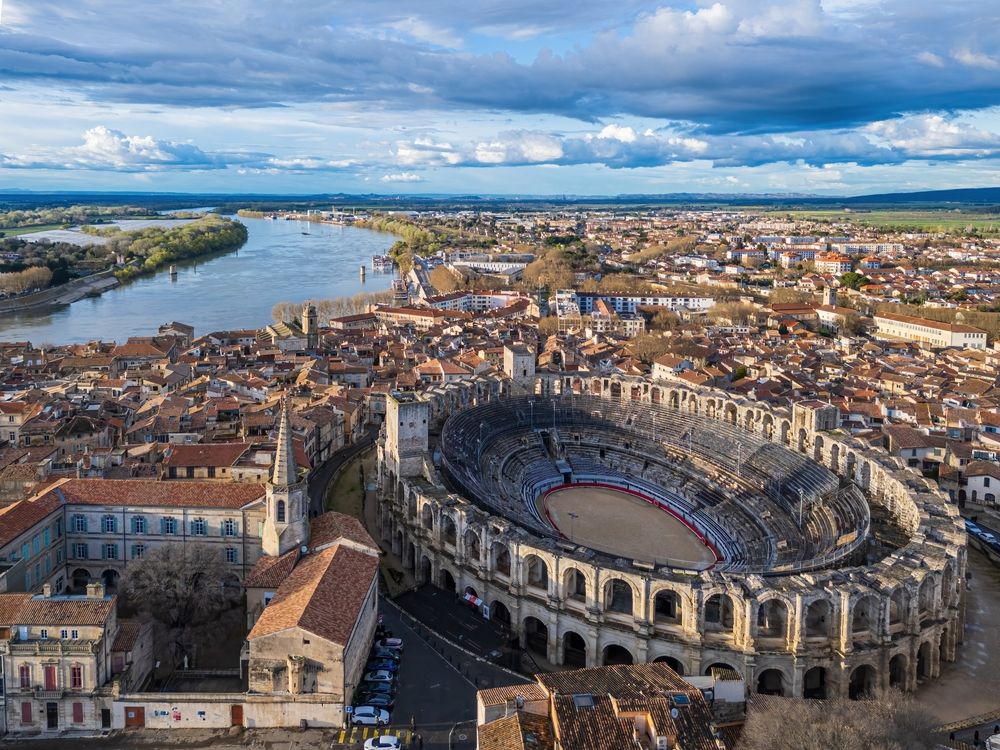
19. Arles and Roman Heritage
Arles, city of art and history, fascinates with its exceptional Roman heritage. The arena, one of the best-preserved amphitheaters of the Roman world, the ancient theater and the Constantine baths testify to the grandeur of Arelate. The city inspired Van Gogh who painted some of his most famous works there. The historic center, the Rhône quays and the museums (Museum of Ancient Arles, Van Gogh Foundation) complete this exceptional cultural discovery.
20. Menton and the Authentic French Riviera
Menton, "Pearl of France," charms with its gentle way of life and preserved heritage. This border town, renowned for its lemons and exceptional microclimate, offers remarkable botanical gardens (Serre de la Madone garden, Val Rahmeh botanical garden). The old town with colored facades, Saint-Michel basilica and pebble beaches create a unique Italian atmosphere. The famous Lemon Festival illuminates the city every February.
21. The Estérel and the Golden Corniche
The Estérel massif, between Cannes and Saint-Raphaël, offers contrasting landscapes of striking beauty. These red porphyry mountains, remnants of an ancient volcano, plunge into the Mediterranean creating secret coves with crystal-clear waters. The Golden Corniche, mythical road along the coast, offers exceptional panoramas over the Lérins Islands and the Esterel. Hikes to the Bear peak or Cap Roux allow you to discover preserved nature with flamboyant colors.
22. The Ancient Theater of Orange
Orange houses one of the best-preserved ancient theaters in Europe. This exceptional monument, built in the 1st century AD, impresses with its dimensions and remarkable state of conservation. The stage wall, 37 meters high and 103 meters long, qualified by Louis XIV as the "most beautiful wall of his kingdom," offers perfect acoustics. The Chorégies d'Orange, prestigious lyric festival, allow you to relive the emotion of ancient spectacles in this grandiose setting. The triumphal arch completes this discovery of Roman heritage.
23. Mercantour National Park
Mercantour National Park, at the borders of Alpes-Maritimes and Alpes-de-Haute-Provence, protects exceptional mountain landscapes. This nature reserve shelters remarkable fauna and flora with endemic species like the wolf, ibex and golden eagle. The Valley of Marvels, with its 40,000 prehistoric rock engravings, constitutes a unique archaeological site in Europe. High-altitude lakes, peaks over 3,000 meters and authentic villages like Tende or Saorge offer a thousand facets to discover.
24. Saint-Paul-de-Vence
Saint-Paul-de-Vence, perched village of the Nice hinterland, embodies the Provençal art of living. This fortified medieval city, with perfectly preserved ramparts, has attracted artists and celebrities since the 1920s. Art galleries, artist workshops and the Maeght Foundation, one of Europe's most beautiful modern art museums, make this village a cultural hotspot. Paved streets, ancient fountains and panoramas over the Mediterranean create a unique atmosphere, immortalized by numerous painters and writers.
25. Toulon and Mont Faron
Toulon, capital of Var and major French military port, surprises with its preserved heritage and exceptional situation. The old town, tastefully renovated, houses the Cours Lafayette market, one of the most beautiful in Provence. Mont Faron, accessible by cable car, offers splendid panoramas over the bay, one of the most beautiful in the world, and the Hyères Islands. The National Maritime Museum and the Provence Landing memorial complete this historical and maritime discovery.
26. Grasse and the Perfumes of Provence
Grasse, world capital of perfume, has perpetuated a unique olfactory tradition for three centuries. This city terraced on the foothills of the Préalpes d'Azur benefits from an exceptional microclimate favorable to the cultivation of perfume flowers. The historic perfumeries (Fragonard, Molinard, Galimard) open their doors to visitors to discover the secrets of perfume creation. The fields of roses, jasmine and lavender that surround the city, artisanal distilleries and the international museum of perfumery complete this exceptional sensory discovery.
In conclusion, the Provence-Alpes-Côte d'Azur region offers exceptional diversity that makes it one of the most complete destinations in the world. From paradisiacal beaches to Alpine peaks, through perched villages steeped in history and grandiose natural sites, each territory tells a unique story. This land of light, immortalized by the greatest artists, continues to fascinate with its art of living, refined gastronomy and unforgettable landscapes. Whether you are a lover of culture, nature, relaxation or adventure, PACA will seduce you and offer you imperishable memories. For an in-depth discovery of these wonders, don't hesitate to follow the Ryo audio-guided tours available in the region's main cities.
FAQ
What is the best time to visit PACA?
The best time to visit Provence-Alpes-Côte d'Azur depends on your preferences. Spring (April-May) and autumn (September-October) offer ideal climate and fewer crowds. Summer allows you to enjoy the beaches but temperatures can be high. For lavender fields, favor mid-June to mid-July.
How many days are needed to visit PACA?
To discover the main sites of the PACA region, count at least 10 to 15 days. One week allows you to visit either the French Riviera or interior Provence. For an in-depth discovery including hiking and relaxation, plan 3 weeks.
What are the most beautiful villages in PACA?
The most beautiful villages in PACA include Gordes, Les Baux-de-Provence, Saint-Paul-de-Vence, Roussillon, Cassis, Bormes-les-Mimosas, Seillans, and Moustiers-Sainte-Marie. Each has its unique character and preserved heritage.
How to get around in PACA?
The car remains the most practical means to explore PACA, especially to access perched villages and natural sites. The train serves the major cities well (Nice, Marseille, Cannes). Regular buses connect the main destinations. For cities, walking tours with Ryo audioguides are ideal.