

Créé par Romane, le 20 juin 2026
Votre guide Ryo
Visit Gard: 20 unmissable things to do
© Shutterstock
Gard is a multi-faceted department that captivates with the richness of its historical heritage and the beauty of its natural landscapes. Between Roman remains, perched medieval villages, preserved nature from Camargue to Cévennes, this destination in southern France offers a palette of unforgettable experiences. Discover our selection of 20 unmissable things to do in Gard for a successful stay between history, culture and escape.
1. Nîmes, the French Rome
Impossible to visit Gard without stopping in Visit Nîmes, its prefecture nicknamed the French Rome. This thousand-year-old city houses exceptionally well-preserved Roman remains that testify to its past grandeur. The Arena of Nîmes (1st century AD), the best-preserved Roman amphitheater in the world, can accommodate up to 23,000 spectators and still hosts shows and bullfights today.
The Maison Carrée, the only fully preserved Roman temple, impresses with its remarkable state of conservation. Don't miss the Gardens of the Fountain either, a magnificent 18th-century park housing the Temple of Diana and the Tour Magne which offers a sublime panorama over the city. The recent Museum of Romanity perfectly complements this immersion in Antiquity with bold contemporary architecture.
Download the audio-guided circuit to discover Nîmes on foot and independently
To fully enjoy your visit to Nîmes, the Ryo app offers you a complete audio-guided itinerary that takes you through 26 places of interest in the city. This walking tour will let you discover the must-see monuments, the picturesque streets of the Écusson and the historical anecdotes that make this Roman city charming. Let yourself be guided in the footsteps of Roman emperors and discover Nîmes differently thanks to the fun and instructive commentary of the audio guide.
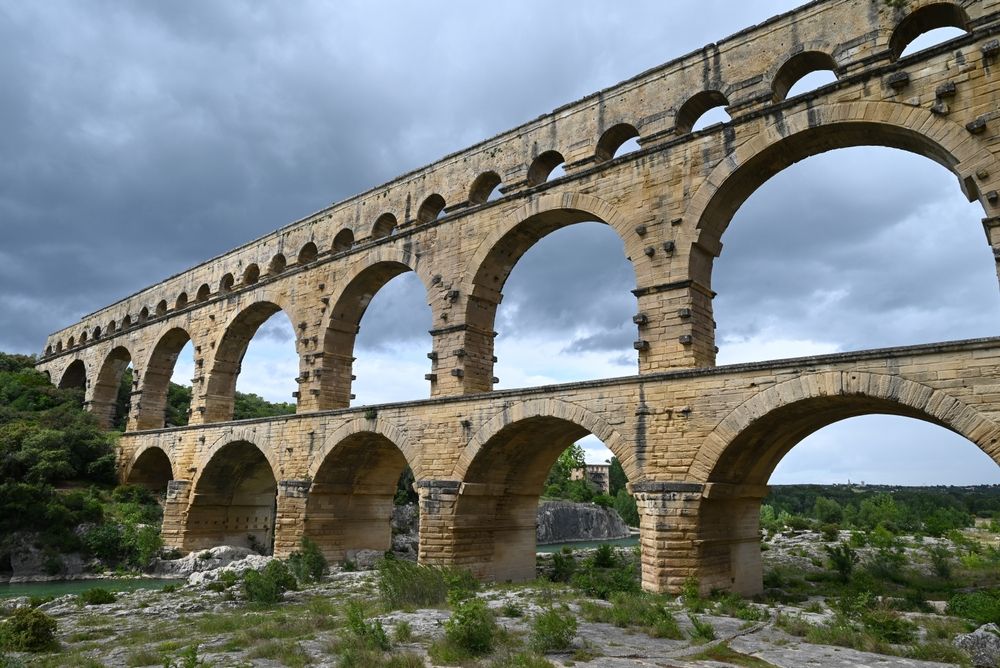
2. Pont du Gard, ancient masterpiece
The Pont du Gard is undoubtedly one of the most emblematic monuments of Gard. This Roman aqueduct from the 1st century, inscribed on UNESCO's World Heritage list, is the highest ancient bridge in the world with its three levels of arches that reach nearly 50 meters high. This technical feat transported water over 50 kilometers from the source of Eure to Nîmes.
The site offers several hiking trails allowing you to admire the structure from different angles. You can also swim in the Gardon at the foot of the bridge during summer, visit the museum that traces the history of its construction, or cross the bridge from the top for an unforgettable experience. It's a must-see place that perfectly combines historical heritage and preserved nature.
3. Uzès, first duchy of France
Uzès, the first ducal city of France, will seduce you with its medieval charm and Provençal way of life. Stroll on the famous Place aux Herbes, the true beating heart of the city with its arcades and lively terraces, particularly during the Saturday morning market. The Tour Fenestrelle, France's only cylindrical bell tower, rises proudly above the rooftops.
The Duchy of Uzès, residence of the ducal family for over a thousand years, can be visited and reveals its richly decorated apartments and its Bermonde tower which offers an exceptional panorama. The paved streets of the historic center are full of artisan shops, art galleries and restaurants where you can taste local specialties. Uzès is an ideal stopover to explore the Pont du Gard located just 15 kilometers away.
4. Aigues-Mortes and its medieval ramparts
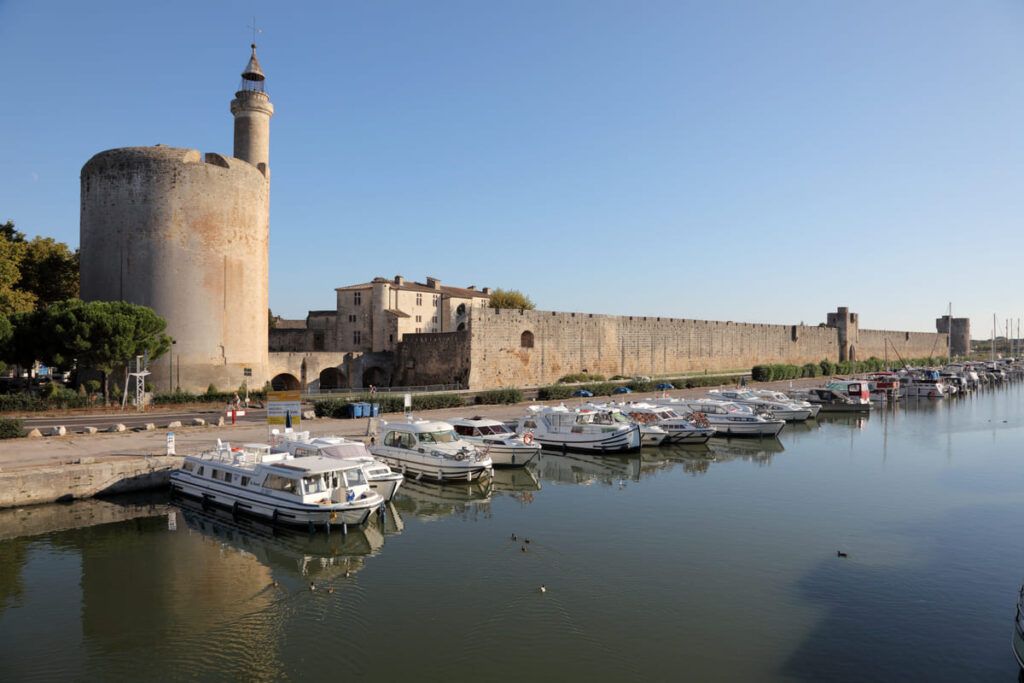
Aigues-Mortes, a medieval fortified city in the heart of Camargue gardoise, offers an exceptional journey through time. This city was built in the 13th century by Saint Louis as a departure point for the crusades. Its perfectly preserved ramparts, 1.6 kilometers long, can be walked entirely and offer a breathtaking view over Camargue, salt marshes and mountains in the distance.
The Tour de Constance, an imposing keep at the entrance to the city, tells the poignant story of Protestant prisoners. In the pedestrian city center, the lively streets are full of shops and restaurants. Don't miss visiting the Salins du Midi by tourist train to discover salt exploitation and admire the surprising pink hues of the evaporation ponds. Aigues-Mortes is also an ideal gateway to explore Camargue.
5. Gard Camargue, wild land
The Camargue Regional Natural Park extends partly into Gard and offers unique landscapes where ponds, marshes, rice fields and dunes blend together. This exceptional wetland area houses remarkable biodiversity with its pink flamingos, white horses and black bulls in semi-liberty. Bird watchers will be able to observe more than 400 species of birds in this natural paradise.
Several marked routes allow you to explore Camargue on foot, by bike or on horseback. Le Grau-du-Roi and l'Espiguette beach offer 18 kilometers of preserved fine sand, perfect for a relaxing day by the Mediterranean. The manades offer visits to discover Camargue traditions and attend equestrian demonstrations. It's an authentic territory where nature reigns supreme.
6. The Cévennes, hikers' paradise
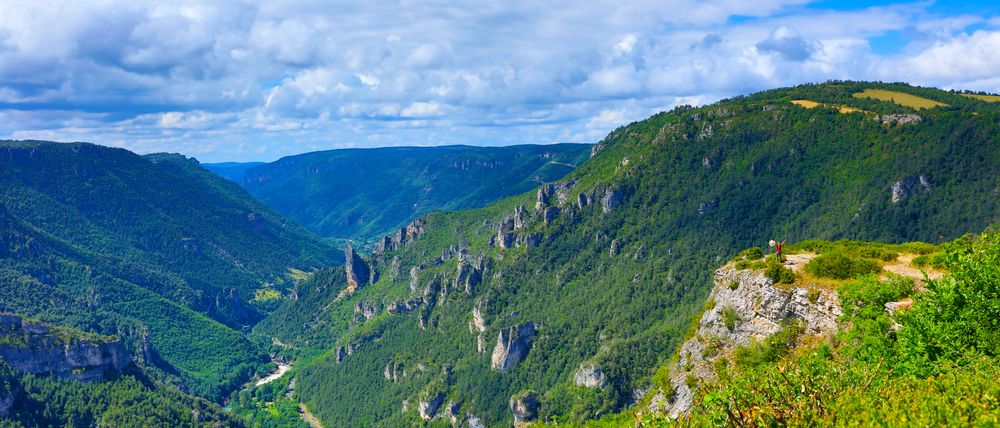
The Cévennes National Park, classified as a UNESCO World Heritage site, spreads its mountainous landscapes across the north of the department. This preserved region offers breathtaking panoramas between deep valleys, steep ridges and character villages clinging to the slopes. Mont Aigoual, the highest point at 1,567 meters, allows you to see the Alps and the Pyrenees on clear days.
The Cévennes are a paradise for hiking enthusiasts with hundreds of kilometers of marked trails. The famous Stevenson trail (GR70) crosses the massif, while other itineraries allow you to discover the Tarn gorges, the Séguissous waterfalls or the Cévennes villages. The fauna and flora are exceptional, from century-old chestnut trees to vultures that have recolonized the gorges.
7. Bambouseraie d'Anduze
The Bambouseraie en Cévennes, near Anduze, is an extraordinary botanical garden unique in Europe. Created in 1856, this 34-hectare park houses more than 1,000 varieties of bamboo, some specimens reaching 25 meters high. The walk through this forest of giant bamboos creates an exotic atmosphere that transports you to Asia.
The garden offers several thematic routes: the bamboo forest, the Japanese garden, the reconstructed Laotian village with its traditional houses, or the Dragon Valley with its banana trees and tropical plants. Water features and suspended bridges add to the charm of the place. It's a refreshing and exotic visit, particularly appreciated during hot summer days.
8. The Cévennes Steam Train
The Cévennes Steam Train offers a picturesque journey between Anduze and Saint-Jean-du-Gard on a 13-kilometer historic line. Aboard period wagons pulled by an authentic steam locomotive, you'll cross the Gardons valley using viaducts and tunnels carved in the rock. The route offers magnificent panoramas over the Cévennes mountains.
The convoy winds at the slow and regular rhythm of the machine, allowing you to fully admire the landscapes. Stops are possible at Bambouseraie d'Anduze to combine both visits. The stoker and mechanic share their passion and sometimes invite visitors to discover the locomotive. It's an authentic and nostalgic experience that pleases children as much as adults, offering an original way to discover the Cévennes.
9. The Gardon gorges by canoe-kayak
Descending the Gardon gorges by canoe-kayak is an essential activity to visit Gard from an original angle. This peaceful river winds between impressive limestone cliffs, offering an exceptional natural setting. Several routes are offered, from 7 to 30 kilometers, accessible to all levels from 6 years old.
The highlight of the descent is undoubtedly the passage under the Pont du Gard, a magical moment where you measure the greatness of this ancient structure from the water. The gorges house rich fauna with herons, kingfishers and beavers. Many beaches line the route for swimming breaks. Several rental bases offer equipment and shuttles. This nature activity combines gentle sport, refreshment and heritage discovery.
10. La Roque-sur-Cèze, most beautiful village of France
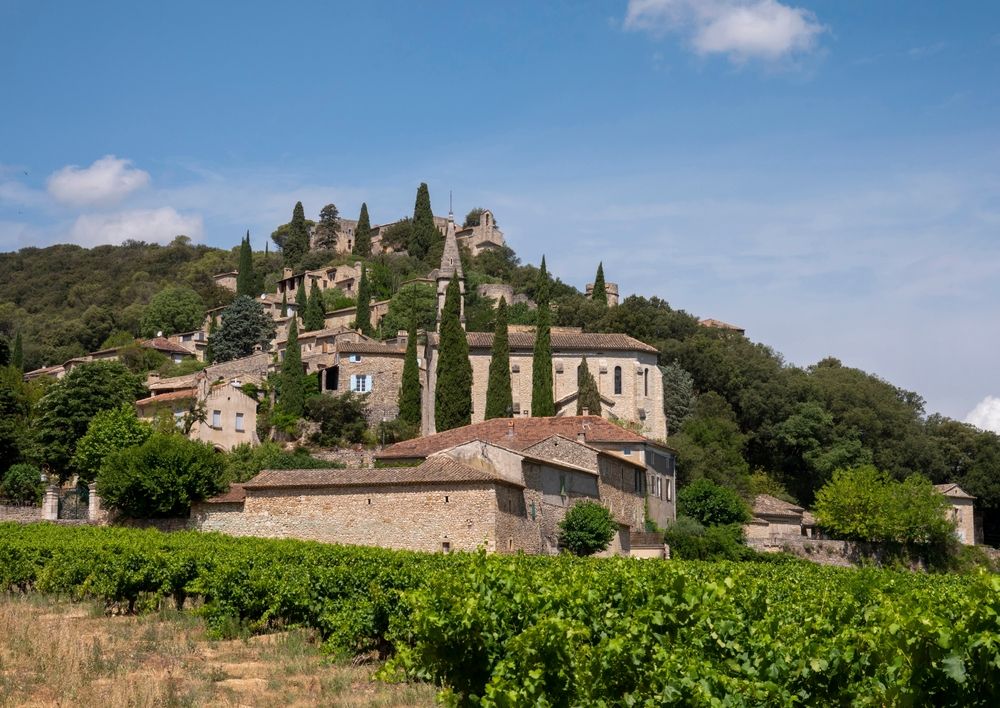
La Roque-sur-Cèze is among France's Most Beautiful Villages and fully deserves this label. Perched on a rocky spur, this medieval village dominates the Cèze river and offers charming paved streets. The Romanesque chapel that crowns the village and the remains of the feudal castle testify to its rich past.
From the village, the view plunges onto the Sautadet waterfalls, a spectacular natural site where the Cèze has carved potholes and whirlpools in the rock. Beware, swimming is forbidden there due to dangerous currents, but developed beaches are nearby. The wine-growing village produces renowned Côtes du Rhône that you can taste in local cellars. It's an authentic and picturesque stop in the Rhône Valley of Gard.
11. Beaucaire and the troglodytic abbey of Saint-Roman
Beaucaire, a city of art and history located on the banks of the Rhône, was once a major trading place thanks to its legendary fair. The medieval castle perched on the hill offers a magnificent view over the Rhône and Tarascon. The streets of the historic center invite strolling with their private mansions and shaded squares.
A few kilometers away, the troglodytic abbey of Saint-Roman constitutes a unique site in Europe. Carved into the rock from the 5th century, this abbey perched on the hill housed a community of monks. You discover rock-hewn rooms, a chapel and tombs carved in limestone. The panorama from the site embraces the Rhône plain, the Alpilles and on clear days, the Mediterranean Sea. It's a place charged with history and spirituality.
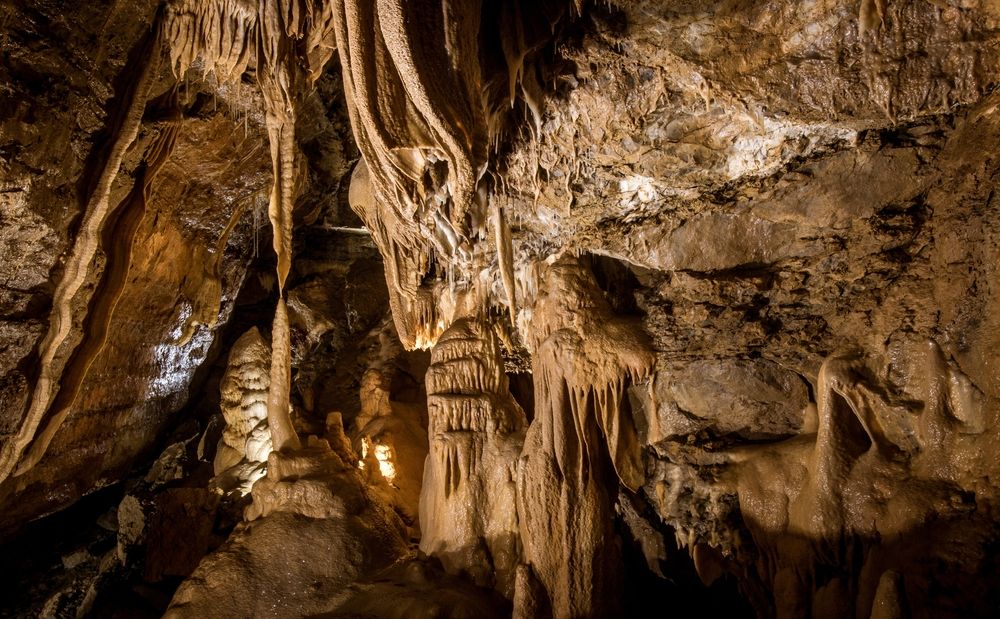
12. The caves of Gard: Trabuc and la Salamandre
Gard conceals several remarkable caves that offer a refreshing underground escape. Trabuc Cave, near Anduze, is the most important underground network in the Cévennes. On a one-kilometer route, you'll discover seven impressive rooms including that of the 100,000 soldiers with its mysterious stalagmite-shaped concretions.
Further north, the Salamandre Cave offers a different spectacle with its 50-meter-high underground cathedral. A suspended walkway allows you to admire the geological formations from above, and the most daring can even do an underground zip line. These cavities maintain a constant temperature of 14°C, ideal during hot summer days. Guided tours reveal the secrets of formation of these geological wonders.
13. Aiguèze, village perched on the Ardèche gorges
Aiguèze, classified among France's Most Beautiful Villages, stands proudly at the border between Gard and Ardèche. This fortified medieval village dominates the Ardèche gorges and offers a vertiginous panorama over the cliffs. Its steep paved streets, restored stone houses and vaulted passages create an authentic medieval atmosphere.
The village has preserved remains of its castle and ramparts. Several developed viewpoints allow you to admire the gorges and the starting point of Ardèche canoe descents. Artisans and artists have invested the old residences, bringing life to the village. It's a peaceful and preserved place, perfect for a timeless walk with spectacular views over one of France's most beautiful rivers.
14. Character villages: Lussan, Montclus and Barjac
Gard has many character villages that deserve the detour. Lussan, labeled as France's Most Beautiful Village, is a fortified village perched on a rocky spur. Its ramparts, castle and shaded square invite strolling. Nearby, the Concluses de Lussan offer a remarkable natural site with narrow gorges and giant's cauldrons.
Montclus, another of France's Most Beautiful Villages, nestles in a meander of the Cèze at the foot of imposing cliffs. This peaceful village with flowered streets seems frozen in time. Barjac, with its medieval market and antique dealers, possesses incredible charm. These perched villages offer authenticity, tranquility and panoramic views over the Gard landscapes. They are perfect for soaking up the Provençal way of life.
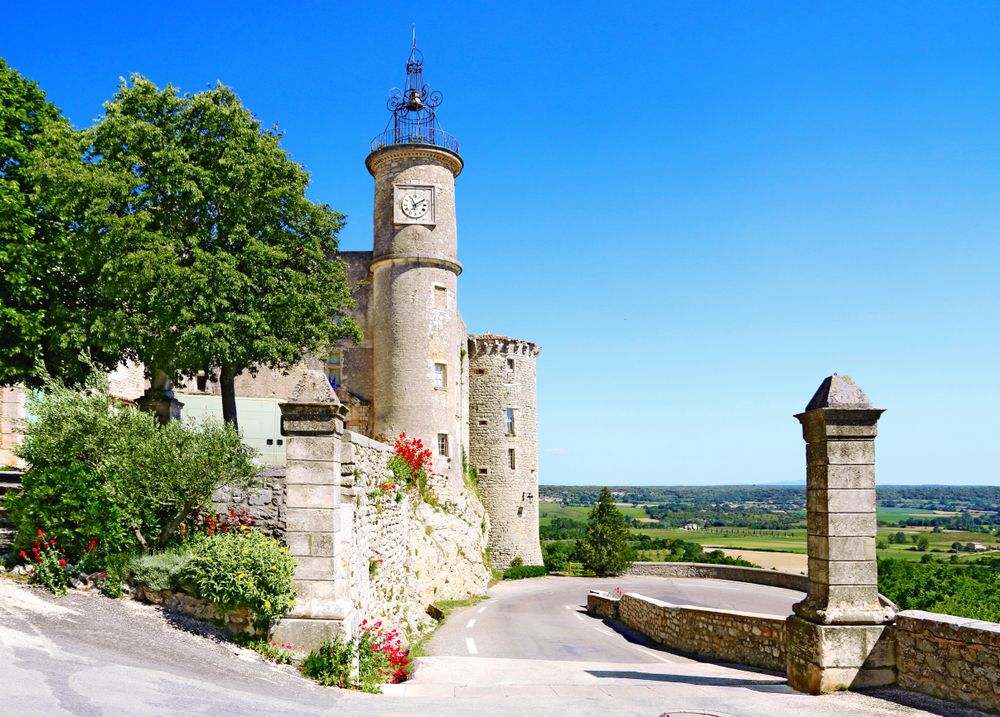
15. The cirque de Navacelles
The cirque de Navacelles, a grandiose natural site classified as a Grand Site de France, marks the boundary between Gard and Hérault. This spectacular 300-meter-deep canyon was carved by the Vis river which formed an abandoned meander. Several developed viewpoints offer vertiginous views over this exceptional geological cirque.
The small village of Navacelles nestles at the bottom of the cirque. Several hiking trails allow you to descend into the canyon to discover the waterfall and mills of la Foux, where the river resurfaces after an underground course. The ascent offers beautiful changing viewpoints. It's one of the most impressive natural sites in the region, testimony to the erosive force of water over millennia.
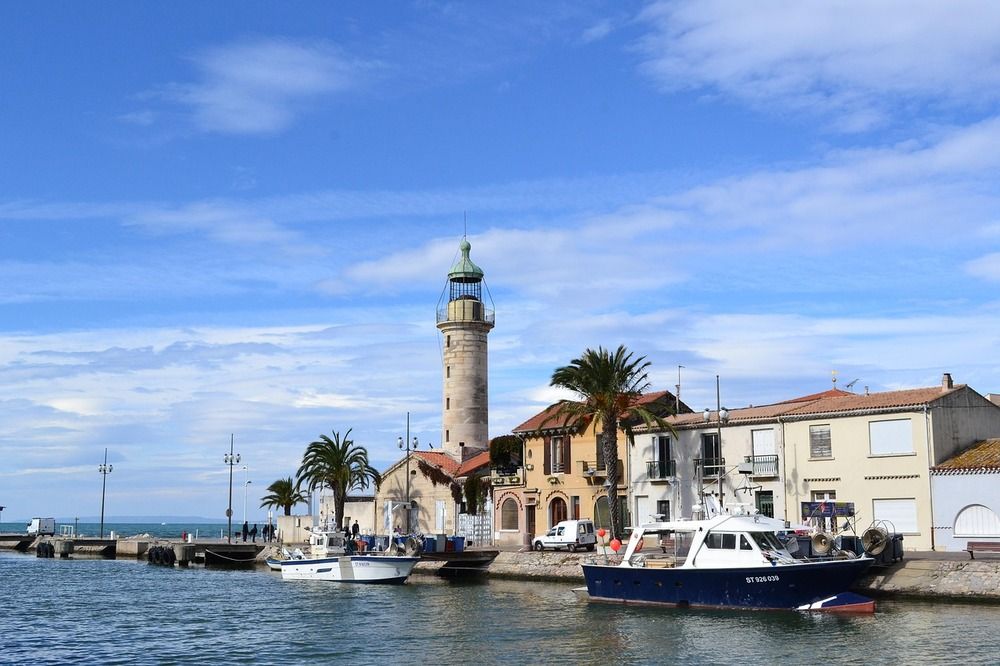
16. Le Grau-du-Roi and l'Espiguette beach
Le Grau-du-Roi is Gard's family seaside resort, offering 18 kilometers of fine sand beaches. Its picturesque fishing port, lively quays and daily market make it an appreciated destination. The Seaquarium, a modern aquarium, presents more than 200 marine species and raises awareness about ocean preservation.
L'Espiguette beach, located in Port-Camargue, is one of the most beautiful wild beaches in the Mediterranean. Its white sand dunes stretch for kilometers and recall Sahara landscapes. It's a renowned spot for kitesurfing and windsurfing. The protected natural area guarantees a preserved setting, even in summer. It's the ideal place to combine relaxation, swimming and water activities in an exceptional environment.
17. Mont Aigoual and its observatory
Mont Aigoual, Gard's highest point at 1,567 meters, offers an exceptional panorama over a thirteenth of French departments. On clear days, the view embraces the Alps, the Pyrenees, Canigou and the Mediterranean. The meteorological observatory built at the summit in 1887 is the last mountain weather station still inhabited in France.
The observatory can be visited and presents exhibitions on meteorological phenomena and global warming. The forests covering the slopes of Mont Aigoual are the result of exemplary reforestation initiated in the 19th century. Many hiking trails crisscross the massif, allowing you to discover remarkable alpine flora and fauna. In winter, the site transforms into a family Nordic ski resort.
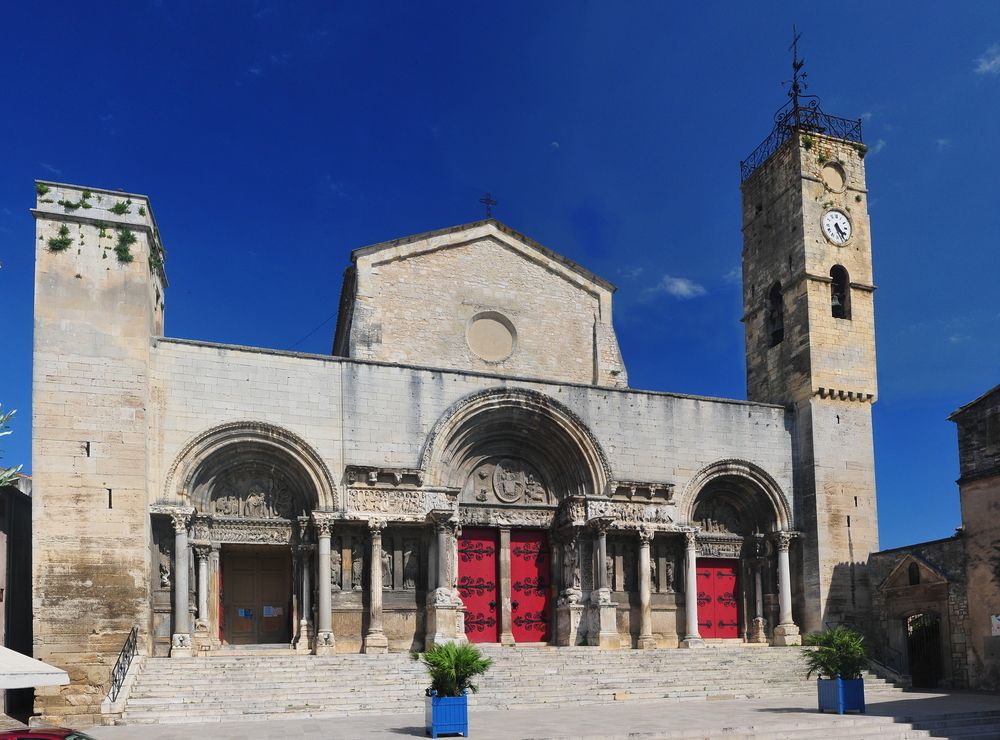
18. Saint-Gilles abbey church, jewel of Romanesque art
The abbey church of Saint-Gilles, inscribed on UNESCO's World Heritage list under the Santiago de Compostela pilgrim routes, has an exceptional 12th-century Romanesque facade. This sculpted facade, considered one of the most beautiful in France, displays a remarkable iconographic program with its three richly decorated portals.
Inside, the crypt houses the tomb of Saint Gilles, and the famous spiral staircase known as Saint-Gilles is a masterpiece of medieval stereotomy. In the Middle Ages, Saint-Gilles was a major pilgrimage site, the fourth after Jerusalem, Rome and Santiago. The visit helps understand the importance of this place in European religious history. The village itself deserves a stroll with its medieval houses and arena.
19. The vélorail
The Cévennes Vélorail offers a fun and original activity to discover Cévennes landscapes. On an old railway line between Thoiras and Générargues, you pedal aboard a vehicle that can accommodate up to five people. The 6-kilometer round trip route follows the Gardons and crosses several viaducts including that of Mescladou.
The pedaling effort is moderate and accessible to all, allowing you to fully enjoy the landscape. The ride lasts about 1h30 and offers magnificent views over the valley. It's a perfect family activity that combines gentle sport, nature and railway heritage. Departures are scheduled to avoid crossings on the single track. Remember to book, especially in high season.
20. Culinary specialties of Gard
Visiting Gard also means discovering its rich gastronomy that blends Provençal, Languedocien and Cévennes influences. Nîmes brandade de morue, a smooth emulsion of cod and olive oil, is a must-try. Gardiane de taureau, a simmered stew accompanied by Camargue rice, testifies to Camargue traditions.
Pélardon, a small Cévennes goat cheese with AOP status, is enjoyed fresh or aged. Croquants Villaret, almond cookies created in Nîmes, perfectly accompany coffee. Sweet Cévennes onion, chestnut, honey and olive oil compose the palette of local products. Wines from Costières de Nîmes and Côtes du Rhône gardoises admirably complement these dishes. Local markets are the ideal opportunity to discover and buy these authentic products.
In conclusion, visiting Gard promises you an exceptional journey between Roman heritage, enchanting medieval villages and preserved nature. From Nîmes arena to wild gorges, via Camargue beaches and Cévennes summits, this department offers rare diversity. Whether you're passionate about history, a hiking enthusiast or seeking relaxation, Gard will seduce you with its authenticity and the richness of its terroir. Don't hesitate to use the Nîmes audio-guided itinerary for an in-depth discovery of the Gard capital, an ideal starting point to explore throughout the department.
FAQ
How long does it take to visit Gard?
To discover Gard's must-sees, plan at least 4 to 5 days. Count one day for Nîmes and its surroundings, one day for the Pont du Gard and Uzès area, one day for Gard Camargue, and two days to explore Cévennes and character villages. A full week allows you to fully enjoy each site without rushing.
What is the best period to visit Gard?
Spring (April-May) and autumn (September-October) are ideal periods to visit Gard, with pleasant temperatures and fewer tourists. Summer is perfect for water activities and the beach, but sites can be very crowded. Winter is mild in the plain but also allows you to discover snow-covered Cévennes.
Is Gard suitable for family vacations?
Absolutely! Gard is a family destination par excellence with activities for all ages: beaches, swimming in rivers, vélorail, caves, tourist trains, and fascinating historic sites. Easy hiking trails abound, and medieval villages captivate young and old alike.
Can you visit Gard without a car?
Although a car is convenient for exploring the department, it's possible to visit Gard without a vehicle. Nîmes can be perfectly visited on foot thanks to the Ryo audio-guided itinerary. Buses connect Nîmes to main cities like Uzès, Alès or Le Grau-du-Roi. However, perched villages and some natural sites will be more difficult to access without a car or without organizing guided excursions.
What accommodations are recommended in Gard?
Gard offers a wide choice of accommodations: charming hotels in historic centers, gîtes and bed & breakfasts in villages, campsites near beaches or in Camargue, and even unusual accommodations like tree houses in Cévennes. To visit Nîmes, choose accommodation in the historic center to enjoy the atmosphere on foot.