
Créé par Romane, le 7 mai 2026
Votre guide Ryo
© Shutterstock
These fruitful landscapes have given birth to numerous specialties with the "good taste of nature". Fruits and vegetables are the centerpieces of the Loiret plate. Sweet flavors, directly from the surrounding fruits, promise treats more natural than one another.
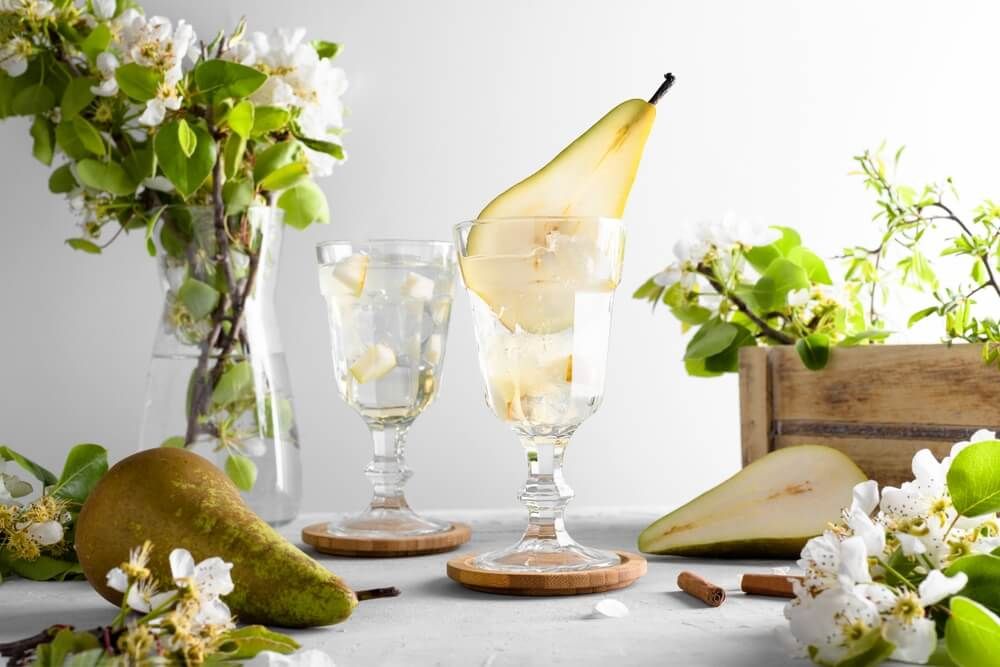
You'll even find these fruity flavors in your glass, to accompany your typically Orléans meal. Also, a gourmet tour of the city is highly recommended. Especially for those who love to discover a destination through food and convivial moments!
What to eat in Orléans? Our selection of 11 Orléans specialties
The people of Orléans have a taste for tradition. Even if it means fishing out recipes from their ancestors, centuries old. Once updated, locals play the game of discovery and favor producers for their commitment to their historical heritage and culinary specialty.
Continuing the preservation of ancient recipes and know-how, Orléans sees the emergence of brotherhoods protecting the dishes dear to them. You'll find, notably, the Jargeau Andouille brotherhood which will be pleased to recommend the best tables.
1. Cendré d'Olivet
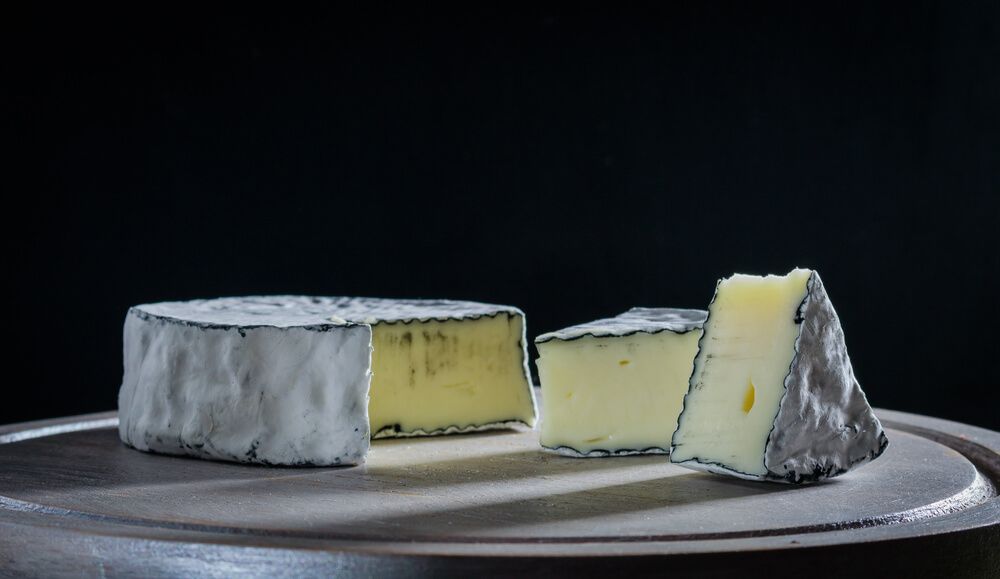
This cow's milk cheese from Olivet, near Orléans, benefits from a controlled designation of origin. Easily identifiable by its gray rind and earthy smell, due to its preservation method in ash. When tasting, you'll naturally recognize the good taste and creamy texture of cow's milk. Then, delicate perfume notes, counterbalanced by the more characteristic taste of its rind. This is a cheese characterized by its preservation in ash. With the objective of forming its gray rind and creating its pleasant earthy smell for this Orléans specialty.
2. Orléans Vinegar
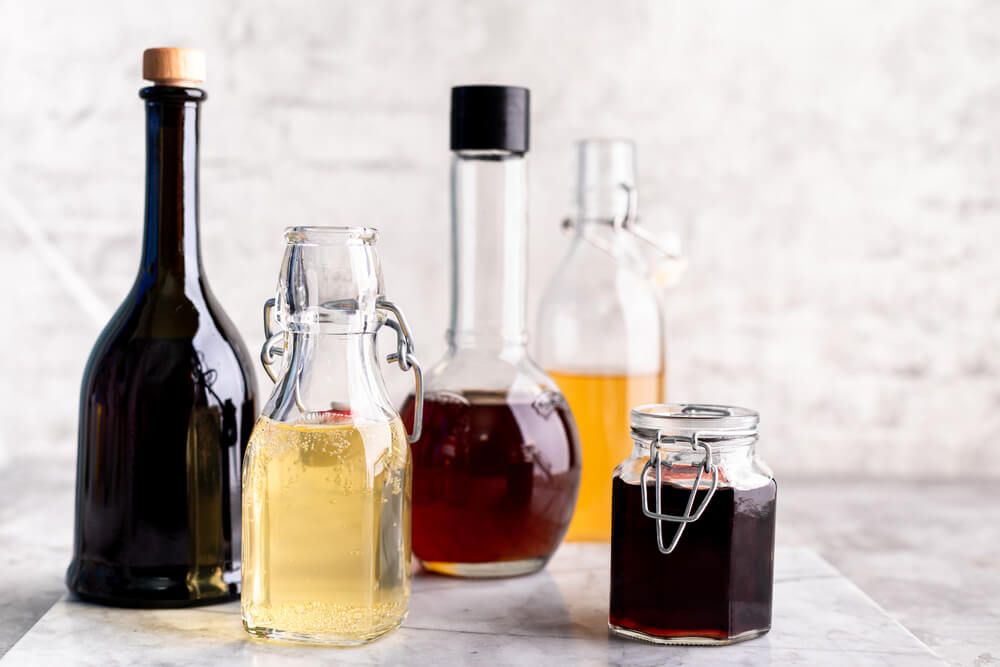
Obviously, no need to swallow a large gulp of this vinegar to claim to know its raw flavor! For the record, the famous Loire wines were once transported by boat. However, it was not uncommon that once in port, the bottles arrived "turned" and were therefore undrinkable. To compensate for these losses, Orléans merchants decided to work this "lost" wine, to offer it for sale as vinegar. Eureka, the success was immediate! Even today, the best culinary establishments use Orléans vinegar for its wide aromatic range including the mustards and vinegars of Martin Pouret.
3. Gâtinais Saffron
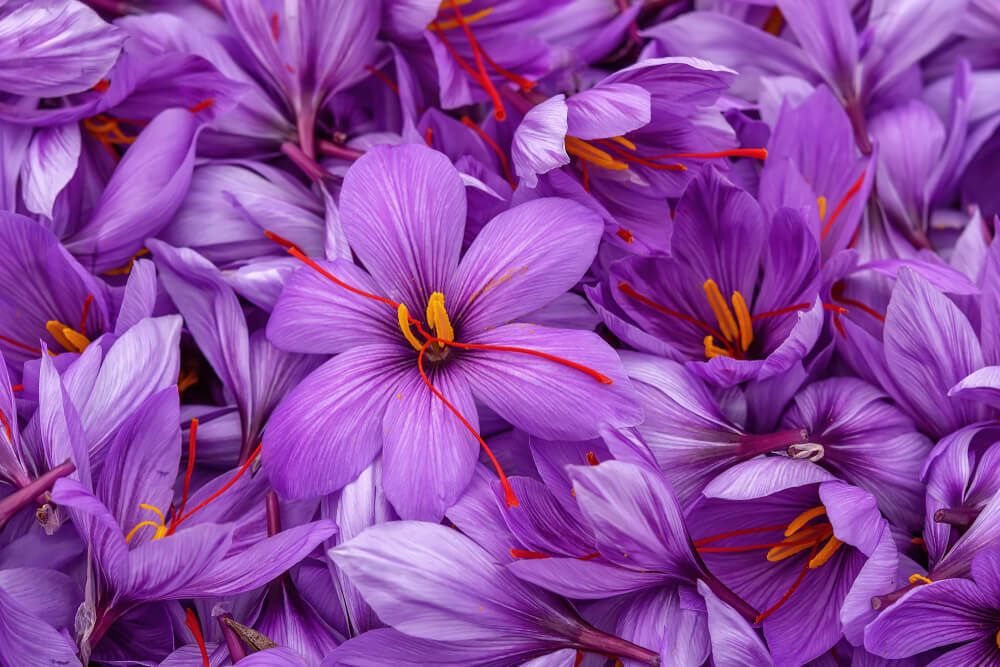
Noble spice par excellence, from the crocus flower, which made the reputation of Gâtinais for centuries. Despite this success, the meticulous production of this spice was gradually abandoned until 1987. That same year, Orléans saw the emergence of producers "Safraniers du Gâtinais", ready to revalue the almost forgotten know-how of their elders. Saffron production is goldsmith work, requiring patience and delicacy. The crocus pistils, harvested by hand, will be potted with equal care to be sold for gold! In Orléans, you'll taste saffron in 100% local dishes, composed of a beautiful piece of meat or a fish freshly caught from the Loire. The rendezvous of gourmets.
4. Fresh fruits and vegetables from Orléans region
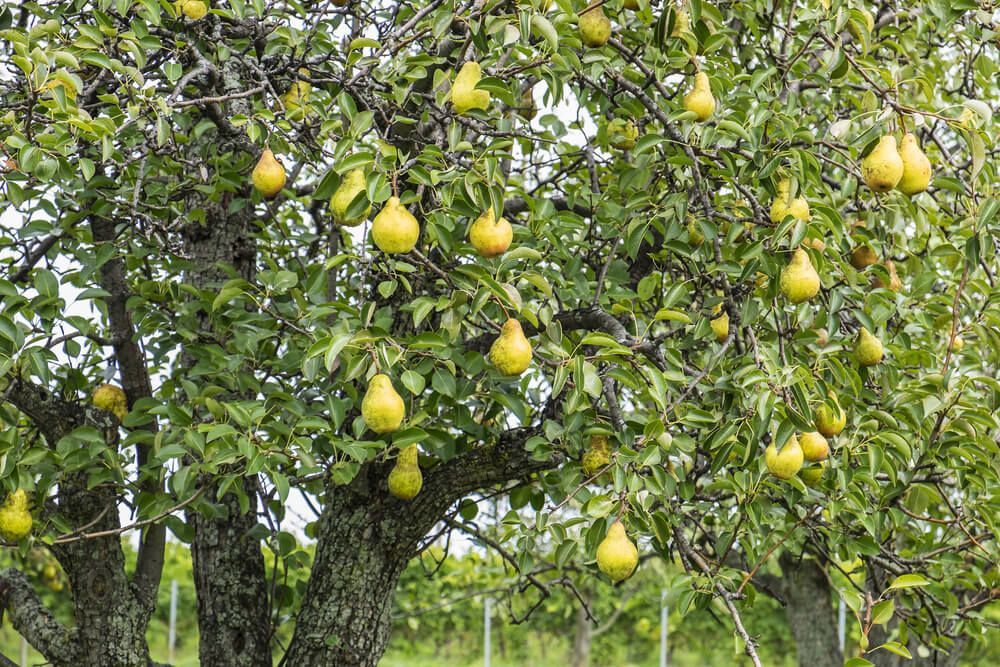
The surroundings of Orléans consist of rich and productive land, considerably favoring horticultural production. Thus, you'll find in markets and local gastronomy, wide and abundant stalls of local fruits and vegetables. These even supply a good number of Parisian kitchens. Among the flagship products, you'll find strawberries, pears, apples and cherries... On the vegetable side, same observation: the list is as long as your arm!
5. Jargeau Andouille
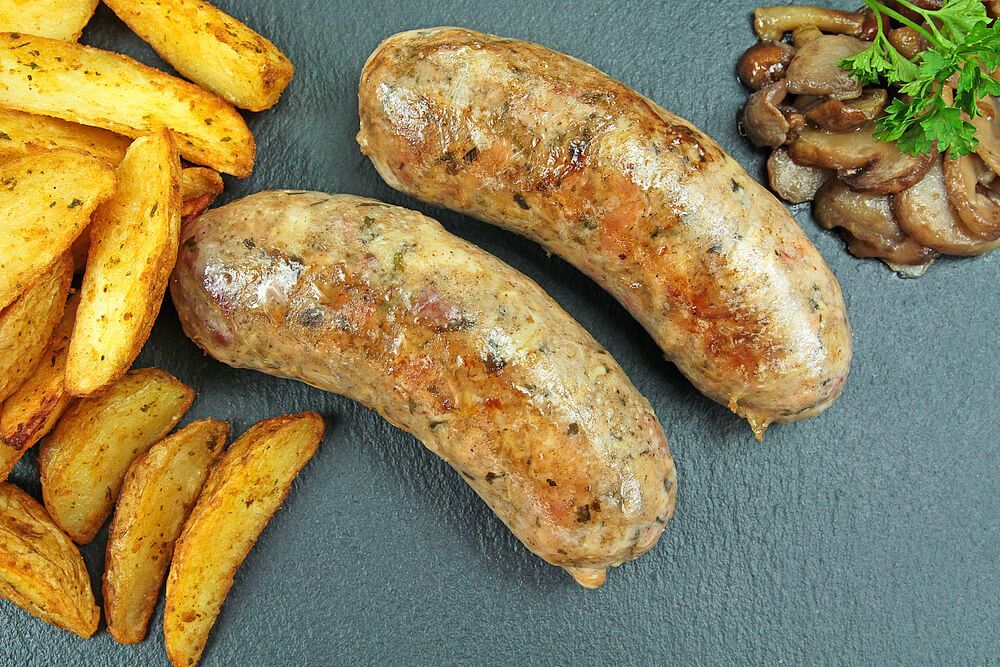
Here's an essential charcuterie preparation from Orléans. The passionate charcutiers of Jargeau pass down the ancestral recipe of their multisecular andouille. This is prepared according to a 50/50 methodology of tripe and chopped pork meat. The meat is then stuffed into a large pork casing. On the menu of traditional restaurants and bistros in Orléans, Jargeau andouille is served with mashed potatoes to reinforce its terroir origin. Even if andouille is not appreciated by everyone, enthusiasts will agree that this one is a real delight.
6. Orléans Mustard
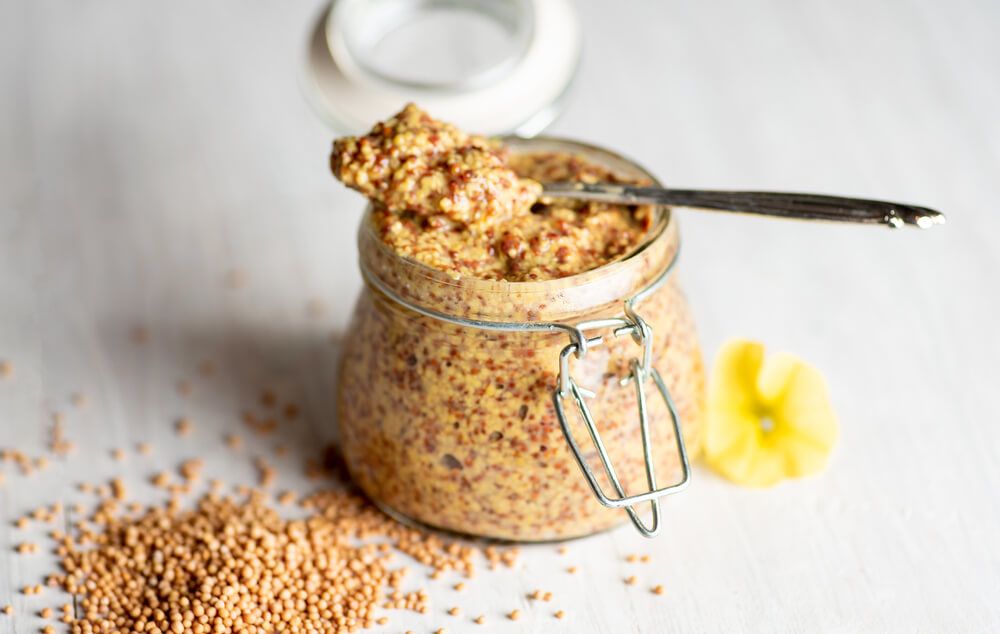
Dijon better watch out, Orléans mustard has decidedly everything to please. It's made from the famous Orléans vinegar, Guérande salt and locally produced seeds. A producer in love with forgotten traditions has updated this sauce with the good taste of here! In collaboration with Loire Valley farmers, a local mustard seed supply chain, essential for the preparation, has even emerged. The small pots, sold in commerce and all the city's grocery stores, also constitute a delicious souvenir to take home or give as a gift.
7. Fruit Macarons
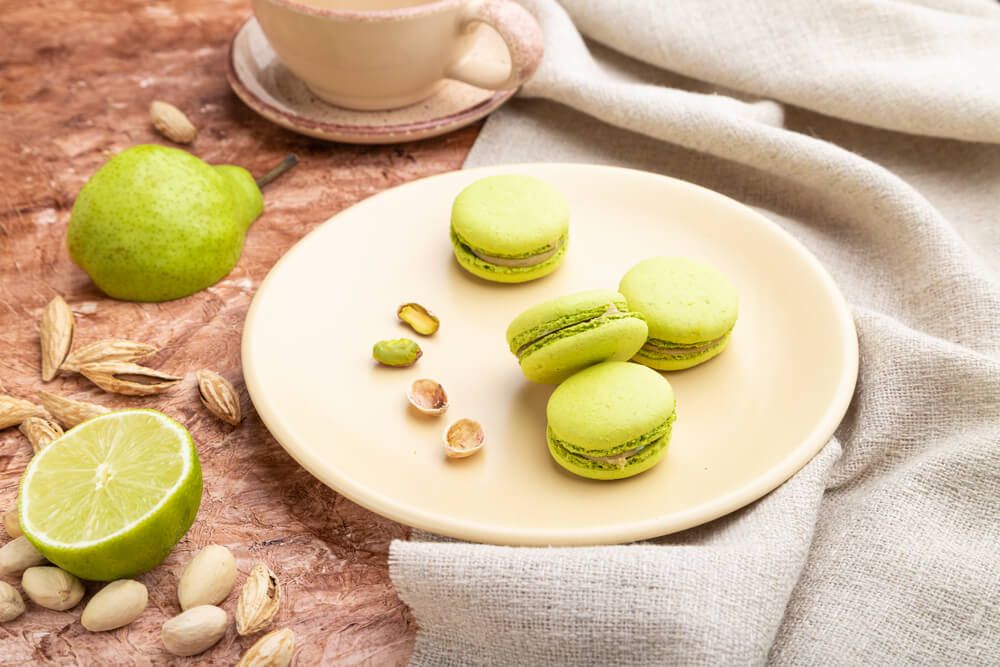
Only a few years were enough for these fruit sweets to establish themselves as Orléans specialties. Fruit macarons are delicious representatives of local production. These miniature cookies come in 4 original flavors, but well known to locals. Choose from: strawberries glazed with Orléans vinegar, pear and ginger compote, hazelnut cream or candied rose petals... Naturally, faced with such a selection, it's urgent to taste them all.
8. Orléans Cotignac
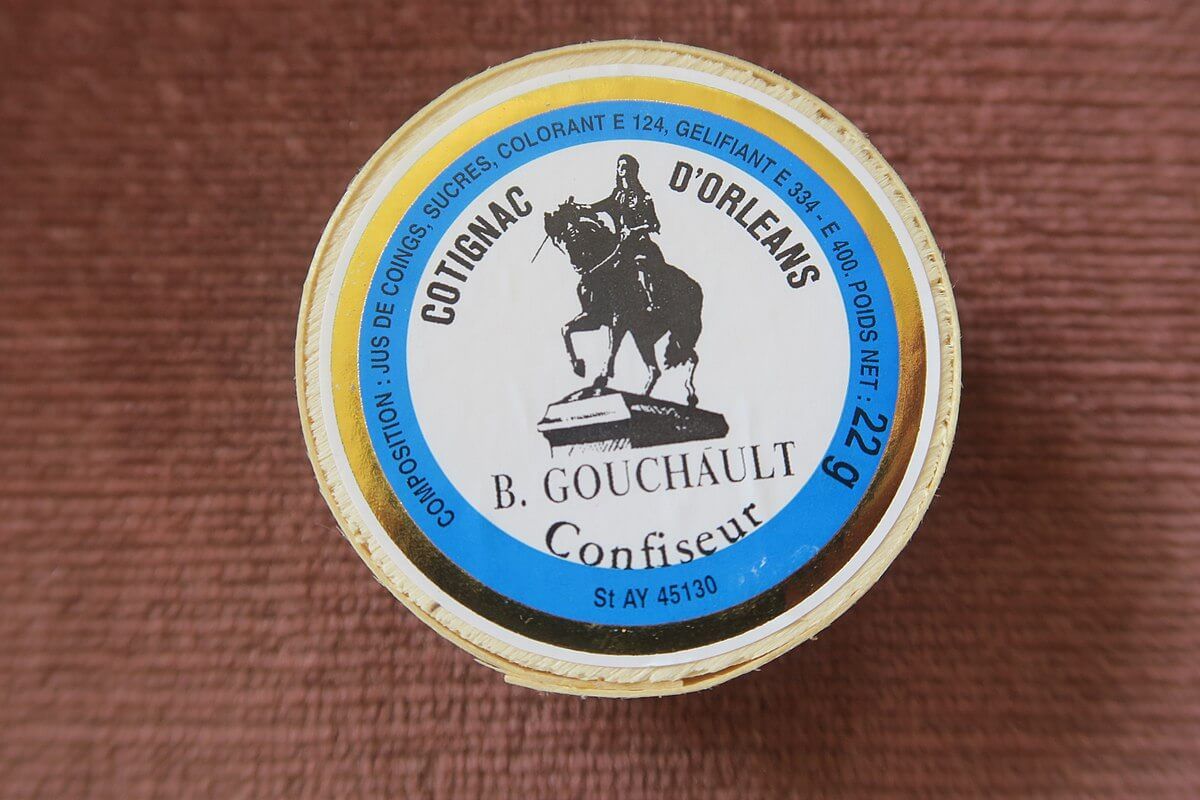
photo credit wikimédia
This most local treat is so ancient that its creation date has fallen into oblivion. Cotignac is a quince jelly, adorably presented in a round spruce box. Formerly prescribed by hygienist doctors of the 17th century. The fruity delicacy didn't take long to be adopted by the great names of the Court. Cotignac was moreover a gift commonly offered to Louis IX and his close ones. Nowadays, nobility has given way to the inhabitants of Orléans who have been fans since their earliest childhood!
9. Montargis Praslines
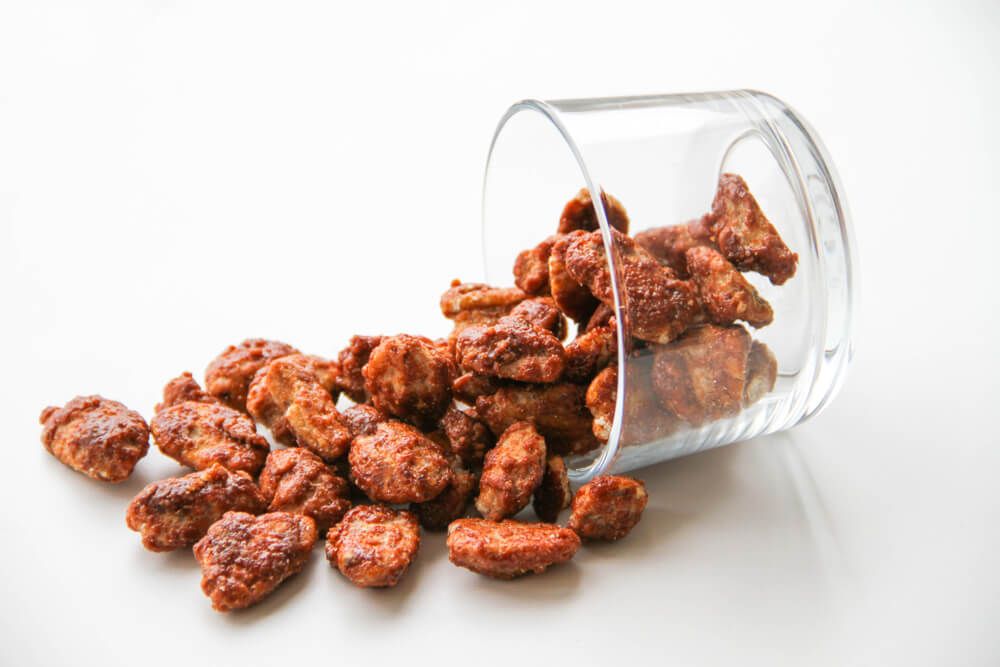
On each side of France, pralines are popular! In Orléans, "Montargis praslines" have managed to conquer the palate of gourmets. These are almonds roasted through and caramelized, whose crunchiness and aroma are almost addictive. Originally, they were developed by the kitchen officer in the 17th century, to respond to the constant demand of King Louis XIII's court.
10. Johannique Beer
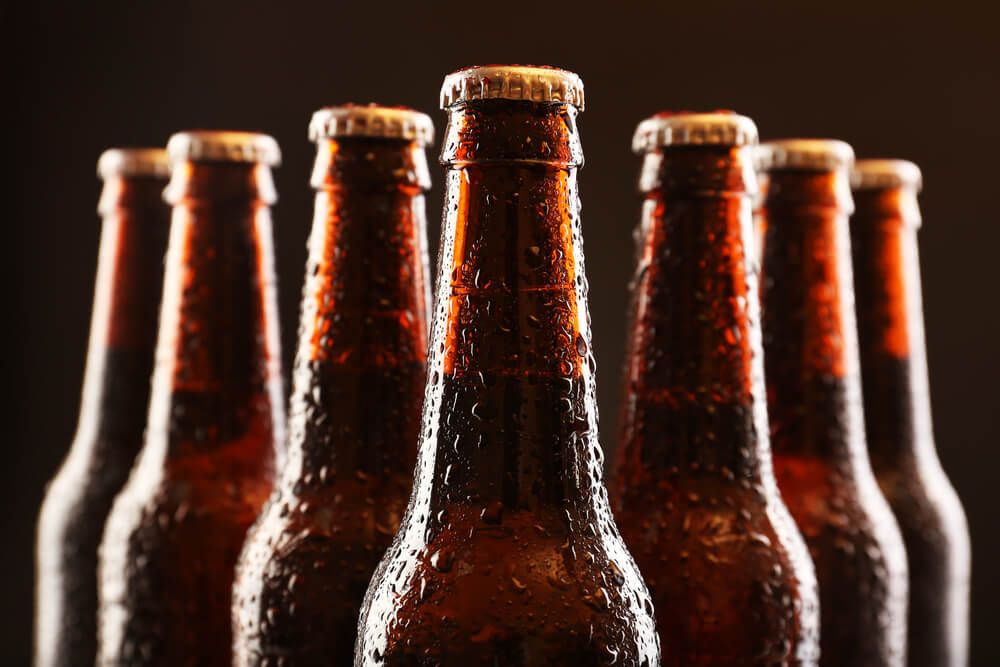
Also known as "Joan of Arc beer", this refreshing white beer invites itself to all terraces on beautiful days. Locals appreciate it for its little taste of heather honey. When tasting, we also find a balanced flavor that's both sweet and bitter. This balance is due to the mixture of hops, spices and citrus peels that compose this emblematic beer of Orléans.
11. Poire d'Olivet
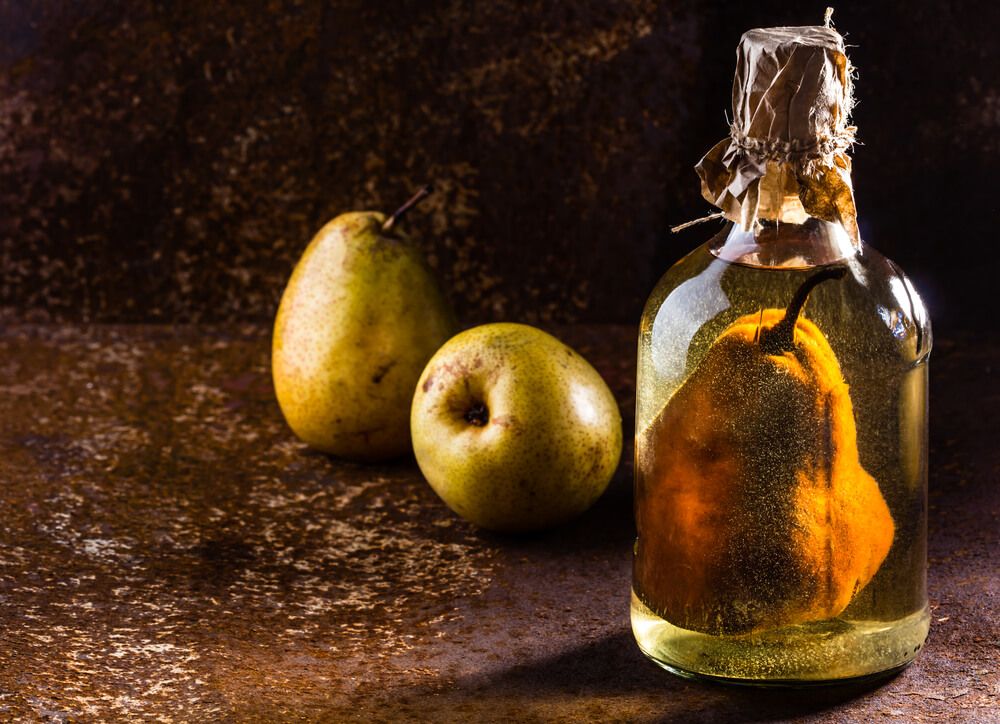
The most surprising thing about this eau-de-vie dating from the Middle Ages is probably its production method! Hold on: producer-arborists directly suspend bottles in pear trees, whose location is confidential! The nascent pears then develop inside their glass prison. Once mature, it's time to harvest the bottles to fill them with pear alcohol. Finally, direction maceration for a modest duration of three years. Impressive isn't it?