

Créé par Romane, le 20 juin 2026
Votre guide Ryo
The 18 Must-Sees to Discover Occitanie
© Shutterstock
Between the Mediterranean Sea, Pyrenean mountains and perched villages, Occitanie unfolds a rich and contrasted landscape that enchants travelers from around the world. This southern region of France, born from the fusion of Languedoc-Roussillon and Midi-Pyrénées, harmoniously combines millennial history, exceptional heritage and Mediterranean art of living. From the medieval streets of Carcassonne to the pink reflections of Toulouse, from the vertiginous gorges of the Tarn to the beaches of Languedoc, Occitanie invites you on an authentic journey where each stop reveals new treasures. Prepare to discover a region where UNESCO heritage meets technological innovations, where Occitan traditions endure in a resolutely modern environment.
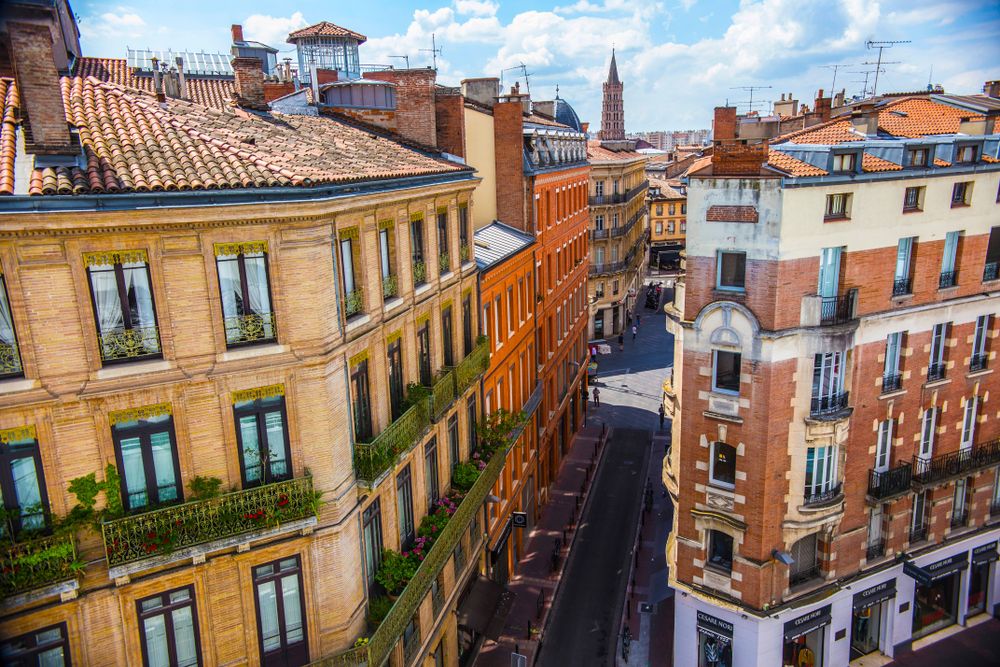
1. Toulouse, the pink city at the heart of Occitanie
Capital of Occitanie and fourth largest city in France, Visiting Toulouse is a must to understand the soul of this region. Nicknamed the "Pink City" due to its facades of terracotta brick, Toulouse seduces with its exceptional architectural heritage and economic dynamism. The Basilica of Saint-Sernin, the largest Romanesque church in Europe, the Capitole with its majestic neoclassical facade, and the Renaissance private mansions of the historic quarter testify to the past wealth of this city.
Download the audio-guided tour to discover Toulouse on foot and independently
Explore the secrets of the Pink City thanks to our audio-guided itinerary of Toulouse which will take you through 23 emblematic places of interest. From Place du Capitole to the Basilica of Saint-Sernin, via the banks of the Garonne and the Jacobins convent, discover the fascinating history of this Occitan metropolis while enjoying detailed explanations and captivating anecdotes about each monument encountered.
2. Montpellier, the prodigy of Languedoc
Seventh largest city in France, Montpellier shines with its millennial university and bold contemporary architecture. Visiting Montpellier reveals a young and dynamic metropolis where medieval remains and modern creations coexist harmoniously. L'Écusson, the pedestrian historic center, houses the Saint-Pierre Cathedral and its impressive Gothic towers, while the Antigone district, designed by Ricardo Bofill, surprises with its grandiose neoclassical perspectives.
The Peyrou promenade offers an exceptional panorama over the city and the nearby Mediterranean. The Castellane market halls (rue de la Loge, 34000 Montpellier, rated 4.2/5 on Google for 2400 reviews) allow you to savor local products in an authentic and convivial setting.
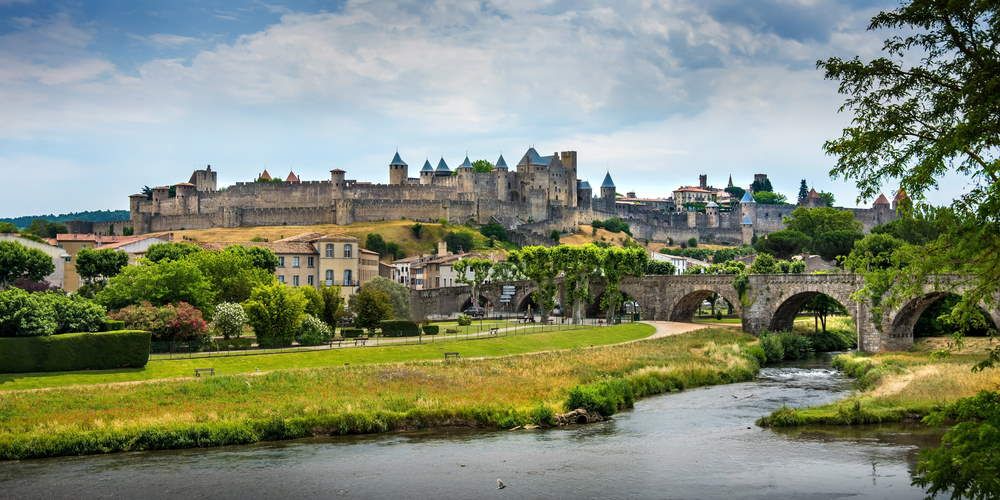
3. Carcassonne, the fortified medieval city
Listed as a UNESCO World Heritage site since 1997, the city of Carcassonne is one of the jewels of Occitanie. Visiting Carcassonne transports visitors to the heart of the Middle Ages, with its 52 towers and three kilometers of perfectly preserved ramparts. This exceptional fortress, restored in the 19th century by Viollet-le-Duc, majestically dominates the Aude valley.
The comtal castle, the Saint-Nazaire basilica with its dazzling stained glass windows and the cobbled streets of the upper city offer an unforgettable journey through Cathar history. Let yourself be guided by the Ryo itinerary to discover all the secrets of this unique medieval citadel in Europe.
4. Albi, the red city and Toulouse-Lautrec
Listed as a UNESCO World Heritage site, Visiting Albi reveals an exceptional episcopal city dominated by its Sainte-Cécile cathedral. This red brick fortress, the world's largest brick cathedral, houses spectacular Renaissance frescoes and a unique flamboyant Gothic rood screen in France.
The Berbie Palace, former residence of bishops, today houses the Toulouse-Lautrec museum (place Sainte-Cécile, 81000 Albi, rated 4.4/5 on Google for 3200 reviews), which brings together the world's most important collection of works by the artist from Albi. The old 11th-century bridge and the banks of the Tarn offer romantic perspectives on this city with timeless charm.
5. Nîmes, the French Rome
Heir to an exceptional ancient heritage, Nîmes fascinates with its perfectly preserved Roman monuments. The Arena of Nîmes (boulevard des Arènes, 30000 Nîmes, rated 4.4/5 on Google for 15800 reviews), a 1st century amphitheater, still hosts shows and bullfights today in a unique authentic setting. The Maison Carrée, a 1st century BC Roman temple, is one of the best preserved ancient buildings in the world.
The Jardins de la Fontaine, laid out in the 18th century around the ancient sacred spring, lead to the Tour Magne, vestige of the Roman wall offering a striking panorama over the city of Gard. This city of art and history admirably combines glorious past and dynamic present.
6. The Canal du Midi, Pierre-Paul Riquet's masterpiece
Listed as a UNESCO World Heritage site since 1996, the Canal du Midi represents an exceptional technical and architectural feat of the 17th century. This 360-kilometer waterway, designed by Pierre-Paul Riquet between 1667 and 1694, connects Toulouse to the Mediterranean by crossing the Naurouze threshold, the watershed between Atlantic and Mediterranean.
The locks of Fonseranes in Béziers, a veritable water staircase composed of eight successive chambers, constitute the most spectacular structure of this revolutionary canal. Navigation on this peaceful waterway, bordered by bicentennial plane trees, offers a unique approach to the Languedoc landscapes and their architectural heritage.
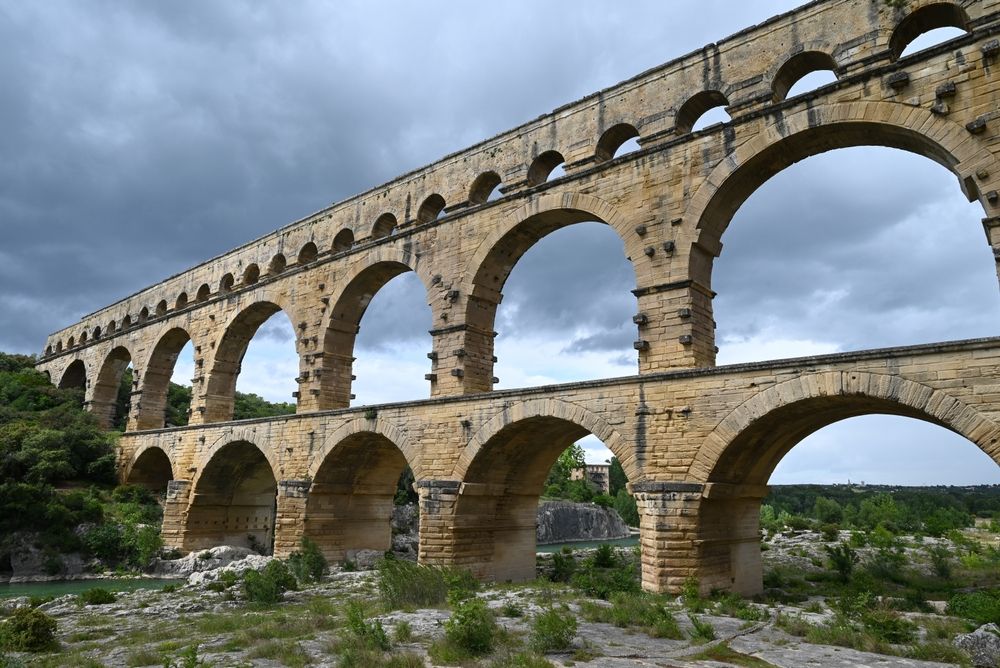
7. The Pont du Gard, monumental ancient aqueduct
The most visited ancient monument in France with more than one million annual visitors, the Pont du Gard impresses with its colossal dimensions and architectural beauty. This 1st-century Roman aqueduct, listed as a UNESCO World Heritage site, rises on three levels of arcades to 49 meters above the Gardon River.
275 meters long, this masterpiece of Roman engineering carried water from the springs of Uzès to Nîmes over 50 kilometers. The developed site offers a modern museum (400 route du Pont du Gard, 30210 Vers-Pont-du-Gard, rated 4.2/5 on Google for 6500 reviews) retracing the history of this extraordinary construction and Gallo-Roman civilization.
8. The Tarn gorges and the Causses
The Tarn gorges offer one of the most spectacular landscapes in Occitanie. This deep cut of 400 to 600 meters carved by the Tarn river between the Méjean and Sauveterre causses reveals vertiginous limestone cliffs punctuated by picturesque villages. Sainte-Enimie, classified among the Most Beautiful Villages of France, nestles in the heart of this exceptional canyon.
The Causses, these desert-like limestone plateaus dotted with chasms and resurgences, constitute a unique ecosystem shaped by millennial agropastoralism. The chaos of Montpellier-le-Vieux, natural rocky chaos with fantastic forms, and the Aven Armand with its giant concretions are among the most remarkable geological curiosities in the region.
9. The Cévennes, national park and UNESCO heritage
The Cévennes National Park, created in 1970, protects an exceptional territory where wild nature and traditional human activities coexist harmoniously. This mid-mountain territory, listed as a UNESCO World Heritage site as cultural landscapes of Mediterranean agropastoralism, harbors remarkable biodiversity including griffon vultures, mouflons and centennial chestnut trees.
Mont Aigoual, at 1567 meters altitude, offers on clear days an exceptional panorama from the Écrins massif to the Pyrenees, from the Mediterranean to Puy de Dôme. The Cevennes valleys, with their dry stone terraces and traditional sheepfolds, testify to an ancestral way of life preserved in a pristine natural environment.
10. The Millau Viaduct, contemporary architectural prowess
Inaugurated in 2004, the Millau viaduct constitutes a major technical and aesthetic achievement of contemporary architecture. Designed by Norman Foster and Michel Virlogeux, this cable-stayed bridge of 2460 meters length culminates at 343 meters above the Tarn, exceeding the Eiffel Tower by 19 meters.
This modern work of art, visited by more than one million people annually, integrates harmoniously into the exceptional landscape of the Tarn valley. The viaduct area (BP 141, 12100 Millau, rated 4.1/5 on Google for 8900 reviews) offers a permanent exhibition dedicated to the construction of this exceptional engineering structure.
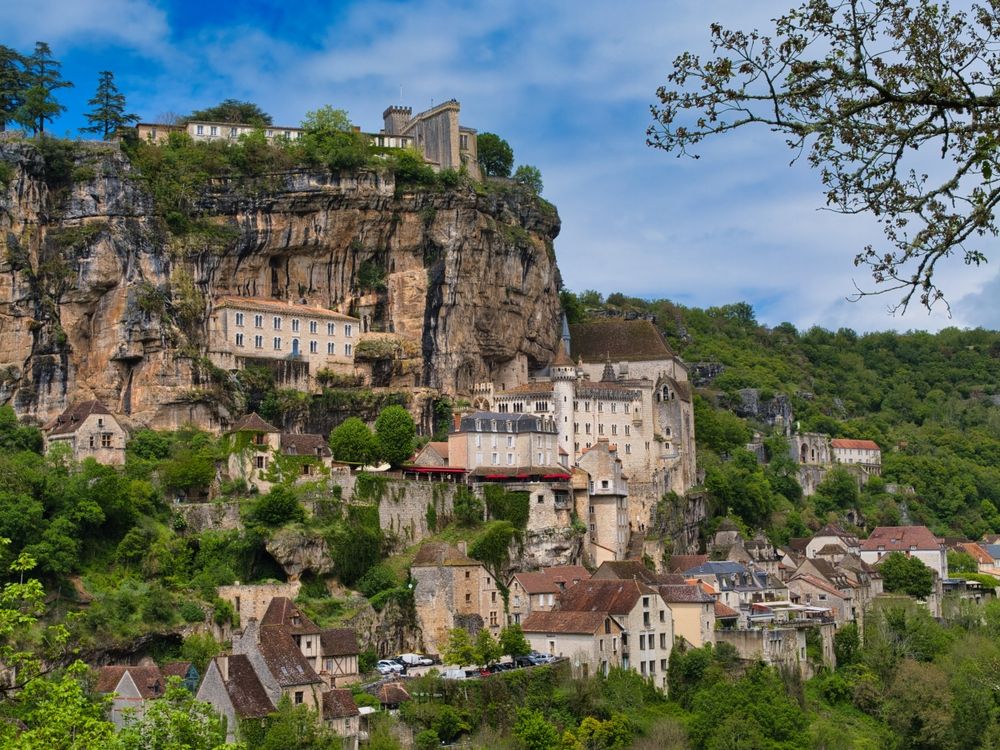
11. Rocamadour, vertical sacred city
Clinging to the cliff face in the Alzou canyon, Rocamadour impresses with its unique urban configuration in the world. This millennial pilgrimage site, major stop on the paths of Saint-Jacques-de-Compostelle, unfolds its sanctuaries, palaces and dwellings on several vertiginous levels dominating the valley by 150 meters.
The Notre-Dame chapel houses the Black Virgin venerated since the 12th century, while the Saint-Sauveur basilica and the Saint-Amadour crypt testify to the religious fervor of this exceptional site classified as UNESCO World Heritage. The castle of the lords of Rocamadour majestically crowns this sacred city.
12. Perpignan and Catalan Roussillon
Former capital of the Kingdom of Majorca, Perpignan preserves an architectural heritage witnessing its glorious Catalan past. The Palace of the Kings of Majorca, a 13th and 14th-century fortress-palace, dominates the city with its crenelated towers and Gothic courtyards of honor. The Saint-Jean-Baptiste Cathedral, a remarkable southern Gothic edifice, houses sumptuous baroque altarpieces.
The Castillet, a 14th-century fortified gate in pink brick, symbolizes Catalan resistance and today houses the Casa Pairal (place de Verdun, 66000 Perpignan, rated 4.1/5 on Google for 1200 reviews), museum of Roussillon folk arts and traditions. The beaches of the Roussillon coast, from Canet-en-Roussillon to Argelès-sur-Mer, harmoniously complete the tourist offer of this region with marked Mediterranean influences.
13. Sète, the singular island and its maritime traditions
Nicknamed the "Venice of Languedoc" due to its canals that crisscross the city, Sète cultivates a unique maritime identity in the French Mediterranean. This port city, founded by Colbert in the 17th century as an outlet for the Canal du Midi, perpetuates secular traditions like water jousting, a summer spectacle where jousters clash on their traditional boats.
Mont Saint-Clair, at 183 meters altitude, offers an exceptional panorama over the Thau lagoon, the Mediterranean and the Pyrenees. The marine cemetery, made famous by Paul Valéry, and the Paul-Valéry museum (rue François-Desnoyer, 34200 Sète, rated 4.2/5 on Google for 850 reviews) celebrate the memory of the local son and authentic Sète culture.
14. Aigues-Mortes, royal bastide of Saint Louis
Founded by Saint Louis in the 13th century as an embarkation port for the Crusades, Aigues-Mortes fascinates with its intact ramparts encircling the rectangular city. This royal bastide, perfectly preserved since the Middle Ages, testifies to the planned urbanism of the Capetian era. The Constance Tower, a 40-meter-high royal keep, served as a prison for Protestant women from the Cevennes after the revocation of the Edict of Nantes.
The salt works of Midi, exploited since Antiquity, produce the fleur de sel of Camargue in a landscape with changing colors according to the seasons. This unique medieval city, surrounded by ponds and salt marshes, constitutes a privileged gateway to the Camargue of Gard and its pink flamingos.
15. Cahors and the Lot valley
Former capital of Quercy, Cahors unfolds its architectural treasures in a spectacular meander of the Lot. The Saint-Étienne Cathedral, a unique Romano-Byzantine edifice in France with its oriental cupolas, houses a 12th-century sculpted tympanum of striking beauty. The Valentré bridge, a 14th-century fortified structure classified as UNESCO World Heritage, is one of the most beautiful medieval bridges in Europe with its three defense towers.
The Cahors vineyards, renowned since Antiquity for their "black wine" rich in tannins, are terraced on the limestone hillsides of the valley. Saint-Cirq-Lapopie, a perched village classified among the Most Beautiful Villages of France, majestically dominates the Lot valley with its perfectly restored Gothic and Renaissance houses.
16. The Occitan Pyrenees and their emblematic peaks
The Occitan Pyrenees offer spectacular mountain landscapes dominated by emblematic peaks like Canigou (2784 m), sacred mountain of Catalans, and Pic du Midi de Bigorre (2877 m) with its centennial astronomical observatory. The Gavarnie cirque, classified as UNESCO World Heritage, impresses with its 1400-meter-high rocky walls and its 422-meter cascade, one of the highest in Europe.
Lourdes, second world pilgrimage destination after Rome, welcomes six million annual visitors who come to venerate Our Lady of Lourdes in the sanctuaries built around the Massabielle grotto. Pic d'Anie (2504 m) and the Kakuetta gorges complete this exceptional natural heritage where Béarnaise pastoral traditions and preserved wild landscapes blend.
17. Occitan gastronomy, between land and sea
Occitanie cultivates a generous gastronomy drawing its flavors from the diversity of its terroirs. Cassoulet, emblematic dish based on white beans, duck confit and Toulouse sausage, varies according to local traditions of Castelnaudary, Carcassonne or Toulouse. The wines of Languedoc-Roussillon, from Corbières to Minervois via Saint-Chinian and Faugères, harmoniously accompany this cuisine of the sun.
Nîmes brandade, Aubrac aligot, Sète tielle with octopus and Bouzigues oysters testify to the regional culinary richness. The colorful markets of Toulouse, Montpellier or Perpignan abound with local products: goat cheeses from Causses, lavender honey, Lucques olives and Cevennes pélardon compose this authentic Mediterranean taste palette.
18. Festivals and Occitan traditions
Occitanie vibrates to the rhythm of prestigious festivals celebrating arts, traditions and Occitan culture. The Avignon Festival, international theatrical gathering in July, transforms the city of popes into the world capital of performing arts. The Chorégies d'Orange offer operas and concerts in the exceptional setting of the ancient theater, while Jazz in Marciac animates this Gers village each summer with Afro-American rhythms.
The ferias of Nîmes and Béziers perpetuate Mediterranean bullfighting traditions in a unique festive atmosphere. The Occitan language, historically spoken throughout southern France, is reborn through calandretas (schools in Occitan) and cultural festivals like l'Estivada de Rodez or the Troubadours of Occitan song.
In conclusion, Occitanie reveals itself as an exceptional tourist destination where millennial heritage, grandiose landscapes and Mediterranean art of living compose a harmonious symphony. This multi-faceted region, from Pyrenean peaks to Mediterranean shores, from wild causses to renowned vineyards, invites permanent discovery and wonder. Whether you are passionate about history, nature lover or epicurean gourmet, Occitanie will fulfill all your expectations thanks to its extraordinary diversity and preserved authenticity. Let yourself be guided by the Ryo itineraries to explore in depth this fascinating region that will never cease to surprise you at every turn.
FAQ
What is the best time to visit Occitanie?
Occitanie is ideally visited from May to October to fully enjoy the Mediterranean climate. Spring (May-June) and autumn (September-October) offer pleasant temperatures and less tourist crowds. Summer allows you to enjoy beaches and festivals, while winter remains mild on the coast and allows you to discover Pyrenean ski resorts.
How much time is needed to visit Occitanie?
A minimum of one week allows you to discover the major sites (Toulouse, Carcassonne, Montpellier, Pont du Gard). For a thorough exploration including the Pyrenees, Cevennes and coastline, count 15 days to 3 weeks. Ryo tours allow you to optimize each urban visit in 1 to 2 days per city.
What are the UNESCO sites not to miss in Occitanie?
Occitanie has 8 World Heritage sites: Canal du Midi, Pont du Gard, city of Carcassonne, episcopal city of Albi, Causses and Cévennes, paths of Saint-Jacques-de-Compostelle, Pyrénées-Mont Perdu and the prehistoric cross-border property with Spain. These exceptional sites alone justify a trip to Occitanie.
How to get around in Occitanie?
The car remains the most practical means to explore regional diversity. The train efficiently serves major cities (Toulouse, Montpellier, Nîmes, Perpignan) via TGV. Urban public transport allows visiting historic centers, particularly suitable for Ryo walking itineraries that optimize the discovery of each city.