
Créé par Romane, le 14 mai 2026
Votre guide Ryo
© Shutterstock
Frankfurt has a reputation as a transit city, a quick stopover between flights, a night before heading somewhere else. That reputation is wrong. Behind the glass towers of the financial district, this city hides a medieval old town rebuilt stone by stone after World War II, one of Europe's densest clusters of world-class museums per square kilometre, and a riverside culture that comes alive on warm evenings. If you're looking for things to do in Frankfurt that go beyond the standard checklist, you'll find the city keeps surprising you. The Ryo Frankfurt Ryocity, our audio-guided walking route, can help you navigate the layers, from Roman foundations to 21st-century architecture, without missing the stories hidden in plain sight.
Expect a zoo with white rhinos open 365 days a year, a natural history museum with a complete diplodocus skeleton that dates to 1907, and an apple wine quarter where locals have been gathering since the 18th century. The Städel Museum holds 700 years of European masterpieces in a single building. The Maintower offers the only publicly accessible rooftop in the entire Frankfurt skyline. And Römerberg square looks, at first glance, like it escaped the bombs entirely, until you learn the whole thing was reconstructed in 1983. These are the stories that make Frankfurt worth more than a day.
1. Explore Römerberg, Frankfurt's Medieval Heart
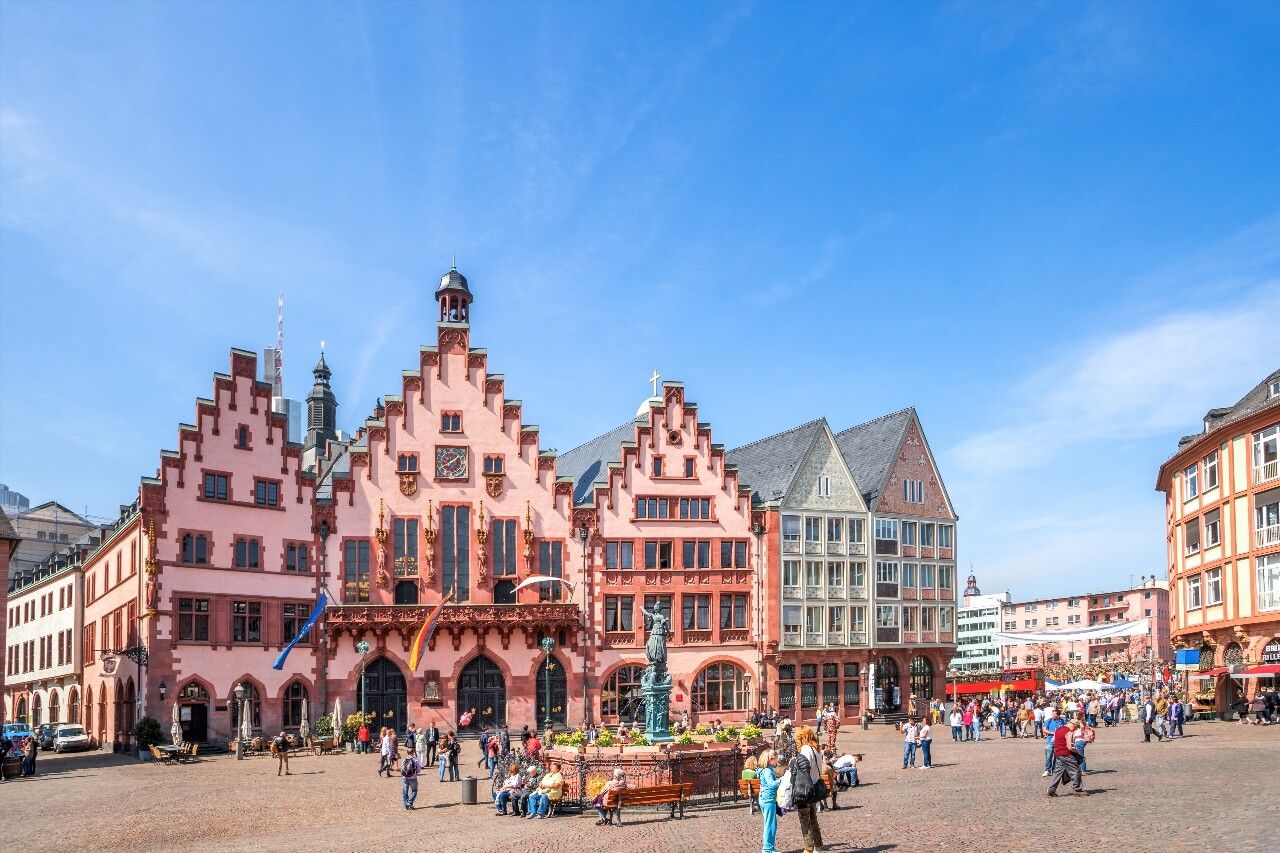
Römerberg (Römerberg, 60311 Frankfurt am Main, rated 4.6/5 on Google (28K reviews)) is the historic core of Frankfurt, a cobblestoned square flanked by timber-framed houses and the grand Römer City Hall. The name comes from the Römer itself, a trio of Gothic gabled buildings that have served as the seat of Frankfurt's city government since 1405. What catches visitors off guard is that almost everything you see was rebuilt after Allied bombing in 1944 destroyed roughly 85% of the old city. The reconstruction, completed in 1983, followed original floor plans and elevations with meticulous care.
The square hosts Frankfurt's famous Christmas market from late November through 23 December, drawing well over two million visitors annually with stalls of Glühwein, gingerbread hearts, and hand-carved nativity figures. In warmer months, the pavement fills with café tables and the Fountain of Justice (Gerechtigkeitsbrunnen) at the centre becomes a popular meeting point, water spilling from the four allegorical figures of Justice, Wisdom, Temperance, and Charity. Give yourself at least an hour here. The Römer's interior is open to visitors during business hours, and the view from the balcony overlooking the square is one of the city's best kept photographic secrets.
Look closely at the timber-framed façades on the east side of the square, the Ostzeile, those five reconstructed houses (the Grosser Engel, the Goldener Greif, the Wilder Mann, the Kleiner Dachsberg, and the Schwarzer Stern) were rebuilt between 1981 and 1983 following surviving photographs and architectural drawings. The Steinernes Haus on the south side, originally built in 1464, is the rare example of a stone medieval merchant house that survived; its current form blends original masonry with post-war restoration. If you arrive on a Sunday morning, the square is quieter and you can actually see the architecture without dodging selfie sticks. The Frankfurt tourist information office sits directly on the square at the Römer entrance, useful for tickets to the Kaiserdom tower climb or a Ryo Ryocity audio pass that bundles several nearby sites.
2. Climb the Maintower for Skyline Views
Of the dozen skyscrapers that define Frankfurt's distinctive skyline, only one lets you stand on top of it. The Maintower (Neue Mainzer Strasse 52-58) rises 200 metres above street level, and the public observation deck on the 54th floor is open year-round. On clear days, the view extends across the Taunus hills to the north and the Odenwald forest to the south, with the Main River threading through the city below.
Entry costs around €9 for adults, making it one of the better-value viewpoints in any major European city. The tower also has a restaurant on the 53rd floor if you want to extend the experience into dinner with a panorama. Go at dusk, when the glass towers light up and the river reflects the sky, it's a completely different city from up here.
3. Visit Kaiserdom St. Bartholomäus
Kaiserdom St. Bartholomäus (Domplatz 1, 60311 Frankfurt am Main, rated 4.6/5 on Google (7 964 avis)), Frankfurt's imperial cathedral, stands at the edge of Römerberg, its red sandstone tower rising 95 metres above the old town. Despite the name, it was never a bishop's seat; the title « Dom » (cathedral) was earned because Holy Roman Emperors were elected here between 1356 and 1792, and ten of them were also crowned within these walls.
The interior is a Gothic masterpiece, its nave dating back to the 14th and 15th centuries. Look for the Wahlkapelle (Election Chapel) on the north side, where the seven prince-electors would deliberate during imperial elections, a room that effectively shaped European politics for four centuries. The cathedral treasury holds coronation regalia and vestments that survived the bombs in fireproof storage. Admission to the main nave is free; the museum and tower climb cost a small fee.
4. Stroll the Museumsufer (Museum Embankment)
Few cities in Europe have concentrated so much cultural weight along a single stretch of riverbank. Frankfurt's Museumsufer (Museum Embankment) runs along the south side of the Main River for roughly 2 kilometres, lined with 15 museums in elegant 19th-century villas and purpose-built modern buildings. It's not a single institution but a curated procession, you choose the museums that interest you and simply walk between them.
The anchor institutions are the Städel (painting, discussed separately), the Liebieghaus Sculpture Museum, the Museum of World Cultures (Weltkulturen Museum), the German Film Museum, and the Museum of Architecture. The last two share a building and often run complementary exhibitions exploring how cinema and urban design shape each other. A single day here would require you to be ruthless about what to skip.
The embankment itself is worth experiencing on a Saturday morning, when the Schaumainkai flea market stretches along the pavement for several hundred metres. Dealers set up from roughly 9am to 2pm, selling books, vinyl records, vintage clothing, and Frankfurt memorabilia. Even if you don't buy anything, watching the city do its weekend ritual along the river is a pleasure in itself. The path between museums becomes a social space, families with prams, cyclists, and groups sharing food from the nearby market stalls. Give yourself a full day if you want to enter two or three museums properly.
5. Wander Sachsenhausen and the Apple Wine Quarter
Sachsenhausen sits just south of the Main River, accessible via the Eiserner Steg or any of the bridges nearby. Historically a separate village from Frankfurt proper, it was absorbed into the city in 1318 but has retained a distinct character. The streets are narrower here, the buildings lower, and the pace noticeably slower than the financial district a kilometre away.
The neighbourhood is best known as the home of Frankfurt's apple wine (Ebbelwoi) culture, more on that below, but it's also a genuinely pleasant place to walk without any agenda. Alt-Sachsenhausen (Dreikönigstraße, 60594 Frankfurt am Main, rated 4.3/5 on Google (110 avis)), the oldest part of the quarter, has narrow cobblestone lanes flanked by traditional half-timbered houses that predate the war and actually survived it. Klappergasse, Paradiesgasse, and the streets around Dreikönigstrasse reward slow exploration. The mix of independent restaurants, wine bars, and local shops gives the area a lived-in quality that the more tourist-heavy Römerberg area sometimes lacks.
6. Discover the Städel Museum
The Städel Museum (Schaumainkai 63, 60596 Frankfurt am Main, rated 4.6/5 on Google (12 332 avis)) is one of Germany's great art museums, and by most measures one of the best in continental Europe. Founded in 1815 by banker Johann Friedrich Städel, whose private collection formed its nucleus, the museum today holds over 3,100 paintings, 660 sculptures, more than 4,600 photographs and over 100,000 drawings and prints spanning 700 years of European art history, from the Early Middle Ages to the present day.
The permanent collection spreads across three floors. The Old Masters galleries include Botticelli's The Ideal City, Vermeer's The Geographer (one of only 34 authenticated Vermeer paintings in the world), Rembrandt's self-portrait from 1629, and Cranach the Elder's extraordinary Venus of 1532. The 19th-century rooms cover German Romanticism and French Impressionism side by side, a pairing that reveals as much by contrast as by similarity. On the ground floor, the contemporary wing opened in 2012, built largely underground to preserve the garden above.
Plan for at least three hours if you want to cover the highlights; the audio guide, included in the admission price, is unusually well written and genuinely adds context that wall labels can't provide. The museum café in the garden is a good midday stop, particularly in summer when tables spill outside. Admission is around €18 for adults, with reduced rates on Fridays from 8pm to 10pm when the museum stays open late. Book online in advance during peak season, the Vermeer rooms in particular draw crowds.
7. Cross the Eiserner Steg (Iron Bridge)
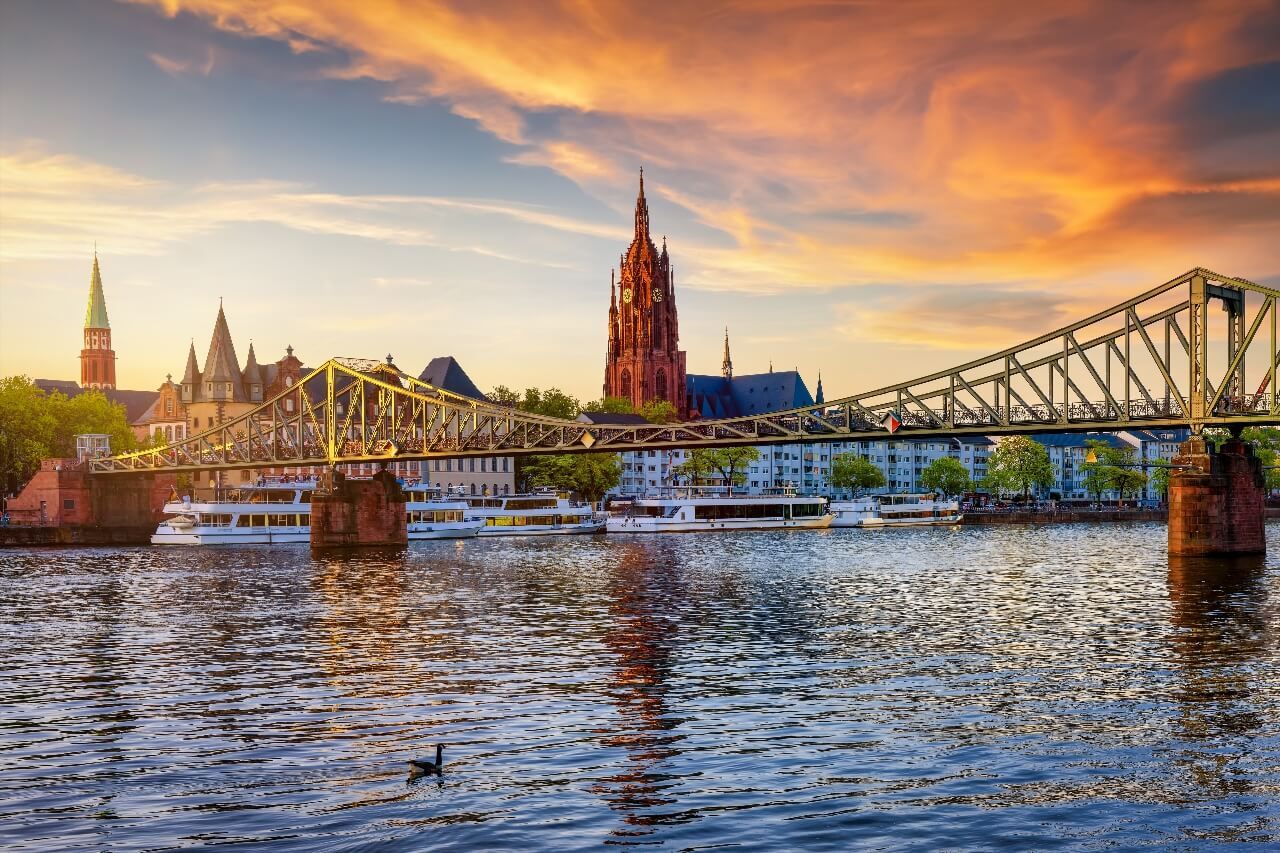
The Eiserner Steg (Eiserner Steg, 60311 Frankfurt am Main, rated 4.6/5 on Google (7.8K reviews)) is Frankfurt's iron footbridge, originally opened on 29 September 1869 and one of the first iron bridges in Germany. The current structure is a faithful rebuild from 1946, after the wartime version was destroyed. It connects the Römerberg side of the river to Sachsenhausen in a graceful arc, and the walk across takes less than five minutes, but most people linger considerably longer.
The bridge is covered in padlocks, a tradition that started around 2004 when couples began fastening locks to the railing and throwing the keys into the river below. Thousands of locks now cover every available surface of the railings, each one painted or engraved with names and dates. Whether you find the custom charming or slightly alarming, the view from the bridge's midpoint, looking east toward the Dom, looking west toward the glassy bank towers, is worth the short walk regardless.
8. Shop and Snack at Kleinmarkthalle
Kleinmarkthalle (Hasengasse 5-7, 60311 Frankfurt am Main, rated 4.6/5 on Google (16 015 avis)) has been Frankfurt's covered market since 1954, occupying a handsome post-war building near the Römerberg on Hasengasse. Around 150 vendors operate here across three floors, selling everything from local cheeses and fresh bread to Turkish spices, exotic fruits, fresh fish, and butcher counters that open at 7am.
For visitors, it works best as a place to eat rather than shop. The upper gallery level has wine and snack bars where you can stand with a glass of German Riesling and a plate of charcuterie for a few euros. The stalls on the ground floor sell ready-to-eat items, grilled sausages, fried fish, fresh juice, and the indoor market atmosphere is genuinely lively on weekday mornings. Go between 9am and noon for the best selection and the most authentic crowd. The market closes on Sundays.
9. Explore the Palmengarten Botanical Garden
Frankfurt's Palmengarten is one of Germany's largest botanical gardens, covering 22 hectares in the Westend district. Founded in 1869, the garden was created to house a royal collection of tropical plants from the Duchy of Nassau, plants that needed indoor greenhouses to survive German winters, and which have been maintained and expanded ever since.
The main draw is the collection of glasshouses: a tropical house where humidity hits you as soon as you step through the door, a cactus and succulent house with specimens that date back over a century, and a temperate house with tree ferns and carnivorous plants. Outside, the garden has a rose garden with over 1,200 varieties, a Japanese landscape garden, and a dedicated children's area. Outdoor concerts run through the summer months, and the garden hosts a popular Christmas market in December. Admission is around €7 for adults, reasonable for a garden that warrants a full half-day visit.
10. Tour the Goethe House and Museum
Johann Wolfgang von Goethe, poet, novelist, dramatist, scientist, and polymath, was born in Frankfurt on 28 August 1749, in a house that still stands on Großer Hirschgraben, roughly five minutes' walk from Römerberg. The Goethe House is one of Germany's most visited literary sites, and unlike many « birthplace » museums that feel perfunctory, this one genuinely delivers.
The house was rebuilt after wartime destruction using the original furnishings that had been evacuated before the bombing. Four floors take you through the domestic world of an 18th-century upper-middle-class Frankfurt family: the kitchen, the formal dining room, the library where Goethe's father amassed over 2,000 volumes, and the study on the top floor where young Johann began writing the works that would define German literature. The adjoining Goethe Museum displays portraits, manuscripts, and scientific apparatus connected to his life and work.
A visit takes about 90 minutes if you use the included audio guide. The museum also runs evening lecture events on a regular schedule, check the website before you visit. Admission is around €10 for adults, with combined tickets available for the house and museum.
11. See the Skyline from Nizza Park
Nizza Park is a riverside strip of garden on the north bank of the Main, tucked between the Untermainbrücke and the Friedensbrücke. What makes it unusual for Frankfurt is the microclimate: the park is sheltered from north winds by the embankment wall, which traps enough warmth to allow Mediterranean plantings, fig trees, oleander, date palms, that have no business thriving this far north. The effect, especially in summer, is distinctly southern.
The real reason to come here is the view. From the low stone wall at the river's edge, you look directly across the water at the Frankfurt skyline framed by the arch of the Untermainbrücke. It's the angle you see on postcards, and on the Ryo Frankfurt Ryocity audio tour, which stops here to explain how the skyline grew from almost nothing in the 1970s to its current form.
12. Visit the Jewish Museum Frankfurt
The Jewish Museum Frankfurt (Bertha-Pappenheim-Platz 1, 60311 Frankfurt am Main, rated 4.7/5 on Google (1 318 avis)) (Jüdisches Museum Frankfurt) is one of Germany's most important institutions documenting the history and culture of Jewish life in Germany. Housed in the former Rothschild Palais on the Untermainkai, the family sold it to the city in 1901, the museum underwent a major expansion and reopened in 2020 after five years of renovation.
The permanent exhibition covers Jewish life in Frankfurt from the medieval period to the present, paying particular attention to the Judengasse, the Jewish quarter that existed in Frankfurt from 1462 until 1796, when Jews were finally granted citizenship rights in the city. Frankfurt had one of the most significant Jewish communities in Central Europe; the Rothschild banking dynasty originated here, and the community's intellectual and commercial contributions to the city shaped it profoundly. The museum addresses this history without flinching, including the persecution under National Socialism. The architectural integration of the new building with the historic Rothschild Palais is itself worth noting, the two structures are connected underground. Admission is around €12 for adults.
13. Take a Main River Cruise
Frankfurt looks completely different from the water. The Primus Linie company operates scheduled boat trips on the Main River year-round, with a more extensive summer schedule from April through October. The standard city tour covers roughly 5 kilometres upstream and back, taking about an hour and a half.
The boats depart from the Eiserner Steg landing stage on the Römerberg side of the river. As you head upstream, you pass the Museumsufer on the south bank, then the Sachsenhausen neighbourhood and the bridges connecting both sides. Heading back downstream, the view of the Dom and the old town from the river is unlike anything you get on foot. Evening cruises include dinner options, worth considering for a special occasion. Ticket prices start at around €13 for adults for the standard tour.
14. Explore the Senckenberg Natural History Museum
The Senckenberg Natural History Museum (Senckenberganlage 25, 60325 Frankfurt am Main, rated 4.6/5 on Google (4 321 avis)) (Senckenberg Naturmuseum) is the largest natural history museum in Germany by attendance, and its collection of 40 million specimens makes it among the most significant in the world. Founded in 1817, it sits in a monumental Wilhelminian building near the university and the Palmengarten.
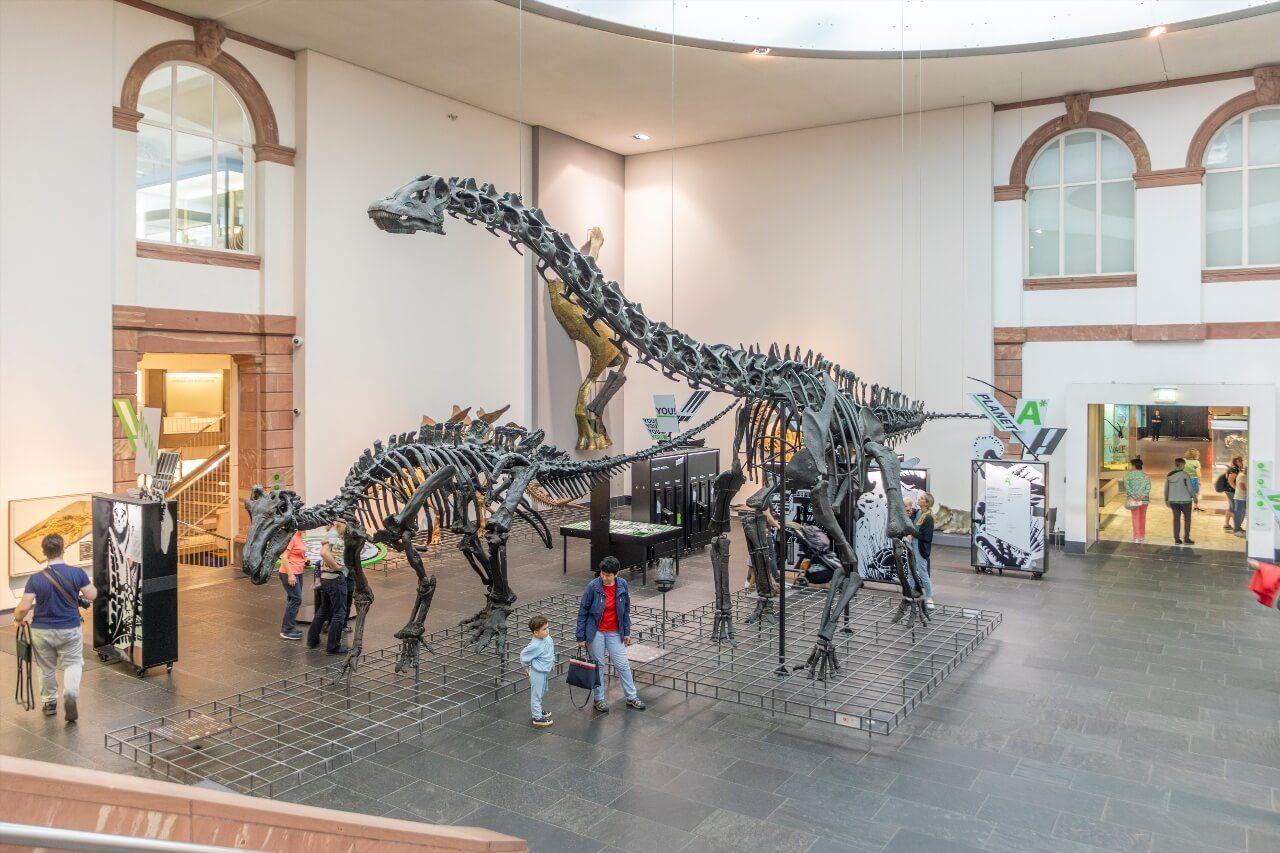
The undisputed centrepiece is the dinosaur hall, which holds the largest collection of original dinosaur skeletons on display anywhere in Germany, including a complete Diplodocus skeleton that arrived here in 1907 as a gift from the American Museum of Natural History in New York, donated for the inauguration of the present museum building on 13 October 1907. The mounted skeleton stretches roughly 18 metres across the main hall, sourced from Bone Cabin Quarry in Wyoming, and remains the only original Diplodocus skeleton on display anywhere outside the United States. Surrounding it are Tyrannosaurus rex specimens, original fossils from the Messel Pit (a UNESCO World Heritage Site 35 km southeast of Frankfurt), and a Triceratops skull.
Beyond dinosaurs, the museum covers oceanography, human evolution, botany, and meteorites in permanent galleries. The children's section is one of the best-designed in the city, with hands-on exhibits that hold young visitors' attention genuinely well. Allow two to three hours for a thorough visit. Admission is around €12 for adults; children under 6 enter free.
15. Discover Berger Strasse and the Bornheim Quarter
Berger Strasse is Frankfurt's longest shopping street and one of its most genuinely local. Running from the Bornheim neighbourhood into the Nordend district, it stretches for nearly 3 kilometres and combines independent shops, bakeries, wine bars, bookshops, and restaurants in a way that feels organic rather than curated for tourism.
The Bornheim end has the older, more settled character, this was once a village outside the city walls, and the pace still shows. On Saturdays, the area around Bornheimer Warte has a small farmers' market. The coffee shops and brunch spots along the street fill up late on weekend mornings with a young, local crowd. If you want to see Frankfurt the way Frankfurt residents actually live it, this is the neighbourhood to visit. It's easily accessible by U-Bahn (U4 to Bornheim Mitte or Merianplatz).
16. Visit the Historic Frankfurt Zoo
Frankfurt's Zoo (Zoologischer Garten Frankfurt) is one of the oldest zoos in the world, founded in 1858, and it consistently ranks among the top zoological institutions in Europe, both for the welfare standards of its enclosures and the diversity of its collection. Around 4,500 animals from over 510 species live here, on a site that covers about 11 hectares in the middle of the city, making it the second oldest zoo in Germany after Berlin.
The zoo is open 365 days a year, which alone makes it one of the most reliably accessible attractions in Frankfurt. The nocturnal animal house, called the Grzimek House after the zoo's legendary post-war director Bernhard Grzimek, is consistently the most popular exhibit, it operates on a reverse-lighting schedule that allows visitors to observe animals like bush babies, lorises, and naked mole rats during their active nocturnal hours. The effect is genuinely fascinating, even for adults.
The big mammal enclosures include African white rhinos, a rare sight in European zoos, along with African elephants, gorillas, and a newly expanded big cat area with lions and Amur leopards. The Exotarium aquarium and terrarium complex is a museum-within-a-zoo, with freshwater and marine exhibits alongside one of Europe's more impressive reptile collections. Children are well served by a dedicated children's zoo and a large play area near the main entrance.
Admission is around €18 for adults; children under 6 enter free, and the zoo runs evening events in summer that are worth checking in advance.
17. Explore the Schirn Kunsthalle
Schirn Kunsthalle Frankfurt (Römerberg 6, 60311 Frankfurt am Main, rated 4.4/5 on Google (4 299 avis)) sits between Römerberg and the Kaiserdom and runs only temporary exhibitions, no permanent collection. The programme changes several times a year and has covered Egon Schiele, the Surrealists, and major contemporary retrospectives. Admission €10 : 14. Check the current show before you go.
18. Take a Day Trip to Heidelberg
Heidelberg sits 80 kilometres south of Frankfurt along the Neckar River, reachable in under an hour by direct train from Frankfurt Hauptbahnhof. It's one of Germany's most visited cities, and for good reason: the old town survived World War II virtually intact, the 14th-century castle above the city is one of the most romantic ruins in the German-speaking world, and the combination of a working medieval university (founded 1386) and a walkable old town gives the place an intellectual atmosphere that Frankfurt can't quite match.
Arrive by 9am to beat the tour groups. Walk directly from the station to the Alte Brücke (Old Bridge) for the classic view up toward the castle, then take the Burgweg footpath up through the gardens to the ruins. The castle's terrace gives a view over the old town and the Neckar valley that justifies the entire trip. Come back down for lunch in the Altstadt before catching a late-afternoon train back. The Philosophenweg (Philosophers' Walk) along the hill opposite the castle is worth the climb if you have energy, the view from up there takes in the whole valley.
19. Catch a Show at the Alte Oper
Alte Oper (literally « Old Opera House ») is Frankfurt's 19th-century concert hall, occupying a magnificent neo-Renaissance building on Opernplatz in the Innenstadt. Destroyed in the war and left as a burned-out shell for decades, Frankfurters nicknamed it the « most beautiful ruin in Germany », it was finally rebuilt and reopened in 1981 as a concert hall rather than an opera house (Frankfurt's modern opera moved to a newer venue).
The main hall seats 2,500 people and hosts the Frankfurt Symphony Orchestra, touring orchestras, international soloists, and jazz concerts. The acoustics in the rebuilt auditorium are very good, and the building's exterior, particularly at night when the neoclassical facade is lit, is one of the most photographed in the city. Even if you don't attend a performance, Opernplatz and its fountain are worth visiting in the evening, when the square fills with people after work.
20. Visit the Museum of Modern Art (MMK)
The Museum of Modern Art Frankfurt (MMK, Museum für Moderne Kunst) is one of Germany's leading contemporary art institutions, housed in a distinctive wedge-shaped building designed by Viennese architect Hans Hollein and completed in 1991. The building itself, nicknamed « the slice of cake » by locals because of its triangular footprint, is a work of architecture as much as a container for art.
The MMK's permanent collection focuses on international contemporary and pop art from the 1960s onward, with significant holdings in works by Joseph Beuys, Roy Lichtenstein, Andy Warhol, and Cy Twombly. The museum has expanded to occupy three separate Frankfurt buildings (MMK 1, MMK 2, MMK 3), with the latter two hosting temporary exhibitions. The programming is ambitious and sometimes deliberately unsettling, this is not a museum that wants to be comfortable. Admission is around €16 for adults. The MMK works well combined with a visit to the nearby Schirn if you're spending a full day on contemporary art.
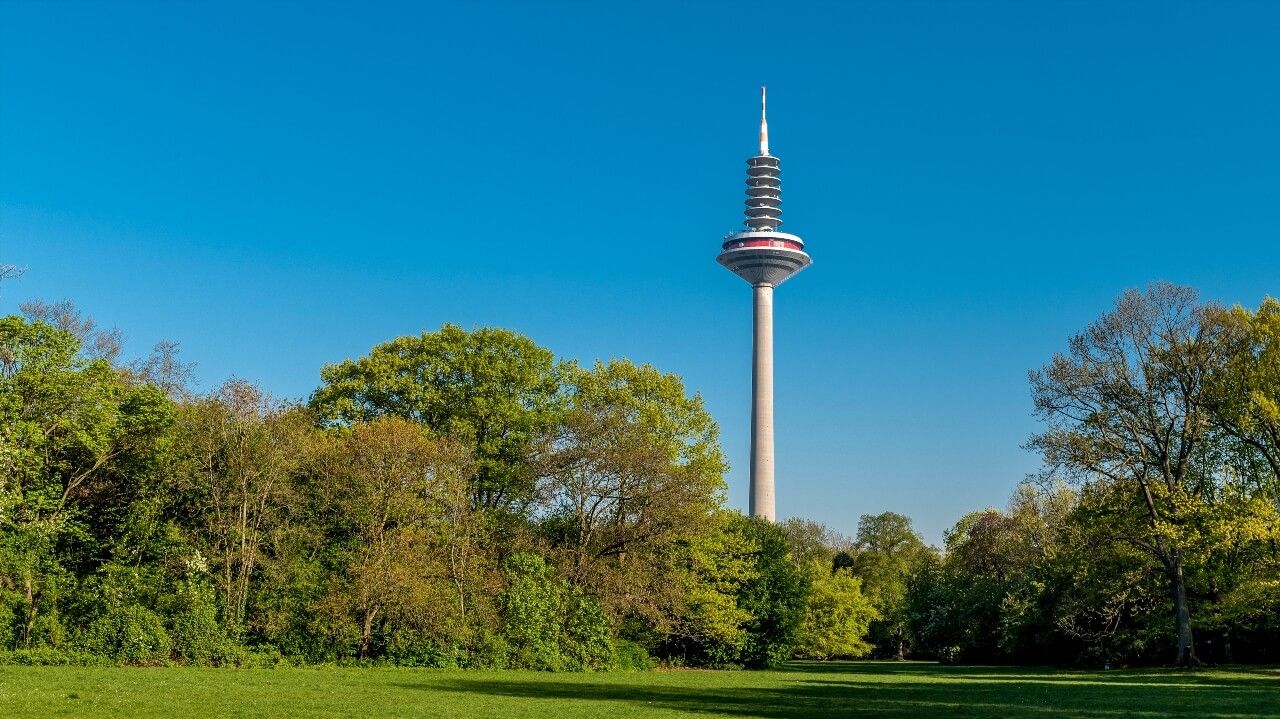
21. Walk the Grüneburgpark on a Sunday Morning
Grüneburgpark (Grüneburgpark, 60322 Frankfurt am Main, rated 4.7/5 on Google (4 199 avis)) is Frankfurt's most popular public park, 29 hectares of open lawns, mature trees, and gentle slopes in the Westend district, a short walk from the Palmengarten. On Sunday mornings it fills with runners, dog walkers, families with children, and groups playing frisbee or stretched out on the grass in warmer months.
The park was originally the private estate of the Rothschild family, acquired by the city of Frankfurt in 1935 after the family was forced to flee Nazi Germany. The formal gardens from that era are largely gone; what remains is a looser, more democratic green space. Come here if you want to see how a German city spends its Sunday mornings, away from the museums and tourist sites.
22. Try Handkäse mit Musik at an Ebbelwoi Pub
Frankfurt has a food and drink tradition completely its own, and it centres on two things: Ebbelwoi (apple wine, also written Äpfelwein) and the foods served alongside it. Of these, Handkäse mit Musik is the one that visitors either love immediately or need a second attempt to appreciate. It's a pungent, small round of sour milk cheese, Handkäse means « hand cheese », referring to how it was historically shaped, served with raw onion rings, caraway seeds, vinegar, and oil. The « music » in the name is old Frankfurt slang for the digestive consequences.
The best place to eat and drink this way is in one of the traditional Ebbelwoi pubs (Ebbelwoi-Wirtschaften) in Alt-Sachsenhausen: establishments like Zum Wagner, Adolf Wagner, or Dauth-Schneider have been serving the same menu for generations. You order your Ebbelwoi in a blue-painted stoneware jug called a Bembel, which holds about a litre, and you drink it with food at communal wooden tables. The whole experience is one of the few genuinely local rituals left in a major German city, worth seeking out even if you're only in Frankfurt for a day.
23. Explore the Imperial Cathedral Tower
The Kaiserdom tower climb is a separate experience from the main cathedral visit. The tower rises 95 metres and the 328-step staircase has no lift. The reward is a 360-degree view over the old town, river and skyline. Completed in 1514 after nearly two centuries of construction, the climb feels physical and memorable in a way the Maintower's elevator can't match. Good shoes recommended.
24. Discover Ostend and the ECB Building
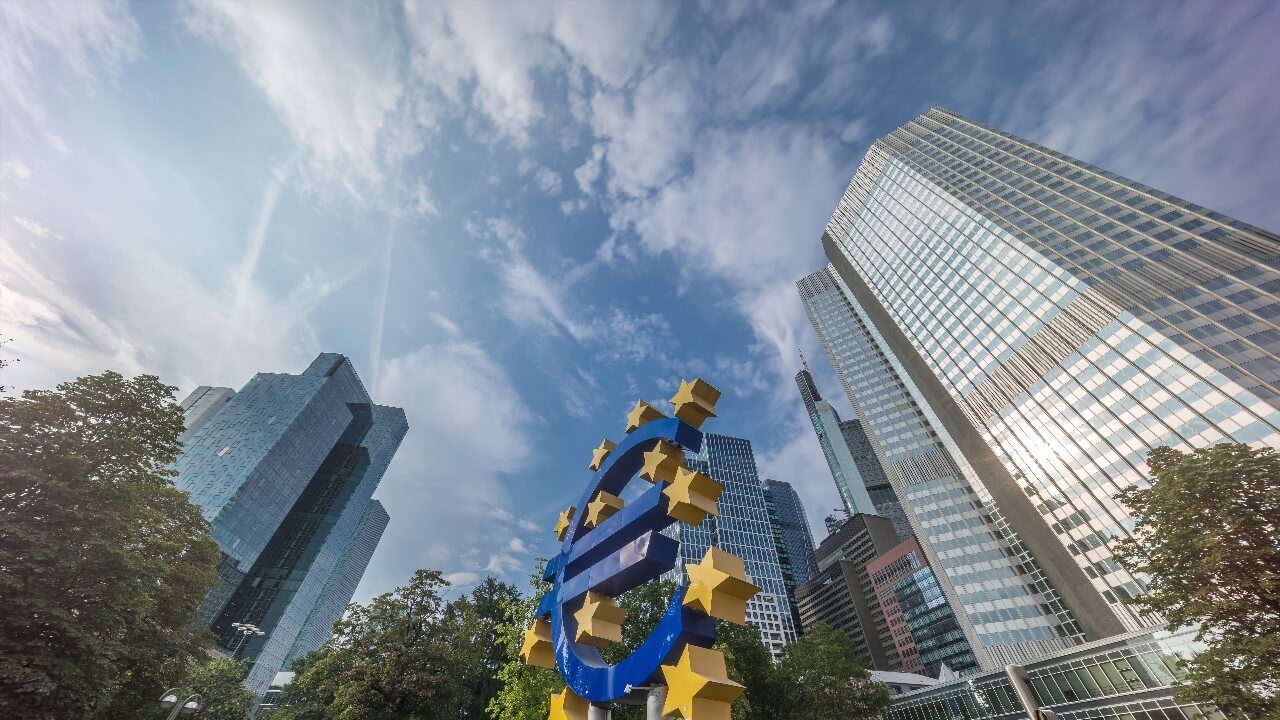
Frankfurt's Ostend district has changed more dramatically in the past decade than almost any other part of the city. Once a working-class industrial quarter, it's now home to the European Central Bank headquarters, a spectacular pair of towers designed by Vienna-based architects Coop Himmelb(l)au and completed in 2015. The towers rise 185 metres from the preserved shell of the former Frankfurt wholesale market hall (Großmarkthalle), a 1928 building that the ECB incorporated into its campus rather than demolish.
You can't enter the ECB without accreditation, but the building's exterior is worth seeing, particularly from the Main embankment path that runs along the south side. The Ostend neighbourhood around it has developed a strong restaurant scene, Hanauer Landstraße has become one of Frankfurt's better dining streets, with restaurants covering Turkish, Vietnamese, Italian, and modern German cuisines within a few hundred metres.
25. Night Out on Schweizer Strasse
Schweizer Strasse in Sachsenhausen runs about 800 metres through wine bars, cocktail spots and restaurants. Before 8pm it's dinner; after 9pm the bars take over. Skip the fixed plan: walk the length once, pick where looks good, and eat.
26. Explore Frankfurt's Street Art in Nordend
Frankfurt Nordend doesn't market itself as a street art neighbourhood, which may be why its murals feel less performative than in cities where the genre has become self-conscious. Wandering between the U-Bahn stations at Eschenheimer Tor and Glauburgstraße, you'll pass building-sized murals, stencilled doorways, and mosaic-tiled panels tucked into corners.
The most concentrated stretch is around Glauburg Strasse and Vogelsbergstraße, where local and international artists have worked alongside each other on blank party walls. Nothing is curated or ticketed, you walk, you look, and occasionally a doorway will open to reveal a courtyard with an entire wall painted floor to ceiling. Combine this with a coffee stop on Berger Strasse (five minutes south) and you have a pleasant morning that feels very different from the museum circuit.
27. Visit the Struwwelpeter Museum
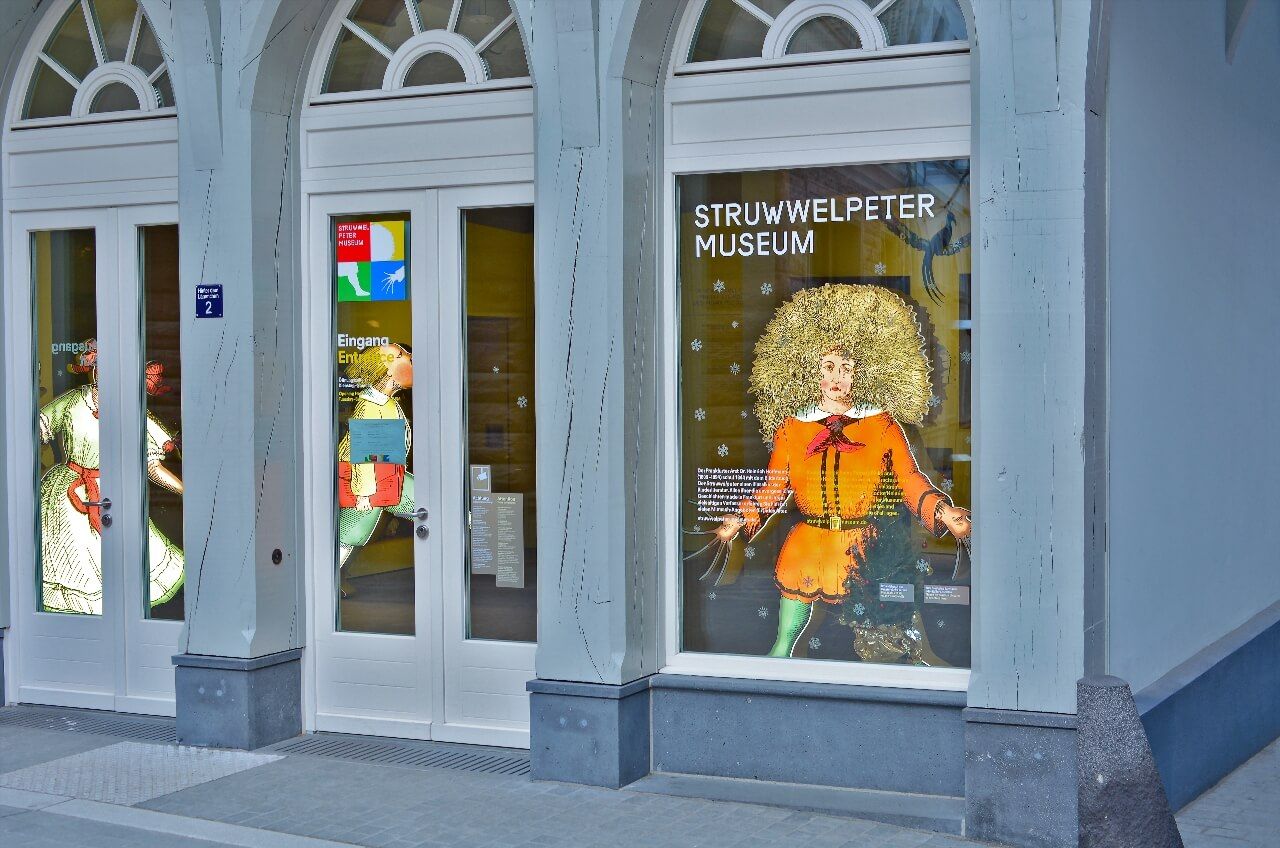
Frankfurt gave the world one of the most peculiar children's books ever written. Struwwelpeter (Shock-Headed Peter) was created in 1844 by Frankfurt physician Heinrich Hoffmann as a Christmas gift for his three-year-old son, after he failed to find a suitable children's book in the shops. The stories, featuring children who refuse to eat their soup, play with matches, or suck their thumbs, all meeting appropriately dramatic consequences, became one of the 19th century's bestselling books worldwide and established the genre of cautionary tales for children.
The Struwwelpeter Museum (Schirn area, near the Römerberg) houses original manuscripts, illustrations, and editions from around the world, the book has been translated into over 45 languages. The museum is small, but the original drawings by Hoffmann are genuinely striking, and the context provided about Victorian-era children's education makes the visit feel more substantive than a simple curio stop. Admission is minimal, and the visit takes about 45 minutes.
FAQ
How many days do you need in Frankfurt?
Two full days are enough to cover the major attractions without feeling rushed. With two days, you can spend the first in the old town area (Römerberg, Kaiserdom, Goethe House, Kleinmarkthalle) and the second exploring the Museumsufer and Sachsenhausen. Three days adds room for the Senckenberg Museum, the Zoo, a neighbourhood walk, and an evening on Schweizer Strasse. One day is possible but requires discipline about what to skip.
Is Frankfurt worth visiting as a tourist?
Yes, more than its transit-hub reputation suggests. Frankfurt has more museums per square kilometre than most European cities, a well-preserved (or meticulously reconstructed) old town, a serious food and drink culture centred on apple wine, and a skyline that is genuinely unique in Germany. Most visitors are surprised by how much the city offers once they look past the airport and the financial district.
What is Frankfurt most famous for?
Frankfurt is most famous internationally for its airport (one of Europe's busiest hubs), its financial district and the European Central Bank, and the Frankfurt Book Fair, the world's largest trade fair for books, held each October. Within Germany, it's equally known for the apple wine tradition, the Goethe birthplace, and Römerberg square.
What is the best area to stay in Frankfurt?
For first-time visitors, the Innenstadt (city centre) or Sachsenhausen are the most convenient bases. Innenstadt puts you within walking distance of Römerberg, the Dom, Kleinmarkthalle, and the Alte Oper. Sachsenhausen is slightly quieter, more atmospheric in the evenings, and a five-minute walk from the Museumsufer. Westend is a good choice for those who prefer a quieter neighbourhood with easy U-Bahn access.
When is the best time to visit Frankfurt?
May to September offers the best weather for exploring on foot, with riverside events, outdoor markets, and long evenings on the Schweizer Strasse terraces. The Frankfurt Book Fair in October brings extra energy to the city. The Christmas market (late November to December 23rd) on Römerberg is one of Germany's most celebrated. Avoid early January, much of the city shuts down after the holidays and the cultural calendar is quiet.
Is Frankfurt expensive for tourists?
Frankfurt is moderately expensive by German standards, roughly on a par with Munich and slightly above Hamburg. Museum admissions are in the €10 : 18 range. A meal at a mid-range restaurant runs €20 : 35 per person including drinks. The U-Bahn and S-Bahn network is efficient and relatively affordable; a 24-hour ticket costs around €8.50 and covers the entire city. Apple wine in a Sachsenhausen pub remains one of the best-value experiences in the city, a full Bembel jug costs around €8 : 10.
Conclusion
Frankfurt rewards visitors who slow down. The city's character doesn't announce itself, it accumulates, through a morning in Kleinmarkthalle, an afternoon in the Städel, an evening in a Sachsenhausen wine bar. The skyline is visible from everywhere, but it's the riverside, the old town, and the neighbourhoods behind the tourist trail that stick with you.
If you want to explore with more depth and context, the Frankfurt Ryocity audio tour from Ryo covers the city's key sites with narrated stops that connect the history to what you're actually looking at, a useful companion for a first visit or a return one. The Ryocity routes are designed to be walked at your own pace, so you can pause at Römerberg, the Städel, or the Eiserner Steg without feeling rushed by a group.