
Créé par Romane, le 7 mai 2026
Votre guide Ryo
© Shutterstock
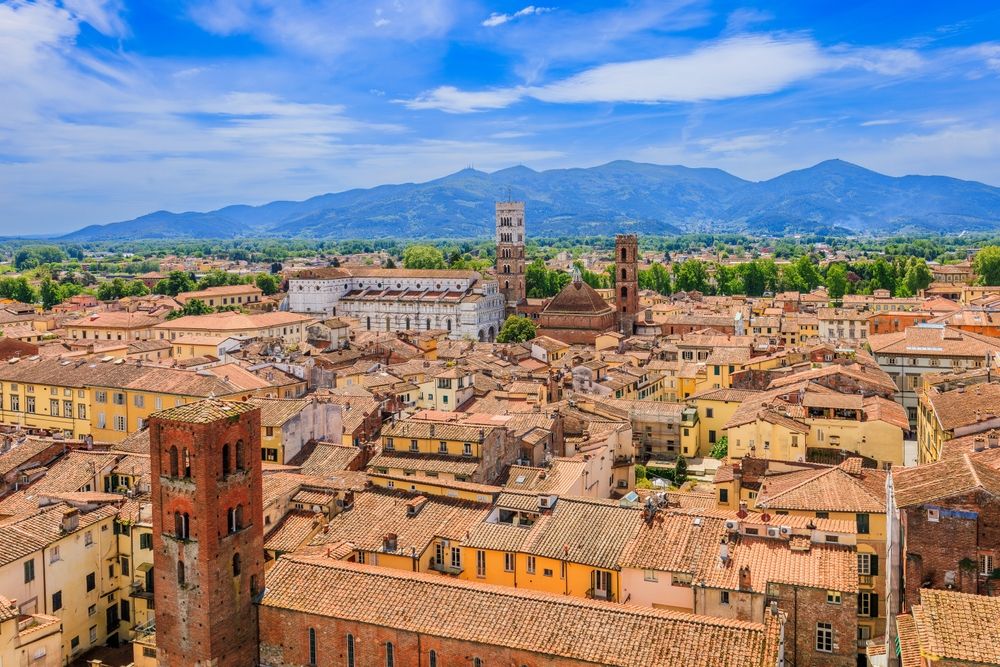
Nestled in the heart of Tuscany, Lucca is a small Italian city that captivates with its preserved authenticity and exceptional heritage. Less touristy than Florence or Pisa, this medieval city surrounded by intact ramparts offers a unique experience to visitors seeking charm and history. Between iconic towers, majestic squares and cobbled streets, discover the 6 must-do things in Lucca to fully enjoy this Tuscan gem.
1. Walk along the ramparts of Lucca
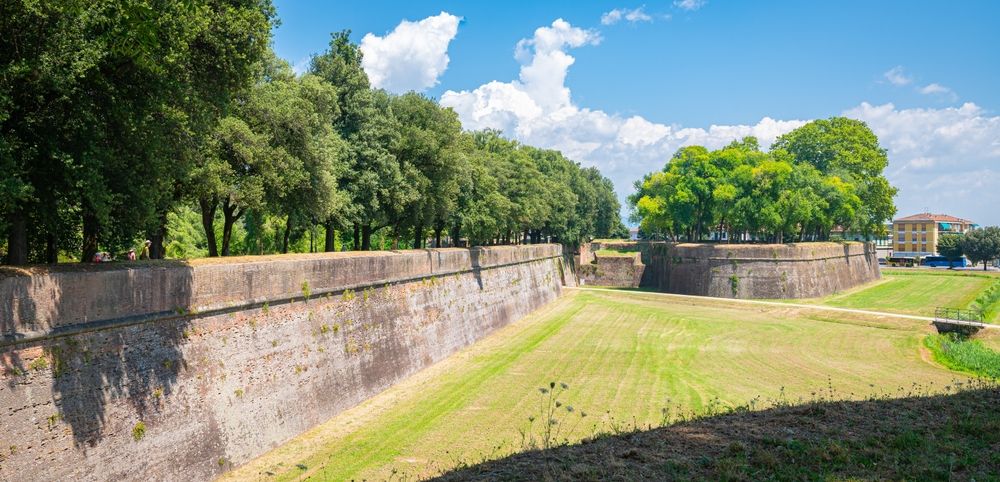
Impossible to visit Florence and the Tuscan region without experiencing the unique walk on the ramparts of Lucca. This 16th-century fortified wall, perfectly preserved over more than 4 kilometers, constitutes one of the most beautiful Renaissance walls in Europe. Transformed into a shaded promenade lined with majestic plane trees, it offers an exceptional perspective on the city and its surroundings.
On foot or by bike, you can do the complete tour in about an hour while enjoying breathtaking views of the red tile roofs, bell towers and historic squares. The ramparts also house bastions and underground tunnels that testify to the military engineering of the time. In spring, the flowering magnolias add a spectacular touch of color to this unmissable walk. It's the ideal place to understand Lucca's urban planning and its thousand-year history.
2. Climb Guinigi Tower and its hanging gardens
Guinigi Tower represents one of the most emblematic symbols of Lucca. This 14th-century medieval tower is distinguished by its unique feature: a hanging garden planted with holm oaks at its summit, 45 meters high. Built by the powerful Guinigi family, it testifies to the wealth and power of the great merchant families of the time.
The ascent of its 230 steps represents an effort rewarded by a breathtaking panorama over the entire city and surrounding Tuscan hills. The presence of the century-old trees at the summit creates a magical and refreshing atmosphere, particularly appreciated in summer. From this privileged position, you can admire the rooftops of Lucca, spot the other medieval towers and appreciate the architectural harmony of the city. Don't hesitate to combine this visit with that of the Torre delle Ore, Lucca's other accessible tower, which rises to 50 meters and houses a clock mechanism still manually wound.
Download the audio-guided circuit to discover Florence on foot and independently
To extend your discovery of Tuscany, let yourself be guided in your visit to Florence thanks to Ryo's audio-guided itinerary. Independently, explore the treasures of the Tuscan capital with fascinating explanations about the Duomo, Ponte Vecchio and Uffizi Gallery. An immersive experience that will enrich your stay in this exceptional region.
3. Discover Piazza Anfiteatro and its unique architecture
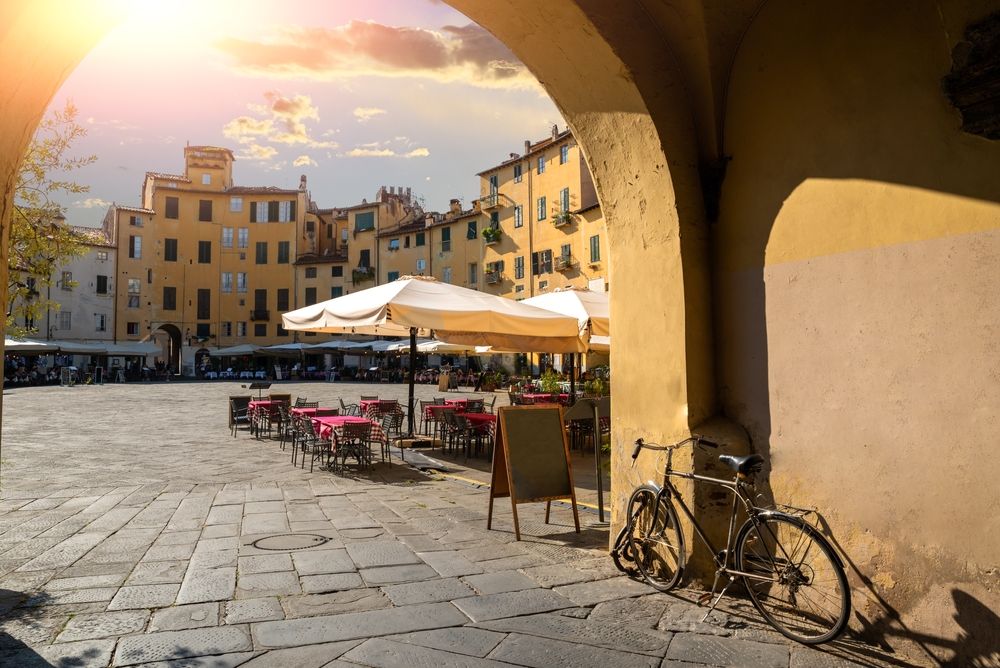
Piazza dell'Anfiteatro is among the most photogenic squares in Italy. Built on the foundations of an ancient 1st-century Roman amphitheater, it has preserved its original elliptical shape which makes it an absolutely unique place. The colored facades of the medieval buildings surrounding it perfectly follow the curve of the ancient Roman edifice, creating a striking visual effect.
This enclosed square is accessed through four vaulted passages that correspond to the ancient entrances of the amphitheater. The absence of automobile traffic and the presence of numerous cafes and restaurants make it a privileged place to relax and observe local life. Stroll among the craft shops, sit on a terrace to savor an Italian coffee or simply admire the architectural harmony of this place full of history. The square comes alive particularly in the evening when the facades light up, offering an unforgettable romantic atmosphere.
4. Visit San Martino Cathedral
San Martino Cathedral, dedicated to Saint Martin of Tours, constitutes the main religious edifice of Lucca. This masterpiece of Tuscan Romanesque, built between the 11th and 13th centuries, first impresses with its asymmetrical facade in white and green Carrara marble. The finely sculpted columns and bas-reliefs adorning the portals testify to the exceptional know-how of the craftsmen of the time.
Inside, you will discover an artistic heritage of remarkable richness. The Volto Santo, a 13th-century wooden crucifix venerated by pilgrims, occupies a central place in the transept. The funerary monument of Ilaria del Carretto, sculpted by Jacopo della Quercia in the early 15th century, is considered a masterpiece of Renaissance sculpture. The polychrome marble floors, frescoes and paintings complete this unmissable visit. The cathedral also houses a richly decorated sacristy and a museum displaying precious reliquaries, manuscripts and liturgical ornaments.
5. Explore the churches San Michele in Foro and San Frediano
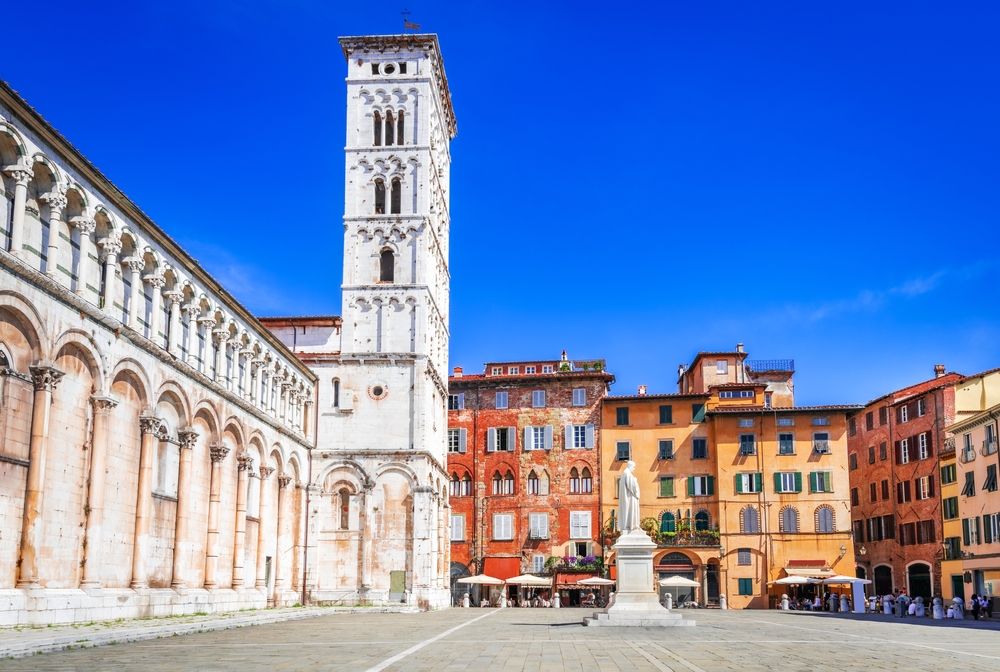
Lucca has over a hundred churches, but two of them particularly deserve a visit. The church of San Michele in Foro majestically stands on the square of the same name, the ancient Roman forum of the city. Its spectacular facade, adorned with sculpted columns and topped by a monumental statue of Saint Michael Archangel, perfectly illustrates the Pisan-Luccan style. The polychrome marble marquetry creates fascinating geometric patterns that inevitably catch the eye. Inside, several remarkable works of art await you, including a Virgin and Child by Della Robbia.
The basilica of San Frediano is distinguished by its facade adorned with an immense golden mosaic representing the Ascension of Christ, created in the 13th century. This 12th-century Romanesque church houses exceptional sculpted baptismal fonts as well as several richly decorated chapels. The Trenta chapel notably contains an altarpiece by Jacopo della Quercia. The contemplative atmosphere of San Frediano contrasts with the animation of San Michele, offering two complementary spiritual and artistic experiences. These two edifices testify to the architectural and religious richness that characterizes Lucca.
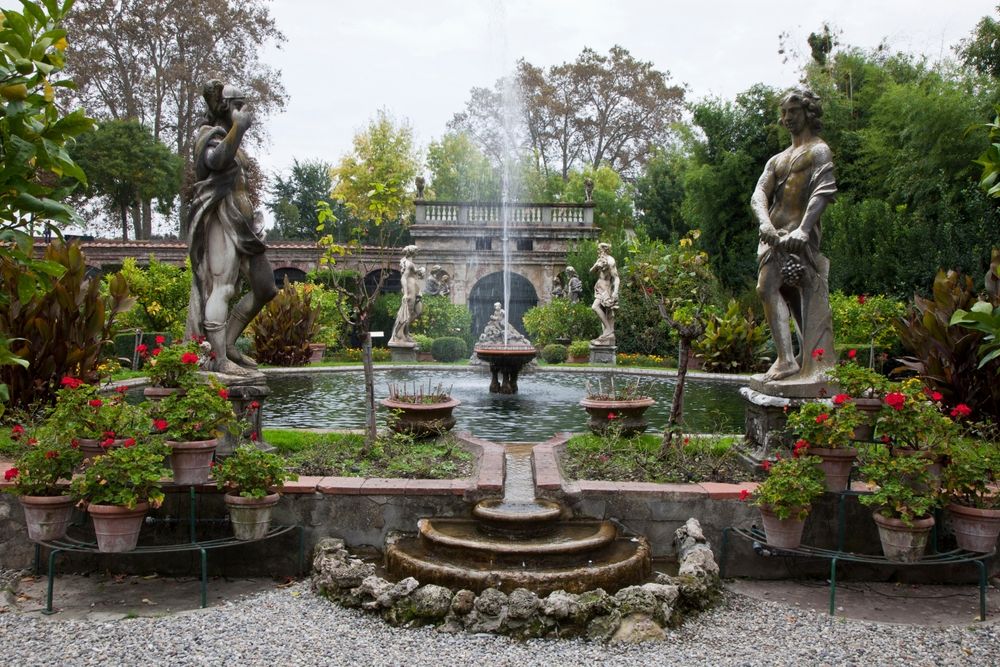
6. Stroll along Via Fillungo and admire the Renaissance palaces
Via Fillungo represents Lucca's main shopping artery and concentrates the city's animation. This winding medieval street crosses the historic center from north to south, lined with elegant boutiques, historic cafes and aristocratic palaces. It's the ideal place to shop, taste artisanal ice cream or simply observe the remarkable architecture of the facades.
Don't miss the Palazzo Pfanner (Via degli Asili 33, 55100 Lucca, rated 4.4/5 on Google for over 2,000 reviews), a magnificent 17th-century palace with an exceptional Italian garden. Open to the public, it allows you to admire its richly decorated salons, its monumental staircase and especially its baroque garden adorned with statues and trimmed hedges with a view of the ramparts. Palazzo Mansi, transformed into a pinacotheca, exhibits collections of paintings, tapestries and precious fabrics in a preserved baroque setting. Palazzo Ducale, located on Piazza Napoleone, impresses with its imposing dimensions and today houses temporary exhibitions. These Renaissance palaces testify to Lucca's past prosperity and constitute enriching cultural stops during your visit to the city.
By walking through the cobbled streets of Lucca and discovering its architectural treasures, you will understand why this Tuscan city amply deserves a visit of at least one full day. The peaceful atmosphere that reigns there, far from the tourist agitation of major Italian cities, allows an authentic immersion in the Tuscan way of life. Whether you are passionate about history, architecture lover or simply seeking beauty, Lucca will charm you with its discreet elegance and exceptional heritage. Also take advantage of your stay to taste local culinary specialties like buccellati (sweet bread with raisins) or tordelli lucchese (stuffed pasta), and let yourself be guided in your discovery of Florence, the nearby Tuscan capital.
FAQ: Everything you need to know to visit Lucca
How much time is needed to visit Lucca?
One full day is enough to discover the main must-see sites of Lucca. However, if you want to fully enjoy the city's atmosphere, visit the museums and explore the surroundings, plan for two days. This will also allow you to savor the local gastronomy without rushing.
Can you rent bikes in Lucca?
Yes, Lucca is an ideal city for cycling. Many rental companies offer traditional or electric bikes near the ramparts and in the historic center. It's the preferred means of transport for touring the ramparts and exploring the streets of the old town.
When to visit Lucca?
The best periods to visit Lucca are spring (April-May) and autumn (September-October), when the climate is pleasant and tourist attendance moderate. Summer can be very hot, but cultural animation is important with notably the Lucca Summer Festival in July which attracts international artists.
How to get to Lucca from Florence or Pisa?
Lucca is easily accessible by train from Florence (about 1h20) or Pisa (30 minutes). The station is located a few minutes' walk from the historic center. By car, allow about 1 hour from Florence via the A11 motorway. Paid parking lots are available outside the ramparts, as the historic center is closed to traffic.
What are the culinary specialties to taste in Lucca?
Don't miss tasting the buccellato, a sweet bread with raisins and anise typical of Lucca, tordelli lucchese (meat-stuffed ravioli), zuppa di farro (spelt soup) and necci (chestnut flour crepes). Accompany your meal with a local wine from the Colline Lucchesi.