
Créé par Romane, le 20 juin 2026
Votre guide Ryo
Experiencing a unique winter adventure in Japan
© Shutterstock
If there's one country you wouldn't necessarily think of for a winter trip, it's Japan. And yet, the land of the rising sun is absolutely magical when covered in snow. A unique experience not to be missed if you have the opportunity.
Winter Hanami
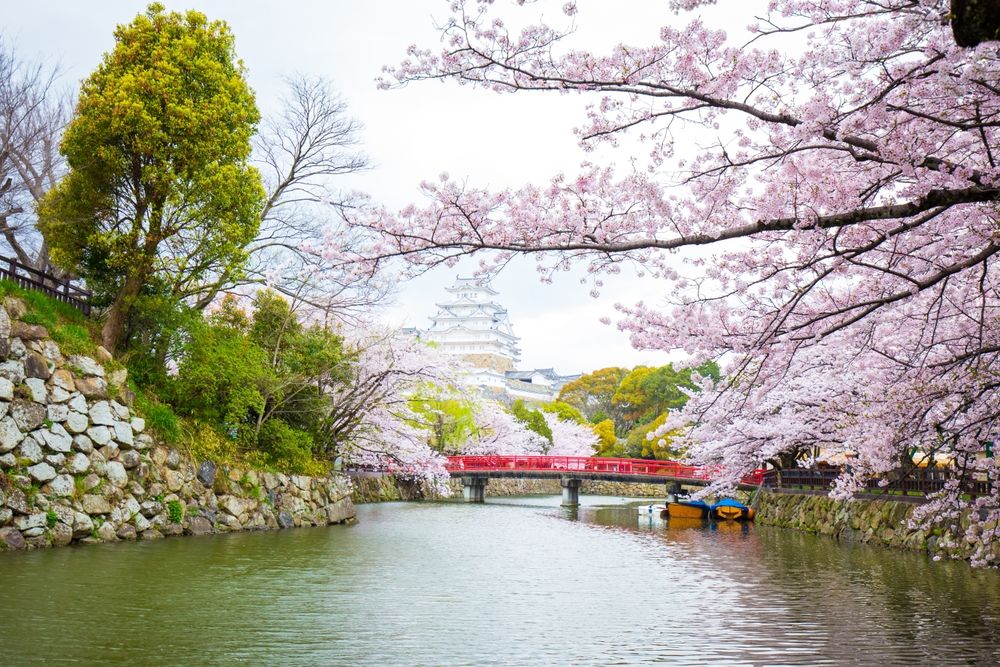
Hanami, 花見 / はなみ, literally meaning "flower viewing," is a Japanese ritual dating from the 8th century. While today the contemplation of the ephemeral blooming of cherry trees is the most well-known, at the time, residents were particularly fascinated by the blooming of Japanese apricot trees, "Ume," also called Japanese plum trees.
When does the blooming begin?
If you want to experience an authentic Hanami and observe the magnificent plum blossoms appearing on the thin tree branches, you'll need to visit Japan from mid-February onwards.
Where to admire the plum blossoms?
Kyoto: At Kitano Tenmangu temple. With its 2000 plum trees, the temple is a prime location for this Hanami. It notably hosts the "plum blossom festival" (Baika-sai), during which you can admire an ancient plum tree from the imperial palace of the Edo period, enjoy a flea market and discover the outdoor tea ceremony, led by Geishas, guardians of Japanese culture and traditions.
Mito: At Kairaku-en garden, considered one of the three most beautiful gardens in Japan, and hosting the plum blossom festival annually. Over 3000 trees of a hundred different varieties are scattered throughout the garden, offering a palette of flower colors and surprising shapes. The flowers bloom from January and can last until April. The city of Mito is located 1h30 by train north of Tokyo.
Osaka: At Tenmangû temple, in downtown Osaka. This Shinto shrine, founded in the year 949 by Emperor Murakami, is very popular and also celebrates the plum blossom festival annually, blooming in the heart of winter, the ultimate symbol of rebirth. You'll also discover an incredible bonsai collection.
Odawara: some 35,000 plum trees and a view of Mount Fuji as a bonus, hard to do better than Odawara for a successful Hanami! Every February for about fifty years, the city has organized a tradition-rich festival to celebrate its plum trees. You'll discover weeping plum trees, taste plum specialties, attend lantern dances, haiku recitals, calligraphy demonstrations, and the highlight of the show, a horseback archery competition by archers in period costumes!
The fabulous quality of powder snow
Renowned for its powder snow, Japan is a paradise for skiers and snowboarders who love freeride. The numerous peaks of the island offer a multitude of winter sports resorts. Even if we don't necessarily think of Japan first for winter sports vacations (it's far from home, and let's not lie, it can quickly go over budget for ordinary people), know that it's the second country (behind the USA) in terms of infrastructure volume (over 500 resorts). So if you're traveling in Japan in winter, why not try the experience and hit some slopes! Plus, prices are cheaper than in Europe!
The most popular ski resorts:
- Niseko (Hokkaido): 4 resorts grouped around a single village! View of Mount Yotei (Fuji's twin) and 14 meters of cumulative snow each season!
- Rusutsu (Hokkaido): the largest in the region, with 37 slopes spread across three peaks. It received the award for best ski resort in Japan at the 2021 World Ski Awards (the tourism Oscars, so that's something).
- Naeba (Niigata): this renowned resort hosted the 2019-2020 alpine ski world cup. Known for its 32° slope, its Dragondola cable car (the longest in Japan).
Hot springs (onsen) and snow monkeys
Nothing is more relaxing than soaking in a hot onsen in winter, surrounded by snowy landscapes. Most ryokans (traditional Japanese inns) located on volcano slopes have their private onsens that allow you to bathe in naturally 30°C water. But there are many popular public onsens.
Popular spots:
- Yudanaka Onsen: famous for its snow monkeys that bathe in natural springs at Jigokudani.
- Hakone Onsen: one of the most popular spa towns, with 1200 years of history. Renowned for its view of Mount Fuji, and only 1 hour from Tokyo.
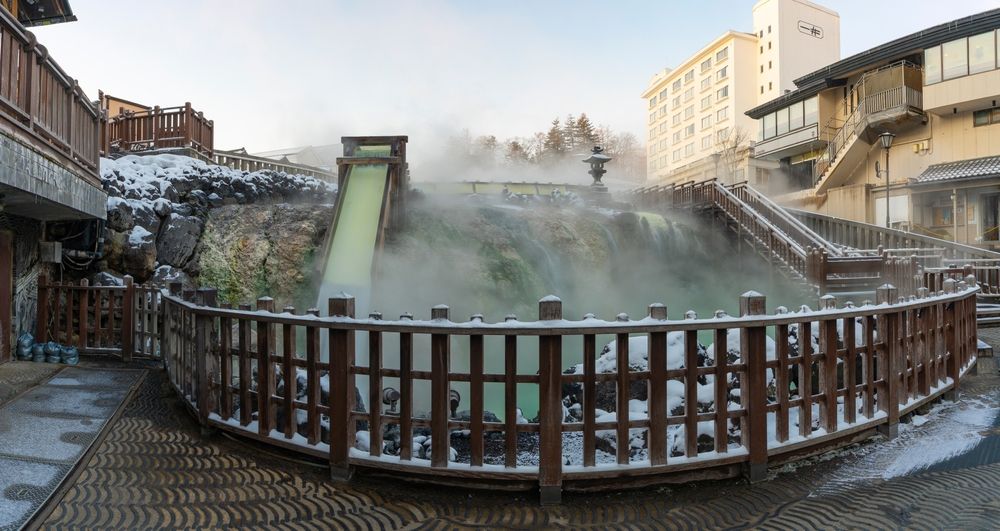
- Kusatsu Onsen and Gero Onsen: charming spa villages among the most appreciated in the country. Ideal for enjoying a traditional Japanese experience.
- Yufuin Onsen: ranked among the most beautiful spa resorts in the country, Yufuin is a destination of choice to experience the onsen. Don't miss the outdoor baths (Rotenburo), and the spectacular view they offer.
- Kurokawa Onsen: to travel off the beaten path, far from large hotels and neon advertising. Lost between the Kuju mountain range and Mount Aso, this heritage-protected town offers 3 outdoor baths and numerous hiking departures.
- Beppu Onsen: one of the oldest spa towns in the country. The 8 hot spring zones are called 'Beppu Hatto' or the "Hell Circuit!"
- Zao Onsen: to combine hot water baths, renowned ski resort and snow monster festival.
Etiquette rules:
- Shower before bathing
- Wear a yukata (bath garment), usually provided in Ryokans.
- Respect the separation men – blue curtains (男) – women (女) white curtains
- Don't stay in the water too long
- Stay well hydrated (avoid bathing more than three times per day)
- Be careful about tattoos, some onsens refuse entry to tattooed people due to their cultural connotation linked to Yakuzas (Japanese mafia)
- Speak in low voices and remain discreet
- Photos are forbidden
Special winter cultural events:
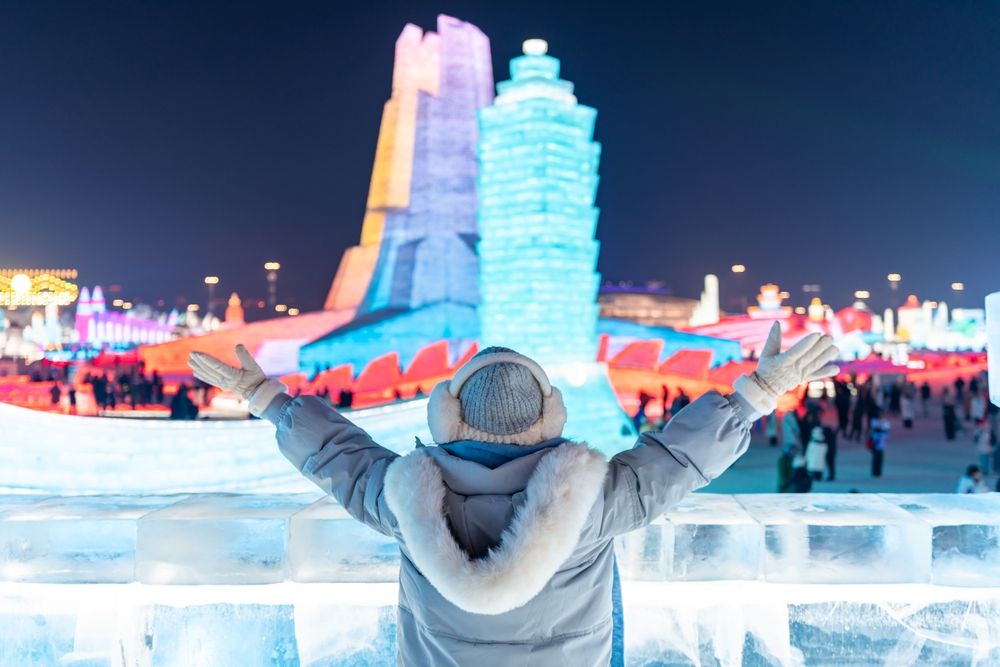
- Sapporo Snow Festival (Yuki Matsuri): In February, in Hokkaido, this spectacular festival displays monumental ice and snow sculptures. It's one of the most popular in Japan and attracts nearly 2 million people every year!
- Otaru Snow and Light Festival: If you've been to Sapporo, don't miss visiting the neighboring town of Otaru (located 30 minutes by train). At the same time as Sapporo's winter festival, the town of Otaru showcases its heritage by illuminating its canal and the old railway with thousands of floating candles and lanterns.
- Zao Juhyo Festival: the snow monster festival! Every winter, the Zao Juyo ski resort seems to be populated by strange snow creatures. These are actually trees that, bent by winds and heavy with snow, take shapes that will let your imagination run wild.
- The Naked Man Festival (Hadaka Matsuri): yes, exactly, you read that right! Every February, one of the most unique festivals takes place throughout Japan. The most famous celebration is the one held at Saidaiji Kannon-in temple in Okayama. Men wearing loincloths wash themselves with icy water before braving the winter cold. They must face each other in a (fierce but good-natured) struggle to recover amulets blessed by Shinto priests.
The unique beauty of snowy landscapes and unusual activities
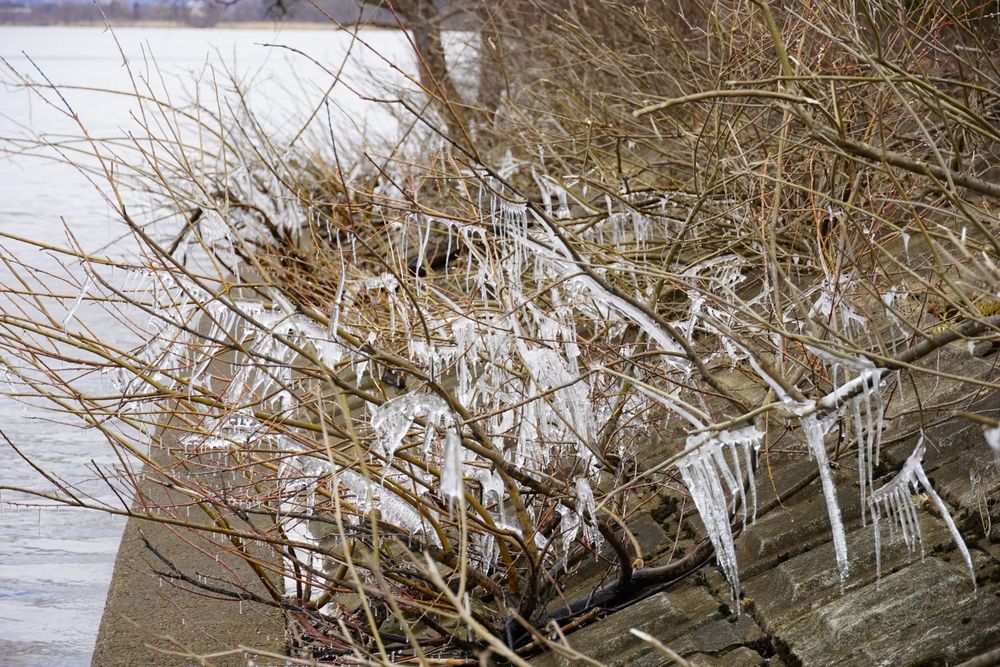
- Ice sculptures (Shibuki-gori) of Lake Inawashiro: in January and February, the lake's edges and its vegetation begin to freeze and take the form of strange ice sculptures. True 100% natural works of art.
- The igloo village of Lake Shikaribetsu Kotan: for 2 months, this frozen lake transforms into a winter village. You'll even find a chapel where marriages can be celebrated! It's an opportunity to sleep warmly in an igloo and admire the purity of the starry sky.
- The villages of Shirakawa-go and Gokayama regions, UNESCO listed, are even more incredible covered in snow. This is rural Japan from Miyazaki films, traditional thatched-roof houses scattered around rice fields... Some are converted into guesthouses for an immersion into Japanese intimacy.