
Créé par Emilie, le 20 juin 2026
Votre guide Ryo
The 7 Longest Rivers in Japan
© Shutterstock
Japan is a magnificent destination with fabulous scenery and nature. But this country is also endowed with about fifty rivers that crisscross the landscape. In addition to being essential in the daily lives of the inhabitants, these waterways, both small and large, are anchored in their culture. Let me show you this through our selection of the 10 longest rivers in Japan.
What are the characteristics of Japanese rivers?
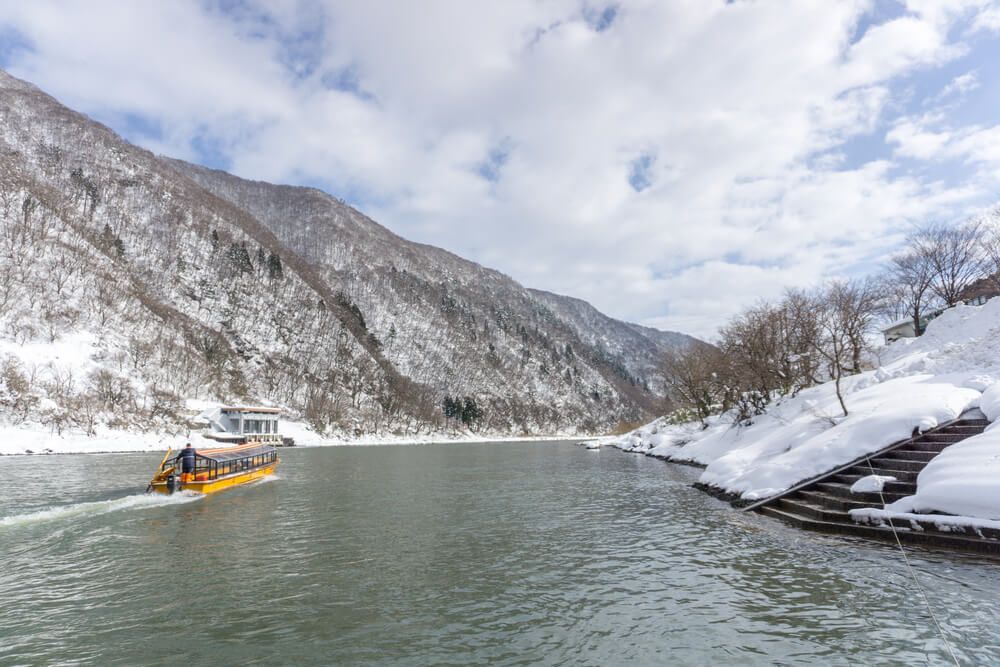
1.Mogami
Photo of Mogami river/Shutterstock
To start this selection, let's talk about a rather picturesque river in the Mogami gorges. It is located in Yamagata prefecture and is one of the fastest rivers in Japan. It measures 229 kilometers and was an important commercial route, transporting goods to Osaka and Edo (formerly Tokyo). Some Japanese artists have been inspired by this river given its great reputation and beauty. Boats offer year-round excursions along the river with some including lunch during the crossing as a bonus. However, reservation for meals is mandatory. It is therefore possible for you to choose the season that pleases you most, and thus be able to admire this magnificent setting.
Here are some activities to do around:
2.Ishikari
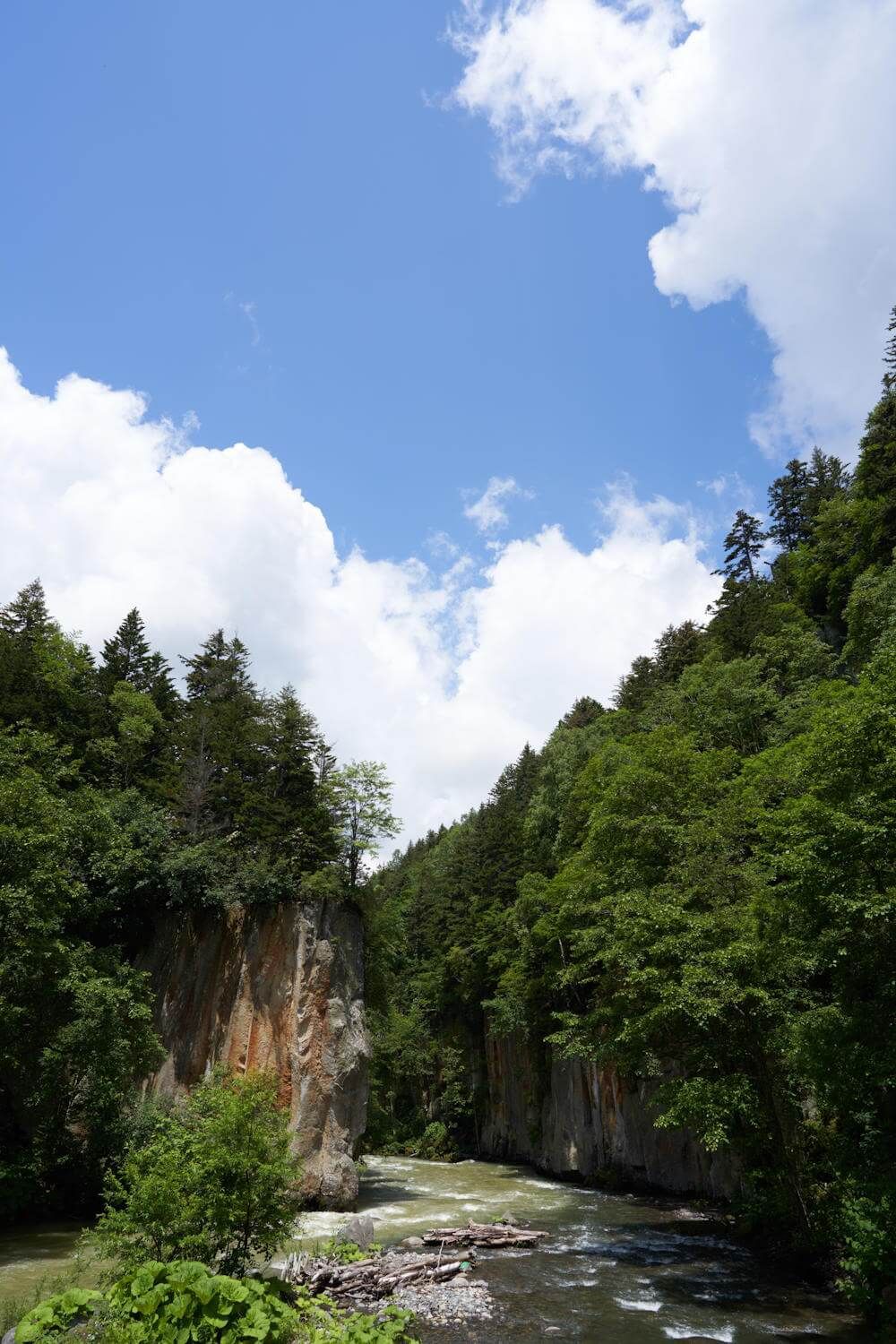
Photo of Ishikari river/Shutterstock
This river is the largest river in the Hokkaido region, it takes its source at Mount Ishikari at 1967 m altitude. It follows its path through the landscapes of this northern region which are absolutely sublime, particularly during the blooming season of cherry blossoms and lilacs. It crosses the cities of Sapporo as well as Asahikawa. The river measures 268 km long today, but was formerly almost as long as Shinano-gawa, the longest river in Japan. Work had to be carried out to reduce its length by about a hundred kilometers due to the numerous meanders that were formed in the Ishikari plain. This is where the river gets its name.
3. Yoshino-gawa
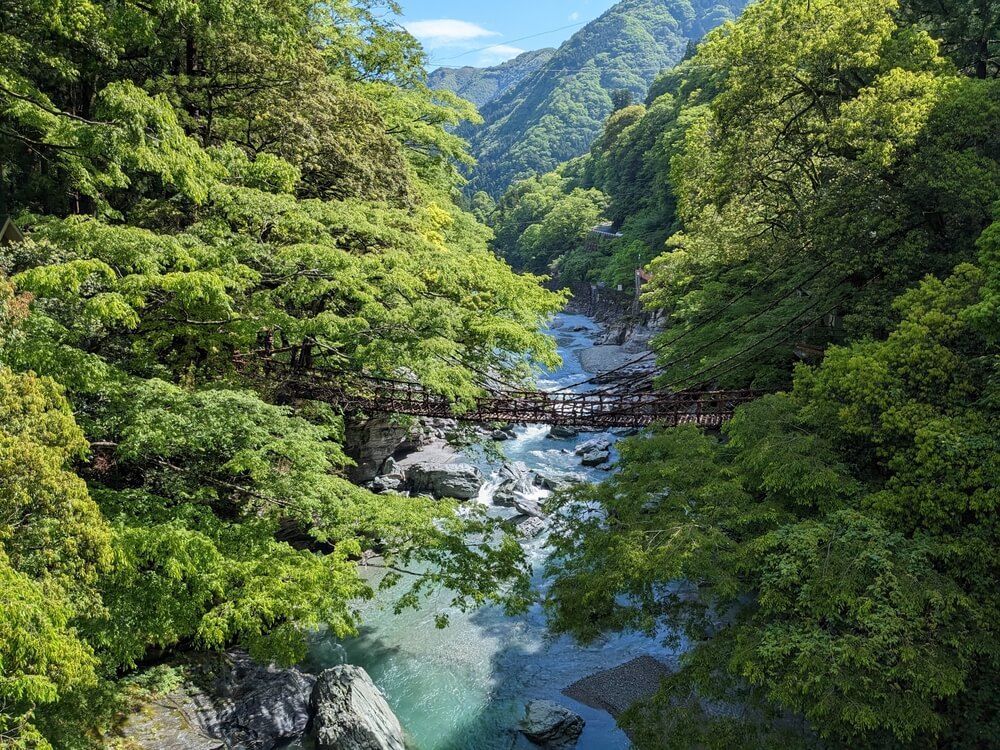
Photo of Yoshino river/Shutterstock
The Yoshino river is a Japanese river on the island of Shikoku. It measures 194 km and has its source from Mount Kamegamori. The Yoshino Valley attracts many hikers and nature lovers with its picturesque waterfalls and suspension bridges. Regarding bridges, the Yoshino river has several that have been submerged by water. The river finds its mouth in the Pacific Ocean and has its main localities at Otoyo and Tokushima. Finally, the waters of this river are clear and are, for some, the reflection of the serenity of this prefecture.
4.Tone
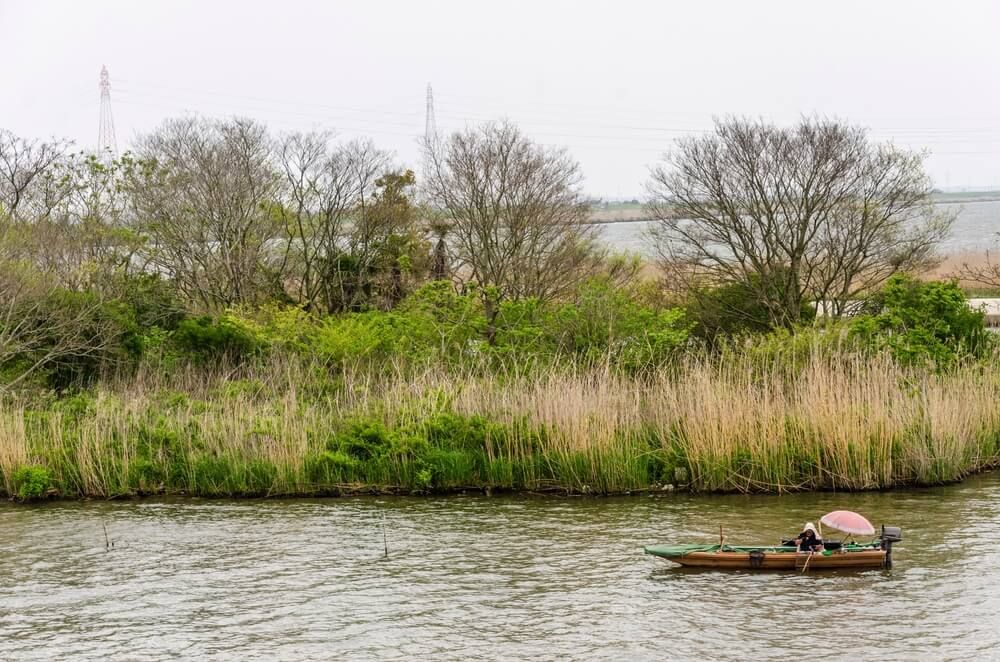
Photo of Tone river/Shutterstock
322 km long, the Tone river is one of the largest hydrographic basins in Japan and is also its second longest river. Nicknamed Bando Taro, it is located in Kanto on the island of Honshu, and takes its source in the Echigo mountains (Ominakami) to flow into the Pacific Ocean. In its waters, many activities can be done (kayak, rafting) and thus attract many tourists.
If you follow the river, you can discover various landscapes and numerous ecosystems. Among others in the northeast of Saitama prefecture, a wetland including a reed bed and artificial ponds shelters several animal species. In this part there are more than 150 bird species, as well as varieties of rare plants. In the river you can also see animals, and come face to face with silver carp. During the period from June to July, when they go up the watercourse to lay their eggs, the carp jump out of the water at Kurihashi. A chance to see this spectacle!
5.Chikugo-gawa
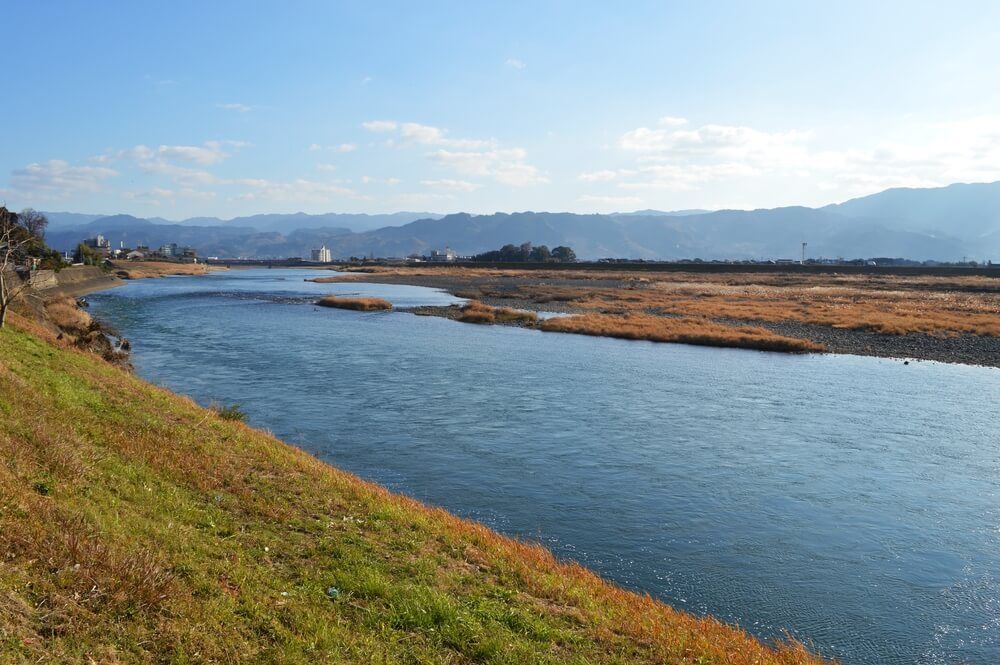
Photo of Chikugo-gawa river/Shutterstock
Known as Chikugo River, this river is one of the most important in Japan. It is located on the island of Kyushu (third largest island) and crosses the prefectures of Kumamoto and Fukuoka. The river extends over 143 kilometers, making it the longest in Kyushu. The river crosses different landscapes, you can encounter mountains, plains, as well as agricultural land. Chikugo-gawa is bordered by cherry blossoms in spring, a major figure in Japanese culture. Also known for its clear waters and varied biodiversity, the river also allows for entertainment. This magnificent landscape is also a leisure place where residents and tourists can learn fishing.
6.Shinano-gawa
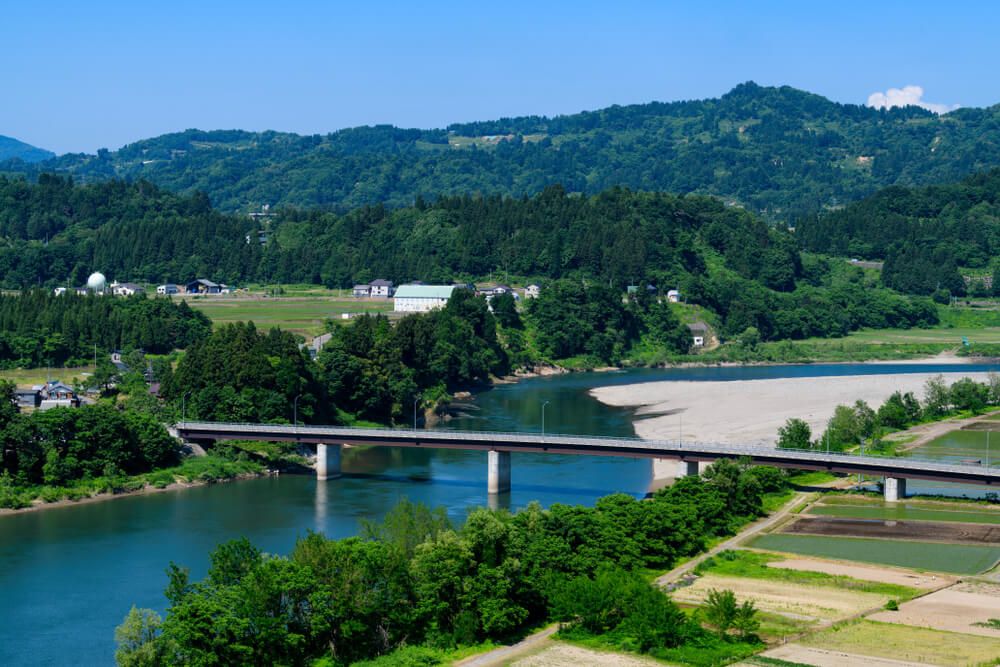
Photo of Shinano-gawa river/Shutterstock
This river is one of the longest and most picturesque in the country, it extends over a 367-kilometer route through the prefectures of Nagano and Niigata. Taking its source from Mount Kobushi, this river plays a vital role in the daily life of the region. It supplies numerous cities with water, and allows the lands along its banks to be fertile and usable for agriculture, particularly for rice cultivation, a pillar of the Japanese economy. It is also an essential tourist site, its banks shelter sanctuaries, museums, parks that allow tourists to discover the culture of the land of the rising sun. It is also possible to take river cruises, ideal for contemplating the picturesque landscapes of Shinano.
7. Kitakami
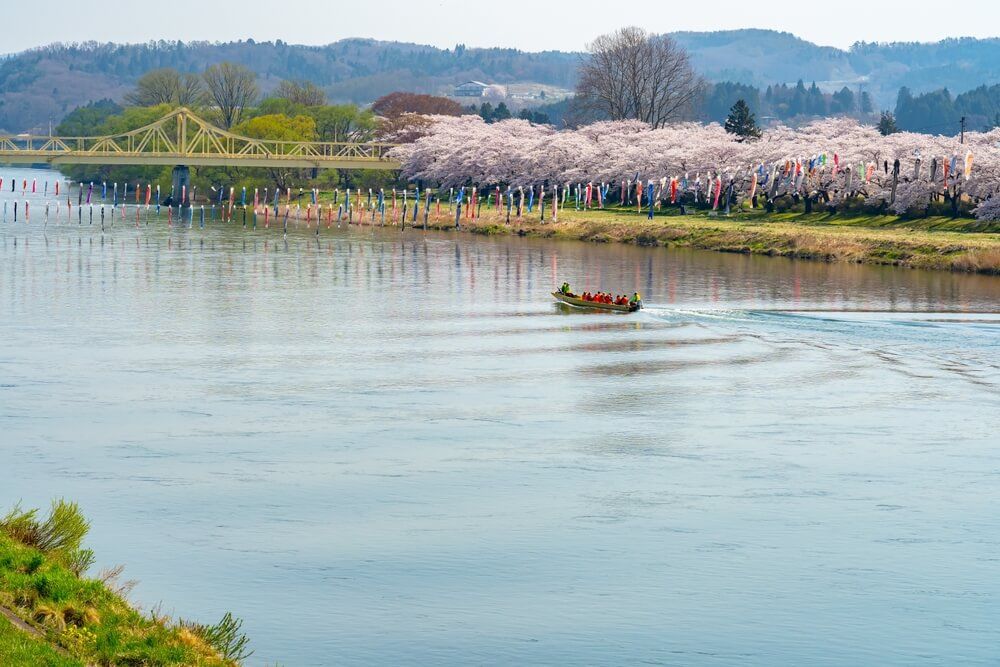
Photo of Kitakami river/Shutterstock
It is in the Tohoku region on the island of Honshu that the Kitakami river flows peacefully. It crosses Iwate prefecture, although its basin also encompasses the surrounding prefectures. With a length of 249 kilometers, this river offers a magnificent natural setting to contemplate. You can encounter mountains, as well as plains and its banks are often bordered by verdant forests. The Kitakami Valley is also a very popular place for tourists due to its rock formations and impressive steep cliffs. Its biodiversity is also very rich with its different species of fish and birds.
These rivers are just some of Japan's natural wonders. Whether you are passionate about nature or in love with the biodiversity of its rivers, you will be equally amazed. It is also and above all a way to learn a little more about this magnificent Japanese culture. So don't hesitate any longer, and plan your next adventure along these waterways that embody the soul of this country.
And why not, visit a city inscribed on the UNESCO World Heritage list: