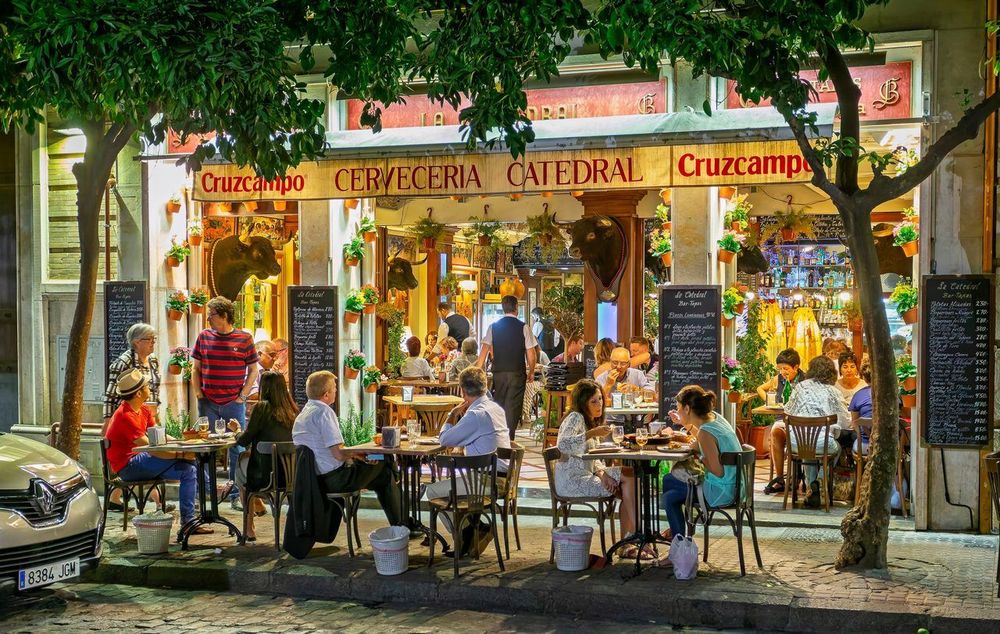
© Shutterstock
 Votre guide Ryo
Seville Specialties: Complete Food Guide 2026
Seville's specialties suffer from a persistent cliché: whenever you search for "Seville specialties" online, paella dominates everywhere, even though that dish actually comes from Valencia, more than 600 kilometres away. The real culinary specialties of Seville hide elsewhere: in a glass of gazpacho served ice-cold in the middle of August, in a pringá that has been simmering since morning in the bars of the city centre, or in a tocino de cielo invented by nuns to use up egg yolks left over from clarifying Sherry wine.
Count on a good dozen bars whose recipes have not changed since the early twentieth century, a covered market where fishermen still deliver fresh fish at dawn, and pastry shops passed down within convents for generations. Before setting out in search of these flavours, the Ryo audio-guided tour of Seville helps you locate the historic bodegas of the centre without pulling out your phone at every street corner, leaving you more time to taste than to navigate.
The Duo That Defines a Seville Summer: Gazpacho and Salmorejo
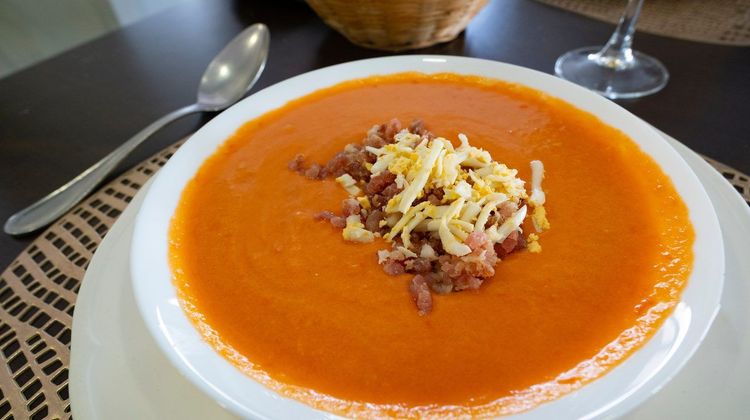
The gazpacho is a cold soup made from tomato, pepper, cucumber, garlic, and olive oil, blended until it reaches a consistency close to juice. Its origins go back to a peasant dish designed to quench the thirst of agricultural workers during the Andalusian heat, long before tomatoes were ever added. Today it is served at around 4°C, in a glass or bowl, often accompanied by small diced ham, hard-boiled egg, and croutons.
In Seville, a family summer lunch almost always begins the same way: a pitcher of gazpacho placed at the centre of the table, with everyone helping themselves according to thirst rather than the logic of a set menu. In the bars of the Santa Cruz neighbourhood, it features as a free starter with the set lunch menu, which ranges between €12 and €15.
The salmorejo, thicker and creamier, sometimes replaces gazpacho on the menu. It contains more bread and less water, giving it a texture close to a savoury cold cream. Many Sevillians treat the two dishes as interchangeable, while people from Córdoba, 140 kilometres away, claim salmorejo as a strictly local invention.
If you try both in the same meal, order them as a tapa rather than a full portion: the comparison is clearer when the quantities remain modest, and your appetite survives through to the next course.
Pringá and the Art of Three-Bite Tapas
The pringá is a mixture of slow-cooked meats (pork, chorizo, black pudding) simmered for hours in a stew called puchero, then shredded and spread on bread. You will find it mostly as a sandwich, known as a montadito de pringá, or as a tapa served directly on a small earthenware plate.
The El Rinconcillo (Calle Gerona 40, 41003 Sevilla, rated 4.3/5 on Google with 14,666 reviews), open since 1670 in the Macarena neighbourhood, remains the place to experience this dish in its original context: marble counters, bills chalked up on the woodwork, and a menu that has barely changed in a century and a half.
Order the pringá with a well-chilled fino: the fat of the pork and the salinity of the Sherry wine balance each other better than any improvised pairing.
Fried Fish and Seafood: the Art of Adobo
The pescaíto frito refers to an assortment of small fried fish, often served in a paper cone called a cucurucho. The frying is done in olive oil at high temperature and briefly, which explains why the fish stays crispy without being excessively greasy.
Among the variations, cazón en adobo consists of small shark pieces marinated in vinegar, garlic, and cumin before being fried. Boquerones en adobo follow the same principle using fresh anchovies, quite different from the vinegar-marinated anchovies found in shops.
If you are travelling with children or less adventurous palates, start with calamari or battered prawns, which are more crowd-pleasing than marinated shark. Sevillians themselves often reserve adobo for weekend meals, paired with a cold beer rather than wine.
In terms of price, a portion for two typically costs between €8 and €14 depending on the fish chosen and proximity to the market.
Cola de Toro and Carrillada: the Dishes That Warm Winter
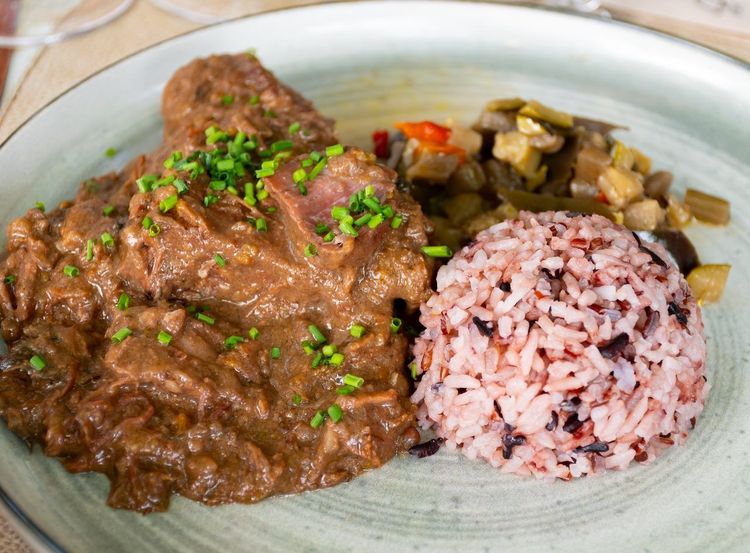
The cola de toro (oxtail) is a dish braised for several hours in a base of red wine, tomato, and vegetables until the meat falls off the bone by itself. Its origins go back to the bullring: butchers would collect the tails of bullfighting bulls and cook them rather than discard them, which is why this dish remains closely associated with Seville's bullfighting culture.
The carrillada, made from pork or beef cheeks, follows a similar logic of long, slow cooking. The almost melt-in-the-mouth texture is reminiscent of a French braise, but the sauce is notably more influenced by Sherry wine than by standard red wine.
These two dishes rarely appear on menus aimed at rushed tourists, as their preparation takes several hours that few establishments can afford during peak season. You will find them mainly in family-run bodegas in the Triana neighbourhood or in restaurants that post a freshly changed set lunch menu each morning.
A tip if you are torn between the two: cola de toro suits lovers of hearty, rich dishes, while carrillada is slightly lighter on the palate despite an equally long cooking time.
Iberian Ham: the Silent Star of the Bars
In every Sevillian bodega, whole hams hang above the counter, sliced to order. The jamón ibérico de bellota, from free-range pigs fed on acorns, costs noticeably more (€20 to €35 per 100 grams) than standard serrano ham. The difference lies as much in the texture, which is more melt-in-the-mouth, as in the flavour, which is far more pronounced on the finish.
Paella in Seville: Tourist Legend or Real Specialty?
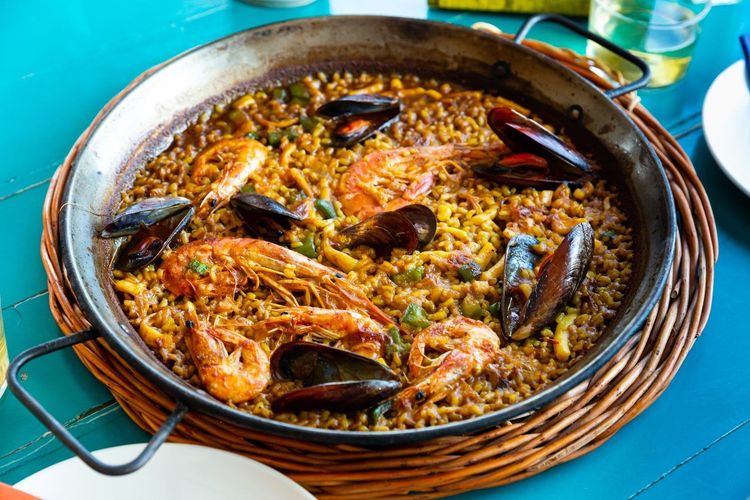
Let's be direct: paella is not a specialty of Seville. It was born in the Valencia region, where rice has been cultivated for centuries around the Albufera. Its mass presence on restaurant menus in the historic centre is primarily a response to tourist demand, not a local tradition.
That said, a version does genuinely exist in Andalusia under the name arroz con mariscos or paella sevillana, generally more generous with seafood than the classic Valencian version and less faithful to the traditional saffron ratio. If your goal is to taste something truly rooted in the city, you are better off steering towards an arroz caldoso (a more liquid, rice soup-style dish) served in neighbourhood bars rather than a standardised tourist paella.
You can easily spot establishments that prioritise authenticity: their menu changes with the season, and paella, when it appears at all, never takes centre stage. Among the truly local culinary specialties of Seville, it is the neighbourhood rice dish, not paella, that deserves your attention.
Tocino de Cielo and Pestiños: the Sweets That Close the Meal
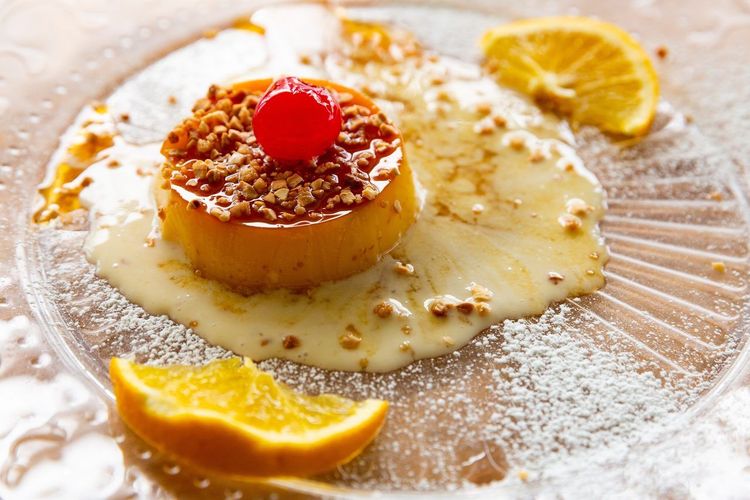
The tocino de cielo is an extremely dense flan made almost entirely from egg yolks and sugar. Its origins go back to the convents of Jerez de la Frontera, not far from Seville, where nuns used egg whites to clarify Sherry wine and found themselves with a surplus of yolks that needed to be put to use.
This tradition of convent pastry-making remains very much alive in Seville. Many convents still sell their sweets through a torno, a kind of wooden revolving hatch that allows money to be exchanged for cakes without the nun and the customer ever seeing each other. The yemas de San Leandro, prepared by the Cistercian sisters of the convent of the same name, rank among the most sought-after Sevillian pastry specialties, with a texture close to tocino de cielo but shaped into small individual balls.
The pestiños are fried dough fritters coated in honey or sugar, traditionally prepared around Easter and Christmas. Their crunchiness contrasts with the softness of the tocino, which is why the two often appear together on the same end-of-meal platter.
Finally, torrijas, a type of French toast soaked in milk or wine then fried and dusted with cinnamon, fill the windows of pastry shops during Holy Week. If you visit outside that period, some establishments offer them year-round in a lighter version, more geared towards tourists than towards religious tradition.
One last tip on this sweet chapter: these desserts are dense and rich, meant to be shared among several people rather than consumed as individual portions. Order one or two for the table, not one per person.
What to Drink in Seville: Sherry, Rebujito, and Ice-Cold Beer
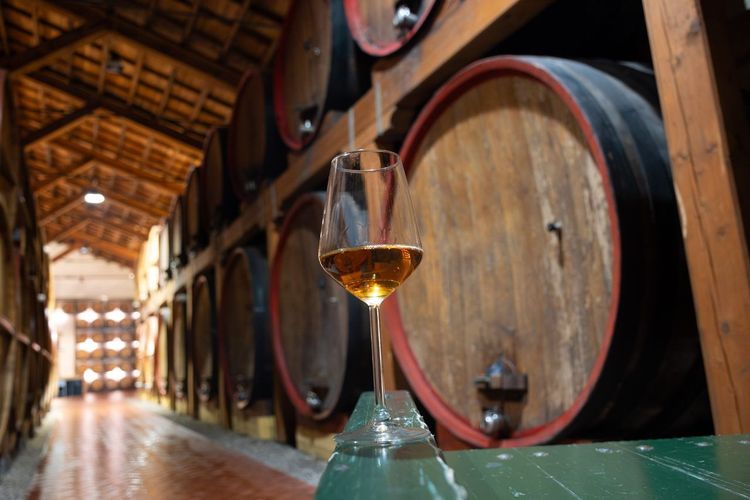
Sherry wine, produced in the Jerez-Sanlúcar-El Puerto triangle, comes in several styles: fino, dry and light, is drunk chilled as an aperitif, while oloroso, fuller-bodied and aged longer, pairs better with cheeses or is enjoyed on its own at the end of a meal.
The rebujito, a mix of manzanilla (a fino variant produced in Sanlúcar) and lemon-lime soda, is the unofficial drink of the Feria de Abril. You will find it served in a tall glass filled with ice, generally much more refreshing and sweeter than a straight glass of sherry.
On the beer side, Cruzcampo, brewed in Seville since 1904, remains the quintessential local brand. Asking for a caña (a small, well-chilled glass) rather than a bottled beer is almost a cultural reflex in the bars of the centre.
If you prefer to avoid alcohol, a non-alcoholic tinto de verano or a simple mosto (unfermented grape juice) pairs just as well with a tapas session to savour in Seville.
Where to Eat in Seville Without Breaking the Bank
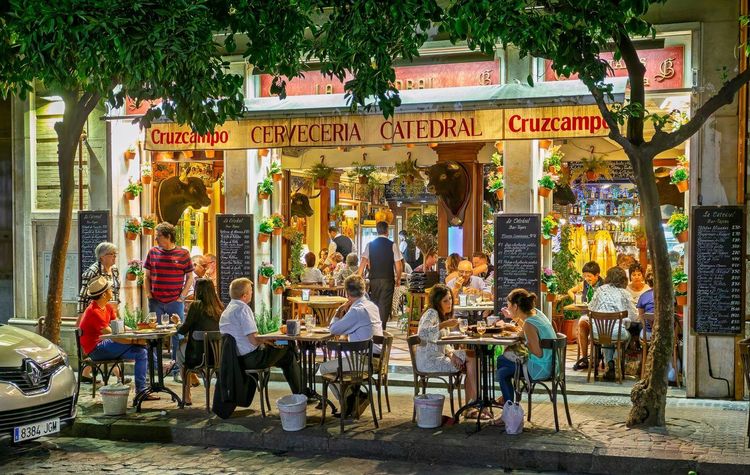
Tapeo, the habit of hopping from bar to bar and ordering one or two tapas at each stop, remains the most economical way to sample the culinary specialties of Seville. Standing at the counter, a tapa generally costs between €2.50 and €4, compared to €6 to €9 for the same portion served on a terrace.
The Bodega Santa Cruz, also known as Las Columnas, in the historic neighbourhood of the same name, has been applying this logic for decades: lively atmosphere, fast service, reasonable bills.
A few streets away, Casa Morales (Calle García de Vinuesa 11, 41001 Sevilla, rated 4.3/5 on Google with 7,013 reviews), a grocery-bar founded in 1850, offers quality tinned goods (tuna, anchovies) served directly on the table as a tapa, a simple formula that remains surprisingly affordable for the quality of the produce.
For a tight budget over a full evening, allow around €15 to €20 per person by chaining four or five stops, drinks included. This is precisely the type of itinerary the Ryo experience helps you organise, locating historic bars without unnecessary detours through the labyrinth of the centre.
What to Bring Back From Seville in Your Suitcase
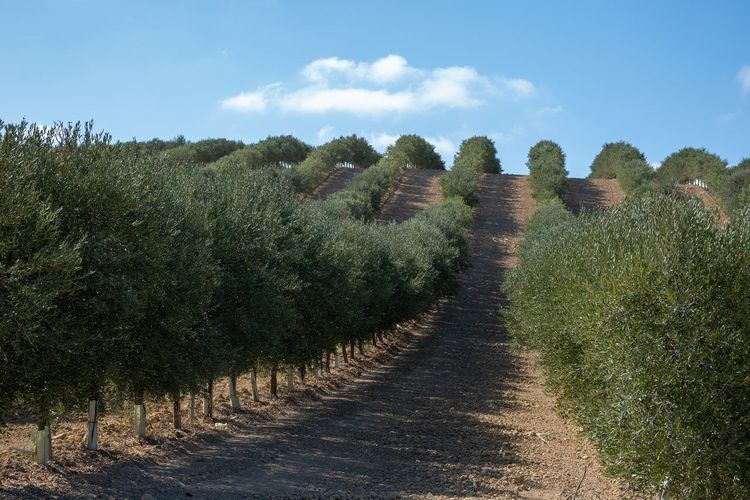
If you are looking for a food souvenir rather than a fridge magnet, several options fit easily into carry-on luggage. Olive oil from Andalusia, sold in small bottles at delicatessens, remains the most classic choice, as long as you check for the PDO Sierra de Cazorla or Estepa designation to avoid industrial blends.
A bottle of Sherry wine (fino or amontillado) makes a more original souvenir than a generic red wine, provided you stay within the liquid allowance for carry-on or pack it in checked luggage. Pimentón (smoked paprika) and saffron, sold by weight at markets, weigh little and keep for a long time.
On the sweet side, mantecados and polvorones, small shortbread biscuits made with lard, are sold individually wrapped and travel well. Avoid fresh pastries such as tocino de cielo, however, which do not survive a long-haul flight.
In Córdoba, Another Culinary Battle
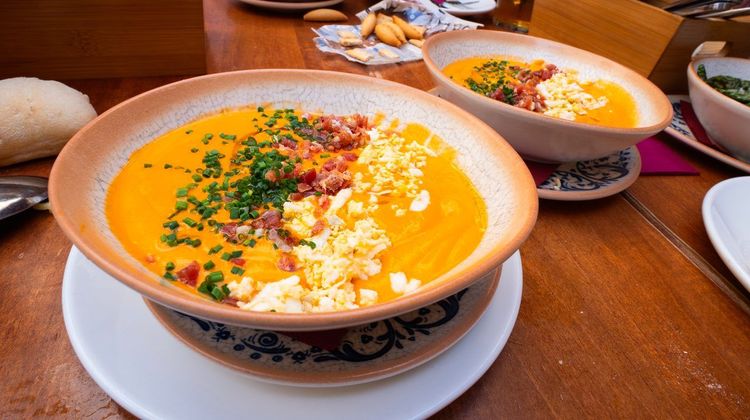
If your Andalusian itinerary takes you to Córdoba, just over an hour away by train, be aware that the city firmly claims the authorship of salmorejo, presented locally as a strictly Cordovan recipe rather than a Sevillian one. You will also find the flamenquín, a roll of ham and pork coated in breadcrumbs and fried, and a local version of cola de toro claimed just as fiercely as the one from Seville.
This culinary rivalry between the two cities, often tinged with local humour, is worth exploring if you have time to compare two versions of the same dish a few kilometres apart.
Markets and Bodegas: Where to Smell the City Before You See It
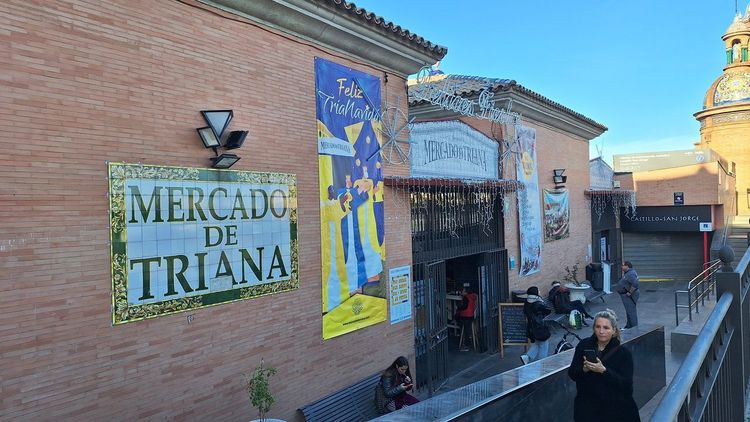
The Mercado de Triana, built on the site of a former castle, remains the covered market most frequented by local residents. The fish stalls open from 8am, well before the first visitors arrive.
More recent, the Mercado Lonja del Barranco (Calle Arjona s/n, 41001 Sevilla, rated 4.1/5 on Google with 13,696 reviews), originally designed by Gustave Eiffel as a fish market, now operates as a gastronomic market where you graze from stall to stall rather than sitting down at a table.
If you want to understand the layout of the neighbourhoods before exploring Seville in detail, the Ryo audio guide dedicated to Seville maps out the routes between these markets and the historic bodegas of the centre, including walking distances between each stop.
FAQ
What is the culinary specialty of Seville?
There is no single official dish, but several staples come up consistently: gazpacho, pringá, pescaíto frito, and on the sweet side, tocino de cielo. Pringá is arguably the dish most specifically associated with the city.
What can you eat in Seville on a budget?
Tapeo at the bar counter remains the most economical option: a tapa costs between €2.50 and €4 standing at the bar, compared to double that on a terrace. Set lunch menus, around €12 to €15, often include a starter, main course, and drink.
What is the typical dessert of Seville?
Tocino de cielo, a dense flan made from egg yolks, and yemas de San Leandro, prepared by the nuns of the convent of the same name, are the two most iconic desserts. Pestiños and torrijas are more prevalent during festive seasons.
What food souvenirs should you bring back from Seville?
PDO olive oil, a bottle of Sherry wine, smoked pimentón, or individually wrapped mantecado biscuits travel well and faithfully represent local gastronomy.
Is paella a specialty of Seville?
No. Paella originates from the Valencia region. In Seville, it appears on many tourist menus, but a local version exists under the name arroz con mariscos, which is more generous with seafood.
What is the difference between gazpacho and salmorejo?
Gazpacho is more liquid and contains more vegetables (cucumber, pepper), while salmorejo, being creamier, contains more bread and has a texture closer to a cold cream soup. Both are served chilled.
Seville tells its story as much through its monuments as through what is served in its century-old bars. Between a glass of gazpacho, a slice of Iberian ham, and a convent yema, the culinary specialties of Seville paint a far richer identity than the simple tourist paella cliché.
If you are planning your stay, consider weaving these food stops directly into your sightseeing route: the Ryo audio-guided tour of Seville lets you move seamlessly between monuments and great dining spots without wasting time looking for your way between tapas.