
Créé par Romane, le 12 mai 2026
Votre guide Ryo
© Shutterstock
Chicago doesn't ease you in gently. The skyline hits you before you've even crossed the city limits, a wall of steel and glass rising from the flatness of the Midwest like something impossible. Then the lake appears: Lake Michigan, vast and borderless, stretching east until it looks exactly like an ocean. This is one of the most architecturally daring cities on the planet, a place where some of the world's first skyscrapers still stand alongside 21st-century towers designed by architects who treat the city as their private canvas. Whether you're here for a long weekend or a full week, Chicago rewards curiosity at every turn.
What you'll find in this guide: a rooftop observatory with a glass-floored ledge suspended 412 metres above street level, a natural history museum that holds one of the two most complete T. rex skeletons ever excavated, a free zoo that has operated without an admission fee since 1868, and an architecture boat tour that architects themselves rank among the best urban experiences in the world. There are 20 entries here, enough to keep you busy, varied enough to suit every type of traveller.
1. Walk Through Millennium Park and Meet Cloud Gate
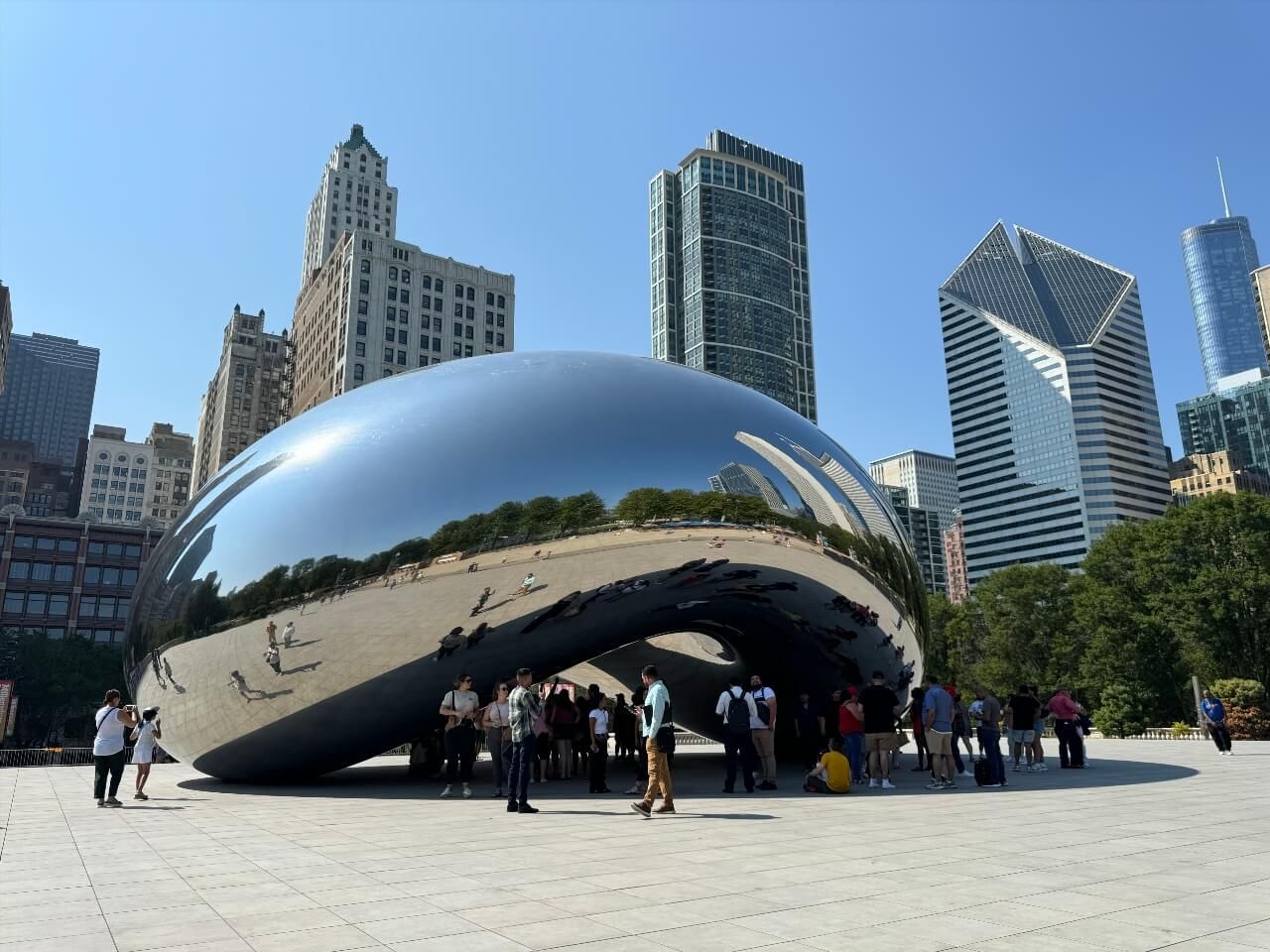
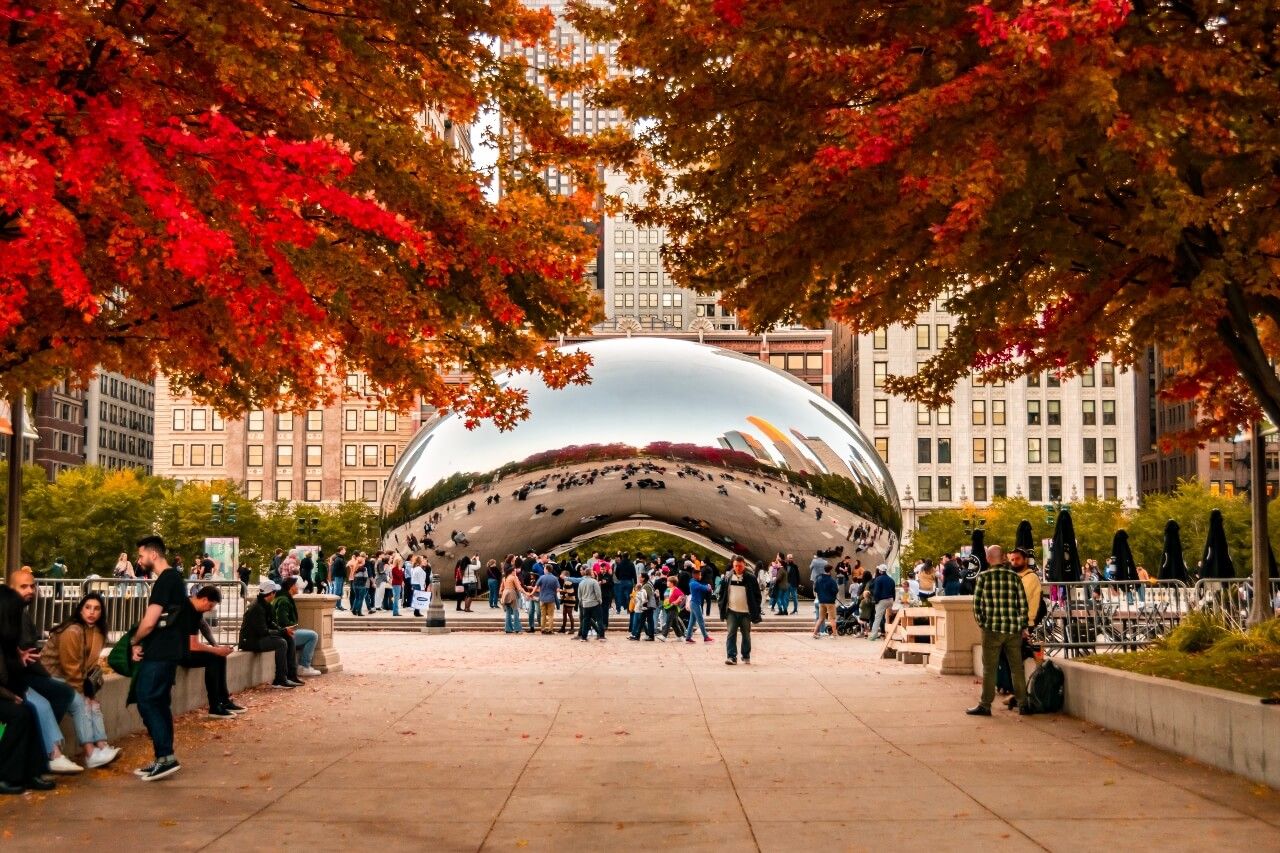
Millennium Park (201 E Randolph St, Chicago, IL 60601, rated 4.8/5 on Google (92K reviews)) is the undisputed centrepiece of Chicago's lakefront and the obvious starting point for any visit to the city. Opened in 2004, the park sits on what was once a tangle of railway yards and parking infrastructure, a transformation that took nearly a decade and cost over $475 million.
The star attraction is Cloud Gate, the 110-tonne polished steel ellipse that Chicagoans call "the Bean", a nickname its sculptor Anish Kapoor reportedly dislikes. The sculpture reflects a distorted panorama of the skyline and the crowd below, and it draws an almost instinctive reaction from every visitor: you walk toward it, duck underneath it, and stare upward at the concave bowl overhead where your reflection multiplies into a thousand curved versions of itself. Arrive before 9am on a weekday and you'll often have this to yourself.
The park is free to enter year-round. Beyond Cloud Gate, the Jay Pritzker Pavilion, designed by Frank Gehry with its signature stainless-steel ribbons, hosts free summer concerts nearly every evening. The Crown Fountain at the south end features two 15-metre glass-brick towers that project video portraits of Chicago residents. In winter, the McCormick Tribune Ice Rink opens from November through March at no charge (skate rental is $15).
2. Explore the Art Institute of Chicago
The Art Institute of Chicago (111 S Michigan Ave, Chicago, IL 60603, rated 4.8/5 on Google (37 605 avis)) is not just one of the finest art museums in the United States, it genuinely belongs in the same conversation as the Louvre or the Rijksmuseum. The collection spans 5,000 years of human creativity across roughly 300,000 objects, and it is housed in a Beaux-Arts building that is itself a landmark, its two bronze lion statues serving as an unofficial symbol of the city.
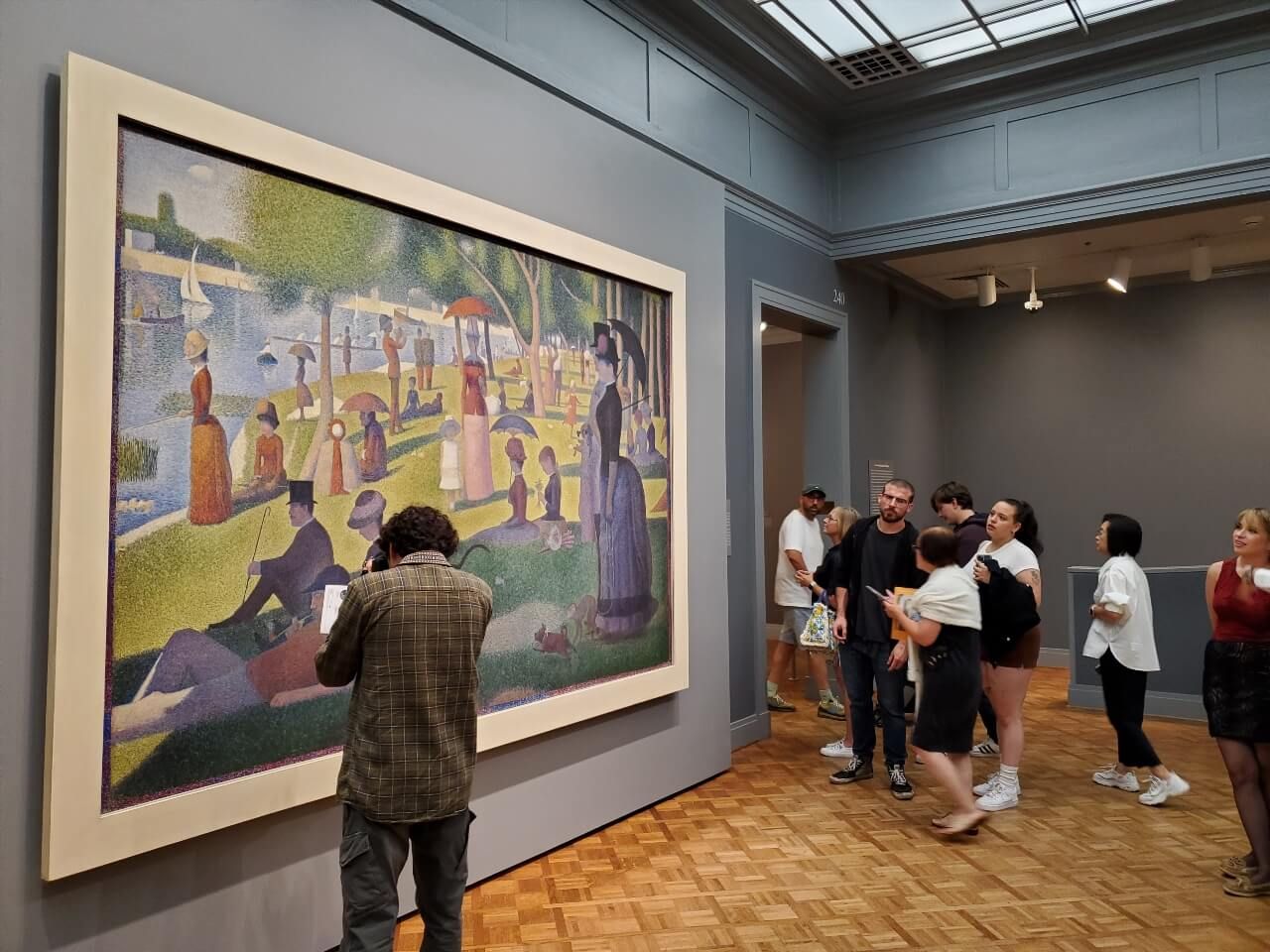
You already know some of what's here, even if you've never visited. Georges Seurat's A Sunday on La Grande Jatte, the painting that introduced pointillism to the world and later inspired a Sondheim musical, fills an entire wall in the Impressionism galleries. Grant Wood's American Gothic is smaller than you expect. Edward Hopper's Nighthawks is larger. Standing in front of works you've only seen in reproduction is a reliably disorienting experience, and the Art Institute delivers that feeling repeatedly.
Beyond the canonical masterpieces, the museum holds extraordinary depth in areas most visitors overlook. The Thorne Miniature Rooms, 68 furnished rooms built at 1:12 scale, spanning European interiors from the late 13th century to the 1930s, are among the strangest and most fascinating objects in any museum anywhere. The Modern Wing, opened in 2009 and designed by Renzo Piano, houses an exceptional collection of 20th-century work including pieces by Picasso, Miró, Rothko, and Jasper Johns.
Admission is $32 for adults, $26 for seniors and students. Chicago residents receive discounted pricing. Allow at least three hours, most people who try to rush through leave wishing they had more time. The museum café on the Modern Wing's second floor offers views of Millennium Park and is a reasonable lunch stop without leaving the building.
Practical note: Thursday evenings, the museum stays open until 8pm, a useful option in summer when queues at the main entrance are shorter than midday.
3. Ride Up the Willis Tower Skydeck
For decades it was the tallest building in the world. The Willis Tower (233 S Wacker Dr, Chicago, IL 60606, rated 4.6/5 on Google (36 170 avis)), still called the Sears Tower by most Chicagoans, stands 442 metres tall, and the Skydeck on the 103rd floor remains one of the most exhilarating urban viewpoints anywhere.
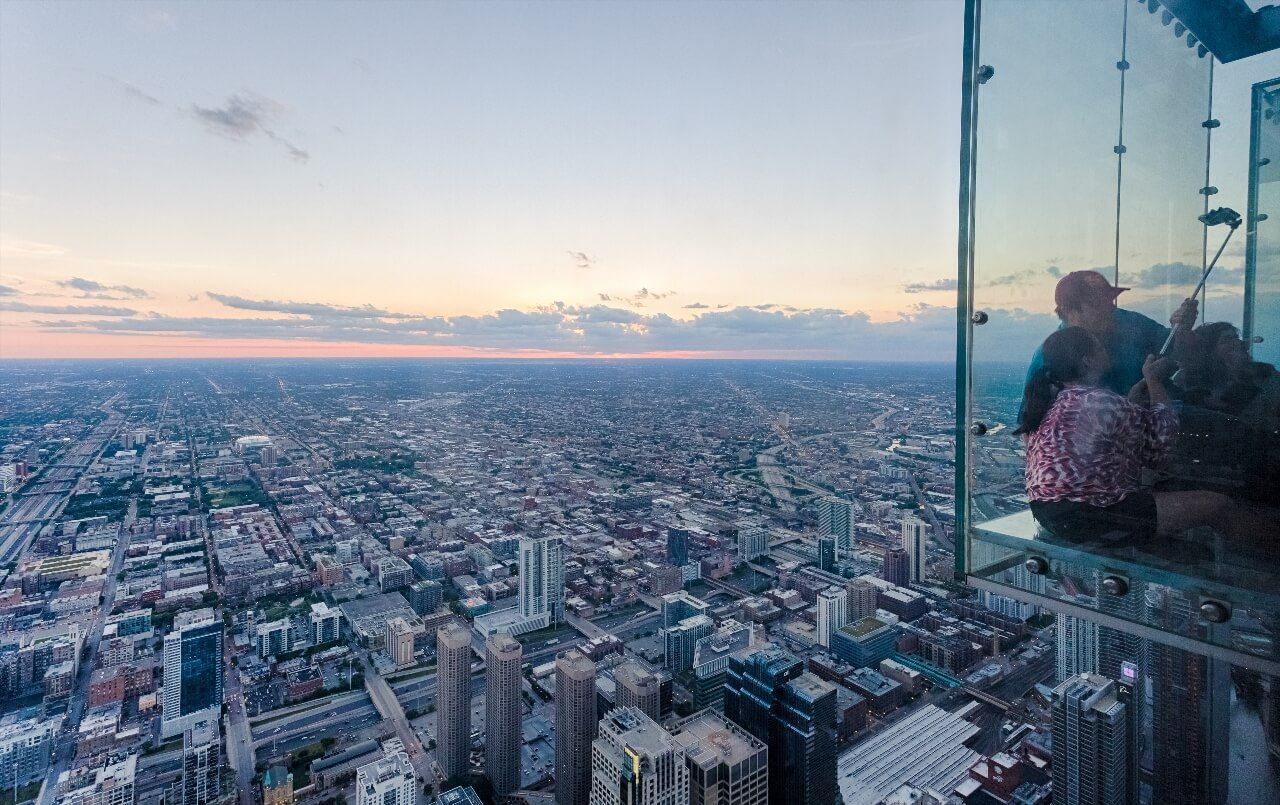
The high-speed elevators take 60 seconds to reach the top. On a clear day, the view extends across four states: Illinois, Indiana, Wisconsin, and Michigan. Lake Michigan stretches to the horizon in one direction; the flat grid of the city dissolves into the prairie in the other. The observation deck wraps the building on three sides, giving you 360 degrees of Chicago laid out at your feet.
The signature feature of the Skydeck is The Ledge, four glass-floored balconies that extend 1.3 metres beyond the building's exterior. You step out onto a transparent floor with nothing beneath you but 412 metres of open air. First-timers tend to approach cautiously, then crouch, then laugh. Regulars walk straight out without breaking stride. It is, by any measure, a memorable experience.
Admission runs $28, $32 depending on the time of day (online prices are lower than door prices). Book in advance to skip the ground-floor queue, which can stretch to 45 minutes on summer weekends. The best time to visit is late afternoon on a weekday, the light is softer, the crowds thinner, and if the timing works out, you can watch the sun set over the lake from 412 metres up.
Tip: Chicago gets foggy. Check the visibility forecast before booking, the Skydeck website publishes a real-time visibility report.
4. Stroll Along the Chicago Riverwalk
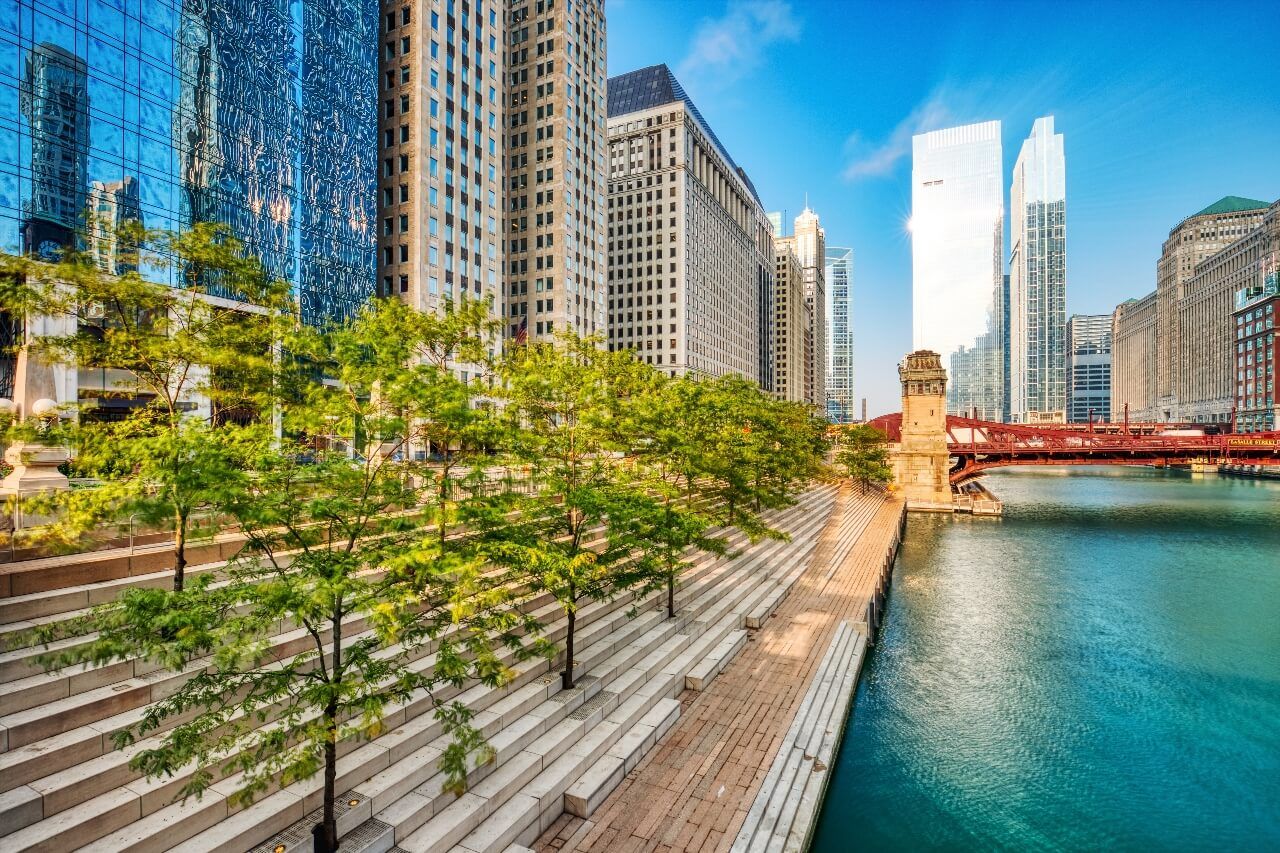
The Chicago Riverwalk (376 N Michigan Ave, Chicago, IL 60601, rated 4.7/5 on Google (22K reviews)) runs 1.8 kilometres along the south bank of the Chicago River, connecting Michigan Avenue to Lake Shore Drive through a sequence of outdoor rooms, kayak rental docks, outdoor restaurants, wine bars, a small urban garden, and several public art installations. It was developed in phases between 2012 and 2016 at a cost of over $100 million, funded partly through a federal TIGER grant, and the result fundamentally changed how Chicagoans relate to a river that was once treated primarily as an industrial drain.
Walking the full length takes about 25 minutes at a leisurely pace, though you'll almost certainly stop along the way. The section near Wabash Avenue has a cluster of popular outdoor bars that pack out on summer evenings. The Vietnam Veterans Memorial Plaza sits near the Michigan Avenue end, a quiet and well-designed space that often gets bypassed by tourists rushing between landmarks. Near the western end, the Chicago Watertaxi departs regularly for points north and south, a pleasant and inexpensive way to extend your time on the water.
For context, bear in mind that the Chicago River is one of only three rivers in the world that has been permanently reversed in flow direction. The reversal, completed in 1900, was an engineering feat with no real precedent, carried out to send sewage away from Lake Michigan rather than into it. You are, in other words, walking beside a river that runs the wrong way on purpose.
5. Take an Architecture River Cruise
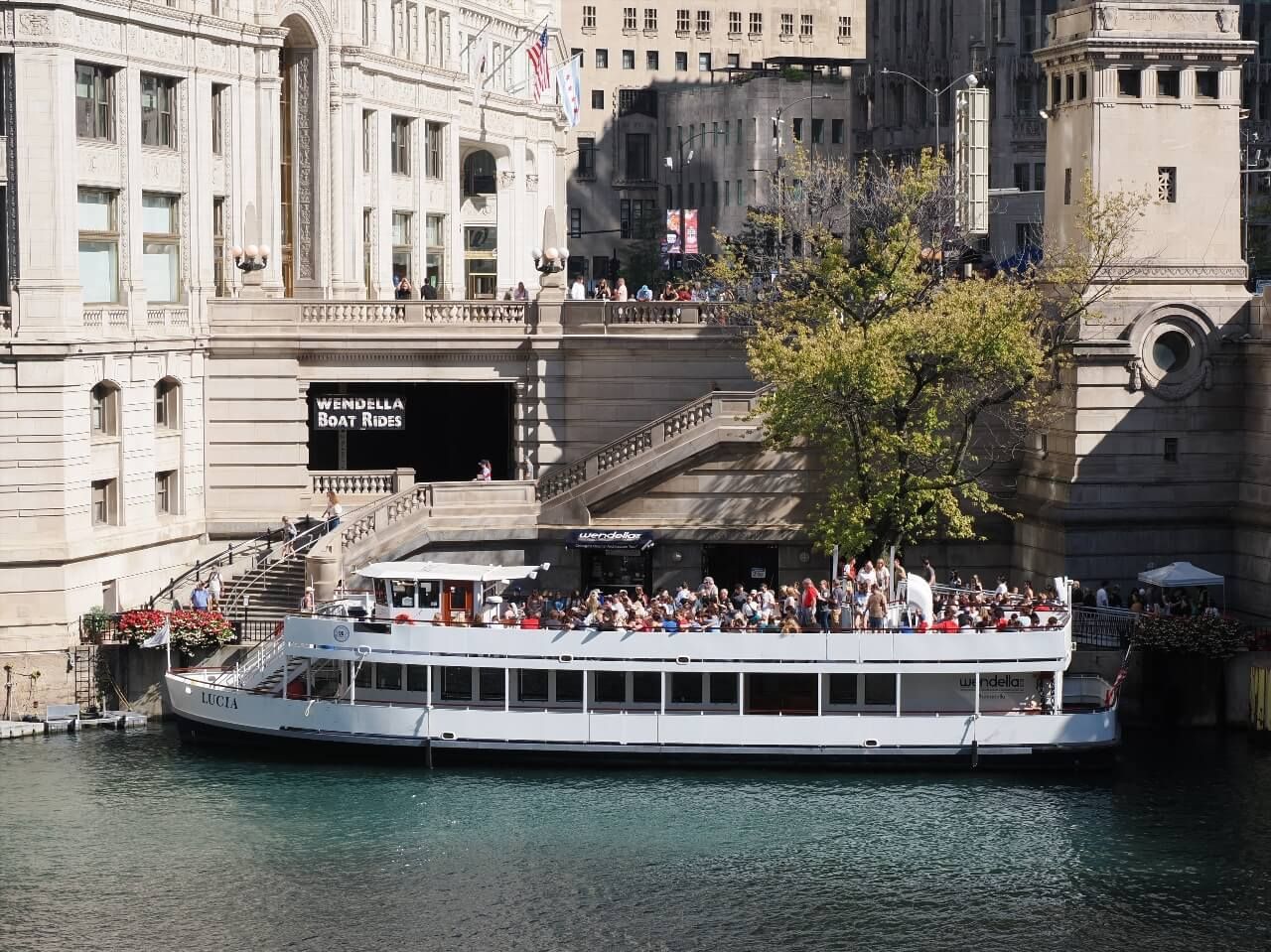
If you do only one organised tour in Chicago, make it this one. The Chicago Architecture Foundation Center River Cruise is widely regarded as the best architectural tour of any city in the world, a claim made not just by travel writers but by architects, urban planners, and historians who bring their students here specifically to illustrate what a great city looks like.
The cruise lasts 90 minutes and travels along the Chicago River, passing beneath 50+ bridges while trained docents, many of them architects themselves, explain what you're seeing. This is not generic commentary. The guides break down the structural decisions behind specific buildings, explain why Chicago became the laboratory for modern architecture after the Great Fire of 1871, and point out details you would never notice from street level.
You'll see the Tribune Tower, completed in 1925, its base embedded with 120 fragments of historic buildings collected from around the world, the Parthenon, the Berlin Wall, the Taj Mahal. You'll pass Marina City, the twin concrete corncob towers from 1964 that look like something from a Sixties sci-fi film and were designed to keep middle-class residents from leaving for the suburbs by including a marina, a theatre, a bowling alley, and an ice rink in the complex itself. You'll see the 330 North Wabash Building (formerly IBM Building) by Mies van der Rohe, understated and flawless in its proportions, and directly across the river, the Wrigley Building glowing white against the sky.
Tickets cost $52 for adults through the Chicago Architecture Center (111 E Wacker Dr, Chicago, IL 60601, rated 4.7/5 on Google (2 026 avis)). The morning departure at 10am is the least crowded; the 1pm and 3pm cruises fill quickly in summer. Book at least two days ahead between June and September.
One detail worth knowing: the Chicago Architecture Center itself, on East Wacker Drive, has a free exhibition space with scale models of every major building in the city. It's worth 30 minutes before or after your cruise.
6. Spend a Day at Navy Pier
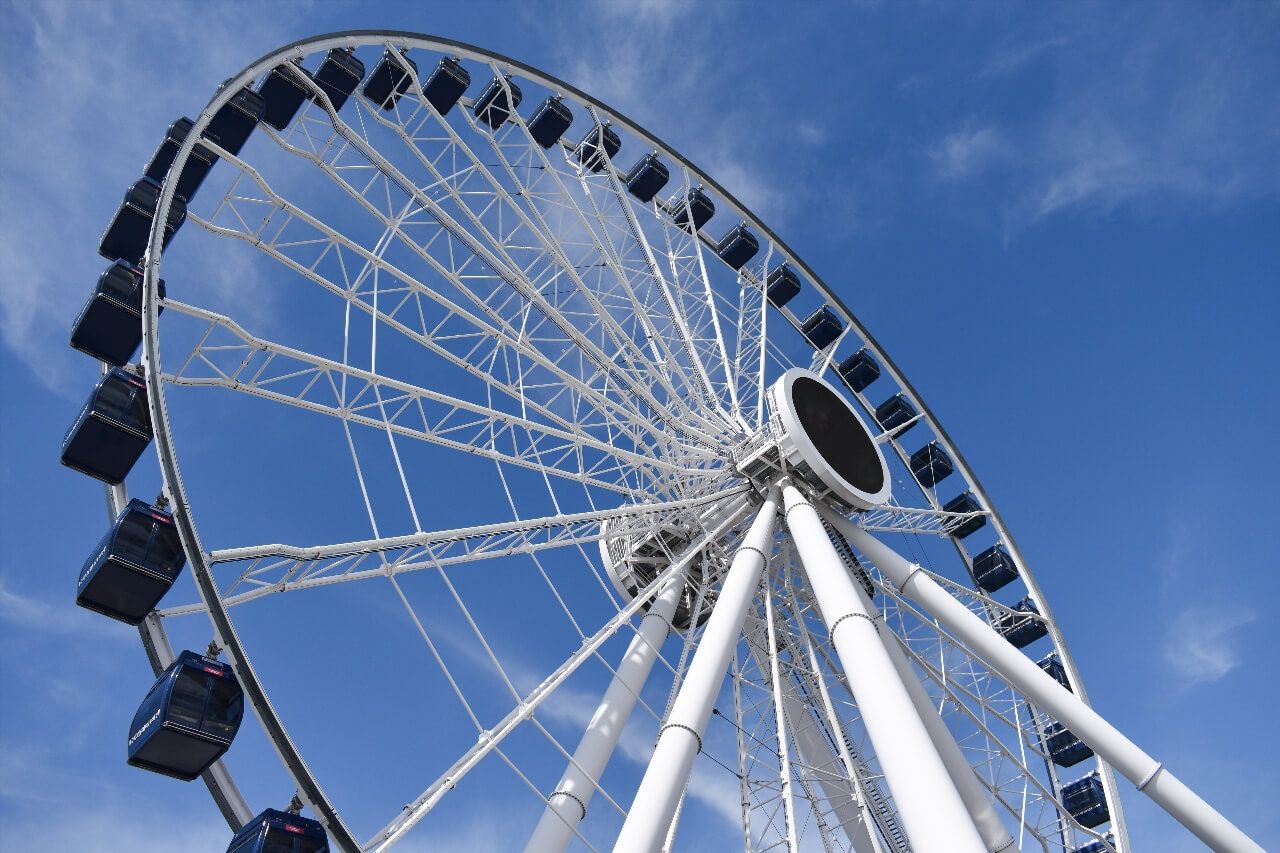
Navy Pier (600 E Grand Ave, Chicago, IL 60611, rated 4.6/5 on Google (86 919 avis)) extends 1 kilometre into Lake Michigan and draws around 9 million visitors per year, more than any other attraction in the Midwest. It's a place that Chicagoans have complicated feelings about, but for a first-time visitor it delivers consistently: lake views, seasonal entertainment, a Ferris wheel with glass gondolas, and enough food options to handle any group's preferences.
The pier is free to enter. The Centennial Wheel, a 61-metre Ferris wheel installed in 2016 with fully enclosed, climate-controlled gondolas, costs $18 per person. The Chicago Children's Museum is also on the pier ($17 for children, adults free with a child). The IMAX Theatre screens a rotating programme of documentaries and mainstream films.
Wednesday and Saturday evenings throughout summer bring free fireworks displays over the lake, timed for around 9:30pm and best viewed from the eastern end of the pier. The crowds are large but the spectacle is worth it, watching fireworks explode over Lake Michigan from a pier that extends a kilometre offshore is not an experience you'll easily replicate elsewhere.
Practical note: the restaurants on the pier are overpriced and mediocre. Walk ten minutes west to the Streeterville neighbourhood for significantly better options at lower prices.
7. Wander the Magnificent Mile
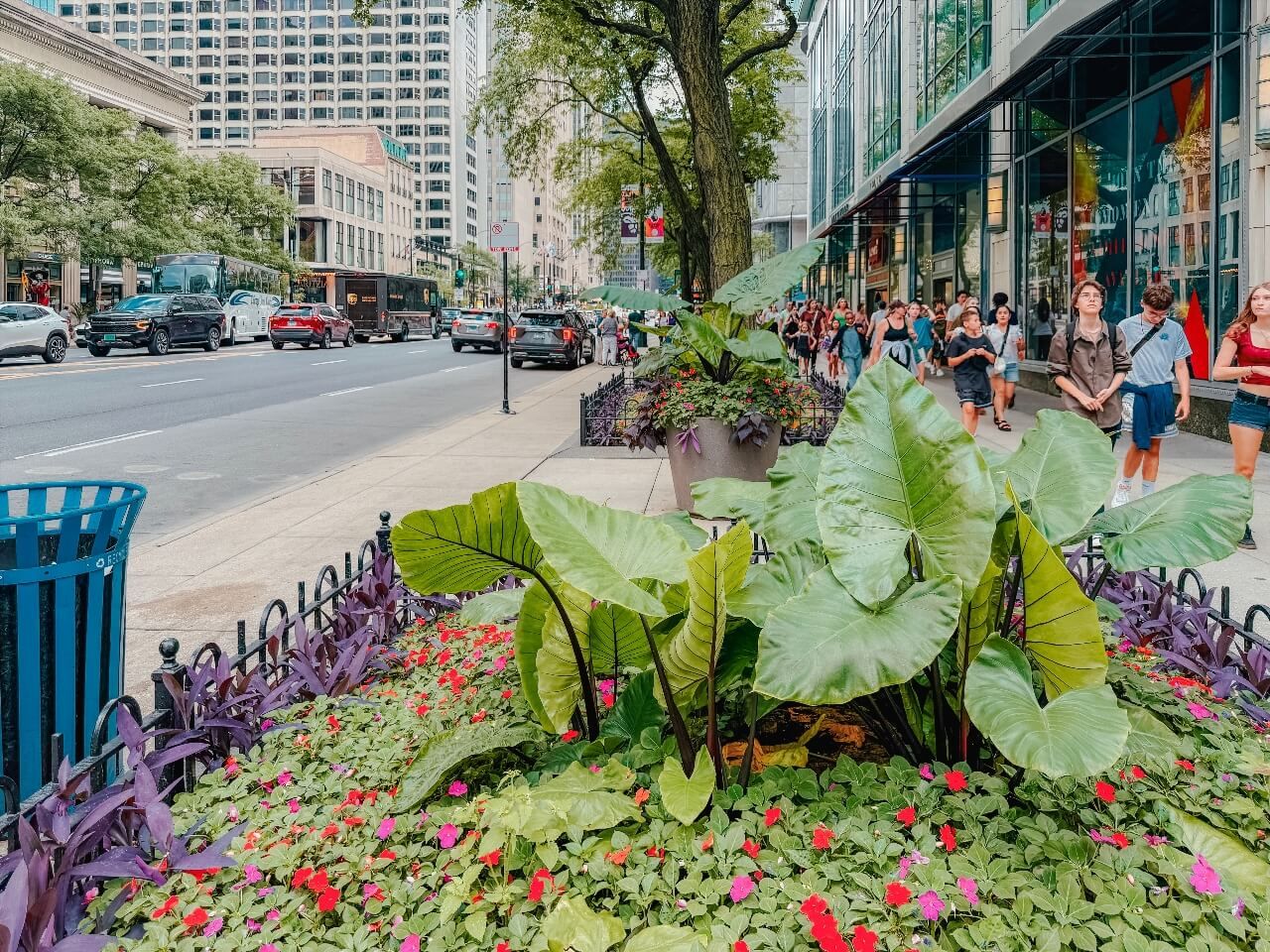
The stretch of North Michigan Avenue between the Chicago River and Oak Street is known as the Magnificent Mile (North Michigan Avenue, Chicago, IL 60611), a 1.6-kilometre retail corridor that mixes flagship department stores, luxury boutiques, mid-range chains, and some of Chicago's most recognisable buildings in a single dense strip. It is, by any measure, a serious piece of urban design.
The shopping is straightforward: Bloomingdale's, Nordstrom, Apple, Nike, the Water Tower Place mall. What's less obvious is the architecture surrounding the retail. The John Hancock Center towers above the northern end with its distinctive X-bracing, a structural system that allowed the building's engineers to use less steel than a conventional frame while building taller. The Chicago Water Tower, at the corner of Michigan and Chicago Avenues, is one of the few structures that survived the Great Fire of 1871; it stands there now, a small castle in limestone, surrounded by glass towers, looking quietly defiant.
The best time to walk the Magnificent Mile is early morning before the retail crowd arrives, the light on the buildings is different, and you can actually see the architecture rather than the backs of people photographing it.
8. Catch a Game at Wrigley Field
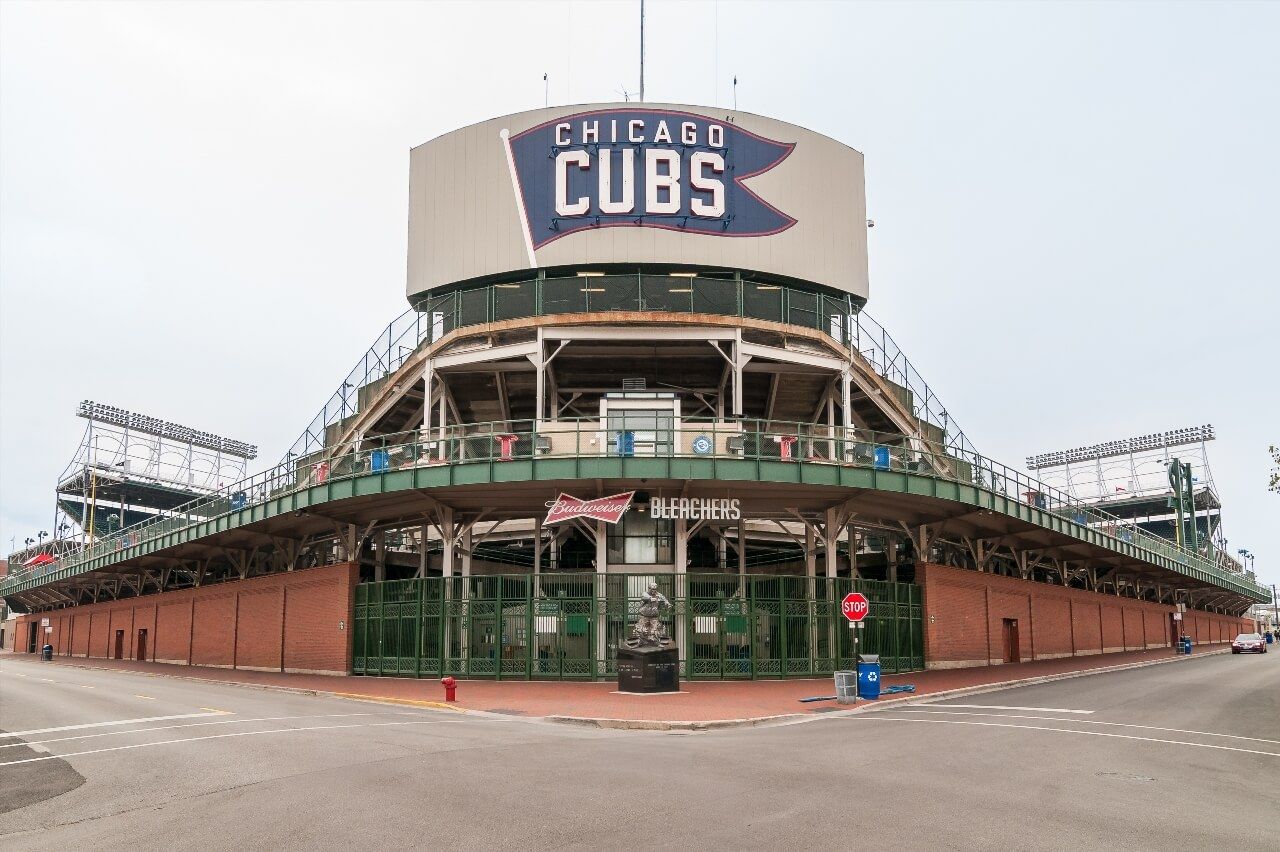
Wrigley Field (1060 W Addison St, Chicago, IL 60613, rated 4.8/5 on Google (34 894 avis)) opened in 1914 and is the second-oldest Major League Baseball stadium still in active use. It holds 41,649 people and sells out almost every home game. Going to a Cubs game here is not primarily about the baseball, it's about being inside one of the few genuinely historic sports venues left in North American professional sport.
The stadium has ivy-covered outfield walls, a feature so singular that it has become the stadium's defining image. The ivy was planted in 1937 at the suggestion of Bill Veeck. In late summer, the ivy grows dense enough that balls hit into it are declared ground-rule doubles. The stadium has no ring of concrete isolating it from the neighbourhood: the surrounding streets, known as Wrigleyville, press right up to the outfield walls, and rooftop seats on the apartment buildings across Waveland and Sheffield Avenues have been selling views of the field since the early 20th century.
Tickets range from $25 for bleacher seats to $150+ for premium infield positions. The atmosphere in the bleachers is genuinely communal, you'll be standing for most of the innings, singing during the seventh-inning stretch, and likely talking to the strangers sitting either side of you within three innings.
For non-baseball fans: the stadium also offers 90-minute tours year-round ($30 per person) that cover the clubhouses, the press box, and the history of the Cubs' long drought, 108 years between World Series victories, ended finally in 2016.
9. Discover the Field Museum
The Field Museum (1400 S Lake Shore Dr, Chicago, IL 60605, rated 4.7/5 on Google (29 993 avis)) is one of the great natural history museums in the world, housed in a white marble building that occupies the southern end of Museum Campus, a lakefront complex shared with the Shedd Aquarium and the Adler Planetarium.
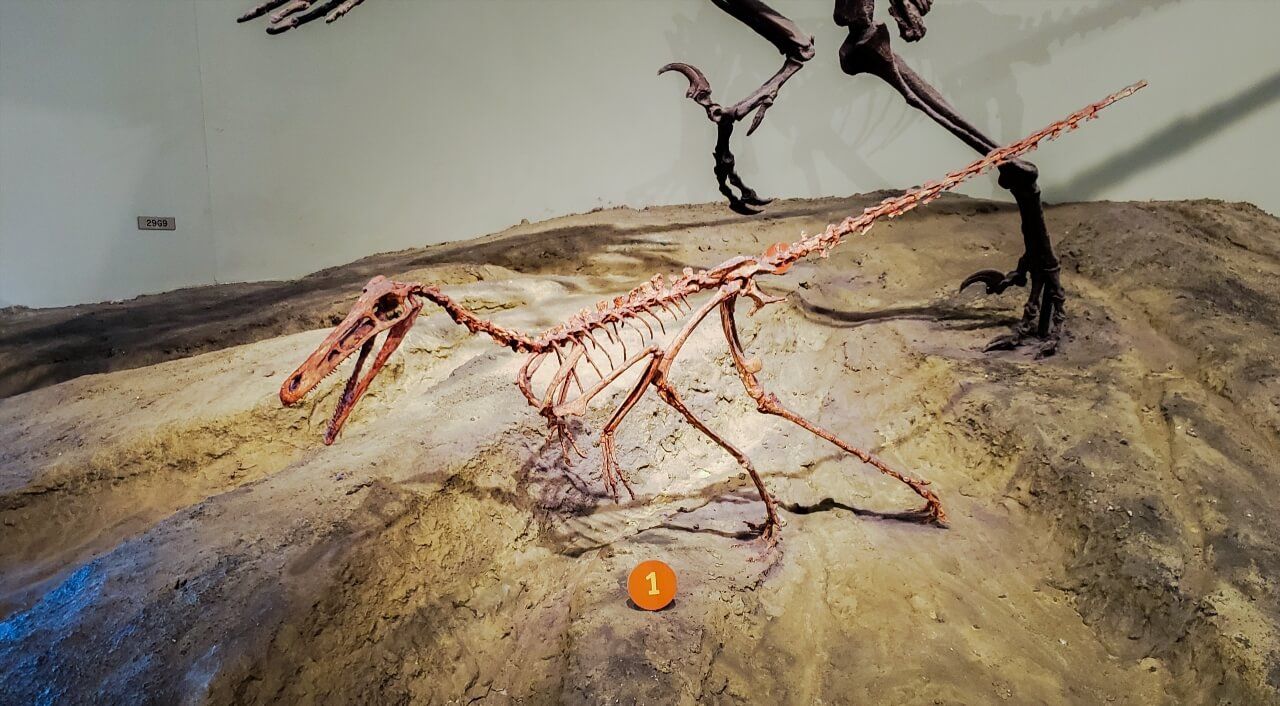
The centrepiece of the museum is Sue, the most complete and best-preserved Tyrannosaurus rex skeleton ever discovered. Sue stands in Stanley Field Hall at the museum's entrance, 12.3 metres long, 4 metres tall at the hips, her skull alone weighing 272 kilograms. She was discovered in South Dakota in 1990 by palaeontologist Sue Hendrickson, after whom she is named, and the Field Museum purchased her skeleton at auction in 1997 for $8.36 million, the highest price ever paid for a dinosaur fossil at that time. What most people don't know is that a second, reconstructed skull is displayed separately, because the original is too heavy to support on the mounted skeleton.
Beyond Sue, the museum holds 40 million specimens across four main areas: Ancient Egypt (including 23 actual mummies), Africa, the Americas, and Gems and Jade. The Underground Adventure exhibit shrinks you (conceptually) to insect size to explore the soil ecosystem, a particular hit with children, though the giant animatronic centipede unsettles adults too.
Admission is $26 for adults, $18 for children (3 : 11). The museum is open daily from 9am to 5pm. Allow at least four hours. The Grainger Hall of Gems is worth seeking out specifically, it contains a 431-carat emerald and a meteorite from Mars.
10. Marvel at the Shedd Aquarium
The Shedd Aquarium (1200 S Lake Shore Dr, Chicago, IL 60605, rated 4.5/5 on Google (32 129 avis)) sits on the Museum Campus beside the Field Museum and houses 32,000 animals across 1,500 species. It is one of the most visited aquariums in the world.
The Oceanarium is the largest indoor marine mammal facility in the world, housing beluga whales, Pacific white-sided dolphins, and sea otters in a habitat designed to simulate the Pacific Northwest coast. The viewing gallery is built into the lakefront wall, so the backdrop visible through the glass is Lake Michigan, creating the illusion of a seamless ocean extending beyond the exhibit.
The Wild Reef exhibit recreates a Philippine coral reef across 17 interconnected tanks with more than 500 species of fish. The shark tunnel, where sand tiger sharks, zebra sharks, and bull sharks patrol overhead, is predictably the most popular section. Admission is $39.95 for adults, $29.95 for children. Combination tickets with the Field Museum and Adler Planetarium offer significant savings if you plan to visit all three in the same trip.
11. Visit the Museum of Science and Industry
The Museum of Science and Industry (5700 S Lake Shore Dr, Chicago, IL 60637, rated 4.7/5 on Google (34 570 avis)) is the largest science museum in the Western Hemisphere, occupying a 93,000-square-metre building in Hyde Park that was originally constructed as the Fine Arts Palace for the 1893 World's Columbian Exposition.
The flagship exhibit is U-505, a German submarine captured in 1944 during a classified naval operation in the Atlantic, the first enemy vessel captured by the US Navy since the War of 1812. The submarine is displayed in a underground exhibit space, and you can walk through the interior. The Coal Mine exhibit takes visitors down into a replica working mine from the 1930s. The colBERTa weather simulation room creates real weather events including a tornado and a hailstorm in a controlled environment.
The Christmas Around the World exhibit (late November through January) is a Chicago institution, displaying 50 trees decorated in the traditions of different countries by immigrant communities from across the city. Admission is $21.95 for adults, $12.95 for children. Allow half a day minimum, it is very easy to lose three or four hours here.
12. Explore the Adler Planetarium
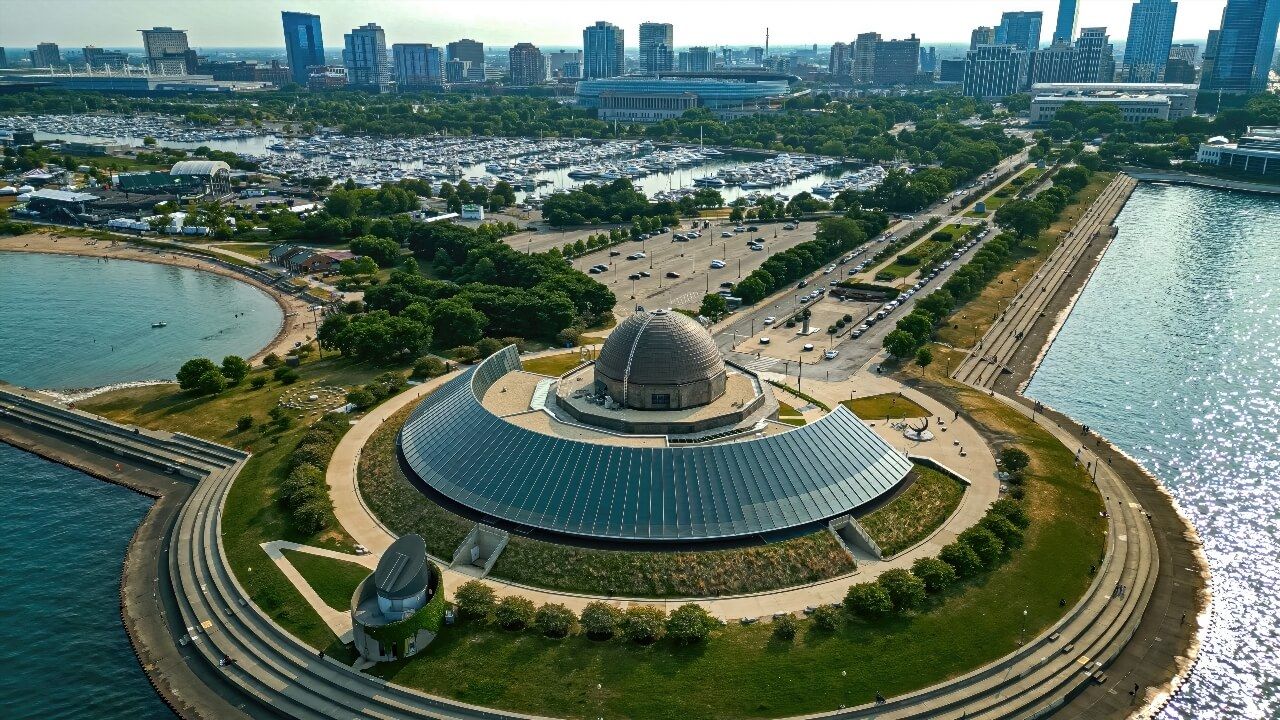
The Adler Planetarium (1300 S Lake Shore Dr, Chicago, IL 60605, rated 4.2/5 on Google (2 748 avis)) was the first planetarium built in the Western Hemisphere, opened in 1930 on the Museum Campus lakefront. Today it houses two full-dome digital theatres and a collection of historic astronomical instruments spanning 600 years.
The projection shows cover topics from black holes to the solar system's formation, with new programmes added regularly. Admission is $12 for adults; show tickets are extra ($13 each). What many visitors miss is the outdoor plaza, particularly the Doane Observatory public viewing nights, held on specific Saturday evenings, where you can look through a 20-inch telescope at no additional charge.
13. Head to 360 Chicago Observation Deck
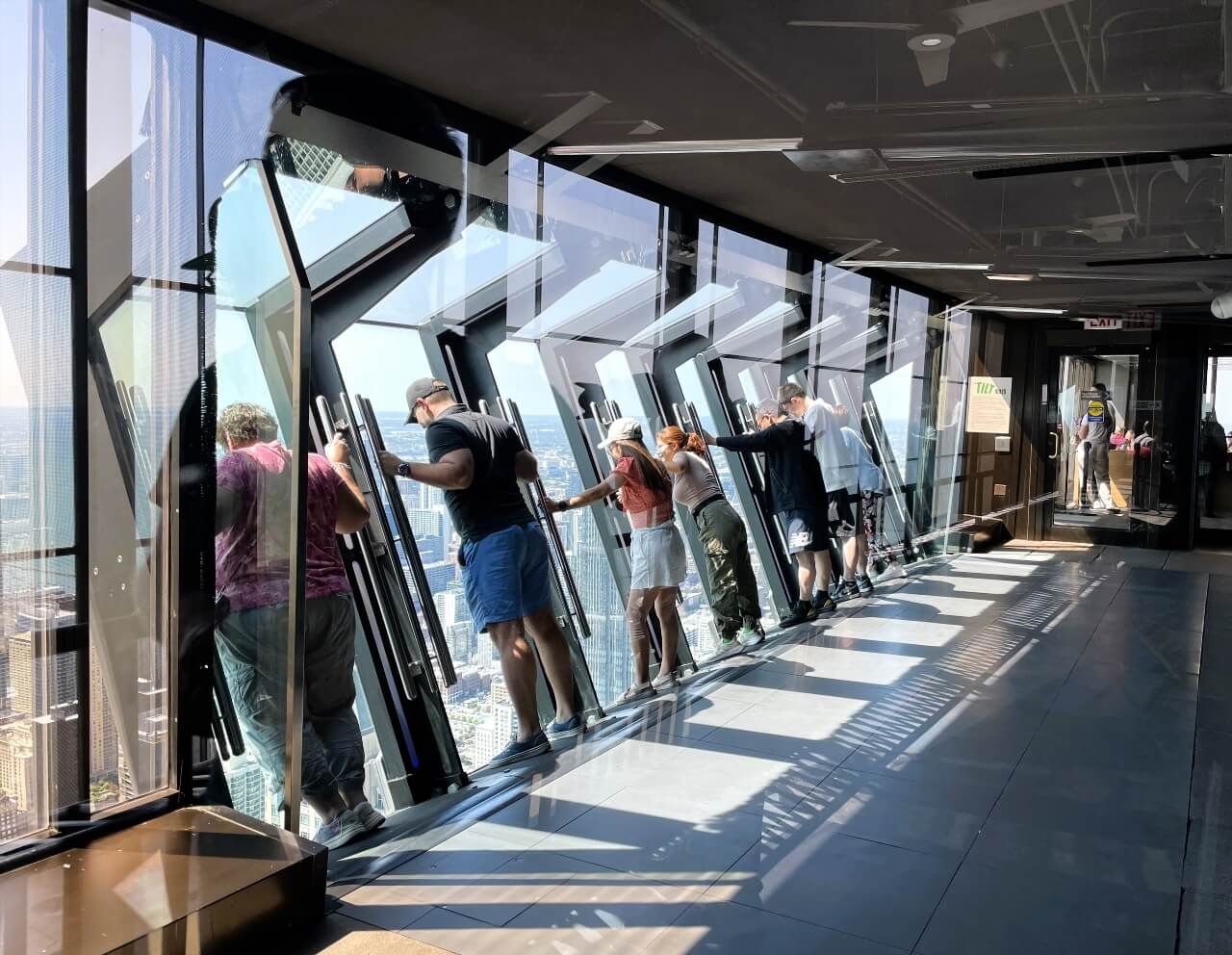
360 Chicago (875 N Michigan Ave, Chicago, IL 60611, rated 4.5/5 on Google (20 402 avis)) occupies the 94th floor of the John Hancock Center on the Magnificent Mile. At 312 metres, it sits lower than the Willis Tower Skydeck, but many visitors prefer it for the simple reason that it faces both north and south along the lakefront, framing a view that takes in both the full sweep of the downtown skyline and the long residential neighbourhoods stretching north toward Evanston.
The signature feature is TILT, a platform along the south wall that tilts visitors outward at a 30-degree angle while suspended above Michigan Avenue. It costs $8 extra and lasts about three minutes. Admission is $28 for adults. The bar on the observation floor serves cocktails, which is either a selling point or a warning sign depending on your relationship with heights.
Practical note: if you're choosing between the Willis Tower and 360 Chicago, the Willis Tower is taller and more famous; 360 Chicago is usually less crowded and offers a more photogenic north-facing view of the lakefront.
14. Visit the Chicago Cultural Center
The Chicago Cultural Center (78 E Washington St, Chicago, IL 60602, rated 4.7/5 on Google (5 870 avis)) is free. That alone makes it worth knowing about.
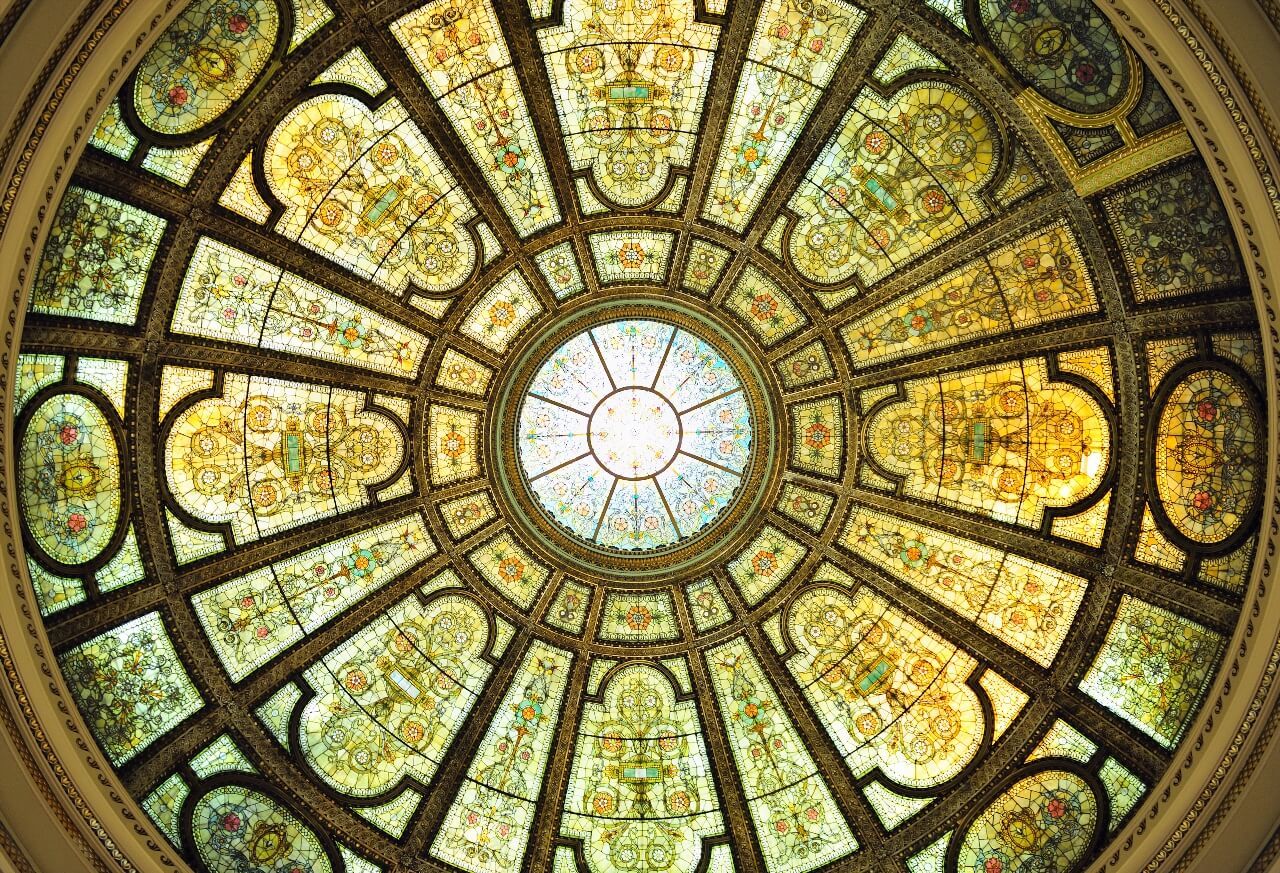
Built in 1897 as the city's original public library, it now functions as the city's official cultural venue, hosting rotating art exhibitions, concerts, lectures, and civic events. The building's interior is the real attraction: two Tiffany glass domes, one 38 feet in diameter in the Preston Bradley Hall, one 40 feet in the Garland Room, are considered among the finest examples of Tiffany architectural glass anywhere in the world. Entry is free. The building is open Monday through Sunday. Most people walk past it without going in. You should go in.
15. Walk Through Lincoln Park and Its Free Zoo
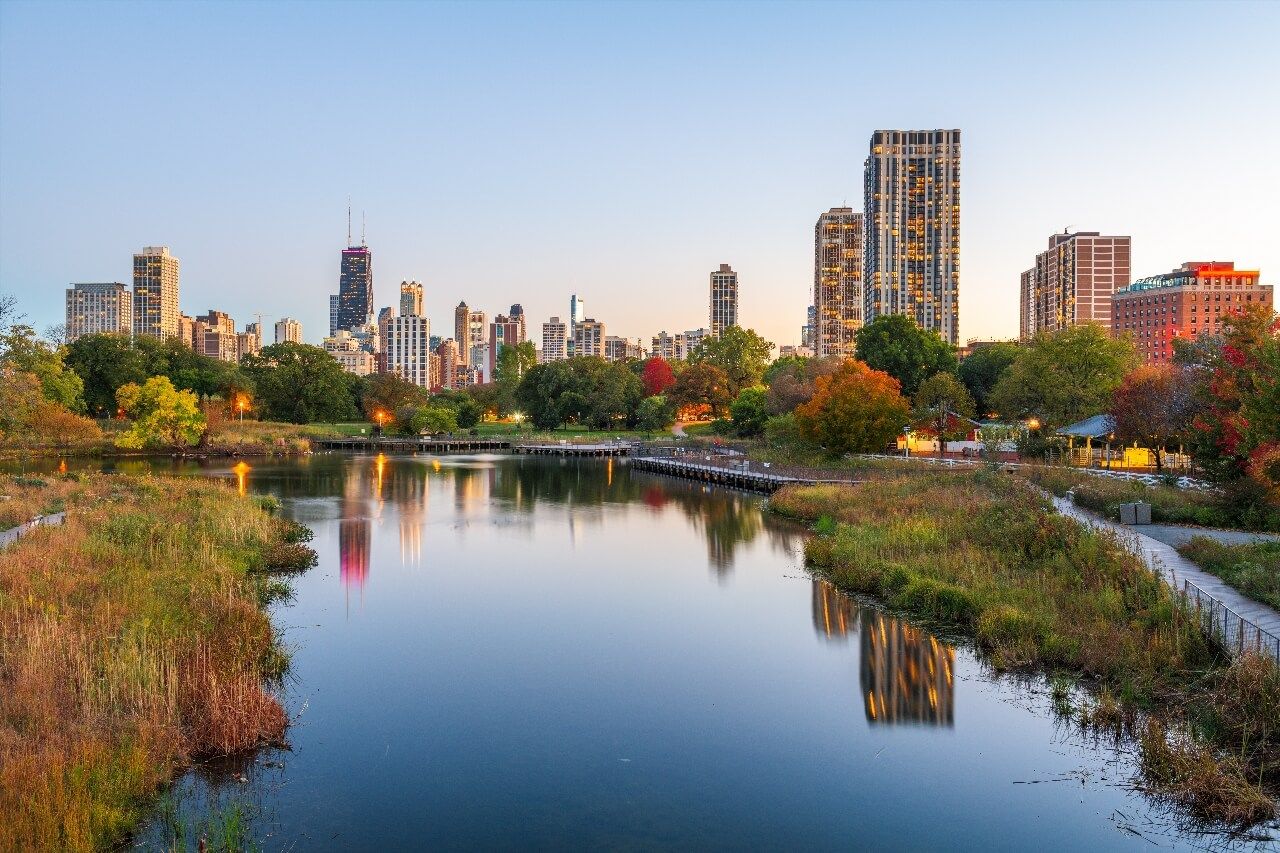
Lincoln Park) stretches 4.9 kilometres along Chicago's North Side lakefront, covering 490 hectares of lawns, gardens, lagoons, and public facilities. It is among the largest urban parks in the United States, and unlike New York's Central Park, it runs along an actual lakefront with beaches accessible for most of its length.
At the park's southern end sits the Lincoln Park Zoo (2001 N Clark St, Chicago, IL 60614, rated 4.6/5 on Google (37 913 avis)), which has been free to enter since 1868, making it one of the only major urban zoos in North America that charges no admission. The zoo holds 200 species across 35 acres, including gorillas, polar bears, African lions, and snow leopards.
The Regenstein Center for African Apes is a particular highlight, designed to give the gorillas and chimpanzees meaningful outdoor space and interior habitat that replicates a forest floor. The primates are often more active and visible here than in many larger, better-funded zoos. The Nature Boardwalk at the zoo's southern edge wraps around a restored wetland pond where 90 bird species have been recorded on site.
Beyond the zoo, Lincoln Park contains the Lincoln Park Conservatory (free, open year-round), a Victorian glasshouse dating to 1895 with four permanent galleries including a Fern Room with plants dating back to the 1880s. The North Pond area is excellent for birdwatching, particularly during spring and autumn migration. On summer weekends, the park hosts outdoor theatre, free concerts at the Petrillo Music Shell, and a farmers market that draws the neighbourhood's considerable food culture.
16. Explore the Garfield Park Conservatory
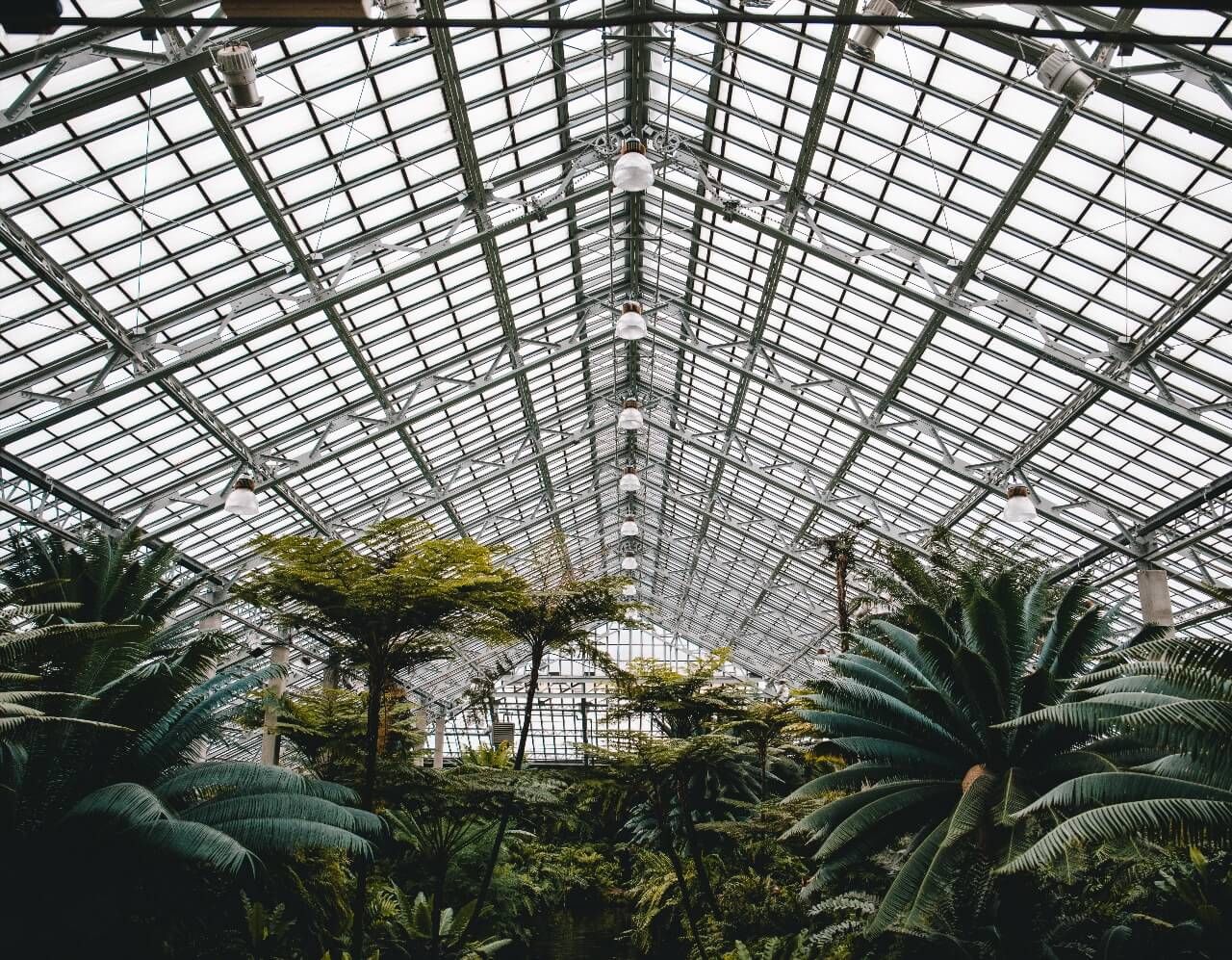
The Garfield Park Conservatory (300 N Central Park Ave, Chicago, IL 60624, rated 4.8/5 on Google (10 359 avis)) is one of the largest conservatories in the United States, covering 4.5 acres under glass across eight display houses. Admission is free.
Designed by Jens Jensen in 1907 in a style intended to evoke natural landscapes rather than formal botanical display, the conservatory houses over 2,000 plant species. The Palm House features plants up to 50 years old growing under a curved glass canopy. The Fern Room is the oldest in the building and contains plants found in fossil records dating back 350 million years. It is humid, dense, and completely unlike anything above ground in Chicago. Come here in February when the rest of the city is frozen solid.
17. Eat Your Way Through Chicago's Deep Dish Pizza Culture
Chicago's relationship with deep dish pizza is not simple. The dish was invented at Pizzeria Uno (29 E Ohio St, Chicago, IL 60611, rated 4.3/5 on Google (6 539 avis)) in 1943 by Ike Sewell and Ric Riccardo, though accounts of its precise origin are contested, as they always are with beloved foods. What is not contested is that deep dish is a specific and deeply regional preparation: a thick butter-and-cornmeal crust formed into a high-sided pan, layered in reverse order (cheese first, then toppings, then sauce on top), and baked for 30 : 45 minutes until the layers set. A single slice can weigh close to 500 grams.
The three institutions that define the genre are different enough from each other to merit a considered choice:
Lou Malnati's (439 N Wells St and multiple locations across the city) is the most consistent and widely available option. The butter crust is flaky and rich, the sausage patty covers the entire base, and the San Marzano tomato sauce arrives chunky and seasoned. Locals routinely name it their favourite.
Giordano's (130 E Randolph St and other locations) makes a stuffed variant rather than a conventional deep dish, the filling is enclosed between two layers of dough, making each slice even more substantial. It is divisive. Some consider it the definitive Chicago pizza; others find it too dense to be enjoyable. Form your own opinion.
Pequod's (2207 N Clybourn Ave) is the choice of food-obsessed locals. Its deep dish has a caramelised cheese crust that forms where the cheese meets the pan, a dark, slightly bitter ring of bubbled mozzarella that adds a texture the other institutions don't attempt. It requires a short trip north of downtown, which keeps the tourist ratio manageable.

18. Discover Pilsen's Street Art and Mexican Culture
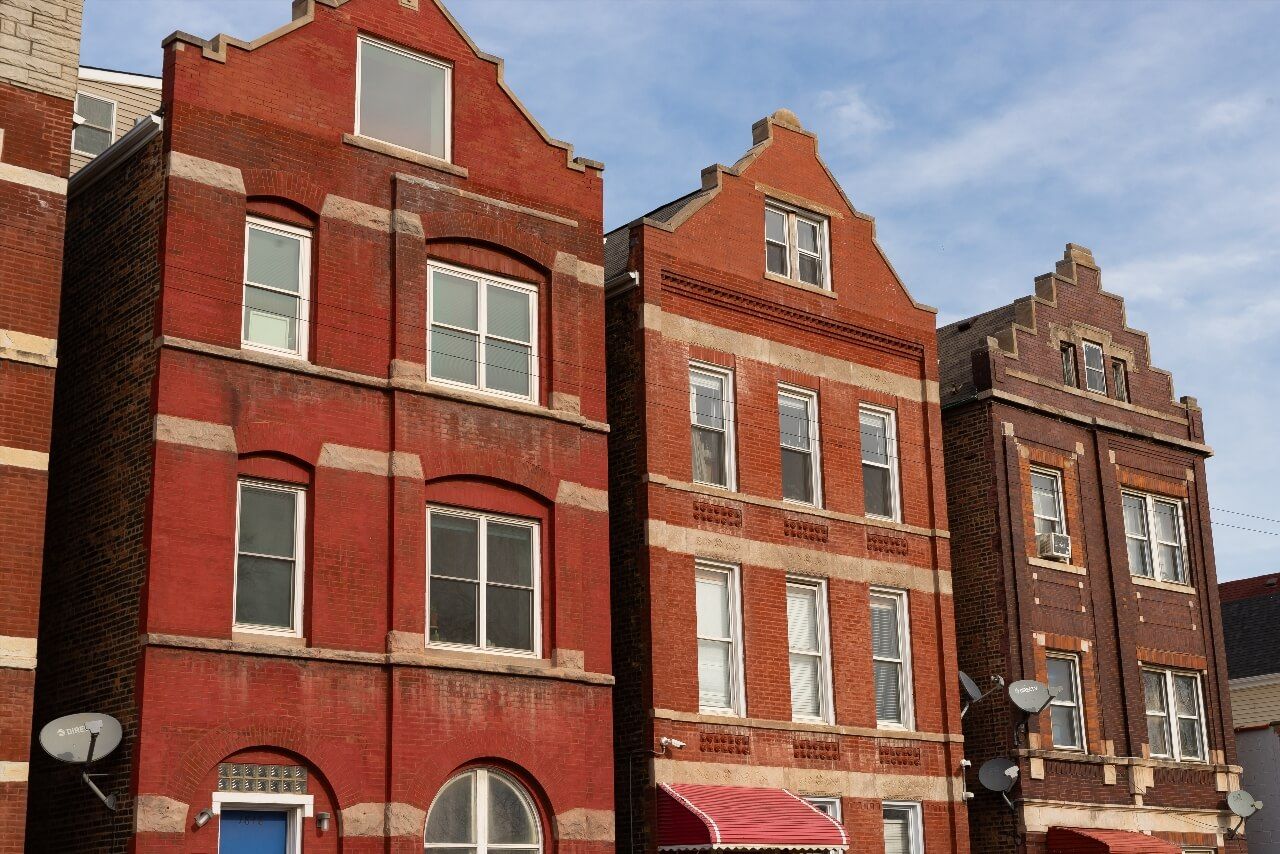
Pilsen is a neighbourhood on Chicago's Lower West Side that has been the city's main Mexican-American cultural hub since the 1960s, following the earlier settlement of Czech and Polish immigrants who gave the neighbourhood its name. It is one of the most visually vivid neighbourhoods in any American city.
The murals are everywhere: on the sides of commercial buildings, across entire warehouse walls, beneath the elevated Pink Line tracks on 18th Street (Pilsen, Chicago, IL 60608). They range from straightforward portrait work to complex political allegories, and the density and quality of the work gives the neighbourhood the feel of an open-air gallery that nobody curated but everyone maintains.
The National Museum of Mexican Art (1852 W 19th St, Chicago, IL 60608, rated 4.8/5 on Google (3 674 avis)) is free to enter and houses a permanent collection of over 10,000 objects spanning 3,000 years of Mexican and Mexican-American art, from pre-Columbian artefacts to contemporary painting and political folk art. It is one of the best free museums in Chicago and is routinely overlooked by visitors who don't venture beyond the lakefront.
18th Street itself, the neighbourhood's main commercial corridor, offers excellent tamales, carnitas tortas, and Mexican pastries at prices nowhere near the downtown tourist rate. Visit on a Saturday morning when the street vendors are out.
19. Catch a Show in Chicago's Theatre District
Chicago has the third-largest theatre scene in the English-speaking world after London and New York, with around 250 professional theatre companies operating in the city. The concentration around the Loop Theatre District along Randolph and State Streets is particularly dense.
The Chicago Theatre (175 N State St, Chicago, IL 60601, rated 4.7/5 on Google (10 604 avis)) itself is a landmark from 1921, a six-storey French Baroque building whose vertical sign is one of the most reproduced images of the city. It now hosts concerts, comedy shows, and touring productions. The Goodman Theatre (170 N Dearborn St) is the most respected dramatic venue in the city, regularly sending productions to Broadway. The CIBC Theatre hosts major Broadway touring shows.
For something beyond mainstream programming: the Second City (1616 N Wells St) comedy club in Old Town has been the launch pad for more comedians than any institution outside of Saturday Night Live, Bill Murray, John Belushi, Tina Fey, Stephen Colbert, and dozens more began here. The mainstage revue runs nightly; tickets are around $30, $50 and the Thursday 7pm show is often the best value.
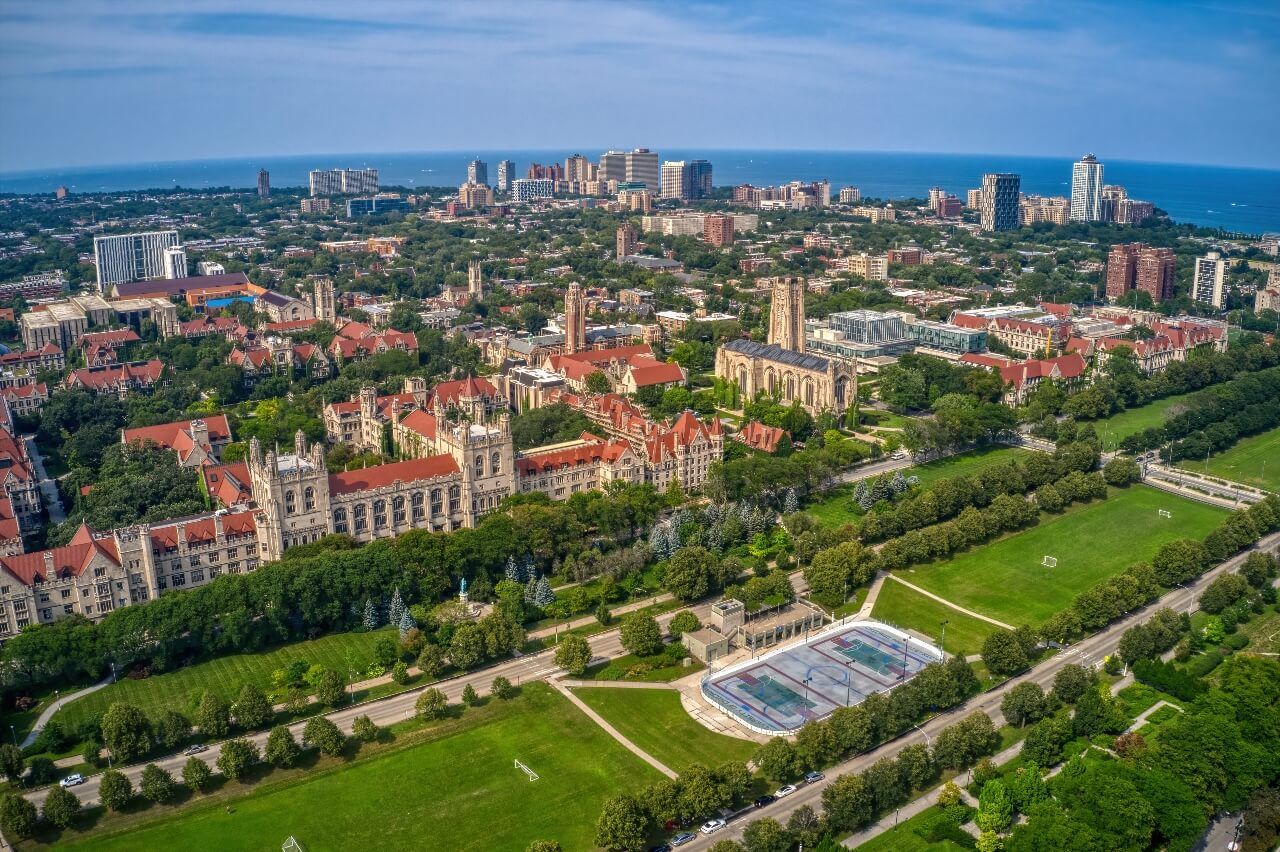
20. Explore Hyde Park and the University of Chicago
Hyde Park sits 11 kilometres south of the Loop and operates at a different frequency from the rest of the city, quieter, denser with bookshops, and presided over by the gothic sandstone buildings of the University of Chicago (5801 S Ellis Ave, Chicago, IL 60637, rated 4.6/5 on Google (1 083 avis)), one of the world's great research universities. Barack Obama lived here for 20 years and represented the neighbourhood in the Illinois State Senate before his national political career began.
The university's campus is worth walking through on its own merits, the quadrangles were modelled after Oxford and Cambridge, and several of the buildings predate the First World War. The Rockefeller Memorial Chapel (5850 S Woodlawn Ave) is open to the public daily; its carillon of 72 bells plays on weekend afternoons.
A short walk away, the Barack Obama Presidential Center (1400 S Lake Shore Dr, Chicago, IL 60615) is currently under construction in Jackson Park and scheduled to open in 2026, a museum, forum, and public space that will permanently anchor the neighbourhood's identity to the 44th president's legacy. The adjacent Museum of Science and Industry has been a Hyde Park anchor for over a century.
For lunch or dinner in the neighbourhood, Medici on 57th (1327 E 57th St) has been serving the university community since 1962 and remains an excellent, reasonably priced option, burgers, sandwiches, and homemade soups in a space covered floor-to-ceiling with decades of carved graffiti left by generations of students.
FAQ
What is the best time of year to visit Chicago?
Late spring (May to early June) and early autumn (September to October) offer the most reliable weather for outdoor sightseeing. Summers are warm but can be humid, and the lakefront draws large crowds from July through August. Winters are genuinely cold, temperatures below -15°C are not uncommon in January and February, but the city remains fully operational, and hotel rates and museum queues drop significantly.
How many days do you need in Chicago?
A long weekend (3 : 4 days) is enough to cover the major lakefront attractions, Millennium Park, Art Institute, Navy Pier, the Museum Campus, and a river cruise. A full week gives you time to explore neighbourhoods like Pilsen, Wicker Park, Lincoln Square, and Hyde Park, which are where the city's less visible character lives. Most first-time visitors underestimate Chicago and leave wishing they had stayed longer.
Is the Chicago CityPASS worth buying?
The CityPASS ($119 for adults, $99 for children) covers admission to the Shedd Aquarium, Field Museum, Skydeck Chicago, and two optional attractions. It represents a saving of around 40% compared to individual admission prices, and is worth buying if you plan to visit at least three of the included venues within a few days. It also includes skip-the-queue access at most venues.
How do you get around Chicago?
The CTA 'L' train covers most tourist destinations efficiently and costs $2.50 per ride (unlimited-day passes from $5 for 24 hours). The Blue Line runs from O'Hare Airport directly to the Loop. Taxis and rideshares are readily available. For the lakefront and Museum Campus, the free Shoreline Water Taxi runs seasonally between Navy Pier, the Museum Campus, and several river stops. The city is reasonably walkable in the Loop and Near North Side.
Are there free things to do in Chicago?
Yes, several of Chicago's best experiences cost nothing. Millennium Park is free, including the Cloud Gate sculpture and summer concerts. The Lincoln Park Zoo has been free since 1868. The Chicago Cultural Center, with its Tiffany glass domes, charges no admission. Pilsen's murals and the National Museum of Mexican Art are free. The Chicago Riverwalk is free to walk. The city also runs free outdoor events throughout summer, including the Chicago Blues Festival and the Chicago Jazz Festival in Grant Park.
What food should you try in Chicago?
Deep dish pizza is the obvious answer, and it genuinely requires a visit to understand, photographs don't convey the weight and richness of the thing. Beyond pizza: the Chicago-style hot dog (never with ketchup, always with yellow mustard, white onion, bright green relish, a dill pickle spear, sport peppers, and celery salt) is a precise and passionate regional institution. Italian beef sandwiches (thin-sliced seasoned beef in a roll, dipped in the cooking jus) are a Chicago original available at places like Al's Beef or Portillo's. The city also has a serious fine-dining scene, Alinea holds three Michelin stars.
Conclusion
Chicago rewards the visitor who approaches it with genuine curiosity rather than a checklist. The lakefront landmarks are worth your time, the Cloud Gate, the river cruise, the Skydeck are all as good as their reputations suggest. But the neighbourhoods south and west of the Loop, the hidden murals, the free institutions, the stadium built in 1914 with ivy on its walls and a hand-operated scoreboard, these are where Chicago becomes something more than a collection of famous buildings.
Plan your visit around two or three priorities, leave space for unexpected turns, and expect to leave with a list of reasons to come back. Chicago is one of those cities that reveals itself slowly and generously, the more time you give it, the more it offers.