Walk
The soul of Argentina
Buenos Aires, Argentina
Walk
The soul of Argentina
Buenos Aires, Argentina
6 km
Distance
2h30
Durée
19
Audios
Loop
Parcours
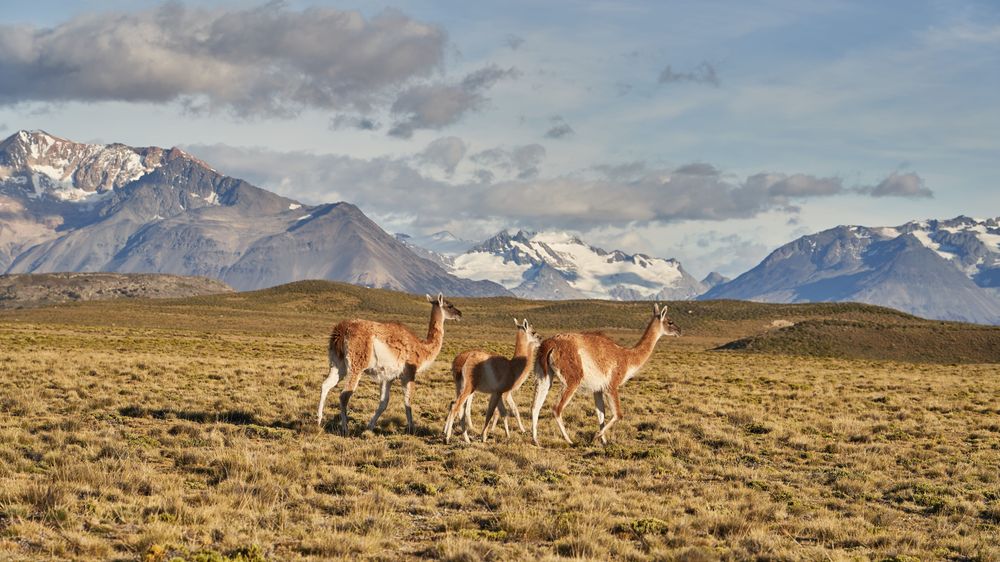
Argentina stretches from the tropics to the ends of the earth, offering travelers a palette of landscapes, flavors, and emotions that is hard to match. From the golden vineyards of Mendoza to the blue-tinged glaciers of Patagonia, through the rustling jungles of the North and the sweeping plains of the Pampas, each region tells its own story. Visiting Argentina means accepting to be surprised at every turn, to the rhythm of a country that lives intensely — from the sunset over the rooftops of Buenos Aires to the mineral silences at the tip of the continent. To explore its cities through immersive audio narratives, Ryo's audio-guided tours accompany you and allow you to travel in full autonomy, at your own pace.
A vibrant and cosmopolitan capital, Buenos Aires is as much a city to be lived as it is to be admired. Its Haussmann-style avenues sit alongside colorful alleyways, its century-old cafés resonate with bandoneon music, and each neighborhood reveals its own distinct personality. With two Ryo audio-guided tours available in the city, including a Stroll Through the Beautiful Neighborhoods, you can wander through the heart of Recoleta or Palermo while letting the app's voices weave together history and local anecdotes, without ever losing the pleasure of getting a little lost.
Beyond its cities, Argentina unfolds territories of breathtaking scale. Patagonia, in the south, draws travelers toward its glacial lakes and vertiginous panoramas, most notably the Perito Moreno Glacier — a living monument that still advances where so many others retreat. Further north, the Iguazu Falls, born on the border with Brazil, plunge into a roar of mist and rainbows that leaves visitors speechless. The Valdés Peninsula, for its part, offers improbable encounters with whales, sea lions, and penguins along the Atlantic coast. In the Northwest, the Andean valleys and their ochre-earth villages are a reminder that Argentina also carries within it the legacy of pre-Columbian civilizations. Finally, the Mendoza region, set against the snow-capped Andes, invites travelers to journey from vineyard to vineyard, between altitude and light.
Argentina can be visited year-round, but the best time largely depends on the regions you wish to explore. For Patagonia and its vast natural landscapes, the southern summer — from November to March — offers milder conditions and seemingly endless days. The Argentine Northwest and the Mendoza region lend themselves well to travel during the southern winter, between May and September, with soft light and pleasant temperatures. Buenos Aires, for its part, welcomes visitors in all seasons, though the southern spring and autumn are particularly enjoyable.
Given the considerable distances between the major regions, flying is often the most practical way to travel between Buenos Aires and Patagonia or the North. The long-distance bus network is extensive and comfortable, ideal for connecting mid-sized cities. Renting a car opens up the possibility of true Argentine road trips, particularly across the Pampas or around Mendoza, following your own itinerary at your own leisure. In cities, public transport and local mobility apps make everyday travel straightforward.
There is no single universal answer, as Argentina is a country with many different climates. Generally speaking, the southern spring and autumn suit most regions, including Buenos Aires. Patagonia is more accessible during the southern summer, while the Northwest and Mendoza are best enjoyed during the southern winter.
A short stay of one week allows you to focus on Buenos Aires and its surroundings. To combine the capital, Patagonia, and another region, it is better to plan for two to three weeks, or even longer — the country is vast, and each territory deserves time dedicated to it.
Among the sites that leave a lasting impression on travelers are Buenos Aires and its neighborhoods of contrasting identities, the Perito Moreno Glacier in Patagonia, the Iguazu Falls in the Northeast, the Valdés Peninsula for its marine wildlife, and the Andean landscapes of the Mendoza region and the Northwest.
Traveling independently in Argentina is entirely achievable. Long-distance buses cover most of the country at a good level of comfort. Flying allows you to cover great distances quickly. In cities, local transport and walking are often sufficient — especially when an audio-guided tour like those offered by Ryo in Buenos Aires guides your steps through the neighborhoods.
Argentina is world-renowned for its grilled meat, enjoyed at the asado — a true social ritual gathered around the fire. The country also produces internationally acclaimed wines, particularly the Malbecs of Mendoza. On the sweeter side, dulce de leche and homemade empanadas are part of everyday Argentine food culture, and are not to be missed at a local market or neighborhood bakery.
Tango is far more than a folkloric memory: it remains a living and popular form of expression in Buenos Aires. The milongas — dance evenings held in neighborhood halls as well as historic ballrooms — welcome locals and curious travelers alike. Listening to a traditional orchestra play in a café in the city center, or catching a glimpse of a couple dancing on a sidewalk in San Telmo, are the kinds of moments that stay with you long after you return home.