
Créé par Emilie, le 4 oct. 2026
Votre guide Ryo
Buenos Aires, Argentina
The soul of Argentina
Parcours audioguidé pour visiter Buenos Aires en 1 jour
An intense and passionate capital, Buenos Aires is as much something you feel as it is something you visit. Its contrasting neighborhoods tell a rich story, shaped by tango, a celebrated food scene, and an energy that’s everywhere you go. As you wander through the city, you’ll discover a vibrant atmosphere where every street seems to express the spirit and character of Argentina.
Quand partir à Buenos Aires ?
Jan.
25°
8
Feb.
25°
8
March
23°
7
April
20°
6
May
17°
6
June
14°
5
July
13°
5
Aug.
15°
6
Sept.
18°
7
Oct.
20°
8
Nov.
22°
8
Dec.
24°
9
If you're visiting Buenos Aires, chances are it won't be your only stop in Argentina. So before you're off to explore the country's diverse regions with their varying and sometimes extreme climates, make sure you take into account the different climate zones. Argentina's capital has a pleasant climate all year round. Summers are warm, sometimes even scorching, while winters are cold and humid. If you're sensitive to heat or cold, consider visiting during the shoulder months. So avoid January and February, the two summer months when temperatures surpass 30°C (86°F) in the shade. Winters, that is July and August (remember, we're south of the equator!) can also be unpleasant. The humidity makes the 15°C (59°F) feel even colder. Instead, opt for March, April, May and September, October or November.
Départ conseillé
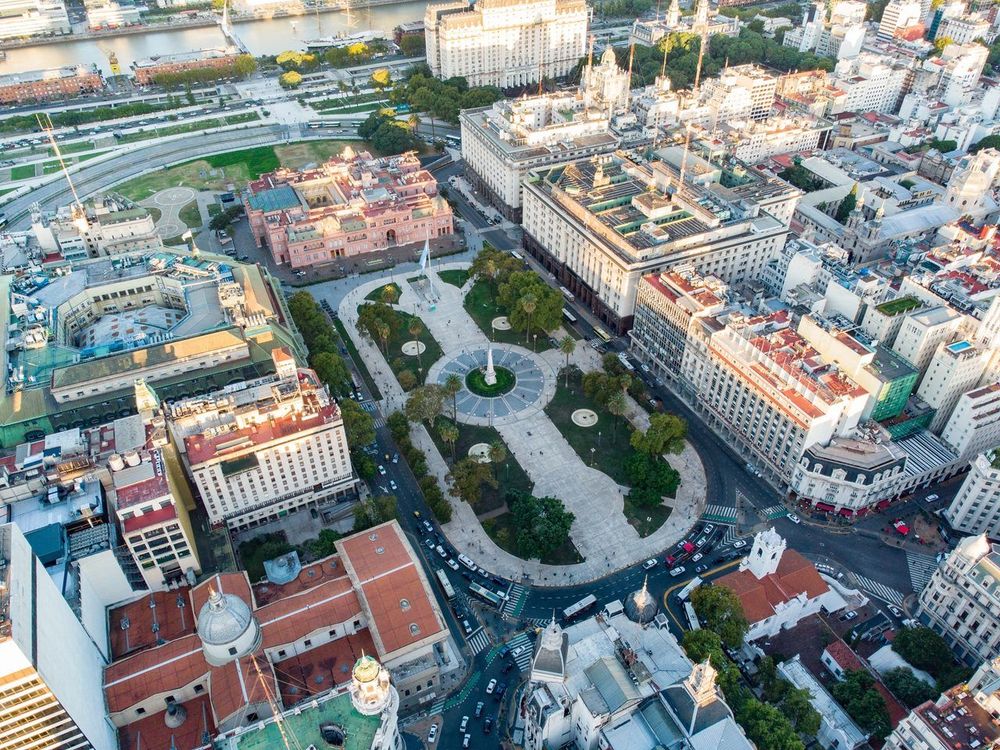
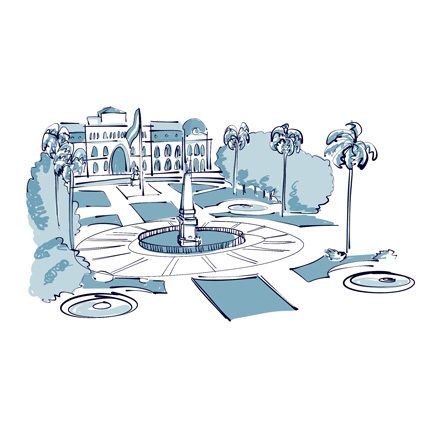
No need to worry about where to begin! Our tours are designed as a loop, so you can jump in wherever you are. The navigation system and audio-guide will automatically adjust to your location. However, if you happen to be nearby, we do have a preferred starting point: on Plaza de Mayo in front of the Casa Rosada
Parking à proximité
Estacionamiento Perù 330
We strongly advise against bringing a car with you during your stay in Buenos Aires. While a road trip in Argentina is perfectly feasible, it's best to avoid having a vehicle in large cities where traffic is dense, traffic regulations are somewhat unclear, and parking is tricky. If you do have your car, however, don't panic. You will find several paid private parking lots. Street parking is always an option, but you will need to be patient.
À savoir
Public transport in Buenos Aires is very easy to use. The best way to get around is to download an app like citymapper that will tell you the best way to get from point A to point B. The local app is called "Como Llego" and it's essential if you're getting around the city on your own.
To use public transport, you will need to buy a rechargeable card called "SUBE" at any tobacco shop, kiosk or metro station. You can then load it with the amount of money you need and use it on buses or the metro. Tickets are very cheap.
Taxis and Ubers are a popular and convenient way to get around Buenos Aires. You can easily hail a taxi on the street, and fares are relatively inexpensive. Insider Tip: In Buenos Aires (and many South American cities with grid layouts), it's better to tell the taxi driver the nearest intersection or the name of the street you want to go to, rather than the exact address. For example, you could say "Sarmiento and Maipu" if your hotel is at number 663 Sarmiento Street. If your hotel is not near an intersection, you could say "Sarmiento, between Maipu and Florida". You get the idea.
You won't find any public toilets marked on this itinerary, as there are very few in the city. You'll have to make a pit stop at a café or restaurant to use the ones in there!
Découvrez 19 lieux d'intérêt pour visiter Buenos Aires







Le plein d'inspirations
Explorez le monde en totale liberté, à pied au cœur des villes ou au fil des routes. Nos guides audios transforment chaque destination en une découverte culturelle immersive et unique.

FAQ for visiting Buenos Aires
When is the best time to visit Buenos Aires?
Buenos Aires is a pleasant place to visit all year round, but some periods are more comfortable than others. The summer months of January and February can be stifling, with temperatures often climbing above 30°C. The southern-hemisphere winter, in July and August, stays mild, though the humidity sometimes makes the atmosphere unpleasant around 15°C. The in-between seasons are ideal: March, April and May bring sunny, mild days, as do September, October and November. These periods let you make the most of the city, wander through its neighbourhoods and soak up the terrace atmosphere without suffering climatic extremes. Remember to pack your wardrobe according to how sensitive you are to heat or cold.
How many days do you need to visit Buenos Aires?
To discover the essence of Buenos Aires, allow at least three to four full days. That amount of time lets you explore the emblematic neighbourhoods, absorb the city's unique atmosphere and get a taste of its culture. With a week, you can deepen your discovery, take the time to live at the porteño pace, catch a few shows, savour the local cuisine and perhaps even venture into less touristy districts. Buenos Aires is worth lingering in: it is a metropolis that reveals itself gradually, through encounters and discoveries. Bear in mind that if you also visit other regions of Argentina, you will need to adjust your schedule accordingly.
Which neighbourhoods are a must-see in Buenos Aires?
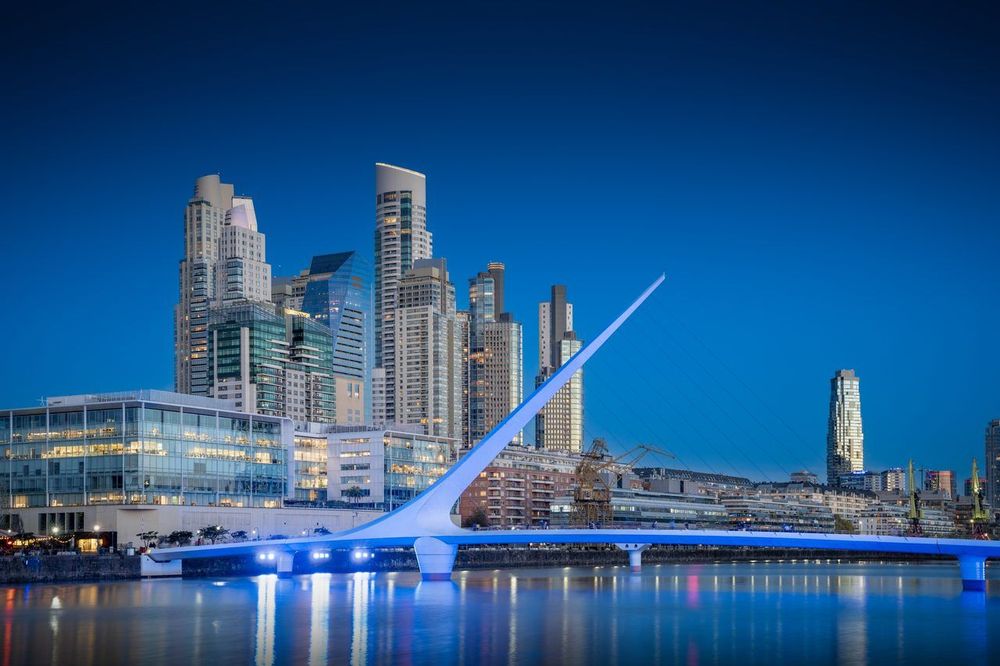
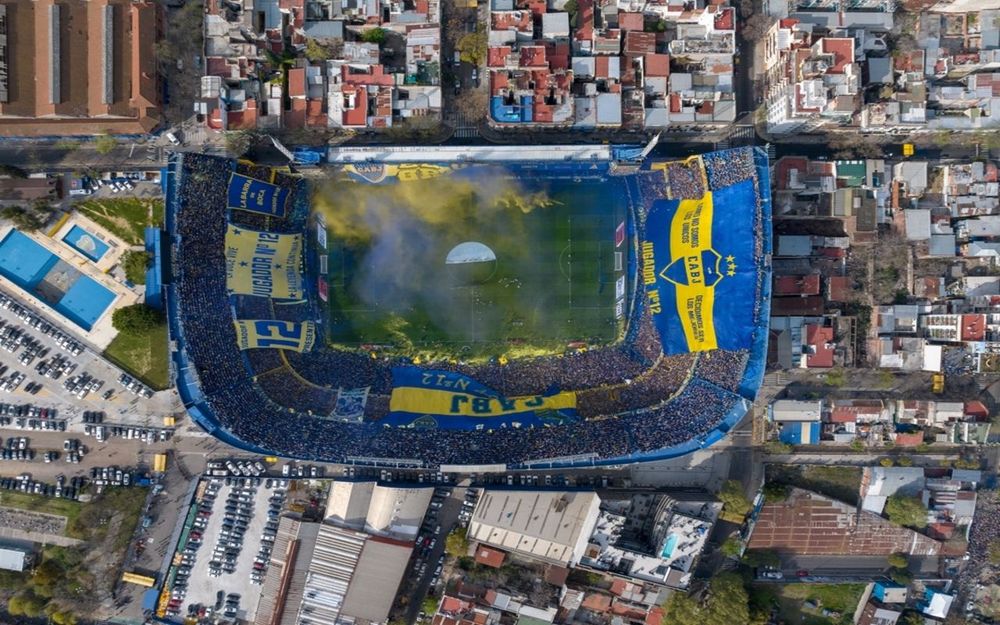
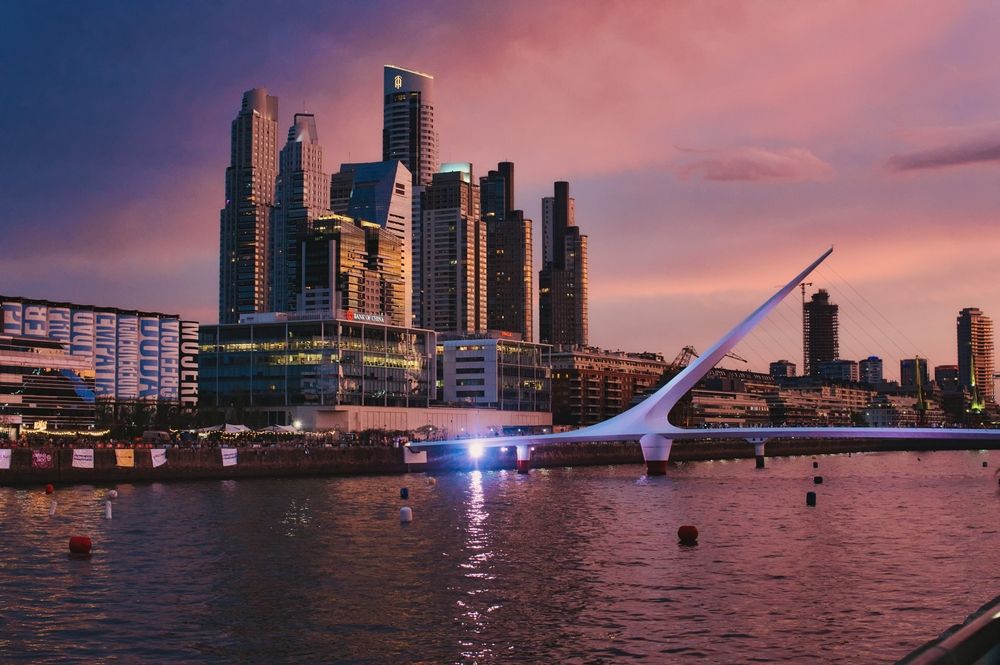
Buenos Aires is a mosaic of neighbourhoods with strong identities. La Boca will win you over with its colourful houses and working-class atmosphere, while San Telmo will transport you to the Buenos Aires of yesteryear with its antique dealers and its milongas. Palermo, vast and trendy, is packed with parks, shops and fashionable restaurants. The historic centre around the Plaza de Mayo tells the country's political story. Recoleta, elegant and bourgeois, is home to the famous cemetery and fine museums. Puerto Madero offers a modern vision with its restored docks. The Ryo audioguide accompanies you through these different neighbourhoods with narrated tours that reveal the secrets and anecdotes of every street corner, letting you grasp the soul of this passionate capital.
How do you get around in Buenos Aires?
Buenos Aires has an efficient and affordable public transport network. The metro (subte) serves the main tourist areas, complemented by a vast bus network (colectivos) that criss-crosses the entire city. The yellow-and-black taxis are everywhere and remain affordable, as are the widely used ride-hailing apps. For short distances, walking is still ideal for soaking up the atmosphere of the neighbourhoods. Cycling is gaining popularity, with bike lanes under development and a bike-sharing system. A rechargeable SUBE card will make accessing public transport easier. Avoid using your own car: traffic is heavy and parking is complicated. Distances can be considerable, so plan your outings by neighbourhood to make the most of your time.
Where can you see an authentic tango show in Buenos Aires?
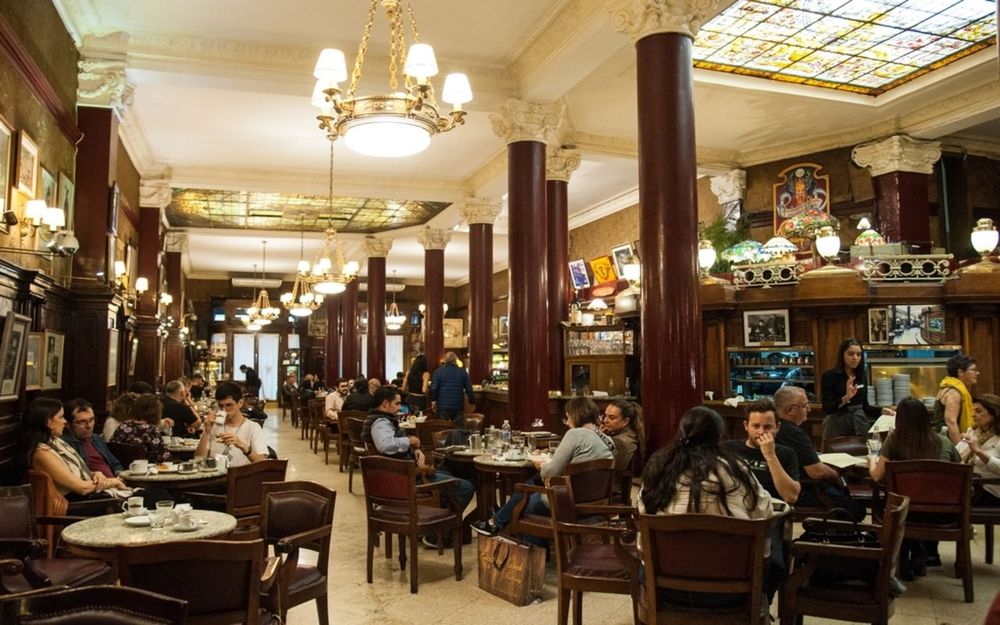
Tango is part of the DNA of Buenos Aires, and the options for enjoying it are plentiful. The milongas, true popular dance halls, offer the most authentic experience, where locals come to dance. San Telmo and the Abasto are home to several traditional venues. For a more touristy but high-quality dinner show, some historic establishments put on impressive professional performances. Street demonstrations, particularly in San Telmo on Sundays or on Caminito in La Boca, let you discover this art form for free. Certain notable cafés also host more intimate tango evenings. The ideal approach is to vary the experiences: a milonga for authenticity, a show for the virtuosity, and why not a beginner's class to understand the complexity of this emblematic dance.
Is Buenos Aires a safe city for tourists?
Buenos Aires remains generally safe for tourists who take the usual precautions of any large metropolis. Tourist neighbourhoods such as Palermo, Recoleta and Puerto Madero are usually quiet. Stay alert in very busy areas where pickpockets may operate, particularly on public transport and in markets. Avoid displaying valuables and keep your belongings close to you. At night, favour taxis or ride-hailing services rather than walking through unfamiliar neighbourhoods. Some outlying areas are best avoided, so ask your accommodation for advice. The Porteños are generally welcoming and will not hesitate to help you. As everywhere, common sense and caution will let you enjoy your stay in this vibrant city with peace of mind.
What should you absolutely taste during a stay in Buenos Aires?
Porteño cuisine is a journey in itself. The asado, the Argentine barbecue, is a must, with its various cuts of beef grilled to perfection. The empanadas, filled pastries, come in a variety of savoury versions. Don't miss the milanesa sandwiches, generous breaded escalopes, or the choripán, a popular grilled-sausage sandwich. On the sweet side, medialunas are the perfect companion to coffee, while dulce de leche is found everywhere, notably in alfajores. Artisanal heladerías rival the best Italian ice creams. Mate, the traditional infusion, is part of everyday Argentine life. Accompany your meals with a local Malbec and finish with a fernet-coca, the digestif Argentines have made their own. Traditional parrillas and neighbourhood bodegones will offer you the most authentic experiences.
Why should you visit the Recoleta cemetery?
The Recoleta cemetery is anything but a gloomy place: it is a miniature city, with paved lanes, avenues lined with monumental vaults and marble domes. Argentina's great families had funerary chapels built here in every style, from neoclassical to Art Deco, which makes it a genuine open-air museum of architecture.
People also come for Eva Perón's grave, plain and often covered in flowers, which stands in sharp contrast to the splendour around it. Allow at least an hour to wander without any set route, looking up at the stone angels and wrought-iron gates. The surrounding district, with its shaded squares, its weekend craft markets and its cafés, extends the visit very pleasantly.
Why does Buenos Aires look like a European city?
The impression hits you within the first few streets: the Argentine capital has a distinct air of Paris or Madrid. It comes from the mass immigration that arrived from Italy and Spain in the late nineteenth century, and from the determination of the elites of the day, enriched by farming, to give themselves a European-style capital.
What remains are tree-lined avenues, buildings with mansard roofs and wrought-iron balconies, mansions turned into embassies along Avenida Alvear, and landmarks such as the Teatro Colón, the Palacio Barolo and the El Ateneo Grand Splendid bookshop, set inside a former theatre. This heritage is best read on foot, with your eyes turned upwards; the Ryo audio guide offers a dedicated Buenos Aires route that decodes these façades.
Where can you enjoy green spaces in Buenos Aires?
The city is far greener than you might expect, and northern Palermo holds most of it: the Palermo woods and their boating lake, the rose garden and its pergolas, the Japanese garden with its red bridges and carp, and the botanical garden planted with species from around the world, famous for the cats that live there.
Closer to the centre, the Costanera Sur ecological reserve unrolls wide dirt paths between reed beds and lagoons, facing the Río de la Plata; locals come here to run, cycle or picnic at the weekend. Bring a hat and water during the southern summer, as shade is scarce, and check the closing days before making the trip.
Vos commentaires, idées et suggestions
Aucun avis pour le moment