
Créé par Romane, le 4 oct. 2026
Votre guide Ryo
Marseille, France
The Phocean City
Parcours audioguidé pour visiter Marseille en 1 jour
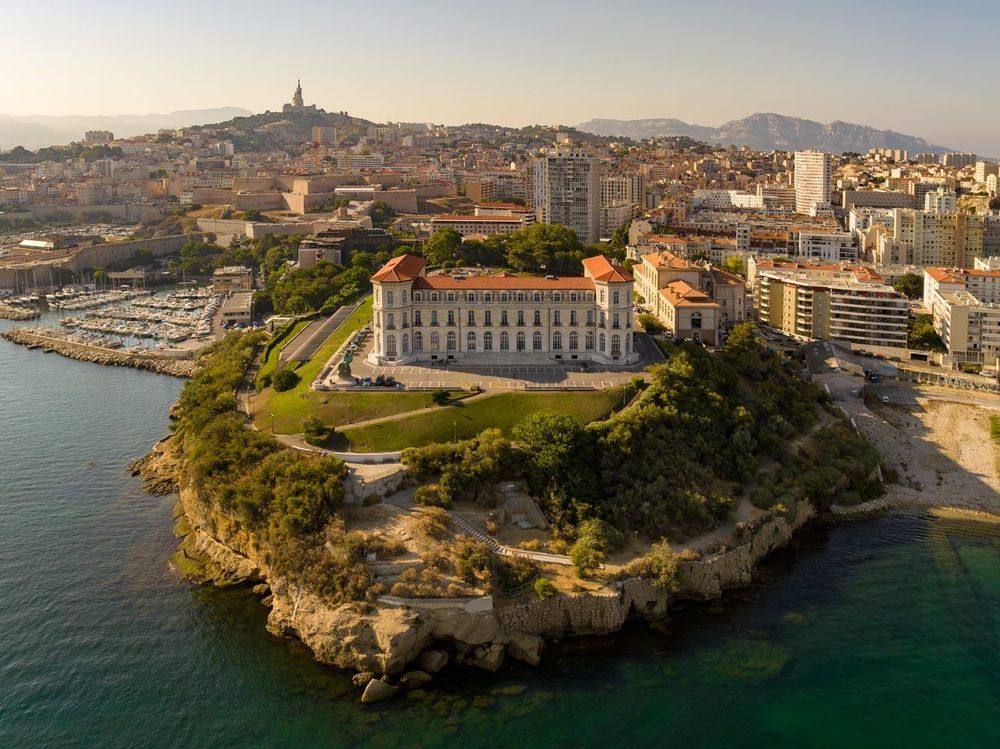
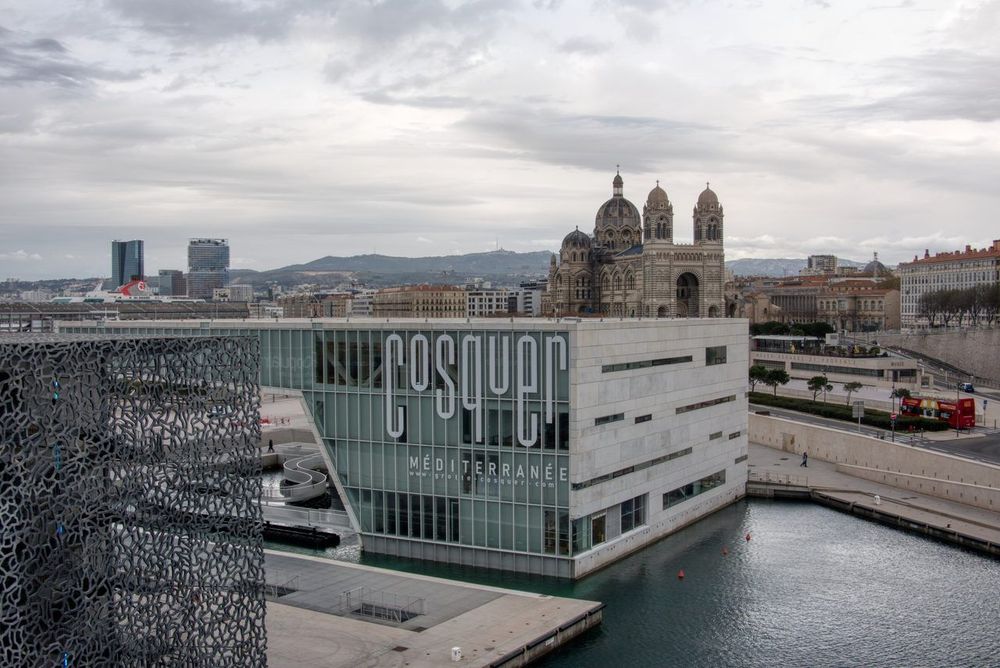
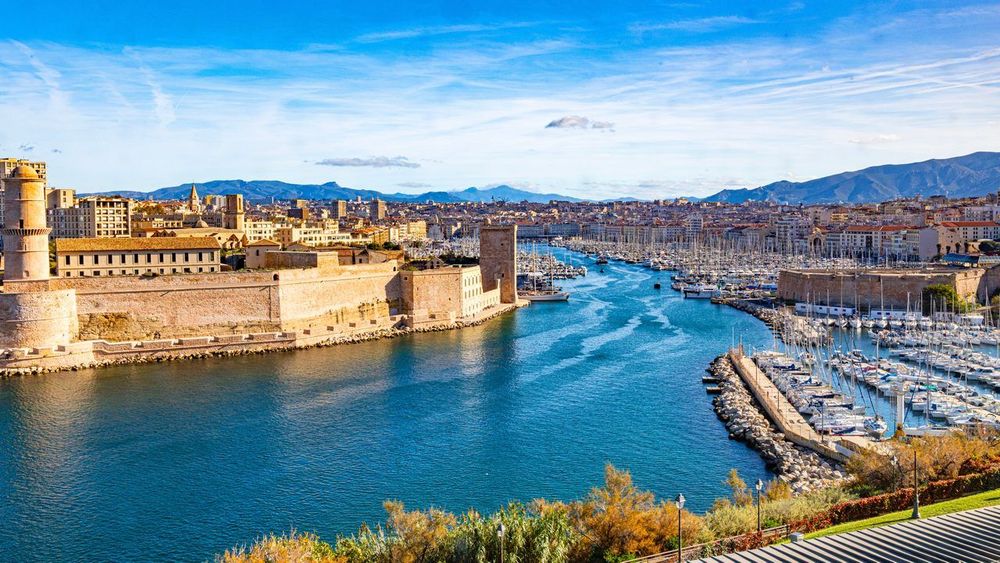
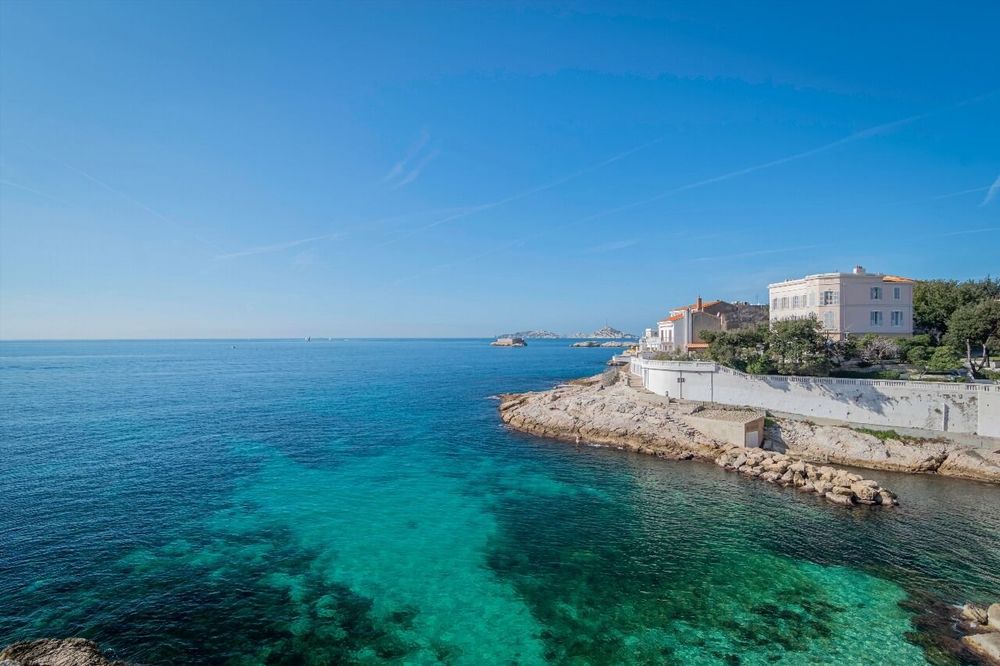
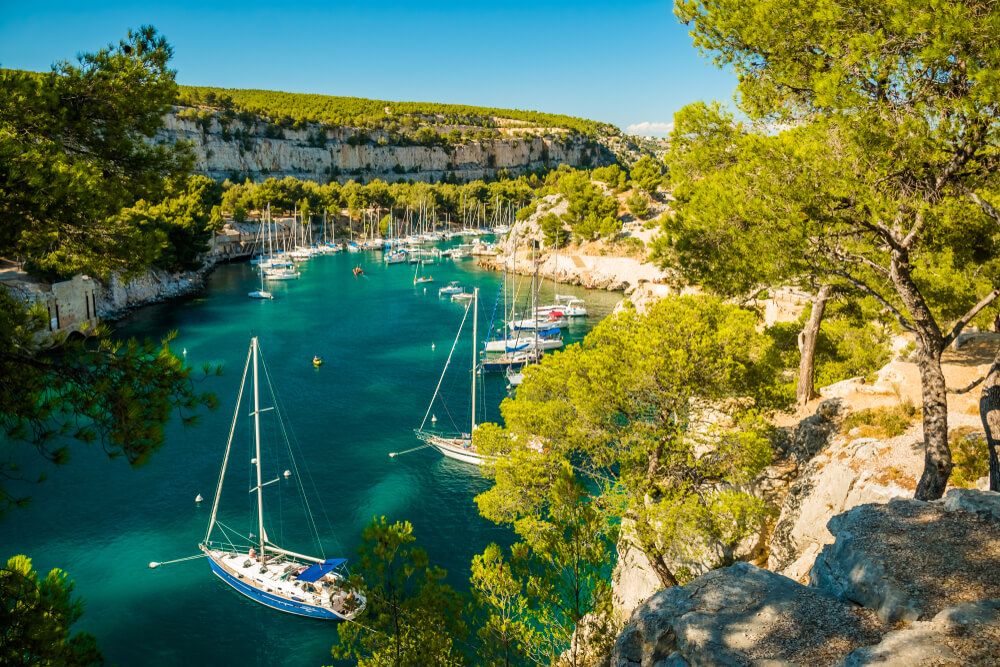
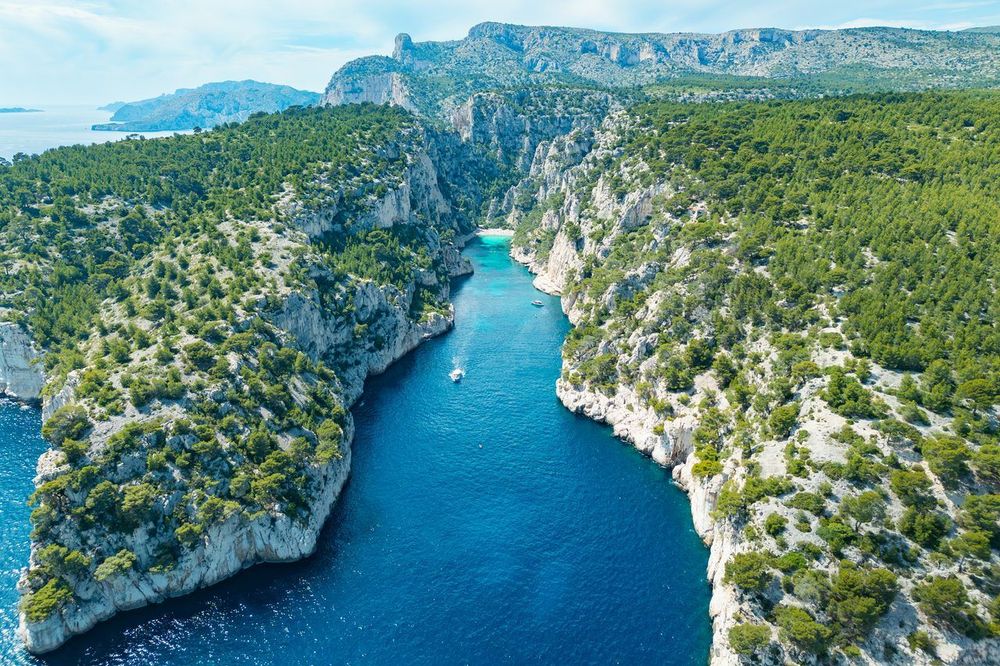
This tour draws you into the heart of a truly global city, where twenty-six centuries of history gaze out toward the horizon. Let yourself be carried along by the energy of its age-old harbor and the charm of neighborhoods clinging to the hillsides, where the white limestone of the Calanques National Park meets the deep blue of the open sea. Between the sleek elegance of its modern glass architecture and the authenticity of its lively, working-class streets, Marseille reveals a proud, sun-drenched, and deeply passionate character. This is a walk shaped by sea spray and sweeping views, an invitation to capture the spirit of a fiercely independent city that never stops reinventing itself.
Quand partir à Marseille ?
Jan.
12°
6
Feb.
13°
5
March
16°
5
April
19°
6
May
23°
5
June
27°
3
July
30°
1
Aug.
30°
3
Sept.
26°
5
Oct.
21°
8
Nov.
16°
8
Dec.
12°
7
Marseille enjoys a Mediterranean climate, characterized by hot, dry summers averaging around 29°C and very mild winters ranging between 5°C and 15°C, with more than 300 days of sunshine per year. The ideal period extends from May to October to fully enjoy the coastline and the sea. June is especially recommended for swimming and boat trips before the peak crowds, while September offers still-warm waters and a more peaceful atmosphere to explore the historic districts and coastal paths under exceptional light.
Départ conseillé
No need to worry about where to begin! Our tours are designed as a loop, so you can jump in wherever you are. The navigation system and audioguide will automatically adjust to your location. However, if you happen to be nearby, we do have a preferred starting point: Jules Verne Square, on Lacydon Street.
Parking à proximité
Vieux-Port Hôtel de Ville underground parking lot:on Jules Verne square
Finding parking in Marseille's city center can be tricky. Street parking is always an option, but spots can be hard to come by. Plus, there's a color-coded system: yellow zones are the cheapest, followed by orange, and finally red zones, which are strictly for short-term parking (2.5 hours maximum). If you'd rather avoid the hassle of searching for parking space, I'd advise you to opt for the not-so-expensive underground parking lots, or to park outside the city center and take public transport to reach the Old Port.
Découvrez 25 lieux d'intérêt pour visiter Marseille







Le plein d'inspirations
Explorez le monde en totale liberté, à pied au cœur des villes ou au fil des routes. Nos guides audios transforment chaque destination en une découverte culturelle immersive et unique.
FAQ for visiting Marseille
When is the best time to visit Marseille?
The ideal time to discover Marseille runs from May to October, when the Mediterranean climate reveals all its splendour with pleasant temperatures and generous sunshine. June offers perfect conditions to enjoy the coast before the summer crowds, while September remains a favourite for exploring the city under exceptional light, with a still-warm sea and a more peaceful atmosphere. Marseille winters stay mild, generally hovering between 5 and 15 degrees, allowing you to visit the historic districts comfortably even in the off-season. Avoid July and August if you prefer tranquillity, as the city welcomes many visitors during this period.
How many days do you need to visit Marseille?
Ideally, allow three to four days to grasp the soul of the Phocaean city. This time lets you explore the Vieux-Port and its historic districts, venture into the calanques, and discover the city's different faces between tradition and modernity. A long weekend is enough for the must-sees, but a full week gives you the chance to deepen your discovery, wander the colourful markets, lose yourself in the lanes of Le Panier, and soak up the Marseille rhythm. The Ryo audioguide accompanies you on this exploration with routes tailored to your available time, revealing the secrets of each district with every step.
How do you get around Marseille and in the calanques?
Marseille has an efficient public transport network with metro, tram and buses serving the main districts. The metro quickly takes you from the Vieux-Port to the Prado beaches, while the buses connect the outlying areas. For the calanques, maritime shuttles depart from the Vieux-Port to certain coastal sites, and buses serve the trailheads of the hiking paths. Self-service bikes are a pleasant option for riding along the coast. Taxis and private hire cars round out the offer for more flexibility. Note that access to the calanques may be restricted in summer depending on the weather conditions, so check before you set off.
What are the must-see districts of Marseille?
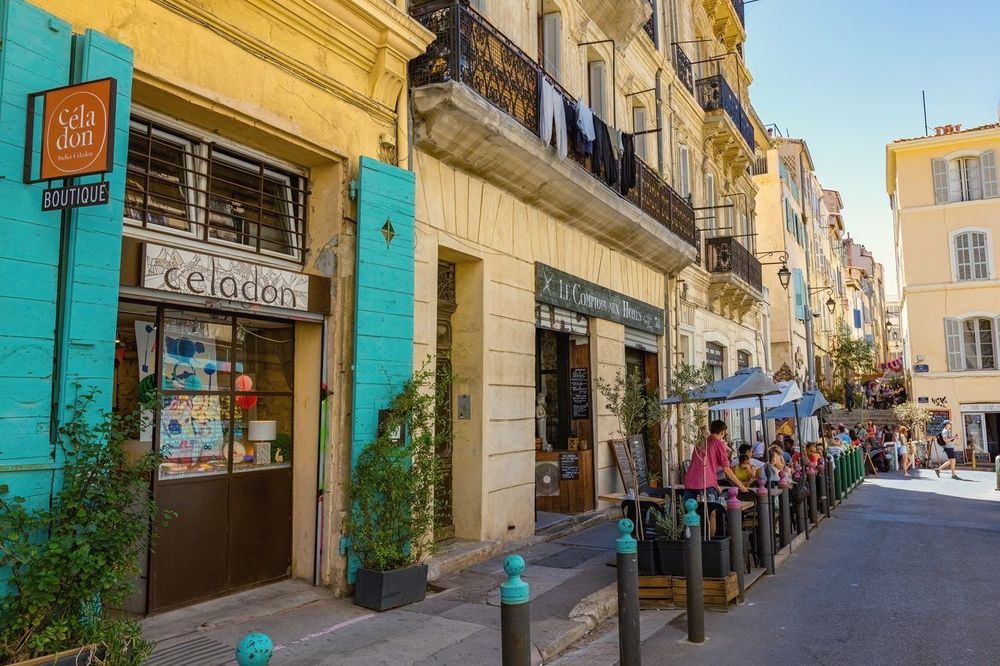
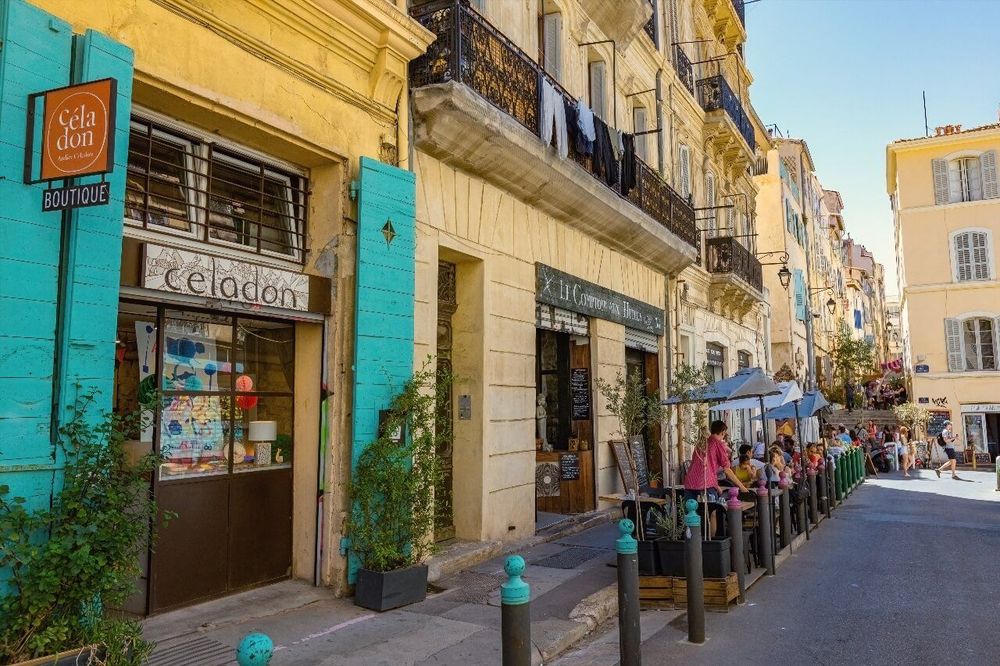
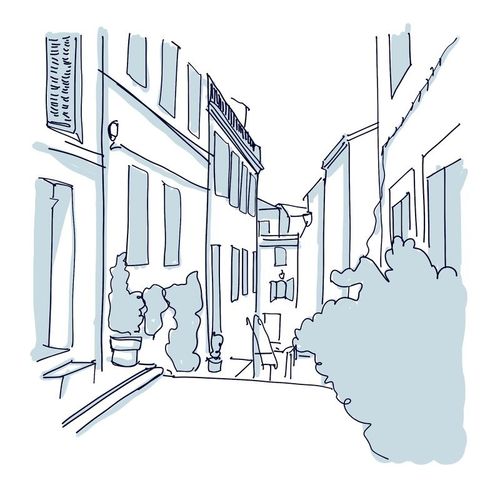
Le Panier, the oldest district in France, charms you with its colourful lanes and artists' studios perched above the Vieux-Port. The latter remains the beating heart of the city, where fishermen and strollers mingle under the watchful eye of Notre-Dame de la Garde. The Cours Julien district seduces with its bohemian vibe and its street art murals, while the Corniche offers spectacular panoramas over the Mediterranean. Do not forget Les Goudes and Callelongue for the preserved authenticity of their small fishing harbours. The Ryo audioguide guides you through these emblematic districts, revealing their hidden stories and architectural treasures along carefully designed itineraries.
How do you visit Marseille without a car?
Marseille is perfectly discovered without a car thanks to its well-developed transport network. The city centre and the main tourist sites are easily reached by metro, tram or bus. Walking remains the best way to explore the historic districts such as Le Panier or the Vieux-Port, where the narrow lanes lend themselves poorly to car traffic. To reach the beaches and certain calanques, public transport takes you to the trailheads. The maritime shuttles offer a picturesque alternative for travelling along the coast. The Ryo audioguide precisely offers optimised walking routes that let you discover the city at your own pace, taking the most interesting and accessible paths.
What can you do in Marseille when it rains?
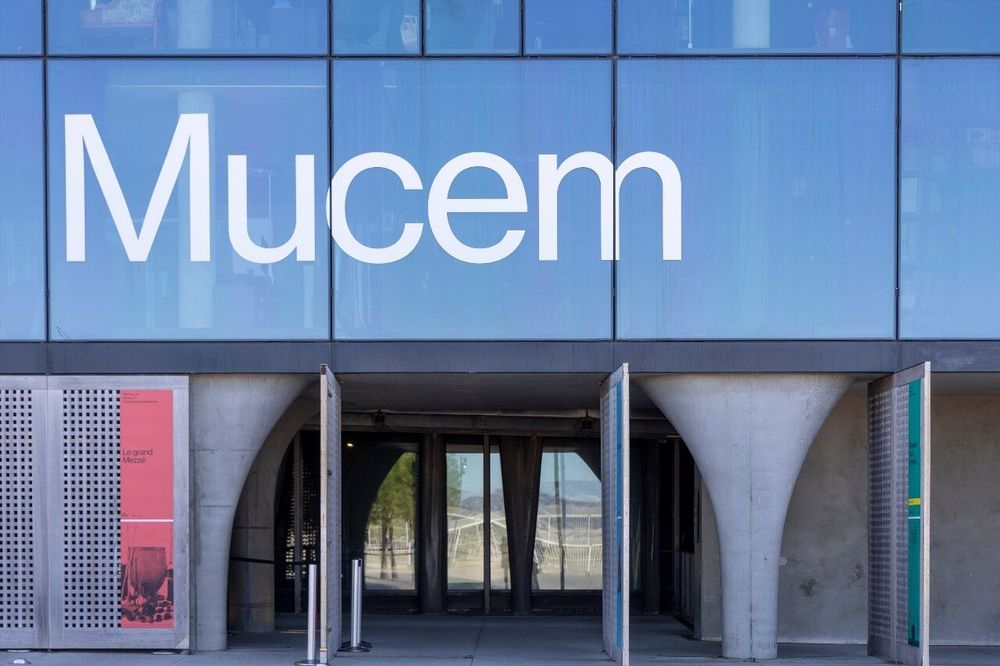
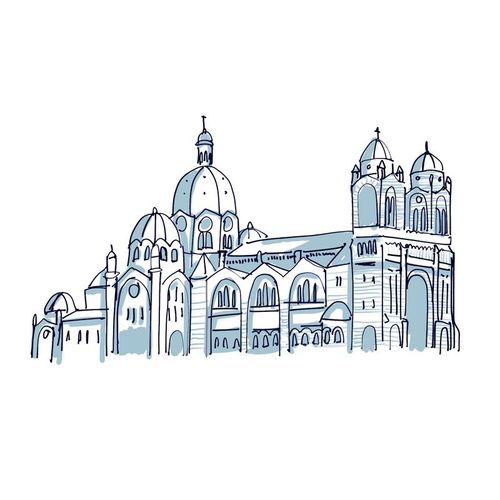
Rainy days, relatively rare in Marseille, offer the chance to discover its sheltered cultural riches. The MuCEM impresses with its Mediterranean collections in a modern architectural setting, while the Natural History Museum and the Fine Arts Museum deserve your attention. Les Halles de la Joliette immerse you in the gourmet Marseille atmosphere, perfect for tasting local specialities and regional produce. The majestic Cathédrale de la Major or the Basilique Saint-Victor welcome you for a contemplative pause. The shopping centres of Les Terrasses du Port or the Centre Bourse offer shopping and dining with a view over the city. Take the opportunity, too, to savour a long meal in a traditional restaurant, as Marseille gastronomy is well worth lingering over.
Is Marseille a family destination?
Marseille warmly welcomes families with a wealth of activities suited to children. The Prado beaches offer secure spaces and playgrounds, while the little tourist train delights the youngest as it climbs up to Notre-Dame de la Garde. The Natural History Museum captivates with its collections of fossils and animals, and the Vieux-Port aquarium fascinates young and old alike. Boat trips to the Frioul islands or the Château d'If promise adventure and discovery. Parks such as the Parc Borély offer vast lawns and fun activities. The city has many family restaurants serving simple dishes that children enjoy. The Ryo audioguide adapts perfectly to family visits with well-paced routes and captivating anecdotes for all ages.
What are the must-see monuments in Marseille?
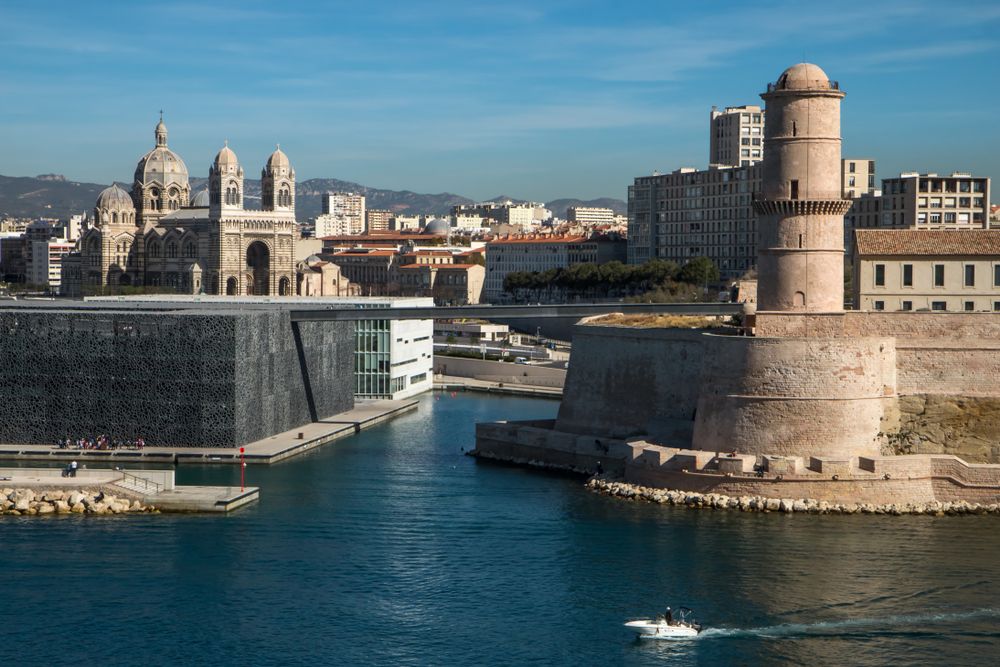
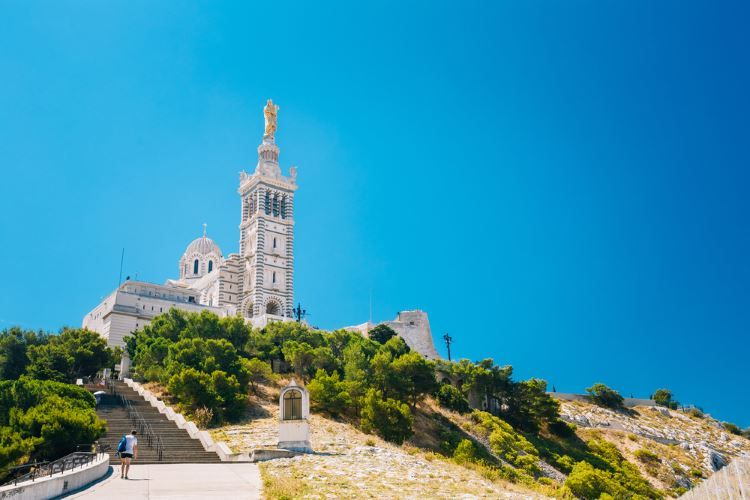
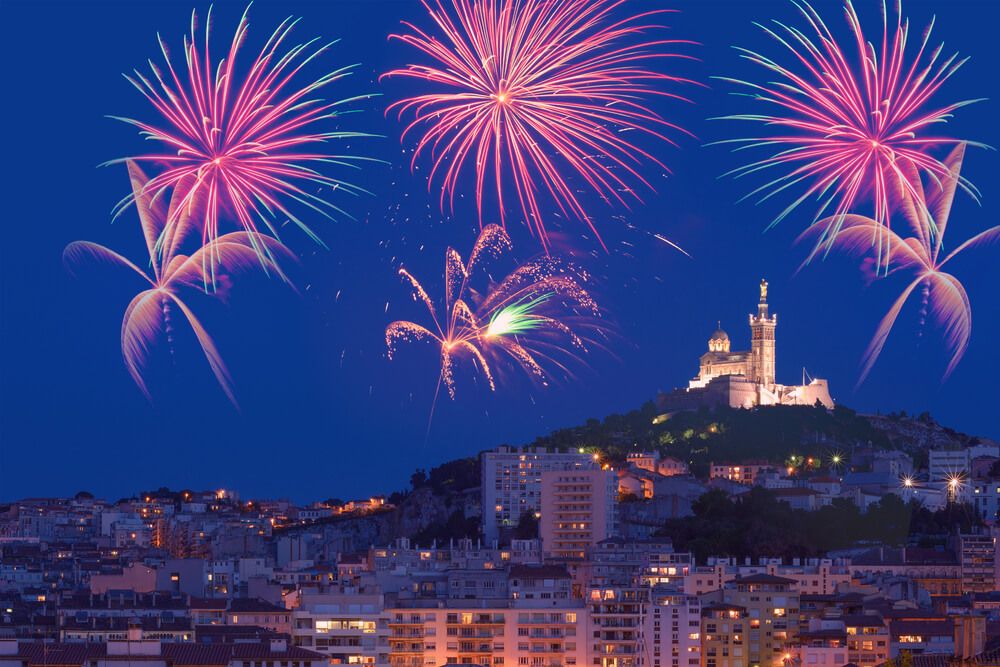
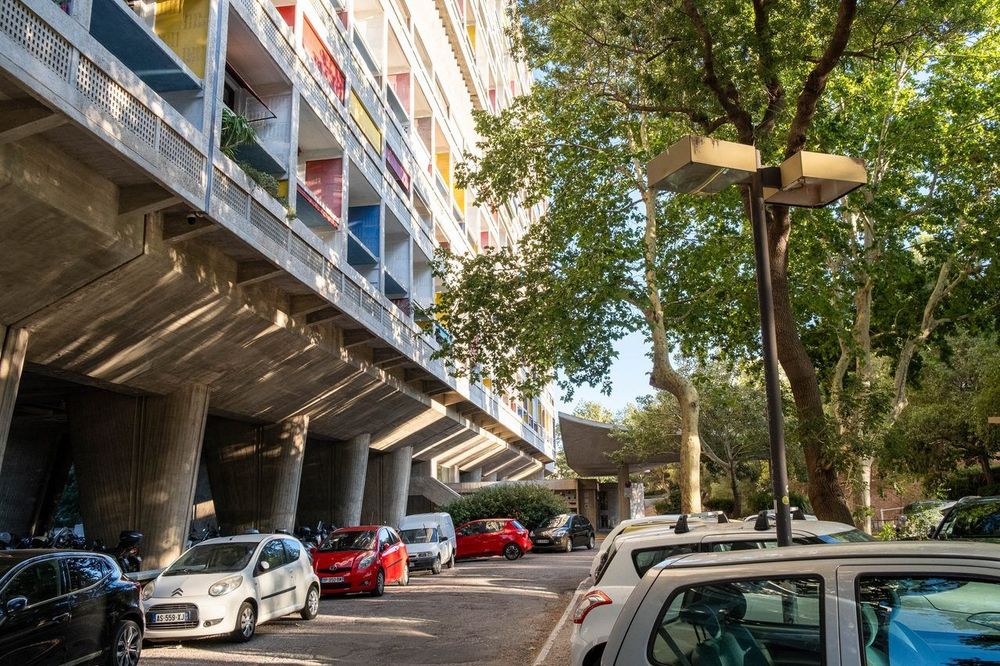
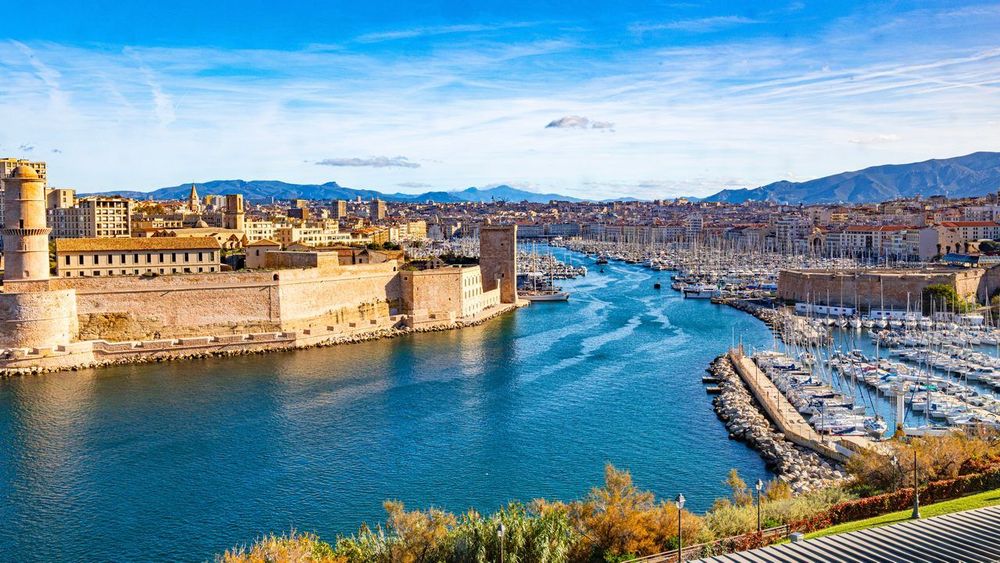
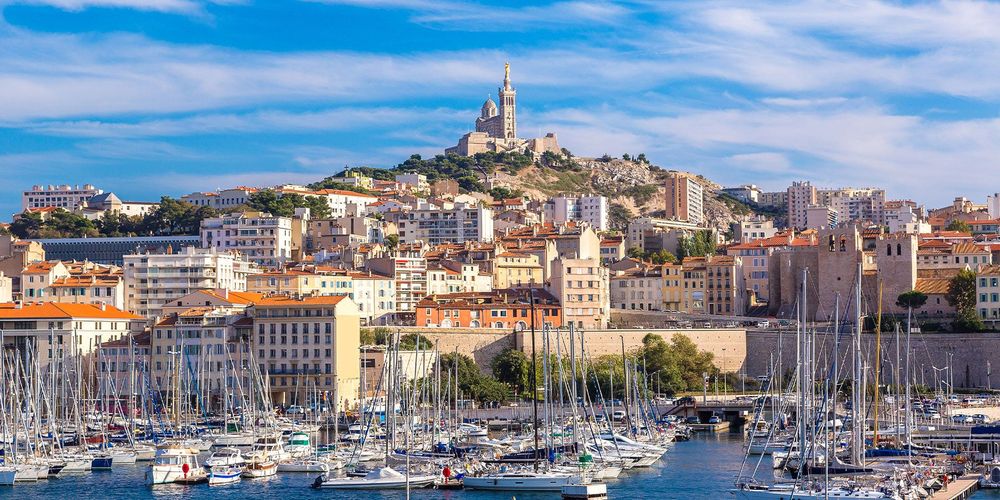
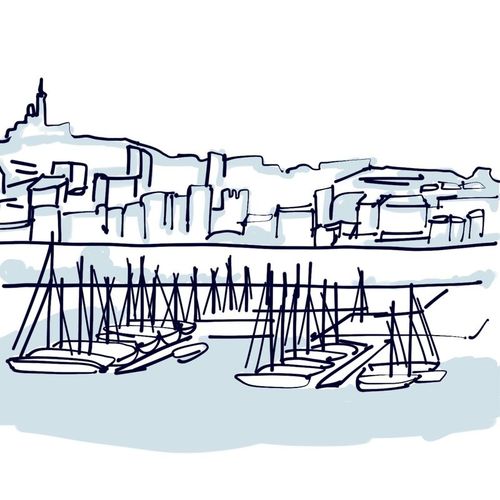
Marseille is best read from Notre-Dame de la Garde, the Bonne Mère, which crowns the city and offers a full sweep from the bay to the surrounding hills. Below, the Vieux-Port remains the beating heart, with its morning fish market and the forts of Saint-Jean and Saint-Nicolas guarding the entrance. The Mucem, linked to Fort Saint-Jean by a footbridge, and the Major cathedral make up the new face of the waterfront. Add the abbey of Saint-Victor and its crypts, Le Corbusier's Cité radieuse and the Vallon des Auffes, a tiny fishing harbour tucked under a bridge. The Ryo audio guide offers a dedicated walking route through Marseille linking these stops.
What is there to discover on the Frioul islands and at the Château d'If?
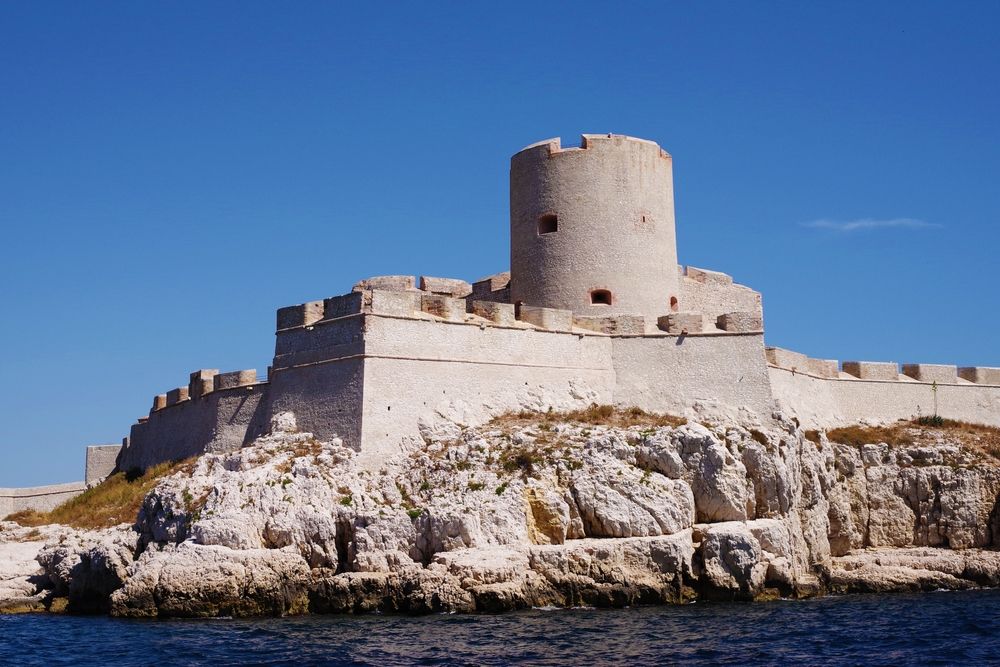
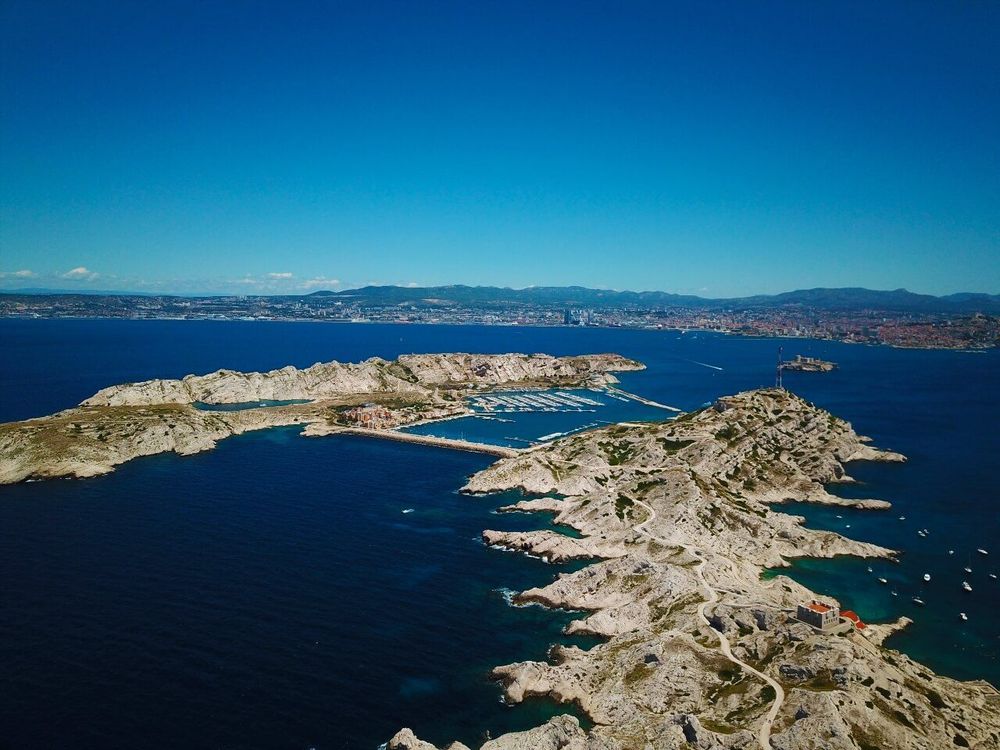
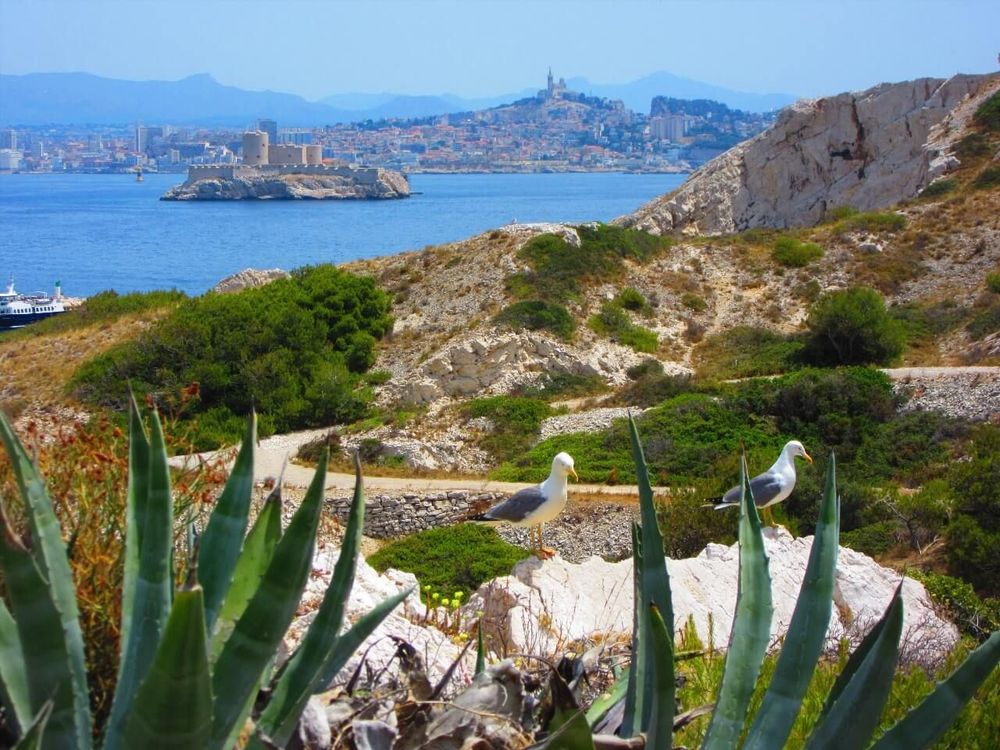
Just off the Vieux-Port, the Frioul archipelago lines up white, almost desert-like limestone islands ringed by coves where the water is remarkably clear. Boat shuttles leave from the Vieux-Port and also serve the Château d'If, a royal fortress turned prison made famous by Alexandre Dumas's novel; you can walk through its vaulted cells and its ramparts overlooking the sea. On Frioul, footpaths link the old military batteries, the Caroline hospital and small beaches reached on foot. Bring water, a hat and closed shoes: shade is scarce and the wind often blows hard.
What local specialities should you try in Marseille?
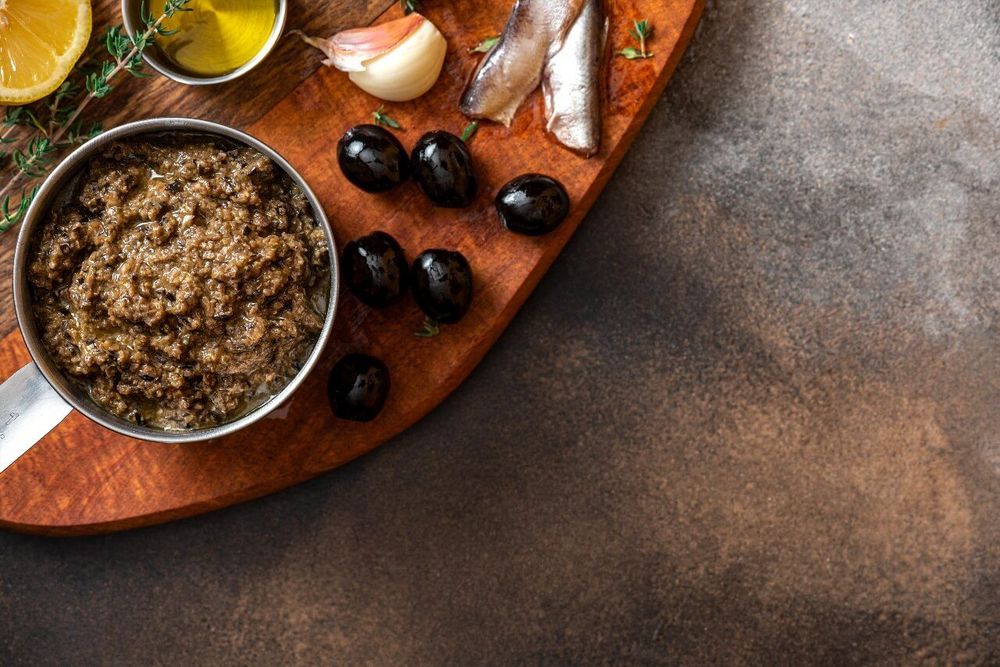
Marseille's cooking blends Provençal heritage with Mediterranean influences. Bouillabaisse is its symbol, a fishermen's dish served in two stages, the saffron broth first and then the rockfish, which good restaurants prepare to order. Around it you will find fish soup with its rouille, panisses and chichis frégis over towards l'Estaque, pieds paquets for the curious, and navettes, the orange-blossom biscuits associated with the Saint-Victor district. The markets, especially Noailles and cours Julien, give a faithful sense of local flavours, between spices, olives and citrus. Pastis traditionally goes with the aperitif, to be enjoyed in moderation.
Vos commentaires, idées et suggestions
Aucun avis pour le moment