
Créé par Emilie, le 4 oct. 2026
Votre guide Ryo
Seville, Spain
The Princess of the Guadalquivir
Parcours audioguidé pour visiter Seville en 1 jour
This tour of Seville’s historic center invites you to dive into the enchantment of the city by the Guadalquivir, featuring intricate Mudejar palaces, flowered patios, and the medieval winding streets of the Santa Cruz district. Throughout the route, discover the legacy of Christian kings and Caliphs, the passion of flamenco, and the iconic landmarks that make Seville the beating heart of Spanish traditions. A simple and immersive way to explore the splendor of Seville at your own pace.
Quand partir à Seville ?
Jan.
11°
6
Feb.
12°
6
March
15°
5
April
17°
6
May
21°
4
June
25°
1
July
28°
0
Aug.
28°
0
Sept.
25°
2
Oct.
21°
6
Nov.
15°
6
Dec.
12°
7
Andalusia has pleasant weather all year round, making it a great destination at any time of year. Temperatures range from 17°C in January to well over 40°C in July and August, so it's best to avoid the peak summer months if you're sensitive to extreme heat. The wettest period is typically from October to December, while the hottest months are from July to September.
Départ conseillé
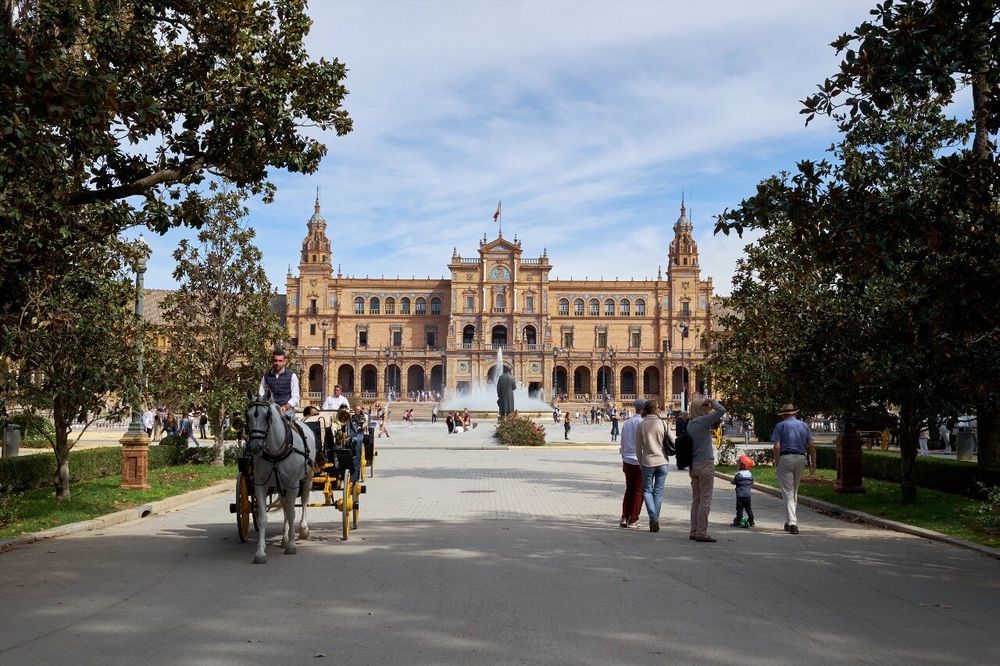
No need to worry about where to begin! Our tours are designed as a loop, so you can jump in wherever you are. The navigation system and audioguide will automatically adjust to your location. However, if you happen to be nearby, we do have a preferred starting point: Plaza de España
Parking à proximité
Underground Carpark / 1 avenida paseo de Cristina
If you've rented a car to explore Andalusia, check if your accommodation offers parking. If so, we recommend leaving your car there and exploring the city on foot. The historic centre is almost entirely pedestrianised, and driving or parking there is nearly impossible. The streets are narrow and winding, traffic is tricky, parking time is limited, prices are high, and the tow trucks are quick to take your car away. Watch out for the so-called "gorrillas"—unofficial parking attendants who offer to keep an eye on your car in exchange for money. You are under no obligation to pay them, and there’s no guarantee your car will actually be watched. We recommend using a paid covered car park. It’s also worth checking with your hotel—some offer discounts or special deals for nearby parking.
À savoir
There’s so much to see in Seville. If you’re planning to visit several paid attractions, it’s worth getting a skip-the-line combo ticket or a city pass. These often include discounts on monuments, museums, and public transport.
Semana Santa, the week leading up to Easter, is the most important religious celebration in Seville and one of the most famous in Spain. Over this week, 60 brotherhoods take part in processions dedicated to the Passion of Christ. The city becomes incredibly crowded, and the streets are taken over by the parades—something to keep in mind whether you're hoping to experience it or prefer to steer clear.
Découvrez 29 lieux d'intérêt pour visiter Seville








Le plein d'inspirations
Explorez le monde en totale liberté, à pied au cœur des villes ou au fil des routes. Nos guides audios transforment chaque destination en une découverte culturelle immersive et unique.
FAQ for visiting Seville
When is the best time to visit Seville?
The ideal time to discover Seville runs from April to June and from September to November. Spring is particularly enchanting, with its mild temperatures and the blossoming orange trees that scent the city. Autumn also offers a very pleasant climate for wandering through the narrow streets. Absolutely avoid July and August, when the mercury regularly climbs above 40 degrees, making sightseeing gruelling. Winter stays mild, with temperatures around 17 degrees, though rain is more frequent between October and December. Spring festivals such as Semana Santa and the April Feria draw large crowds but offer a unique cultural experience.
How many days do you need to visit Seville?
Ideally allow three to four days to fully appreciate Seville. Two days are enough to see the must-sees such as the cathedral, the Alcázar and the Santa Cruz quarter, but you risk rushing. With three days, you can explore the historic centre at a leisurely pace, wander through the Triana and Macarena districts, and soak up the Sevillian atmosphere from a terrace. A stay of four days or more leaves you time to discover the museums, watch a flamenco show and take an excursion to the surrounding area. Seville is best savoured slowly, taking the time to lose yourself in its narrow streets and immerse yourself in its art of living.
How can you avoid the queues at the main monuments?
To get around the long queues, booking online is essential, especially for the cathedral and the Alcázar. Buy your tickets several days in advance on the monuments' official websites. Opt for early-morning or late-afternoon time slots, generally less busy. Some combined tickets give access to several sites with priority entry. Avoid weekends and public holidays, when crowds are at their peak. For the Giralda, be aware that the climb is done in limited time slots. Mobile audioguides such as those offered by Ryo also help you optimise your routes by cleverly combining visits according to off-peak hours.
How do you get around Seville?
Seville's historic centre is best explored on foot, as most of the major sites are concentrated within a small area. For longer distances, the modern tram efficiently serves the main districts. Urban buses cover the city well but can be complex for visitors. Cycling is very popular thanks to the network of cycle paths and the Sevici rental system. Taxis are affordable and plentiful. Avoid driving in the centre, where narrow streets and difficult parking complicate getting around. To reach districts such as Triana or La Cartuja, the metro remains handy even though it has only a single line.
Where can you see an authentic flamenco show?
To experience authentic flamenco, steer clear of the touristy shows and head for the peñas flamencas, those cultural associations where locals gather. The Triana district, historic cradle of flamenco, is home to several tablaos renowned for their artistic quality. The bars of the Alameda de Hércules often host spontaneous performances in the evening. Look for shows where the artists are accompanied only by guitar and palmas, without embellishments. Flamenco museums regularly organise intimate recitals. Be wary of venues with tourist set menus included, which generally favour spectacle over authenticity. A true tablao can be recognised by its intimate atmosphere and the palpable emotion it radiates.
What is there to do in Seville with children?
Seville offers many activities suited to families. The María Luisa Park is a lush oasis, ideal for relaxing with its playgrounds and horse-drawn carriages. Seville's aquarium fascinates children with its route around Magellan. Cruises on the Guadalquivir let you discover the city from a different angle while resting tired little legs. The Santa Cruz quarter, with its narrow streets, becomes an adventure in exploration. The flower-filled patios and lively squares capture the attention of the youngest. The Alcázar delights with its gardens where peacocks and ducks roam freely. Plan for stops for artisanal ice cream and churros to keep the enthusiasm going throughout the day.
How do you get from the city centre to Seville airport?
San Pablo airport is located about ten kilometres from the city centre. The EA bus links the airport directly to the centre, with strategic stops such as Santa Justa station and Plaza de Armas. The journey usually takes around thirty minutes depending on traffic. Taxis offer a fast, comfortable alternative, particularly handy with bulky luggage or in a group. The fare remains reasonable compared with other European cities. Some hotels offer private shuttles on request. Renting a car is only advisable if you plan to explore the surrounding area, as parking in the centre remains problematic. Avoid rush hour to reach the airport, especially in the late afternoon.
What are the absolute must-sees to visit in Seville?
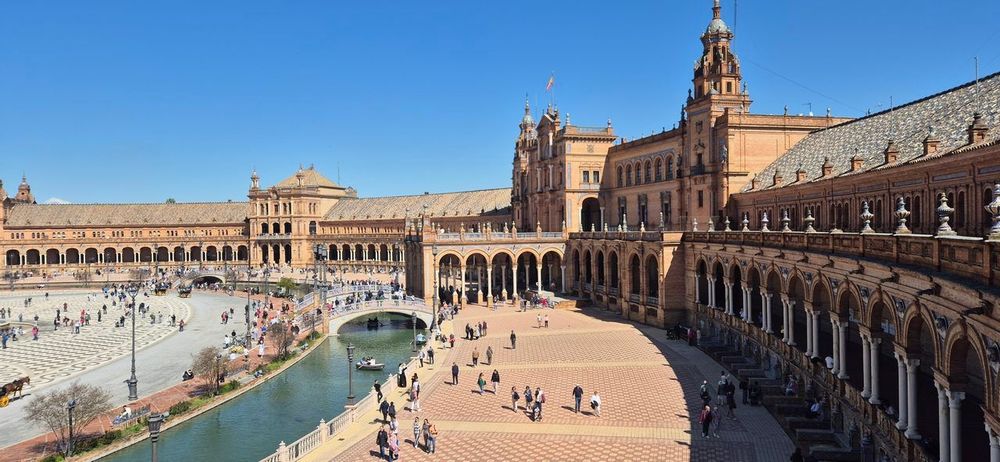
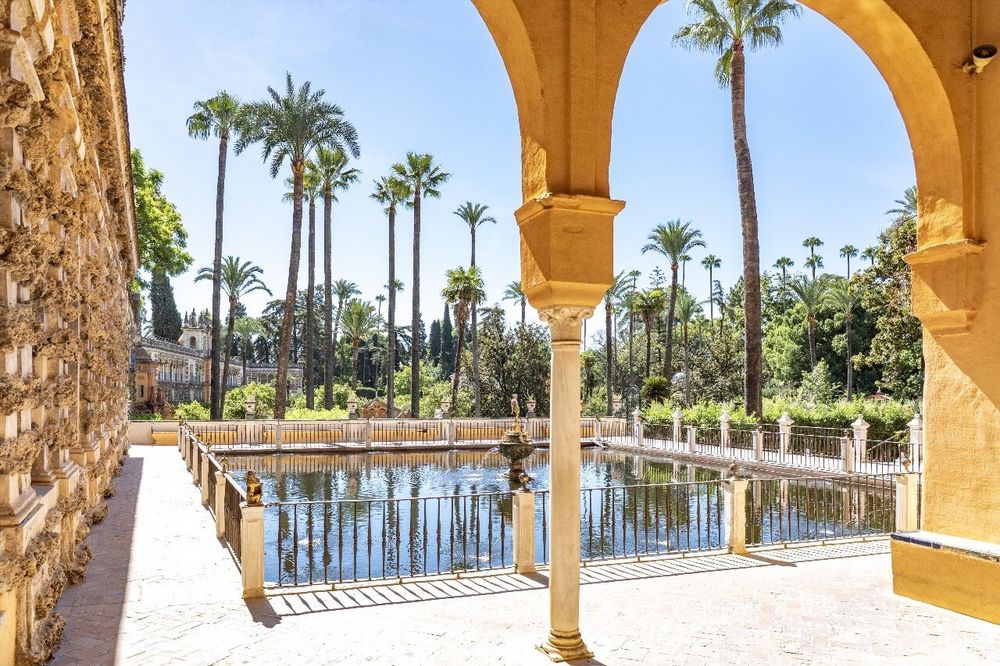
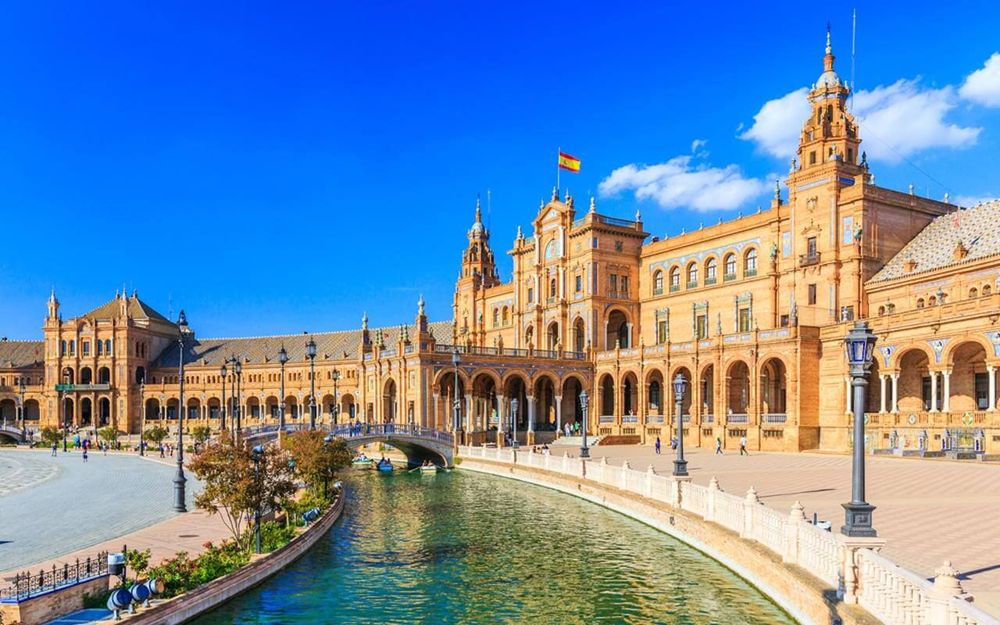
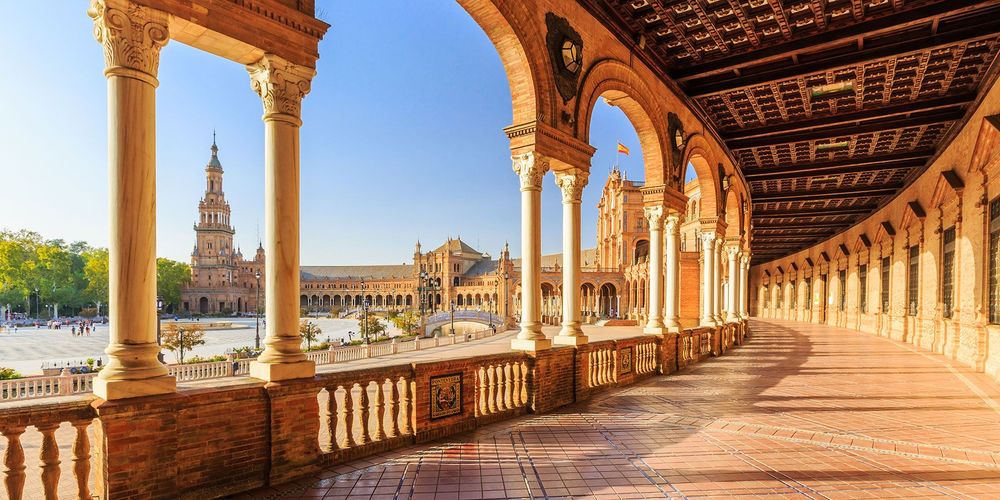
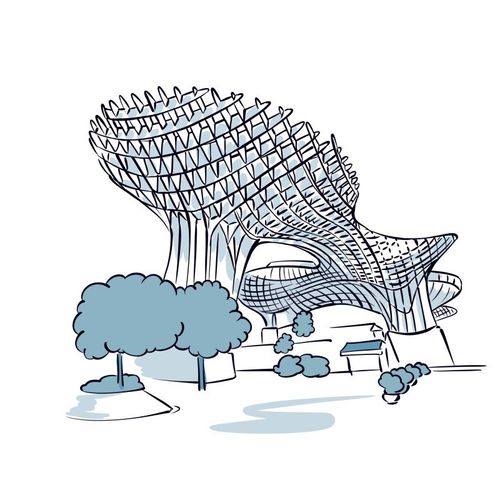
The Gothic cathedral and its Giralda majestically dominate the heart of Seville and are an absolute must. The Alcázar, a Mudéjar jewel with enchanting gardens, transports you to the Andalusia of the caliphs. The Santa Cruz quarter, with its winding streets and secret patios, embodies the Sevillian soul. The Plaza de España impresses with its theatrical grandeur. Don't miss Triana for its authenticity and its ceramic workshops. The Metropol Parasol offers a modern panoramic view over the historic city. The Ryo audioguide accompanies you in discovering these wonders with fascinating commentary that reveals the secrets and legends of each place, letting you explore at your own pace while enriching your experience.
Which neighbourhoods of Seville should you explore?
The historic centre revolves around Santa Cruz, the former Jewish quarter, a maze of whitewashed lanes, flower-filled patios and shady little squares wrapped around the Alcázar and the cathedral. Right next door, El Arenal stretches along the banks of the Guadalquivir between the bullring and the Torre del Oro, while the livelier Encarnación mixes a covered market, terraces and contemporary architecture.
Across the river, Triana keeps an identity all of its own, between its ceramic tradition, its flamenco spirit and neighbourhood bars where you will mostly rub shoulders with locals. The best way to grasp these contrasts is still to walk from one to the next; an audio guide such as the one in the Ryo app takes you along step by step and tells you what the façades keep to themselves.
Which local specialities should you try in Seville?
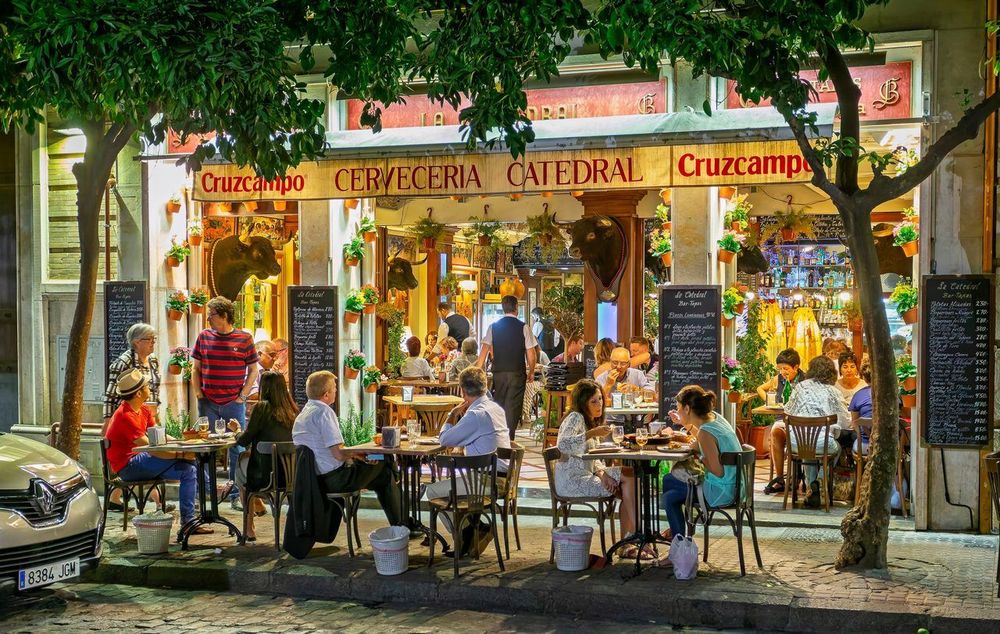
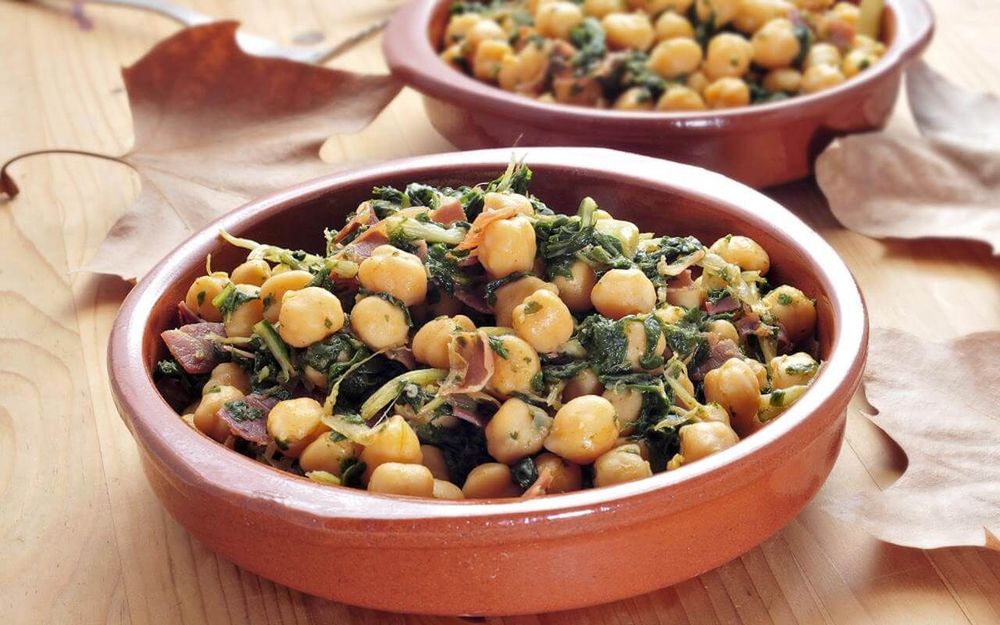
Seville is best tasted in tapas, nibbled standing at the counter as you move from one bar to the next. You will often come across salmorejo and gazpacho, chilled soups that feel very welcome as the heat rises, espinacas con garbanzos with spinach and chickpeas, an Andalusian legacy, pescaíto frito served straight from the pan, or carrilladas, pork cheeks braised slowly until tender.
On the sweet side, the city's convents still sell their own handmade pastries and, at aperitif time, it all goes down well with a fino or a manzanilla, those dry Andalusian wines served nicely chilled. The Triana and Alfalfa districts hold plenty of good addresses, generally at their liveliest in the evening.
Vos commentaires, idées et suggestions
Aucun avis pour le moment