






Créé par Romane, le 4 oct. 2026
Votre guide Ryo
Cordoba, Spain
The City of Three Cultures
Parcours audioguidé pour visiter Cordoba en 1 jour
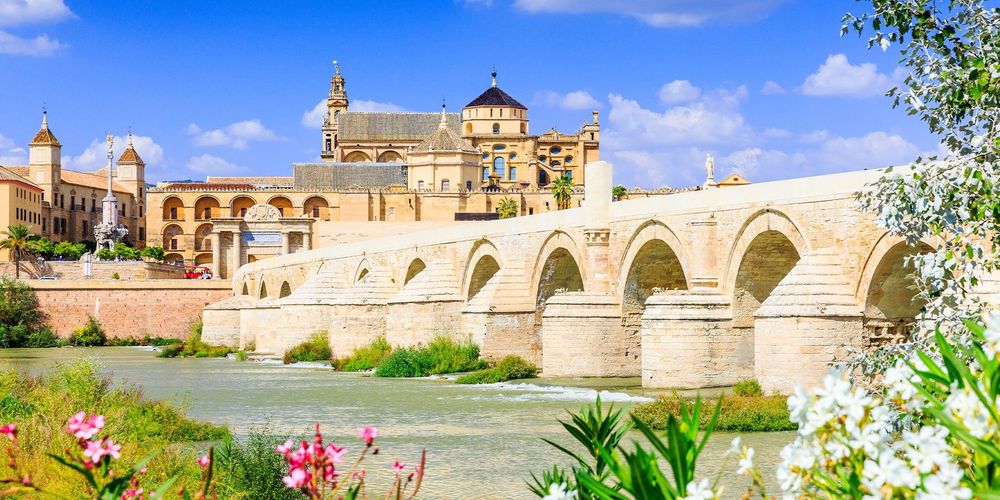
This tour of Cordoba’s historic center invites you to step back in time, featuring secret patios overflowing with flowers, Roman walls, and sun-drenched medieval lanes. Throughout the route, discover the incredible heritage of the Caliphate, the intricate beauty of Hispano-Moorish art, and the iconic landmarks where Muslim, Christian, and Jewish influences intertwine. A simple and immersive way to explore the ancient and fragrant soul of Cordoba at your own pace.
Quand partir à Cordoba ?
Jan.
10°
7
Feb.
11°
6
March
14°
5
April
16°
7
May
20°
5
June
25°
2
July
28°
0
Aug.
28°
0
Sept.
25°
2
Oct.
20°
6
Nov.
14°
7
Dec.
11°
8
Córdoba has plenty of sunshine, but be warned, summer can be quite tough if you’re sensitive to heat. In July and August, average temperatures reach around 37°C, and rain is scarce. The coldest months are December and January, with average temperatures around 15°C. The best times to visit are April, May, September, and October, when the weather is warm and pleasant without being overwhelming.
Départ conseillé
No need to worry about where to begin! Our tours are designed as a loop, so you can jump in wherever you are. The navigation system and audioguide will automatically adjust to your location. However, if you happen to be nearby, we do have a preferred starting point: Paseo de la Ribera
Parking à proximité
Avenida Libertad Parking: 1 avenida de la Libertad
When it comes to parking in Córdoba, it’s best not to drive too close to the city centre. Many of the streets have been turned into pedestrian zones, restricting car access. A better option is to park a little further out and reach the centre either on foot or by public transport. We recommend a paid car park located near the starting point of the tour. It’s reasonably priced and conveniently located. If you’re looking for free parking, you’ll need to park further away and take public transport to start the tour.
Découvrez 24 lieux d'intérêt pour visiter Cordoba


Le plein d'inspirations
Explorez le monde en totale liberté, à pied au cœur des villes ou au fil des routes. Nos guides audios transforment chaque destination en une découverte culturelle immersive et unique.



FAQ for visiting Cordoba
When is the best time to visit Cordoba?
The best time to visit Cordoba is in spring and autumn, more specifically in April, May, September and October. During these months, you'll enjoy an ideal climate with pleasant temperatures and generous sunshine, perfect for exploring the city on foot. Summer is best avoided if you don't enjoy intense heat, as temperatures can regularly exceed 35 degrees in July and August, making sightseeing gruelling. Winter remains mild with temperatures around 15 degrees, but the days are shorter. Spring is particularly enchanting with the flower-filled patios and the festive atmosphere of the local celebrations.
How many days do you need to visit Cordoba?
To discover the essentials of Cordoba, allow at least two full days. One day will let you visit the must-sees of the historic centre, in particular the famous Mosque-Cathedral and the Jewish quarter. With two days, you'll have time to explore the flower-filled patios and the Alcazar of the Christian Monarchs more calmly, and to stroll along the Guadalquivir. Three days will give you the opportunity to discover the less touristy neighbourhoods, visit the museums and truly soak up the city's unique atmosphere. If you'd also like to explore the surroundings, such as Medina Azahara, allow an extra day.
What are the must-sees on a visit to Cordoba?
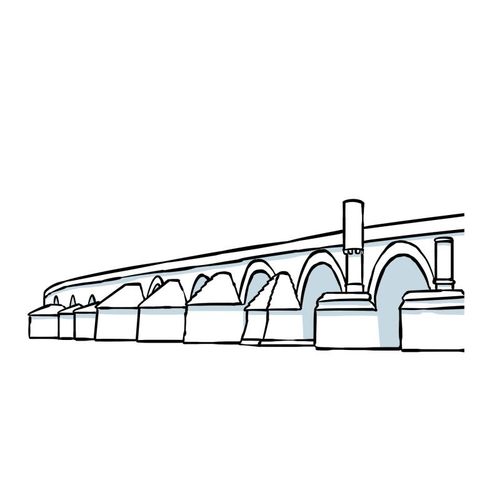
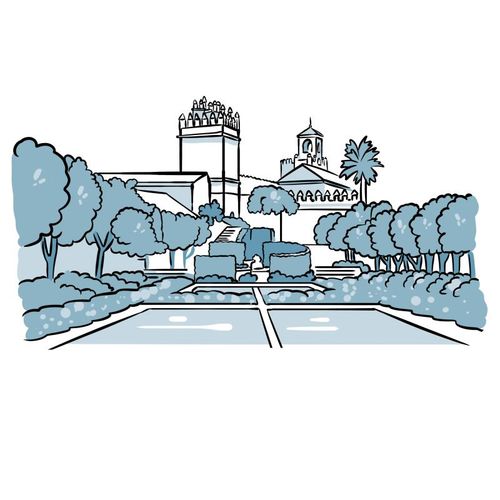
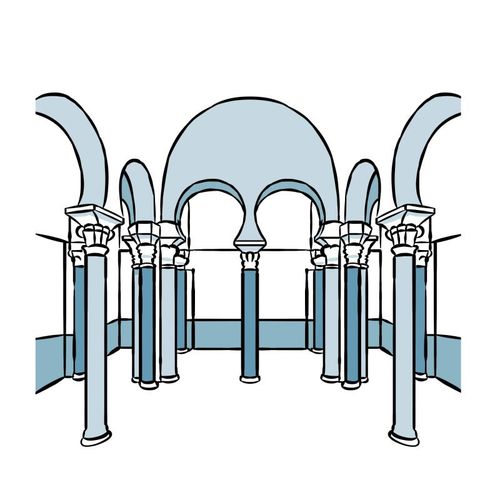
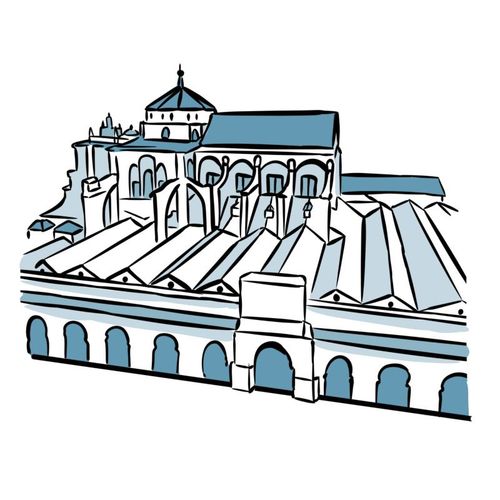
Cordoba is full of wonders you absolutely must discover. The Mosque-Cathedral remains the undisputed jewel with its forest of columns and its emblematic two-tone arches. The Jewish quarter will charm you with its white flower-filled alleys and its medieval synagogue. The Alcazar of the Christian Monarchs offers magnificent gardens and a panoramic view from its towers. Don't miss the Roman bridge spanning the Guadalquivir and the famous Cordoban patios, particularly enchanting in spring. The Ryo audioguide accompanies you on this discovery with a narrated tour that reveals the secrets of these emblematic places and guides you through the fascinating history of the three cultures that shaped Cordoba.
How can you get into the Mosque-Cathedral of Cordoba for free?
Free access to the Mosque-Cathedral is possible but limited. Generally, Cordoba residents enjoy free entry upon presentation of an ID. For visitors, there is usually a free slot early in the morning on weekdays, often reserved for worshippers attending mass. The exact times vary depending on the season and religious celebrations. It is advisable to check directly with the monument or the tourist office to find out the current arrangements. Bear in mind that during these free slots, crowds can be significant and some areas may be inaccessible. A paid visit remains preferable to fully enjoy the monument in good conditions.
Where can you park in Cordoba and how do you get around?
As Cordoba's historic centre is largely pedestrianised, you'll need to park your vehicle on the outskirts. Several public car parks are available around the old town, generally well signposted. The car parks near the train station or the Paseo de la Victoria are practical and relatively affordable. Once parked, the best way to discover Cordoba is on foot, as the main attractions are concentrated in the historic centre. For longer distances, city buses serve the various neighbourhoods. Taxis remain a practical option, especially in the evening. Many visitors also enjoy renting bikes to explore the banks of the Guadalquivir and the residential districts.
What are the opening hours of the Mosque-Cathedral?
The opening hours of the Mosque-Cathedral vary considerably depending on the season and religious celebrations. As a general rule, the monument opens in the morning and closes in the late afternoon or early evening. Hours are generally more extensive in summer than in winter. On Sundays and religious public holidays, access may be limited due to services. It is strongly advisable to check the official website or enquire at the tourist office before your visit to find out the exact hours for the day. Plan to arrive early enough, especially in high season, to avoid long queues and enjoy a more relaxed visit.
What is there to see in Cordoba's Jewish quarter?
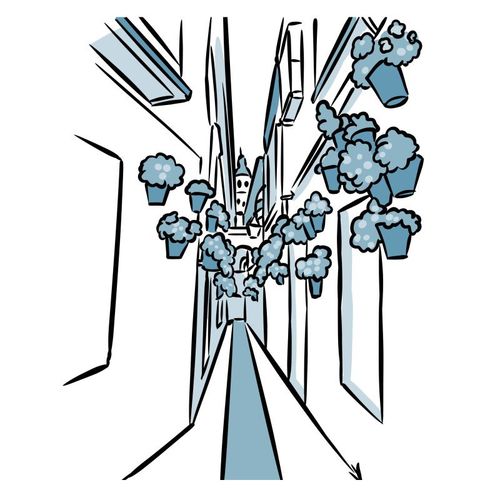
Cordoba's Jewish quarter, the Judería, is an enchanting maze of white alleys where every corner reveals a treasure. The synagogue, one of the few medieval synagogues preserved in Spain, is a must-see for understanding the Sephardic heritage. The Casa de Sefarad enriches this discovery with its exhibitions on Andalusian Jewish culture. Wander through the famous Calleja de las Flores, one of the most photographed alleys with its view of the Mosque-Cathedral's bell tower. Don't miss the statue of Maimonides, the illustrious Jewish philosopher born in Cordoba. The Ryo audioguide accompanies you through this historic quarter, revealing the stories hidden behind each façade and guiding you to the most charming secret patios.
Can you visit Cordoba on a day trip from Seville?
A day trip to Cordoba from Seville is entirely feasible thanks to the excellent rail connections. The high-speed train links the two cities in under an hour, with several daily departures. This option allows you to discover Cordoba's main monuments, in particular the Mosque-Cathedral and the Jewish quarter. However, a single day remains limited to truly appreciate the city's unique atmosphere. You'll have to make choices and keep up a brisk pace. If possible, opt for at least one night on site to enjoy the mild Cordoban evenings, discover the illuminated patios and explore the city at a more relaxed pace.
Why is Cordoba known as the city of three cultures?
The nickname recalls the centuries when Muslims, Jews and Christians lived side by side in the same city. As the capital of a brilliant caliphate, Cordoba was one of the most learned cities in the West: Greek texts were translated here, medicine and astronomy were studied here, and it saw the birth of the philosopher Averroes as well as the Jewish thinker Maimonides.
That legacy can still be read in the stone. The Mosque-Cathedral layers the caliphate's forest of columns with a Christian nave, the Judería keeps its synagogue and narrow lanes, while the Roman bridge and the walls tell of older layers still. Walking from one district to the next, you move from one world to another in a matter of minutes, and that is what makes the city so distinctive.
Which local specialities should you try in Cordoba?
Cordoban cooking revolves around a handful of signature dishes. Salmorejo, a cold cream of tomato and bread lifted with olive oil and served with ham and hard-boiled egg, is at its best in warm weather. Then come flamenquín, a breaded pork roll, rabo de toro, oxtail slowly stewed, aubergines fried and drizzled with cane honey, and the goat's cheeses of the sierra.
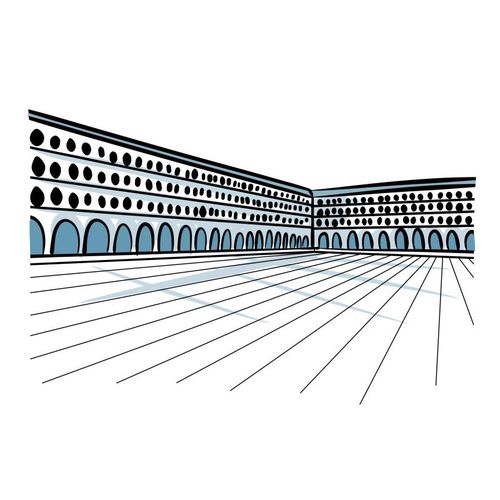
As for drinks, the region produces the wines of the Montilla-Moriles appellation, dry or sweet depending on the bottle, often served as an aperitif. The taverns of the centre and the older tabernas around the Judería and the Plaza de la Corredera remain the best places to try all this, usually as tapas or as raciones to share.
Vos commentaires, idées et suggestions
Aucun avis pour le moment
