


Créé par Emilie, le 4 oct. 2026
Votre guide Ryo
Antequera, Spain
Where Andalusia begins
Parcours audioguidé pour visiter Antequera en 1 jour
At the crossroads of Andalusia’s main routes, Antequera reveals an exceptional heritage, from prehistoric dolmens to churches and Moorish influences. With its whitewashed houses and rich past, the town reflects the full identity of inland Andalusia.
Quand partir à Antequera ?
Jan.
11°
7
Feb.
12°
6
March
14°
6
April
17°
7
May
22°
5
June
27°
2
July
32°
0
Aug.
32°
1
Sept.
27°
3
Oct.
21°
5
Nov.
16°
7
Dec.
12°
7
Antequera, located in the heart of Andalusia, enjoys a mild and dry Mediterranean climate, with average annual temperatures around 18°C. The best time to visit the city and its surroundings is between May and October. Keep in mind that summer temperatures can soar above 40°C. If you’re planning to travel to Antequera in winter, expect average lows of around 8°C and highs of up to 18°C. December tends to be the rainiest month of the year.
Départ conseillé
No need to worry about where to begin! Our tours are designed as a loop, so you can jump in wherever you are. The navigation system and audio-guide will automatically adjust to your location. However, if you happen to be nearby, we do have a preferred starting point : Coso Viejo Square
Parking à proximité
Free Parking – La Moraleda (unpaved) – Camino de la Moraleda Covered Paid Parking – Plaza de Castilla – Located on Castilla Square
Découvrez 18 lieux d'intérêt pour visiter Antequera












Le plein d'inspirations
Explorez le monde en totale liberté, à pied au cœur des villes ou au fil des routes. Nos guides audios transforment chaque destination en une découverte culturelle immersive et unique.


FAQ for visiting Antequera
When is the best time to visit Antequera?
The ideal time to discover Antequera runs from May to October, when the Mediterranean climate offers sunny days perfect for exploring the city. Temperatures stay pleasant in spring and autumn, with an annual average of around 18°C. Summer can be very hot, with peaks sometimes exceeding 40°C, which makes visits in the morning or evening more comfortable. If you come in winter, expect mild temperatures ranging between 8°C and 18°C, but December can be rainy. Spring is particularly enchanting when the Andalusian countryside bursts into flower.
How many days do you need to visit Antequera?
Two full days let you comfortably discover the treasures of Antequera and its surroundings. One day is enough to explore the historic centre, with its remarkable churches, the Alcazaba and the discovery of the dolmens listed as World Heritage. If you have an extra day, you can venture out to the spectacular natural site of El Torcal or visit the surrounding white villages. Travellers in a hurry can see the essentials in one busy day, but you risk missing the unique atmosphere that emanates from the lanes at sunset. The Ryo audioguide helps you make the most of your time with a route designed so you don't miss any of the must-sees.
What are the main attractions to see in Antequera?
Antequera is full of wonders that tell of millennia of history. The dolmens of Menga, Viera and El Romeral, more than 5000 years old, form an exceptional megalithic ensemble. The medieval Alcazaba majestically dominates the city from its hill, offering unforgettable panoramic views. The Real Colegiata de Santa María la Mayor impresses with its Renaissance architecture, while the many Baroque churches bear witness to the city's past wealth. Don't miss the Peña de los Enamorados either, that legendary rock with such a distinctive profile. The Ryo app guides you through these treasures with captivating audio commentary that brings each monument to life.
How do you get to the dolmens of Antequera?
The dolmens are located about one kilometre from the city centre, easily accessible on foot for walkers or by car. The main site with the dolmens of Menga and Viera lies on the northern edge of the city, near the Málaga road. Free parking is available on site. The El Romeral dolmen is slightly farther away, about 3 kilometres from the centre. Signposts guide you from the historic centre. The walk to the main dolmens takes about 15-20 minutes and passes through peaceful residential neighbourhoods. A modern interpretation centre welcomes visitors and offers detailed explanations about these fascinating prehistoric monuments.
What makes Antequera so special in Andalusia?
Antequera embodies the very essence of inland Andalusia, far from the bustle of the coast. Its strategic position at the crossroads of historic routes made it a unique cultural melting pot where prehistoric, Roman, Arab and Christian influences blend together. The ancient dolmens sit harmoniously alongside Baroque churches and Mudéjar architecture. The city preserves a rare authenticity with its traditional white houses and its preserved Andalusian pace of life. The surrounding landscapes, between fertile plains and spectacular rock formations such as El Torcal, create an exceptional natural setting. This concentrated wealth of heritage in a human-scale city makes Antequera a prime destination for understanding deep Andalusia.
Can you visit El Torcal from Antequera?
El Torcal, that extraordinary karst landscape, lies just 15 kilometres from Antequera, which makes it a must-do excursion. You can get there by car in about 20 minutes along a winding road that already offers superb panoramas. Without your own vehicle, taxis can take you there, though you will need to plan the return trip. The rock formations sculpted by erosion create a fascinating lunar setting, with several marked hiking trails suited to different levels. The visitor centre offers information on the geology and local wildlife. Allow at least half a day to fully enjoy this unique natural site, ideally in the morning or late afternoon to avoid the heat.
Where can you park for free in Antequera?
Antequera offers several free parking options that make visiting easier. The area around the Plaza de Toros generally has plenty of free spaces. Along the Avenida de la Legión and in the streets adjacent to the Paseo Real, you will often find available spots. Near the Parador and the Iglesia del Carmen, parking areas also let you park free of charge. The outlying residential neighbourhoods offer possibilities too, notably around the Recinto Ferial. The pedestrian historic centre remains hard to reach by car, but the free car parks on its edge let you visit everything on foot in just a few minutes. Avoid market days, when certain areas temporarily become paid parking.
How much does it cost to visit the Alcazaba and the Collegiate Church?
Entry fees for the monuments of Antequera remain very affordable, making culture accessible to everyone. The Alcazaba and the Real Colegiata de Santa María generally offer individual tickets at a modest price, often with discounts for students, seniors and groups. Combined tickets usually let you visit several monuments at a preferential rate. The dolmens, listed as World Heritage, often offer free access or admission by voluntary donation. There are generally free days for residents or during special events. Prices may vary depending on the season and temporary exhibitions. Check with the tourist office for up-to-date rates and any current promotions.
How can you explore the historic centre of Antequera on foot?
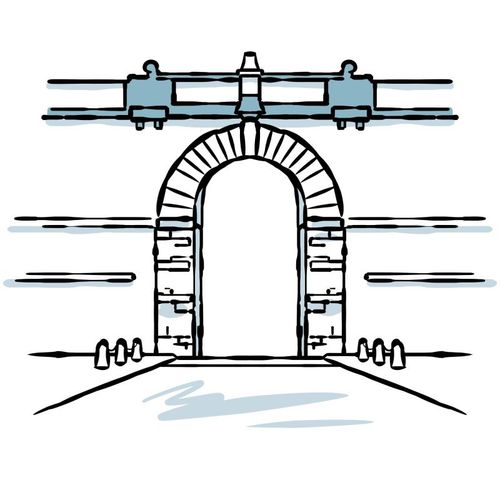
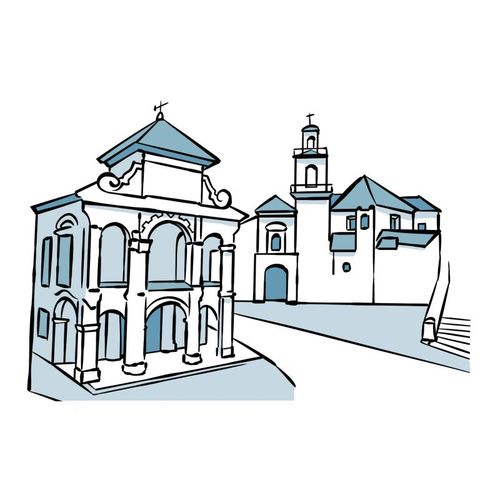
The town rises in tiers at the foot of its fortress, which traces a natural route: start from the lower squares, around the Nájera palace and the shopping streets, then climb through the whitewashed lanes to the Arch of the Giants, the former gateway to the monumental quarter. You then come out onto the forecourt of the collegiate church of Santa María la Mayor, with the alcazaba on one side and, on the horizon, the outline of the Peña de los Enamorados.
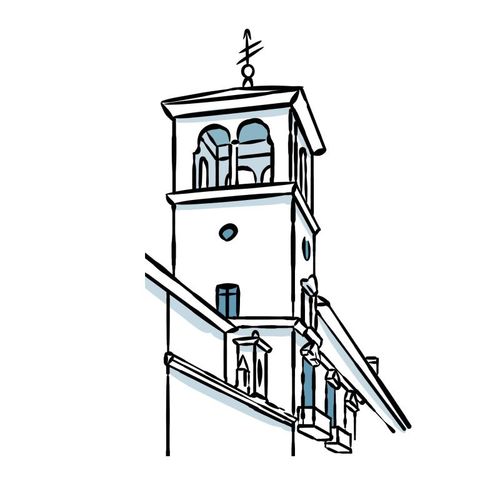
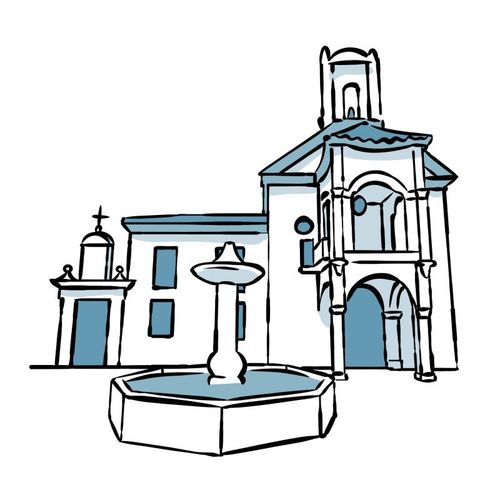
The way down follows the convents and baroque bell towers that give Antequera its very distinctive skyline, back to the fountains and terraces of the centre. Allow a good half day, bring shoes suited to the paved slopes and keep the hottest hours for the shade. The Ryo audio guide offers a dedicated Antequera route that follows this path and tells its story.
Which specialities should you try in Antequera?
The best known is porra antequerana, a cold preparation of tomato, bread and olive oil, thicker than gazpacho, served with pieces of ham and hard-boiled egg. You will also come across the mollete everywhere, the soft round roll that made the town's name: it is eaten toasted at breakfast, drizzled with olive oil, with tomato or cured meat.
Local kitchens readily offer kid goat stews, vegetables from the surrounding plain and cheeses from the region. For dessert, bienmesabe, made with almonds, and the biscuits that have been prepared for centuries in the town's convents go well with a coffee. The olive oil produced nearby and the sweet wines of the province easily round off a meal.
Vos commentaires, idées et suggestions
Aucun avis pour le moment