Malaga, Spain
The many faces of Andalusia
Parcours audioguidé pour visiter Malaga en 1 jour
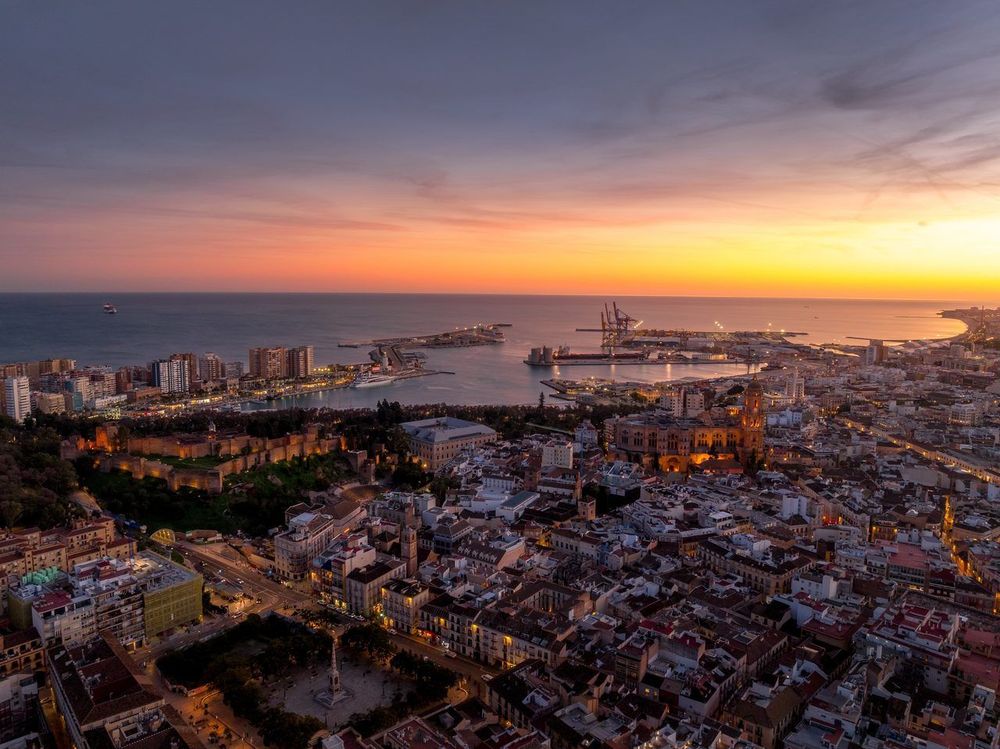
This tour of Malaga’s historic center invites you to journey through three thousand years of history, featuring Roman theaters, Moorish fortresses, and squares shaded by orange trees. Throughout the route, discover Picasso’s heritage, the vibrant energy of traditional markets, and the lively landmarks where Castilian elegance meets Mediterranean joy. A simple and immersive way to explore the sun-drenched heart of Malaga at your own pace.
Quand partir à Malaga ?
Jan.
12°
6
Feb.
13°
5
March
15°
4
April
16°
5
May
19°
3
June
23°
1
July
26°
0
Aug.
26°
1
Sept.
24°
2
Oct.
20°
6
Nov.
16°
7
Dec.
13°
7
Throughout the year, the average temperature generally hovers around 17°C, thanks to a mild Mediterranean climate. From January to March, you'll find the coldest temperatures of the year, with the lowest being around 11°C. On the contrary, the hottest months are July and August, with the highest temperatures reaching around 30°C. As for rainfall, the wettest months tend to be January, March, November, and December. All in all, Malaga is blessed with good weather and can be visited all year-round. Just keep in mind that from May to August, drought periods are common, so plan accordingly!
Départ conseillé
No need to worry about where to begin! Our tours are designed as a loop, so you can jump in wherever you are. The navigation system and audioguide will automatically adjust to your location. However, if you happen to be nearby, we do have a preferred starting point: At 9 C. Marqués de Larios.
Parking à proximité
Parking centre Malaga : C. Marqués, 17
À savoir
Our tour will take you to the Alcazaba viewpoint. Know that there are opening and closing hours, so it's best informing yourself in advance to avoid any unpleasant surprise. If you still go there when it's closed, you'll just have to follow our usual route.
For walking through the Atarazanas Central Market, keep in mind that there are opening and closing hours. If you happen to come when the market is closed, you'll need to take the following detour to reconnect with the tour route: Calle Atarazanas → Plaza de Arriola → Calle Sagasta.
Just like any other tourist destination, Malaga offers a City Pass, with both advantages and discounts on its public transport and activities. A great way to discover the city at your own pace and as offers come by.
You'll quickly notice that there isn't a lot of public toilets in Malaga. To avoid any problems during your tour, we advise you to make the most of facilities when eating and drinking to use the toilet.
Découvrez 25 lieux d'intérêt pour visiter Malaga
















Le plein d'inspirations
Explorez le monde en totale liberté, à pied au cœur des villes ou au fil des routes. Nos guides audios transforment chaque destination en une découverte culturelle immersive et unique.
FAQ for visiting Malaga
When is the best time to visit Malaga?
Thanks to its privileged Mediterranean climate, Malaga is a pleasant place to visit all year round. The months of April, May, September and October are particularly recommended, with mild temperatures around 20°C and little rain. Summer can be very hot, with temperatures often exceeding 30°C, but it remains ideal for enjoying the beaches. Winter stays mild, with temperatures rarely below 11°C, although November to March sees more rainfall. If possible, avoid July and August if you're wary of intense heat and tourist crowds.
How many days do you need to visit Malaga?
To discover the essentials of Malaga, ideally allow between two and three days. A weekend lets you comfortably explore the historic centre, visit one or two major museums and enjoy the atmosphere of the characterful neighbourhoods. If you have three days or more, you can deepen your visit with more museums, stroll along the urban beaches and even consider an excursion to the surrounding area. A single day is still possible for an overview of the must-sees, but you'll have to make choices and keep up a brisk pace.
How do you get around in Malaga?
Malaga's historic centre is best explored on foot, as most of the attractions are concentrated within a small area. For longer distances, the urban bus network covers the city well and remains inexpensive. The metro, made up of two lines, efficiently connects certain outlying districts to the centre. The self-service bikes are a pleasant option along the seafront. Taxis remain affordable for occasional trips. If you plan excursions outside the city, renting a car can prove handy, but it isn't necessary to visit Malaga itself.
What are the must-see sights in Malaga?
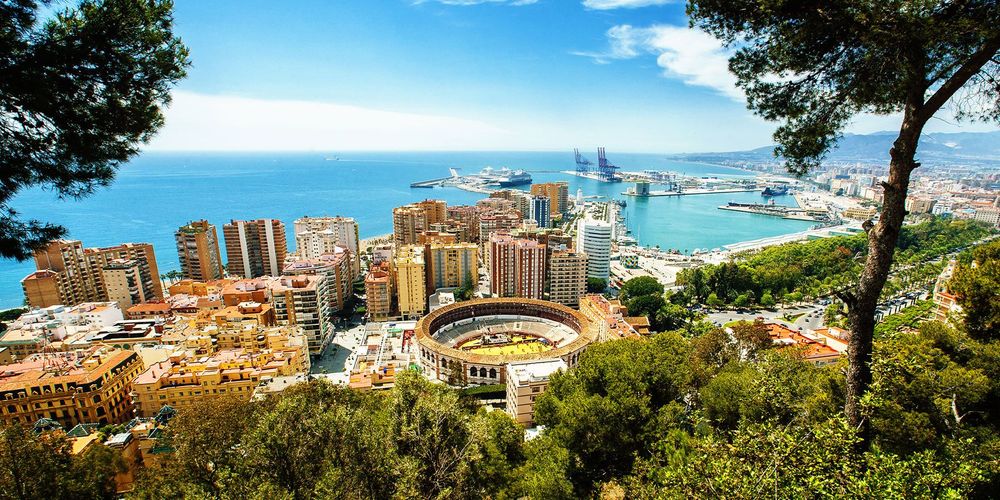
Malaga is brimming with historical and cultural treasures not to be missed. The Alcazaba, a Moorish fortress overlooking the city, offers spectacular views and bears witness to its Muslim past. The Roman theatre at its foot tells the story of antiquity. The Renaissance cathedral, nicknamed La Manquita, impresses with its architecture. Gibralfaro Castle completes this historic panorama. Art lovers will appreciate the Picasso Museum and the artist's birthplace. The Ryo audioguide accompanies you in discovering these emblematic sites with enriching commentary that reveals the secrets of three thousand years of history.
Where should you stay in Malaga?
The historic centre remains the preferred choice to stay, letting you easily reach the main attractions on foot. The area around the cathedral and Larios street offers many options, from charming hotels to tourist apartments. For a more authentic atmosphere, explore the Soho or El Perchel neighbourhoods. Beach lovers will prefer La Malagueta or Pedregalejo, coastal districts well connected to the centre. Rates vary considerably by season, with prices generally higher in summer and during Holy Week. Book in advance to enjoy the best value for money.
How do you get from Malaga airport to the city centre?
Several options are available to reach the city centre from the airport, located about ten kilometres away. The C1 suburban train is the most economical option, connecting the airport to the centre in around twenty minutes with frequent departures. The A express bus also links the airport to the city centre and the port. Taxis remain convenient, especially if you're travelling in a group or with a lot of luggage, for a journey of about fifteen to twenty minutes depending on traffic. Ride-hailing services and private transfers are comfortable alternatives. Car rental is available directly at the airport if you plan to explore the region.
What can you do in Malaga in one day?
A day in Malaga is enough to discover the essentials of the historic centre. Start with the Alcazaba and the Roman theatre in the morning, when the cool air makes the climb more pleasant. Then head down towards the cathedral and wander through the streets of the centre as far as Larios street. Enjoy lunch in one of the neighbourhood's traditional restaurants. In the afternoon, visit the Picasso Museum or the artist's birthplace, then finish with a stroll at the port or on La Malagueta beach. The Ryo audioguide offers precisely an optimised route to discover these must-sees in a single day, with captivating anecdotes about each place.
Which museums should you visit in Malaga?
Malaga has transformed into a true cultural capital with an impressive range of museums. The Picasso Museum, a must, presents a rich collection of works by the master born in the city. Picasso's birthplace completes this immersion. The Centre Pompidou Málaga offers modern and contemporary art in an emblematic colourful cube. The Carmen Thyssen Museum displays a fine collection of Andalusian painting. For contemporary art, the CAC Málaga is worth the detour. The Málaga Museum, recently renovated, combines archaeology and fine arts. Depending on your tastes, focus on two or three museums to avoid overload and keep some time to enjoy the city's unique atmosphere.
Which neighbourhoods should you explore in Malaga?
The historic centre holds most of the essentials: the Alcazaba, the Roman theatre, the cathedral and Calle Larios are all within walking distance of one another, among shaded squares and lively terraces. Right next door, the Soho district stands out for its large murals and its galleries, while the Atarazanas market offers a glimpse of everyday life in the city. Along the seafront, La Malagueta extends the walk towards the former fishing villages of Pedregalejo and El Palo, which have a far more laid-back atmosphere. Finally, the heights of Gibralfaro reward the climb with a panorama over the whole bay. The Ryo audio guide offers a route dedicated to Malaga that links these neighbourhoods and tells their story as you walk.
Which local specialities should you try in Malaga?
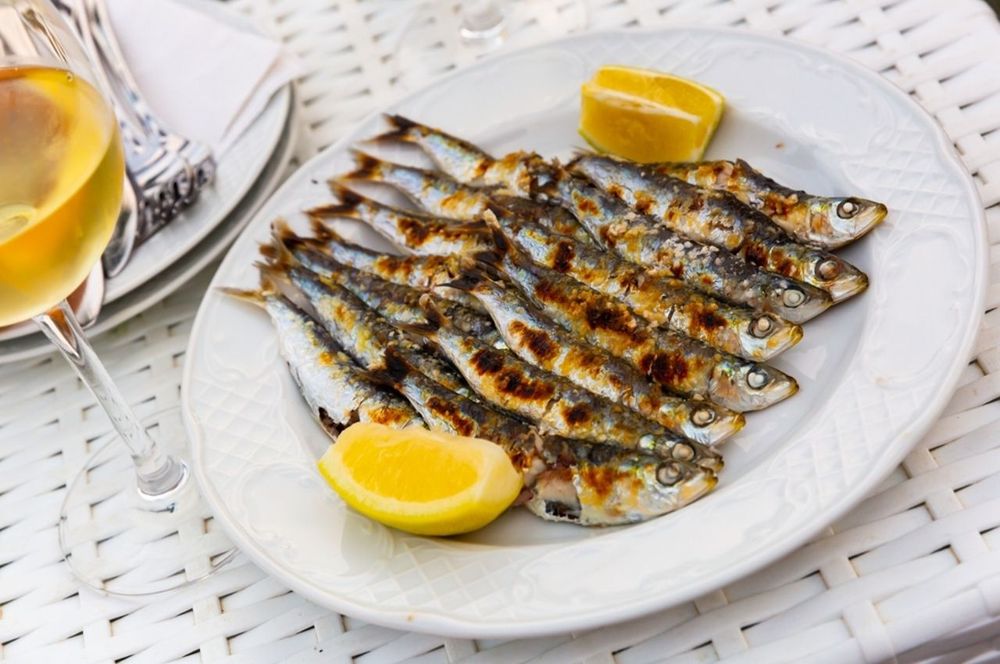
Food in Malaga is enjoyed above all on a terrace, around small plates meant to be shared. Espetos, sardines skewered and grilled over embers set in old fishing boats, remain the emblem of the coast and are traditionally eaten facing the sea. In town you will come across pescaíto frito, a very light fry-up of small fish, porra antequerana, a cold tomato soup thicker than gazpacho, and ajoblanco, made with almonds. Local sweet wines, produced from muscat and pedro ximénez grapes, are a natural way to end a meal. The old bodegas of the centre and the beach shacks along the seafront are reliable places to try all of this in an authentic setting.
Vos commentaires, idées et suggestions
Aucun avis pour le moment