© Shutterstock
 Votre guide Ryo
Visit Malaga in 2 Days: The Complete Itinerary for 2026
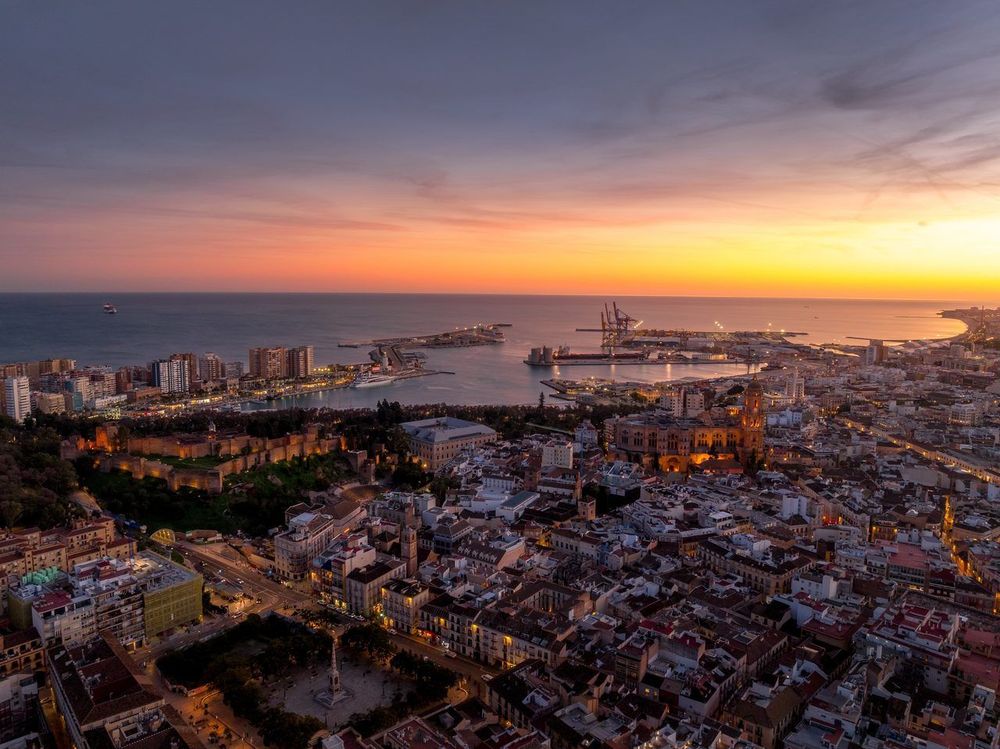
In Malaga, walking up Calle Alcazabilla is enough to understand why the city long lived in the shadow of Seville and Granada: Phoenician, Roman and Nasrid remains are layered here over less than 400 metres, between a free ancient theatre and a Moorish fortress still standing. It's impossible to see everything in two days, but visiting Malaga in 2 days already allows you to cover the essentials of the historic centre, the climb up to Gibralfaro Castle and a good part of the Picasso heritage, without ever putting your bags down. To get a sense of the distances before you set off, the Ryo audio guide tour of Malaga draws a geographical thread between the main sites in the centre.
Over these two days, you will come across a Roman theatre accidentally rediscovered in 1951 during roadworks, a museum holding 285 works by Picasso never shown in the major Parisian retrospectives, a beach less than ten minutes' walk from the cathedral, and a covered market installed in a former gateway of the 14th-century Nasrid shipyards. Between the two days, the itinerary deliberately alternates a dense heritage morning with an afternoon by the sea or in contemporary art spaces, so you don't string monuments together without a breath. Whether you're travelling as a couple, with friends or solo, this two-block-per-day structure works just as well on foot as when you allow yourself a longer lunch break. If you're already wondering whether you should plan an extra day, the question is addressed in detail further below.
Day 1: The Alcazaba, the Roman Theatre and the Cathedral of the Incarnation
The first morning plays out in a very small area: the essentials of the historic centre fit within an 800-metre radius around Plaza de la Aduana. Plan to arrive as soon as it opens, around 9am, to avoid the queue that forms from 11am onward in high season. Ryo's audio-guided tour of Malaga lets you follow this itinerary by ear, without having to find your way through the pedestrian lanes.
The Alcazaba and the Roman Theatre of Malaga
The Alcazaba has dominated the historic centre since the 11th century, built by the Hammudids on the foundations of an earlier Phoenician fortress. Its terraced gardens, dotted with fountains and orange trees, climb to the top in a leisurely fifteen-minute walk, with views over the port opening up progressively at each level. Admission costs €3.50, free on Sundays after 2pm for European Union residents, and the combined ticket with Gibralfaro Castle comes to €5.50 — the best option if you plan to visit both fortresses on the same day.
Inside the walls, the Nasrid governor's palace, with its multi-lobed arches and brick entrance patio, can be visited alongside the military fortress. A small archaeological museum, set up in the former guardrooms, displays ceramics and coins found during successive excavations since the 1930s. Few visitors linger there, making it a welcome quiet moment in the middle of the morning.
Just at the foot of the fortress, the Roman theatre of Malaga was uncovered in 1951 during construction work for the Casa de la Cultura, a building eventually demolished to allow the complete excavation of the site. Dating from the 1st century BC, it remains one of the city's oldest architectural testimonies and can be visited free of charge, in the open air, in about ten minutes. The adjacent interpretation centre traces Roman construction techniques using pieces found on site, including sections of seating, and presents a useful scale model to visualise the original scale of the site before it was reused by the Moors as a stone quarry.
A practical tip: both sites can be visited back to back, with no need to return to a hotel or drop off luggage. Do wear good shoes, though — the cobblestones of the Alcazaba are slippery after rain, which is rare but not impossible even in Andalusia.
The Cathedral of the Incarnation and the Streets of the Historic Centre
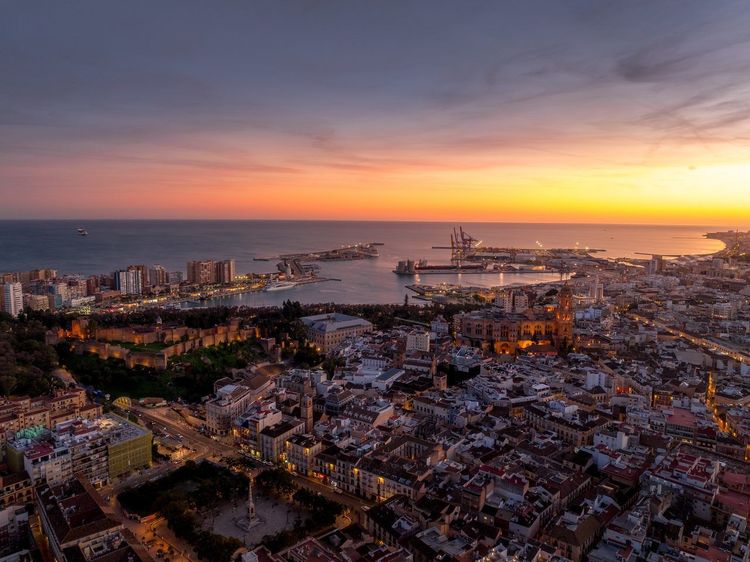
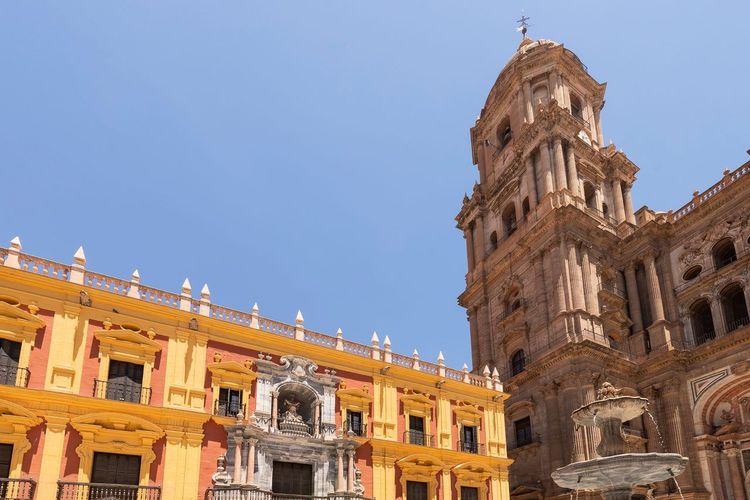
Heading back down towards Calle Molina Lario, the Cathedral of the Incarnation imposes its baroque façade, nicknamed "la Manquita" — the one-armed lady — in reference to its south tower, never completed due to lack of funds in the 18th century, the money having been diverted to finance the American War of Independence. The interior, a blend of late Gothic and Andalusian baroque, can be visited for €8 and encompasses 15 side chapels as well as a carved wooden choir by Pedro de Mena, one of the masters of 17th-century Andalusian baroque. Allow 45 minutes for the full visit.
The building was constructed on the site of a former main mosque, itself erected after the Reconquista of 1487 by the Catholic Monarchs. Some visitors also climb to the rooftop terrace, accessible via a separate guided visit that must be booked in advance, for a close-up view of the towers and the city stretching out behind.
The surrounding streets — Calle Císter and Calle Santa María — are lined with craft shops and terraces shaded by ochre façades. This is also the best moment to discover Plaza del Obispo, just behind the cathedral, where locals have their morning coffee on the terrace before tour groups arrive around 11am. You can stroll there for about twenty minutes before heading on towards the market.
Atarazanas Market and Lunch Break
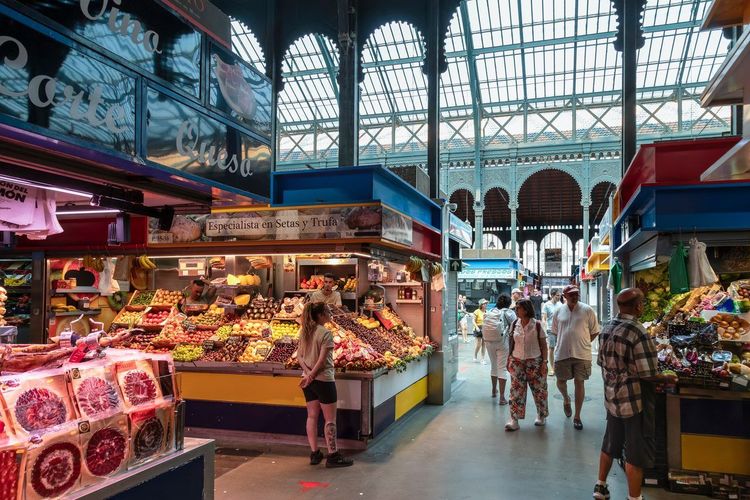
Ten minutes' walk away, the Atarazanas Market occupies a former gateway of the 14th-century Nasrid shipyards, whose horseshoe arch remains visible on the Calle Atarazanas side. The central hall, topped by a vast stained-glass window depicting the city's landmarks, blends fresh fish stalls, local produce and small tapas bars open from 8am.
The stained-glass window itself deserves a moment's attention: installed in 1972, it depicts an allegorical scene of the port and Malaga's iconic monuments, best seen in late morning when the light shines directly through the hall. The fishmongers' stalls in particular give a true picture of what the locals actually eat, far from the tourist menus of the centre.
This is the most logical spot for the first day's lunch break. Budget €8 to €12 for a plate of fritos de pescaíto — the small fried anchovies and squid typical of the coast — accompanied by a glass of local white wine. The market bars serve standing at the counter, in an atmosphere far more local than the tourist terraces of the historic centre. Ryo's audio-guided tour of Malaga ties this stop to the Alcazaba and the Roman Theatre just up the street, handy for picking the walk back up afterwards.
If you prefer to sit down, several bodegas two streets away offer the same kind of tapas for a similar budget, with the added benefit of a table in the shade.
Day 1: Malaga's Port and Sunset at Gibralfaro Castle
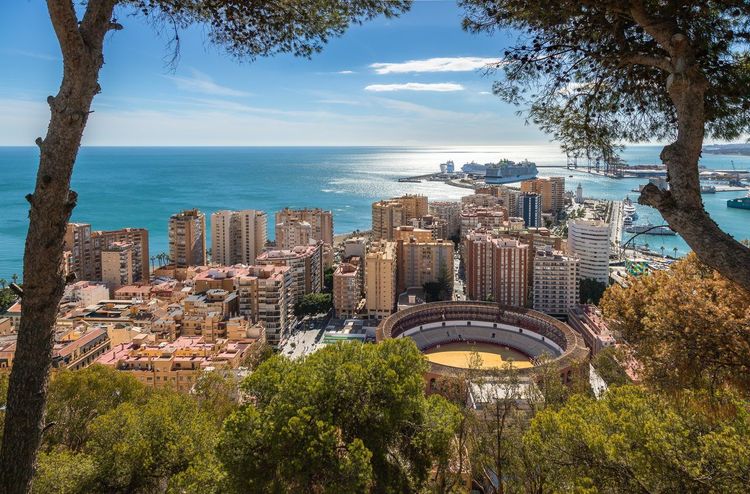
The afternoon of day one swings towards the sea before heading uphill for the sunset. Allow around three hours in total, promenade included, leaving the historic centre around 4pm in summer or 2:30pm in winter so as not to miss the evening light on the ramparts.
Paseo del Muelle Uno and the Waterfront
The port of Malaga was transformed in the early 2010s into a palm-lined pedestrian promenade, the Paseo del Muelle Uno, which runs along the quays for nearly a kilometre. Here you'll find moored yachts, a 60-metre Ferris wheel and a modern skyline that contrasts sharply with the morning's narrow streets.
The Paseo del Muelle Uno leads naturally to the Centre Pompidou, whose colourful cube marks the entrance to the port, but save that visit for the next morning — it has its place in the second day's programme. Just before, the Museo Alborania, dedicated to Mediterranean marine life, occupies a former fishing warehouse and pairs well with the promenade if you're travelling with children; allow an extra half hour in that case.
For now, enjoy an artisan ice cream on a terrace facing the boats — a local ritual more than a tourist obligation. In the late afternoon, the raking light on the white hulls of the sailing boats already offers a foretaste of the spectacle awaiting you a little higher up.
Climb to Gibralfaro Castle for Sunset
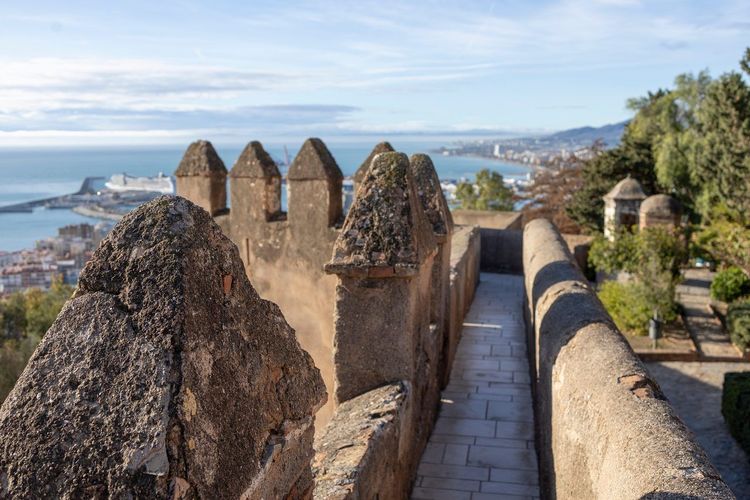
From the port, allow 25 minutes of continuous uphill walking, or take bus C35 which drops you directly at the entrance, to reach Gibralfaro Castle. Built in the 14th century by the Nasrid sultan Yusuf I to protect the Alcazaba, the fortress overlooks the city from 130 metres above sea level and offers Malaga's finest panorama, with the sea and the historic centre together in a single frame. A double crenellated wall still connects the castle to the Alcazaba below — a defensive corridor of nearly 800 metres that can be walked from inside the fortress.
The Gibralfaro viewpoint, just before the castle's paid entrance, remains freely accessible and is more than enough if you're simply looking for the view without visiting the ramparts. Ideally arrive 45 minutes before official sunset: the low-angle light over the bay completely transforms the colours of the old town, and the westward-facing benches fill up quickly in high season. A small parador, the historic hotel adjoining the site, also opens its terrace to non-residents for a drink with a view — a good alternative if the viewpoint is overcrowded.
If you walk up, bring water — the ascent is steep and poorly shaded in the middle of the day. A taxi from the centre costs around €10 and saves the effort if you have already walked a lot since morning. Coming back down at night is no problem, the main road remains lit all the way to the city centre. Ryo's audio-guided tour of Malaga links Muelle Uno with the Alcazaba earlier in the walk, a useful reference if you're retracing the route on foot.
Day 2: The Soho District and the Picasso Museum
Day two starts on a more urban note, moving between contemporary street art and Picasso's heritage, before shifting to the sea later in the morning. To broaden your choice of activities beyond this itinerary, our Ryo selection of the best things to do in Malaga details a few additional options depending on your interests.
Street Art and Murals in the Soho District
The Soho district, straddling the port and the railway station, was transformed over a decade through the MAUS project (Malaga Arte Urbano Soho), launched in 2013 by the local CAC Málaga foundation to bring in international street artists such as D*Face, Obey and ROA. These artists covered the façades of formerly neglected buildings, and today the neighbourhood counts more than 50 murals, including a giant three-storey rhinoceros that has become one of the most photographed walls in the city — a work by Spanish artist ROA, known for his monumental black-and-white animals.
Allow an hour for a free-form stroll between Calle Tomás Heredia and Calle Convalecientes, where murals reveal themselves at random rather than along a signposted trail. Morning light, before 11am, is the most favourable for photography, as the façades are oriented to catch direct sunlight early in the day. Specialty coffee shops and independent boutiques complete the atmosphere, a world away from the more classical historic centre of the day before.
Picasso Museum and the Artist's Birthplace
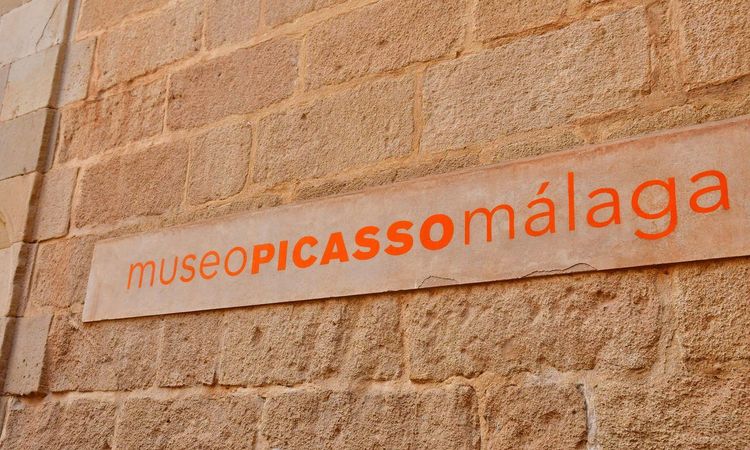
Ten minutes' walk away, the Picasso Museum of Malaga occupies the Palacio de Buenavista, a 16th-century Renaissance building, and presents 285 works donated or loaned by the artist's family, spanning seventy-eight years of creation, from his academic canvases of youth to the late ceramics of the 1970s. The initial donation came from Christine and Bernard Ruiz-Picasso, respectively daughter-in-law and grandson of the artist, who wished for this collection to remain in Pablo Picasso's birthplace rather than joining the great Parisian museums. Full-price admission costs €12, free during the last three hours of opening on Sundays — a piece of information few visitors know and well worth it if your schedule allows.
Five minutes' walk away, Picasso's birthplace, on Plaza de la Merced, occupies the apartment where the artist was born in 1881 and spent his first ten years. The visit, more modest than the main museum, reconstructs the bourgeois interior of the era and presents early works rarely shown elsewhere, including several drawings made by Picasso before the age of ten, which his father — a drawing teacher — already kept as remarkable pieces.
If time is short, prioritise the main museum: among the museums to visit in Malaga, it is by far the one that most justifies the entrance fee, with the birthplace taking 20 minutes compared to a full hour for the complete collection. Plaza de la Merced itself, lined with terraces, makes a good rest stop before heading on towards the beach.
Day 2: La Malagueta Beach and Contemporary Art at the Centre Pompidou
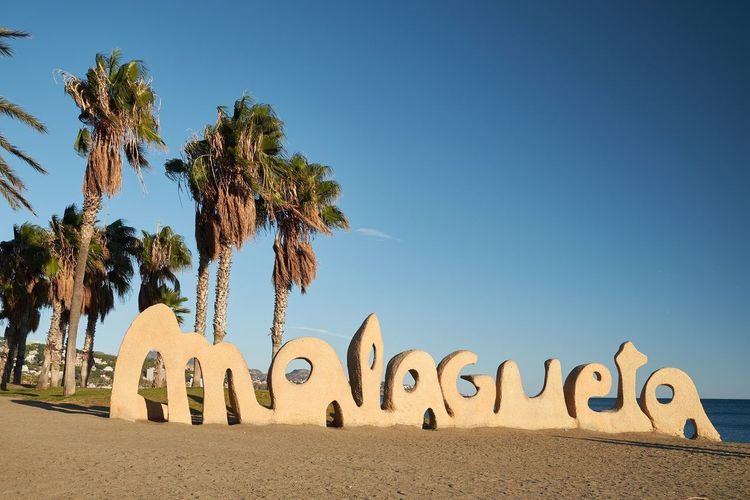
After a packed morning between Soho and Picasso, the end of day two deliberately slows the pace, alternating sand and contemporary art, with less than fifteen minutes' walk between the two.
Playa de la Malagueta, the Beach in the City Centre
Playa de la Malagueta stretches for nearly a kilometre of fine sand just behind the port, making it one of the rare large Spanish cities where you can go from a museum to a beach towel in ten minutes. The water is swimmable from May to October, with temperatures around 22 to 24 degrees at peak season. Showers, public facilities and lifeguard posts in summer make the beach practical even for an impromptu one-hour break between visits.
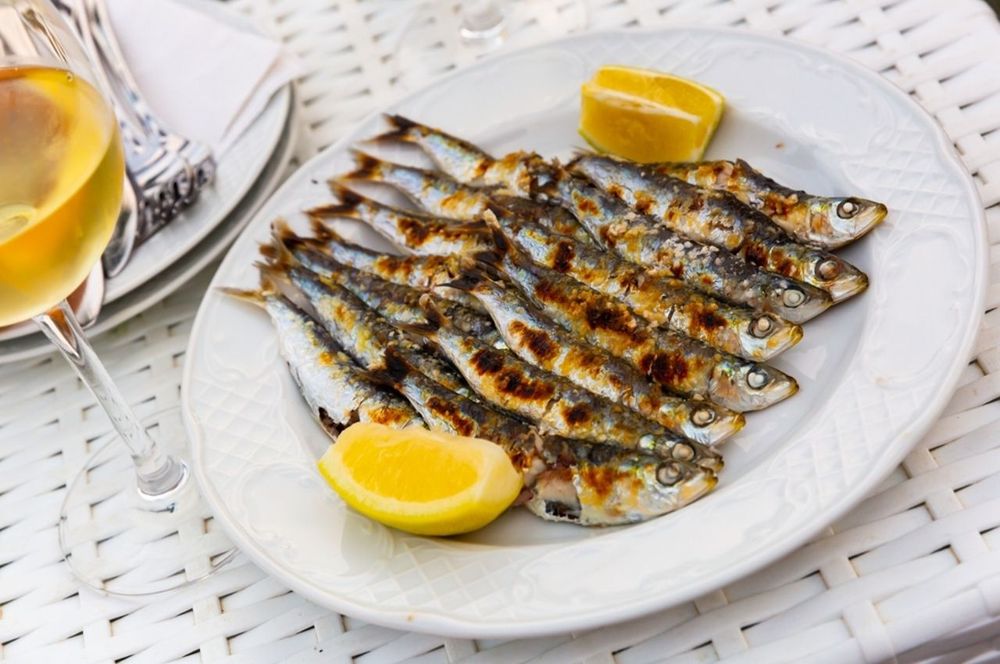
Even without a swimsuit, the seaside walk is worth it: the chiringuitos — those Andalusian beach shacks — serve espetos de sardinas, sardines grilled over embers right on the sand, a local tradition older than the seaside resort itself. Budget around €6 to €8 for a skewer, generally served between 1pm and 4pm, rarely later.
Centre Pompidou Málaga and Contemporary Art
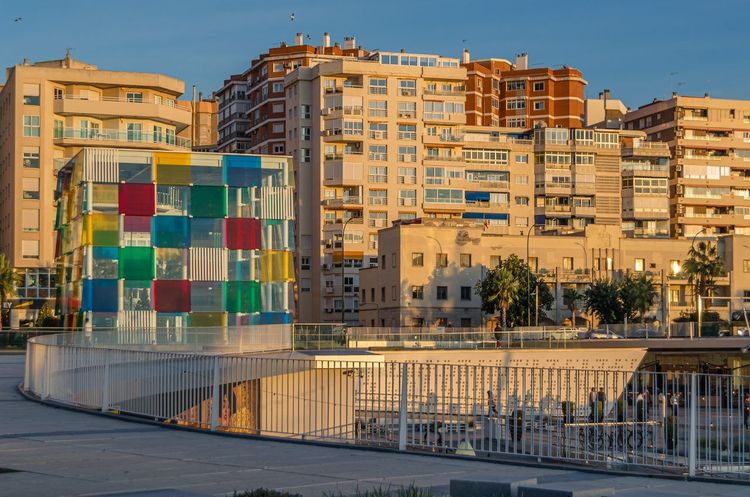
Back towards the port, the Centre Pompidou Málaga (Pasaje Doctor Carrillo Casaux, 29016 Málaga, rated 4.4/5 on Google from 18,867 reviews), recognisable by its multicoloured cube designed by Daniel Buren, is the first satellite of the Parisian museum outside France, opened in 2015 for an initially planned five-year run, since extended several times given how much the local success exceeded expectations. The permanent collection presents around a hundred works from the 20th and 21st centuries, from Frida Kahlo to Francis Bacon via René Magritte, in a space far more manageable than its Parisian counterpart — allow an hour to go round at a comfortable pace.
Admission costs €9, and the temporary exhibitions, renewed approximately twice a year, are often worth the visit on their own. It's a fine way to close the stay on a contemporary note, in deliberate contrast to the Alcazaba and the Roman theatre of day one.
Where to Stay in Malaga for a 2-Day Trip
For such a short stay, location matters more than the hotel's star rating. The historic centre, around the cathedral and Calle Larios, remains the most practical choice: the entire first-day itinerary is walkable from any hotel in this area, and restaurants stay open later here than elsewhere in the city. It's also the sector with the densest accommodation offer, from small family guesthouses to boutique hotels set up in former bourgeois townhouses.
The Soho district suits those who prefer a younger atmosphere and slightly lower prices, while still being fifteen minutes' walk from the historic centre and five minutes from the Picasso Museum. It's also the best-connected area if you're arriving by train, with the María Zambrano station right opposite — a real advantage if you're planning to move on to another Andalusian city afterwards.
Finally, staying near Playa de la Malagueta makes sense if you're travelling in summer and plan to enjoy the beach at the end of the day after sightseeing. The trade-off: fifteen to twenty minutes' walk to reach the Alcazaba, a detail to keep in mind if you're already covering a lot of ground during the day. The Ryo audio guide for Malaga helps you visualise the distances between these three neighbourhoods before you book.
In terms of budget, a decent double room can be found for between €70 and €110 per night in the city centre outside July–August, and easily climbs to €150 or more in peak season. Booking at least a month in advance is recommended for weekends from May to September, as the city has become a popular short-break destination since the Centre Pompidou opened. Whichever area you pick, Ryo's audio-guided tour of Malaga threads between the Alcazaba and the Picasso Museum, worth checking before settling on a neighbourhood.
How to Get to Malaga and Get Around

Malaga-Costa del Sol Airport is only 8 kilometres from the city centre, one of the closest in Europe for a city of this size. The C1 suburban train line connects the airport directly to the main station in 12 minutes for €1.80 — a significantly faster option than a taxi at rush hour, which costs around €20 to €25 for the same journey. Direct flights from France, including from Paris, Lyon and Marseille, are frequent throughout the year, not only during the summer season.
Once there, forget the car: visiting Malaga on foot is not only possible but recommended — the historic centre, Soho, the port and La Malagueta form a compact area less than 3 kilometres across. The pedestrian streets of the centre are in fact closed to traffic for most of the day. For longer journeys, such as the climb to Gibralfaro, the urban bus network is inexpensive at around €1.40 per journey, with lines serving all the neighbourhoods featured in this itinerary.
Do you need to rent a car to visit the city? For the two days described here, the answer is no: city-centre parking is expensive, the streets are narrow and walking is faster for most journeys. Car hire only becomes relevant once you plan to leave Malaga, heading towards Ronda, Nerja or the Caminito del Rey, described further below. In that case, budget between €25 and €40 per day for an economy model, with the genuine flexibility of setting your own schedule for day trips, without depending on tourist bus timetables that are often limited in frequency.
What to Do if You Have More Time: Around Malaga
If your stay extends beyond two days, or if you're simply wondering what to do in Malaga in 3 days, the third day is best spent leaving the city rather than adding more landmarks in the centre. Two options stand out clearly from the rest — one cultural and close by, the other more active and a little further afield.
La Concepción Historic-Botanical Garden
About fifteen minutes by car or bus from the centre, the La Concepción Historic-Botanical Garden covers more than 25 hectares of subtropical vegetation, planted from 1857 onwards by a couple from the local bourgeoisie returning from travels in Latin America and Asia. Bamboo groves, centuries-old ficus trees and water lily ponds make it one of the richest gardens in Spain, largely unknown to visitors who focus solely on the historic centre.
Admission costs €5.50 and a full visit takes a good two hours, following the marked trail through the garden's different climate zones. It's an excellent option for a quiet morning, at the opposite end of the spectrum from the pace of the historic centre, before heading back to Malaga in the late afternoon. Bring a hat — the shade is less generous than you might expect, despite the density of the vegetation.
Day Trips on the Costa del Sol
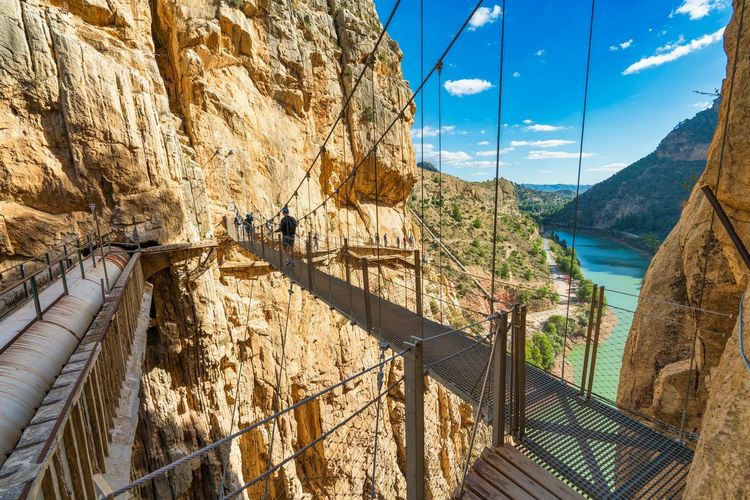
The Caminito del Rey (Ctra. MA-4404 Km 4, 29552 Ardales, rated 4.7/5 on Google from 39,707 reviews), this cliffside path reopened in 2015 after years of closure due to danger, is just over an hour's drive northwest of Malaga. Online booking is mandatory, and spots often sell out weeks in advance in high season — budget around €10 for admission and allow three to four hours on site, including the shuttle and approach walk.
To the east, Nerja and its prehistoric caves, or the pretty white village of Frigiliana just above it, offer a more relaxed excursion of about an hour's drive. Inland, Ronda, perched above its vertiginous gorge and its famous 18th-century bridge, rounds out the options for those extending their stay beyond two or three days. To organise these outings, the Ryo Andalusia road trip offers a regional itinerary linking these stops together — handy if you're planning to visit Malaga over 4 days or more and continue on to other Andalusian cities.
Where to Eat the Best Tapas in Malaga
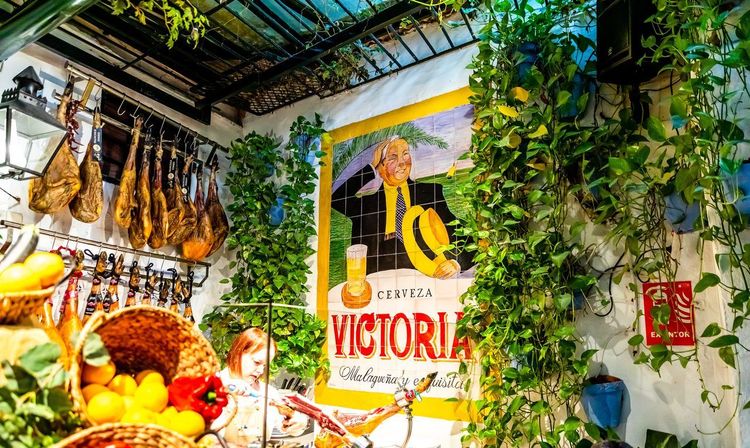
Malaga stands out for a more relaxed tapas culture than Seville or Granada, often served free with drinks in the most traditional bars in the centre — a practice increasingly rare elsewhere in Spain. Three neighbourhoods concentrate the bulk of the offer.
Around Calle Granada, in the historic centre, old-school bars such as those lining Plaza de la Merced serve boquerones en vinagre and jamón ibérico at the counter, amid the typical soundscape of an Andalusian evening. Budget €2 to €4 per tapa, slightly more on the most touristy streets around the cathedral. The liveliest hour runs from 9pm to 11pm — well after the usual French mealtime habits.
The Soho district, more recent, blends traditional tapas bars with more creative fusion cuisine spots, often cheaper than the historic centre as they see fewer tour groups. It's also where you'll find most of the good tables open late into the evening — a bonus if your day has stretched all the way to sunset at Gibralfaro.
Finally, for a more substantial lunch between visits, the bars of Atarazanas Market remain the reliable option described earlier — fresh produce and keen prices guaranteed. Don't miss the espeto de sardinas either, the city's culinary emblem, served almost exclusively by the sea and rarely found in this form elsewhere in Andalusia. For a deeper dive into local specialities, our Ryo article on Malaga's culinary specialities covers ten dishes in detail.
Budget and Best Time to Visit Malaga
For two days, allow an overall budget of €150 to €250 per person excluding accommodation, split between entrance fees (around €30 for the Alcazaba, Gibralfaro, cathedral and Picasso Museum combined), meals (€35 to €50 per day for two proper meals plus tapas) and local transport, which is virtually zero if you walk. Adding two hotel nights at an average of €90, the total budget comes to roughly €350 to €450 per person, not including international flights.
Is Malaga an expensive destination? Compared to Barcelona or Seville in high season, no: prices are broadly 15 to 20% lower for accommodation and dining, and the well-served low-cost airport also keeps flights from France down — often below €100 return outside school holidays.
In terms of weather, April–May and September–October offer the best compromise: temperatures around 22 to 26 degrees, tourist numbers significantly lower than in summer, and the sea still swimmable in September. July–August regularly exceed 32 degrees during the day, a climate that can make the walking in this itinerary difficult, especially the climb to Gibralfaro in the early afternoon. December–February remain mild (15–18 degrees) but deprive you of a good part of the seaside charm on day two, even if the monuments can then be visited with no queues whatsoever.
How Many Days to Plan and How to Organise Your Itinerary
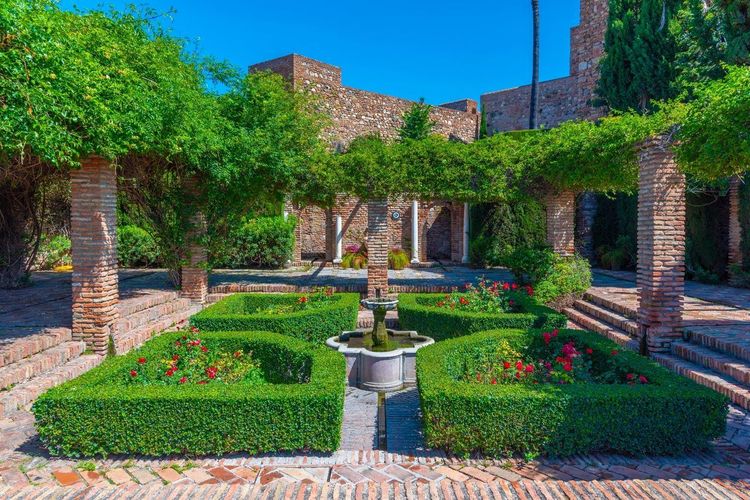
Are two days really enough? For the essential heritage, yes: the Alcazaba, Roman theatre, cathedral, Gibralfaro, Soho, Picasso Museum, beach and Centre Pompidou all fit into this format without rushing, provided you stick to the geographical logic described above — historic centre and port on day one, Soho and the seafront on day two.
If you're looking to visit Malaga in 1 day instead, you'll have to sacrifice either the Picasso Museum or the climb to Gibralfaro — the two don't fit together with everything else in a single day. It's better then to focus on the historic centre and save the rest for a future visit. Conversely, visiting Malaga over 5 or 7 days makes most sense if you incorporate the day trips described above to the Caminito del Rey, Ronda and Nerja, which transform the stay into an Andalusian base rather than a simple city break.
FAQ
Is it worth visiting Malaga?
Yes, absolutely: the city combines a dense ancient and Moorish heritage, an art scene driven by Picasso and the Centre Pompidou, and direct beach access, all within a compact centre you can explore on foot in two days.
How many days do you need to visit Malaga?
Two days cover the essentials of the historic centre and the waterfront. Three to four days allow you to add a day trip to the Caminito del Rey, Ronda or Nerja without rushing.
When is the best time to visit Malaga for a weekend?
April–May and September–October offer the best balance between pleasant weather and moderate crowds. July–August remain hot and very busy, while December–February are quieter but too cold for swimming.
Do you need to rent a car to visit the city?
No, not for two days in the city: the centre can be explored entirely on foot. Renting a car only becomes useful for day trips beyond Malaga, towards the inland areas or the coast.
Is Malaga an expensive destination?
No, it remains broadly cheaper than Barcelona or Seville in high season, with accommodation and dining prices averaging 15 to 20% lower.
What are the must-see landmarks in 2 days?
The Alcazaba, the Roman theatre, the Cathedral of the Incarnation and Gibralfaro Castle on day one, then the Picasso Museum, the Soho district and the Centre Pompidou on day two.
After two days, Malaga leaves that rare impression of having covered a lot without having rushed: the short distances between sites make it easy to go from the Roman theatre to the beach without complicated logistics. If you feel like extending your stay, head to the Caminito del Rey or Ronda for a third day. Otherwise, the Ryo audio guide tour of Malaga remains a great way to follow this entire itinerary on the ground, without having to pull out a guide at every street corner.