





Créé par Camille, le 4 oct. 2026
Votre guide Ryo
Lucca, Italy
Through ramparts and secret alleyways
Parcours audioguidé pour visiter Lucca en 1 jour
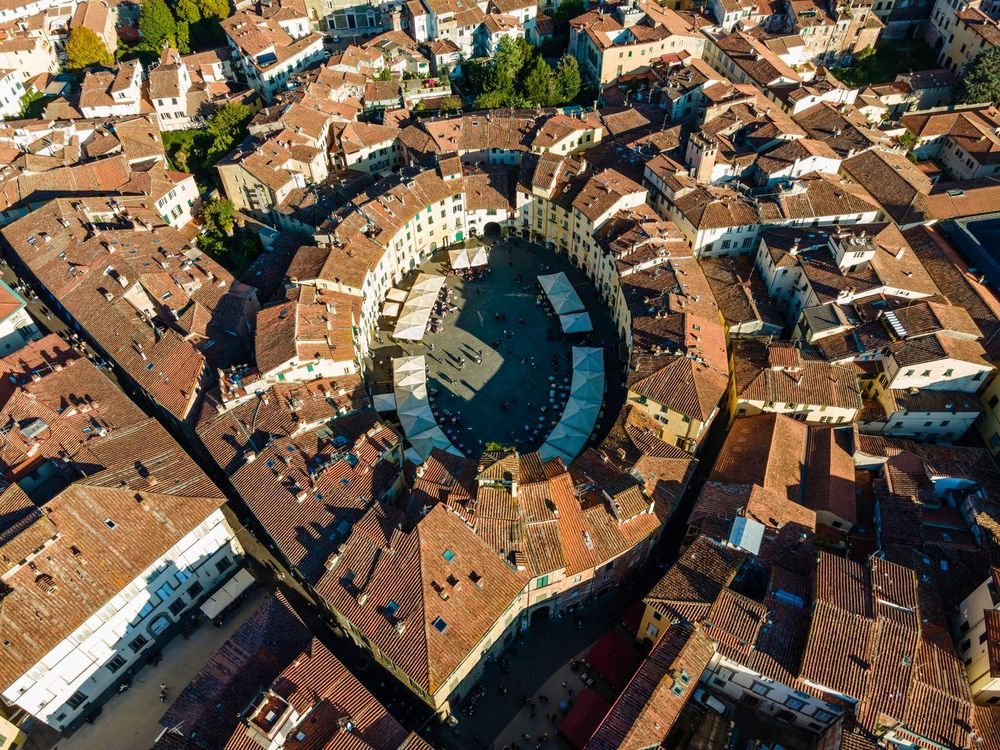
This getaway to Lucca invites you to explore a city steeped in history, nestled between its majestic ramparts, Romanesque bell towers, and sun-drenched squares. As you stroll along, let yourself be captivated by the city’s medieval heritage, its warm brick architecture, and its timeless atmosphere in the heart of Tuscany. A simple and authentic invitation to discover the secrets of the 'city of a hundred churches' at your own pace.
Quand partir à Lucca ?
Jan.
7°
7
Feb.
8°
6
March
10°
7
April
13°
8
May
17°
7
June
21°
6
July
24°
4
Aug.
24°
5
Sept.
21°
7
Oct.
17°
9
Nov.
11°
9
Dec.
8°
8
Lucca enjoys a Mediterranean climate with mild winters, where temperatures rarely drop below 5°C between December and February, and hot sunny summers when they often exceed 30°C between June and August, while spring and early autumn offer especially pleasant visiting conditions, with temperatures ranging between 15 and 25°C and fewer crowds, making April, May, June and September some of the best times to explore the city comfortably.
Départ conseillé
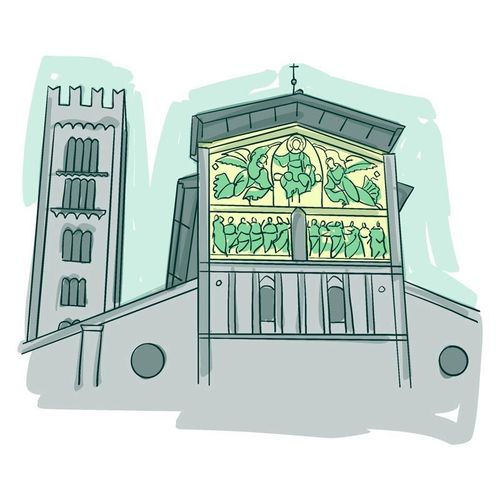
We design our tours as loops so you can easily start your visit from whichever point is closest to you, as the guidance will automatically adjust along the way, and if you’re nearby we recommend an ideal starting point at the Basilica of San Frediano.
Parking à proximité
Free parking Parcheggio Tagliate, Piazzale Don Franco Baroni, 55100 Lucca Paid parking Parcheggio Palatucci , Via delle Tagliate di Sant'Anna, 55100 Lucca
In Lucca, several parking options are available depending on your needs, including car parks outside the walls such as the paid Parcheggio Palatucci or the free Piazzale Don Francesco Baroni lot, located north of the city near Porta Santa Maria, about a 10 to 15 minute walk from the ramparts, while on street parking is also available and follows a strictly regulated colour coded system: blue lines indicate paid parking, generally from 8 am to 8 pm and often free at night, white lines indicate free parking, and yellow lines mark spaces reserved for residents, so it’s important to check the signs carefully to avoid a fine.
À savoir
To visit Lucca with peace of mind, please note that the entire historic centre within the ramparts is a ZTL, or limited traffic zone, where car access is restricted without prior authorisation and monitored by automatic cameras that can result in a fine, so it’s best to park outside the walls; also keep in mind that many shops close between 1 pm and 3:30 pm, churches require appropriate attire, and in restaurants the coperto is standard practice, a cover charge billed per person, usually between 1 and 3 euros, which is not a tip but a fixed fee automatically added to the bill.
Découvrez 17 lieux d'intérêt pour visiter Lucca

Le plein d'inspirations
Explorez le monde en totale liberté, à pied au cœur des villes ou au fil des routes. Nos guides audios transforment chaque destination en une découverte culturelle immersive et unique.
FAQ for visiting Lucca
How many days do you need to visit Lucca?
A full day lets you take in the essentials of Lucca: walking the walls, exploring the historic centre and visiting the main churches. Two days give you a more relaxed pace to fully appreciate the city's atmosphere, wander the lanes, climb the Guinigi Tower and perhaps take a bike ride through the surrounding countryside. Three days leave you time to delve deeper into your visit with the museums, the lesser-known palaces and truly soaking up the Tuscan way of life. The Ryo audioguide offers an optimised route that helps you not miss anything essential, even in a single day.
When is the best time to visit Lucca?
Spring and early autumn are ideal for visiting Lucca, particularly the months of April, May, June and September. You'll enjoy pleasant temperatures between fifteen and twenty-five degrees, perfect for walking and exploring the city on foot. Summer can be very hot, with temperatures often exceeding thirty degrees, which makes strolling less comfortable, especially in the middle of the day. Winter stays mild, with temperatures rarely below five degrees, but the days are shorter. Spring and autumn also have the advantage of more moderate tourist crowds, allowing you to better appreciate the authentic charm of this Tuscan city.
How do you get to Lucca from Florence or Pisa?
From Florence, the train is the most convenient option: direct regional trains connect the two cities in about an hour and a half, with frequent departures throughout the day. From Pisa, it's even quicker: expect a journey of just half an hour by regional train, with very regular services. Lucca station is located just outside the walls, a few minutes' walk from the historic centre. If you prefer to drive, the A11 motorway easily links these cities, but beware of the limited parking in the centre of Lucca. The bus remains an economical alternative, although generally slower than the train.
Where do you park in Lucca?
Since the historic centre of Lucca is largely pedestrianised and surrounded by walls, several paid car parks are set up just outside the walls. The most convenient are generally the Cittadella car park near the Porta Sant'Anna, the Carducci car park near the Porta Elisa, and the Mazzini car park on the north side. Rates vary depending on the length of stay and how close you are to the entrance gates. Free spaces exist further from the walls, but they are often taken early in the morning. During the high tourist season, arriving before ten in the morning generally ensures you find a space more easily. Once parked, the whole centre is easily explored on foot.
What must you see in Lucca in one day?
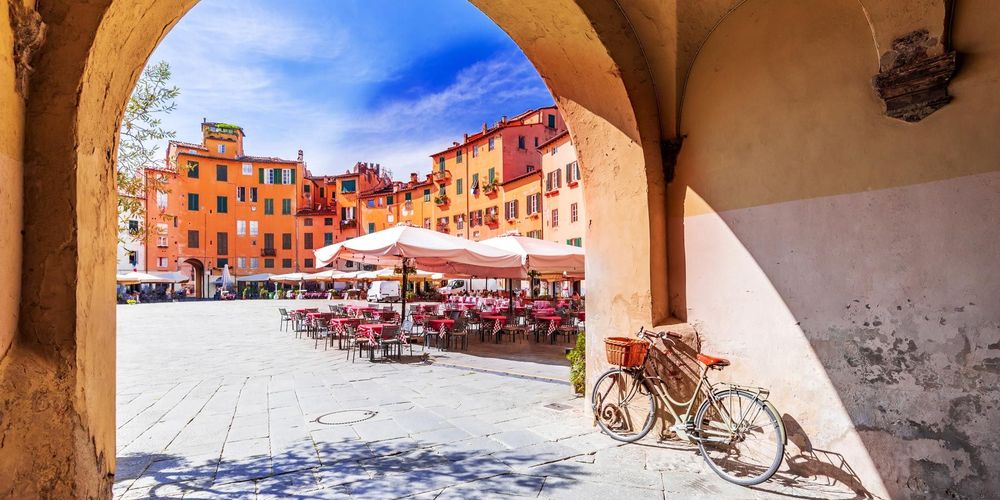
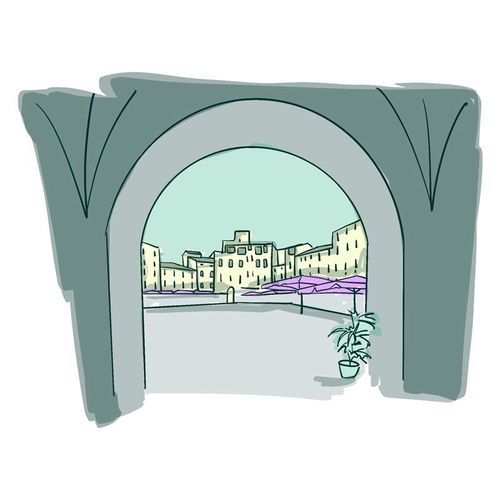
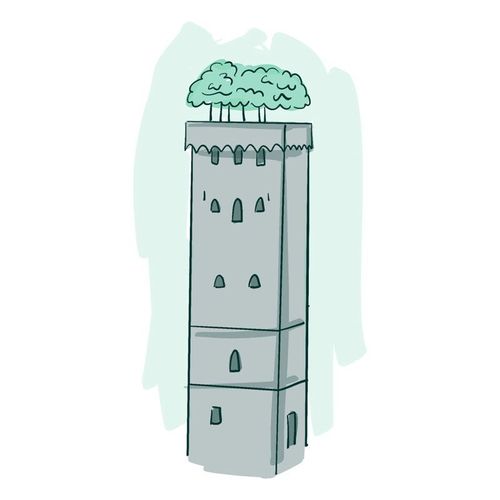
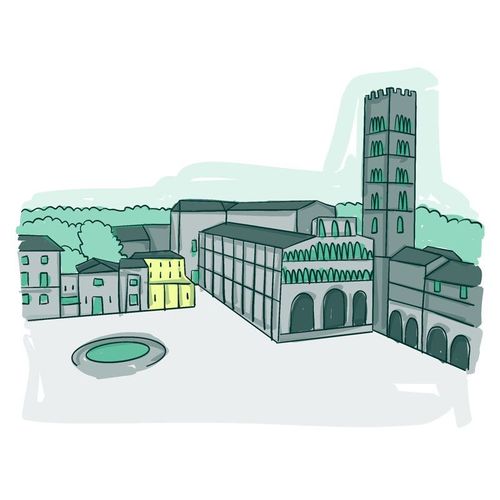
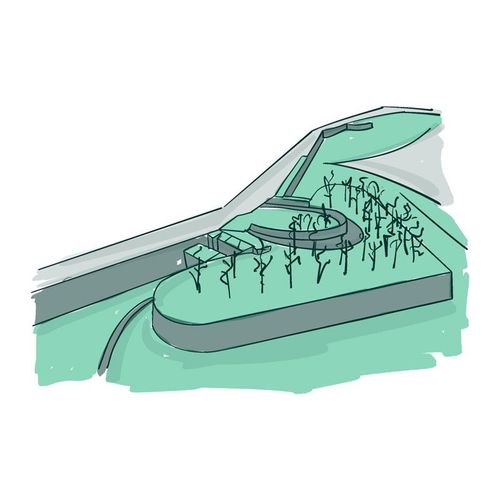
Start with a walk along the walls to get an overview of the city. Then head down towards the Piazza dell'Anfiteatro, that unique oval square built on the ruins of a Roman amphitheatre. Don't miss the San Martino cathedral with its fascinating asymmetrical façade, then make your way to the San Frediano basilica and its impressive mosaic. The Guinigi Tower, with its holm oaks at the top, is worth the climb for the panorama. Wander along the Via Fillungo for shopping and local atmosphere. The Ryo audioguide accompanies you with a narrated route that connects all these must-sees while making the most of your time, all while revealing the hidden stories of each monument.
How do you get around Lucca?
The historic centre of Lucca is ideally explored on foot: its modest size and mostly pedestrianised streets make it a perfect city for walking. The distances between the main sites are short, rarely more than fifteen minutes on foot. The flat terrain makes getting around easy, even for those less used to walking. For those who prefer, bike rental is very popular, especially for making the full circuit of the walls. Free electric shuttles also run in certain areas of the centre. Taxis and city buses round out the options for reaching the more distant neighbourhoods, but they are rarely necessary for a classic sightseeing visit.
Can you visit Lucca by bike?
Lucca is a city perfectly suited to cycling, thanks to its flat terrain and its many cycle paths. Cycling around the walls is a must-do experience: this four-kilometre ride along the ancient fortifications offers magnificent views over the city and the Tuscan countryside. In the historic centre, some streets allow bikes, although you may sometimes have to dismount in the busiest areas. Many rental points offer classic or electric bikes at reasonable rates, generally by the hour or by the day. It's also an excellent way to explore the surroundings of Lucca, particularly the historic villas scattered across the countryside.
Which churches should you visit in Lucca?
San Martino cathedral leads the way with its façade of stacked loggias, deliberately asymmetrical so as to fit alongside the neighbouring bell tower. Inside, it holds the Volto Santo, a wooden crucifix venerated since the Middle Ages, and the tomb of Ilaria del Carretto, a masterpiece of funerary sculpture whose marble effigy still moves visitors today.
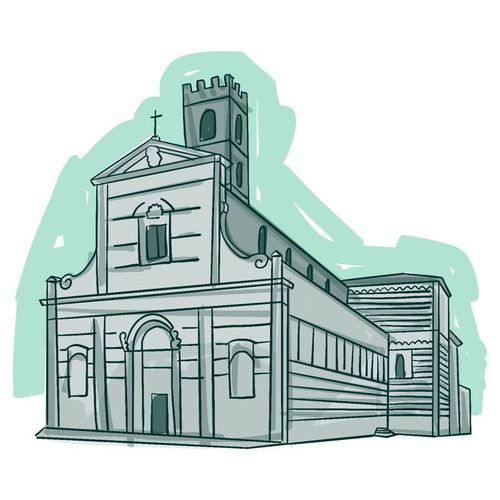
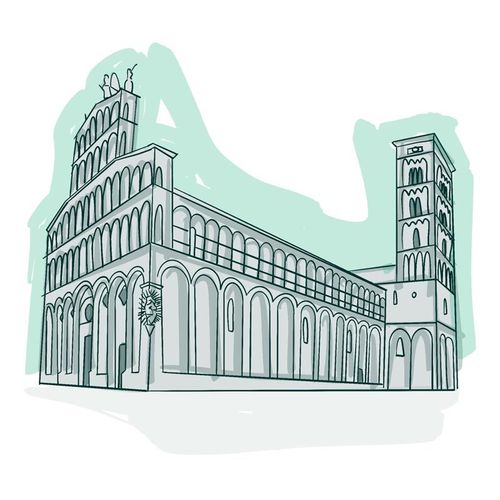
A few streets away, San Michele in Foro rises on the former Roman forum, its white façade piling up carved arcades beneath the statue of the archangel, while San Frediano is recognisable from afar by the great golden mosaic shining on its wall. The Ryo audio guide offers a dedicated Lucca route linking these churches to the squares and lanes of the historic centre.
What can you discover in Lucca in Puccini's footsteps?
Giacomo Puccini was born in the centre of Lucca, into a family of musicians tied for generations to the churches of the city. His birthplace, tucked into a small courtyard near San Michele, can be visited today as a museum: you will see his piano, scores, stage costumes and personal belongings that trace his path from provincial organist to a composer of operas performed all over the world.
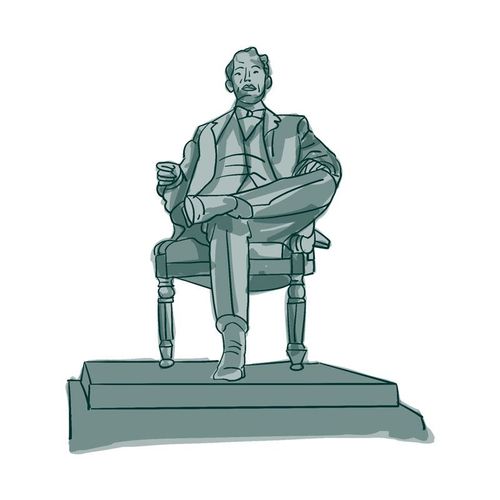
On the little square nearby, his bronze statue, seated with a cigarette in hand, has become a meeting point. The city keeps this heritage alive with concerts regularly devoted to his best-known arias in a church in the centre, a simple way to hear his music in the place where it was born.
Which local specialities should you taste in Lucca?
Lucca's cooking is that of a generous countryside. The emblematic dish is tordelli, large ravioli filled with meat and served with a long-simmered sauce, often offered on Sundays. Thick, fragrant spelt soup suits the cooler seasons, while olive oil from the neighbouring hills, fruity and slightly peppery, dresses vegetables just as happily as a plain slice of toasted bread.
On the sweet side, buccellato, a brioche ring with raisins and aniseed, is traditionally taken home as a souvenir, and chestnut desserts recall the mountains close by. The hills around the city also produce red and white wines that trattorias in the centre gladly serve by the glass, to go with these unfussy dishes.
Vos commentaires, idées et suggestions
Aucun avis pour le moment