
Créé par Emilie, le 4 oct. 2026
Votre guide Ryo
Palermo, Italy
Where Sicily’s Soul Comes Alive
Parcours audioguidé pour visiter Palermo en 1 jour
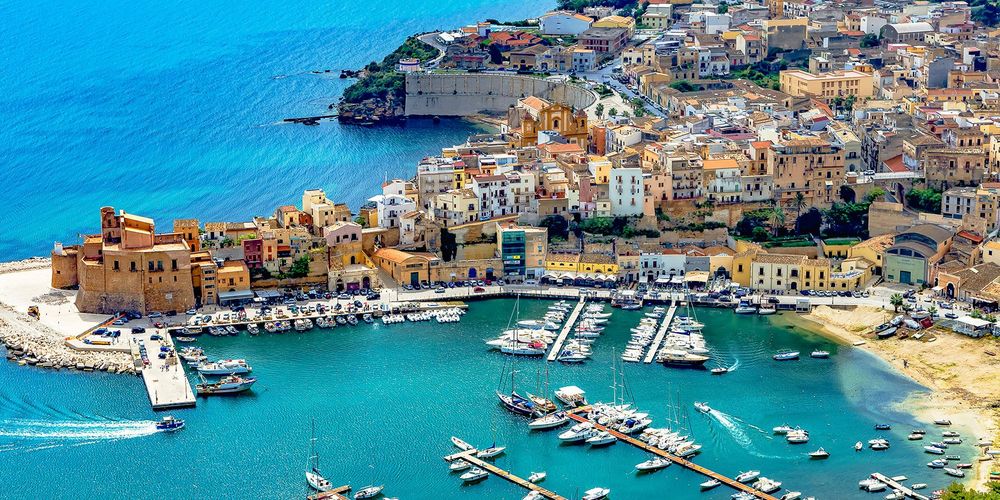
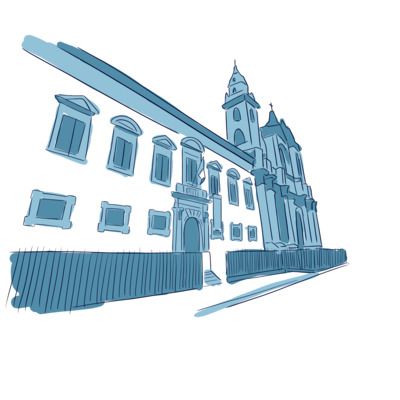
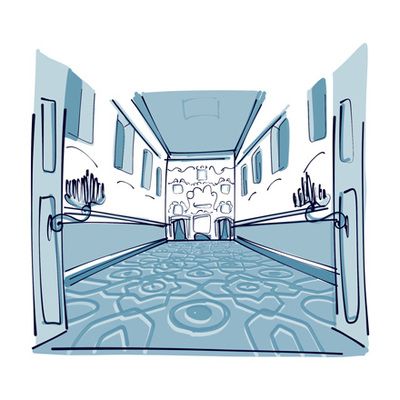
This tour of Palermo’s historic center invites you to dive into the excitement of a thousand-year-old city, featuring Baroque palaces, Byzantine domes, and bustling street markets filled with Eastern scents. Throughout the route, discover the unique Arab-Norman heritage, the splendor of its cathedrals, and the vibrant landmarks that make the Sicilian capital a true open-air theater. A simple and immersive way to explore the passionate soul of Palermo at your own pace.
Quand partir à Palermo ?
Jan.
12°
10
Feb.
12°
10
March
10°
9
April
16°
8
May
20°
4
June
24°
2
July
27°
1
Aug.
27°
2
Sept.
25°
5
Oct.
21°
9
Nov.
17°
11
Dec.
13°
11
Throughout the year, Palermo enjoys an average temperature of around 17°C, thanks to its Mediterranean climate — mild in winter and hot in summer. January and February are the coldest months, with lows around 9°C. On the other hand, the hottest months are July and August, when temperatures can reach up to 31°C. As for rainfall, February, September and October tend to be the wettest months. All in all, Palermo is blessed with good weather and can be enjoyed almost all year round.
Départ conseillé
Our tours are designed as a loop, so you can jump in wherever you are. The navigation system and audioguide will automatically adjust to your location. However, if you happen to be nearby, we do have a preferred starting point: The Norman Palace
Parking à proximité
Parcheggio Piazza S. Giovanni Decollato, 3
Like more than 300 other Italian cities, Palermo has ZTLs (Limited Traffic Zones). These zones restrict access, driving, and parking for unauthorized vehicles, sometimes for a few hours, sometimes all day. The catch? They usually cover the historic centre and main tourist areas. In Palermo, the ZTL includes the Loggia, Kalsa, Albergheria, and Monte di Pietà districts. Without authorization and payment of a municipal fee (which varies depending on your vehicle), driving or parking there between 8 am and 8 pm is strictly forbidden. And don’t even think about sneaking in — surveillance cameras are everywhere.
The smart move: park your car in a private or underground car park and enjoy the city hassle-free.
À savoir
During our tour, you’ll be passing through Villa Giulia and the Garibaldi Garden. Please note that these sites have opening hours. If they happen to be closed when you arrive, you can simply walk around them and listen to the audioguide from outside.
You'll quickly notice that Palermo is seriously lacking in public restrooms. So, to avoid any inconvenient urges along the way, we recommend taking advantage of any cafés or restaurants you stop at to grab a bite or a drink.
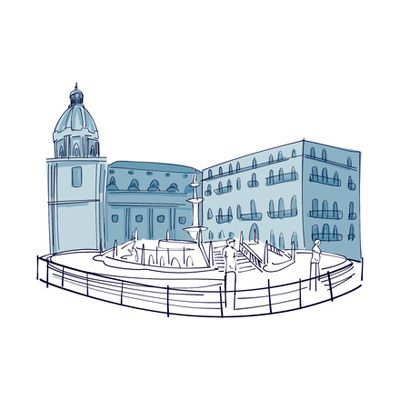
Découvrez 24 lieux d'intérêt pour visiter Palermo



Le plein d'inspirations
Explorez le monde en totale liberté, à pied au cœur des villes ou au fil des routes. Nos guides audios transforment chaque destination en une découverte culturelle immersive et unique.
FAQ for visiting Palermo
When is the best time to visit Palermo?
Palermo enjoys a particularly mild Mediterranean climate that makes it possible to visit almost all year round. If you're looking for ideal temperatures for wandering through the alleyways, favour spring (April-May) and autumn (September-October), even though these last months can be rainier. Summer, particularly July and August, sees temperatures climb to around 31°C, which can make sightseeing in full sun tiring. Winter remains mild, with lows of around 9°C in January-February, perfect for exploring the city without the summer crowds. Just avoid February if you're wary of rain, as it is generally the wettest month, along with September and October.
How many days do you need to visit Palermo?
To appreciate the essence of Palermo and its unique atmosphere where East and West blend together, ideally allow three to four days. This time will let you discover the must-sees while letting yourself be swept up in the city's distinctive rhythm. In two days, you can see the main monuments, but you risk missing the Palermitan soul that reveals itself in its lively markets and its working-class neighbourhoods. With five days or more, you'll have the luxury of getting lost in the alleyways, savouring the street food without rushing and even exploring the surroundings such as Monreale. The Ryo audioguide accompanies you with itineraries tailored to the length of your stay so you don't miss a thing in this fascinating city.
How do you get around Palermo?
Palermo's historic centre is best explored on foot, letting you fully soak up the unique atmosphere of each neighbourhood. For longer journeys, you have a fairly dense bus network at your disposal, even if the timetables can sometimes be approximate. Taxis are available but relatively expensive, so it's best to book them for trips from the airport or late at night. The city also has self-service bikes, handy for riding along the seafront. If you plan to explore the surroundings, renting a car becomes worthwhile, but avoid driving in the city centre, where traffic can be chaotic. Scooters remain the favourite means of transport for Palermitans, but renting one requires some familiarity with Italian-style driving.
What are the must-see monuments in Palermo?
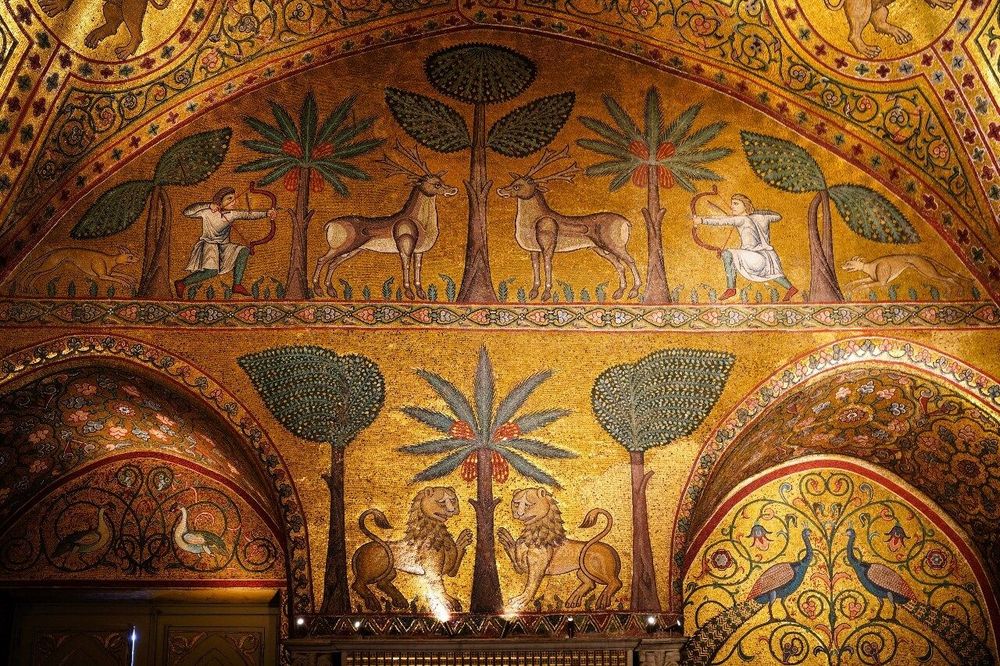
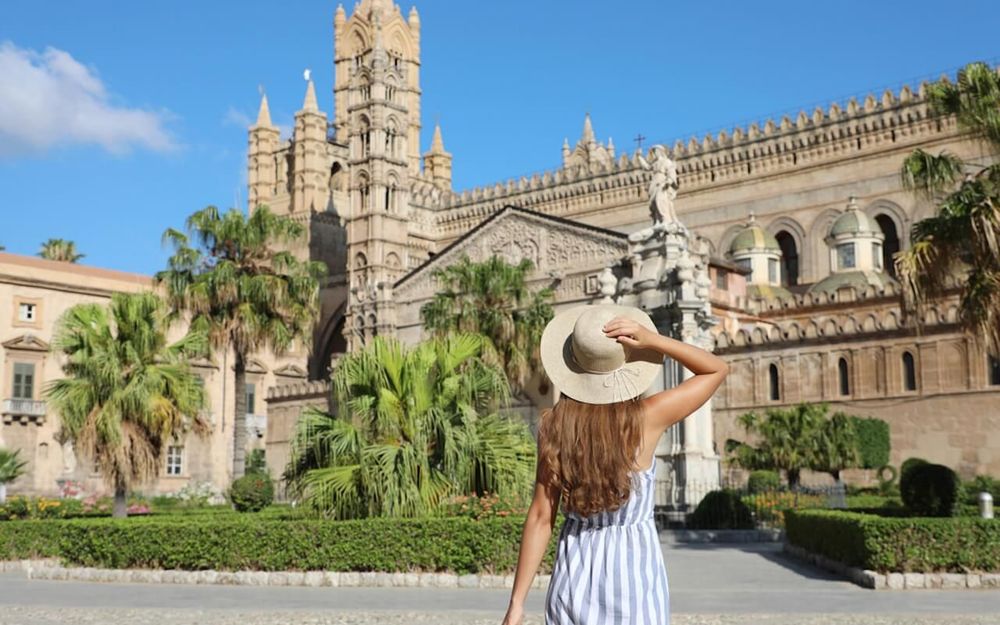
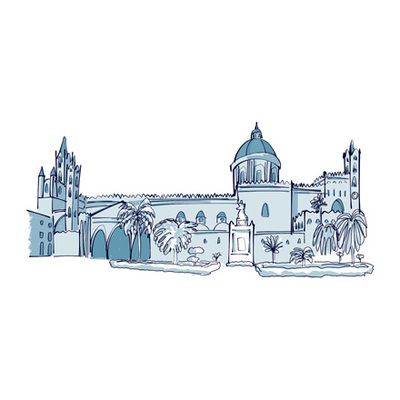
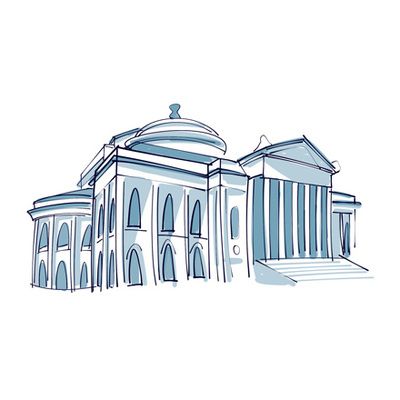
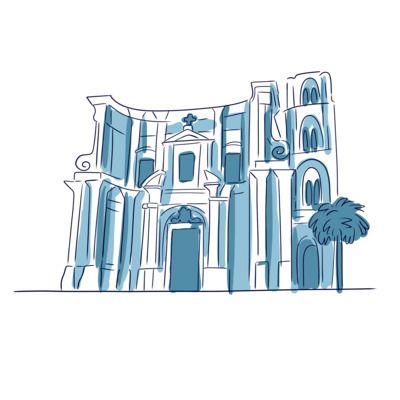
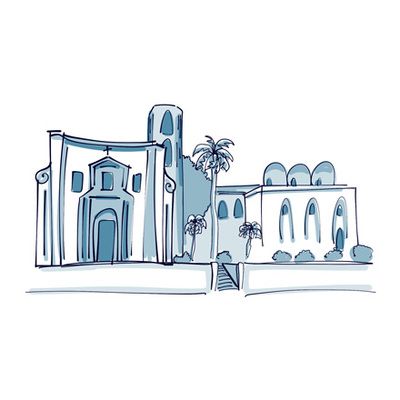
Palermo is brimming with architectural treasures that bear witness to its fascinating multicultural history. The cathedral, with its unique blend of Arab, Norman and Baroque styles, is an unmissable starting point. The Norman Palace and its sublime Palatine Chapel will dazzle you with their gilded Byzantine mosaics. Don't miss the churches of La Martorana and San Cataldo, perfect examples of Arab-Norman syncretism. The Teatro Massimo, one of the largest opera houses in Europe, impresses with its neoclassical majesty. The historic markets such as Ballarò or Vucciria are also among the must-sees for understanding the vibrant soul of the city. The Ryo audioguide guides you through these wonders with enriching commentary that reveals the secrets of each monument and their place in Palermo's turbulent history.
Where can you eat authentic street food in Palermo?
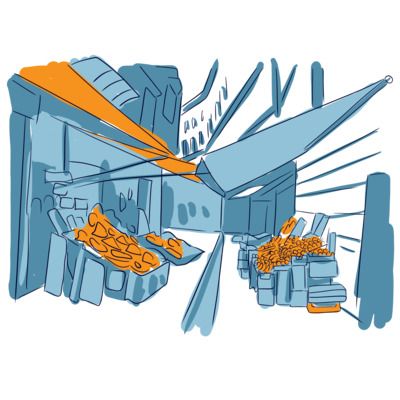
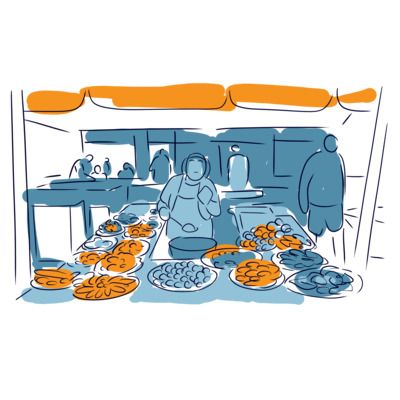
Palermitan street food is an unmissable culinary experience that perfectly reflects the working-class and generous character of the city. The historic markets remain the best places to sample the local specialities: head to Ballarò, Vucciria or Il Capo, where the stalls overflow with delights. There you'll find the famous arancini, those stuffed and fried rice balls, the pani câ meusa (offal sandwich), the panelle (chickpea fritters) or the sfincione, the ancestor of Sicilian pizza. The traditional friggitorie scattered throughout the old town also offer these specialities in an authentic setting. Don't hesitate to follow the locals, they'll lead you to the best spots. Prices remain very affordable, letting you taste everything without breaking the bank.
Is Palermo a safe city for tourists?
Palermo is generally a safe city for tourists, especially in the busy areas of the historic centre. As in any big city, it's wise to stay alert, particularly in crowded markets and on public transport where pickpockets may operate. Avoid displaying valuables and keep your belongings close to you. Some outlying neighbourhoods are best avoided at night, but the tourist areas remain lively and safe in the evening. Palermitans are generally welcoming and helpful towards visitors. Petty crime exists but remains limited if you take common-sense precautions. Women travelling alone can feel at ease, even if a few catcalls in the street unfortunately remain common. If you run into trouble, don't hesitate to turn to the carabinieri, who have a strong presence in the centre.
Which are the best neighbourhoods to stay in Palermo?
To make the most of the Palermitan atmosphere, favour accommodation in the historic centre. The Kalsa district offers an excellent compromise between authenticity and proximity to the major monuments, with its palaces converted into charming B&Bs. Around the Quattro Canti and Via Maqueda, you'll be in the heart of the action, ideal if you like going out in the evening. The Ballarò market district appeals to travellers seeking authenticity with its working-class alleyways and family trattorias. For more peace and quiet while remaining central, opt for the area around the Teatro Massimo or the botanical garden. If you prefer to be near the sea, Mondello offers a seaside atmosphere about twenty minutes from the centre, but requires daily trips to visit the city.
Is Palermo worth visiting?
Yes, if you like cities that do not let themselves be tamed straight away. Palermo is dishevelled, noisy, sometimes faded, and that is precisely what gives it character: within a few streets you move from a cathedral mixing Arab arches and Norman bell towers to a market where traders shout for custom, then to a monumental opera house. The density of heritage is impressive, the Arab-Norman legacy is on the World Heritage list and the street food ranks among the best in Italy. You simply have to accept the chaos and walk a lot. The Ryo audio guide offers a dedicated Palermo route through these layers of history.
How can you enjoy Mondello beach from Palermo?
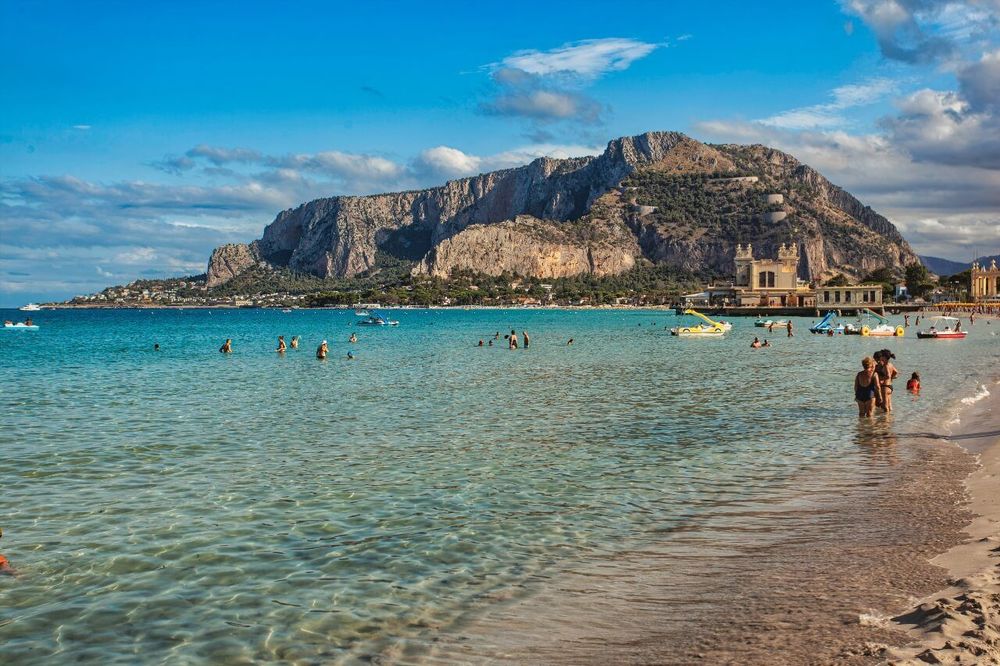
Mondello is the beach of the people of Palermo, set in a sheltered bay between two headlands a few kilometres north of the city. City buses run there from the centre in a little under half an hour depending on traffic, and taxis remain a practical option at the end of the day. The sand is pale and the water shallow and calm, which suits families well. Part of the shore is freely accessible, while the rest is taken up by beach clubs with sun loungers. The village is lined with ice cream shops and fried fish stalls, and the promenade is lovely in the evening.
What is there to do in Palermo in the evening?
The city comes alive as soon as the heat fades. The ritual begins with an aperitivo, in the bars around the squares of the historic centre, where a drink usually comes with small plates to share. The Vucciria district, a laid-back market by day, turns into an open-air gathering place at night, very popular with students. For a more classic outing, the Teatro Massimo stages operas and concerts in one of the largest opera houses in Europe, and the churches regularly host sacred music concerts. Street food fans, meanwhile, will find fry shops open late near the markets.
Vos commentaires, idées et suggestions
Aucun avis pour le moment