Walk
The town that watches over Saint Nicholas
Bari, Italy
Walk
The town that watches over Saint Nicholas
Bari, Italy
3.5 km
Distance
1h30
Durée
20
Audios
Loop
Parcours
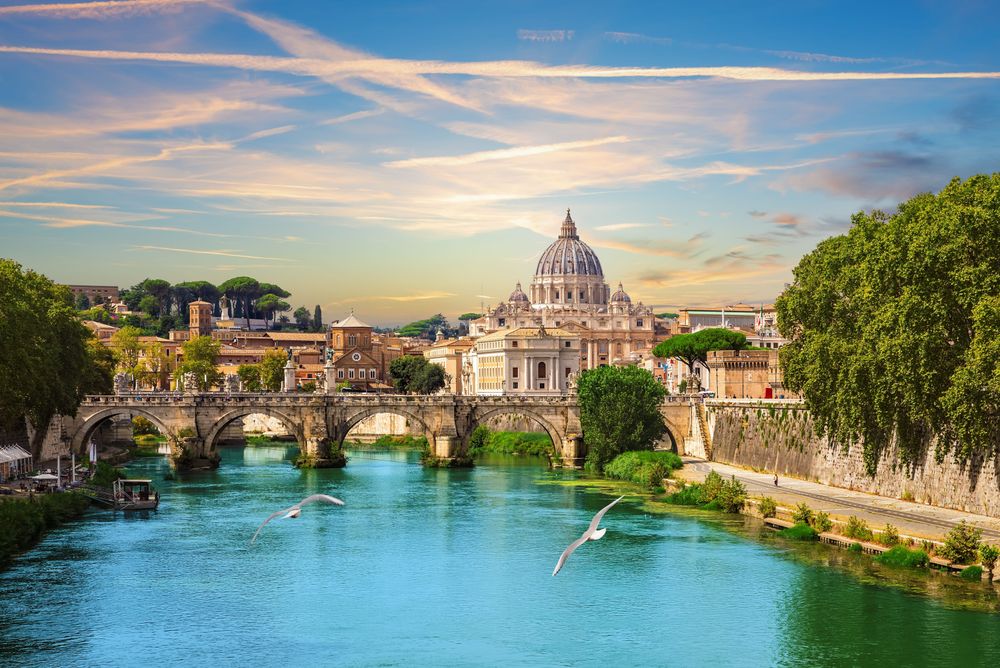
Visiting Italy means accepting to be swept away by time: the time of empires carved in stone, of recipes passed down from generation to generation, of squares where you linger for no reason other than simply being there. From the alpine north to the Mediterranean south, the country unfolds a succession of landscapes, languages, and flavors that turn every stop into a story of its own. Ryo accompanies this journey at the traveler's pace, with audio-guided tours designed to explore Italian cities in depth, on foot, through listening, never rushing ahead.
What to do in Italy when you want to go beyond the facades? Start with these cities that Ryo has explored step by step, bringing back the anecdotes, the forgotten alleyways, and the stories that appear on no signboard.
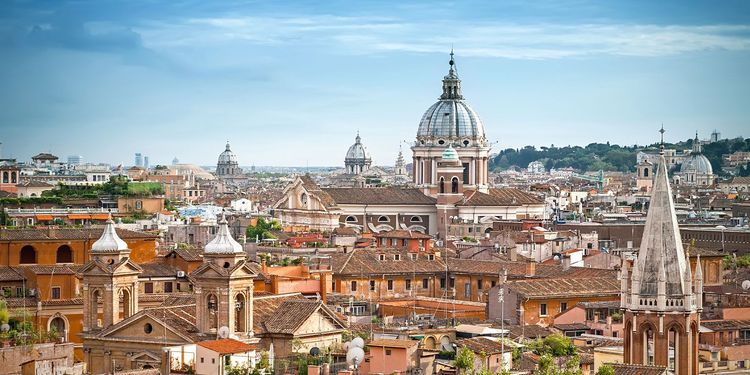
At the heart of the capital, the tour From Trevi to the Vatican connects two absolute symbols of the Eternal City, winding through alleyways where ancient history and la dolce vita cross paths at every corner.
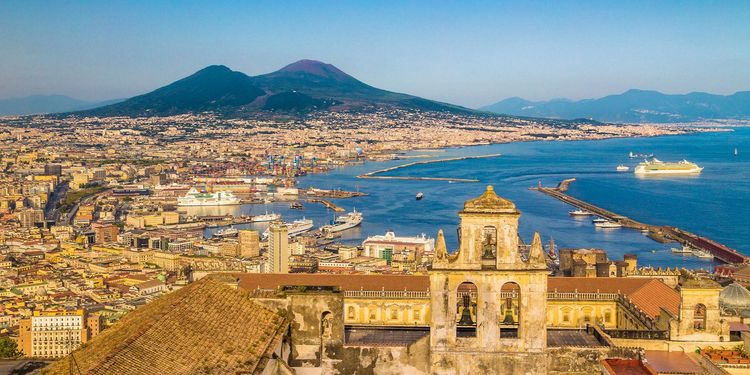
See Naples and die: the saying is old, but the city remains just as electric, baroque, and generous as it has always been. Two Ryo audio-guided tours let you get delightfully lost within it, between underground alleyways and panoramas over Vesuvius.
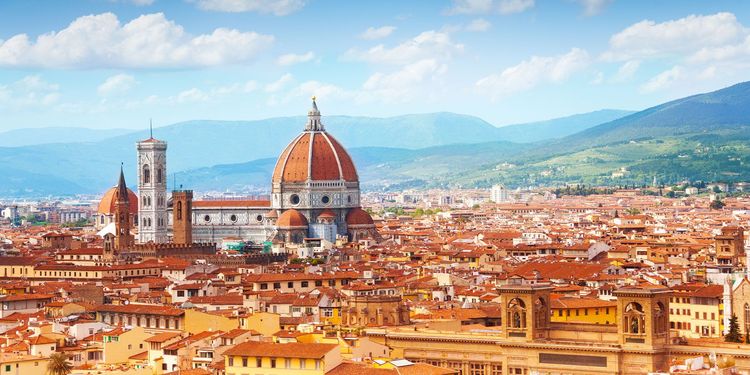
The tour A Journey Through Art guides the traveler through the Renaissance masterpieces of a city where every palace, every bridge, every street corner seems lifted from a painting.
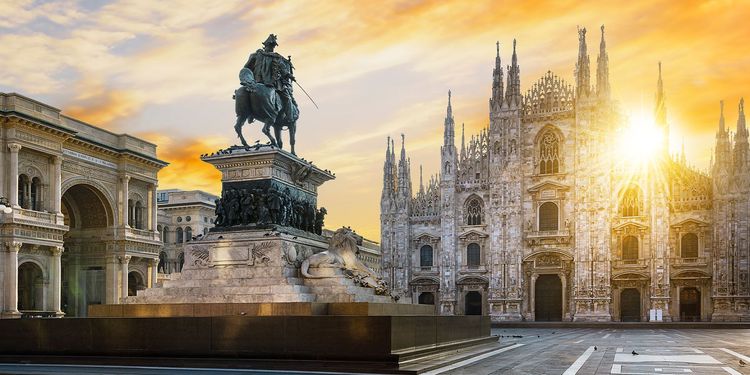
Behind the showcase of fashion and design, Secrets and Treasures of the Lombard Capital reveals a city of hidden courtyards, concealed frescoes, and an architectural ambition that spans the centuries.
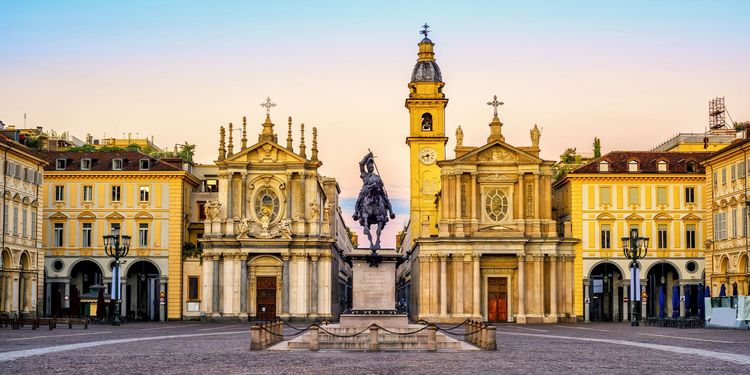
Along the grand avenues and royal arcades, The Heart of the Kingdom of Savoy tells the story of how this discreet city became the cradle of unified Italy, between baroque palaces and historic cafés.
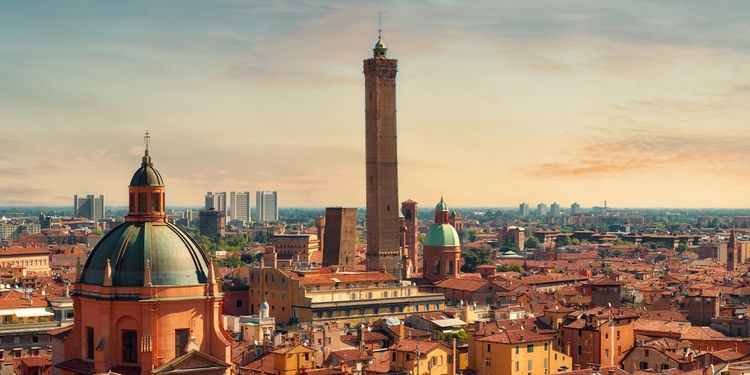
La Dotta lives up to its name: Europe's oldest university, medieval towers, and a gastronomy that has nourished the culinary imagination of an entire continent.
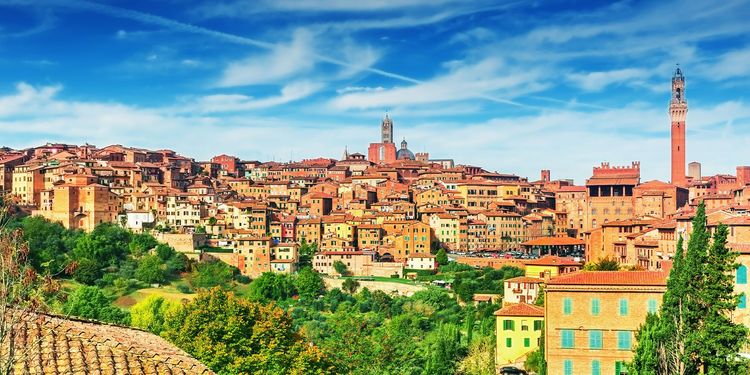
Off the most-trodden paths, An Absolute Medieval Grace unveils a Gothic city frozen in an almost unreal beauty, whose Piazza del Campo remains one of the most striking public spaces in Europe.
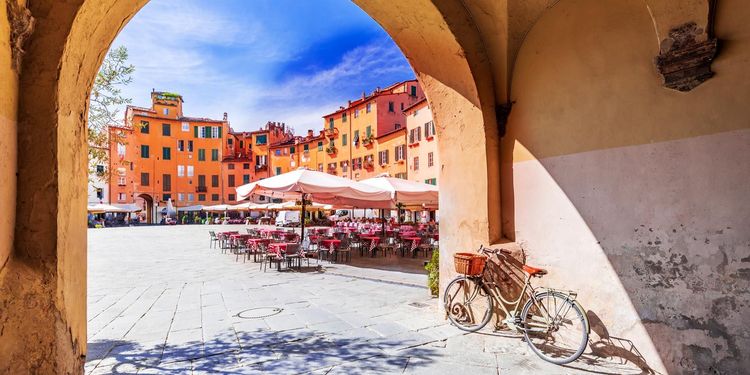
Between ramparts and secret alleyways, Lucca reveals itself on foot along its intact fortifications, far from the hustle of the great Tuscan metropolises.
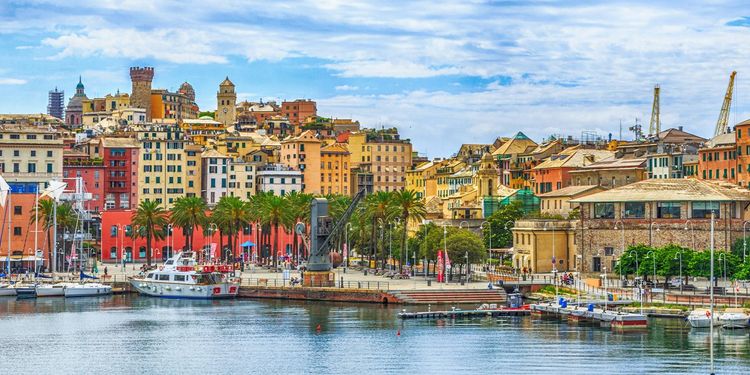
La Superba dall'Italia: this Ligurian city, once a great maritime power, conceals behind its industrious port a labyrinth of caruggi — those narrow alleyways where Renaissance palaces and baroque chapels reveal themselves at every turn.
At the crossroads of civilizations, Where Europe Meets the Orient explores a city where Byzantine mosaics, Arab arches, and Norman facades coexist in a harmony as strange as it is fascinating.
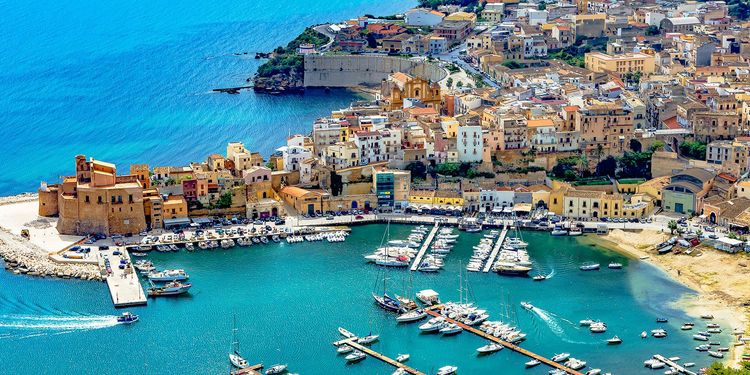
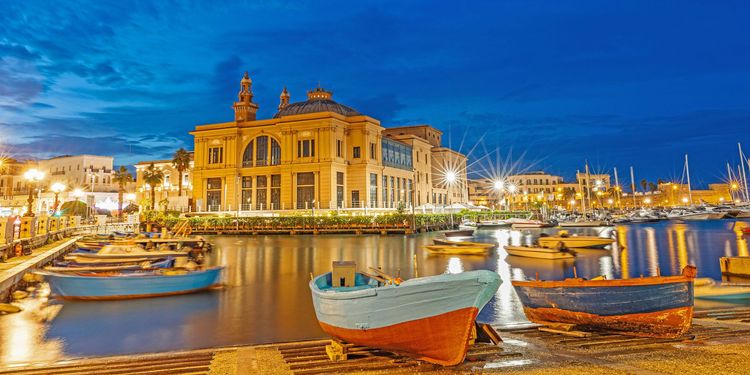
On the shores of the Adriatic, The City That Watches Over Saint Nicholas tells the story of a crossroads port between East and West, whose tightly packed old town jealously guards its secrets.
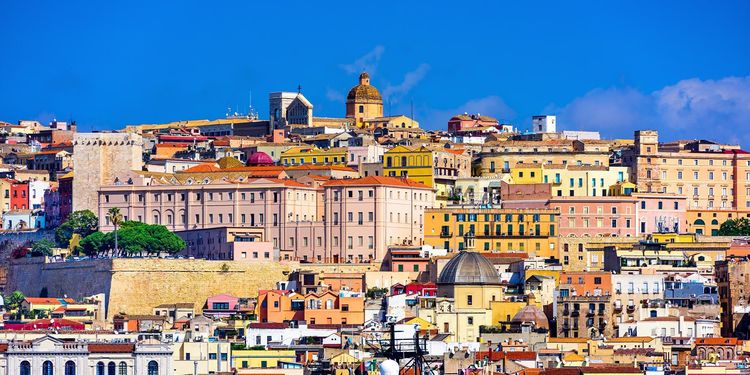
At the heart of Sardinia, The Sardinian Treasure invites you to climb the alleyways of the Castello quarter and take in the whole island at a glance, between turquoise sea and Spanish architecture.
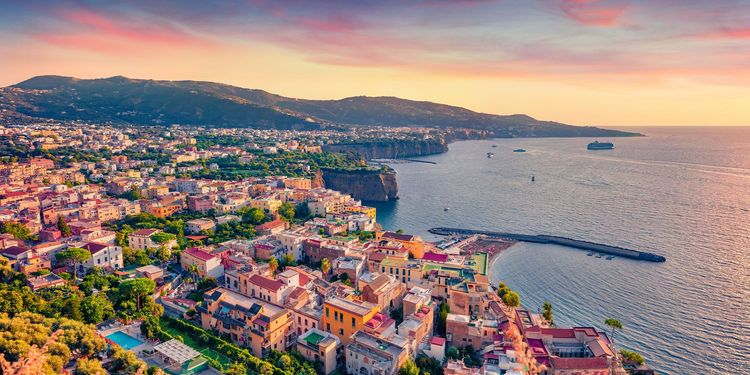
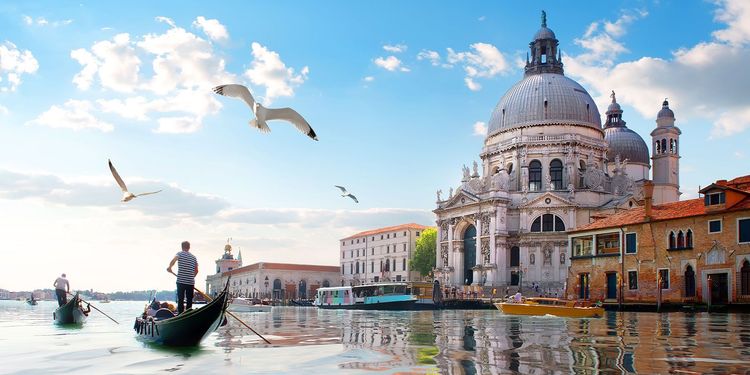
Beyond the major cities, Italy reveals itself through the diversity of its territories. Piedmont with its rolling vineyards, Lake Como with its romantic villas, the Cinque Terre clinging to the Ligurian cliffs, Tuscany with its cypresses lined against golden hills: each region has its own color, its own tempo. Further south, Campania offers the scorching shores of Amalfi and the ruins of Pompeii, while Sicily, with its Greek temples and fragrant markets, brings the journey to a close in an almost African light. Venice, finally, remains an experience unto itself — a floating city whose canals and palaces seem to belong to a parallel world.
Spring and autumn generally offer the most pleasant conditions for exploring Italy: mild temperatures, generous light, and more manageable crowds at the most popular sites. Summer draws visitors to the coasts and islands, but can make some art cities stifling during the day. Winter, quieter and often surprisingly rewarding, allows you to savor Rome, Florence, or Turin in an almost intimate atmosphere, with museums far more accessible than at peak season.
Italy's rail network, dense and fast between major cities, remains the most practical mode of transport for a north-to-south itinerary. High-speed lines connect the main cities in a short time, leaving more room for discovery once you arrive. For rural regions — inland Tuscany, Puglia, or Sardinia — a car offers welcome freedom. In the historic centers, most Italian cities are best experienced and understood on foot, senses fully alert.
Spring, from April to early June, and autumn, from September to November, are generally considered the best times to visit Italy. The weather is mild, the vegetation lush, and tourist crowds at major sites are far more manageable than in midsummer. Preferences vary depending on the region: beach lovers will favor summer on the southern coasts, while heritage enthusiasts will appreciate the tranquility of art cities outside peak season.
Italy is meant to be savored, not rushed. A week allows you to explore one region in depth — Tuscany or Campania, for example — with two or three key cities. For a more complete north-to-south itinerary, from Milan to Palermo, it is better to plan two weeks or more, so as not to sacrifice what matters most: the time to stroll, to observe, and to listen to what the cities have to say.
Rome, Florence, Venice, and Milan appear on almost every itinerary, and for good reason: they concentrate an immense share of the world's artistic and architectural heritage. But Italy often reveals the best of itself in its less-expected cities: Bologna for its university life and cuisine, Siena for its intact medieval heart, Bari for its popular, Adriatic soul, or Palermo for the density of its cultural heritage.
Traveling independently in Italy is particularly accessible: transport is well organized between major cities, historic centers can be explored on foot, and practical information is plentiful. To go deeper into understanding the places you visit, Ryo's audio-guided tours allow you to immerse yourself in the history and atmosphere of a city at your own pace, without depending on a group or a fixed schedule, simply following your voice and your curiosity.
Italian cuisine is as diverse as the country itself. Every region, every city, almost every village defends its own recipes with a quiet pride. The fresh pasta of Bologna, the Neapolitan pizza with its charred crust and melting mozzarella, Sicilian arancini, Genoese pansoti, or Milanese risotto are just a few chapters of a gastronomy one could explore for years without ever exhausting it. Sitting down at a local table, however modest, remains one of the best ways to understand the soul of an Italian city.