
Créé par Emilie, le 4 oct. 2026
Votre guide Ryo
Siena, Italy
Timeless Medieval Beauty
Parcours audioguidé pour visiter Siena en 1 jour
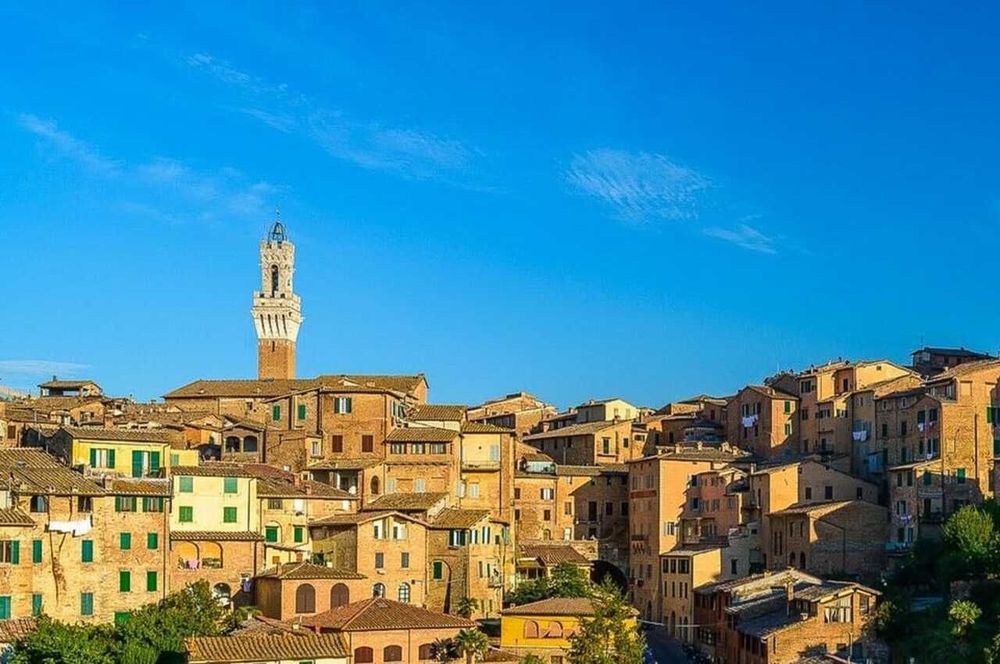
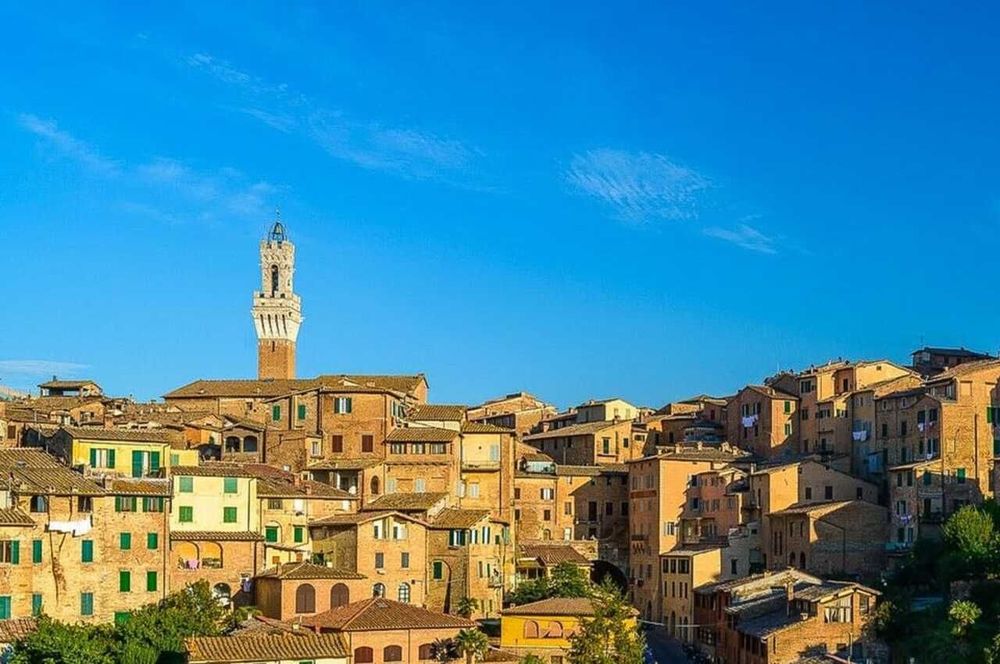
In the heart of Tuscany, Siena preserves the soul of a medieval city where history is still lived day to day. Its narrow streets, ochre palaces, and famous square reflect a strong identity shaped by the traditions of the contrade. As you explore the city, you feel an intense atmosphere, marked by pride, art, and living heritage.
Quand partir à Siena ?
Jan.
7°
9
Feb.
9°
7
March
12°
9
April
15°
10
May
20°
11
June
24°
8
July
27°
5
Aug.
27°
6
Sept.
23°
7
Oct.
18°
9
Nov.
12°
10
Dec.
8°
9
Throughout the year, Siena enjoys a warm temperate climate, with an average annual temperature around 14°C. Winters are cold and damp, while summers are hot and often humid. From November to March, you’ll get the coldest temperatures, with lows around 4°C. On the flip side, the hottest months are June through September, with average highs around 28°C. The rainiest months tend to be February, May, and November. For the best overall experience, consider planning your trip between April and October.
Départ conseillé
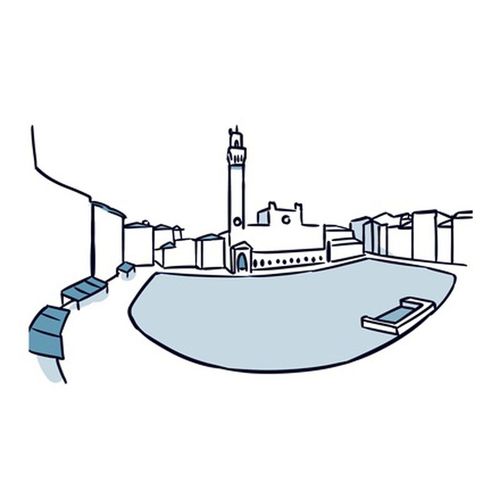
No need to worry about where to begin! Our tours are designed as a loop, so you can jump in wherever you are. The navigation system and audio-guide will automatically adjust to your location. However, if you happen to be nearby, we do have a preferred starting point: La Piazza del Campo
Parking à proximité
Motor parkoló SIENA : Piazza Mercato
Please note that Siena, like at least 300 other Italian cities, is subject to ZTLs, or Limited Traffic Zones. These regulations restrict access, transit, and parking for unauthorized vehicles during certain hours or sometimes all day, within a clearly defined street network. Unfortunately, these zones often cover the city center and other tourist areas. Without proper authorization and payment of a municipal fee—which varies depending on the type of vehicle—you are not allowed to drive or park in these zones. And don’t even think about trying to sneak in: surveillance cameras monitor both street parking and open-air lots very effectively. At least now you’ve been warned!
The smart move is to park your vehicle in one of the paid parking lots or at one of the rare free spots located slightly outside the center. In Siena, “a bit outside” usually means just a 10–15 minute walk from Piazza del Campo. Not bad at all.
À savoir
As in most top tourist destinations, Siena offers a range of discounts and combined deals on attractions with the OPA SI PASS. It’s a great option if you want to explore the city at your own pace while saving on admissions.
Découvrez 21 lieux d'intérêt pour visiter Siena






Le plein d'inspirations
Explorez le monde en totale liberté, à pied au cœur des villes ou au fil des routes. Nos guides audios transforment chaque destination en une découverte culturelle immersive et unique.
FAQ for visiting Siena
When is the best time to visit Siena?
The ideal time to discover Siena runs from April to October, when the Tuscan climate reveals all its gentleness. The months of May, June and September are particularly pleasant, with mild temperatures and fewer crowds than in high summer. While July and August offer generous sunshine, the heat can reach 28°C and make sightseeing more tiring. Winter remains an appealing option for those who prefer a more intimate atmosphere, despite cool temperatures around 4°C and a few rainy days. Avoid February, May and November, the rainiest months.
How many days do you need to visit Siena?
Two days are the ideal minimum to appreciate the essence of Siena without rushing. This length of time lets you discover the major monuments, wander through the medieval alleyways and soak up the city's unique atmosphere. In a full day, you can cover the highlights of the historic centre, but you risk missing the very special ambiance that reveals itself when you take your time. With three days, you'll have the leisure to explore the different neighbourhoods, visit a few more museums and perhaps take a trip into the surrounding Tuscan countryside.
How do you get to Siena from Florence?
The bus remains the most convenient way to reach Siena from Florence. Direct connections leave regularly from the bus station near Santa Maria Novella and drop you off right in the heart of Siena after about an hour and fifteen minutes. The train is an alternative, but often requires a change at Empoli, and Siena's station is located outside the historic centre. If you prefer to drive, allow an hour by motorway, but watch out for the limited-traffic zones and the complicated parking in Siena. Organised excursions also exist for those who wish to combine transport and a guided tour.
What are the must-see monuments in Siena?
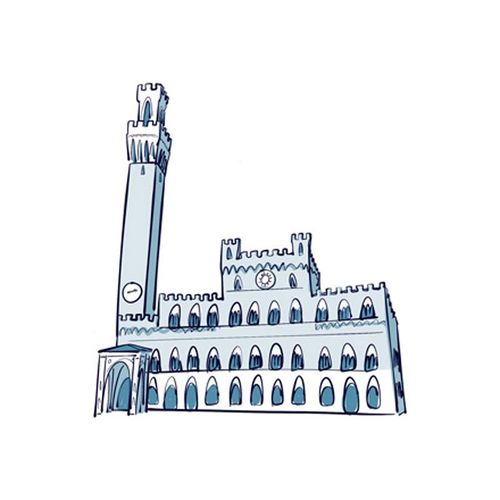
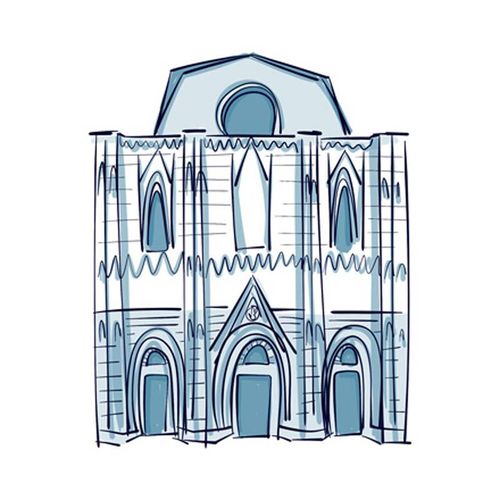
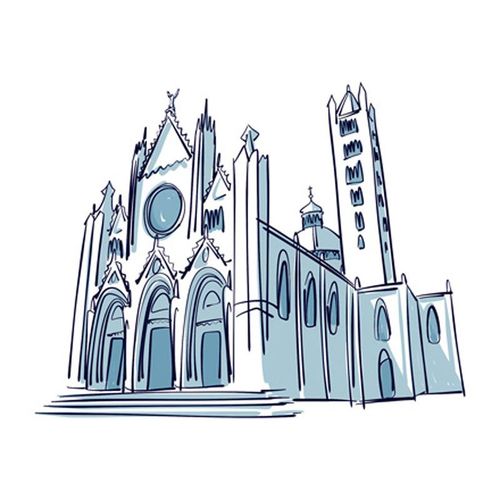
The Piazza del Campo, with its unique shell shape, is the beating heart of Siena, where the majestic Palazzo Pubblico and its Torre del Mangia stand. The cathedral, a masterpiece of Italian Gothic art, dazzles with its polychrome marble façade and its interior treasures. The Museo dell'Opera del Duomo also deserves your attention, as does the Basilica of San Domenico and its relics of Saint Catherine. For a complete, commented discovery of these marvels, the Ryo audioguide accompanies you with a route designed so you don't miss any of the essentials while revealing the hidden stories of the city.
What is the Palio di Siena and when does it take place?
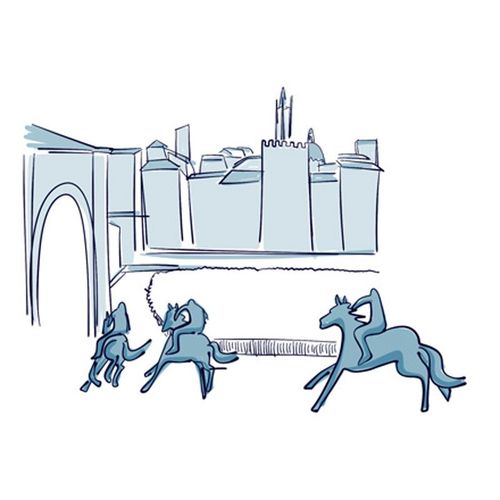
The Palio is far more than a simple horse race; it is the very soul of Siena expressing itself twice a year. This competition pits the city's seventeen contrade (historic districts) against one another in a frantic race around the Piazza del Campo. The festivities take place on 2 July for the Palio di Provenzano and on 16 August for the Palio dell'Assunta. The event mobilises the whole city for several days with historical processions, blessings and centuries-old rituals. The atmosphere becomes electric and passionate, revealing the fierce pride the Sienese feel for their district. Attending the Palio is an unforgettable experience, but be prepared for an immense crowd.
Can you explore Siena on foot?
Siena is best discovered on foot, its medieval historic centre being largely pedestrian. The distances between the main sites remain short, and strolling through the cobbled alleyways is an integral part of the charm of the visit. Be prepared, however, for a few climbs, as the city is built on three hills. Comfortable shoes are essential to fully enjoy your exploration. The Ryo audioguides offer precisely optimised walking itineraries that naturally guide you from one point of interest to the next, taking the city's particular topography into account. This approach lets you discover not only the major monuments but also the secret passages and breathtaking views.
Where can you park in Siena and how do you avoid the ZTL?
Siena's historic centre is entirely classified as a Limited Traffic Zone (ZTL), off-limits to unauthorised vehicles under penalty of a fine. To park safely, opt for the official car parks located at the city gates, such as Il Campo, San Francesco or the Fortezza Medicea. These paid car parks remain the most practical solution and are generally well signposted as you approach the city. Escalators from certain car parks make it easier to reach the historic centre. If your hotel is within the ZTL, be sure to contact them before your arrival to obtain a temporary permit. The signs indicating the boundaries of the ZTL are clear, so follow them scrupulously.
What culinary specialities should you try in Siena?
Sienese cuisine reflects Tuscan authenticity with simple yet flavourful dishes. Pici, hand-rolled fresh pasta, are often served all'aglione or with wild boar ragù. Ribollita, a thick soup of vegetables and bread, warms you up on cool days. When it comes to charcuterie, the local finocchiona and soprassata deserve your attention. The traditional desserts particularly shine: panforte, a cake of dried fruit and spices dating back to the Middle Ages, ricciarelli made with almonds, and cavallucci flavoured with aniseed. Accompany your meals with a glass of Chianti Classico or Brunello di Montalcino, the region's prestigious wines.
Is Siena worth the trip?
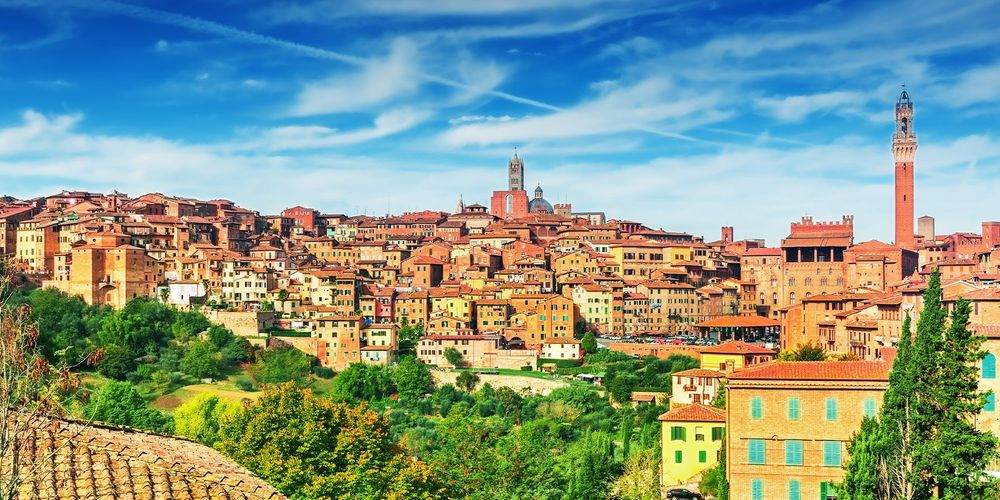
If you are hesitating to leave Florence or the Tuscan countryside for a day, Siena is well worth the journey. The city has kept a medieval centre of rare coherence, listed as World Heritage, where ochre brick, sloping lanes and Gothic palaces form a setting that has remained almost intact. Piazza del Campo, shaped like a shell tilted towards the Palazzo Pubblico, is still one of the most striking squares in Italy, and the cathedral easily rivals the great Florentine churches with its striped marble and its storied inlaid floor.
The atmosphere matters just as much: Siena lives to the rhythm of its districts, can be covered entirely on foot and empties out at the end of the day once the tour groups leave, which makes for very gentle evenings. The Ryo audio guide offers a dedicated Siena route that links the highlights and tells the story of the city along the way.
Which museums are worth visiting in Siena?
Beyond its monuments, Siena holds several collections that shed light on its golden age. The Museo Civico, housed in the Palazzo Pubblico, contains Ambrogio Lorenzetti's frescoes of the Allegory of Good and Bad Government, a masterpiece painted for the rulers of the city. The National Picture Gallery, meanwhile, brings together the great names of the Sienese school, from Duccio to Simone Martini, in a Gothic palace slightly away from the main flow of visitors.
Opposite the cathedral, the former hospital of Santa Maria della Scala is a museum complex in its own right, with its painted halls, its underground passages and its archaeological section; allow at least half a day if you want to explore it at a relaxed pace. The Museo dell'Opera del Duomo rounds out the picture and gives access to the Facciatone, where the view takes in the brick rooftops and the surrounding countryside.
Vos commentaires, idées et suggestions
Aucun avis pour le moment