
Créé par Romane, le 4 oct. 2026
Votre guide Ryo
Florence, Italy
A world of art
Parcours audioguidé pour visiter Florence en 1 jour
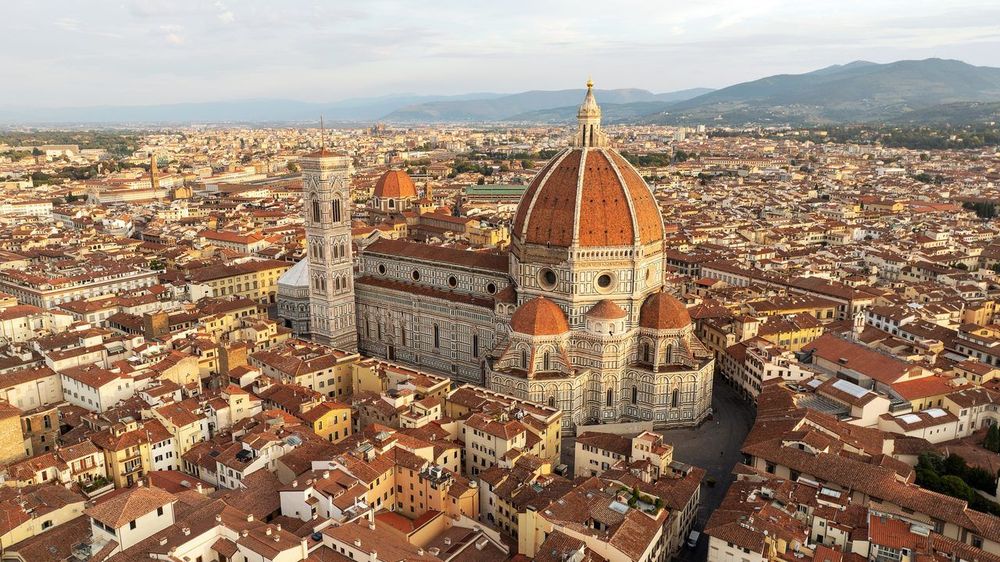
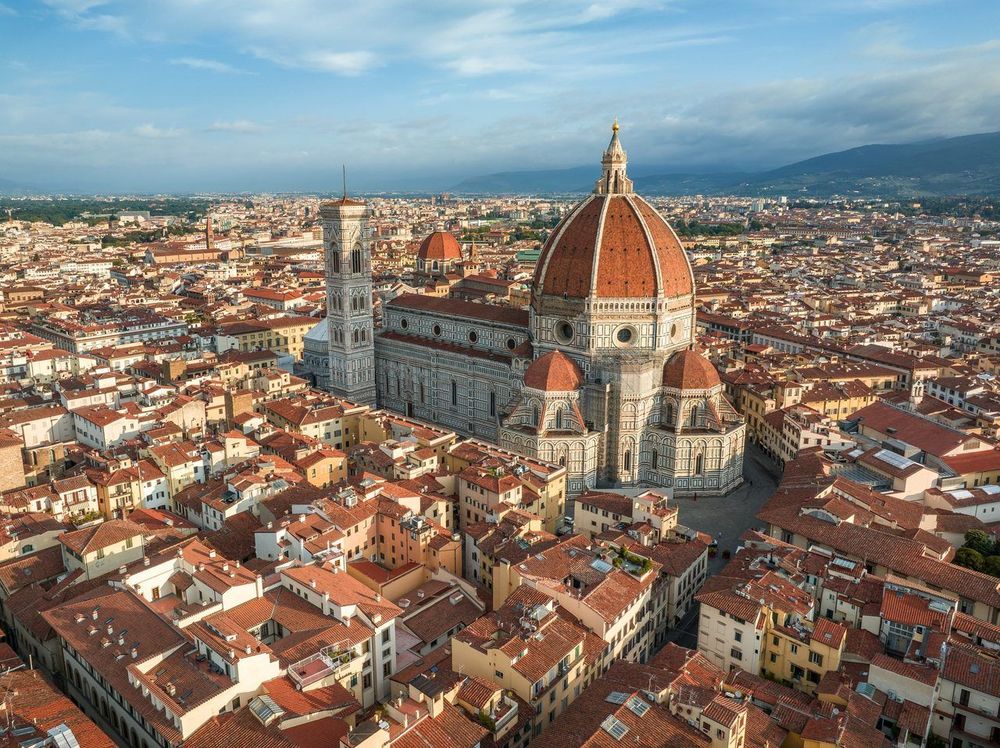
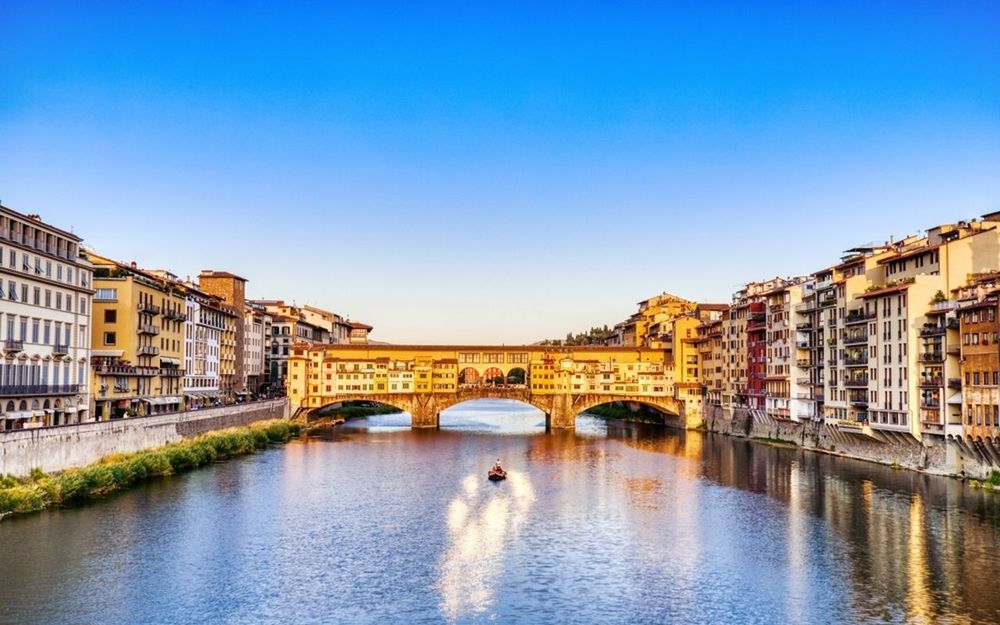
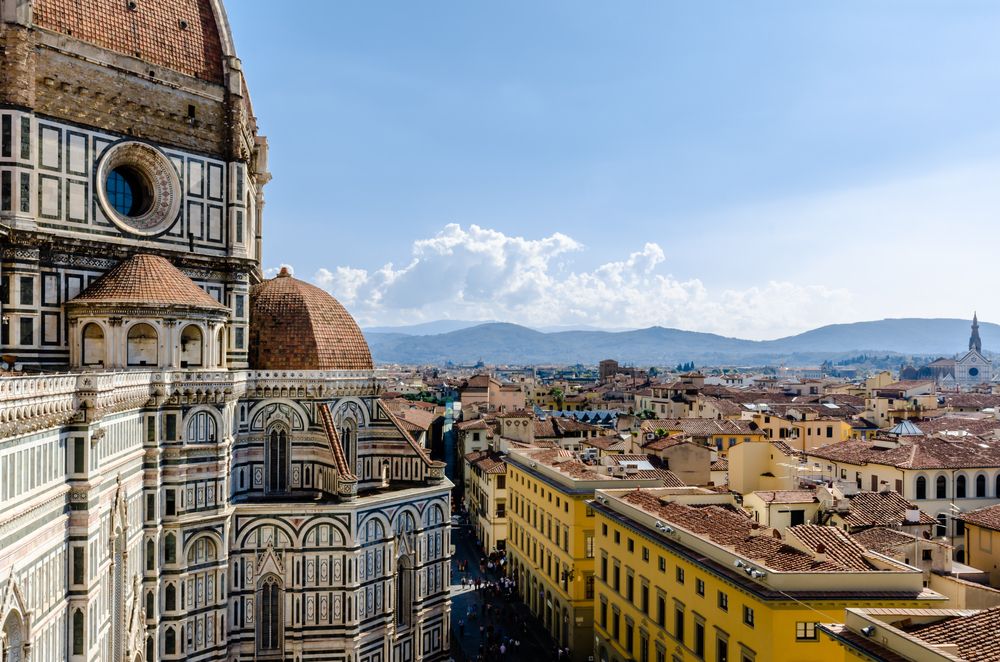
Exploring Florence on foot feels like wandering through one of the greatest open-air museums in the world. In just a few streets, you move from the grandeur of the Florence Cathedral to Renaissance art galleries, then on to lively little squares where everyday Italian life unfolds. Bridges spanning the Arno River, historic palaces, and artisan workshops all come together to create a one-of-a-kind atmosphere, where every stroll reveals a new architectural or artistic masterpiece.
Quand partir à Florence ?
Jan.
9°
8
Feb.
11°
7
March
15°
8
April
18°
9
May
22°
9
June
27°
6
July
31°
4
Aug.
31°
5
Sept.
27°
6
Oct.
21°
8
Nov.
15°
9
Dec.
11°
8
The hottest months in Florence are July and August, with temperatures reaching up to 32°C. The coldest months are January and December, when temperatures can drop as low as 2°C.
Départ conseillé
No need to worry about where to begin! Our tours are designed as a loop, so you can jump in wherever you are. The navigation system and audioguide will automatically adjust to your location. However, if you happen to be nearby, we do have a preferred starting point : Piazza San Giovanni
Parking à proximité
Porta al Prato Car Park – Stazione Leopolda : Via Elio Gabbuggiani
Before you drive in Florence, you should know the following rules. Driving in the city center is prohibited unless you’re a local resident. The entire historic center is a Limited Traffic Zone, or ZTL, in effect from Monday to Saturday during specific hours. The best option is to park outside this zone in a paid car park and take public transport into the city center. The car park we recommend is affordable, safe, and avoids taking spots reserved for residents. You can book your parking in advance to ensure you’ll have a spot.
À savoir
Florence is an open-air museum — there’s so much to see! We recommend buying the City Pass in advance. It gives you access to the city’s must-see attractions, with skip-the-line tickets at a discounted rate!
This tour takes you past some of the city’s major landmarks. The palaces and Medici chapels are open to visitors, and you can buy your entry tickets in advance!
While the nicest weather is in July and August, Florence is one of the most visited cities in the world. That’s why we recommend exploring it off-season — for example in spring — when the weather is pleasant and the streets are less crowded.
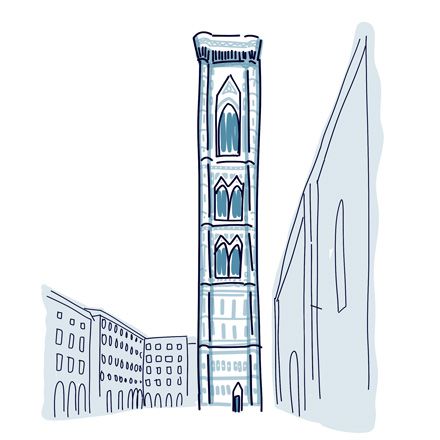
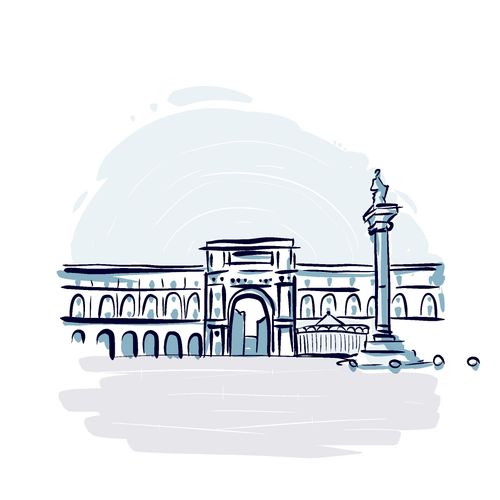
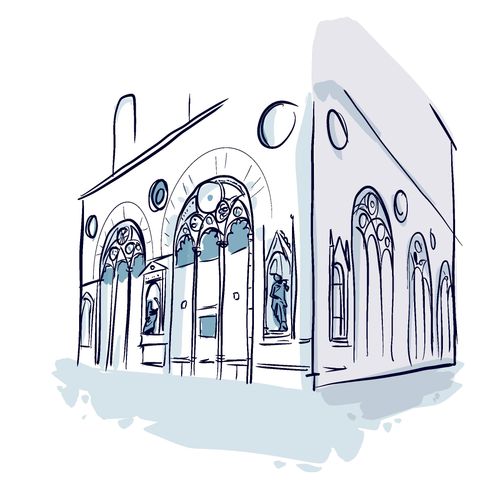
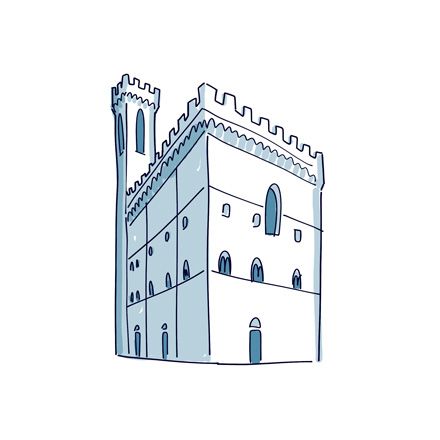
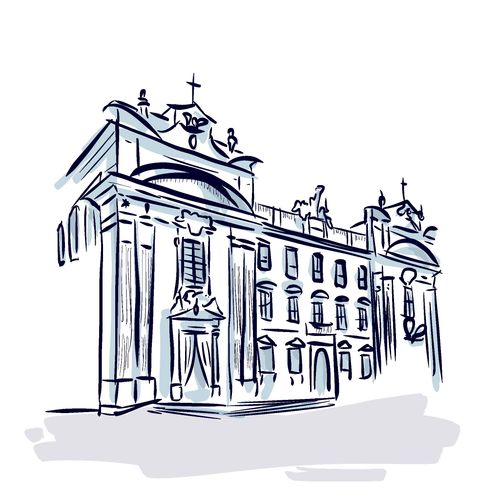
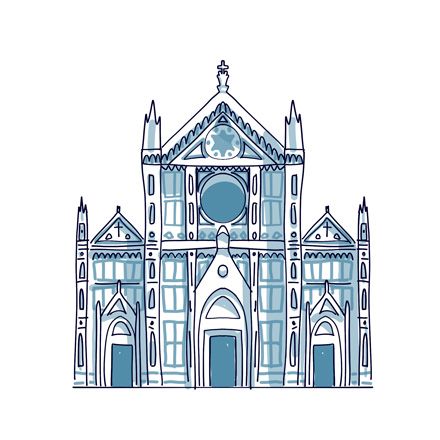
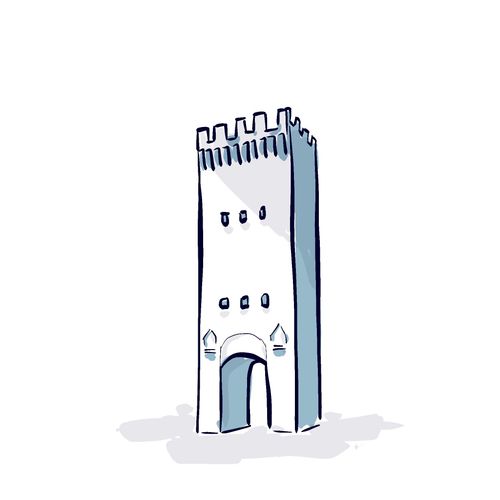
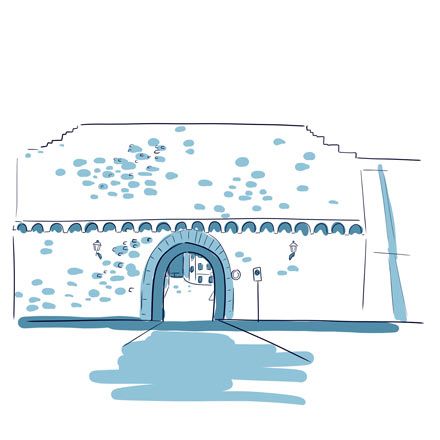
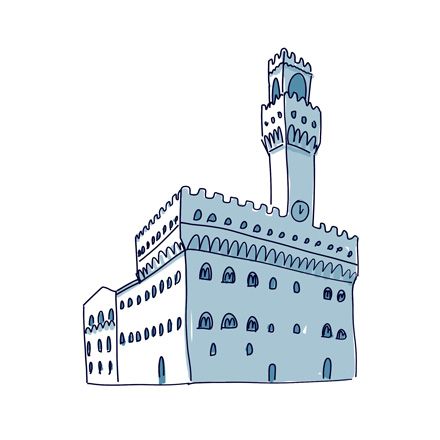
Découvrez 26 lieux d'intérêt pour visiter Florence







Le plein d'inspirations
Explorez le monde en totale liberté, à pied au cœur des villes ou au fil des routes. Nos guides audios transforment chaque destination en une découverte culturelle immersive et unique.
FAQ for visiting Florence
When is the best time to visit Florence?
Spring and autumn are the ideal times to discover Florence. Between April and June, and then from September to October, you will enjoy pleasant temperatures and magnificent light that enhances the Renaissance architecture. Summer can be very hot, with temperatures regularly reaching 32°C in July and August, while winter stays mild but sometimes rainy, with lows around 2°C. These in-between seasons will also let you avoid the summer crowds while fully enjoying the Florentine atmosphere, the sunny terraces and the strolls along the Arno.
How many days do you need to visit Florence?
Allow at least three full days for a first discovery of Florence. That amount of time will let you visit the must-sees such as the Duomo, the Uffizi Gallery and the Ponte Vecchio, while keeping moments to wander through the medieval alleyways. With four or five days, you can deepen your visit by exploring the less touristy neighbourhoods of the Oltrarno, discover more museums and perhaps even take an excursion into the surrounding Tuscan countryside. Florence is a city to be savoured, where every square and every church deserves that you linger to appreciate all its artistic details.
How do you get around in Florence?
The historic centre of Florence is relatively compact and is ideally covered on foot. Most of the major sites are reachable in about twenty minutes' walk from the central station. Cars are, moreover, banned from a large part of the city centre. For longer journeys, you can use the city buses or the tramways that efficiently serve the outlying neighbourhoods. Taxis remain a practical option in the evening or with luggage, but can be expensive. Many visitors also enjoy hiring a bike to explore the banks of the Arno or reach the surrounding hills, such as that of Fiesole.
Should you book tickets in advance for the museums and monuments?
Booking in advance is strongly recommended, especially for the major attractions such as the Uffizi Gallery and the Accademia Gallery, home to Michelangelo's David. Without a reservation, you risk facing queues of several hours, particularly in high season. Most museums now offer online tickets with time slots, which guarantees your entry and saves you precious time. For the climb up the Duomo's dome, booking is even mandatory. Remember to book a few days, or even a few weeks, in advance during the busiest tourist periods to ensure availability.
What are the must-sees in Florence?
Florence is brimming with wonders to discover without fail. The Duomo complex, with its emblematic dome and its bell tower, offers spectacular views. The Uffizi Gallery houses one of the world's most important collections of Renaissance art. The Ponte Vecchio, with its goldsmiths' shops, remains the symbol of the city. The Basilica of Santa Croce impresses with its frescoes and the tombs of Michelangelo and Galileo. Don't miss the Piazza della Signoria either, a genuine open-air museum. The Ryo audioguide accompanies you in discovering these treasures with narrated tours that reveal the history and secrets of each monument while guiding you efficiently through the Florentine alleyways.
How can you avoid the queues at the main attractions?
Several strategies will let you make the most of your time in Florence. Start your visits early in the morning or late in the afternoon, when the crowds thin out. Online booking with a time slot remains the most effective solution for the major museums. Some establishments offer skip-the-line entries for a generally modest surcharge. Also consider visiting the most popular attractions midweek rather than at the weekend. Tourist passes can include priority access, but check carefully whether they are worthwhile for your programme. Finally, take advantage of the many magnificent but lesser-known sites, such as the Bardini Garden or the Basilica of San Miniato al Monte, which offer experiences just as enriching without the wait.
Where should you eat in Florence and what are the local specialities?
Florence offers authentic cuisine to discover in its traditional trattorias. Move away from the ultra-touristy areas near the Duomo to find the best spots frequented by locals, notably in the Sant'Ambrogio or Oltrarno neighbourhoods. The bistecca alla fiorentina, an imposing grilled T-bone steak, remains the emblematic speciality to share. Also try the pappardelle al cinghiale, the ribollita (a bread and vegetable soup) or the Tuscan crostini. For a quick meal, try the panino con lampredotto, a tripe sandwich typical of Florence sold at street kiosks. Accompany your meals with a glass of Chianti produced in the surrounding hills.
Where can you enjoy the finest views over Florence?
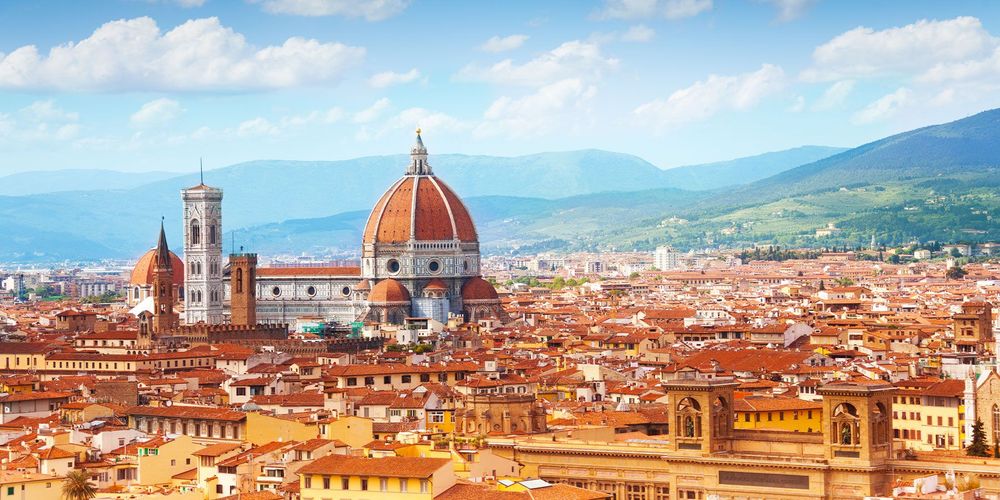
The most famous viewpoint is Piazzale Michelangelo, a vast terrace laid out on the left bank of the Arno, from where the city unfolds with Brunelleschi's dome, Giotto's bell tower and the Ponte Vecchio lined up in the foreground. You walk up along the Poggi ramps or take the steps that climb from the San Niccolò gate, and the late afternoon light there is particularly beautiful.
Just above, the church of San Miniato al Monte offers a comparable panorama in a far quieter atmosphere. In town, climbing the dome of the Duomo, the bell tower or the tower of the Palazzo Vecchio gives you a close-up view over the tiled roofs, while the terraced Bardini garden frames the landscape with wisteria and cypresses.
What is there to discover in Florence's Oltrarno district?
The Oltrarno, on the left bank of the river, is the Florence of craftspeople. Behind the Ponte Vecchio, the lanes around Santo Spirito and San Frediano still shelter workshops for gilding, bookbinding, furniture restoration and leatherwork, often opening straight onto the street. Piazza Santo Spirito, with its bare church front and its terraces, draws a very local crowd in the evening.
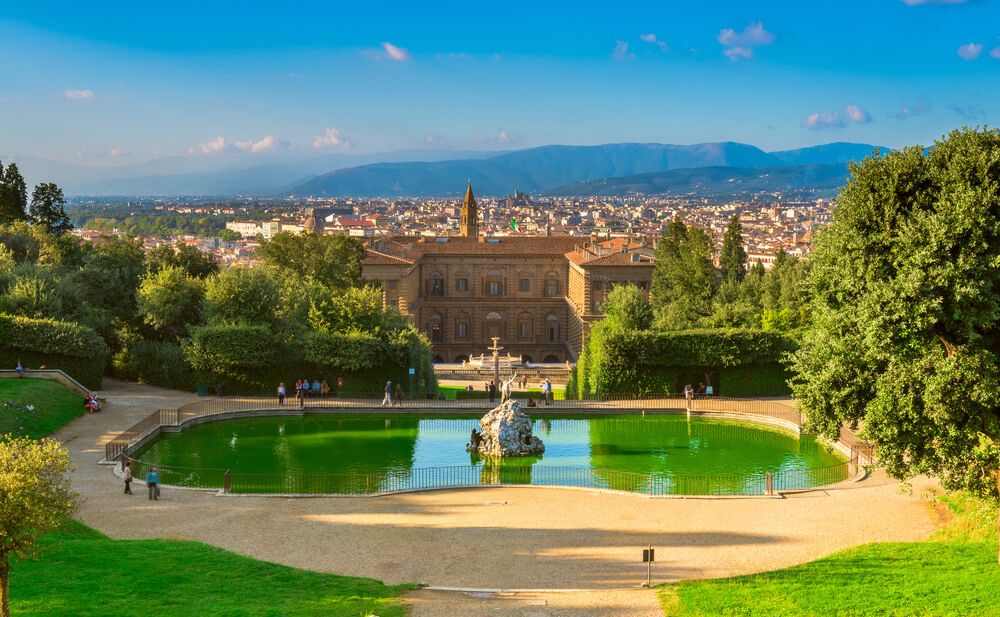
This is also the side of the river where you find the Palazzo Pitti and the Boboli garden, a vast setting of statues, ponds and cypress avenues laid out for the Medici. The district lends itself to walking, moving from square to square and workshop to workshop rather than rushing between museums; the Ryo audio guide offers a dedicated Florence route that runs through these streets.
Which churches are worth visiting in Florence besides the Duomo?
Beyond Santa Maria del Fiore, several Florentine churches are museums in their own right. Santa Croce holds the tombs of Michelangelo, Galileo and Machiavelli along with frescoes by Giotto, while Santa Maria Novella, near the station, preserves the marble front designed by Alberti and Masaccio's Trinity.
San Lorenzo, the church of the Medici family, gives access to the funerary chapels carved by Michelangelo and to the Laurentian Library. You can add the convent of San Marco with its cells painted by Fra Angelico, or the Brancacci chapel in the Carmine church. These places are often far less crowded than the big museums and call for clothing that covers shoulders and knees.
Vos commentaires, idées et suggestions
Aucun avis pour le moment