© Shutterstock
 Votre guide Ryo
Visit Florence in 2 Days: Complete Itinerary and Tips 2026
Twenty-four hours are never enough in Florence, but forty-eight well-organized hours let you see the essentials without rushing around like a panicked tourist. That's the promise of this guide to visiting Florence in 2 days: a day-by-day itinerary that strings together the Duomo, the Uffizi, the Accademia, and the Ponte Vecchio without dead time or a full-on marathon. You'll discover why the queue outside the Galleria degli Uffizi can stretch to two hours without a reservation, why a simple 19th-century covered market has become the city's best lunch option, and why some travelers prefer climbing to Piazzale Michelangelo at sunset rather than in the middle of the day. Before setting off to conquer the cobblestone alleys, the Ryo audio guide tour of Florence provides a practical thread to leave nothing to chance across both days.
Florence in Brief: What You Need to Know Before You Go
Florence fits almost entirely within its historic center, a UNESCO World Heritage Site since 1982: roughly 1.5 km² on foot, from the Duomo to Ponte Vecchio, which is why forty-eight hours are enough to cover the major highlights without a car or complicated transport. The city has just over 360,000 inhabitants but welcomes nearly 15 million visitors each year, a tourist density that peaks particularly between April and October.
Why two days rather than one rushed day or a too-generous week? Because the cradle of the Renaissance concentrates its treasures within a compact perimeter: the Uffizi, Palazzo Vecchio, and the Duomo are all within less than ten minutes' walk of each other. Two days allow you to alternate museums and leisurely strolling, without sacrificing either the Accademia or Palazzo Pitti.
Florence owes its status as the cradle of the Renaissance to the Medici family, bankers who became patrons of the greatest artists of their time: Botticelli, Michelangelo, Leonardo da Vinci, and Brunelleschi all worked under their protection or commission between the 15th and 16th centuries. This concentration of artistic patronage explains why a city of this modest size rivals far larger capitals in its density of masterpieces.
When to go? Spring (April–May) and early autumn (September–October) offer pleasant temperatures (18–24°C) and more manageable crowds than the height of summer, when the thermometer regularly exceeds 35°C in July–August under a sun that leaves no respite in the shade. Winter, from November to February, remains a shrewd option for those seeking shorter queues at the Uffizi, even if it means dealing with shorter and sometimes rainy days.
Florence remains the ultimate Tuscan gem: a city where you encounter more masterpieces per square meter than in any other European capital of this size, while retaining the human scale of a place where everything is walkable. You'll see Michelangelo's David, Brunelleschi's dome, and a sunset over the Arno, all without ever needing to take public transport between two visits.
Our Summary Itinerary for Visiting Florence in 2 Days
Before diving into the hour-by-hour details, here is the general structure of these two days, designed to minimize travel time and respect museum opening hours.
The first day covers the north bank of the Arno and the monumental heart: the Duomo, baptistery, and campanile in the morning, a lunch break at the Mercato Centrale, then the Uffizi Gallery and Piazza della Signoria in the afternoon, before crossing Ponte Vecchio to end on the heights of Piazzale Michelangelo at sunset. Expect around 6 to 7 km of walking accumulated throughout the day — a sustained pace, but never exhausting given how short the distances between monuments remain.
The second day shifts to museums and the south bank: the Galleria dell'Accademia for Michelangelo's David right at opening time (8:15 am), then Palazzo Pitti and the Boboli Gardens late morning, followed by the basilicas of Santa Croce and Santa Maria Novella in the afternoon, before an evening pizza in the Oltrarno. This second day involves slightly less walking (around 5 km) but is denser in indoor visits.
Doing everything on foot is perfectly realistic: the historic center can be explored entirely without transport, with distances between major points of interest rarely exceeding 15–20 minutes on foot. The only notable exception is the climb up to Piazzale Michelangelo, which adds about fifteen minutes of uphill walking from the Oltrarno but remains accessible on foot for anyone wearing comfortable shoes.
One tip that makes all the difference: book your skip-the-line tickets for the Uffizi and the Accademia at least one week in advance. Without a reservation, the wait can exceed two hours in high season, which could easily eat up half a day from your already tight schedule. Florence's audio-guided tour links the Uffizi Gallery to the Ponte Vecchio along the way, a handy detour if the queue is still moving slowly.
Day 1: The Duomo, Piazza della Signoria, and the Uffizi
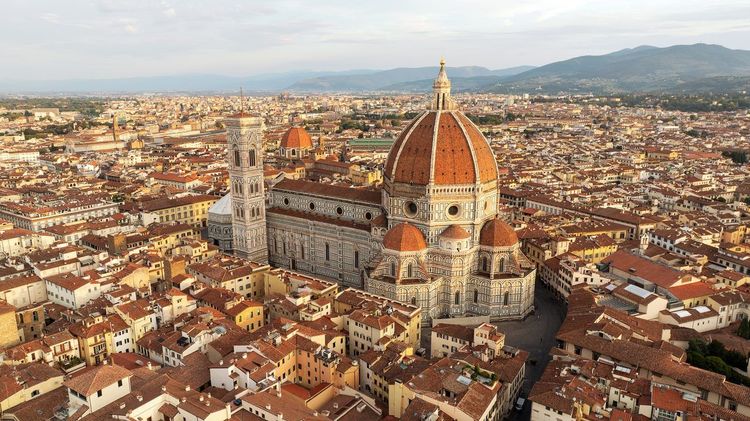
This first day traces a logical circle around the monumental heart of Florence, starting at the Duomo early in the morning to take advantage of the light and still-modest crowds, before drifting south in the late afternoon toward the natural balcony of Piazzale Michelangelo (50125 Firenze, rated 4.8/5 on Google from 113,299 reviews).
Around the Duomo: Cathedral, Baptistery, and Campanile
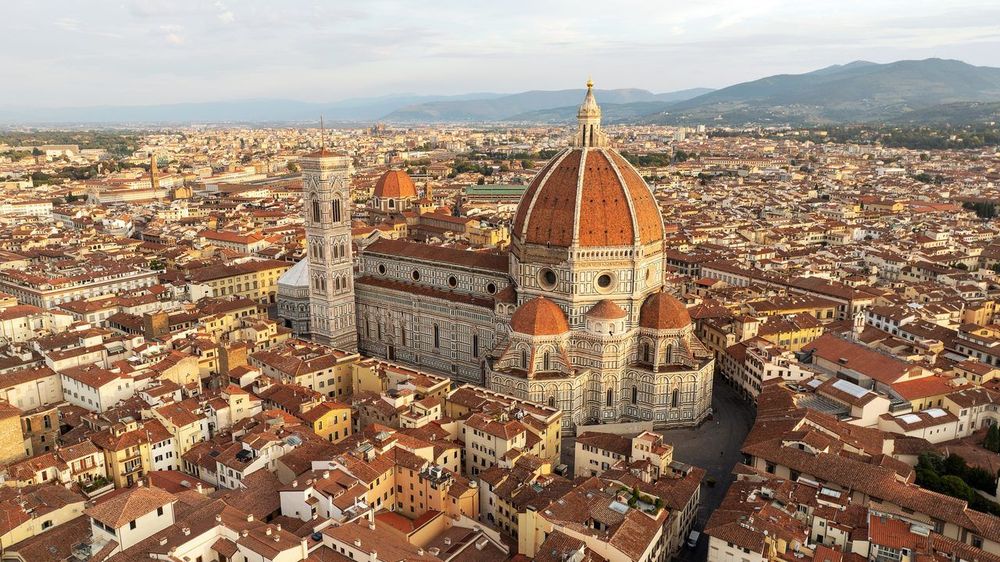
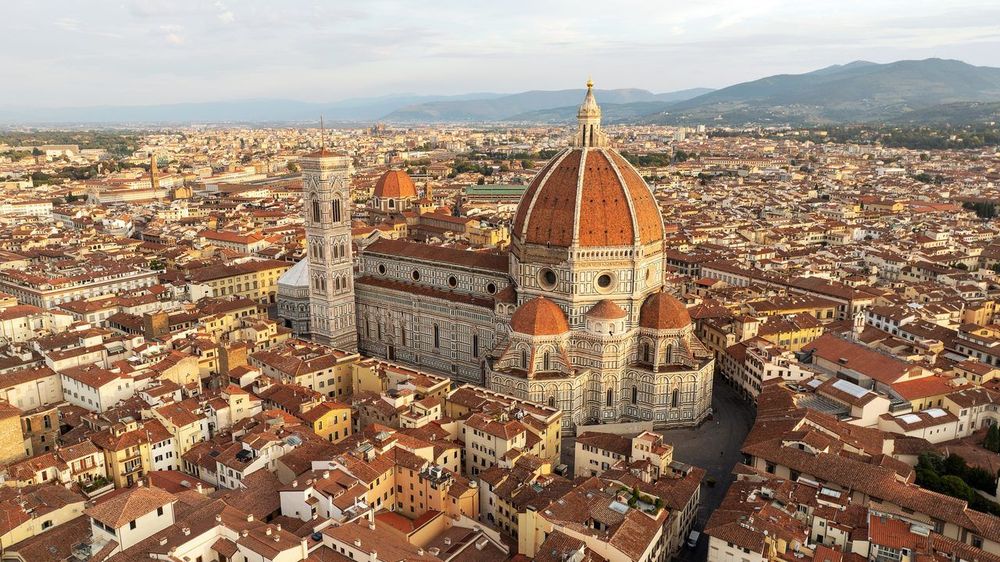
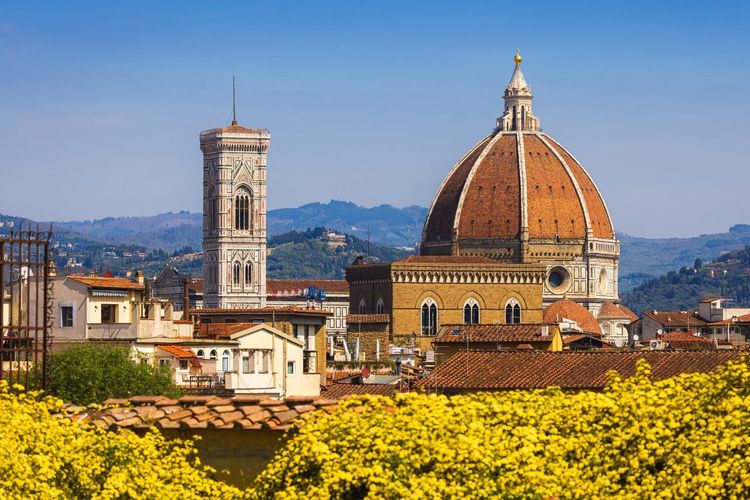
The day inevitably begins at Piazza del Duomo, in front of the most photographed religious complex in central Italy. The Cathedral of Santa Maria del Fiore, simply nicknamed "the Duomo," impresses less by its interior dimensions than by its dome: completed by Brunelleschi in 1436 without external scaffolding, it remains one of the most studied feats of Renaissance engineering. At 153 meters long and rising to 114.5 meters at the top of the lantern, the cathedral also houses a fresco of the Last Judgment by Vasari and Zuccari, visible from inside the dome itself. Entry to the church is free, but climbing the 463 steps to the top requires a time-stamped reservation, which is often fully booked several days in advance in summer.
Right next door, Giotto's Campanile offers an alternative to the dome: 414 steps, an equally spectacular view over the city, and booking slots that are generally easier to secure on the day.
The Baptistery of San Giovanni, octagonal and clad in white and green marble, deserves a stop for its bronze doors, especially Ghiberti's "Gates of Paradise" (a copy; the original is kept in the nearby museum). The interior, adorned with a 13th-century Byzantine mosaic of the Last Judgment, can be visited in 15–20 minutes.
For travelers curious about art history, the Museo dell'Opera del Duomo, just steps away, houses the originals removed from the cathedral for preservation, including Michelangelo's famous unfinished Pietà. Allow an hour for this museum, often overlooked by visitors in a hurry, making it a less crowded stop than the Uffizi.
The combined Brunelleschi Pass (around €30) grants access to these four sites plus the crypt of Santa Reparata — a deal that works out cheaper than separate tickets as soon as you visit more than two monuments.
A Food Break at Mercato Centrale and Lunch in San Lorenzo
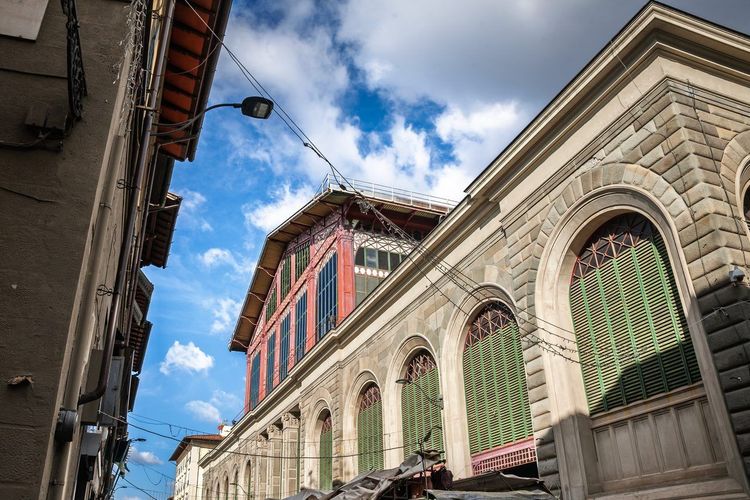
Leaving Piazza del Duomo, about ten minutes' walk north leads to the San Lorenzo neighborhood. The Mercato Centrale, a covered market built in 1874, spans two floors: vegetables, cheeses, and cold cuts on the ground floor, and a food court upstairs with around twenty stalls (pizza al taglio, fresh pasta, lampredotto, Tuscan wines by the glass).
It's a practical option for a quick lunch without worrying about finding a table, even if prices are slightly higher than a classic neighborhood trattoria. If you prefer something lighter, Pasticceria Scudieri, on Piazza San Giovanni opposite the baptistery, serves a decent brunch and opens as early as 7:30 am — an option for early risers who want a bite before the museums open.
The Uffizi Gallery and Piazza della Signoria
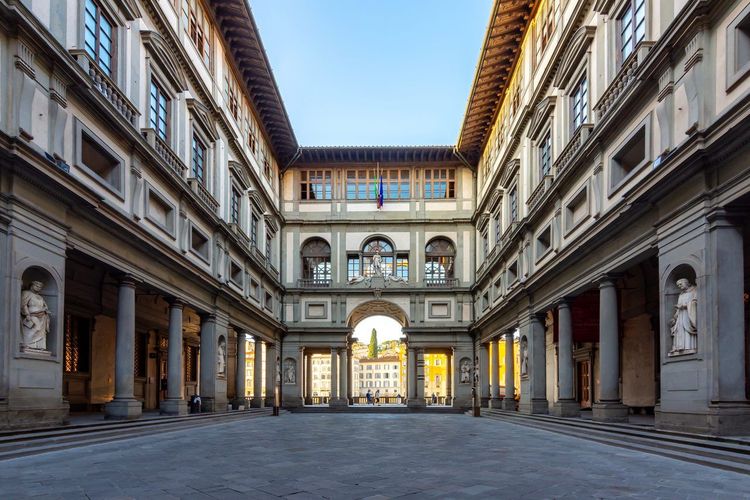
The afternoon kicks off with the centerpiece of the day: the Uffizi Gallery, which houses one of the most important collections of Italian painting in the world, from Botticelli (The Birth of Venus, Primavera) to Leonardo da Vinci and Caravaggio. Allow a minimum of 2 to 3 hours, and book online without fail: without a timed entry slot, the wait in high season frequently exceeds 90 minutes, and even in low season it rarely drops below 30 minutes. To reduce the crowds in the rooms, aim for an entry slot at the very start of the afternoon rather than late morning, when organized tour groups tend to arrive.
On the way out, Piazza della Signoria opens up directly — an open-air museum where a copy of the David, the Loggia dei Lanzi with its ancient statues, and Palazzo Vecchio all rub shoulders — the former seat of Florentine power still used today as the city hall. Its 94-meter crenellated tower can be visited for a panorama different from the Duomo's, less crowded and often overlooked by visitors in a hurry.
Just nearby, beneath the Loggia del Mercato Nuovo, the Fontana del Porcellino draws its share of tourists who rub the bronze boar's snout: local tradition promises a return to Florence to anyone who repeats the gesture, which explains the characteristic polish on the bronze at that precise spot.
Ponte Vecchio and Sunset at Piazzale Michelangelo
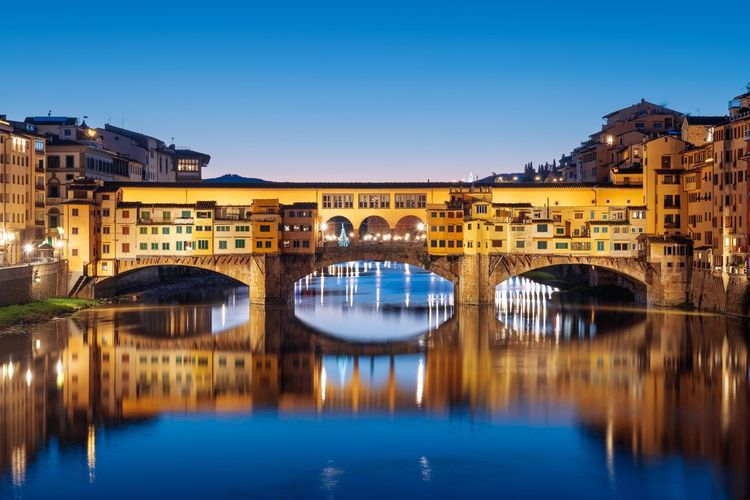
Heading back down toward the Arno from Piazza della Signoria, five minutes on foot is enough to reach Ponte Vecchio, the only Florentine bridge spared from German destruction in 1944. Lined with jewelry shops since the 16th century (the original butchers were expelled for hygiene reasons and replaced by goldsmiths), it remains one of the most photographed bridges in Europe, particularly lively in the late afternoon.
Before crossing, treat yourself to a refreshing break: Florentine gelato, denser and less airy than its French counterpart, is best enjoyed at an artisan gelateria rather than a tourist shop on the bridge. Gelateria dei Neri, a little further into the Santa Croce neighborhood, is one of the addresses recommended by locals.
To close out this first day, head up to Piazzale Michelangelo, about 20–25 minutes' walk from Ponte Vecchio through the Oltrarno. The viewpoint, laid out in the 19th century by architect Giuseppe Poggi, offers a sweeping panorama of the city and its dome, particularly spectacular an hour before sunset when golden light bathes the facades. Add another 5 minutes of climbing to the basilica of San Miniato al Monte for a similar view, but with half the crowd.
The audio-guided tour of Florence covers exactly this Duomo–Uffizi–Ponte Vecchio sequence, with the historical anecdotes that bring each stop to life without having to flip through a paper guidebook between monuments.
Day 2: The Accademia, the Oltrarno, and the Boboli Gardens
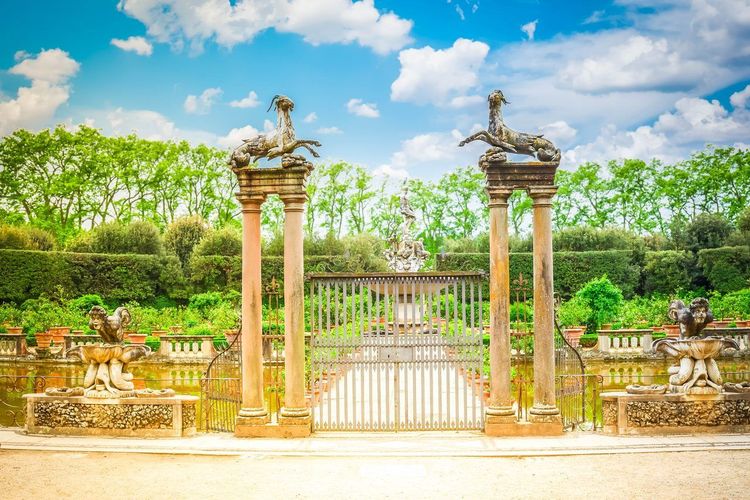
This second day shifts banks and pace: fewer outdoor monuments, more museums and gardens, with the crossing of the Oltrarno — the most authentic neighborhood in the historic center — as a guiding thread.
The Galleria dell'Accademia and Michelangelo's David
The day starts with the Galleria dell'Accademia, to be booked for opening time (8:15 am) to avoid the crowds in front of Michelangelo's David, sculpted between 1501 and 1504 from a single block of Carrara marble standing 5.17 meters tall. The gallery is modest compared to the Uffizi (30–45 minutes suffice for the essentials), making it an efficient visit at the start of the morning. A timed-entry ticket is mandatory year-round, unlike some other city museums that only require it in high season; skipping this step almost always means simply giving up on entering that day.
Beyond the David, the collection includes Michelangelo's four unfinished "Prisoners," intended for the tomb of Pope Julius II, and a section of ancient musical instruments rarely mentioned in guidebooks but appreciated by enthusiasts.
Palazzo Pitti and the Boboli Gardens
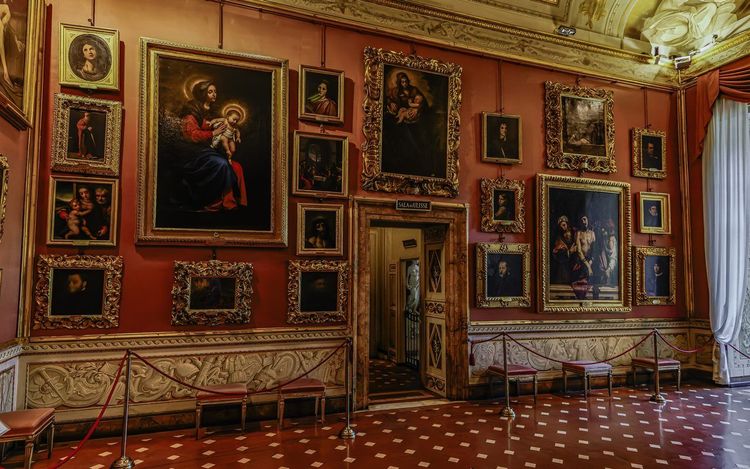
Next, cross the Arno into the Oltrarno to reach Palazzo Pitti, the Medici residence from 1550 onwards and royal palace until Italian unification. It now houses several museums under one ticket: the Galleria Palatina and its royal apartments, the Gallery of Modern Art, the Museum of Fashion and Costume, and the Medici Treasury. If time is short, focus on the Galleria Palatina, which concentrates the bulk of the masterpieces (Raphael, Titian, Rubens).
Behind the palace stretch the Boboli Gardens, 45,000 m² of terraces, grottos, and ancient statues laid out from 1550 onwards. They are one of the earliest examples of an Italian garden in the world and the model that inspired Versailles a few decades later. The central amphitheater, the Fontana del Nettuno, and the Buontalenti Grotto each deserve a photo stop, before climbing up to Forte di Belvedere for an unobstructed panorama of the city — less well-known than Piazzale Michelangelo but just as impressive, with far fewer visitors.
The combined Palazzo Pitti + Boboli ticket (around €20 to €25 depending on the season) is the most economical way to visit the whole complex; book it online to skip the queue that often stretches in front of the ticket office in the middle of the day.
Basilica of Santa Croce and Santa Maria Novella
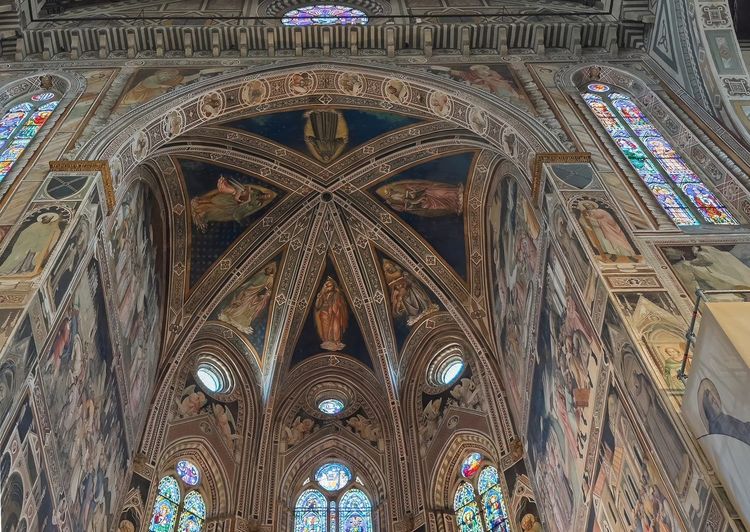
The afternoon is split between the city's two great Franciscan and Dominican basilicas. The Basilica of Santa Croce, 15 minutes' walk from Palazzo Pitti via Ponte Vecchio, houses the tombs of Michelangelo, Galileo, Machiavelli, and Rossini — sometimes nicknamed the "Pantheon of Italian Glories." Its cloister and the Pazzi Chapel, a work by Brunelleschi, are worth the visit in their own right, as are the Giotto frescoes preserved in the Bardi Chapel.
On the other side of the historic center, the Basilica of Santa Maria Novella, Dominican in character, stands out for its polychrome marble facade by Leon Battista Alberti and its frescoes by Masaccio, including the famous Trinity — one of the first works to rigorously apply the laws of linear perspective.
If time is short, prioritize Santa Croce, richer in history and art, and keep Santa Maria Novella for a potential third day.
Pizza Break in the Oltrarno
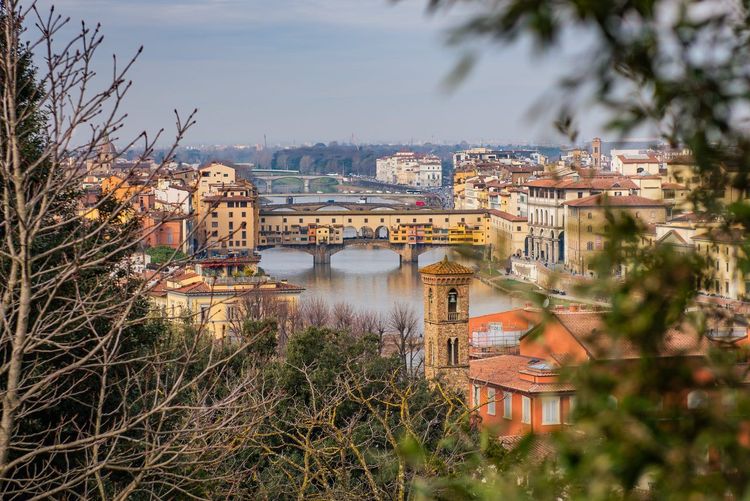
End the day in the Oltrarno, the artisans' neighborhood that has retained its local character despite its proximity to Palazzo Pitti. Furniture restoration workshops, leather goods studios, and goldsmiths rub shoulders with unpretentious little pizzerias where you can eat well for €10–15 per person. Pizzeria Gustapizza (Via Maggio 46r, 50125 Firenze, rated 4.5/5 on Google from 7,395 reviews), on Via Maggio, serves generous Neapolitan pizzas in a lively room — often with a short wait in the evening, but fast service once seated.
Wandering through the Oltrarno after dinner, past still-lit artisan shop windows and the animated terraces of Piazza Santo Spirito, brings this second day to a close at a calmer pace than the whirlwind of day one. The neighborhood's residents gather here for a late aperitivo — a local habit far more alive here than in the tourist-saturated historic center.
Neighborhoods and Hidden Gems Beyond the Must-Sees
Beyond the classic two-day itinerary, Florence holds a number of lesser-visited addresses — ideal if you extend your stay or simply want to avoid the crowds at the main sites.
Alternative Museums and Hidden Gems
The Museo Galileo, on the Arno embankment near the Uffizi, traces the history of science through instruments that belonged to Galileo himself, including his original telescopes and one of his fingers preserved as a relic. Less well-known than the great art museums, it particularly appeals to families and science enthusiasts, with a visit that rarely takes more than an hour.
The Palazzo Davanzati, halfway between Ponte Vecchio and Piazza della Signoria, is a superbly preserved 14th-century medieval townhouse, furnished as it would have been in the time of its merchant owners. It offers a glimpse of everyday Florentine life that the grand official palaces never show, with its kitchens, bedrooms, and interior well.
For a more local market than the Mercato Centrale, head to the Mercato di Sant'Ambrogio (Piazza Lorenzo Ghiberti 40, 50122 Firenze, rated 4.5/5 on Google from 9,137 reviews), in the Santa Croce neighborhood, where Florentines still do their shopping among stalls of fruit, vegetables, and fish, far from the tourist crowds of the center.
Neighborhoods to Explore if You Have a Little Extra Time
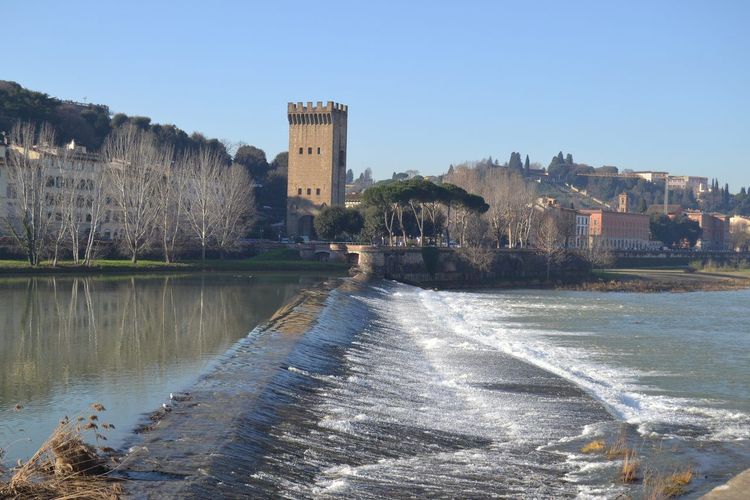
The San Niccolò neighborhood, at the foot of Piazzale Michelangelo, deserves an evening stroll: quiet lanes, artisan workshops, and wine bars open late, without the tourist density of the historic center. This is also where the old medieval walls pass through, with Porta San Niccolò remaining one of the few towers preserved intact.
Piazza Santo Spirito, in the Oltrarno, concentrates a local life found nowhere else in the center: an organic market in the morning, lively terraces in the evening, and the basilica of the same name designed by Brunelleschi, whose deliberately understated facade contrasts with the richness of the interior.
If you have an extra evening, the San Frediano neighborhood, a little further west in the Oltrarno, has established itself in recent years as the haunt of cocktail bars and young Florentines, far from the tourist traps of the center. To explore this kind of off-the-beaten-path discovery further, the Ryo article on the neighborhoods of Florence details each one with its own character, and the Top 7 Things to Do in Florence rounds out this selection with less conventional ideas.
Florence in 1, 3, or 4 Days: How to Adapt Your Itinerary
Two days remain the most efficient format for a first visit, but your schedule doesn't always align with this ideal timeline. Here's how to adjust the itinerary based on the time you actually have.
Visiting Florence in 1 day: it's possible, but you'll need to make tough choices. Focus on the Duomo, Piazza della Signoria, and Ponte Vecchio trio in the morning, then pick just one museum in the afternoon — either the Uffizi or the Accademia — rather than trying to fit everything in. Book your tickets well in advance without fail: without a timed slot, a single day won't be enough to absorb the ticket-desk wait. Skip Palazzo Pitti and the Boboli Gardens, which alone require half a full day.
Visiting Florence in 3 days adds real breathing room: dedicate a full morning to Palazzo Pitti and the Boboli Gardens rather than rushing through them, explore the San Niccolò and San Frediano neighborhoods in the evening, and keep half a day for a day trip. This is the format that lets you discover the city without constant sprinting, with genuine coffee breaks between monuments.
Four days or more open the door to day trips. Visiting Arezzo, 1 hour by train from Santa Maria Novella station, lets you discover a more under-the-radar Tuscan city, known for its Basilica di San Francesco and the frescoes of Piero della Francesca, without the crowds that flood Florence in high season. Siena (1h15 by bus or car), San Gimignano with its medieval towers (1h30), or Pisa and its leaning tower (1h by train) all naturally complement a longer stay.
Extending a stay in Florence beyond 4 days makes sense if you plan to explore the surrounding Tuscan countryside: the Chianti, Val d'Orcia, or Cinque Terre each require a full day, difficult to compress alongside an already-dense urban program. Many travelers leave Florence feeling they'll come back: the city has this particular quality of making you feel, even after several days, that there's still one more palace or cloister to discover. If your stay falls in the low season (November to March), those extra days can also be negotiated at accommodation rates noticeably gentler than in the peak summer season.
Florence with Kids: Activities and Tips for Families
Florence doesn't have a reputation as an obvious family destination, between classical art museums and silent churches, but a few adjustments are enough to turn the trip into an adventure that children enjoy too.
The Museo Galileo, already mentioned above, works particularly well with science-curious children: the ancient instruments, armillary spheres, and interactive experiments hold attention far better than a gallery of religious paintings. Allow around 45 minutes to 1 hour for the visit — well within the attention span of younger visitors.
The Boboli Gardens also offer a real breathing space for families: shaded paths, artificial grottos, fountains, and above all room to run after hours spent moving from one museum to the next. Plan a picnic break on one of the upper terraces, with a view over the city as a bonus, and bear in mind that strollers roll easily along the main paths — unlike the narrow stairs of the campanile or the Duomo dome.
For lunch, the Mercato Centrale remains the simplest option with children: everyone picks their stall, no one waits for a table at a sit-down restaurant, and the lively market atmosphere generally goes down better than a quiet trattoria. A mid-afternoon gelato stop also works wonders for keeping the pace between two visits, without needing to track down a gastronomic address.
A practical tip picked up from experienced family travelers: space out museum visits with an outdoor break, even if it means dropping one site from the program. Piazza della Repubblica, with its vintage carousel, or Piazza Santo Spirito and its morning market offer welcome breathers between museum rooms. For a more complete selection of family-friendly activities and practical advice, the Ryo article dedicated to Florence with Kids details additional tips, including skip-the-line tickets and the least-crowded visiting hours.
Where to Stay in Florence: the Best Neighborhoods for a 2-Day Visit
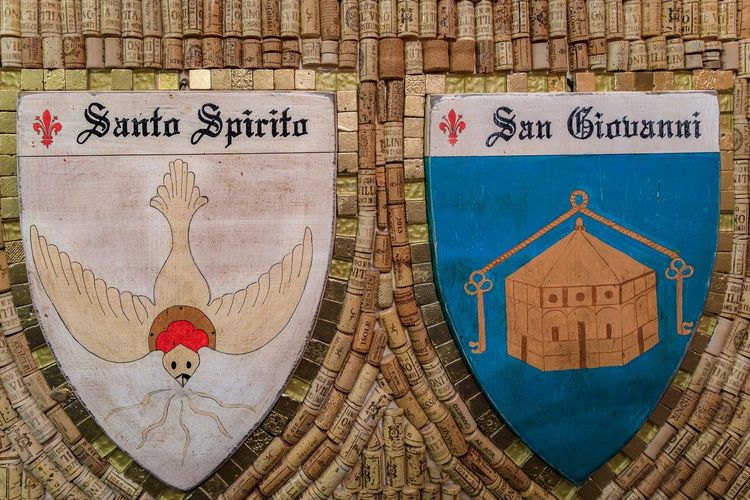
The choice of neighborhood matters almost as much as the hotel itself: on a short stay, being within walking distance of the main sites saves precious time on an already tight schedule.
Historic Center and Duomo District
Staying around Piazza del Duomo or its surrounding streets puts everything within walking distance: the Uffizi, Piazza della Signoria, and Ponte Vecchio are all reachable in under 10 minutes. It's the most practical choice for such a short stay, even if it means paying a little more and dealing with tourist activity well into the evening. Hotels here are plentiful but often installed in historic palaces with modestly sized rooms — a trade-off accepted in exchange for the location.
The Oltrarno: the Bohemian Neighborhood
Staying in the Oltrarno, around Piazza Santo Spirito or Palazzo Pitti, offers a different trade-off: a little quieter in the evening, more authentic dining options, and slightly lower prices than the strict historic center, for a 10–15 minute walk to Ponte Vecchio. It's the recommended choice for those who prioritize local atmosphere over immediate proximity to the museums, even if it means crossing the Arno morning and evening. Independent, smaller properties are more common here than large hotel chains, often with a more personal welcome.
Santa Croce and Santa Maria Novella
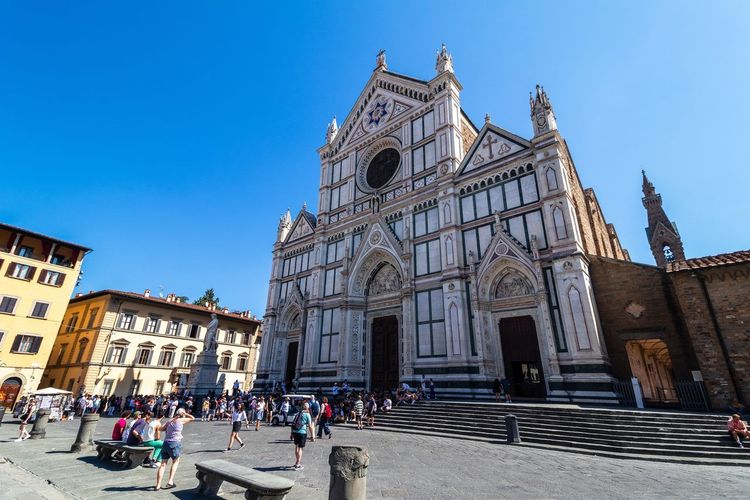
The Santa Croce and Santa Maria Novella neighborhoods round out the options with distinct profiles. Santa Croce, to the east of the center, remains lively but less saturated than the Duomo area, with good value for money on accommodation — from youth hostel dorms to charming boutique hotels. Santa Maria Novella, around the train station of the same name, appeals most to travelers arriving or departing by train early in the morning or late at night, with the drawback of a neighborhood that feels slightly less picturesque after dark, despite prices that are often gentler than elsewhere in the center.
Whatever neighborhood you choose, book several weeks in advance between April and October: the hotel supply in the historic center is constrained by heritage conservation rules, which drives prices up quickly as high-season dates approach. The audio-guided tour of Florence makes it easy to check walking distances between your accommodation and the main points of interest in advance — a good habit before finalizing a booking.
Where to Eat in Florence: Our Best Addresses and Local Specialties
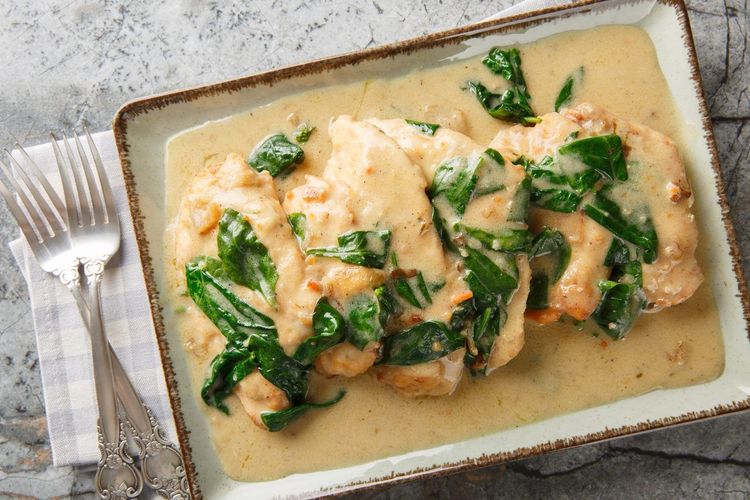
Beyond the stops already mentioned during the two-day itinerary (Mercato Centrale, Oltrarno pizzeria), Florence deserves a broader selection for those staying on into the evening or looking to vary their meals.
Florentine cuisine is rooted in simple ingredients and a certain sense of economy: bistecca alla fiorentina (a thick grilled beef steak, generally for 2 people and priced by weight), ribollita (bread and vegetable soup), and lampredotto (a sandwich made from veal tripe, sold at street kiosks) form the backbone of a typically Tuscan meal.
For a quick and affordable lunch between visits, All'Antico Vinaio, on Via dei Neri, serves sandwiches (schiacciate) that have become a local institution despite an almost permanent queue during the day. Expect a 10–15 minute wait on average, more than compensated by the value for money.
For a more traditional dinner, Trattoria Mario (Via Rosina 2r, 50123 Firenze, rated 4.6/5 on Google from 4,609 reviews), open for lunch only near the Mercato Centrale since 1953, serves no-frills Tuscan home cooking with shared tables and a convivial rather than touristy atmosphere. No reservations: arrive early or be prepared to wait.
For a more generous budget, a bistecca alla fiorentina is best enjoyed in the trattorias of the Oltrarno or Santa Croce, checking the price per kilo displayed on the menu before ordering (generally €45–55 per kilo, for a cut serving two to three people).
On the wine front, enotecas in the historic center offer Chianti tastings by the glass with no commitment — an economical way to discover the surrounding vineyards without leaving the city. The aperitivo hour, between 6 pm and 8 pm, is also worth exploring: for the price of a drink (€8–12), many bars serve a buffet of bruschetta, olives, and cold cuts sufficient to hold you over until dinner. For a more thorough exploration of local specialties, dishes, and addresses sorted by neighborhood, the Ryo article on the Top 10 Culinary Specialties of Florence details each dish with its best addresses.
How to Get to and Around Florence
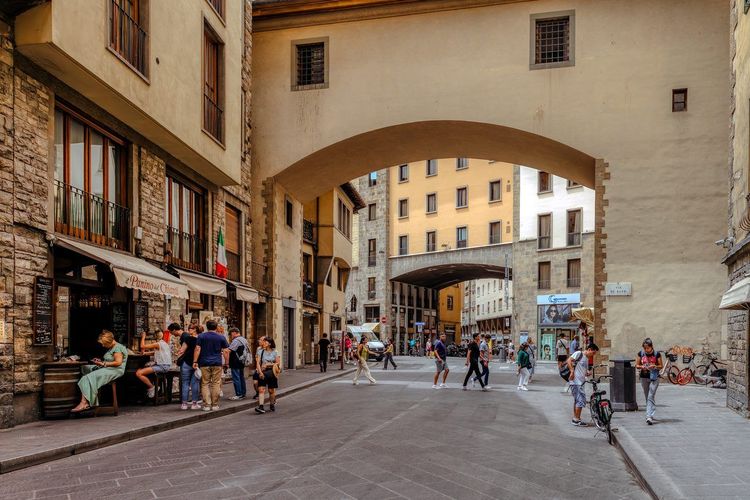
From the Airport to the City Center
Florence airport (Amerigo Vespucci, also known as Peretola) is just 5 km from the city center, making it one of the European airports closest to its own historic heart. Since February 2019, tram line T2 connects the terminal directly to Santa Maria Novella station in about twenty minutes, for €1.70 per ticket, with a service every 5 to 10 minutes depending on the time of day. It replaced the old Vola in Bus shuttle, which was discontinued when the line opened: there's no need to look for a dedicated bus outside the terminal — the tram leaves right in front of the arrivals hall. A taxi to the center costs around €25 at the flat rate, an option that makes sense mainly with bulky luggage or at an hour when the tram is no longer running.
Many international travelers actually land at Pisa airport, which is better served by long-haul and low-cost flights. The journey then requires a connection: the PisaMover automated shuttle links the terminal to Pisa Centrale station in 5 minutes (around €5), from where a regional train reaches Florence Santa Maria Novella in 1 to 1h20 for around ten euros. Allow approximately 1h30 door to door, including waiting time; direct buses also connect Pisa airport to Florence in around 1h20. This is a seriously worthwhile option if flight prices to Pisa are significantly lower than those to Florence directly.
Getting Around on Foot, by Bus, or by Tram
Once in the city, getting around Florence is almost exclusively a matter of walking: the historic center, largely closed to motor traffic (ZTL zone), can be crossed entirely on foot in 20–30 minutes from one end to the other. The two days of itinerary detailed above can in fact be completed without a single public transport journey.
For trips toward the Oltrarno or occasional outings beyond the center (train station, airport), the ATAF bus network effectively complements walking, with tickets at €1.70 valid for 90 minutes, or a day pass at €5 if you make multiple journeys. Taxis, less numerous than in Rome or Milan, are best picked up at official ranks rather than hailed in the street — a habit that often surprises visitors used to other major Italian cities.
Avoid renting a car for a strictly urban stay: the ZTL zone in the historic center bans unauthorized vehicles, with automatic fines issued by camera, and parking near tourist sites is both scarce and expensive. A hire bike or shared scooter can, however, come in handy for slightly longer journeys, such as an evening return trip to Fiesole.
Budget and Practical Info for Visiting Florence in 2 Days
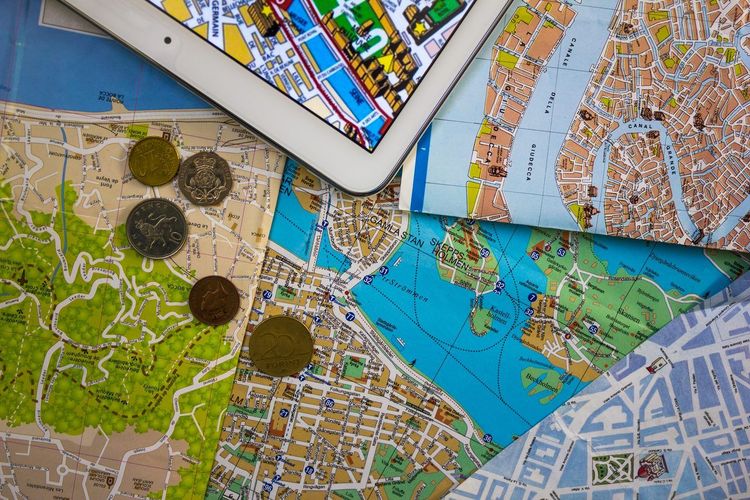
What budget should you plan for on the ground? Expect, per person and excluding international flights, between €150 and €250 for a comfortable stay without excess: accommodation in a 3-star hotel (€80–120/night for two, so €40–60 per person), meals (€30–40/day mixing the market, a trattoria, and one more generous option), museum tickets (around €40–50 for the Uffizi, Accademia, and Palazzo Pitti combined), and local transport (€5–10 across the whole stay). A tighter budget of around €100–120 per day remains achievable by staying in a hostel or reducing the number of paid museum visits.
The Firenze Card (€85, valid 72 hours) gives unlimited access to over 70 museums and monuments, including skip-the-line entry. It pays for itself from 3–4 paid sites visited, which corresponds exactly to the program detailed above (Duomo/campanile/baptistery, Uffizi, Accademia, Palazzo Pitti). Note, however, that it does not cover the climb to the Duomo dome, which always requires a separate reservation even with the card.
Two tips help lower the bill without cutting the program. Italian state museums — including the Uffizi, Accademia, and Palazzo Pitti — open free of charge on the first Sunday of each month as part of the "Domenica al Museo" initiative: the saving is real, but reservations become impossible that day and queues grow accordingly — worth weighing carefully if your schedule is already tight. Second tip: online booking for the Uffizi and Accademia comes with a booking fee of around €4 per ticket, often forgotten in budget estimates, which adds up quickly when booking for a whole family.
On the opening hours front, most museums close on Mondays (the Uffizi and Accademia notably) — an essential point to check before locking in your itinerary around specific dates. Churches generally close between 12:30 pm and 3 pm, a break that usefully coincides with lunchtime.
Italian is the language of reference, but English is widely spoken in tourist areas and hotels. The currency is the euro; tips are not mandatory, but rounding up or leaving 5–10% in restaurants is appreciated. Pharmacies (farmacia) are identifiable by their green cross and generally maintain a 24-hour on-call rotation in the center. To finalize your planning and check the exact walking distances between each step of this program, the Ryo audio guide is the fastest tool to consult before you leave.
FAQ
How Many Days Do You Need to Visit Florence?
Two days are enough to cover the essentials: the Duomo, the Uffizi, the Accademia, Palazzo Pitti, and Ponte Vecchio, without constant sprinting. Three to four days add breathing room for off-the-beaten-path neighborhoods and a day trip to Siena, Arezzo, or Pisa.
Do You Need to Book Tickets for the Uffizi and the Accademia in Advance?
Yes, always — at least one week ahead in low season and 2–3 weeks in high season (April–October). Without a reservation, the wait at the ticket desks frequently exceeds 1.5 to 2 hours, which can throw off the balance of an already tight itinerary.
What Budget Should You Plan for a Weekend in Florence?
Expect between €150 and €250 per person excluding flights, covering accommodation, meals, museum tickets, and local transport. The Firenze Card (€85, 72h) pays for itself from 3–4 paid sites visited.
Can You See Everything in a Single Day?
It's possible, but you'll need to make choices: the Duomo, Piazza della Signoria, and Ponte Vecchio trio in the morning, then just one museum in the afternoon (Uffizi or Accademia), leaving Palazzo Pitti and the Boboli Gardens aside.
What Is the Best Time of Year to Visit Florence?
Spring (April–May) and early autumn (September–October) offer the best balance of weather and crowd levels. Winter remains worthwhile for shorter queues, despite shorter days.
How Do You Get Around Florence Without a Car?
On foot exclusively for the historic center, supplemented by the ATAF bus network for trips toward the Oltrarno or the train station. The ZTL zone prohibits unauthorized vehicles from driving in the center anyway.
Is Florence a Good Destination with Children?
Yes, as long as you alternate museums with outdoor breaks: the Boboli Gardens and the Museo Galileo work particularly well with curious children, while climbing the campanile or the Duomo dome is not recommended for younger kids.
Forty-eight hours in Florence leave no room for total improvisation, but are more than enough to leave with the essentials: Brunelleschi's dome up close, Michelangelo's David face to face, and a sunset from Piazzale Michelangelo that remains, for many travelers, the sharpest memory of the trip. The detailed itinerary above works as a solid base, to be adjusted according to your priorities between art, food, and wandering through less-visited neighborhoods like San Niccolò or San Frediano.
If you prefer to explore at your own pace rather than follow a rigid plan, the Ryo audio guide tour of Florence covers the essentials of this program with historical commentary at each stop — a practical way to turn this schedule into a guided visit without depending on a group's timetable.